
The Role of Pilgrimage in Shaping Ancient Indian Architecture

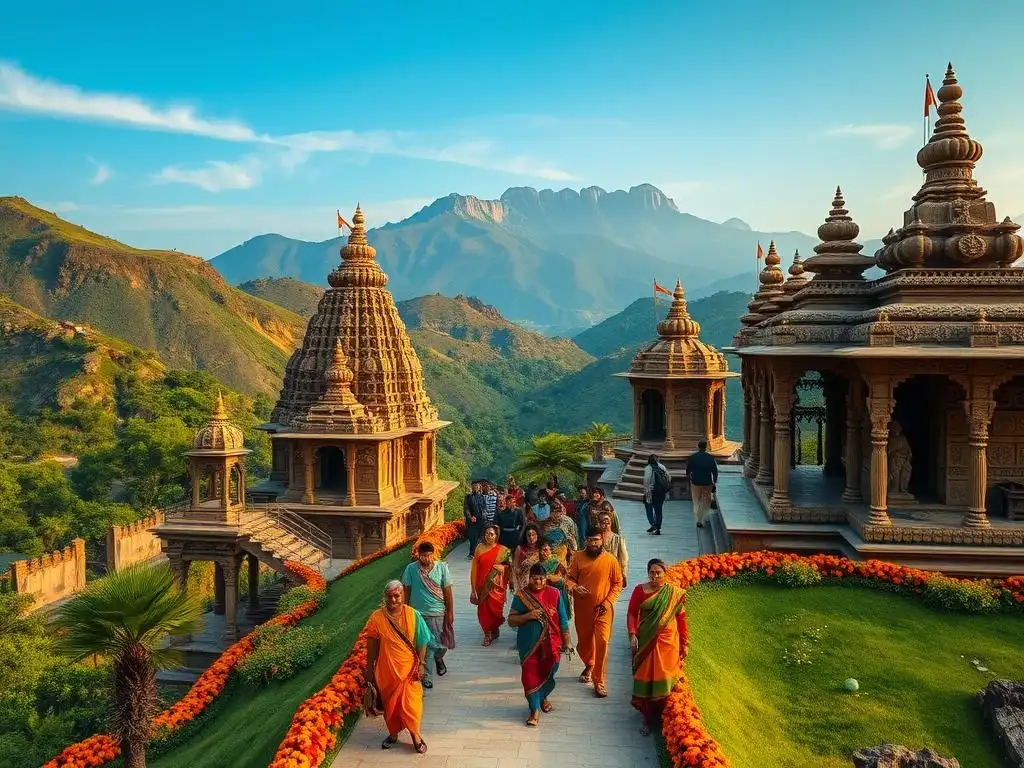
Welcome to Ancient India History, where we embark on a captivating journey through the rich tapestry of ancient Indian civilizations! Dive into the fascinating world of ancient Indian pilgrimage architecture, a pivotal aspect that shaped not only the landscapes but also the spiritual ethos of the time. How did these sacred structures influence the artistry and philosophy of ancient India?
As you explore our main article, “The Role of Pilgrimage in Shaping Ancient Indian Architecture,” prepare to unravel the profound connections between faith, culture, and architectural brilliance that continue to inspire awe today. Join us as we unearth the secrets of an era that laid the foundations for a remarkable heritage!
Introduction to Ancient Indian Pilgrimage Architecture
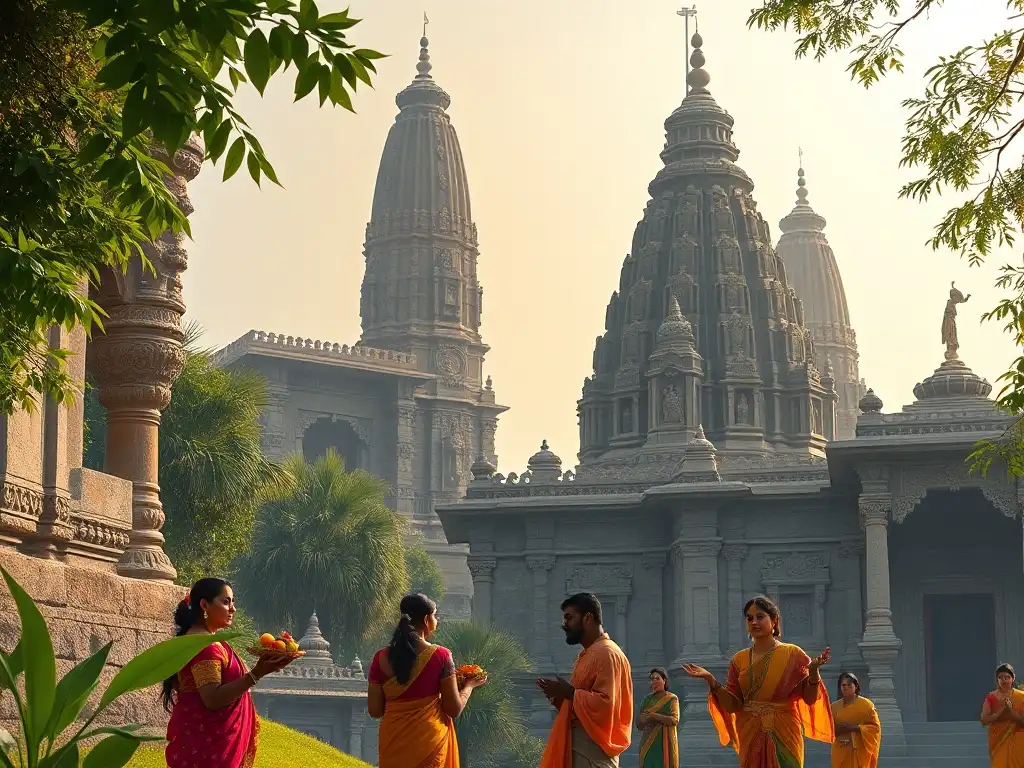
Pilgrimage has been a profound aspect of spiritual life in ancient India, serving not only as a journey of devotion but also as a catalyst for architectural innovation. The architectural marvels that dot the Indian landscape today are often a direct reflection of the pilgrimage practices that flourished in various epochs.
From the intricate carvings of temples to the grand stupas that housed sacred relics, ancient Indian pilgrimage architecture encapsulates a rich tapestry of cultural and spiritual significance. This article delves into how pilgrimage influenced architectural styles, the evolution of these practices, and the key sites that exemplify this intersection of faith and creativity.
Definition of Pilgrimage and Its Significance in Ancient India
Pilgrimage, or Tirtha Yatra, in the ancient Indian context, refers to the journey undertaken by devotees to sacred sites, often with the intention of attaining spiritual merit, purifying oneself, or seeking blessings from deities. These journeys were not merely physical; they were deeply spiritual, fostering a connection between the pilgrim and the divine. Major texts, such as the Mahabharata and Puranas, emphasize the importance of pilgrimage, illustrating how it shaped societal norms and religious practices.
The significance of pilgrimage extended beyond the personal; it played a vital role in community cohesion and cultural exchange. Pilgrimage routes facilitated trade, interaction among diverse populations, and the sharing of ideas, contributing to the socio-cultural fabric of ancient India.
Overview of Ancient Indian Architecture Influenced by Pilgrimage
Ancient Indian pilgrimage architecture is characterized by its diversity, reflecting various religious beliefs, regional styles, and historical contexts. The architecture developed along pilgrimage routes often included:
- Temples: Encompassing various styles, such as Nagara in the north and Dravidian in the south.
- Stupas: Dome-shaped structures primarily associated with Buddhism, serving as reliquaries for sacred remains.
- Monasteries: Places for meditation and community living, often located near significant pilgrimage sites.
Each of these architectural forms not only fulfilled practical needs but also embodied the spiritual aspirations of pilgrims, often adorned with intricate sculptures and carvings that tell stories of gods, myths, and historical events.
Historical Context of Pilgrimage in Ancient India
The Evolution of Pilgrimage Practices
The practice of pilgrimage in ancient India evolved significantly from the Vedic period through the rise of Buddhism and Jainism, culminating in the diverse practices of the medieval era. Initially, pilgrimages were closely linked to the performance of rituals and sacrifices at sacred rivers and shrines. However, with the advent of Buddhism in the 6th century BCE, pilgrimage began to incorporate visits to specific sites associated with the life of the Buddha, such as Bodh Gaya and Sarnath.
As Hinduism flourished, so too did the notion of pilgrimage, with the establishment of sacred cities like Varanasi and Mathura. The importance of these sites was often codified in religious texts, leading to an increase in the number of pilgrims and the subsequent architectural developments that catered to their needs.
Key Pilgrimage Sites in Ancient India
Several key pilgrimage sites emerged as focal points for devotees:
- Varanasi: Revered as one of the oldest inhabited cities, it is a significant center for Hindu pilgrimage.
- Bodh Gaya: The site where Siddhartha attained enlightenment, it remains a major pilgrimage destination for Buddhists.
- Ajanta and Ellora Caves: Renowned for their rock-cut architecture and murals, these sites reflect the intersection of art and spirituality.
- Rishikesh and Haridwar: Important for their association with the Ganges River, these sites attract countless pilgrims seeking spiritual renewal.
These sites not only shaped the landscape of ancient India but also inspired numerous architectural endeavors, leaving a lasting legacy on the subcontinent.
Influence of Religion on Pilgrimage Architecture
The religious context of pilgrimage significantly influenced the architectural styles that emerged in ancient India. Each religion—Hinduism, Buddhism, Jainism—brought its unique elements to architecture, resulting in distinct styles and motifs.
For instance:
- Hindu Temples: Often designed with a towering spire (shikhara) symbolizing the mythical Mount Meru, they are adorned with intricate carvings depicting deities and mythological scenes.
- Buddhist Stupas: Representing the path to enlightenment, stupas were constructed as solid mounds, often surrounded by elaborate gateways (toranas) decorated with relief sculptures.
- Jain Temples: Known for their exquisite detail and opulence, these temples often feature elaborate jali work and an emphasis on symmetry.
In essence, the interplay between religion and architecture during ancient times not only facilitated the spiritual journeys of pilgrims but also contributed significantly to the cultural and artistic heritage of India.
Architectural Features of Pilgrimage Structures
Ancient Indian pilgrimage architecture is characterized by its intricate designs, grandeur, and spiritual significance. The structures designed for pilgrimage often showcase a blend of artistry and functionality, serving both religious and communal purposes. Key architectural features include:
- Mandapas (Pillared Halls): These open halls served as gathering places for devotees and were often adorned with elaborate carvings depicting deities and mythological stories.
- Gopurams (Gateway Towers): Typically found in South Indian temples, these towering structures marked the entrance to sacred spaces and were often embellished with vibrant sculptures and motifs.
- Shikharas (Spires): The rising towers above the sanctum sanctorum symbolized the connection between the earthly realm and the divine, often seen in North Indian temples.
- Water Bodies: Many pilgrimage sites incorporated sacred tanks or wells, emphasizing the importance of water in Hindu rituals and serving as a place for purification.
These architectural elements were not only designed for aesthetic appeal but also to enhance the spiritual experience of pilgrims visiting these sacred sites.
Common Elements in Ancient Indian Pilgrimage Architecture
While diverse in style and execution, ancient Indian pilgrimage architecture shares several common elements that define its uniqueness. These include:
- Orientation Towards the Sacred: Structures are often aligned precisely with cardinal directions, reflecting the importance of cosmic alignment in spiritual practices.
- Carvings and Relief Work: Complex carvings that narrate religious texts, deities, and mythological stories are prevalent, serving both decorative and educational purposes.
- Use of Sacred Geometry: The principles of sacred geometry were employed in the layout, influencing the overall harmony and proportion of the structures.
- Integration with Nature: Many pilgrimage sites were designed to harmonize with their natural surroundings, using local materials that blended into the landscape.
These elements collectively enhance the spiritual atmosphere and encourage a deeper connection for the pilgrims to their faith.
Iconography and Symbolism in Pilgrimage Sites
Iconography plays a crucial role in ancient Indian pilgrimage architecture, serving as a visual language that communicates religious beliefs and cultural narratives. Key aspects include:
- Deity Representations: Temples are often adorned with sculptures of deities, each representing different aspects of life, morality, and spirituality, inviting pilgrims to engage with their chosen divine.
- Mythological Narratives: The walls and ceilings often depict scenes from epics like the Ramayana and Mahabharata, providing context and storytelling that resonate with devotees.
- Symbolic Motifs: Common symbols such as lotuses, elephants, and serpents are used extensively, each carrying specific meanings associated with purity, wisdom, and protection.
- Ritual Spaces: Designated areas for rituals, such as the sanctum sanctorum, emphasize the sacredness of the space, often marked with intricate decorations that inspire reverence.
This rich iconography not only enhances the aesthetic appeal of pilgrimage sites but also serves as a didactic tool for pilgrims.
Regional Variations in Pilgrimage Architecture
The architectural styles of ancient Indian pilgrimage sites exhibit significant regional variations influenced by geographical, cultural, and historical factors. Some notable distinctions include:
- North India: Temples often feature grand shikharas and intricate stone carvings, with a focus on verticality symbolizing the ascent to the divine.
- South India: Characterized by ornate gopurams and vast temple complexes, South Indian architecture emphasizes horizontal expansiveness and detailed stucco work.
- Eastern India: Temples in this region may showcase unique terracotta designs, reflecting local artisan techniques and cultural influences.
- Western India: The rock-cut caves, such as those in Ajanta and Ellora, represent a fusion of architecture and natural landscape, incorporating elaborate carvings and paintings.
These regional styles illustrate the diverse interpretations of pilgrimage architecture across ancient India, each contributing to the country's rich architectural heritage.
Case Studies of Notable Pilgrimage Sites
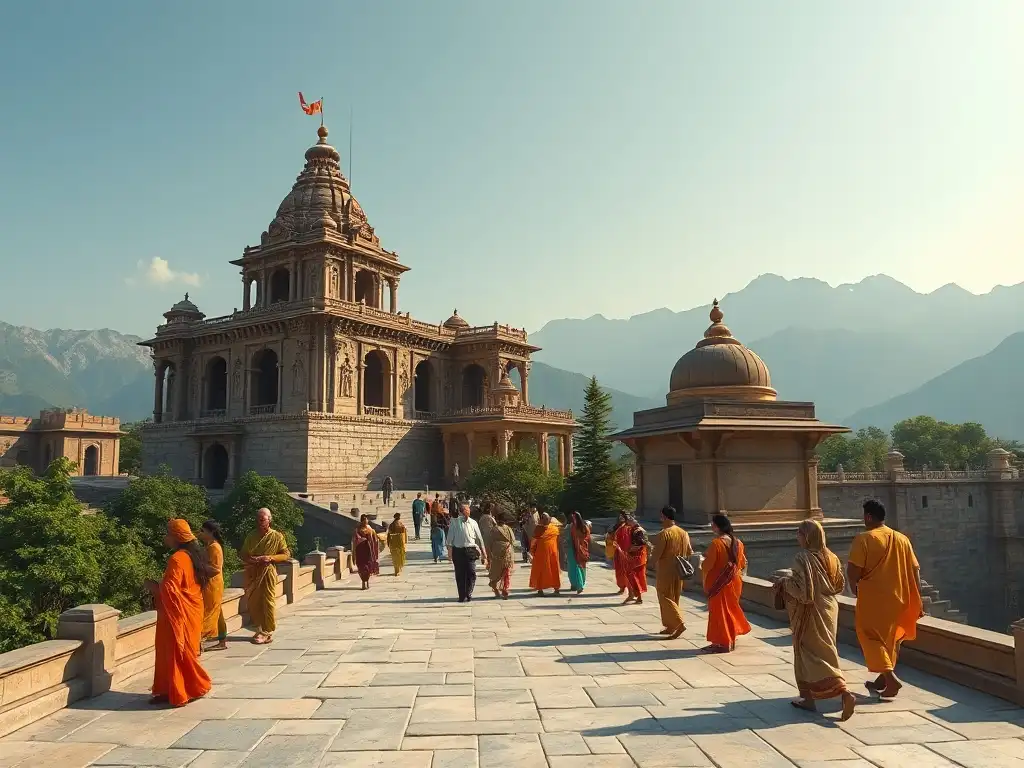
The exploration of notable pilgrimage sites reveals the profound impact of pilgrimage on ancient Indian architecture. These case studies highlight both the architectural grandeur and the cultural significance of these sites.
The Importance of Varanasi in Ancient Indian Pilgrimage Architecture
Varanasi, one of the oldest continuously inhabited cities in the world, holds immense significance in Hindu pilgrimage. Its architecture reflects centuries of spiritual devotion, with structures such as ghats lining the banks of the Ganges River. Key features include:
- Ghats: Steps leading down to the river, adorned with temples and shrines, facilitate rituals and bathing, signifying purification.
- Kashi Vishwanath Temple: This renowned temple dedicated to Lord Shiva exemplifies the intricate craftsmanship and spiritual fervor associated with Varanasi.
- Cultural Hub: The city's architecture not only serves religious purposes but also fosters cultural exchange, making it a melting pot of traditions.
Varanasi remains a vital pilgrimage destination, encapsulating the essence of ancient Indian pilgrimage architecture.
Architectural Marvels of Kashi Vishwanath Temple
Kashi Vishwanath Temple is a prime example of ancient Indian pilgrimage architecture, renowned for its exquisite design and spiritual significance. Key highlights include:
- Golden Dome: The temple’s iconic golden dome, known as the "Kashi Vishwanath," gleams majestically, symbolizing divine presence.
- Intricate Carvings: The walls and pillars boast detailed carvings of deities and motifs, reflecting the artistic prowess of ancient craftsmen.
- Historical Resilience: Despite facing numerous destructions and rebuilds, the temple has preserved its sanctity and continues to be a focal point for millions of devotees.
This temple not only serves as a spiritual center but also as a testament to the resilience and evolution of pilgrimage architecture in India.
The Role of Bodh Gaya in Buddhist Pilgrimage Architecture
Bodh Gaya, the site of Gautama Buddha's enlightenment, stands as a significant pilgrimage destination for Buddhists worldwide. The architecture here reflects the spiritual journey of Buddhism. Notable features include:
- Mahabodhi Temple: A UNESCO World Heritage site, this temple showcases a blend of ancient and contemporary architectural styles, characterized by its towering stupa.
- Stupas and Monasteries: Surrounding the temple, various stupas and monasteries represent different Buddhist traditions, each contributing to the architectural landscape.
- Symbolic Elements: The presence of sacred trees and relics reinforces the spiritual atmosphere, inviting pilgrims to connect with the essence of Buddhism.
Bodh Gaya serves as a pivotal site that illustrates the interplay between pilgrimage and architecture, embodying the journey towards enlightenment.
The Impact of Pilgrimage on Community and Culture
Pilgrimage has been a fundamental aspect of life in ancient India, influencing not only the spiritual lives of individuals but also the social and cultural fabric of communities. The journey to sacred sites fostered a sense of unity among diverse groups, allowing pilgrims from different backgrounds to come together with a shared purpose. This communal aspect often resulted in the development of vibrant local cultures, as people exchanged stories, traditions, and practices during their travels.
Additionally, pilgrimage routes became arteries of commerce and trade, facilitating the flow of goods and ideas. Local economies flourished as vendors and artisans set up stalls to cater to the needs of visiting pilgrims, thereby stimulating cultural and economic interactions. The convergence of diverse communities at pilgrimage sites also encouraged the growth of festivals and cultural events, further enriching the communal identity.
Pilgrimage as a Catalyst for Cultural Exchange
The movement of pilgrims across various regions acted as a significant catalyst for cultural exchange in ancient India. As individuals traveled to sacred destinations such as Varanasi, Rishikesh, and Puri, they brought with them unique customs, beliefs, and artistic expressions. This cross-pollination of ideas led to the mutual enrichment of cultures, resulting in the synthesis of local traditions and pan-Indian practices.
For instance, the architecture of temples and other religious structures often reflected a blend of regional styles influenced by the diverse backgrounds of the pilgrims. Temples like the Brihadeeswarar Temple in Thanjavur showcase how local artistry and architectural techniques were informed by a variety of cultural influences, ultimately resulting in a unique and cohesive aesthetic that resonated with many.
Influence of Pilgrimage on Local Art and Craftsmanship
Pilgrimage significantly influenced local art and craftsmanship in ancient India. The demand for religious artifacts, sculptures, and architectural elements at pilgrimage sites led to a flourishing of artisanal traditions. Carvings, paintings, and textiles often depicted mythological narratives and religious icons, reflecting the cultural sensitivities and spiritual aspirations of the communities involved.
Local artisans honed their skills in response to the needs of pilgrims, creating exquisite works that not only served religious purposes but also embodied the region's heritage. The intricate stone carvings seen in temples such as the Khajuraho group exemplify how pilgrimage served as both an inspiration and a market for artistic innovation.
The Social Structure Around Pilgrimage Sites
The social structure surrounding pilgrimage sites was complex and multifaceted. Temples often served as not just spiritual centers but also hubs for community life. They provided a space for gatherings, celebrations, and social interactions, fostering a sense of belonging among pilgrims and locals alike. The priestly class held significant influence, acting as mediators between devotees and the divine, thus establishing a hierarchy within the community.
Moreover, the establishment of dharamshalas (rest houses) and shops catered to the needs of pilgrims, creating job opportunities and supporting local economies. This socio-economic framework reinforced the importance of pilgrimage in maintaining social cohesion and cultural identity throughout ancient India.
Preservation and Legacy of Ancient Indian Pilgrimage Architecture
The architecture of ancient Indian pilgrimage sites embodies the spiritual and cultural ethos of the time. Preserving this architectural heritage is crucial for maintaining a connection to the past and fostering a sense of identity among modern Indians. Various structures, from grand temples to humble shrines, reflect the rich tapestry of beliefs and practices that have evolved over centuries.
Efforts to preserve these sites not only safeguard historical artifacts but also promote tourism and educational initiatives. Understanding the architectural legacy of pilgrimage can inspire contemporary architects and urban planners, encouraging them to draw upon traditional principles while innovating for future needs.
Challenges in Preserving Pilgrimage Sites
Despite the significance of ancient pilgrimage architecture, several challenges hinder preservation efforts. Environmental factors such as erosion, pollution, and climate change pose substantial threats to the integrity of these structures. Additionally, urbanization and the encroachment of modern development often compromise the historical context and accessibility of pilgrimage sites.
Financial constraints also play a critical role. Many heritage sites struggle to secure funding for restoration and maintenance, leading to neglect and deterioration. Collaboration among government bodies, NGOs, and local communities is essential to address these challenges and implement effective conservation strategies.
Modern Interpretations and Adaptations of Ancient Pilgrimage Architecture
In recent years, there has been a resurgence of interest in ancient Indian pilgrimage architecture, resulting in modern interpretations and adaptations. Contemporary architects are increasingly looking to ancient designs for inspiration, incorporating traditional motifs and materials into their work. This blending of the old and new creates a dialogue between past and present, allowing for innovative expressions of faith and spirituality.
Examples of modern adaptations can be seen in structures like the Akshardham Temple in Delhi, which combines traditional architectural elements with modern engineering techniques. Such projects not only honor the legacy of ancient pilgrimage architecture but also cater to contemporary needs, making sacred spaces more accessible and relevant to today's society.
The Future of Pilgrimage Architecture in India
The future of pilgrimage architecture in India is poised to evolve as societal values and technological advancements shape the landscape. As pilgrimage continues to play a vital role in the spiritual journey of countless individuals, architects and planners will need to balance the preservation of historical sites with the demands of modernity.
Sustainable practices are likely to become increasingly important in the design and maintenance of pilgrimage sites. This approach will ensure that these places remain not only spiritually significant but also environmentally friendly and economically viable. Community involvement will be crucial in this process, as local voices and traditions must guide the evolution of pilgrimage architecture to reflect the diverse cultural heritage of India.
The interplay between ancient Indian pilgrimage architecture and the cultural, social, and economic dimensions of society creates a rich tapestry that continues to influence contemporary practices. By valuing and preserving this heritage, future generations can maintain a profound connection to their history and identity.
Conclusion: The Enduring Influence of Pilgrimage on Ancient Indian Architecture
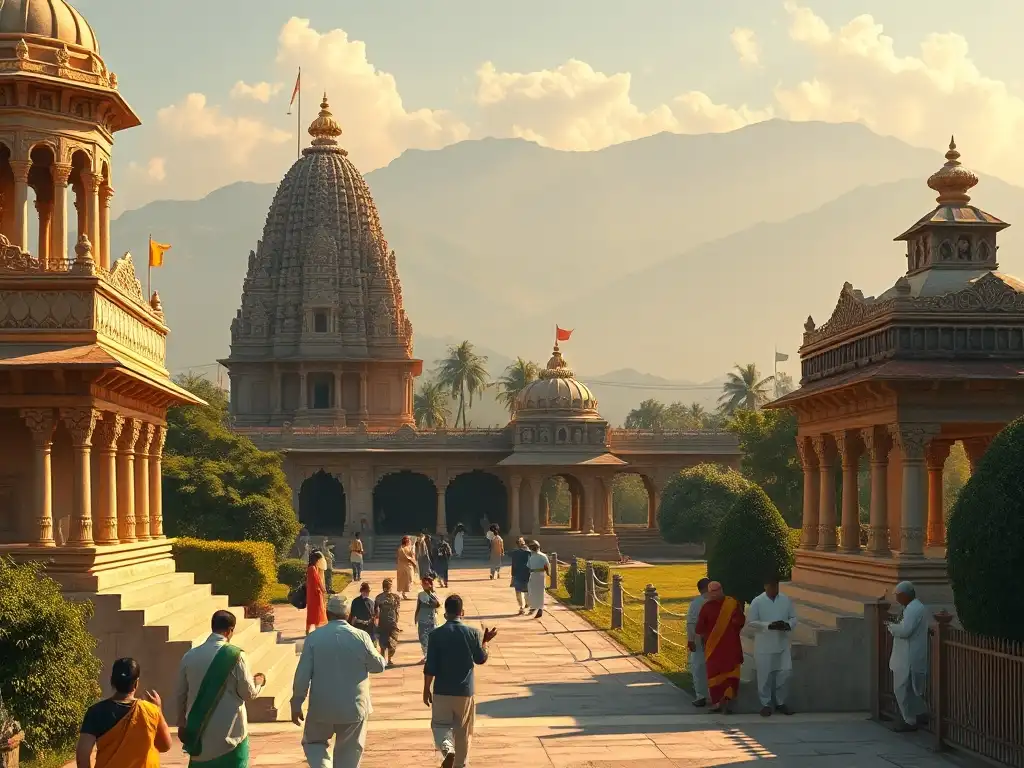
The significance of pilgrimage in shaping ancient Indian architecture is profound and enduring. Pilgrimage sites, such as Varanasi, Mathura, and Haridwar, have not only served as spiritual centers but have also catalyzed the development of architectural styles that reflect the diverse religious and cultural tapestry of ancient India. From the intricately carved temples of the Gupta period to the majestic stupas of the Mauryan Empire, each structure embodies the beliefs and values of the society that built it.
The architectural innovations prompted by pilgrimage, such as the use of mandapas (pillared halls) and shikharas (spire-like towers), have influenced subsequent generations of builders and architects. This legacy is visible in modern constructions that still draw inspiration from ancient designs, illustrating how pilgrimage architecture continues to resonate in contemporary contexts. Furthermore, the integration of natural landscapes with built environments, a hallmark of ancient pilgrimage sites, remains a critical aspect of architectural practices today, emphasizing a harmonious relationship between spirituality and nature.
Summary of Key Takeaways on Ancient Indian Pilgrimage Architecture
Several key takeaways emerge when examining the role of pilgrimage in ancient Indian architecture:
- Spiritual Significance: Pilgrimage sites were not merely places of worship; they served as vital hubs of cultural exchange and community identity, influencing architectural forms and styles.
- Architectural Diversity: The variety of pilgrimage architecture—from Hindu temples and Buddhist stupas to Jain shrines—reflects the rich tapestry of India's religious practices and beliefs.
- Innovative Techniques: Pilgrimage architecture showcased advancements in engineering and aesthetics, such as the use of stone carving and intricate sculptures, which set benchmarks for future architectural endeavors.
- Societal Impact: The construction of pilgrimage sites stimulated local economies, encouraged craftsmanship, and fostered a sense of unity among diverse populations, reinforcing the importance of these structures in society.
- Cultural Heritage: Ancient pilgrimage architecture serves as a historical record, offering insights into the spiritual and social lives of ancient Indians, while also inspiring contemporary architectural practices.
Reflection on the Importance of Pilgrimage in Contemporary India
In contemporary India, the practice of pilgrimage remains a vital aspect of cultural life, deeply intertwined with the architectural landscape. Modern pilgrimage sites continue to draw millions of devotees, reflecting the enduring spiritual significance of these journeys. The architecture of these sites, often inspired by their ancient counterparts, serves not only as places of worship but also as symbols of continuity in Indian culture.
Moreover, contemporary pilgrimage architecture often embraces modern technologies and materials while respecting traditional aesthetics, creating a dialogue between the past and present. This blend enriches the experience for pilgrims, allowing them to connect with their heritage while engaging with modern interpretations of sacred spaces.
The revival of interest in ancient pilgrimage routes and the architectural marvels associated with them highlights their relevance in today’s society. As India continues to celebrate its diverse religious traditions, the role of pilgrimage architecture will undoubtedly remain pivotal, fostering a sense of identity and belonging among its people. In this way, ancient Indian pilgrimage architecture not only shapes the physical landscape but also nurtures the spiritual and cultural fabric of contemporary India.
- Introduction to Ancient Indian Pilgrimage Architecture
- Historical Context of Pilgrimage in Ancient India
- Architectural Features of Pilgrimage Structures
- Case Studies of Notable Pilgrimage Sites
- The Impact of Pilgrimage on Community and Culture
- Preservation and Legacy of Ancient Indian Pilgrimage Architecture
- Conclusion: The Enduring Influence of Pilgrimage on Ancient Indian Architecture
- Summary of Key Takeaways on Ancient Indian Pilgrimage Architecture
- Reflection on the Importance of Pilgrimage in Contemporary India
- What is ancient Indian pilgrimage architecture?
- How did pilgrimage influence ancient Indian architecture?
- What are some examples of ancient Indian pilgrimage sites?
- Which architectural features are common in ancient Indian pilgrimage structures?
- How did ancient Indian pilgrimage architecture evolve over time?
Frequently Asked Questions
What is ancient Indian pilgrimage architecture?
Ancient Indian pilgrimage architecture refers to the design and construction of temples and other structures built for religious pilgrimages in ancient India, reflecting the spiritual and cultural significance of these sites.
How did pilgrimage influence ancient Indian architecture?
Pilgrimage played a crucial role in shaping architecture by fostering the development of temples, monasteries, and other religious edifices that were designed to accommodate large numbers of devotees and facilitate their spiritual journeys.
What are some examples of ancient Indian pilgrimage sites?
Notable pilgrimage sites include the Kashi Vishwanath Temple in Varanasi, the Buddhist stupas at Sanchi, and the Hindu temples at Khajuraho, each showcasing unique architectural styles and religious significance.
Which architectural features are common in ancient Indian pilgrimage structures?
Common features include shikharas (towers), intricate carvings, mandapas (pavilions), and water tanks, all designed to enhance the spiritual experience of pilgrims and reflect the artistic sensibilities of the time.
How did ancient Indian pilgrimage architecture evolve over time?
Over centuries, pilgrimage architecture evolved from simple structures to elaborate complexes, influenced by regional styles, religious reforms, and the patronage of various empires, leading to a rich tapestry of architectural diversity.
Final Reflection: The Enduring Legacy of Ancient Indian Pilgrimage Architecture
The exploration of ancient Indian pilgrimage architecture reveals a profound connection between spirituality and artistry that remains relevant today. As we navigate a world increasingly focused on materialism, the architectural marvels born from centuries of pilgrimage remind us of the importance of spiritual journeys and the spaces that cradle them. These structures are not merely relics of the past; they are living testaments to the human spirit's quest for meaning and transcendence.
The influence of pilgrimage architecture extends beyond its physical presence; it shapes cultural identities and fosters communal bonds. The intricate designs and sacred sites serve as a reminder of our shared heritage and the values that unite us across generations. As Mahatma Gandhi once said, "> The best way to find yourself is to lose yourself in the service of others." This sentiment resonates deeply within the context of pilgrimage, where the act of journeying to sacred sites fosters a sense of belonging and purpose, enriching both individual lives and the collective consciousness.
As you reflect on the insights shared in this article, consider how the principles embodied in ancient Indian pilgrimage architecture can inspire your own life. Embrace the journey, both physical and spiritual, and seek out spaces that nurture your soul. Let the legacy of these architectural wonders encourage you to create your own paths of exploration and connection, reminding you that every step taken in pursuit of meaning contributes to the tapestry of your life and the world around you.
Embark on Your Own Journey of Discovery!
Thank you for exploring the fascinating relationship between pilgrimage and ancient Indian architecture! You've unlocked insights into how spirituality and design shaped the cultural landscape of India. Now, it’s time to take the next step in your journey.
- Plan a visit to a historical site related to pilgrimage and experience the architecture firsthand.
- Join a discussion group or online community to share your thoughts and discoveries about ancient Indian architecture with fellow enthusiasts.
- Explore additional resources on various aspects of Indian heritage to deepen your understanding and appreciation of this rich history.
How will your newfound knowledge about ancient pilgrimages influence your perception of architectural wonders in your own travels?