
Understanding the Building Materials of the Indus Valley: A Study in Durability

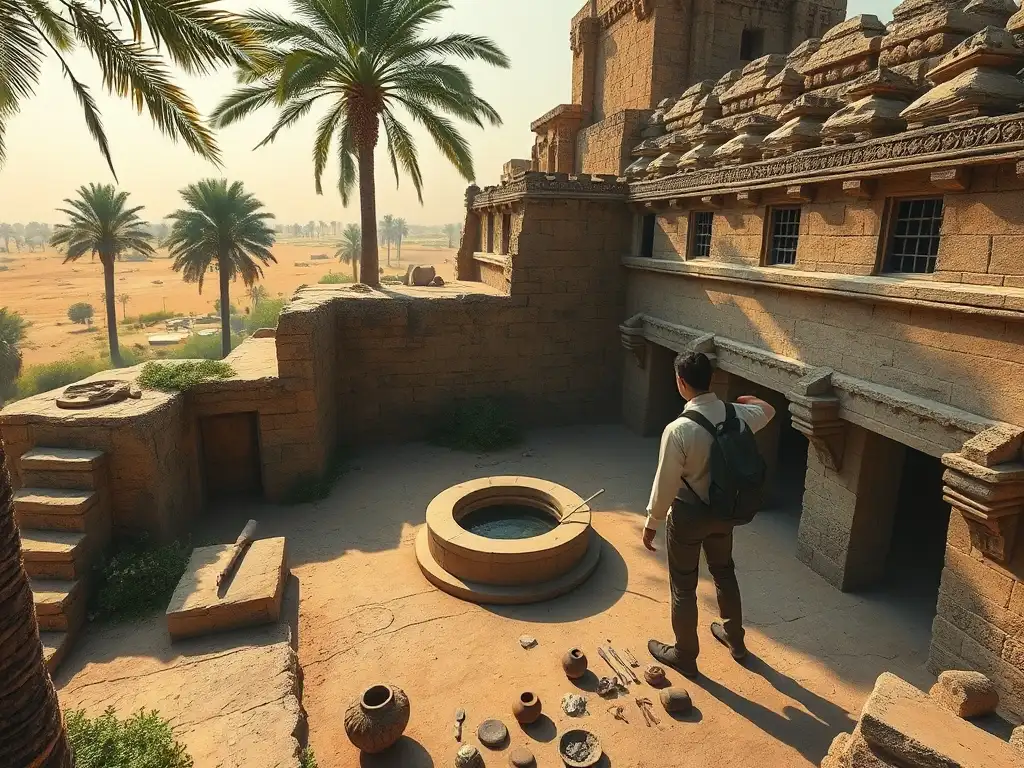
Welcome to Ancient India History, where we embark on a fascinating journey through time to uncover the rich tapestry of ancient Indian civilizations. Today, we invite you to delve into our main article, “Understanding the Building Materials of the Indus Valley: A Study in Durability.” Here, you’ll discover how the ingenuity of the Indus Valley civilization shaped their architectural marvels, leaving behind a legacy that still captivates historians and enthusiasts alike. What secrets do these ancient building materials hold?
Join us as we explore their significance and the enduring impact they had on the architectural practices of their time and beyond. Your adventure into the depths of history begins now!
The Indus Valley Civilization (IVC), one of the world's earliest urban cultures, flourished around 2600 to 1900 BCE in what is now modern-day Pakistan and northwest India. This advanced society is renowned not only for its sophisticated city planning and vibrant trade networks but also for its remarkable architectural achievements. Understanding the building materials used in the Indus Valley is crucial for appreciating their impressive durability and the ingenuity of their construction techniques.
This article delves into the analysis of Indus Valley building materials, shedding light on how these choices reflect the civilization's environmental adaptation, technological prowess, and cultural values. Through a detailed examination of the materials employed, we aim to uncover the underlying principles governing ancient architectural practices and their lasting impacts on subsequent civilizations.
Introduction to Indus Valley Civilization
The Indus Valley Civilization emerged around 2500 BCE, characterized by its well-planned cities like Harappa and Mohenjo-Daro, which showcased advanced urban infrastructure. The civilization extended across a vast area, encompassing diverse geographical features such as rivers, plains, and deserts. This geographical diversity played a significant role in shaping the construction techniques and materials used by the inhabitants.
- Urban Planning: Cities were meticulously planned, with grid patterns and sophisticated drainage systems.
- Cultural Influence: The IVC had a profound impact on subsequent Indian cultures, particularly in terms of urban development and architectural styles.
The study of the building materials employed in the Indus Valley not only reveals the technological advancements of the time but also highlights the civilization's adaptability to its environment, contributing to our understanding of ancient Indian history.
Importance of Building Materials in Ancient Architecture
Building materials are fundamental to the durability and resilience of structures, and the Indus Valley Civilization was no exception. The choice of materials impacted not only the longevity of the buildings but also influenced the aesthetic appeal and functionality of the urban landscape.
Key Building Materials Used:
- Clay Bricks: The hallmark of Indus architecture, standardized fired clay bricks provided strength and uniformity.
- Stone: Used primarily for important structures, stone offered durability and resistance against weathering.
- Wood: Although less common due to its perishable nature, wood was utilized in roofing and interior elements.
Significance:
- Durability: The materials used played a crucial role in the survival of many structures, some of which still stand today.
- Cultural Reflection: The choice of materials reflects the technological capabilities and ecological considerations of the time, showcasing an understanding of resource utilization.
The analysis of Indus Valley building materials is essential for comprehending the architectural legacy of this ancient civilization and its lasting impact on the history of ancient Indian architecture.
- What were the primary building materials used in the Indus Valley Civilization?
- How did the building materials affect the architecture of the Indus Valley?
- What role did climate play in the selection of building materials in the Indus Valley?
- How does the Indus Valley building materials analysis contribute to our understanding of ancient technologies?
- Are there any notable construction techniques from the Indus Valley Civilization?
Overview of Indus Valley Building Materials
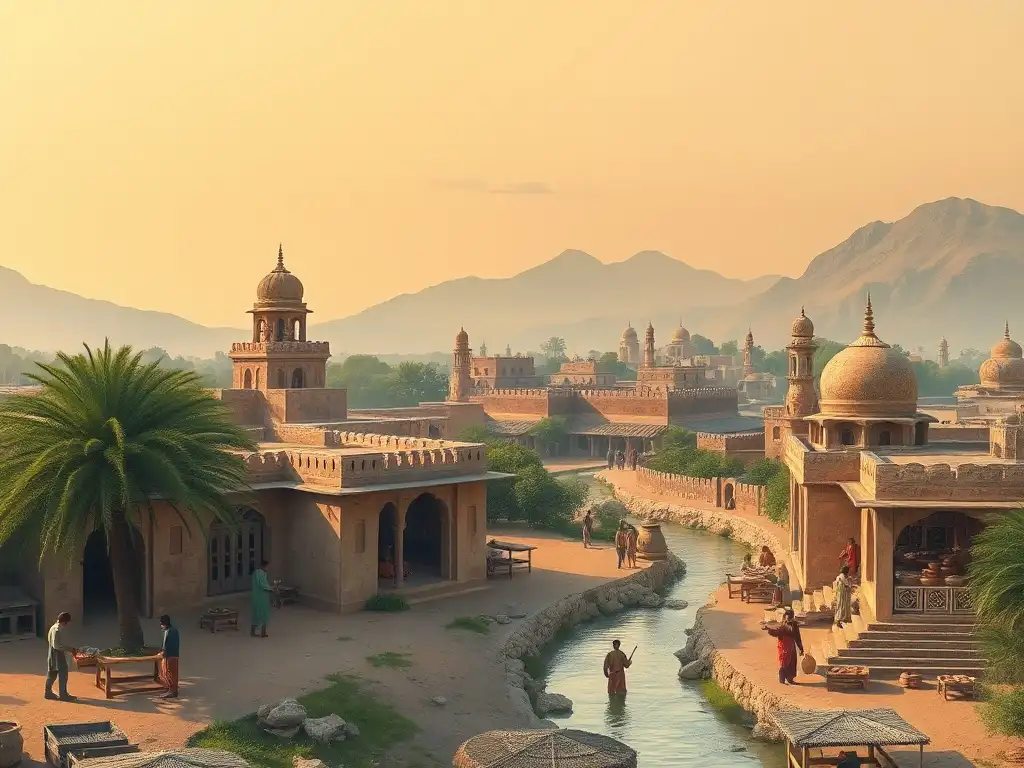
The Indus Valley Civilization (IVC), one of the earliest urban cultures in the world, flourished between 3300 and 1300 BCE in what is now Pakistan and northwest India. Understanding the Indus Valley building materials analysis offers critical insights into the architectural advancements and technological innovations of this ancient civilization. The IVC is renowned for its well-planned cities, sophisticated drainage systems, and durable structures, which utilized a variety of locally sourced materials that reflect both the environmental conditions and the cultural practices of the time.
The choice of building materials was influenced by several factors, including availability, climate, and the intended use of structures. The Indus Valley people demonstrated remarkable ingenuity in material selection, optimizing their resources to create robust buildings that have withstood the test of time. Key materials employed in their constructions include:
- Mud Bricks: Made from clay and straw, these bricks were sun-dried or fired in kilns, providing great strength and insulation.
- Stone: Used for public buildings, wells, and drainage systems, sourced from neighboring hills and riverbanks.
- Timber: While less common due to deforestation, wood was utilized for roofs and doors, contributing to the structural integrity of larger buildings.
- Mortar: Composed of clay or mud, it was used to bond bricks and stones, enhancing the overall durability of structures.
This overview sets the groundwork for a detailed examination of specific materials and their regional variations within the Indus Valley.
Commonly Used Materials in Indus Valley Structures
The Indus Valley Civilization is characterized by several key building materials that played vital roles in its architectural achievements:
- Mud Bricks:
- Production: Typically, mud bricks were made from local clay mixed with water and straw, then molded and dried in the sun.
- Characteristics: These bricks were generally uniform in size, approximately 40 cm × 20 cm × 10 cm, which facilitated ease of construction. The use of mud bricks allowed for effective thermal regulation within buildings, keeping them cool in the summer and warm in the winter.
- Stone:
- Types: The most commonly used stones included limestone, sandstone, and granite, which were quarried from nearby regions.
- Applications: Stone was primarily utilized for monumental structures such as temples, public baths, and fortifications. The Great Bath of Mohenjo-Daro, for example, exemplifies the use of fired bricks and stone for waterproofing and structural durability.
- Timber:
- Usage: Although wood was less prevalent due to the scarcity of forests, it was still employed in roof construction and as rafters, as well as for doors and windows.
- Sources: Timber was likely sourced from the Himalayan foothills or riverine forests, indicating trade routes or resource management strategies.
- Mortar and Plaster:
- Composition: Mortar was commonly made from a mixture of clay, sand, and water, while plaster for interior walls was often made from gypsum or lime.
- Functionality: These materials not only provided structural integrity but also improved the aesthetic appeal of buildings, reflecting the artistic sensibilities of the civilization.
Regional Variations in Material Usage
The diversity of the Indus Valley landscape led to regional variations in building materials, adapting to local conditions and resource availability:
- Northern Regions: In areas closer to the Himalayan foothills, stone was more readily available. Settlements like Harappa displayed extensive use of stone in public architecture, including fortified walls and granaries.
- Southern Regions: In contrast, settlements in the southern parts, such as Lothal, relied heavily on mud bricks due to the abundance of clay. The construction of dockyards and warehouses here showcases the effective use of these local materials for trade and commerce.
- Western Regions: The arid conditions of the western regions promoted the use of sun-dried bricks, while the proximity to rivers facilitated the use of local stone for construction.
- Riverbanks and Floodplains: Areas near rivers utilized a mix of mud and stone, capitalizing on the materials deposited by seasonal flooding, leading to a unique blend of construction techniques.
These regional distinctions not only highlight the adaptability of the Indus Valley people to their environment but also reflect a sophisticated understanding of materials that contributed to the longevity of their structures. Understanding these variations enhances our comprehension of the Indus Valley building materials analysis, shedding light on the technological prowess of this remarkable civilization.
Durability of Indus Valley Building Materials
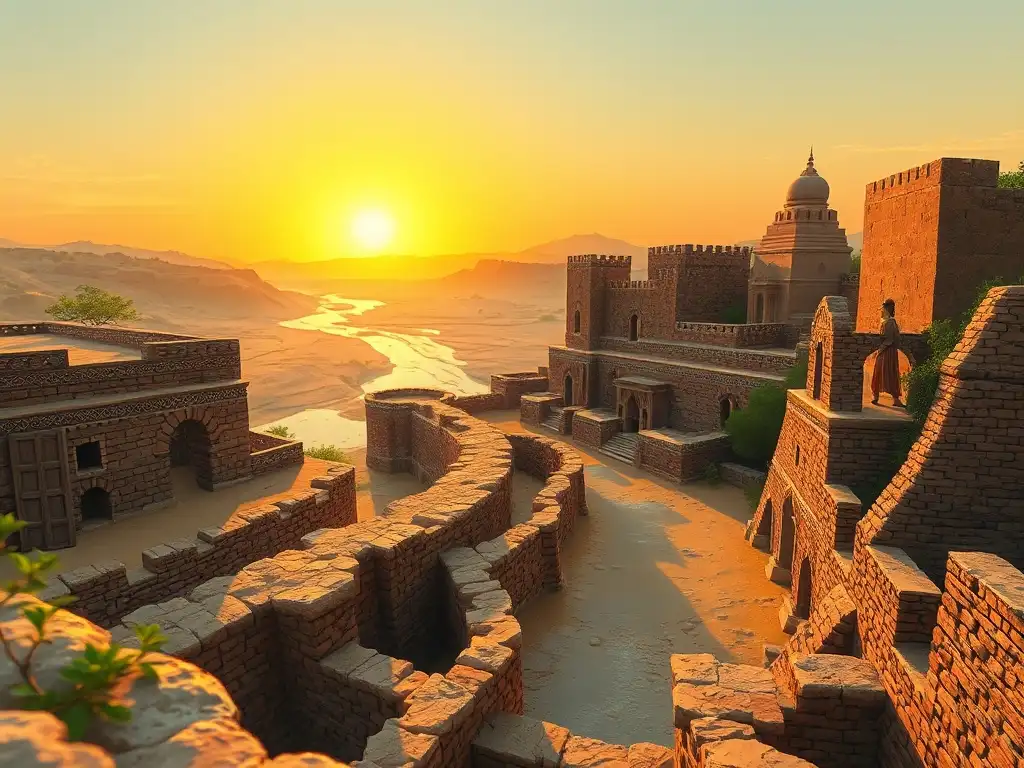
The durability of building materials used in the Indus Valley Civilization is one of the most fascinating aspects of ancient architecture. The structures erected by the inhabitants of this civilization, which thrived between approximately 3300 BCE and 1300 BCE, display remarkable resilience despite the passage of millennia. This durability is largely attributed to the careful selection and innovative use of local materials, as well as the advanced construction techniques employed during that era.
Factors Contributing to Material Durability
Several key factors influenced the durability of the building materials in the Indus Valley:
- Local Geology: The region's geological features provided a variety of natural resources. The availability of clay, limestone, and stone greatly influenced construction practices. For instance, the abundant clay was used for making high-quality bricks that were fired in kilns, resulting in a strong and weather-resistant material.
- Innovative Brick-Making Techniques: The Indus Valley inhabitants perfected brick-making methods that enhanced durability. The standardized size of bricks, typically measuring 30 x 15 x 7.5 cm, ensured uniformity, which contributed to structural stability. The firing process used high temperatures, resulting in hard, durable bricks that have withstood environmental conditions over centuries.
- Use of Mortar and Plaster: Mortar made from lime and gypsum was commonly used in conjunction with bricks, improving the bonding and overall durability of structures. Additionally, the application of plaster not only provided a smooth finish but also offered a protective layer against the elements, further contributing to the longevity of buildings.
- Water Management Systems: The advanced drainage and water management systems employed in the Indus Valley cities, such as Mohenjo-Daro and Harappa, showcased an understanding of material durability in wet conditions. The use of fired bricks and effective waterproofing techniques helped preserve the integrity of structures even in flood-prone areas.
- Climate Considerations: The strategic selection of materials also considered the region's climate. The use of materials that could withstand both hot summers and seasonal monsoons reflects a deep understanding of environmental challenges and a commitment to long-lasting construction.
Comparison of Indus Valley Materials with Other Ancient Civilizations
When analyzing the building materials of the Indus Valley Civilization, it is essential to compare them with those of other ancient civilizations. This comparison highlights the unique approaches and innovations present in Indus Valley architecture.
| Civilization | Primary Building Materials | Durability Features |
|---|---|---|
| Indus Valley Civilization | Fired bricks, mud bricks, limestone | High firing temperatures, standardized sizes, effective mortar |
| Ancient Egypt | Stone (granite, limestone), mud bricks | Monumental stone structures, use of massive stones for durability |
| Mesopotamia | Sun-dried bricks, bitumen | Sun-dried bricks vulnerable to weathering, limited durability |
| Ancient Greece | Marble, limestone, clay | Use of durable marble for temples, advanced engineering techniques |
The Indus Valley's approach to building materials stands out for its adaptability and innovation. Unlike the sun-dried bricks of Mesopotamia, which were susceptible to degradation, the fired bricks of the Indus Valley offered superior longevity. Furthermore, while ancient Egyptian architecture relied heavily on stone for monumental structures, the Indus Valley's combination of brick and effective construction techniques supported a broader range of urban buildings, including residential areas and public facilities.
The analysis of Indus Valley building materials reveals a sophisticated understanding of durability that contributed significantly to the civilization’s architectural legacy. This legacy continues to inspire modern sustainable construction practices and serves as a testament to the ingenuity of ancient Indian civilizations.
Analysis of Specific Building Materials
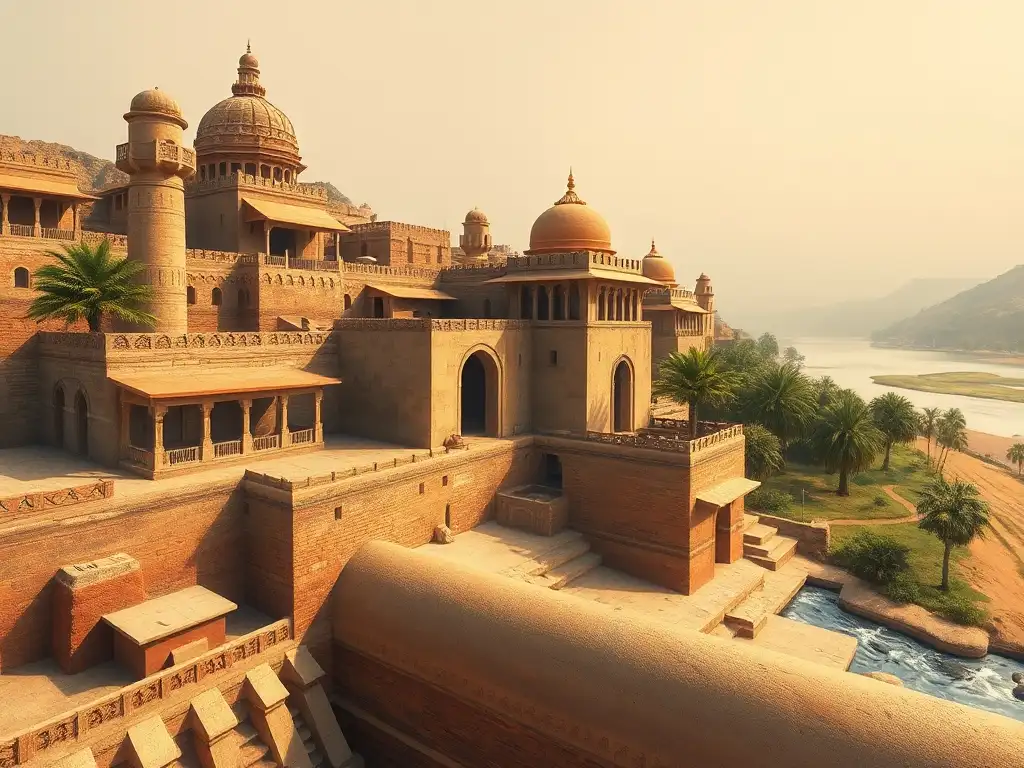
The Indus Valley Civilization is renowned for its advanced urban planning and architecture, which relied heavily on a variety of durable building materials. This section delves into the specific materials used in their constructions, highlighting the innovations and techniques that contributed to their lasting legacy.
Clay and Mud: The Foundation of Indus Valley Construction
Clay and mud were fundamental to the construction practices of the Indus Valley. These materials were abundant and easily accessible, making them the primary choice for building houses, walls, and other structures.
- Construction Techniques:
- Mud Bricks: The Indus Valley inhabitants created sun-dried mud bricks, measuring approximately 30 cm x 15 cm x 10 cm. This uniformity in size allowed for efficient stacking and construction.
- Layering Method: Builders often used a layering technique, where layers of mud and clay were applied and allowed to dry, providing strength and stability.
- Durability:
- Despite being made from natural materials, mud bricks displayed remarkable durability. Archaeological evidence suggests that structures built from these materials have survived for over four millennia.
- The use of fired bricks towards the later stages enhanced the strength and resistance of the structures to weathering.
Stone: Techniques and Applications in Architecture
Stone was another critical material in the architectural repertoire of the Indus Valley Civilization. Its use was primarily seen in public buildings, drainage systems, and fortifications.
- Types of Stone Used:
- Basalt and Limestone: These local stones provided an excellent balance of durability and workability.
- Granite and Laterite: Used in more monumental constructions, these stones were carved and shaped through advanced techniques.
- Construction Techniques:
- Masonry: The Indus builders employed sophisticated masonry techniques, incorporating precise cutting and fitting of stones, which contributed to the longevity of their structures.
- Stabilization: Stone was often used in conjunction with mud and clay to create robust foundations and retaining walls.
- Applications:
- Public Buildings: Large stone structures such as granaries and assembly halls showcased the civilization's architectural prowess.
- Drainage Systems: The use of stone in drainage canals was vital for urban sanitation, reflecting the advanced engineering skills of the Indus Valley people.
Wood: Role and Availability in Urban Planning
Wood played a significant, albeit less prominent, role in construction within the Indus Valley Civilization. It was primarily used for roofing and interior structures.
- Availability:
- The region's geography provided access to various types of timber, including teak and sal, which were suitable for construction. However, the reliance on wood was limited due to the need for sustainable practices in an urban environment.
- Construction Techniques:
- Framework Construction: Wooden beams were often utilized to create frameworks for roofs, allowing for open spaces within homes and public buildings.
- Reinforcement: Wood was also used to reinforce mud brick structures, providing additional strength and flexibility, particularly in areas prone to seismic activity.
- Cultural Significance:
- Wooden artifacts, including furniture and tools, played a vital role in daily life, illustrating the resourcefulness of the inhabitants in utilizing available materials.
Through the analysis of these building materials—clay and mud, stone, and wood—it becomes evident that the Indus Valley Civilization was not only adept at utilizing local resources but also at innovating construction techniques that ensured the durability and functionality of their urban environments. The insights gained from this Indus Valley building materials analysis shed light on the technological advancements that underpinned one of the world's earliest urban societies.
Fired Brick: Innovations and Impact on Longevity
Fired brick represents one of the most significant advancements in construction technology during the Indus Valley Civilization. This material was not only a testament to the ingenuity of the ancient builders but also a key factor in the durability and longevity of their structures.
Innovations in Fired Brick Production
The production of fired bricks involved a complex process that included the selection of high-quality clay, shaping the bricks, and then subjecting them to high temperatures in kilns. This method was a marked improvement over unbaked mud bricks, which were more susceptible to weathering and decay. The use of kilns allowed for a more consistent and uniform product, enhancing the bricks' strength and resistance to the elements.
Indus Valley builders employed various techniques to create fired bricks, which typically measured around 23 x 11 x 7 cm. The standardization of brick size not only facilitated easier construction but also contributed to the structural integrity of buildings. The introduction of fired bricks enabled the construction of multi-story buildings, advanced drainage systems, and robust fortifications, showcasing a significant leap in architectural sophistication.
Impact on Longevity of Structures
The longevity of structures built with fired bricks is evident in the archaeological remains found at sites like Mohenjo-Daro and Harappa. Many of these brick structures have survived for over 4,500 years, demonstrating the resilience of fired brick against natural elements such as rain, flood, and heat. Unlike mud bricks, which would erode quickly when exposed to water, fired bricks maintained their shape and structural integrity over extended periods.
Additionally, the fired bricks used in the construction of walls and pavements contributed to the thermal regulation of buildings, keeping them cooler in the scorching heat of summer and warmer during winter nights. This practical application of material science reflects the sophisticated understanding of environmental conditions by the people of the Indus Valley Civilization.
Conclusion
The innovations in fired brick production and their subsequent impact on the longevity of structures highlight the advanced technological capabilities of the Indus Valley Civilization. The use of fired bricks not only revolutionized their architectural practices but also laid the groundwork for future building techniques in ancient India and beyond. The resilience and functionality of these materials underscore the significance of the Indus Valley building materials analysis, revealing the civilization's profound understanding of construction technology.
Techniques and Methods in Material Usage
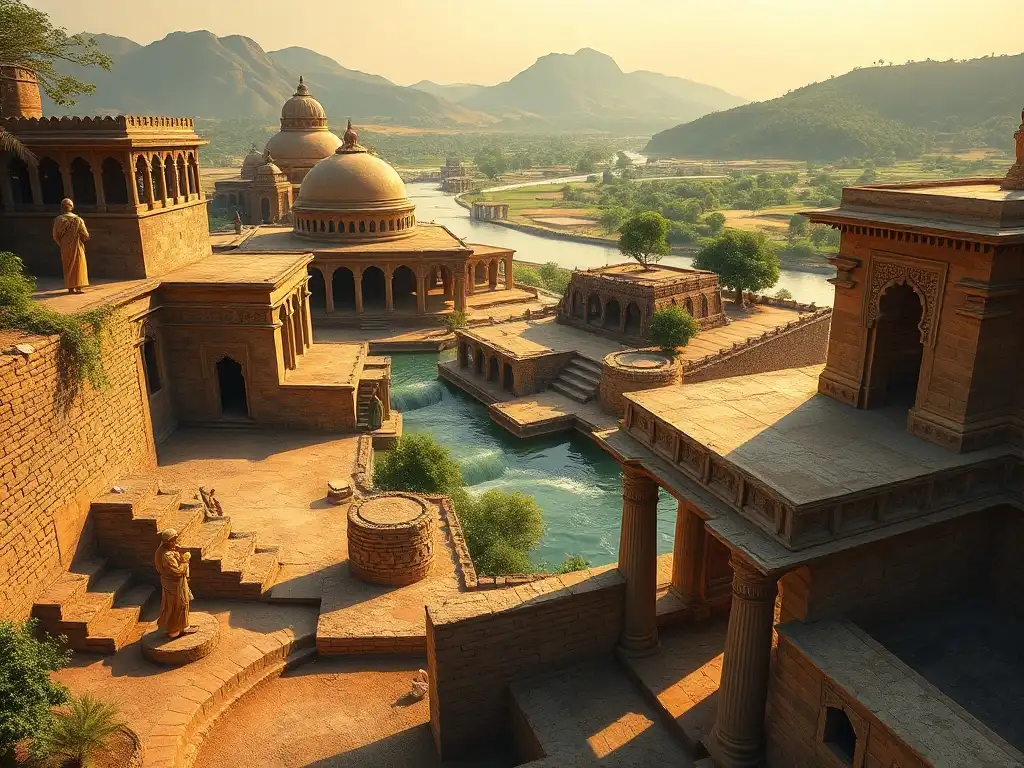
The Indus Valley Civilization, renowned for its advanced urban planning and architectural prowess, utilized a variety of techniques and methods in the selection and application of building materials. This section delves into the specific construction techniques employed by the builders of the Indus Valley, as well as the influence of climate on their material choices and the durability of their structures.
Construction Techniques of Indus Valley Builders
The construction techniques of the Indus Valley builders are a testament to their ingenuity and understanding of local resources. Key methods included:
- Brick Making:
- The Indus Valley Civilization is famous for its standardized, kiln-fired bricks, which were made from locally sourced clay.
- The bricks measured approximately 30 cm × 15 cm × 7.5 cm, providing a uniform size that facilitated efficient construction.
- Mortar: A mixture of clay, sand, and water was often used as mortar, enhancing the structural integrity of walls.
- Drainage Systems:
- Advanced drainage systems were integral to the urban planning of cities like Harappa and Mohenjo-Daro.
- Builders implemented covered drains made of brick and stone, positioned along the streets to manage wastewater effectively.
- This foresight in sanitation not only improved hygiene but also contributed to the longevity of the structures.
- Use of Stone:
- In regions where clay was less abundant, stone was utilized, particularly for public buildings and fortifications.
- Techniques such as dry-stone walling were employed, where stones were stacked without mortar, relying on the weight and friction to hold them in place.
- Rammed Earth Techniques:
- Some structures were constructed using rammed earth, a method involving compressing soil within a frame to create solid walls.
- This technique was particularly effective in areas with abundant silt and clay, providing excellent insulation and strength.
By employing these techniques, the builders of the Indus Valley not only created durable and functional structures but also laid the groundwork for future architectural practices in the region.
The Role of Climate in Material Selection and Durability
The climate of the Indus Valley, characterized by seasonal monsoons and arid conditions, played a crucial role in shaping the choice of building materials and construction methods. Understanding this relationship is vital for a comprehensive Indus Valley building materials analysis.
- Adaptation to Monsoons:
- The monsoon season brought heavy rainfall, necessitating the use of water-resistant materials and effective drainage solutions.
- Builders selected clay for its plasticity, allowing for the creation of watertight structures that could withstand the seasonal deluge.
- Soil Properties:
- The alluvial plains provided a rich supply of clay, which was ideal for brick making. The fine texture of the soil contributed to the production of strong, durable bricks that could endure the test of time.
- Thermal Considerations:
- The arid climate led to temperature fluctuations, prompting builders to use materials that could provide thermal mass.
- Thick walls of fired bricks not only insulated against heat but also retained cooler temperatures within the structures during the day.
- Long-term Durability:
- The combination of robust materials and smart construction techniques resulted in structures that have withstood the elements for millennia.
- The use of fired bricks and well-planned drainage systems significantly contributed to the longevity of buildings, some of which still stand today.
The interplay between construction techniques and climatic conditions was pivotal in the Indus Valley Civilization's ability to create resilient structures. Their innovative approaches to material selection and building practices not only reflect their understanding of the environment but also underscore their remarkable achievements in ancient engineering.
Case Studies of Indus Valley Structures
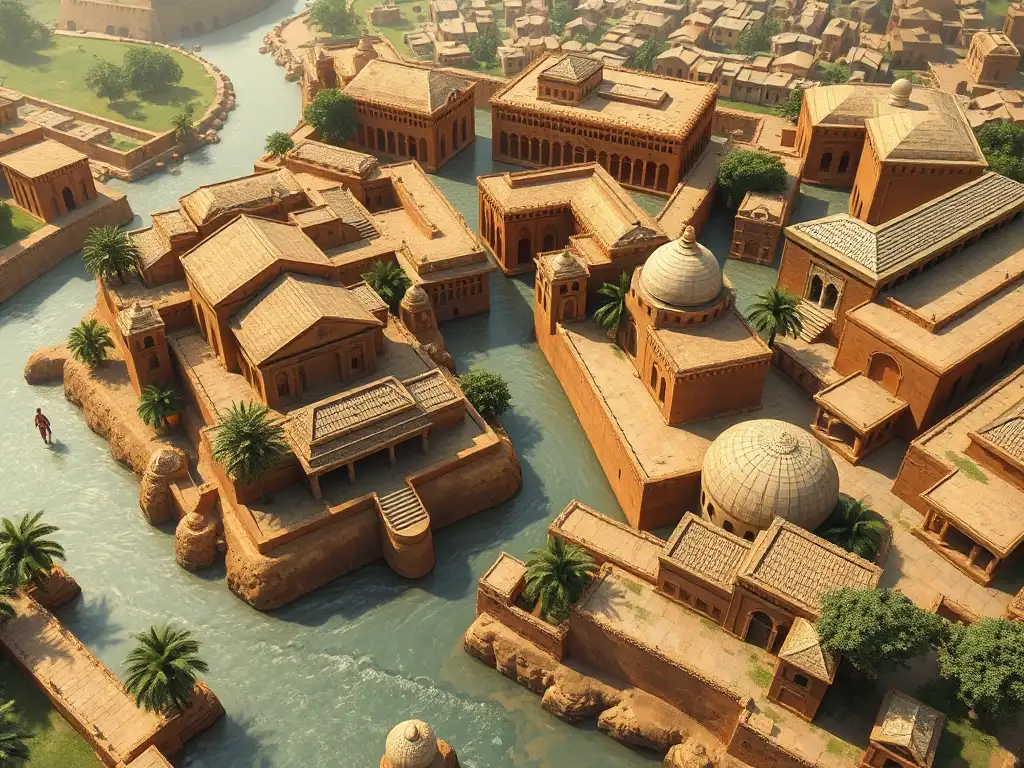
Exploring the architectural achievements of the Indus Valley Civilization reveals the ingenuity and expertise in the selection and application of building materials. Two exemplary structures, The Great Bath and The Citadel of Mohenjo-Daro, serve as case studies to understand the durability and functionality of materials used during this period.
The Great Bath: An Examination of Building Materials
The Great Bath, located in the ancient city of Mohenjo-Daro, is one of the most significant architectural feats of the Indus Valley Civilization. This structure is notable not only for its size but also for its innovative use of materials that ensured its longevity and functionality.
- Materials Used:
- Bricks: The Great Bath was constructed using standardized baked bricks, measuring approximately 40 x 20 x 10 cm. These bricks were made from locally sourced clay and baked at high temperatures, imparting strength and waterproofing characteristics.
- Bitumen: A crucial component in the waterproofing of the Great Bath was the use of bitumen. This natural tar-like substance was applied to the walls and floor, preventing water seepage and maintaining the integrity of the structure.
- Gypsum Plaster: The interior surfaces of the bath were coated with gypsum plaster, enhancing water resistance and providing a smooth finish.
- Functionality and Design:
- The Great Bath was likely used for ritualistic bathing, indicating the significance of water in the Indus Valley culture. The dimensions of the bath (approximately 12 meters long and 7 meters wide) suggest that it could accommodate multiple individuals simultaneously.
- The design included steps leading down to the water level and drainage systems that facilitated the management of water flow, showcasing advanced engineering skills.
The combination of these materials not only highlights the sophistication of Indus Valley architecture but also reflects the society's understanding of construction techniques that prioritized durability and functionality.
The Citadel of Mohenjo-Daro: Structural Durability Analysis
The Citadel of Mohenjo-Daro stands as a testament to the architectural prowess of the Indus Valley Civilization. This elevated area served multiple purposes, including residential, administrative, and possibly religious functions.
- Building Materials:
- Mud Bricks: Alongside the baked bricks, the use of sun-dried mud bricks was prevalent in the construction of the Citadel. These bricks were less durable than their baked counterparts but were abundant and easy to produce.
- Stone Foundations: The lower levels of the Citadel were often constructed with locally available stones, providing a stable foundation that enhanced the structural integrity of the upper mud brick walls.
- Mortar: The use of lime-based mortar was critical in binding the bricks together, adding to the overall strength and durability of the structures.
- Structural Features:
- The design of the Citadel included thick walls, often over 1 meter in width, which provided resilience against external pressures and natural disasters, such as floods.
- The layout featured a complex system of drainage, with covered drains running along the streets, indicating a sophisticated understanding of urban planning and sanitation.
- Longevity:
- The choice of materials and construction techniques has contributed to the durability of the Citadel, allowing it to withstand the test of time. Many structures within the site remain intact, offering valuable insights into the construction practices of the era.
The analysis of building materials in the Great Bath and the Citadel of Mohenjo-Daro provides profound insights into the technological advancements of the Indus Valley Civilization. The strategic use of durable materials reflects a civilization that not only prioritized functionality but also understood the importance of sustainable architecture. By studying these structures, we gain a clearer picture of their engineering capabilities and cultural values, solidifying the Indus Valley's legacy in ancient history.
Implications for Modern Construction and Sustainability
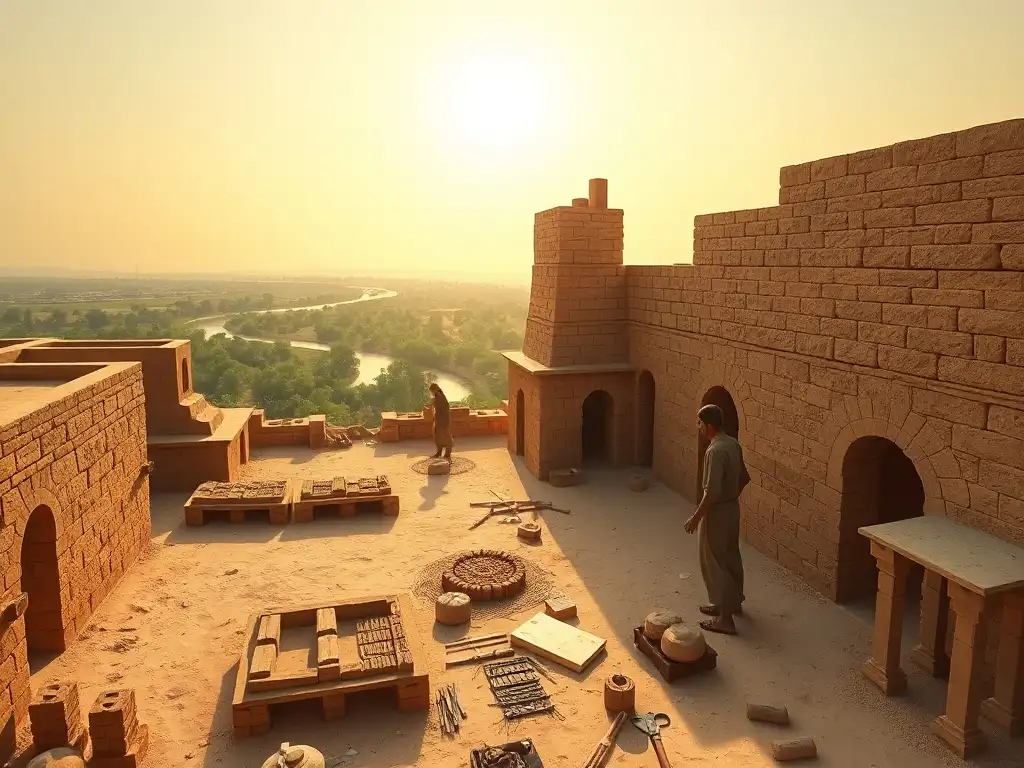
Lessons from Indus Valley Building Materials Analysis
The analysis of Indus Valley building materials unveils valuable insights into construction techniques that have stood the test of time. Structures from this ancient civilization, such as those found in Mohenjo-Daro and Harappa, showcase remarkable durability, indicating a sophisticated understanding of material properties. Key materials used included:
- Burnt Brick: The standardized size of burnt bricks, typically measuring 23 x 11 x 7 cm, provided uniformity and strength. The firing process enhanced resistance to weathering, making these bricks remarkably durable.
- Mud Brick: Though less durable than burnt bricks, mud bricks were abundant and used extensively for residential structures. Their thermal properties contributed to maintaining stable indoor temperatures.
- Stone: The use of locally sourced stone for public buildings and fortifications reflects resourcefulness and adaptability to the environment. Stone structures exhibited longevity due to their inherent strength.
The Indus Valley building materials analysis not only highlights the technical proficiency of ancient builders but also emphasizes the importance of local resources and sustainable practices. By utilizing materials that were readily available and environmentally friendly, the Indus Valley Civilization set a precedent for sustainable construction that modern architects can learn from.
Sustainable Practices Inspired by Ancient Techniques
Modern construction can greatly benefit from studying the sustainable practices employed by the Indus Valley builders. Some noteworthy practices include:
- Local Sourcing of Materials: The Indus Valley Civilization primarily used materials found in their immediate environment, reducing the carbon footprint associated with transportation. This principle can be applied today by prioritizing local materials in construction projects.
- Natural Ventilation and Insulation: The design of Indus Valley homes, with thick walls and strategically placed windows, allowed for effective air circulation and natural cooling. Incorporating similar designs can enhance energy efficiency in contemporary buildings.
- Water Management Systems: Advanced drainage systems and wells demonstrate the civilization's commitment to sustainable water use. Modern architects can adopt these principles by designing buildings with integrated water management systems to minimize waste.
By revisiting these ancient techniques, contemporary builders can adopt a more sustainable approach to construction, thereby reducing environmental impacts while enhancing structural resilience.
Conclusion: The Legacy of Indus Valley Building Materials in Historical Context
The Indus Valley building materials analysis not only sheds light on the architectural ingenuity of one of the world's earliest urban civilizations but also emphasizes their lasting legacy in construction methodologies. The durability and sustainability of their building materials serve as a testament to the innovative spirit of the Indus Valley people.
As modern society grapples with the challenges of sustainability and resilience in construction, the ancient practices of the Indus Valley offer crucial lessons. By integrating these time-tested techniques into contemporary building practices, we can honor the legacy of the past while paving the way for a more sustainable future. The enduring influence of Indus Valley construction can be seen as an inspiring model for modern architects and builders aiming to create structures that are not only functional but also environmentally responsible.
Frequently Asked Questions
What were the primary building materials used in the Indus Valley Civilization?
The Indus Valley Civilization predominantly utilized bricks, mud, and stone in their construction, known for their durability and uniformity.
How did the building materials affect the architecture of the Indus Valley?
The choice of building materials directly influenced the architectural style, leading to innovations such as drainage systems and fortified structures that showcased their engineering prowess.
What role did climate play in the selection of building materials in the Indus Valley?
The arid climate of the region encouraged the use of sun-baked bricks and stone, which provided insulation and resistance against weathering, ensuring the longevity of structures.
How does the Indus Valley building materials analysis contribute to our understanding of ancient technologies?
Analyzing building materials reveals insights into the technological advancements and resource management strategies of the Indus Valley Civilization, showcasing their sophistication and adaptability.
Are there any notable construction techniques from the Indus Valley Civilization?
Yes, the Indus Valley Civilization is known for its use of grid planning and load-bearing walls, which exemplify their architectural innovation and understanding of structural integrity.
Final Reflection: The Enduring Legacy of Indus Valley Building Materials
Understanding the building materials of the Indus Valley is not just an academic exercise; it is a vital exploration of how ancient techniques can inform our modern practices. The durability and ingenuity displayed in the construction of the Indus Valley civilization remind us that the lessons of the past are not merely historical artifacts but are deeply relevant to contemporary discussions about sustainability and resilience in architecture. As we face increasing environmental challenges, the wisdom embedded in these ancient practices offers a pathway to more sustainable building methods today.
Cultural and social landscapes are continuously shaped by the materials we choose and the techniques we employ. The Indus Valley civilization exemplifies how thoughtful material selection can lead to structures that withstand the test of time, influencing not only the physical environment but also the cultural identity of a society. As we reflect on this, we can recall the words of architect Frank Lloyd Wright: The mother art is architecture. Without an architecture of our own, we have no soul of our own civilization.
This sentiment underscores the importance of understanding our architectural heritage and how it can inspire future generations.
As you ponder the insights gained from this analysis of Indus Valley building materials, I invite you to consider how you can apply these lessons in your own life. Reflect on the materials and methods you engage with daily—be it in construction, design, or even in your personal choices. Embrace the challenge to innovate while respecting the wisdom of the past, and let the enduring legacy of the Indus Valley guide you toward a more sustainable and thoughtful future.
Unveil the Secrets of Indus Valley Materials!
Thank you for exploring the fascinating world of the Indus Valley's building materials with us! You’ve gained valuable insights into how these ancient techniques demonstrate **durability** and **resilience**. Ready to deepen your knowledge and connection to this remarkable civilization? Here are some actions you can take right now:
- Dive deeper: Investigate local building materials used in your own community and compare their **durability** and **sustainability** to those of the Indus Valley.
- Share your findings: Engage with fellow history enthusiasts by discussing this article on social media or in a local history group.
- Join the journey: Subscribe to our newsletter for more articles on ancient civilizations and their architectural marvels!
What aspect of the Indus Valley’s building techniques inspires you to explore further in your own life?