
The Great War of Kurukshetra: Lessons from the Mahabharata

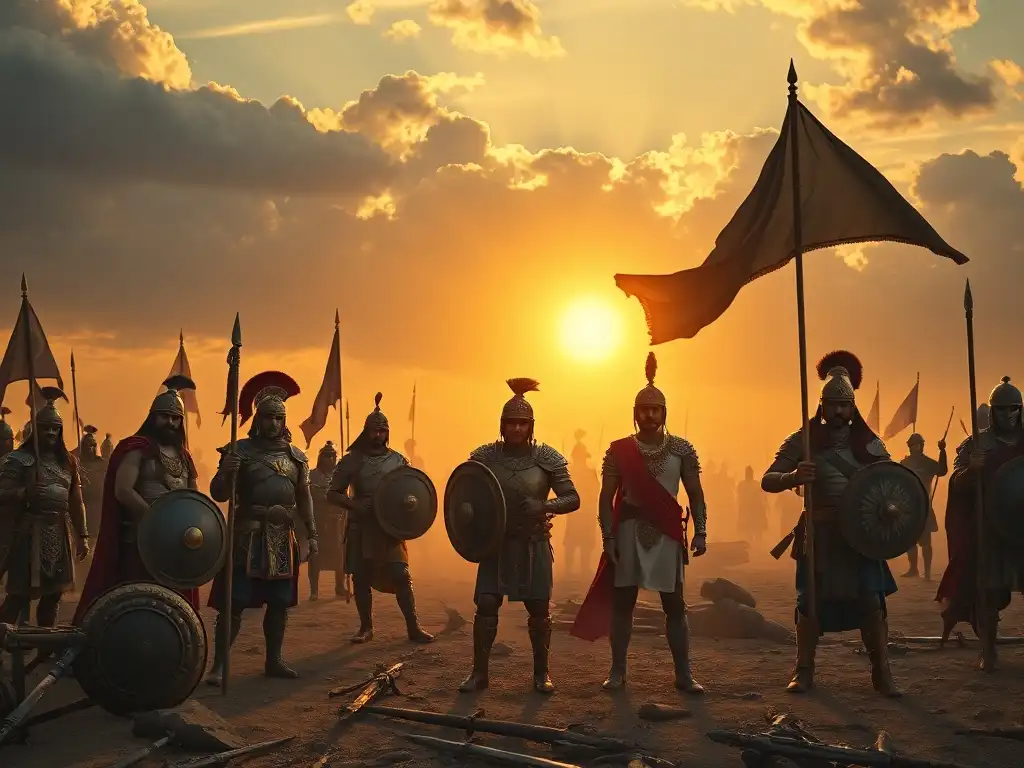
Welcome to Ancient India History, where we embark on a fascinating journey through the rich tapestry of ancient Indian civilizations. Today, we delve into the profound lessons from the Mahabharata, a timeless epic that not only narrates the legendary Great War of Kurukshetra but also offers invaluable insights into strategy, morality, and the complexities of human nature. As you explore the depths of this monumental tale, prepare to uncover wisdom that transcends eras and cultures. Join us as we unravel the threads of military history, revealing how the echoes of the past continue to resonate in our modern world.
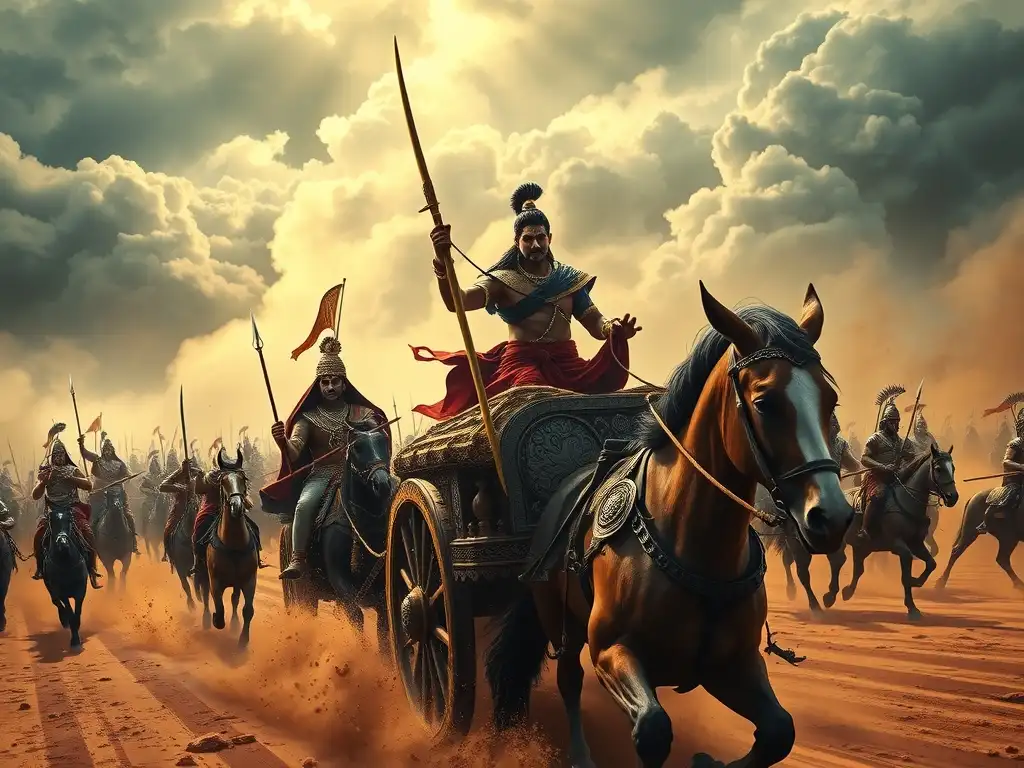
The Great War of Kurukshetra, a pivotal event narrated in the Mahabharata, is not just a tale of valor and conflict but also a profound reservoir of wisdom and life lessons that continue to resonate through the ages. This epic story, with its intricate blend of dharma (duty), ethics, and the consequences of war, serves as a lens through which we can explore the myriad complexities of human nature and society.
The Kurukshetra War, fought between two factions of the Kuru dynasty, the Pandavas and the Kauravas, encapsulates themes that are as relevant today as they were in ancient times. In this article, we will delve into the lessons from the Mahabharata, examining the historical context, key characters, and the significance of this great war in shaping not only ancient Indian civilization but also moral and ethical philosophies that transcend time.
Introduction to the Kurukshetra War
Overview of the Mahabharata Epic
The Mahabharata, one of the longest epic poems in the world, consists of approximately 100,000 shlokas (verses) and is traditionally attributed to the sage Vyasa. It narrates the story of the Kuru dynasty and the fateful war at Kurukshetra, where cousins fought for sovereignty. Beyond the narrative of conflict, the Mahabharata is rich in philosophical discourses, including the Bhagavad Gita, which presents Lord Krishna’s teachings to the warrior Arjuna, highlighting the moral dilemmas faced by individuals in times of strife.
Significance of the Great War in Ancient Indian History
The Kurukshetra War is not merely a historical event; it is a symbol of the eternal struggle between right and wrong, duty and desire. This war, which lasted for 18 days, resulted in significant loss of life and has been interpreted as a metaphor for the internal battles that each individual faces. The lessons drawn from this epic have influenced not only ancient Indian military strategy but also social ethics, governance, and personal conduct throughout subsequent generations.
Context of the Kurukshetra War
Historical Background of the Mahabharata
The historical context of the Mahabharata is deeply intertwined with the socio-political dynamics of ancient India. Scholars suggest that the epic may have roots in actual events, reflecting the tribal and clan-based societies of the time. The conflict can be seen as a representation of the transition from a traditional, feudal society to a more centralized form of governance, marking a critical turning point in Indian history.
Key Characters and Their Roles in the War
Central to the narrative are the characters that embody various virtues and vices. Key figures include:
- Arjuna: The conflicted hero facing moral dilemmas.
- Krishna: The divine charioteer who imparts wisdom and guidance.
- Duryodhana: The ambitious antagonist representing unchecked desire and ego.
- Bhishma: The revered elder whose loyalty and adherence to dharma complicate the conflict.
Each character's motivations and actions contribute to the overarching themes of duty, righteousness, and the consequences of one's choices.
The Political Landscape Before the Conflict
Prior to the Kurukshetra War, the political landscape was marked by rivalry, betrayal, and a struggle for power. The division of the kingdom and the refusal of the Kauravas to share power with the Pandavas set the stage for conflict. This environment of distrust and ambition provides crucial insights into the nature of human relationships and governance, illustrating the fragility of peace and the ease with which it can be disrupted.
In this article, we will further explore these themes and extract meaningful lessons from the Mahabharata, shedding light on how they can be applied to contemporary society.
Major Themes and Lessons from the Mahabharata
The Mahabharata, one of the longest epic poems in history, is rich with profound themes that resonate through time, offering valuable lessons applicable to various aspects of life. Central to its narrative are ideas surrounding ethics, morality, and duty, particularly as they relate to warfare and leadership. The Great War of Kurukshetra serves as a backdrop for exploring these themes, presenting a complex interplay of right and wrong, loyalty and betrayal, and the consequences of choices made in the heat of conflict.
Through its characters and their journeys, the Mahabharata teaches us about the importance of making ethical decisions, recognizing the nuances of righteousness (dharma), and understanding the impact of leadership. The lessons derived from this epic continue to inspire discussions about moral dilemmas, effective governance, and the repercussions of human actions in both historical and contemporary contexts.
The Concept of Dharma (Righteousness)
At the heart of the Mahabharata lies the concept of dharma, which embodies righteousness, duty, and moral law. Characters such as Yudhishthira, the eldest Pandava, epitomize the struggle to uphold dharma even amid overwhelming challenges. The conflict between personal desires and societal obligations presents a critical examination of what it means to act justly.
The epic illustrates that dharma is not a one-size-fits-all principle; it can vary based on context, relationship, and circumstance. For instance, Arjuna's initial reluctance to fight against his relatives and teachers highlights the tension between familial loyalty and the duty to uphold justice. This complexity encourages readers to reflect on their own lives, reminding us that moral choices often involve navigating gray areas rather than clear-cut answers.
The Importance of Moral Choices in Warfare
The Kurukshetra War serves as a powerful allegory for the moral choices faced in the context of warfare. As leaders and warriors grapple with their decisions, the Mahabharata emphasizes that every action has consequences, both immediate and far-reaching. The choices made by key figures such as Bhishma, Drona, and Karna reflect the burdens of leadership and the heavy toll of decisions that compromise ethical standards.
The tragic outcomes of the war further underscore the significance of ethical conduct in conflict. The downfall of noble characters due to flawed choices serves as a cautionary tale about the impact of disregarding moral principles. The Mahabharata teaches that in warfare, as in life, the integrity of one's choices can determine the course of events and shape the legacy left behind.
Leadership Qualities Illustrated in the Mahabharata
The Mahabharata provides an extensive exploration of leadership qualities through its diverse array of characters. Figures like Krishna, who serves as both a charioteer and a divine guide, exemplify the importance of wisdom, strategic thinking, and empathy in leadership. Krishna's counsel to Arjuna during the Bhagavad Gita highlights the necessity for leaders to inspire and motivate their followers while remaining grounded in ethical considerations.
Additionally, leaders like Yudhishthira demonstrate the challenges of maintaining integrity in the face of adversity. The epic portrays the value of humility, courage, and the ability to make tough decisions for the greater good. By analyzing these qualities, readers can draw parallels to contemporary leadership, understanding that effective leaders must navigate moral dilemmas while fostering trust and loyalty among their followers.
Strategies and Tactics in the Kurukshetra War
The Great War of Kurukshetra was not merely a clash of armies; it was a complex interplay of strategies, tactics, and psychological warfare. The Mahabharata details various military maneuvers and battle strategies that reveal the depth of ancient Indian military thought and practice. These insights offer valuable lessons for modern warfare and strategic planning.
Strategies employed by both the Pandavas and Kauravas reflect the significance of preparation, intelligence, and adaptability in warfare. The epic illustrates that understanding the opponent’s strengths and weaknesses is crucial to formulating effective tactics, emphasizing the timeless nature of strategic thinking in conflict.
Analysis of Military Strategies Used
The Kurukshetra War showcased a variety of military strategies, including the use of formations such as the Chakra Vyuha (circular formation) and the Padma Vyuha (lotus formation). These formations were not merely tactical choices; they reflected deep-seated philosophies about warfare, showcasing the importance of both defense and offense.
Key figures such as Drona and Bhishma employed traditional warfare techniques, while Krishna's strategic guidance emphasized the need for innovation and flexibility. The contrasting approaches of the Pandavas and Kauravas highlight the significance of adapting strategies based on evolving battlefield conditions.
Key Battles and Turning Points
Several battles within the Kurukshetra War serve as critical turning points that shifted the tide of conflict. The fall of Bhishma, who was invincible until he chose to lay down his arms, marked a significant moment in the war. His death not only signified the loss of a formidable warrior but also symbolized the consequences of adhering too rigidly to one's principles.
Similarly, the slaying of Drona by Drishtadyumna exemplifies how strategic planning and deception can alter the course of a battle. Each turning point in the war reflects the broader themes of sacrifice, fate, and the intricate web of relationships that define the epic's narrative.
Lessons on Strategy and Tactics from the Mahabharata
From the Kurukshetra War, several lessons on strategy and tactics emerge that remain relevant today. The importance of intelligence, the element of surprise, and the value of psychological warfare can be observed throughout the epic. Leaders must recognize the significance of understanding the motivations and weaknesses of their adversaries to gain a strategic advantage.
Additionally, the Mahabharata teaches that victory is not solely determined by strength in numbers or military might; the moral high ground and the righteousness of one's cause can significantly impact the outcome of conflict. The epic illustrates that, in warfare and beyond, the effectiveness of strategy lies in the balance between power and ethics, a lesson that resonates across time and cultures.
The Aftermath of the Great War
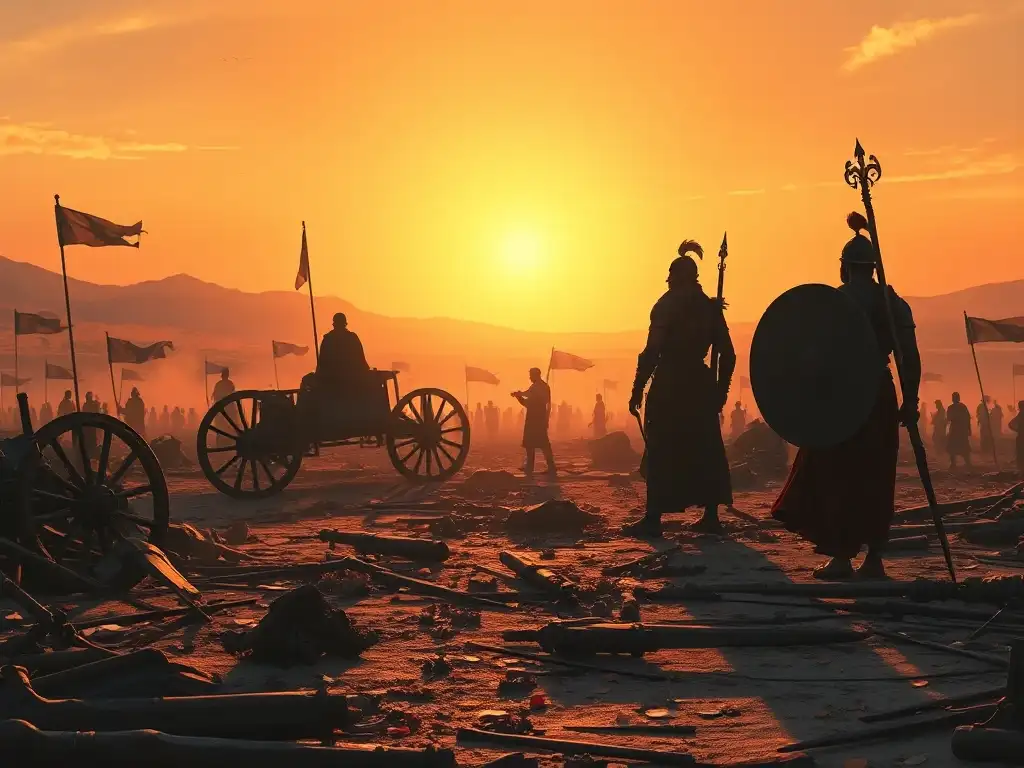
The Great War of Kurukshetra, a pivotal event in the Mahabharata, had profound implications for both the victors and the vanquished. Following the climactic battle, the land was left ravaged, and the death toll was staggering. The once-thriving kingdoms of the Pandavas and Kauravas were reduced to ashes, and the survivors were confronted with the grim reality of their actions. The aftermath marked a significant turning point in the epic, emphasizing themes of loss, remorse, and the heavy burden of victory.
Consequences for the Pandavas and Kauravas
The consequences of the war were devastating for both the Pandavas and Kauravas. The Pandavas, despite emerging victorious, faced immense sorrow as they mourned the loss of their kin and allies. The once-glorious dynasty of the Kauravas was nearly obliterated, with only a few survivors like Yuyutsu. The Pandavas' victory was marred by the realization that their triumph came at an unimaginable cost—friendships shattered and families torn apart. Yudhishthira, the eldest Pandava, struggled with the moral implications of the war, questioning the righteousness of their actions and the true meaning of dharma (duty).
The survivors were left to rebuild a kingdom plagued by grief and guilt. The war's end also led to the Pandavas' eventual ascension to power, but the shadow of their past decisions loomed large. Ultimately, this phase of their lives serves as a poignant reminder of the consequences of ambition, rivalry, and the tragic outcomes of conflict.
Societal Impact of the Kurukshetra War
The societal impact of the Kurukshetra War was profound and far-reaching. The war not only decimated the warrior class but also disrupted the social fabric of society. As families were shattered and communities lost their leaders, the balance of power shifted dramatically. The absence of the Kauravas led to a re-evaluation of alliances, loyalty, and governance in the region.
Additionally, the Kurukshetra War instigated a cultural transformation. The epic underscored the importance of ethical conduct and the consequences of moral dilemmas, influencing subsequent generations’ understanding of justice and righteousness. This shift in societal norms paved the way for philosophical discourses, particularly in relation to dharma, which have resonated throughout Indian history.
Lessons on Peace and Reconciliation
The aftermath of the Kurukshetra War teaches vital lessons on peace and reconciliation. The futility of violence and the tragic consequences of unresolved conflicts are poignantly illustrated through the epic's narrative. The devastation of the war serves as a stark reminder that the pursuit of power often leads to destruction, and understanding differing perspectives is crucial for maintaining harmony.
In the closing chapters of the Mahabharata, efforts at reconciliation emerge, particularly through the character of Ashwatthama, who represents the cycle of vengeance and grief. His quest for revenge ultimately leads him to a path of despair, reinforcing the idea that peace can only be achieved through forgiveness and understanding, rather than continued hostility. The lessons from the Mahabharata advocate for dialogue, empathy, and the importance of addressing grievances before they escalate into irreversible conflicts.
Enduring Lessons from the Mahabharata for Modern Society
The Mahabharata, particularly through the lens of the Great War of Kurukshetra, offers timeless lessons that resonate with contemporary society. Its exploration of human nature, ethical dilemmas, and the consequences of conflict remains relevant, providing insights that can guide modern decision-making and interpersonal relationships.
Application of Mahabharata Lessons in Contemporary Conflicts
The lessons gleaned from the Mahabharata can be applied to a variety of contemporary conflicts, whether they are personal, political, or social. The epic emphasizes the necessity of understanding diverse viewpoints and the complex nature of morality, which is crucial in today’s polarized world. Conflict resolution strategies can benefit from the Mahabharata’s emphasis on dialogue, patience, and the recognition of shared humanity.
Moreover, the importance of ethical leadership, as depicted through the characters of Yudhishthira and Krishna, can serve as a guiding principle for current leaders. By prioritizing justice and compassion over power and dominance, individuals can foster environments conducive to peace and collaboration.
Insights on Leadership and Governance from the Epic
The Mahabharata offers profound insights into leadership and governance, demonstrating the complexity of power dynamics and the weight of responsibility. The characters exemplify various leadership styles, from the righteous Yudhishthira to the cunning Duryodhana, highlighting the diverse approaches to governance and their consequences.
The epic underscores the importance of wise counsel and the role of advisors, epitomized by Krishna’s guidance to the Pandavas. Effective leadership is portrayed as a balance between strength and empathy, necessitating a deep understanding of duty and the welfare of the people. These lessons remain vital for today's leaders, who face challenges that require both strategic thinking and ethical considerations.
Relevance of the Mahabharata in Today's World
The relevance of the Mahabharata in today's world cannot be overstated. Its exploration of human emotions, ethical dilemmas, and the ramifications of conflict provides a rich framework for understanding contemporary issues. Themes such as justice, loyalty, and the quest for peace resonate across cultures and eras, making the epic a universal touchstone for moral reflection.
As societies grapple with complex challenges—ranging from social injustice to international conflicts—the Mahabharata serves as a poignant reminder of the importance of integrity, compassion, and the pursuit of harmony. By reflecting on the lessons from the Mahabharata, individuals and communities can strive towards a more just and peaceful world, learning from the past to shape a better future.
Conclusion: Reflecting on the Lessons from the Mahabharata
The Mahabharata is not just an epic tale of a great war; it is a profound narrative that offers numerous lessons relevant to various aspects of human life, ethics, and governance. The Great War of Kurukshetra serves as a backdrop against which the complexities of dharma (righteousness) and adharma (unrighteousness) are explored in depth. As we draw to a close, it is essential to reflect on the key teachings that emerge from this ancient text, which continue to resonate with contemporary society.
In examining the consequences of war, the Mahabharata illustrates the futility of conflict and its devastating impact on society. It emphasizes the importance of dialogue, understanding, and the pursuit of peace over violence. Additionally, the epic’s characters serve as archetypes, each embodying different virtues and vices, prompting readers to introspect on their own moral compass and the choices they make in their lives.
Ultimately, the lessons from the Mahabharata extend beyond the battlefield, urging us to seek wisdom in our decisions, to value relationships, and to uphold justice in the face of adversity.
Summary of Key Takeaways
- The Complexity of Dharma: The Mahabharata presents a nuanced view of righteousness, illustrating that moral dilemmas often lack clear-cut solutions. Characters such as Yudhishthira and Arjuna face challenging choices that compel readers to question what is truly right or wrong in complex situations.
- Consequences of War: The epic vividly depicts the catastrophic aftermath of the Kurukshetra War, highlighting how conflict can lead to loss, suffering, and destruction. The narrative serves as a cautionary tale against the perils of war.
- Leadership and Responsibility: Figures like Krishna exemplify the qualities of effective leadership. His guidance to Arjuna emphasizes the importance of responsibility and duty, especially when faced with difficult decisions.
- The Value of Relationships: The Mahabharata underscores the significance of family, friendship, and loyalty. The relationships between the Pandavas, Kauravas, and their allies reveal how personal ties can influence one's choices and the broader implications of those choices.
The Legacy of the Kurukshetra War in Ancient Indian Culture
The legacy of the Kurukshetra War extends far beyond the pages of the Mahabharata; it has deeply influenced ancient Indian culture, philosophy, and spiritual thought. The war is often regarded as a metaphor for the eternal struggle between good and evil, and its lessons have permeated various aspects of life in India.
The concept of dharma has become ingrained in Indian philosophy, serving as a guiding principle in ethical decision-making. The characters of the Mahabharata have inspired countless interpretations in art, literature, and theater, contributing to a rich cultural tapestry that celebrates the epic’s themes.
Moreover, the war has been a source of inspiration for various schools of thought, including political philosophy, where the ideas of justice, governance, and moral responsibility are extensively explored. The teachings of the Mahabharata continue to be studied in contemporary educational contexts, reinforcing its significance as a foundational text in Indian civilization.
Further Reading and Resources
To deepen your understanding of the lessons from the Mahabharata and the historical context of the Kurukshetra War, several texts and resources can offer valuable insights.
Recommended Texts on the Mahabharata
- The Mahabharata (Translation by Ramesh Menon) - This retelling provides a contemporary perspective while staying true to the original text.
- Mahabharata: An Inquiry in the Human Condition: by Gurcharan Das - This book analyzes the philosophical dimensions of the epic and its relevance to modern society.
- The Mahabharata: A Modern Rendering: by Rajagopalachari - This version simplifies the narrative for easier understanding while retaining the core lessons.
Additional Resources on Ancient Indian Military History
- "War in Ancient India" by R. C. Majumdar - A comprehensive examination of military strategies, wars, and political dynamics in ancient India.
- "The Art of War in Ancient India" by R. K. Gupta - This text delves into military tactics and the philosophies underlying warfare in ancient Indian contexts.
- Online Archives and Journals - Access scholarly articles and research papers on military history through platforms such as JSTOR or Google Scholar to explore specific themes related to warfare in ancient India.
These resources will provide a broader understanding of the Mahabharata, its context, and the enduring lessons derived from the Great War of Kurukshetra.
- Introduction to the Kurukshetra War
- Context of the Kurukshetra War
- Major Themes and Lessons from the Mahabharata
- Strategies and Tactics in the Kurukshetra War
- The Aftermath of the Great War
- Enduring Lessons from the Mahabharata for Modern Society
- Conclusion: Reflecting on the Lessons from the Mahabharata
- Further Reading and Resources
Frequently Asked Questions
What is the Mahabharata about?
The Mahabharata is an ancient Indian epic that narrates the great war of Kurukshetra between the Pandavas and Kauravas, exploring themes of dharma, morality, and the complexities of human relationships.
What are some key lessons from the Mahabharata?
The epic teaches important lessons about justice, sacrifice, and the consequences of choices, emphasizing the need for ethical decision-making in difficult situations.
How does the Mahabharata reflect ancient Indian culture?
The Mahabharata is a rich tapestry of mythology, philosophy, and societal values, showcasing the cultural practices, beliefs, and historical context of ancient India.
What role does dharma play in the Mahabharata?
Dharma, or righteousness, is central to the narrative, guiding characters in their actions and decisions, and serving as a framework for understanding moral dilemmas faced during the war.
How can the lessons from the Mahabharata be applied today?
The lessons from the Mahabharata offer insights into conflict resolution, the importance of integrity, and the value of self-reflection, making them relevant for modern societal issues and personal growth.
Final Reflection: Timeless Lessons from the Mahabharata
The lessons from the Mahabharata resonate with profound relevance in today's world, where conflicts and moral dilemmas continue to shape our societies. In an age marked by division and strife, the epic's teachings remind us of the importance of dharma (righteousness) and the consequences of our choices. The Great War of Kurukshetra serves as a powerful metaphor for the battles we face within ourselves and in our communities, urging us to seek wisdom and understanding in our actions.
Cultural narratives often shape our understanding of ethics and morality, and the Mahabharata stands as a cornerstone of such narratives. Its characters and their choices provide a mirror reflecting our own struggles, aspirations, and failures. The epic's enduring influence can be seen in literature, art, and philosophy across cultures. As Mahatma Gandhi once said, The Mahabharata is a story of humanity.
This statement encapsulates the essence of the epic, emphasizing its role in guiding us through the complexities of human existence and the moral quandaries we encounter.
As you close this chapter on the Great War of Kurukshetra, I invite you to reflect on the lessons from the Mahabharata and how they can be applied in your own life. Consider the choices you face and the values that guide you. In a world that often feels chaotic, let the wisdom of this ancient text inspire you to act with integrity, compassion, and courage. Embrace the opportunity to learn from the past and shape a future that honors the lessons of those who came before us.
Unveil the Lessons of Kurukshetra Today!
Thank you for exploring the profound lessons of the Great War of Kurukshetra and the timeless wisdom of the Mahabharata. Your interest in this ancient narrative not only enriches your understanding but also paves the way for personal and collective growth. Now, let’s transform that knowledge into action!
- Reflect on Your Choices: Take a moment to identify a challenge in your life where you can apply the lessons of duty, righteousness, or resilience derived from the Mahabharata.
- Share Your Insights: Engage with our community by sharing your thoughts on the teachings from Kurukshetra in the comments below, or start a discussion on social media.
- Explore Further: Investigate other ancient texts and philosophies that resonate with you, perhaps by starting a new book or enrolling in an online course.
How can you incorporate the wisdom of Kurukshetra into your daily life to address your current challenges?