
The Influence of Ancient Indian Military Leaders on Contemporary Tactics

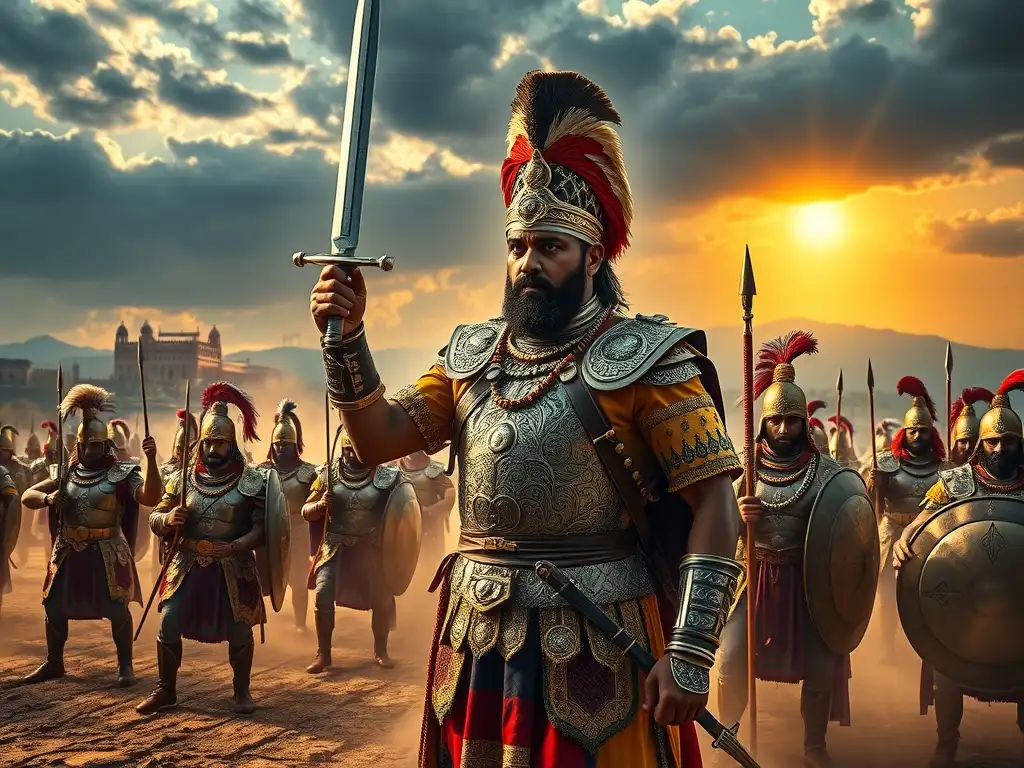
Welcome to Ancient India History, where we embark on a journey through time to uncover the rich tapestry of ancient Indian civilizations. Here, we delve into the remarkable military strategies that shaped the course of history and influenced contemporary tactics. Ever wondered how the brilliance of ancient Indian military leaders resonates in today’s warfare?
Prepare to be captivated as we explore their ingenious strategies and the profound impact they've had on modern military thought. Join us as we unravel the complexities of the past, and discover how these ancient warriors laid the groundwork for innovative tactics that continue to inspire military leaders around the globe. Your adventure in ancient history begins now!
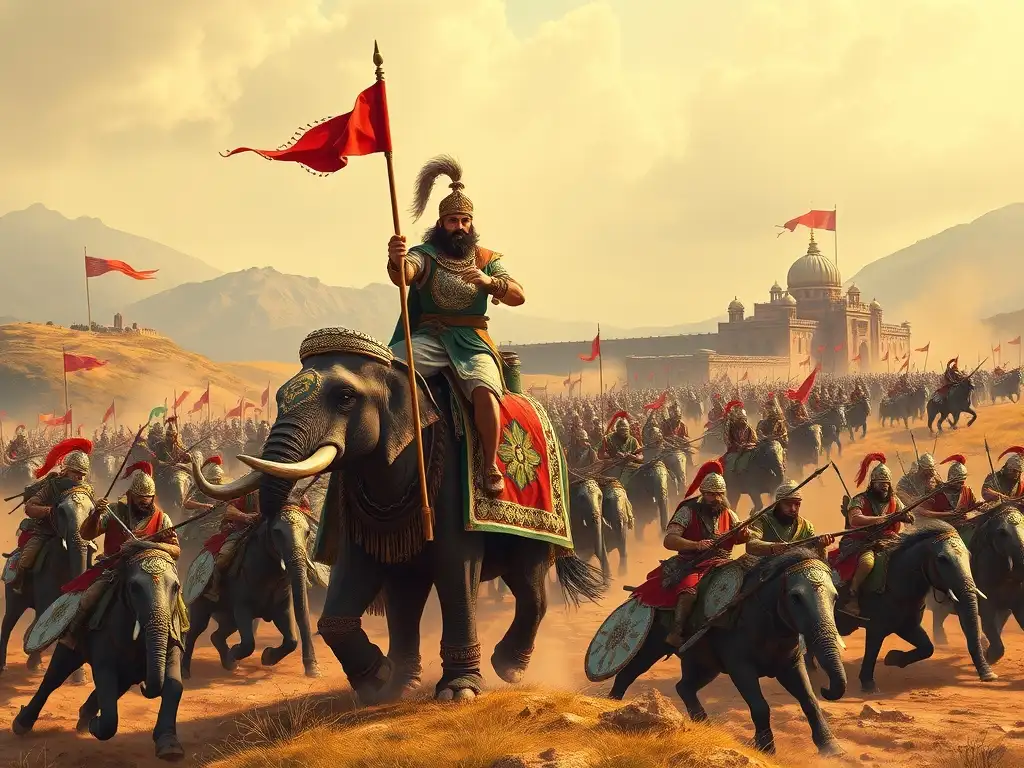
Exploring the rich tapestry of ancient Indian military history reveals a legacy of strategic brilliance that continues to resonate today. The military strategies employed by ancient Indian leaders not only shaped the course of their empires but also laid the groundwork for contemporary tactical methodologies.
From the formidable formations of the Indus Valley Civilization to the sophisticated warfare techniques of the Gupta Empire, ancient Indian military strategies exhibit a remarkable blend of innovation, adaptability, and foresight. This article delves into the influential military leaders of ancient India, highlighting how their approaches to warfare and leadership have impacted modern military tactics and strategies.
Introduction to Ancient Indian Military Strategies
Ancient India was home to a variety of military strategies that were as diverse as its cultures. The evolution of these tactics can be traced through various historical periods, each marked by unique challenges and responses to warfare. Understanding these strategies is crucial for comprehending the broader military landscape of ancient India.
Overview of Ancient Indian Military Tactics
The military tactics of ancient India were characterized by several key elements:
- Formation and Mobility: Ancient Indian armies utilized formations such as the Chakra and Vyuha, which allowed for both offense and defense.
- War Elephants: These majestic creatures played a pivotal role in battles, serving as platforms for archers and instilling fear in enemy ranks.
- Use of Fortifications: Cities like Pataliputra were equipped with impressive fortifications that showcased advanced engineering and strategic foresight.
These tactics not only highlight the ingenuity of ancient Indian military leaders but also offer valuable insights into the evolution of military thought.
Importance of Military Leadership in Ancient India
Military leadership in ancient India was crucial for the success of campaigns and the stability of empires. Leaders were expected to embody virtues such as courage, wisdom, and strategic foresight. The ability to inspire troops and make swift decisions often determined the outcome of battles. Prominent leaders set examples for their successors, establishing doctrines that are studied even in modern military academies.
Key Ancient Indian Military Leaders
Ancient India produced a number of military leaders whose strategies and philosophies have left a lasting impact on contemporary military thought.
Chandragupta Maurya: The Founder of the Maurya Empire
Chandragupta Maurya is celebrated as the founder of the Maurya Empire, and his military acumen was instrumental in unifying various Indian kingdoms. His strategies included:
- Guerrilla Warfare: Utilizing the element of surprise against larger forces.
- Diplomatic Alliances: Forming strategic alliances to strengthen his military position.
- Intelligence Networks: Establishing a robust system of spies to gather information on enemy movements.
Chandragupta’s legacy continues to influence military leaders who recognize the importance of adaptability and strategic alliances in warfare.
Ashoka the Great: The Warrior Turned Peacemaker
Ashoka the Great, initially a formidable warrior, transformed into a proponent of peace after the Kalinga War. His military strategies reflected a shift from conquest to governance:
- Moral Warfare: Emphasizing ethical considerations in battle, which led to the promotion of Dharma.
- Infrastructure Development: Investing in roads and communication to ensure the rapid movement of troops and resources.
- Cultural Diplomacy: Spreading Buddhism as a means of soft power, which fostered alliances and reduced conflict.
Ashoka's reign is a testament to the integration of military strategy with ethical governance.
Samudragupta: The Napoleon of India
Often referred to as the "Napoleon of India," Samudragupta's military campaigns were marked by exceptional strategic prowess:
- Rapid Campaigns: Conducting swift military campaigns across northern India, demonstrating mobility and surprise.
- Adaptation of Tactics: Implementing both cavalry and infantry maneuvers that were ahead of their time.
- Consolidation of Power: Skillfully integrating conquered territories into his empire, ensuring stability and loyalty.
Samudragupta's innovative tactics have been studied by military historians and strategists for their timeless relevance.
By examining these leaders and their contributions, we gain not only insights into ancient Indian military strategies but also an understanding of how their legacies continue to shape contemporary military practices.
Ancient Indian Military Strategies and Their Characteristics
Ancient Indian military strategies were characterized by a combination of innovative tactics, deep understanding of geography, and psychological warfare. The military leaders of ancient India, such as Chandragupta Maurya and Ashoka the Great, developed strategies that emphasized adaptability and the use of diverse resources. These strategies were not only effective in securing victories on the battlefield but also influenced the philosophical underpinnings of warfare, emphasizing ethics and dharma (righteousness) in military conduct.
The core characteristics of these strategies included:
- Flexibility and Adaptability: Ancient Indian military leaders often adjusted their tactics according to the specific conditions of the battlefield, including troop strengths, enemy capabilities, and environmental factors.
- Integrated Use of Resources: The effective utilization of natural resources, such as terrain and local materials, played a crucial role in shaping their strategies. This included the use of fortifications and natural barriers to enhance defensive capabilities.
- Focus on Intelligence and Espionage: Gathering information about enemy movements and intentions was paramount. Leaders would employ spies and scouts to gain a strategic advantage, enabling them to make informed decisions during campaigns.
Through these characteristics, ancient Indian military strategies not only achieved immediate tactical advantages but also laid the groundwork for a more profound understanding of warfare that persists in various forms today.
Use of Elephants in Warfare
The use of elephants in warfare was a hallmark of ancient Indian military strategies, offering both psychological and tactical advantages. Elephants were not merely war machines; they were symbols of power and prestige, instilling fear in the hearts of adversaries. Their massive size and strength provided a significant advantage in battle, capable of trampling infantry and causing chaos within enemy lines.
Key aspects of elephant warfare included:
- Shock Troops: Elephants were often deployed at the front lines to create disarray among enemy formations. Their presence could disrupt enemy tactics and provide an opening for infantry and cavalry to exploit.
- Mobility and Versatility: While elephants were heavy and required substantial resources, they could navigate difficult terrain that might hinder traditional cavalry or infantry. Their adaptability made them valuable in various combat scenarios.
- Psychological Impact: Beyond their physical capabilities, elephants served as a psychological weapon. The mere sight and sound of these majestic creatures could demoralize opponents, leading to premature retreats or disorganized defenses.
Historical examples, such as the battles fought by King Porus against Alexander the Great, illustrate the effective deployment of war elephants in ancient combat scenarios, showcasing their enduring legacy in military strategy.
Terrain Utilization: Hills, Rivers, and Fortifications
Ancient Indian military leaders expertly utilized the diverse terrain of the subcontinent to gain strategic advantages in warfare. The varied geography, including hills, rivers, and fortifications, played a critical role in shaping military campaigns and tactics.
- Hills and High Ground: Holding elevated positions provided significant advantages in both offense and defense. Leaders often constructed fortifications on hills, making it difficult for enemies to attack and allowing defenders to control the battlefield from above.
- Rivers as Natural Barriers: Rivers were strategically used to limit enemy movements and facilitate ambushes. Crossing a river could be a daunting task for an army, and ancient Indian generals exploited this by placing their forces strategically on one side to engage enemies attempting to cross.
- Strategic Fortifications: The construction of forts and citadels, like those seen in the Mauryan and Gupta empires, provided secure bases for military operations. These fortifications were often designed with intricate planning to withstand sieges and provide a tactical advantage during engagements.
The effective utilization of terrain not only enhanced military effectiveness but also contributed to the development of complex logistical systems, allowing armies to operate efficiently in diverse environments.
Psychological Warfare and Deception Techniques
Psychological warfare and deception were integral components of ancient Indian military strategies. Leaders recognized the importance of mental fortitude in warfare, understanding that a well-prepared mind could be as powerful as a well-trained army.
- Misinformation Campaigns: Leaders often employed misinformation to mislead opponents about troop movements or battle plans. This could involve the strategic spreading of rumors or feigned retreats to lure enemies into traps.
- Exploiting Superstitions: Ancient Indian military leaders were adept at exploiting the cultural and religious beliefs of their adversaries. By creating scenarios that played on these beliefs, they could induce fear and uncertainty in enemy ranks.
- Use of Symbols and Rituals: The use of flags, banners, and rituals before battles served not only to rally troops but also to intimidate opponents. The psychological impact of a well-coordinated show of strength could demoralize enemies even before the first clash.
The significance of psychological warfare in the tactics of ancient Indian military leaders illustrates an understanding of human behavior that remains relevant in modern military strategies.
The Adaptation of Ancient Strategies in Modern Warfare
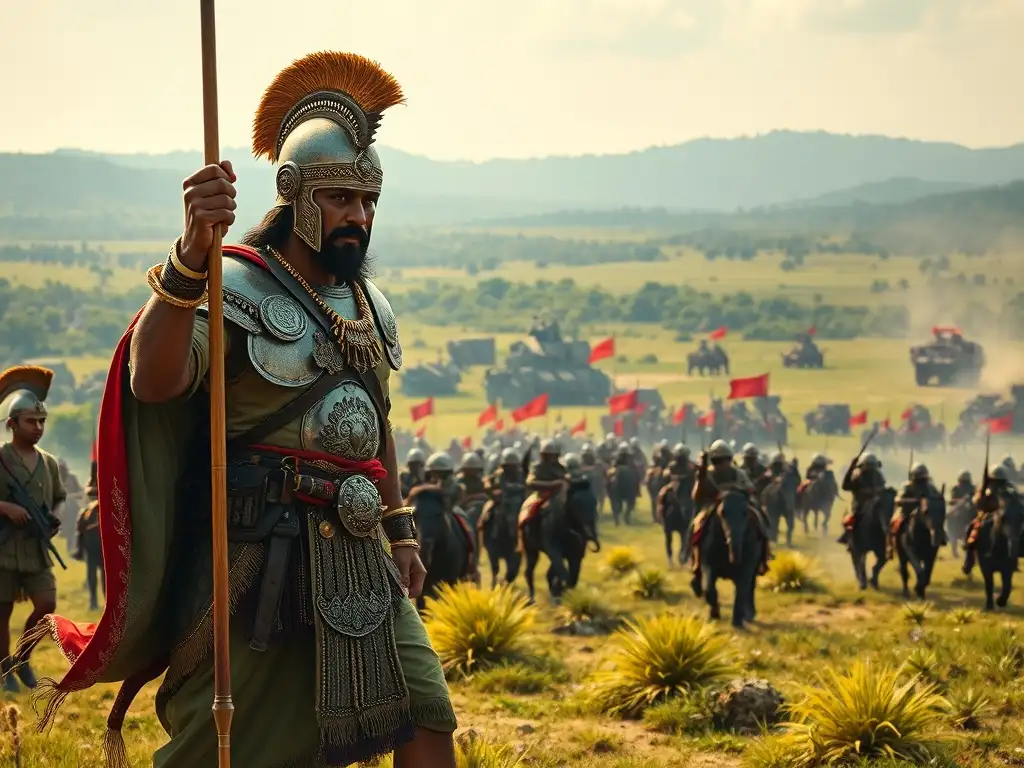
The principles derived from ancient Indian military strategies have found relevance in contemporary warfare. Modern military leaders study these tactics to enhance their own strategies and operations, recognizing the timelessness of effective military principles.
The Relevance of Ancient Indian Tactics in Contemporary Military Planning
Ancient Indian military strategies emphasize adaptability, strategic use of resources, and psychological operations, making them highly relevant in today’s military planning. Modern military forces often incorporate these principles in various ways:
- Asymmetric Warfare: The adaptability seen in ancient tactics aligns with contemporary strategies that favor unconventional warfare, where smaller, agile forces use guerrilla tactics against larger conventional armies.
- Psychological Operations: Modern armies recognize the power of psychological warfare and invest in operations that aim to influence both enemy forces and civilian populations, drawing from ancient practices of deception and morale manipulation.
- Terrain Analysis: The meticulous analysis and utilization of terrain observed in ancient strategies continue to play a critical role in modern military planning, where geographical advantages are leveraged to maximize operational effectiveness.
By understanding and adapting these ancient strategies, contemporary military leaders can develop robust plans that resonate with time-tested principles.
Case Studies: Modern Military Leaders Inspired by Ancient Indian Strategies
Several modern military leaders have drawn inspiration from ancient Indian military strategies, showcasing their relevance and adaptability in contemporary contexts.
- General Sun Tzu's Influence: Although not Indian, Sun Tzu’s philosophies, which parallel those of ancient Indian strategists, have been instrumental for military leaders worldwide. His concepts on deception and the importance of understanding the battlefield echo the tactics used by ancient Indian generals.
- Indian Armed Forces: The Indian military incorporates strategies inspired by its own rich military history, including the use of psychological warfare and terrain utilization tactics. Operations in Kashmir and other regions demonstrate the application of these ancient principles in modern conflicts.
- Global Military Training: Many military academies around the world study ancient Indian texts, such as the Arthashastra by Kautilya, as part of their curricula, recognizing the strategic wisdom embedded in these ancient teachings.
These examples illustrate how the strategic frameworks developed by ancient Indian military leaders continue to inform and inspire contemporary military thought and practice, ensuring their legacy endures in modern warfare.
Comparative Analysis of Ancient and Modern Military Strategies
The study of ancient Indian military strategies reveals a rich tapestry of tactical ingenuity that has influenced contemporary military thought. While the core principles of strategy remain relevant, the methods of implementation have evolved significantly. Analyzing these ancient strategies alongside modern tactics provides valuable insights into how foundational concepts have shaped current military practices.
Similarities in Tactical Approaches
Despite the vast differences in technology and warfare, certain tactical approaches pioneered by ancient Indian military leaders still resonate today. For instance:
- Use of Deception: Ancient strategists like Kautilya emphasized the importance of deception in warfare. Modern military leaders continue to employ similar tactics, utilizing misinformation and psychological operations to mislead opponents.
- Terrain Utilization: Ancient commanders skillfully used terrain to their advantage, such as in the battles of the Mauryan Empire. Modern military tactics similarly prioritize environmental factors, leveraging geography to enhance strategic positioning.
- Adaptability: The ability to adapt tactics based on the enemy’s strengths and weaknesses was a hallmark of ancient Indian military leaders. This adaptive mindset is just as crucial in contemporary warfare, where flexibility in strategy can determine the outcome of engagements.
These similarities underscore a continuous thread of strategic thinking that transcends time, demonstrating how ancient wisdom still informs modern military practices.
Differences in Technology and Execution
While the foundational strategies may align, the execution of these tactics has undergone significant transformation due to technological advancements:
- Weaponry: Ancient Indian armies utilized swords, bows, and chariots, which were effective in their context. Today, warfare incorporates advanced technologies such as drones, cyber warfare, and precision-guided munitions, which have fundamentally changed the battlefield landscape.
- Communication: In ancient times, communication during battles relied on physical signals and messengers. Modern armies use sophisticated communication systems, enabling real-time coordination and information sharing, which enhances operational efficiency.
- Logistics and Supply Chains: The logistics of ancient armies were primarily based on local resources and manual transport. Contemporary military operations benefit from advanced logistics management systems, allowing for rapid deployment of resources and troops across vast distances.
These differences highlight the impact of technological progress on military execution, illustrating how ancient strategies must adapt to contemporary capabilities.
Conclusion: The Legacy of Ancient Indian Military Leaders
The influence of ancient Indian military leaders on contemporary tactics is profound and enduring. Their strategic insights continue to inform modern military doctrine, demonstrating the relevance of ancient wisdom in today’s complex warfare environment.
Enduring Influence on Contemporary Military Tactics
The legacy of leaders such as Chandragupta Maurya and Samudragupta lies not only in their battlefield successes but also in their strategic philosophies. Their emphasis on planning, resource management, and the psychological aspects of warfare remains relevant, as modern military strategists often reference these principles when developing contemporary tactics. The teachings found in texts like the Arthashastra serve as foundational resources for military academies worldwide, illustrating the timeless nature of these strategies.
The Importance of Studying Ancient Military Strategies in Modern Context
Understanding ancient military strategies is crucial for contemporary military leaders for several reasons:
- Historical Context: Studying these strategies provides insight into the evolution of warfare, helping modern leaders appreciate the context in which contemporary tactics developed.
- Innovation Inspiration: Ancient strategies can inspire innovative approaches to modern challenges, encouraging military leaders to think creatively about problem-solving in warfare.
- Cultural Awareness: Acknowledging the contributions of ancient Indian military tactics fosters a deeper appreciation of cultural heritage and its role in shaping contemporary practices.
The examination of ancient Indian military strategies not only enriches our understanding of historical contexts but also offers valuable lessons for modern military operations, ensuring that the legacy of these ancient leaders continues to influence future generations.
- Introduction to Ancient Indian Military Strategies
- Key Ancient Indian Military Leaders
- Ancient Indian Military Strategies and Their Characteristics
- The Adaptation of Ancient Strategies in Modern Warfare
- Comparative Analysis of Ancient and Modern Military Strategies
- Conclusion: The Legacy of Ancient Indian Military Leaders
- What were the key military strategies used by ancient Indian leaders?
- How did the geography of India influence its military strategies?
- Who were some notable military leaders in ancient India?
- What is the significance of ancient Indian military tactics in modern warfare?
- How did the cultural context shape ancient Indian military strategies?
Frequently Asked Questions
What were the key military strategies used by ancient Indian leaders?
Ancient Indian military leaders employed various strategies such as guerrilla warfare, psychological tactics, and strategic alliances to gain an advantage over their enemies.
How did the geography of India influence its military strategies?
The diverse geography of India, including mountains, rivers, and plains, greatly influenced military strategies, requiring leaders to adapt their tactics to the terrain for effective combat.
Who were some notable military leaders in ancient India?
Prominent military leaders like Chanakya, Chandragupta Maurya, and Samudragupta played crucial roles in shaping ancient Indian military tactics and laid the groundwork for future military innovations.
What is the significance of ancient Indian military tactics in modern warfare?
Many principles of ancient Indian military tactics, such as flexibility, adaptability, and strategic planning, continue to influence contemporary military training and operations around the world.
How did the cultural context shape ancient Indian military strategies?
The cultural context of ancient India, including religious beliefs and social structures, profoundly influenced military strategies, often integrating philosophical and ethical considerations into warfare tactics.
Final Reflection: The Enduring Legacy of Ancient Indian Military Strategies
The exploration of ancient Indian military leaders reveals a profound connection between historical tactics and their relevance in contemporary warfare. The strategic brilliance of figures like Chandragupta Maurya and Shivaji Maharaj not only shaped their times but also laid foundational principles that resonate in modern military doctrines. Their innovative approaches to warfare, emphasizing adaptability and strategic deception, remind us that the lessons of the past are not merely relics but vital components of contemporary military thought.
The influence of these ancient strategies extends beyond the battlefield, permeating various aspects of our cultural and social landscape. The principles of leadership, resilience, and strategic foresight embodied by these leaders continue to inspire military professionals and strategists today. As Sun Tzu once said, “In the midst of chaos, there is also opportunity,” a sentiment that echoes the adaptability of ancient Indian military tactics in the face of evolving challenges. Their legacy serves as a testament to the timeless nature of effective strategy, encouraging us to draw from history as we navigate the complexities of modern conflict.
As we reflect on the teachings of these ancient military leaders, let us embrace the challenge of applying their wisdom in our own lives. Consider how the principles of strategy, adaptability, and resilience can guide you in your personal and professional endeavors. By learning from the past, we can cultivate a mindset that not only honors the legacy of these great leaders but also empowers us to face our own battles with courage and insight.
Unveil the Legacy: Transform Your Tactical Mindset Today!
Thank you for diving into the remarkable world of ancient Indian military leaders and their influence on today's strategic thinking. You've uncovered valuable insights that can reshape your perspective on tactics. Now, it’s time to translate that knowledge into action!
Here are a few ways you can start integrating these timeless principles into your own life or profession:
- Implement a strategic planning session: Take the key tactics from this article and apply them to a project you're working on. Map out how ancient leaders tackled challenges and create your own modern playbook.
- Join a forum or group: Find or create a discussion group that focuses on military strategy or leadership. Engaging with others will broaden your understanding and keep the conversation alive.
- Share your thoughts: Post your insights or favorite tactics from ancient leaders on social media. Engage with your network and invite others to discuss the wisdom of the past.
As you move forward, consider this: How might the strategies of ancient leaders inspire your approach to modern challenges? Let’s keep the conversation going!