
The Historical Significance of Castes in Ancient Indian Military Structure

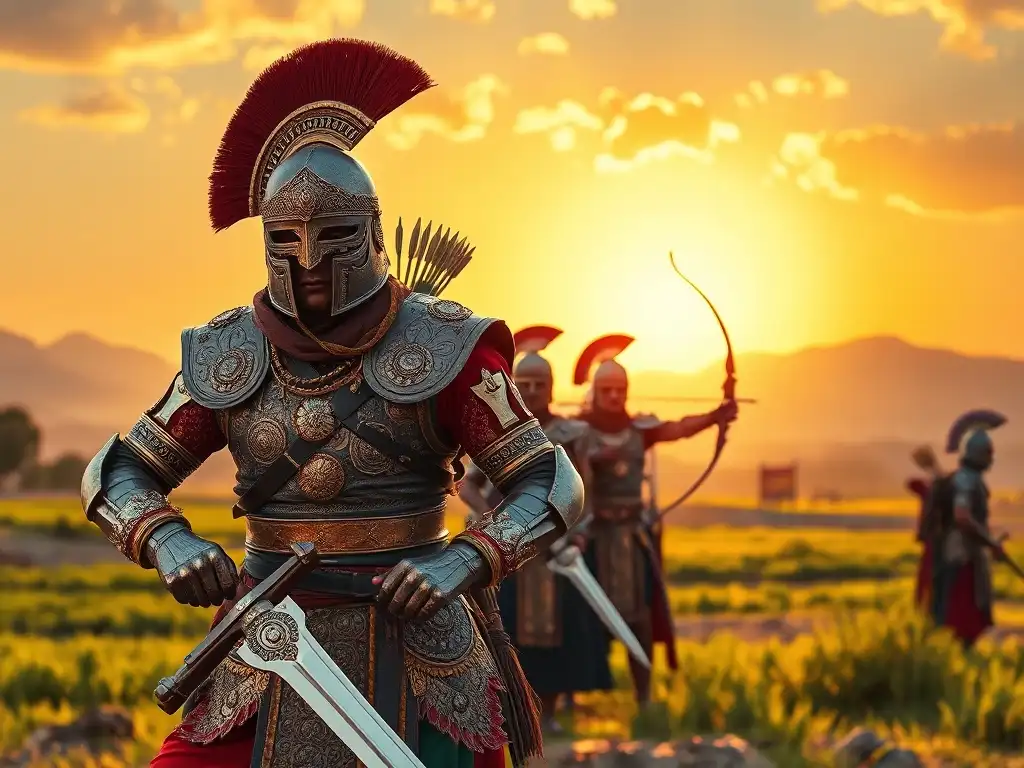
Welcome to Ancient India History, where we embark on an enthralling journey through the tapestry of one of the world’s oldest civilizations. Today, we delve into the historical significance of castes in the ancient Indian military structure. Discover how these military castes not only shaped the dynamics of warfare but also influenced the very fabric of society during a time of remarkable achievements and profound transformations. Are you ready to uncover the secrets behind these formidable warriors and their enduring legacy? Join us as we explore the intricate relationship between caste and military prowess in ancient India!
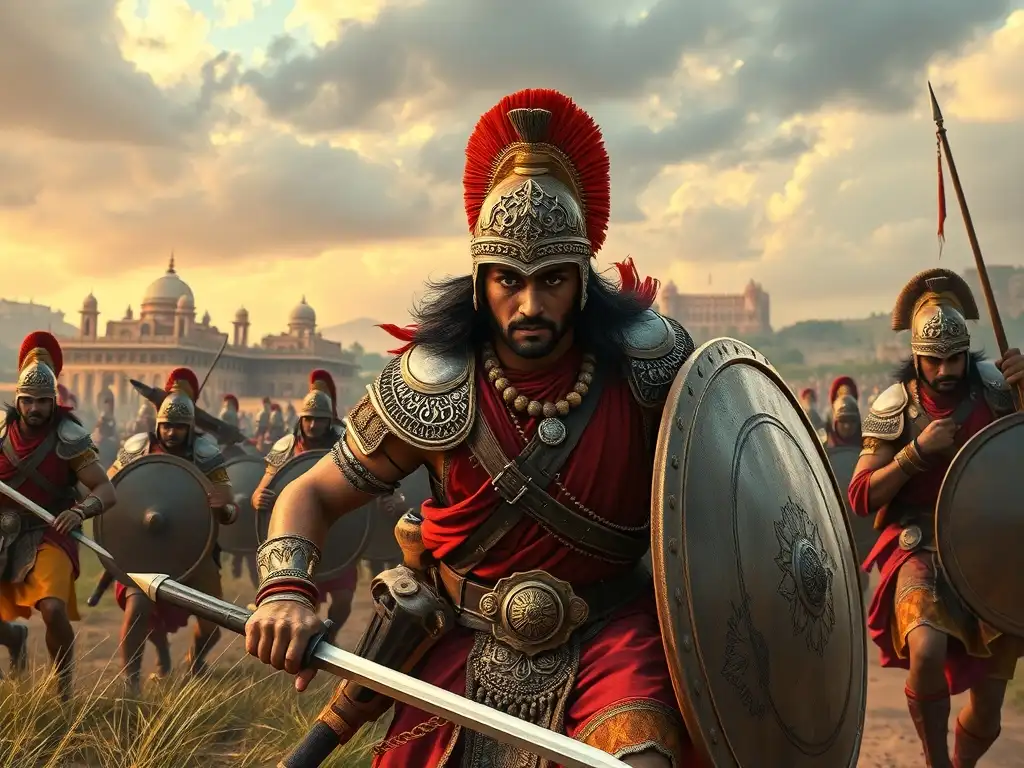
The caste system in ancient India played a crucial role in shaping not only the social fabric but also the military structure of its various civilizations. Understanding the significance of castes within the ancient Indian military context provides valuable insights into how societal norms influenced warfare, organization, and strategies.
The military castes, particularly the Kshatriyas, were not just soldiers; they were integral to the governance and protection of their territories. This article delves into the complexities of ancient Indian military castes, highlighting their roles, responsibilities, and the overarching influence of the caste system on military organization from the Indus Valley to the Gupta Empire.
Introduction to Ancient Indian Military Castes
Overview of Military Structure in Ancient India
Ancient Indian military structure was multifaceted, characterized by a blend of strategic formations, diverse weaponry, and intricate hierarchies influenced by the caste system. The military was not merely a collection of warriors; it was a well-organized system where each caste had defined roles and responsibilities. The Kshatriyas, primarily responsible for warfare, were supported by various other castes, each contributing to the military's operational capabilities.
- Key Components of Military Structure:
- Leadership: Dominated by the Kshatriya class, who were trained in martial arts and governance.
- Support Roles: Included various castes providing logistical support, weaponry, and even intelligence.
- Strategic Alliances: Inter-caste collaborations often played a role in forming larger military coalitions.
This structured approach allowed ancient Indian states to mobilize resources effectively and maintain strong defenses against invasions while also engaging in territorial expansion.
Importance of Caste System in Society and Military
The caste system in ancient India was not only a social stratification mechanism but also a vital element in military organization. Each caste contributed uniquely to the military, reflecting their societal roles. This interdependence ensured that the military apparatus was robust and efficient.
- Roles of Castes in Military:
- Brahmins: Served as advisors and strategists, leveraging their knowledge for military planning.
- Kshatriyas: Engaged in direct combat and leadership roles.
- Vaishyas: Provided economic support and resources necessary for sustaining military campaigns.
- Shudras: Assisted in various supportive roles, including labor and logistics.
The caste system facilitated a sense of duty and loyalty among its members, which was crucial during times of conflict. Understanding this hierarchy is essential to grasping the dynamics of ancient Indian warfare.
The Role of Varna in Military Organization
Explanation of the Four Varnas: Brahmins, Kshatriyas, Vaishyas, and Shudras
The Varna system, which categorizes society into four primary groups, significantly influenced the military organization in ancient India. Each Varna had specific duties and responsibilities, especially in the context of warfare.
- Brahmins:
- Scholars, priests, and advisors.
- Maintained knowledge of warfare strategies and religious rituals for military success.
- Kshatriyas:
- The ruling and warrior class.
- Responsible for protecting the state and engaging in combat.
- Vaishyas:
- Merchants and landowners.
- Contributed resources and finances for military expeditions.
- Shudras:
- Laborers and service providers.
- Supported the military through logistics and manual labor.
This division ensured a comprehensive approach to military strategy, where each Varna's contributions were vital to the overall efficacy of the military.
Kshatriyas: The Warrior Class and Their Military Duties
The Kshatriyas held a pivotal role in ancient Indian military structures. As the primary warrior class, they were trained in martial skills and were expected to lead armies into battle. Their responsibilities extended beyond mere combat; they were also tasked with the governance and protection of their territories.
- Key Duties of Kshatriyas:
- Leadership in Battle: Commanding troops and making strategic decisions.
- Defense of Territory: Protecting their land from invasions and ensuring the safety of their subjects.
- Honor and Valor: Upholding the code of honor, which was essential for maintaining their status and legitimacy.
The Kshatriyas' unique position in the caste system allowed them to embody the martial spirit of ancient India, reinforcing their significance in military endeavors.
Influence of Other Castes on Military Functions
While the Kshatriyas were the forefront warriors, other castes played indispensable roles in the military's effectiveness. Their contributions ranged from logistical support to financial backing, ensuring that the Kshatriyas could focus on their primary duties.
- Contributions from Other Castes:
- Brahmins: Provided counsel and strategic insights, often crucial during planning phases.
- Vaishyas: Funded military campaigns and supplied necessary resources, such as food and equipment.
- Shudras: Offered vital support in the form of labor, maintenance of weapons, and transport of goods.
This collaborative effort across castes was essential for the military's operational success, illustrating the interconnectedness of the caste system and military functionality in ancient India.
Historical Context of Military Castes in Ancient India
The military structure of ancient India was intrinsically linked to the caste system, which shaped not just social hierarchies but also the organizational frameworks of its armies. From the early Vedic period onward, military roles were often assigned based on caste affiliations, leading to a distinct categorization that influenced recruitment, training, and the very nature of warfare. The Kshatriyas, primarily regarded as the warrior class, were responsible for the defense of kingdoms and the conduct of warfare. However, the dynamics of military castes evolved over centuries, reflecting broader socio-political changes and regional variations.
As ancient Indian societies advanced, the integration of various castes into military roles became increasingly prominent. The Mauryan and Gupta empires, for example, showcased a more structured military hierarchy, where caste played a significant role in defining the responsibilities and expectations of soldiers. This organization not only facilitated military campaigns but also reinforced the caste-based social order, with each group contributing according to its prescribed role.
The Evolution of Military Castes from the Vedic Period
The Vedic period (circa 1500–500 BCE) marks the inception of a caste-based military framework in ancient India. Initially, the military was less formalized, with tribal leaders and warriors participating in conflicts primarily for survival and territorial expansion. However, as the concept of states emerged, so did the need for a more organized military structure.
During this time, the Kshatriyas began to solidify their status as the warrior class. Texts such as the Rigveda highlight the valor and martial prowess of these individuals, portraying them as protectors of their communities. This period also saw the emergence of specialized military roles, with an increasing recognition of the tactical and strategic importance of warfare. The transition from loose tribal coalitions to organized armies set the stage for the formalization of castes within military contexts.
Key Texts and Scriptures on Military and Caste
A variety of ancient texts and scriptures provide insight into the military structure and caste dynamics of ancient India. The Mahabharata and Ramayana, two of the most significant epics, not only narrate heroic tales of warfare but also emphasize the roles of different castes in military campaigns.
The Arthashastra, attributed to Kautilya (Chanakya), serves as a critical treatise on statecraft, including military strategy and administration. It outlines the importance of the Kshatriya caste in governance and military affairs, reinforcing the idea that leadership and martial capabilities were essential qualities of rulers. Additionally, the Manusmriti delineates the duties and responsibilities associated with each caste, further integrating the caste system into the military fabric of society.
Notable Battles and Their Impact on Military Caste Dynamics
Throughout ancient Indian history, several notable battles had profound effects on military caste dynamics. The Kurukshetra War, as depicted in the Mahabharata, illustrates the complexities of caste loyalties and the moral dilemmas faced by warriors. This epic battle not only highlighted the valor of the Kshatriyas but also reinforced caste divisions, as members of different castes were often pitted against each other.
The conquests of the Mauryan Empire, particularly under Ashoka, also transformed the military landscape. Ashoka's initial embrace of warfare followed by his eventual turn towards non-violence altered the perception of military roles within the Kshatriya caste. The aftermath of his reign saw a shift in the importance of military prowess, as the emphasis on diplomacy grew, leading to adaptations in the hierarchical military structure.
Functions and Responsibilities of Different Military Castes
The various castes in ancient Indian society played distinct and essential roles within the military framework, each contributing to the overall effectiveness of military operations. Understanding these functions provides a clearer view of how caste influenced military strategies and outcomes.
Kshatriyas: Leaders and Warriors
The Kshatriyas were the backbone of the ancient Indian military structure, primarily tasked with leadership and direct combat roles. As the ruling class, they were responsible for defending their territories, leading armies into battle, and making strategic decisions during conflicts. Their training emphasized martial skills, chivalry, and the responsibilities of governance, which were viewed as integral to their identity.
In addition to battlefield roles, Kshatriyas were also involved in the administration of military campaigns, ensuring that logistics and resources were adequately managed. Their status as warriors was often celebrated in literature and folklore, reinforcing their ideological and social importance in ancient Indian culture.
Role of Shudras and Other Castes in Support Functions
While the Kshatriyas held the forefront in combat roles, other castes like the Shudras played crucial support functions within military operations. Shudras, often engaged in manual labor and service roles, provided essential support services that enabled the Kshatriyas to focus on warfare. This included tasks such as logistics, supply management, and maintenance of equipment.
In later periods, especially during the Gupta Empire, the integration of various castes into military roles expanded. Artisans and traders, for instance, began to contribute through the supply of weapons, armor, and other military necessities, illustrating the collaborative nature of ancient Indian warfare.
Tactical Specializations Based on Caste
The caste system also facilitated the development of tactical specializations within the military. Different castes brought unique skills and knowledge to the battlefield, which were often aligned with their traditional occupations. For example:
- Kshatriyas: Focused on direct combat, cavalry tactics, and leadership roles.
- Vaishyas: Contributed through economic resources, logistics, and the provisioning of supplies.
- Shudras: Engaged in support roles, maintaining equipment and providing essential services during campaigns.
This division of labor not only optimized military efficiency but also reinforced the social hierarchy, as each caste operated within its defined role, contributing to a cohesive military strategy. Overall, the interplay between caste and military function in ancient India reflects a complex system that was critical to the success and organization of its armed forces.
Case Studies of Notable Military Leaders from Various Castes
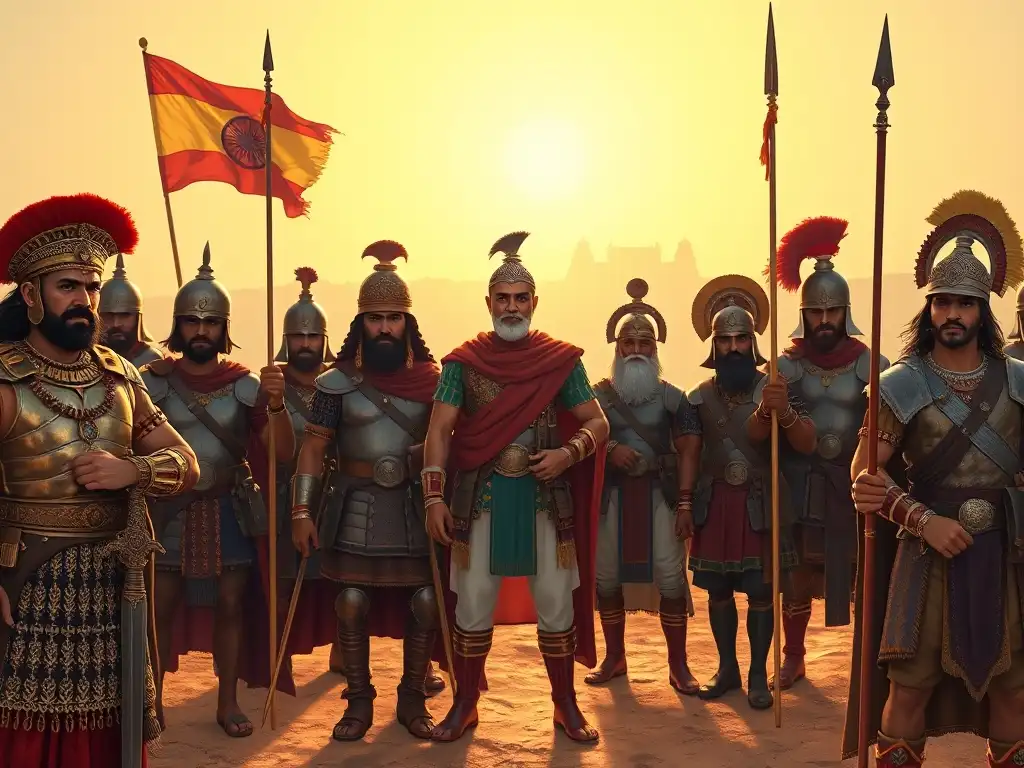
The ancient Indian military landscape was marked by a diverse array of leaders from different castes, each contributing uniquely to the military strategies and successes of their time. This section delves into some of the most notable military leaders, highlighting their backgrounds, achievements, and the broader implications of their leadership roles within the caste framework.
Prominent Kshatriya Generals and Their Contributions
Kshatriyas, traditionally recognized as the warrior caste, produced numerous influential military leaders throughout ancient India. One prominent figure was Chandragupta Maurya, the founder of the Maurya Empire. His strategic prowess in unifying numerous kingdoms under a centralized rule marked a significant shift in the military and political landscape of ancient India. Chandragupta’s military campaigns utilized a disciplined army composed of infantry, cavalry, and war elephants, showcasing the effective organization and tactics of the Kshatriya class.
Another remarkable Kshatriya leader was Raja Raja Chola I, who reigned in South India during the early medieval period. He is celebrated for his naval expeditions that extended the Chola Empire’s influence across Southeast Asia. His military strategies emphasized the importance of naval power, which was a significant departure from the predominantly land-based warfare of his predecessors. Raja Raja Chola’s achievements not only established the Chola dynasty as a formidable power but also contributed to cultural exchanges through military dominance.
Influence of Non-Kshatriya Leaders in Military History
While Kshatriyas dominated the military hierarchy, leaders from other castes also played pivotal roles in ancient Indian military history. A noteworthy example is Maharana Pratap, who, although a Kshatriya, had significant support from various castes in his resistance against Mughal forces. His military tactics, including guerilla warfare, demonstrated a collaborative effort that transcended caste lines, showcasing how military leadership could unify diverse groups against a common adversary.
Additionally, Brahmin commanders sometimes took on military roles, notably during the Gupta period. Samudragupta, often referred to as the "Napoleon of India," had Brahmin advisors who contributed to his strategies and governance, indicating that military leadership was not strictly confined to the Kshatriya caste. This intermingling of castes in military leadership illustrates the fluidity and adaptability of ancient Indian military structures.
Analysis of Military Strategies Employed by Different Castes
The military strategies employed by different castes in ancient India varied in approach and execution, often influenced by their social roles and the needs of the time. Kshatriyas, with their warrior ethos, typically favored direct confrontation and battlefield tactics emphasizing valor and honor. Their strategies often included the use of chariots and cavalry formations, which were integral to their military successes.
On the other hand, some non-Kshatriya leaders utilized more unconventional methods. For instance, during the rise of the Mauryan Empire, the use of espionage and psychological warfare became increasingly significant, with leaders employing spies to gather intelligence on enemy movements. This shift illustrated a broader understanding of warfare that went beyond mere combat and highlighted the role of cunning and strategy.
The integration of various technologies, such as the use of elephants in warfare, was also a common strategy among different castes. Elephants served not only as a means of transport but also as formidable instruments of war, capable of instilling fear in enemy ranks. This adoption and adaptation of military technology reflect the collaborative nature of warfare across caste lines in ancient India.
Comparison of Ancient Indian Military Castes with Other Civilizations
Ancient Indian military castes can be compared with military hierarchies from other civilizations, revealing both similarities and unique distinctions in organizational structures and practices.
Similarities and Differences with Greek Military Hierarchies
The Greek military system, particularly during the era of city-states, shared some similarities with the caste-based military structure of ancient India. Both systems featured a class of warriors who were primarily responsible for defense and conquest. In Greece, the hoplites were citizen soldiers who fought in phalanxes, reflecting a communal approach to warfare, akin to the Kshatriyas’ role in ancient India.
However, a notable difference lies in the inclusivity of the Greek system compared to the rigid caste distinctions in India. In many Greek city-states, military service was tied to citizenship, allowing for a more democratic participation in warfare. In contrast, the Indian caste system often limited military leadership and participation to specific groups, thereby affecting the overall military composition and strategies employed in conflicts.
Insights from Roman Military Structures
The Roman military structure provides further insights into the organization of ancient Indian military castes. Rome’s legions were characterized by a professional standing army with a clear hierarchy, allowing for effective command and control. The Roman model emphasized discipline, training, and strategic flexibility, aspects that were sometimes less formalized in ancient Indian military practices.
In India, the caste system often influenced the recruitment and training of soldiers, leading to variations in skill levels and military effectiveness. While the Romans had a more standardized approach to military training, ancient Indian armies often relied on the innate warrior skills of Kshatriyas and the contributions of various other castes, leading to a diverse but sometimes less cohesive military force.
Lessons Learned from Other Ancient Military Systems
The examination of other ancient military systems offers valuable lessons for understanding the dynamics of ancient Indian military castes. For instance, the integration of diverse forces and the importance of logistics in Greek and Roman armies can serve as a model for improving the effectiveness of the caste-based military system in India.
Furthermore, the emphasis on discipline and training in the Roman legions highlights the potential benefits of a more structured approach to military organization in ancient India. By embracing certain aspects of these external military systems, ancient Indian military leaders could have enhanced their strategies and efficiency, leading to more cohesive and powerful military forces.
The historical significance of castes in ancient Indian military structures not only shaped the dynamics of warfare in the region but also reflects broader themes of leadership, strategy, and collaboration across diverse groups. Understanding these intricacies enriches our comprehension of ancient Indian military history and its enduring legacy.
The Decline of Caste-Based Military Structures
The decline of caste-based military structures in ancient India can be traced through various historical and socio-political transformations. As the subcontinent moved towards the medieval period, the rigid caste system that had previously defined the military roles began to erode. This decline was influenced by several factors, including changing warfare technology, the rise of centralized kingdoms, and the increasing importance of professional armies.
With the introduction of new weaponry and tactics, such as cavalry and archery, the traditional dominance of specific castes known for particular martial skills was challenged. Kings began to seek soldiers based on skill rather than caste allegiance, leading to a more meritocratic approach to military recruitment. This shift allowed for a diverse range of individuals to serve in the military, thus diminishing the exclusivity of caste-based military roles.
Factors Leading to the Transformation of Military Castes
Several factors contributed to the transformation of military castes in ancient India:
- Technological Advancements: The introduction of new weapons, including the composite bow and improved armor, necessitated the recruitment of soldiers who were adept at using these technologies, regardless of their caste background.
- Political Centralization: The rise of powerful empires, such as the Maurya and Gupta dynasties, led to the establishment of centralized military forces. These empires required large, professional armies that could be drawn from various communities, breaking the traditional caste frameworks.
- Economic Changes: The increasing wealth and trade during this period allowed for the maintenance of larger armies. Many rulers began to pay soldiers, which further encouraged recruitment based on capability over caste identity.
- Cultural Interactions: The interactions with various cultures, including Persian and later Islamic influences, introduced new military strategies and organizational structures that did not adhere to traditional caste divisions.
The Role of Colonialism in Changing Military Dynamics
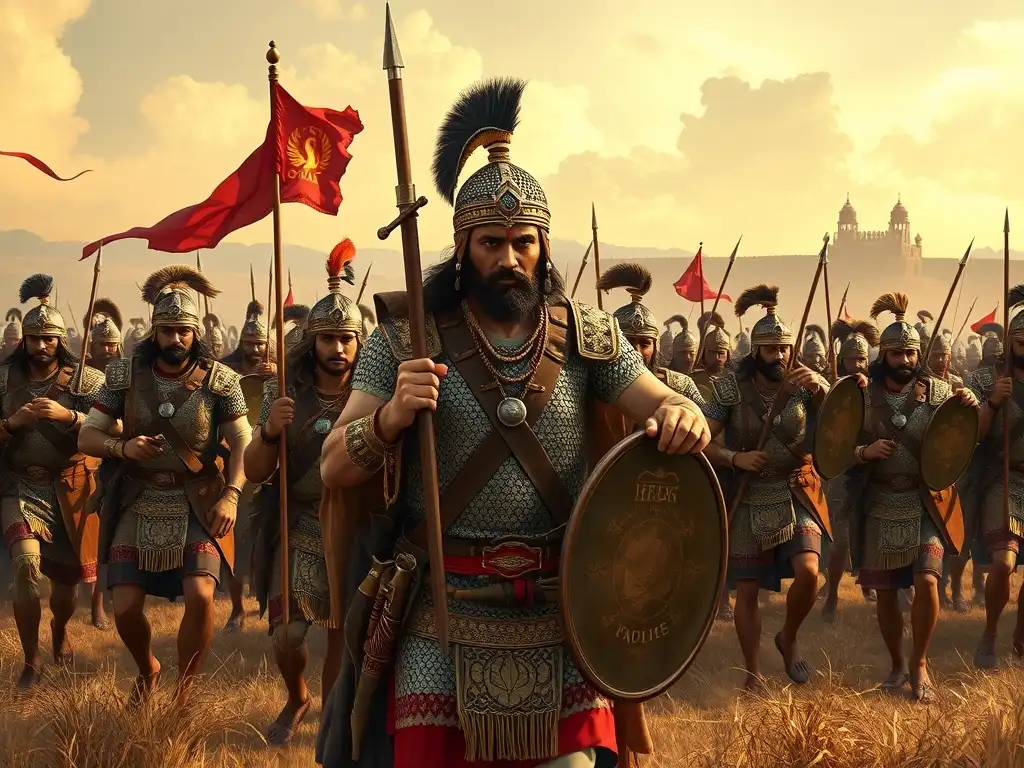
Colonialism had a profound impact on the military dynamics of ancient Indian castes. The British colonial administration introduced a system of recruitment that favored certain communities, often based on their perceived loyalty and martial prowess. This created a new hierarchy within the military, where previous caste distinctions were both reinforced and challenged.
- Recruitment Policies: The British established regiments primarily composed of specific castes, such as the Gurkhas or Sikhs, which altered the traditional military structures and created a new type of caste identity based on military service.
- Divide and Rule Strategy: Colonial policies often exacerbated caste divisions by pitting communities against one another, leading to increased stratification within the military. This not only affected the cohesion of the armed forces but also altered the perception of caste roles in society.
- Legacy of the British Army: The British military system, which emphasized professionalism and merit, influenced post-independence Indian military practices. This legacy fostered a more inclusive approach to military recruitment, moving away from the rigid caste structures of the past.
Modern Perspectives on Caste in Military Context
In contemporary India, the legacy of ancient military castes continues to influence the military landscape, albeit in a transformed manner. The Indian Armed Forces strive to maintain a diverse and inclusive environment, yet caste identities can still play a role in recruitment and representation.
- Representation Issues: Certain castes, particularly those historically associated with military service, continue to dominate in specific regiments. This leads to ongoing discussions about equitable representation and the need to address disparities.
- Caste and Identity: The interplay between caste and military identity remains complex, with many individuals taking pride in their caste affiliations while also emphasizing their service to the nation. This duality reflects a broader societal struggle to reconcile traditional identities with modern nationalistic sentiments.
- Policy Reforms: Efforts are being made to ensure that recruitment policies are more inclusive, focusing on skills and competencies over caste background. Initiatives aimed at encouraging participation from underrepresented communities are essential for building a more equitable military force.
Conclusion: Legacy of Ancient Indian Military Castes
The historical significance of castes in ancient Indian military structures is a multifaceted subject that continues to resonate in modern society. Understanding this legacy provides insight into the evolution of military practices and the socio-cultural dynamics of the region.
Lasting Effects on Contemporary Indian Military Practices
The influence of ancient military castes is evident in several aspects of contemporary Indian military practices. The traditions, skills, and organizational structures established in ancient times have left an indelible mark on how the military operates today. While there is a move toward inclusivity, the historical context of caste-based divisions remains relevant in discussions about military identity and representation.
Reflection on the Historical Importance of Castes in Military Structure
Reflecting on the historical importance of castes in military structure allows for a deeper understanding of how ancient societal frameworks shaped military dynamics. This exploration reveals not only the complexities of caste identities but also the ways in which these identities have been both challenged and reinforced over time. As India continues to navigate its military identity, the lessons learned from its ancient past will remain a critical aspect of its ongoing evolution.
References
The study of the ancient Indian military structure, particularly its caste system, is a complex field that integrates various historical, sociological, and archaeological insights. To understand the roles and significance of different castes in the military context, scholars have compiled extensive research and documentation. Below, we summarize key resources that provide valuable information and perspectives on this topic.
Suggested Readings on Ancient Indian Military History
-
"The Art of War in Ancient India" by Ravi Kumar
This book explores the military strategies and tactics employed by ancient Indian civilizations, shedding light on the influence of caste on military organization and effectiveness.
-
"War and Society in Ancient India" by R. S. Sharma
Sharma's work delves into the relationship between social structures, including caste, and military dynamics in ancient India, providing a foundational understanding of how these elements interplayed.
-
"Caste and Military Service in Indian History" by R. C. Majumdar
This text offers a comprehensive overview of the role of different castes in the military, highlighting how social hierarchies influenced military recruitment and organization.
-
"The Gupta Empire: A Study of Its Military Structure" by R. S. Sharma
Focusing on the Gupta period, this book discusses the military organization, strategies, and the role of various castes in sustaining the empire's military might.
-
"Military Institutions in Ancient India" by A. K. Ramanujan
This work investigates the institutional aspects of the military in ancient India, including how caste influenced military roles and responsibilities.
Key Academic Articles and Journals on Military Castes
-
"Caste Dynamics in the Military of Ancient India"
This article explores the evolving roles of different castes within the military framework, analyzing how these dynamics shifted over time and influenced warfare.
-
"The Role of Kshatriyas in Ancient Indian Warfare"
Published in the Journal of Military History, this article focuses on the Kshatriya caste and its historical significance in shaping military leadership and valor in ancient Indian battles.
-
"Socio-Political Structures and Their Impact on Ancient Indian Military"
This journal article provides an in-depth analysis of how caste-based social structures affected military recruitment, organization, and strategies in various ancient Indian kingdoms.
-
"The Intersection of Caste and Combat: Historical Perspectives"
This comprehensive study examines historical case studies that illustrate the relationship between caste identities and military effectiveness in ancient India.
-
"Revisiting the Role of Castes in Ancient Indian Armies"
A critical examination of the roles played by various castes in the military, this article discusses the implications of caste on the social and political landscape of ancient Indian warfare.
These references and readings offer a robust foundation for understanding the intricate relationship between caste and military organization in ancient India, providing insights that are essential for anyone interested in this fascinating aspect of military history.
- Introduction to Ancient Indian Military Castes
- The Role of Varna in Military Organization
- Historical Context of Military Castes in Ancient India
- Functions and Responsibilities of Different Military Castes
- Case Studies of Notable Military Leaders from Various Castes
- Comparison of Ancient Indian Military Castes with Other Civilizations
- The Decline of Caste-Based Military Structures
- Factors Leading to the Transformation of Military Castes
- The Role of Colonialism in Changing Military Dynamics
- Modern Perspectives on Caste in Military Context
- Conclusion: Legacy of Ancient Indian Military Castes
- References
- What are the military castes in ancient India?
- How did the caste system influence military recruitment?
- What were the contributions of the Gupta Empire to military organization?
- How did the Indus Valley Civilization contribute to military practices?
- What is the significance of understanding ancient Indian military castes today?
Frequently Asked Questions
What are the military castes in ancient India?
Ancient Indian military castes comprised specific groups known for their warrior skills and martial traditions. These castes played a vital role in the military organization of various ancient Indian empires.
How did the caste system influence military recruitment?
The caste system provided a framework for recruitment and training, as certain castes were traditionally associated with warfare and defense, ensuring a steady supply of skilled warriors for the military.
What were the contributions of the Gupta Empire to military organization?
The Gupta Empire is noted for its advanced military strategies and the integration of various military castes, which enhanced their ability to conquer and defend territories effectively.
How did the Indus Valley Civilization contribute to military practices?
While the Indus Valley Civilization is primarily known for its urban planning, archaeological findings suggest the existence of fortifications and weaponry, indicating early forms of military organization.
What is the significance of understanding ancient Indian military castes today?
Studying these military castes helps us understand the socio-political dynamics of ancient India, including how caste affiliations influenced leadership and military strategies, shaping the region's history.
Final Reflection: The Enduring Legacy of Ancient Indian Military Castes
The exploration of ancient Indian military castes reveals a complex tapestry of social structure that continues to resonate in contemporary discussions about identity and hierarchy. As we delve into the historical significance of these castes, we uncover not only their roles in warfare but also their lasting impact on societal organization and cultural identity. The intricate interplay between military prowess and social stratification in ancient India serves as a powerful reminder of how history shapes our present realities.
Castles of power and valor were built upon the foundations of caste, influencing not just the battlefield but the very fabric of society. The caste system, particularly in the military context, has left an indelible mark on the cultural landscape of India. Its legacy is evident in how communities are still defined by their historical roles and contributions. As Mahatma Gandhi once said, “A ‘casteless’ society is a dream of the future.” This quote encapsulates the ongoing dialogue about caste, urging us to reflect on its implications for social equity and justice today.
As we ponder the lessons from ancient Indian military castes, I invite you to consider your own place within the broader narrative of history and identity. Reflect on how the past informs your understanding of community, hierarchy, and belonging. Let the insights gained from this exploration inspire you to engage with the complexities of social structures in your own life, fostering a deeper appreciation for the diverse tapestry of human experience. Embrace the opportunity to learn from history, and let it guide you toward a more inclusive and equitable future.
Unveil the Legacy: Explore the Impact of Castes on Ancient Indian Warfare!
Thank you for diving into the rich tapestry of ancient Indian military history with us! Understanding the caste system's influence on warfare not only sheds light on the past but also enriches our perspective on societal structures. Now, let’s take inspired steps to deepen our knowledge and engage with this fascinating topic.
- Dive deeper into the details: Research the roles of various castes in ancient battles and share your findings with friends or fellow history enthusiasts.
- Join the conversation: Engage with our community by leaving a comment below on which insights surprised you the most.
- Spread the knowledge: Share this article on social media to spark discussions about how caste systems shaped ancient societies.
What aspect of the caste system's influence on military strategies fascinates you the most, and how can we apply these lessons in today’s context?