
Innovations in Ancient Indian Ceramics: A Material Science Perspective

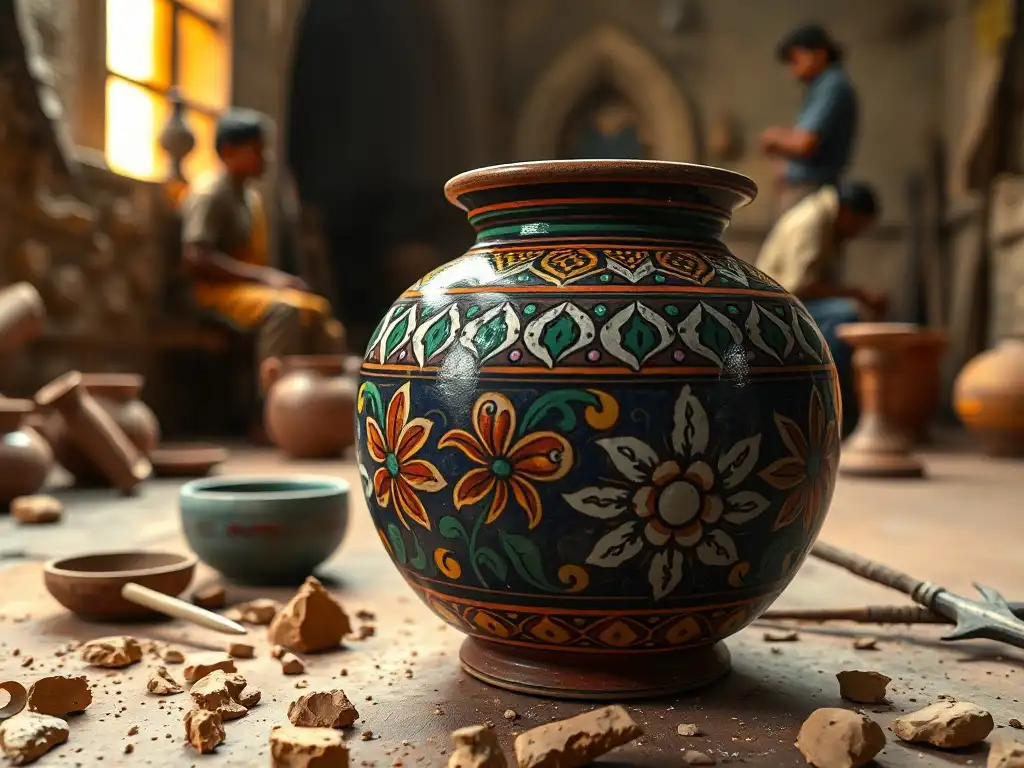
Welcome to Ancient India History, where we embark on an enthralling journey through the rich tapestry of ancient Indian civilizations. Dive deep into the innovative world of Ancient Indian ceramics, a testament to the remarkable craftsmanship and technological advancements that emerged from the Indus Valley to the Gupta Empire. Discover how these ceramics not only served functional purposes but also reflected the vibrant culture and artistic expression of their time.
Are you curious about how these ancient innovations laid the groundwork for modern material science? Join us as we unravel the fascinating story behind these creations and their lasting impact on the world!
The exploration of ancient Indian ceramics reveals a fascinating narrative of innovation that reflects the ingenuity and craftsmanship of bygone civilizations. From the sophisticated potteries of the Indus Valley to the intricate designs of the Gupta Empire, ancient Indian ceramics not only served practical purposes but also embodied artistic expression and cultural significance.
Understanding these innovations through the lens of material science allows us to appreciate the technological advancements that shaped not only the daily lives of these societies but also their artistic achievements. This article delves into the various innovations in ancient Indian ceramics, highlighting key developments and their implications for both historical and contemporary material science.
The Historical Context of Ancient Indian Ceramics
Ancient Indian ceramics have a rich history that mirrors the development of Indian civilization itself. The timeline of ceramics in India can be broadly divided into several key periods:
- Indus Valley Civilization (c. 3300–1300 BCE)
- Notable for its standardized pottery production.
- Use of a potter's wheel, which revolutionized ceramic manufacturing.
- Maurya and Post-Maurya Periods (c. 322–185 BCE)
- Advances in glazing techniques and decorative styles.
- Gupta Empire (c. 320–550 CE)
- Emergence of fine painted wares, showcasing artistic refinement.
Each of these periods contributed to the evolution of ceramic technology, reflecting the socio-economic conditions and cultural practices of the time.
Key Innovations in Material Properties
The innovations in ancient Indian ceramics can be broadly categorized into several material properties that contributed to their functionality and aesthetic appeal:
- High-Temperature Firing Techniques
- Enabled the production of durable and heat-resistant pottery.
- Increased the variety of forms and styles available.
- Use of Glazes
- Development of lead and alkaline glazes enhanced visual appeal and durability.
- Glazing techniques allowed for vibrant colors and intricate designs.
- Material Composition
- The incorporation of various natural materials like clay, quartz, and feldspar led to improved strength and workability.
- Understanding the properties of different clay types allowed artisans to tailor their products for specific uses.
Cultural Significance of Ceramics
Ceramics were not merely utilitarian objects in ancient India; they played a crucial role in cultural expression and social practices:
- Religious and Ritual Use
- Many ceramic pieces were used in religious ceremonies, reflecting the spiritual beliefs of the time.
- Trade and Economy
- Pottery served as a medium for trade, influencing economic interactions with neighboring regions.
- Artistic Expression
- The intricate designs and motifs on ceramics provide insight into the artistic values and societal norms of ancient Indian cultures.
Conclusion
The innovations in ancient Indian ceramics represent a remarkable intersection of art, science, and culture. By studying these advancements from a material science perspective, we gain invaluable insights into the technological prowess of ancient Indian civilizations and their enduring legacy in the realm of ceramics. This exploration not only enriches our understanding of ancient technologies but also inspires contemporary practices in material science and ceramic engineering.
- The Historical Context of Ancient Indian Ceramics
- Key Innovations in Material Properties
- Cultural Significance of Ceramics
- Conclusion
- What are the main innovations in Ancient Indian ceramics?
- How did the Indus Valley Civilization contribute to ceramic innovations?
- What role did trade play in the evolution of ancient Indian ceramics?
- How did the Gupta Empire influence ceramic craftsmanship?
- Why are ceramics important for understanding ancient Indian culture?
Introduction to Ancient Indian Ceramics Innovations
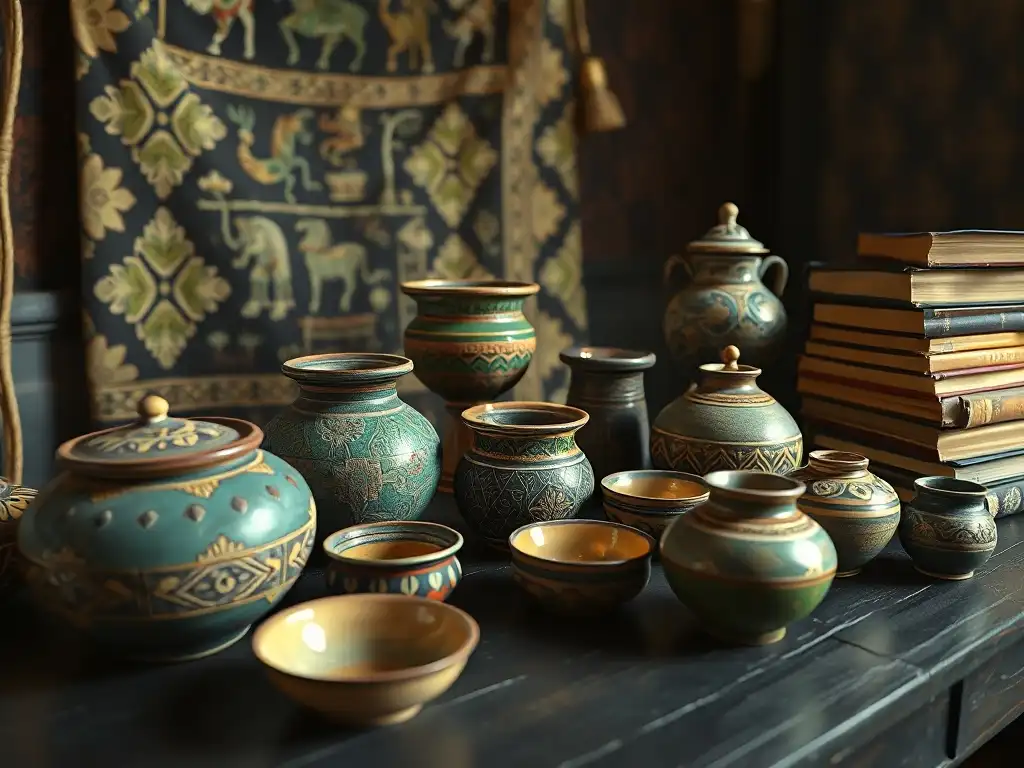
Ancient Indian ceramics innovations represent a crucial aspect of the technological advancements in the subcontinent. These innovations not only highlight the artistic and functional capabilities of ancient Indian civilizations but also reflect their understanding of material science. The evolution of ceramics in ancient India is a testament to the ingenuity of its people, showcasing a blend of aesthetics and utility.
Overview of Ancient Indian Ceramics
The journey of ancient Indian ceramics can be traced back to the Indus Valley Civilization (circa 3300–1300 BCE), known for its sophisticated urban planning and advanced craftsmanship. Archaeological discoveries reveal that the artisans of this era produced a variety of ceramic wares, including:
- Utility Pottery: Used for storage and cooking, showcasing durability and functionality.
- Painted Ware: Featuring intricate designs and vibrant colors, indicating a high level of artistic skill.
- Terracotta Figurines: Emphasizing cultural and religious practices, these artifacts provide insights into the social dynamics of the time.
The ceramic production techniques evolved over the centuries, integrating influences from various regions and cultures. The innovations included the introduction of new firing techniques, glazes, and decorative styles that transformed pottery into an art form.
Significance of Innovations in Ceramics
The innovations in ancient Indian ceramics had far-reaching implications, impacting both daily life and trade. Some key significance includes:
- Cultural Expression: The diverse styles and motifs found in ceramics reflect the rich cultural tapestry of ancient India. They serve as visual narratives of societal beliefs, practices, and interactions.
- Technological Advancements: Innovations, such as the use of high-fired ceramics, allowed for the production of stronger and more resilient wares. This advancement in material properties enhanced the functionality of pottery in everyday life.
- Trade and Economy: High-quality ceramics became sought-after commodities in trade networks, both domestically and internationally. The exchange of these goods facilitated cultural interactions and economic growth.
- Archaeological Insights: The study of ceramics provides valuable data for historians and archaeologists, aiding in the reconstruction of ancient lifestyles, trade routes, and technological capabilities.
Historical Context of Material Science in Ancient India
Understanding the innovations in ancient Indian ceramics requires a look into the broader context of material science during the period. Ancient Indian craftsmen demonstrated a profound knowledge of materials through:
- Firing Techniques: The use of various kiln types and firing methods, including open firing and kiln firing, allowed for controlled temperature settings, leading to improved ceramic strength and aesthetics.
- Raw Material Selection: Knowledge of local clay types and mineral additives played a crucial role in the production of ceramics. Different clays were chosen based on their thermal properties and workability.
- Glazing Techniques: Innovations in glazing not only enhanced the visual appeal of ceramics but also improved their functionality. The use of natural minerals for glazing contributed to a variety of surface finishes and colors.
- Scientific Approach: The artisans of ancient India approached ceramic production with a methodical mindset. This empirical understanding of materials and processes can be viewed as an early form of material science, where experimentation led to optimized techniques.
The innovations in ancient Indian ceramics are not merely a reflection of artistic talent but also an embodiment of advanced material science principles that have left a lasting legacy in the field of technology and craftsmanship.
Key Innovations in Ancient Indian Ceramics
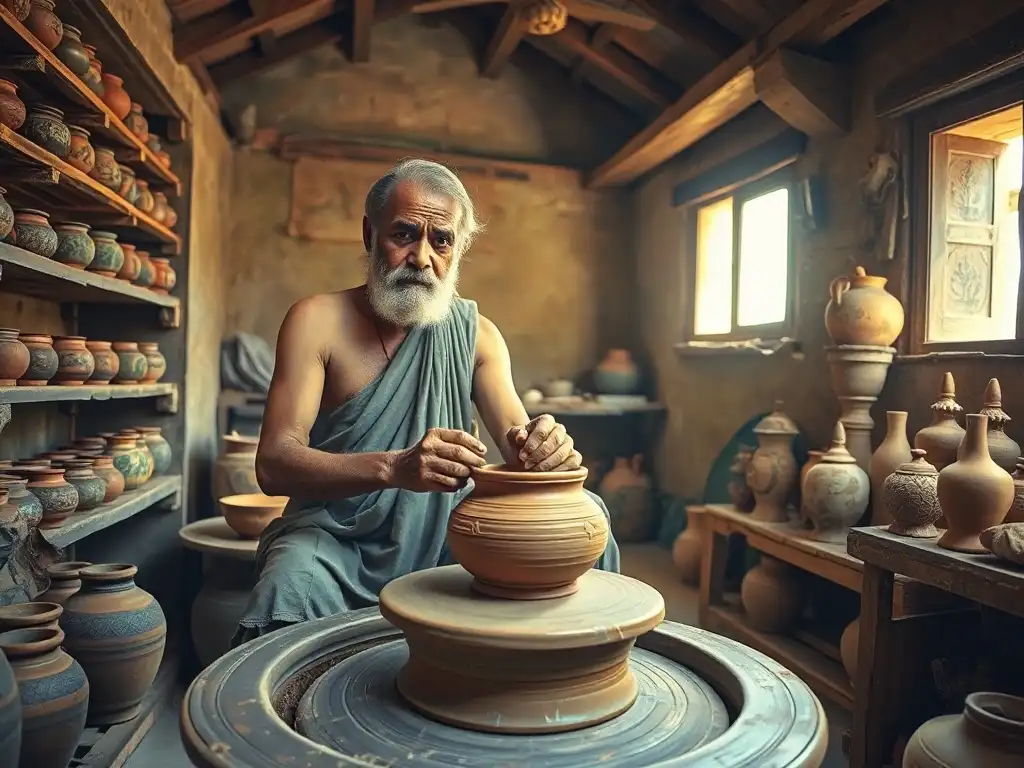
Ancient Indian ceramics innovations represent a significant advancement in material science, showcasing remarkable technological prowess that contributed to the cultural and economic fabric of ancient societies. The evolution of ceramics in India reveals intricate knowledge of materials, techniques, and artistic expression, which not only served functional purposes but also played a role in trade and cultural exchanges.
Advanced Kiln Technologies
The development of advanced kiln technologies marked a transformative phase in ancient Indian ceramics. These innovations allowed potters to achieve higher temperatures and improved control over firing conditions, leading to enhanced durability and aesthetic qualities in ceramic products.
Types of Kilns Used in Ancient India
Ancient Indian potters utilized various types of kilns, each designed to meet specific functional and creative requirements:
- Updraft Kilns:
- Originating in the Indus Valley Civilization, these kilns facilitated better airflow and uniform heating, essential for high-quality ceramic production.
- Downdraft Kilns:
- Employed later, these kilns improved the efficiency of heat distribution and reduced fuel consumption, allowing potters to produce more ceramics with less effort.
- Bowl Kilns:
- Simple yet effective, bowl kilns were used for smaller batches and less complex firing processes, often employed in rural areas.
- Chamber Kilns:
- These larger kilns could handle substantial quantities of clay, accommodating the growing demand for ceramics during the Mauryan and Gupta periods.
Impact of Kiln Design on Ceramic Quality
The design and construction of kilns had a profound impact on the quality of ceramics produced. Key factors include:
- Temperature Regulation: Advanced kilns allowed for consistent heat levels, crucial for achieving the desired physical and chemical properties in ceramics.
- Atmospheric Control: The ability to manipulate the atmosphere within the kiln (oxidizing vs. reducing conditions) led to varied surface finishes and colors, enhancing the aesthetic appeal.
- Fuel Efficiency: Innovations in kiln design reduced fuel usage, making pottery production more sustainable and economically viable.
Glazing Techniques and Their Evolution
Glazing techniques in ancient Indian ceramics evolved significantly, showcasing both technological advancements and artistic creativity. These innovations not only enhanced the visual appeal of ceramics but also contributed to their functionality.
Historical Development of Glazes
The history of glazing in ancient India can be traced through various periods:
- Early Techniques: Initially, glazes were simple, consisting of natural minerals applied to the pottery surface. These glazes were primarily functional, providing a waterproof layer.
- Indo-Greek Influence: The interactions with Greek artisans introduced new glazing techniques, incorporating lead and alkali glazes that expanded the color palette and surface finishes.
- Gupta Period Mastery: By this time, glazes became highly refined, with potters achieving vibrant colors and intricate patterns, indicating a blend of artistic expression and material science sophistication.
Types of Glazes in Ancient Indian Ceramics
Ancient Indian potters developed various types of glazes, each with distinct characteristics:
- Lead Glazes:
- Known for their brilliance and clarity, lead glazes were popular but required careful handling due to toxicity.
- Alkaline Glazes:
- Composed of plant ash or alkaline materials, these glazes produced earthy tones and were more environmentally friendly.
- Salt Glazes:
- Achieved through the introduction of salt during firing, these glazes created a distinctive orange peel texture, highly valued in certain regions.
- Celadon and Iron Glazes:
- Advanced techniques led to the production of celadon-like glazes, characterized by their jade-green hues, and iron glazes that provided deep, rich colors.
The innovations in ancient Indian ceramics reflect a remarkable intersection of art, culture, and technology, contributing significantly to the material science landscape of the time. Through advanced kiln technologies and evolving glazing techniques, ancient Indian potters not only elevated the status of ceramics as a craft but also laid the groundwork for future advancements in the field.
Decorative Techniques and Their Cultural Significance
Ancient Indian ceramics are not just vessels; they are a canvas of cultural expression reflecting the beliefs, traditions, and artistic sensibilities of their time. Decorative techniques employed by ancient potters were pivotal in distinguishing various regional styles while also conveying deeper meanings that resonated with the communities that created them.
The evolution of decoration techniques such as painting, inlay, and glazing showcases the ingenuity of artisans and their ability to blend aesthetics with functionality. The cultural significance of these decorations often lies in their connection to religious practices, social status, and local customs, making them vital for understanding ancient Indian society.
Painting and Inlay Techniques
Painting and inlay techniques were among the most prominent methods used to enhance the beauty of ceramics. Potters employed natural pigments derived from minerals and plants to create vibrant colors that adorned their wares. The Northern Black Polished Ware, for example, is known for its sophisticated painted motifs that include geometric patterns and floral designs. These techniques were often applied using fine brushes or even fingers, demonstrating high levels of skill and artistry.
Inlay work, often seen in the ceramics from the Mughal period, involved embedding different colored clays or materials into the surface of the pottery to create intricate designs. This technique not only added aesthetic value but also showcased the wealth and status of the owner. The combination of these techniques contributed to the uniqueness of each piece, making it a reflection of the artisan's creativity and the community's cultural identity.
Symbolism in Ceramic Decorations
The decorations on ancient Indian ceramics often carried significant symbolic meanings, reflective of the societal values, myths, and religious beliefs of the time. Common motifs included lotus flowers, peacocks, and deities, which were imbued with various meanings in the context of Hinduism and Buddhism. For instance, the lotus symbolizes purity and spiritual awakening, making it a popular choice in ceramic decoration.
Additionally, the use of specific colors and patterns had cultural implications; for example, red and black were frequently associated with fertility and prosperity. The symbolic representation in ceramics was not merely for decoration but served as a means of storytelling, encapsulating the beliefs and narratives of ancient civilizations. Understanding these symbols offers valuable insights into the worldview of ancient Indian societies and their relationship with the divine and natural world.
Use of Local Materials in Ceramics
The relationship between ancient Indian ceramics and the local materials used in their production is a testament to the resourcefulness of ancient artisans. The selection of clay, glazes, and other components was largely influenced by the availability of natural resources in different regions, which in turn shaped the characteristics and innovations of the ceramics produced.
Natural Resources and Their Influence on Ceramics
Different regions of ancient India possessed unique natural resources that directly influenced ceramic production. For example, the potters of the Indus Valley Civilization utilized the fine alluvial clay found along riverbanks, which contributed to the creation of smooth, durable pottery. The presence of iron-rich clays in the Southern states allowed for the production of distinctive red pottery known for its robustness.
Moreover, the use of local minerals for glazing and decorating varied by region, leading to innovations in color and texture. The glazes used in the Chola dynasty ceramics, sourced from local minerals, resulted in a vibrant green hue that became characteristic of their pottery. This adaptability to local resources not only facilitated the development of unique ceramic styles but also underscored the sustainable practices of ancient artisans who utilized the materials at their disposal.
Comparison of Regional Material Variations
The regional variations in materials used for ceramics created a rich tapestry of styles and techniques across ancient India. For instance, the ceramics from Gujarat are renowned for their high-fired earthenware, often featuring intricate designs and vivid colors achieved through the use of local clays and minerals. In contrast, the ceramics from West Bengal are known for their use of terracotta, which often depicted folk motifs and religious themes.
These variations are not merely aesthetic; they reflect the socio-economic conditions, trade routes, and cultural exchanges that influenced each region. The craftsmanship in regions like Kutch and Andhra Pradesh showcases how local materials were ingeniously adapted to suit specific artistic expressions, resulting in diverse ceramic traditions that continue to be celebrated today. By comparing these regional differences, one gains a deeper appreciation for the innovations in ancient Indian ceramics and their role in the cultural landscape of the time.
Material Science Perspective on Ancient Indian Ceramics
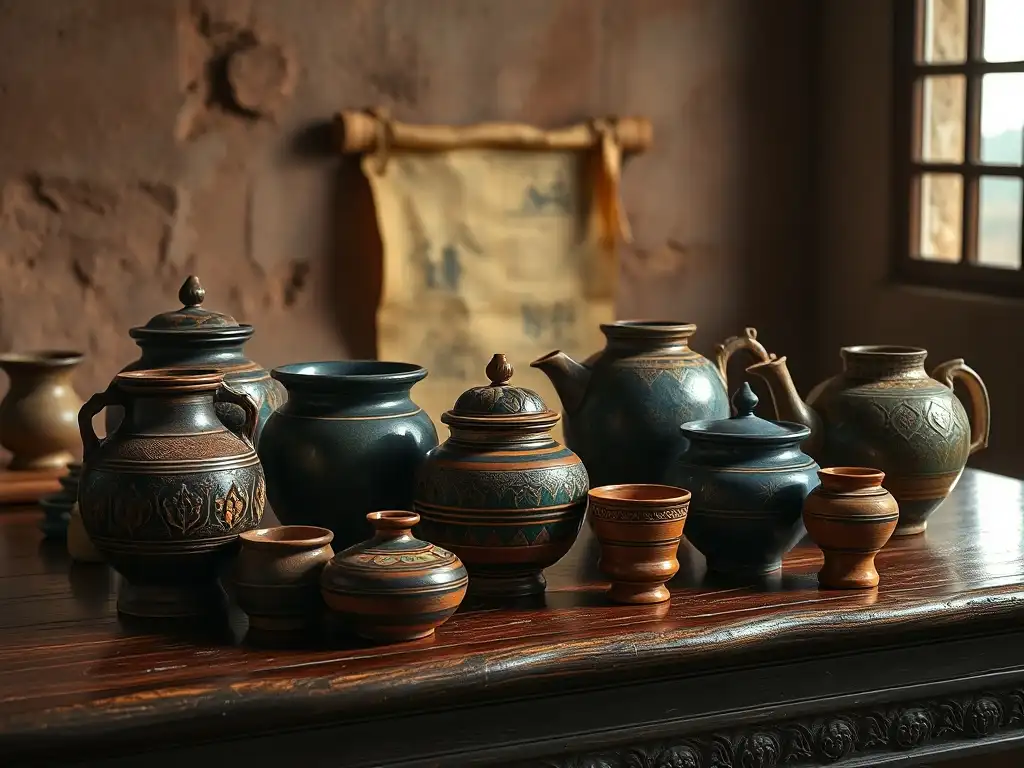
Ancient Indian ceramics represent a significant aspect of the material culture of the subcontinent, revealing insights into the technological advancements and artistic expressions of various civilizations. From the early Indus Valley civilization to the later dynasties, these ceramics showcase innovative techniques and materials that contributed to their durability and aesthetic appeal. Understanding the material science perspective provides a deeper appreciation for the innovations in ancient Indian ceramics.
Chemical Composition and Properties of Ancient Ceramics
The chemical composition of ancient Indian ceramics plays a crucial role in determining their physical properties, such as strength, thermal stability, and resistance to weathering.
Analysis of Clay and Other Constituents
The primary material used in the production of ceramics is clay, which is a naturally occurring fine-grained soil composed of various minerals. The specific types of clay utilized in ancient Indian ceramics, such as kaolinite, illite, and montmorillonite, have unique properties that influence the final product.
- Kaolinite: Known for its white color and plasticity, kaolinite was often used in high-fired ceramics, resulting in products with excellent strength and durability.
- Illite: This clay type contributes to the ceramic's workability and firing temperature, allowing for intricate designs and shapes.
- Montmorillonite: With its high water absorption capacity, montmorillonite lends flexibility during shaping but may affect the final strength if not appropriately processed.
In addition to clay, ancient artisans frequently incorporated other constituents such as feldspar, quartz, and temper materials (e.g., sand or crushed stone) to enhance the properties of ceramics. The careful selection and combination of these materials allowed for innovations in ceramic design and functionality.
Impact on Durability and Aesthetics
The chemical composition directly impacts both the durability and aesthetics of ancient Indian ceramics. For instance, the inclusion of feldspar lowers the melting point during firing, resulting in a vitrified surface that enhances durability and creates a glossy finish. This vitrification process not only protects the ceramic from moisture but also allows for vibrant glazes that enhance visual appeal.
Moreover, the firing temperature plays a pivotal role in determining the final characteristics of the ceramic. Higher firing temperatures typically lead to increased strength and reduced porosity, making the ceramics more resilient to everyday wear and environmental conditions. The innovations in material choices and firing techniques contributed to the creation of ceramics that were not only functional but also served as artistic expressions, adorned with intricate patterns and motifs.
Innovations in Firing Techniques
Firing techniques evolved significantly throughout ancient Indian history, showcasing advancements in technology that improved ceramic quality and performance.
Traditional vs. Modern Firing Methods
Traditional firing methods, such as pit firing and open bonfires, were commonly used in ancient India. These methods, while effective, had limitations in temperature control and uniformity. In contrast, the introduction of kiln firing marked a significant innovation.
- Kiln Firing: The use of kilns allowed for higher and more consistent temperatures, leading to better vitrification and enhanced physical properties of the ceramics. The development of various kiln types, including updraft kilns and down draft kilns, enabled artisans to experiment with different atmospheres during firing, resulting in diverse finishes and colors.
Modern material science has further refined these techniques, allowing for controlled environments and precise temperature regulation, leading to even greater advancements in ceramic production.
Effects on Ceramic Strength and Finish
The innovations in firing techniques had profound effects on both the strength and finish of ancient Indian ceramics.
- Strength: Higher firing temperatures, achieved through kiln technology, resulted in ceramics that exhibited increased mechanical strength and thermal shock resistance. This durability made ancient Indian ceramics suitable for everyday use and allowed them to withstand the rigors of time.
- Finish: The ability to control the firing atmosphere led to a variety of surface finishes, including glossy glazes and intricate slip decorations. These innovations not only enhanced the aesthetic appeal of the ceramics but also provided protective layers that contributed to their longevity.
The material science perspective on ancient Indian ceramics reveals a rich tapestry of innovations driven by the intelligent use of chemical compositions and advancements in firing techniques. These innovations not only reflect the technical expertise of ancient artisans but also their deep understanding of materials, leading to creations that have endured through the ages.
Sustainability Practices in Ancient Ceramics
Ancient Indian ceramics exemplify remarkable sustainability practices that align with modern principles of eco-friendliness and resource conservation. The methodologies employed by ancient artisans reveal a deep understanding of local resources and environmental cycles, demonstrating an early commitment to sustainability. These practices included the use of locally sourced materials, which minimized the ecological footprint of pottery production.
Moreover, many ancient ceramic techniques were inherently sustainable. Potters utilized methods that required minimal energy consumption, such as wood or biomass fuels for firing kilns. This approach not only reduced carbon emissions but also ensured that the materials were biodegradable and non-toxic. The focus on recycling and reusing clay and other materials further highlights the sustainable ethos of ancient Indian ceramic production.
Eco-friendly Materials and Techniques
The materials used in ancient Indian ceramics were primarily sourced from the local environment, encompassing a variety of clay types, minerals, and natural additives. For instance, potters often integrated organic materials like rice husk or straw into their clay bodies, enhancing the structural integrity of the final products while providing natural insulation during the firing process.
In addition to the natural materials, the techniques employed were sophisticated yet simple, often relying on traditional hand-building methods such as coiling and pinching. These methods reduced the need for advanced machinery, thus conserving energy and resources. The firing techniques, including open firing and pit firing, were designed to utilize the available heat efficiently and produce durable ceramics that could withstand the test of time.
The use of glazes derived from natural minerals, which were abundant in the region, also contributed to the eco-friendliness of these ceramics. Techniques for applying these glazes varied, with many artisans employing local plants and herbs for dyeing, further ensuring that the entire process remained sustainable.
Long-lasting Impact on Material Science
The innovations in ancient Indian ceramics have left a profound impact on the field of material science, particularly in the understanding of ceramic materials' properties and their applications. The ancient techniques developed over centuries laid the groundwork for modern advancements in ceramic engineering.
Research into ancient pottery has revealed insights into the thermal and mechanical properties of various clay compositions, informing contemporary practices in materials engineering. The blending of different clay types and the addition of natural additives showcased early experimentation that parallels modern material science explorations.
Furthermore, the durability and resilience of ancient ceramics have inspired modern engineers to explore sustainable materials in construction and manufacturing. The emphasis on local resources and eco-friendly practices observed in ancient Indian ceramics aligns with current trends aimed at reducing environmental impact and promoting sustainability in material science.
The legacy of ancient Indian ceramics serves not only as a testament to the ingenuity of past civilizations but also as a valuable source of knowledge for contemporary scientists and engineers seeking sustainable solutions in material development.
Case Studies of Notable Ancient Indian Ceramic Innovations
The Indus Valley Civilization
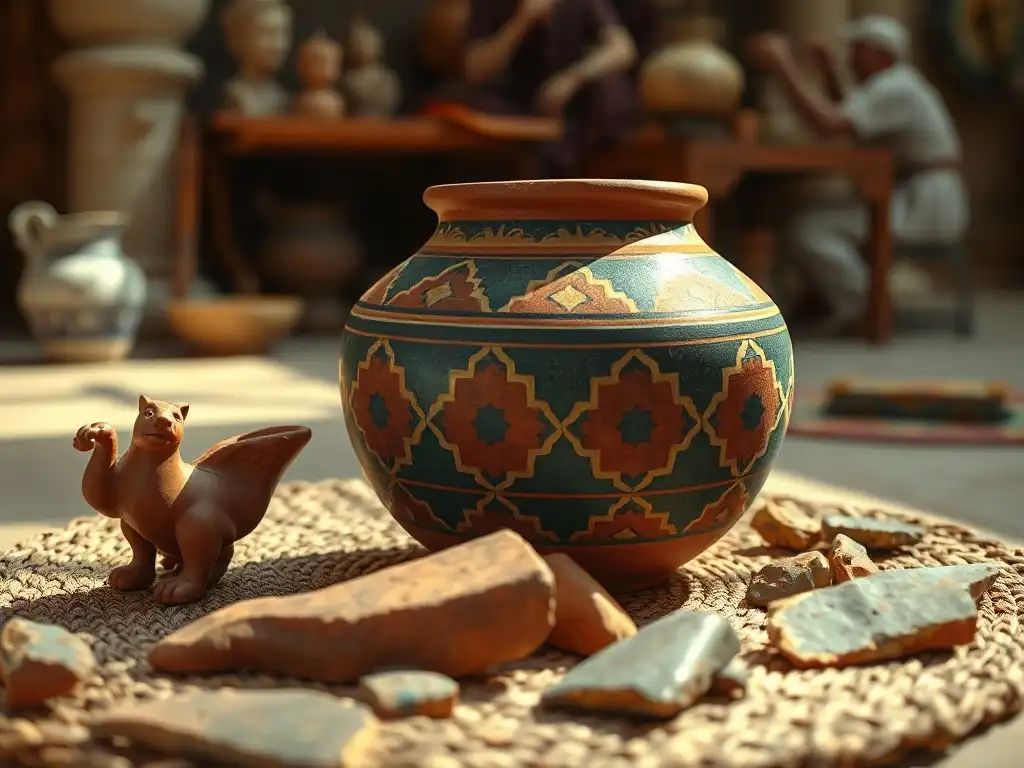
The Indus Valley Civilization, flourishing from approximately 3300 to 1300 BCE, is renowned for its sophisticated urban planning and advanced technologies, which extended to the realm of ceramics. The ceramics produced during this period showcase both artistic ingenuity and functional design, highlighting the innovations that have left a lasting impact on material science.
Unique Attributes of Indus Valley Ceramics
Indus Valley ceramics are characterized by their remarkable quality and diversity. These artifacts include:
- Painted Pottery: Often adorned with intricate geometric patterns, animals, and human figures, the painted pottery demonstrates a high level of artistic skill. The use of red and black slip techniques created visually striking contrasts that remain iconic.
- Utility Ware: Functional items like cooking pots, storage jars, and dishes were designed with practicality in mind. These utilitarian ceramics were often thick-walled and fired at high temperatures, contributing to their durability.
- Terracotta Figurines: Small figurines, possibly used in religious or ritual contexts, reveal insights into the culture and beliefs of the Indus people. Their craftsmanship indicates an advanced understanding of materials and aesthetics.
Technological Advancements in the Region
The technological prowess of the Indus Valley Civilization is evident in their ceramic innovations. Key advancements include:
- Kiln Technology: Evidence of well-engineered kilns suggests a significant understanding of firing techniques, allowing for higher temperatures and more uniform firing. This resulted in stronger, more durable ceramics.
- Raw Material Selection: The careful selection of clay and additives, such as tempering agents, improved the physical properties of the finished products. The use of local resources indicates a sophisticated approach to material sourcing.
- Glazing Techniques: The use of lead glazes in certain ceramics points to early experimentation with surface treatments, enhancing the aesthetic appeal and functionality of the pottery.
Gupta Empire Contributions to Ceramic Art
The Gupta Empire (approximately 240 to 550 CE) is often referred to as a golden age of arts and culture in ancient India. This period saw significant advancements in ceramic art and technology, reflecting the empire's broader achievements in science and innovation.
Innovations during the Gupta Period
During the Gupta period, several innovations emerged in the field of ceramics, including:
- Fine Red Ware: The production of fine red ware, characterized by its smooth surface and intricate designs, marked a notable advancement. The introduction of turning on the wheel allowed for more uniform shapes and sizes.
- Increased Use of Glazes: Gupta artisans developed new glazing techniques, resulting in vibrant colors and finishes. These glazes often incorporated minerals such as copper and iron, leading to a wider palette of hues.
- Decorative Techniques: Advanced decorative techniques, such as incising, stamping, and painting, became prominent. These methods not only enhanced aesthetic value but also allowed for the expression of cultural narratives through visual art.
Influence on Later Ceramics
The innovations of the Gupta Empire had a profound influence on subsequent ceramic production in India and beyond. Notable impacts include:
- Cultural Exchange: The ceramics produced during this period were highly sought after, leading to trade with regions such as Southeast Asia and the Middle East. This facilitated cultural exchange and the diffusion of ceramic technologies.
- Inspiration for Future Generations: The artistic styles and techniques established during the Gupta period influenced later dynasties, including the Pala and Chola empires. The legacy of Gupta ceramics can be seen in the continuity of design and craftsmanship in subsequent centuries.
- Foundation for Modern Ceramics: The innovations in ceramics laid the groundwork for modern material science in the region. Many techniques and materials developed during ancient times continue to inform contemporary ceramics production, underscoring the enduring significance of ancient Indian ceramics innovations.
Conclusion: The Legacy of Ancient Indian Ceramics Innovations
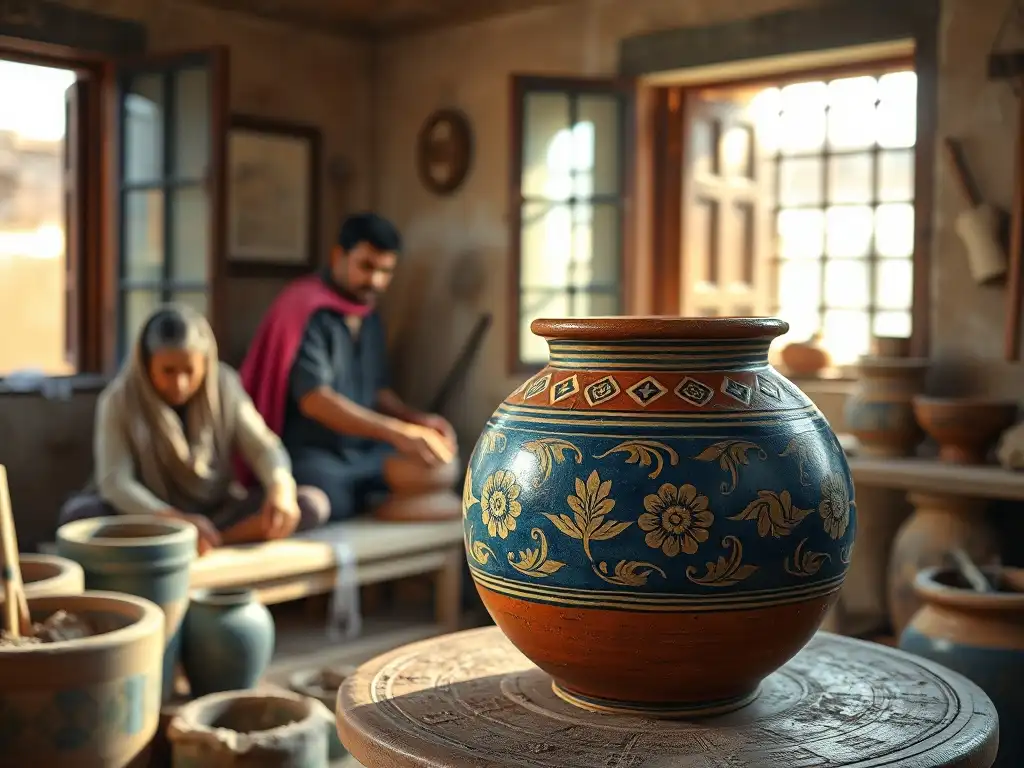
The legacy of Ancient Indian ceramics innovations is profound and far-reaching, permeating various aspects of material science and craftsmanship. The intricate techniques developed by ancient Indian potters not only reflect a rich cultural heritage but also exemplify advanced understanding of materials and their properties. These innovations laid the groundwork for future advancements in ceramics, influencing both regional and global practices.
Lasting Influence on Modern Ceramics
The innovations in ancient Indian ceramics have left an indelible mark on contemporary pottery and ceramic engineering. Techniques such as:
- Glazing: Ancient Indian potters developed various glazing techniques that improve the aesthetics and durability of ceramics. These methods have been studied and adapted in modern ceramic production.
- Kiln Technology: The use of advanced kilns, such as the updraft and downdraft kilns, allowed for greater temperature control and efficiency, principles that are still utilized in modern kiln designs.
- Material Composition: The strategic use of local materials, including different types of clay and additives, demonstrates an early understanding of material science that informs current practices in ceramic engineering.
These elements not only enhance the artistic quality of ceramics but also contribute to their functionality, impacting industries ranging from art to construction and manufacturing. The knowledge and techniques passed down through generations continue to inspire artisans and scientists alike, showcasing how ancient practices can inform modern technology.
Importance of Preserving Ancient Techniques
Preserving the techniques of ancient Indian ceramics is crucial for several reasons:
- Cultural Heritage: These techniques represent a significant aspect of India’s cultural identity. Maintaining them ensures that future generations appreciate and understand their historical context.
- Sustainable Practices: Ancient methods often prioritize sustainability and local resource utilization, offering valuable lessons in eco-friendly production techniques that modern industries can adopt.
- Educational Value: Studying these techniques provides insights into the material science of the past, fostering innovation in contemporary practices. By understanding how ancient artisans manipulated materials, modern scientists can explore new applications and improvements in ceramics.
The exploration of ancient Indian ceramics innovations reveals not only their historical significance but also their relevance in today’s world. By valuing and preserving these techniques, we can ensure that the wisdom of the past continues to inform and inspire future advancements in ceramics and material science.
References
When delving into the innovations in ancient Indian ceramics, it is essential to acknowledge the scholarly works that have contributed to our understanding of the material science and technological advancements of the time. The following references provide a solid foundation for anyone looking to explore the subject in greater depth.
Suggested Readings on Ancient Indian Ceramics and Material Science
-
"The Ceramics of Ancient India: A Technological Perspective"
This book offers an in-depth analysis of the various ceramic techniques utilized in ancient India, highlighting the regional differences and innovations that marked the evolution of ceramics from the Indus Valley civilization through to the Gupta Empire.
-
"Material Culture and the Study of Ancient India"
A comprehensive overview that discusses the significance of material culture, including ceramics, in understanding ancient Indian societies. The author examines the socio-economic impacts of ceramic production and distribution.
-
"Indus Valley Pottery: A Study of Craftsmanship and Techniques"
This scholarly article focuses on the pottery of the Indus Valley civilization, detailing the methods of production, firing techniques, and decorative styles that reflect the innovative spirit of the time.
-
"Innovations in Ancient Indian Pottery: From Functionality to Artistry"
A research paper that explores the transition of ceramics from purely functional objects to artistic expressions, analyzing the technological advancements that facilitated this shift.
-
"The Gupta Empire and its Contributions to Material Science"
This work examines the broader context of the Gupta Empire's contributions to various fields, including ceramics, and how these innovations influenced subsequent cultures.
Articles and Journals for Further Research
-
Journal of Archaeological Science
A peer-reviewed journal that publishes articles on archaeological findings, including studies on ancient ceramics. Many issues feature articles specifically focused on ancient Indian innovations.
-
International Journal of Material Science
This journal includes research articles that explore material properties and innovations in ancient civilizations, including significant contributions from ancient India.
-
Asian Archaeology
A journal dedicated to archaeological research in Asia, providing insights into the technological advancements of ancient Indian ceramics through various archaeological case studies.
-
Studies in Ancient Technologies
An interdisciplinary journal that addresses the intersection of technology and culture in ancient societies, frequently featuring articles on ancient Indian metallurgy and ceramics.
By utilizing these references and suggested readings, researchers and enthusiasts can gain a deeper understanding of the rich tapestry of ancient Indian ceramics innovations and their impact on material science.
Frequently Asked Questions
What are the main innovations in Ancient Indian ceramics?
Ancient Indian ceramics saw innovations in glazing techniques, the introduction of new clay types, and the development of intricate decorative styles that showcased artistic expression.
How did the Indus Valley Civilization contribute to ceramic innovations?
The Indus Valley Civilization is known for its advanced pottery techniques, including the use of wheel-thrown pottery and sophisticated firing methods that enhanced the durability and aesthetic qualities of ceramics.
What role did trade play in the evolution of ancient Indian ceramics?
Trade facilitated the exchange of materials and techniques, leading to the incorporation of foreign influences into local pottery styles, thereby enriching the diversity of ancient Indian ceramics.
How did the Gupta Empire influence ceramic craftsmanship?
During the Gupta Empire, there was a significant emphasis on artistic innovation, with ceramics showcasing fine glazes and elaborate motifs, reflecting the empire's broader cultural and artistic achievements.
Why are ceramics important for understanding ancient Indian culture?
Ceramics serve as important archaeological artifacts that provide insights into the daily life, trade practices, and cultural values of ancient Indian civilizations, making them key to understanding their historical context.
Final Reflection: Embracing the Legacy of Ancient Indian Ceramics Innovations
The innovations in ancient Indian ceramics are not just relics of the past; they are a testament to the ingenuity and creativity that continue to inspire modern material science. Today, as we navigate a world increasingly focused on sustainability and innovation, the techniques and artistry of ancient Indian potters remind us of the profound connection between culture and technology. The intricate designs and advanced methods employed by these artisans highlight a legacy that is both relevant and essential in our quest for sustainable practices in contemporary ceramics.
The influence of ancient Indian ceramics extends far beyond their aesthetic appeal; they represent a cultural narrative that shapes our understanding of material science today. The techniques developed centuries ago have laid the groundwork for modern advancements, encouraging us to appreciate the blend of art and science. As noted by renowned historian Dr. R. S. Sharma, The beauty of ancient craftsmanship lies not only in its form but in the profound knowledge of materials that has been passed down through generations.
This perspective invites us to recognize the importance of preserving and learning from these ancient practices as we forge ahead in our own innovative endeavors.
As we reflect on the lessons from ancient Indian ceramics, I encourage you to consider how you can incorporate this rich heritage into your own life and work. Think about the materials you use, the stories they tell, and the innovations they can inspire. Let the legacy of these ancient artisans motivate you to explore new possibilities in your creative and professional pursuits. By honoring the past, we can pave the way for a future that values sustainability, creativity, and the timeless art of innovation.
Uncover the Timeless Secrets of Ancient Indian Ceramics!
Thank you for diving into the fascinating world of ancient Indian ceramics with us! We hope you found inspiration in the innovative techniques and rich history that shape these remarkable artifacts. Now that you’ve explored the past, it’s time to take action and connect with this captivating field!
Here’s how you can continue your journey:
- Dive deeper into research: Explore books or documentaries on ancient Indian ceramics to expand your knowledge and appreciate their significance.
- Join a local crafting workshop: Experience the art of pottery firsthand—find a class in your area and unleash your creativity by crafting your own ceramic piece!
- Share your insights: Engage in discussions about ancient Indian ceramics with friends or online communities—start a conversation that promotes awareness and enthusiasm!
What innovative techniques or features of ancient Indian ceramics resonate with you the most? We would love to hear your thoughts below!