
The Campaigns of Ashoka: From Conquest to Compassion

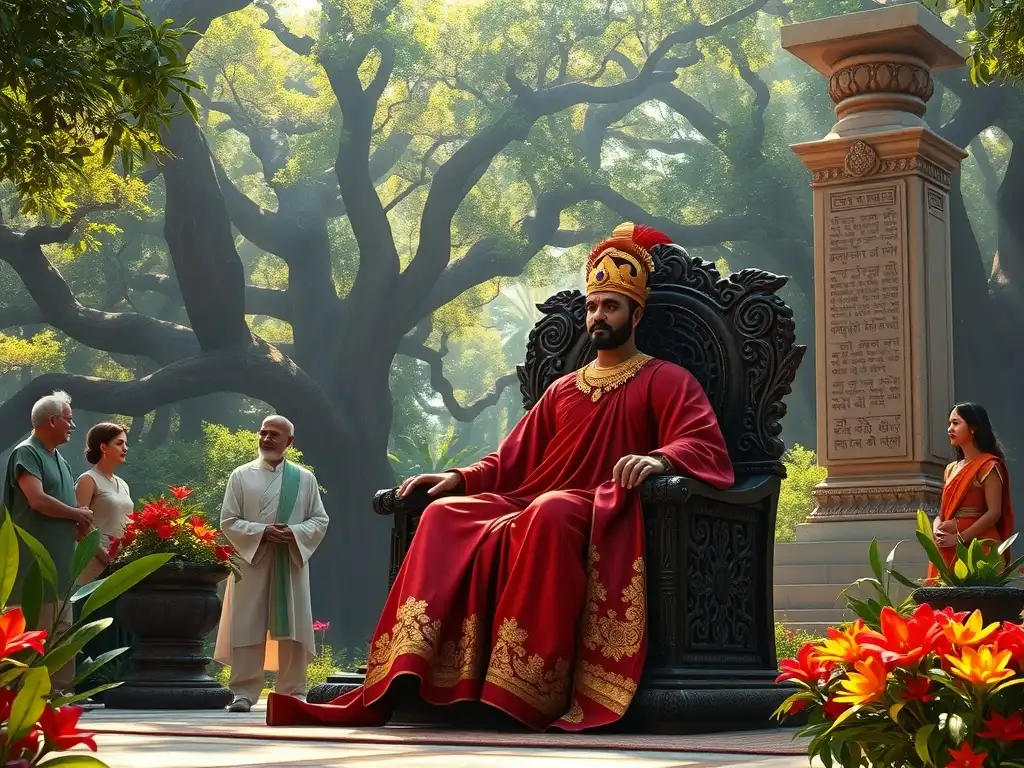
Welcome to Ancient India History, where we embark on a journey through time to uncover the rich tapestry of civilizations that shaped one of the world's oldest cultures. In our featured article, "The Campaigns of Ashoka: From Conquest to Compassion," we delve into the transformative journey of Ashoka the Great—exploring not just his military might and campaigns, but also the profound legacy of compassion that followed.
What drove this mighty emperor to embrace peace after a path of conquest? Join us as we unravel the fascinating interplay between power and compassion in the heart of ancient India, inviting you to discover the profound impact of Ashoka's choices on a civilization that continues to inspire today.
Introduction to Ashoka's Campaigns and Legacy
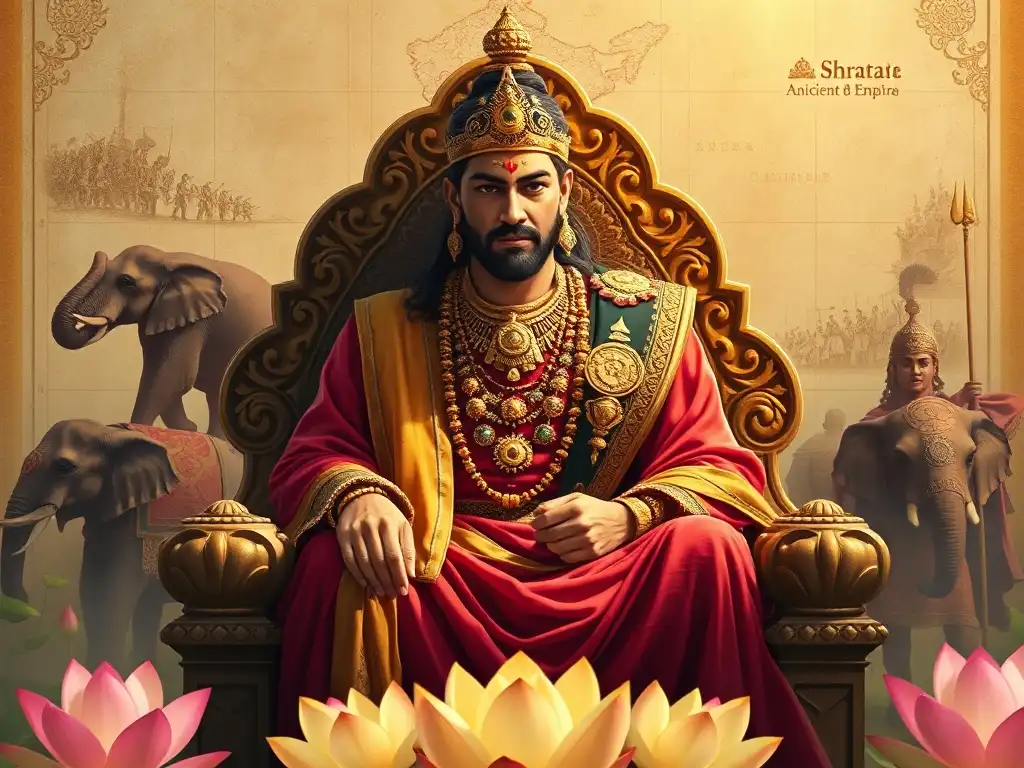
The history of ancient India is marked by the rise and fall of powerful empires, each contributing uniquely to the cultural and political landscape of the region. Among these influential figures stands Ashoka the Great, the third emperor of the Maurya Dynasty, whose campaigns spanned vast territories and whose legacy transcended mere conquest.
This article delves into Ashoka's campaigns and legacy, exploring how his military endeavors transformed into a commitment to peace and compassion, ultimately shaping the moral and ethical framework of Indian civilization. From the formidable battles that established his reign to the profound changes that followed the Kalinga War, Ashoka's journey is a compelling narrative of ambition, remorse, and redemption.
Overview of Ashoka's Reign
Ashoka ascended to the throne in the 3rd century BCE, inheriting an empire that was already vast and powerful. His reign marked a pivotal era characterized by significant territorial expansion, as well as substantial cultural and administrative advancements. After his initial military successes, Ashoka's governance evolved, reflecting a shift from an aggressive expansionist policy to one focused on the welfare of his subjects and the propagation of Dharma (righteousness). Under Ashoka's rule, the Mauryan Empire reached its zenith, influencing not only India but also regions beyond its borders.
Importance of Ashoka in Ancient Indian History
Ashoka's significance in ancient Indian history extends far beyond his military conquests. He is often celebrated for his philosophical contributions and the promotion of Buddhism as a state religion. His edicts, inscribed on rocks and pillars across the empire, served as a medium for disseminating ethical principles and humanitarian values. Ashoka's legacy is reflected in his commitment to non-violence and his efforts to foster harmony among diverse communities, marking him as a pioneer in the realm of ethical governance. His impact on both historical and contemporary perspectives of leadership and morality remains profound.
The Early Years: Ashoka's Ascension and Initial Campaigns
Background of Ashoka before Kingship
Born to Emperor Bindusara, Ashoka's early life was marked by rivalry and competition among his siblings vying for the throne. His formative years were spent in the royal court, where he gained experience in administration and military tactics. Despite facing challenges, Ashoka's determination and strategic acumen ultimately led to his ascension as the ruler of one of the largest empires in ancient history.
Key Military Campaigns Leading to His Rise
Before his notable transformation, Ashoka engaged in several military campaigns that solidified his power and reputation. His early victories established him as a formidable force, showcasing his military prowess. Each conquest not only expanded the empire's territory but also strengthened his position as a leader. Among these campaigns, the conquest of Kalinga stands out, as it marked a significant turning point in his approach to governance and personal philosophy.
The Kalinga War: A Turning Point in Ashoka's Campaigns
The Kalinga War, fought around 261 BCE, was a defining moment in Ashoka's reign. This brutal conflict resulted in substantial loss of life and suffering, leaving an indelible mark on Ashoka's conscience. The aftermath of the war was a catalyst for his transformation, prompting him to abandon military conquests in favor of promoting peace and ethical governance. Ashoka's reflections on the horrors of war led him to embrace Buddhism and advocate for a compassionate approach to leadership, ultimately reshaping his legacy from that of a conqueror to a benevolent ruler.
The Transformation of Ashoka: From Conquest to Compassion
Ashoka, the third Mauryan emperor, is renowned for his remarkable transformation from a fierce conqueror to a compassionate ruler. Initially, Ashoka was known for his military prowess and ambition, striving to expand the Mauryan Empire through aggressive campaigns. However, a pivotal moment in his reign was the Kalinga War, which not only resulted in significant loss of life but also profoundly impacted Ashoka's worldview. After witnessing the devastation and suffering caused by his conquests, he underwent a fundamental change, embracing the principles of non-violence and compassion.
This transformation led Ashoka to prioritize the well-being of his subjects over territorial expansion. He shifted his focus from military conquests to the promotion of peace, welfare, and moral governance. This new philosophy was instrumental in shaping his legacy, as he became a symbol of benevolence and ethical leadership in ancient history. Ashoka's reign marked the transition from a ruler driven by ambition to one guided by principles of Dharma, a concept central to his governance.
The Impact of the Kalinga War on Ashoka's Philosophy
The Kalinga War, fought around 261 BCE, was a turning point in Ashoka's life and reign. The conflict was marked by brutal warfare, resulting in the loss of over 100,000 lives, along with widespread suffering among both the Kalinga people and his own soldiers. This immense toll weighed heavily on Ashoka, leading him to reflect deeply on the consequences of war and the value of human life.
Following the war, Ashoka adopted a policy of non-violence and sought to rectify the wrongs of his past. He recognized that true power lies not in conquest but in the ability to inspire and uplift others. This realization prompted him to promote a doctrine of peace and tolerance, abandoning further military campaigns. The Kalinga War thus served as a catalyst for Ashoka's transformation, fundamentally altering his approach to governance and influencing his commitment to humanitarian principles.
Adoption of Buddhism and Its Influence on His Legacy
Ashoka's conversion to Buddhism played a crucial role in his transformation from a conqueror to a compassionate ruler. After the Kalinga War, he embraced the teachings of Buddhism, which emphasized compassion, non-attachment, and the pursuit of enlightenment. This new faith aligned perfectly with his desire for moral governance and the promotion of peace.
As a patron of Buddhism, Ashoka undertook significant efforts to spread the religion throughout his empire and beyond. He commissioned the construction of stupas, monasteries, and pillars inscribed with edicts that conveyed Buddhist principles. His support not only facilitated the growth of Buddhism but also established it as a major religion in Asia. Ashoka's legacy, therefore, is not just as a ruler but as a pivotal figure in the propagation of Buddhism, influencing millions and leaving an indelible mark on history.
Ashoka's Edicts: Promoting Peace and Non-Violence
Ashoka's edicts, inscribed on pillars and rocks across his empire, serve as a testament to his commitment to peace and moral governance. These inscriptions articulate his principles of non-violence, compassion, and ethical conduct. The edicts express his deep regret over the violence of the Kalinga War and emphasize the importance of following the Dharma.
The message of the edicts was clear: Ashoka sought to promote a society based on mutual respect, tolerance, and harmony. They encouraged his subjects to practice kindness and to live in accordance with moral values, thereby fostering a culture of peace. The edicts not only reflect Ashoka's personal transformation but also serve as a historical document highlighting the ideals of governance during his reign, making them a significant aspect of his legacy.
Ashoka's Campaigns: Military Strategies and Tactics
Despite his later transformation, Ashoka's early reign was characterized by military campaigns that employed innovative strategies and tactics. His approach to warfare was marked by both brute force and strategic acumen, allowing him to expand the Mauryan Empire significantly. However, the shift in his philosophy post-Kalinga fundamentally altered his military approach and priorities.
Overview of Military Strategies Employed by Ashoka
Ashoka's military strategies were multifaceted, combining traditional warfare techniques with psychological tactics. He often employed a strategy of siege warfare, utilizing the strength of his armies to encircle and weaken enemy cities. Additionally, Ashoka understood the importance of intelligence gathering, often deploying spies to gain insights into enemy movements and morale.
His campaigns were also characterized by the use of elephants, which played a crucial role in his military tactics. Elephants were used to charge enemy lines, instill fear, and disrupt formations. Furthermore, Ashoka demonstrated flexibility in his tactics, adapting to the unique circumstances of each battle, which often led to decisive victories.
Notable Battles and Their Outcomes
Among the notable battles of Ashoka's campaigns, the Kalinga War stands out due to its profound impact on his reign. Other significant battles include the conquest of the Nanda dynasty and the subjugation of various regional kingdoms. These victories expanded his empire and solidified his position as one of the most powerful rulers in ancient India.
However, while Ashoka achieved great military success, the Kalinga War's aftermath catalyzed his transformation. The horrors of this conflict prompted him to reconsider the value of military conquests and ultimately led to his adoption of a more peaceful approach to governance.
Comparison of Ashoka's Early and Later Military Tactics
The contrast between Ashoka's early and later military tactics is stark. In the early years, his strategies were aggressive and focused on expansion through conquest. He employed overwhelming force, strategic sieges, and psychological warfare to subdue opponents. His campaigns were characterized by a desire for territorial gain and dominance.
In contrast, after the Kalinga War, Ashoka's tactics shifted dramatically. He ceased military campaigns and instead focused on consolidating his empire through diplomacy and moral suasion. He sought to win the hearts and minds of his subjects rather than through fear and violence. This transformation reflects a broader shift in priorities, emphasizing peace and ethical governance over military ambition, ultimately reshaping his legacy as a ruler committed to compassion and non-violence.
The Legacy of Ashoka's Campaigns
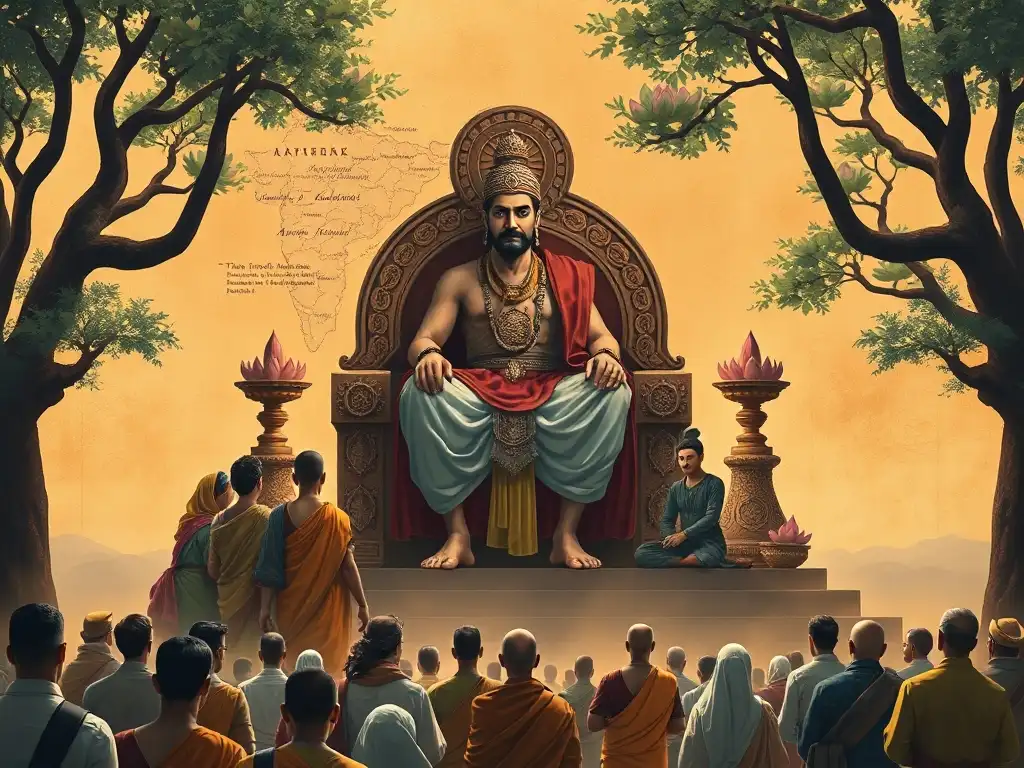
Ashoka's campaigns, particularly his conquest of Kalinga, marked a significant turning point not only in his life but also in the history of ancient India. While his military achievements were noteworthy, it is the transformation that followed these conquests that defined his legacy. After witnessing the immense suffering caused by his campaigns, Ashoka adopted Buddhism and committed himself to the principles of non-violence, compassion, and dharma (moral law). This shift from a warrior king to a benevolent ruler is a profound aspect of his legacy, influencing generations of leaders and shaping the ethical foundations of Indian society.
Ashoka's legacy is also evident in the extensive network of edicts he inscribed across his empire. These edicts served multiple purposes: they were not only proclamations of his policies but also a means to disseminate the teachings of Buddhism and promote moral behavior among his subjects. The impact of Ashoka's campaigns and subsequent transformation is seen through the enduring principles of governance based on justice, tolerance, and humanitarianism, which have resonated throughout history.
Ashoka's Influence on Indian Military History
Ashoka's campaigns significantly impacted Indian military history by shifting the focus from territorial expansion to moral governance. His approach to warfare was characterized by a strategic understanding of the consequences of conflict. The Kalinga War, which resulted in a staggering loss of life and suffering, led Ashoka to reconsider the ethics of warfare, making him an early proponent of ethical military conduct.
This transformation influenced subsequent Indian rulers, who began to view military success not only as a means to expand their territory but also as a responsibility towards their subjects. Ashoka's emphasis on non-violence and compassion began to temper the aggressive militarism seen in earlier periods, promoting a more humane approach to governance that prioritized the welfare of the people over mere conquest.
The Role of Ashoka's Edicts in Shaping Future Empires
The edicts of Ashoka played a crucial role in shaping the political and ethical landscape of future empires in India and beyond. By communicating his vision of a just and compassionate rule, Ashoka established a framework that future leaders could adopt. His edicts, which were inscribed on pillars and rocks throughout his empire, highlighted principles such as tolerance, respect for all religions, and the importance of moral conduct.
These principles not only served as guidelines for governance but also inspired subsequent dynasties, including the Mauryan successors and later empires such as the Gupta Empire. The emphasis on ethical leadership found in Ashoka's edicts laid the groundwork for a political culture that valued moral governance, influencing rulers for centuries to come.
Global Impact of Ashoka's Philosophy of Non-Violence
Ashoka's philosophy of non-violence has had a far-reaching impact that extends beyond the borders of India, resonating with global movements advocating for peace and justice. His commitment to non-violence and compassion, as reflected in his support for Buddhism, has inspired numerous leaders and thinkers around the world. Figures such as Mahatma Gandhi drew upon Ashoka's teachings to promote their own philosophies of non-violent resistance and civil disobedience.
In addition, Ashoka's principles have found relevance in contemporary discussions on conflict resolution and humanitarian efforts. His belief in resolving disputes through dialogue rather than force continues to inspire modern peace movements, reinforcing the idea that compassion can triumph over aggression.
Conclusion: The Lasting Impact of Ashoka's Campaigns and Legacy
Ashoka's campaigns and subsequent transformation left an indelible mark on Indian civilization and beyond. His unique blend of military prowess and moral leadership provides a compelling narrative of how a ruler can evolve from a conqueror to a compassionate sovereign. The lessons drawn from his life serve as a reminder of the potential for change and growth, even in the wake of conflict.
Summary of Ashoka's Contributions to Ancient Indian Civilization
Ashoka's contributions to ancient Indian civilization are manifold. His military campaigns, particularly the conquest of Kalinga, catalyzed his conversion to Buddhism and a profound commitment to non-violence. His edicts established a new standard for governance, emphasizing morality, compassion, and respect for all lives. The cultural and ethical foundations he laid have significantly influenced Indian society, promoting values that resonate even today.
Reflection on the Relevance of Ashoka's Principles Today
The principles that Ashoka championed—non-violence, tolerance, and ethical governance—remain incredibly relevant in today's world. In an era marked by conflict, division, and humanitarian crises, the teachings of Ashoka serve as a beacon of hope and guidance. His belief in the power of compassion over violence encourages contemporary societies to pursue peace through understanding and dialogue. As we navigate the complexities of modern life, Ashoka's legacy continues to inspire individuals and leaders alike to strive for a more just and humane world.
References for Further Reading on Ashoka's Campaigns and Legacy
To gain a deeper understanding of Ashoka's campaigns and his significant transformation from a conqueror to a proponent of peace, various resources are available. These include scholarly books, articles, and online materials that explore different facets of his life, reign, and the broader context of ancient Indian history. Below are some suggested readings and resources that can enhance your knowledge of Ashoka's campaigns and legacy.
Suggested Books and Articles
-
"Ashoka: The Search for India's Lost Emperor" by Charles Allen
This book delves into the life of Ashoka, exploring his strategies in battle and his eventual turn towards Buddhism and non-violence. Allen provides a comprehensive overview of Ashoka's reign and the impact of his policies on Indian civilization.
-
"The Edicts of Ashoka" translated by Richard McKeon
This translation presents the edicts inscribed by Ashoka throughout his empire. The edicts provide insight into his thoughts on governance, ethics, and the promotion of Dharma, showcasing his legacy beyond military conquests.
-
"Ashoka and the Decline of the Mauryas" by Romila Thapar
Thapar’s work offers an analytical view of Ashoka's impact on the Mauryan Empire and discusses how his policies influenced the subsequent decline of the dynasty. This critical perspective is essential for understanding the complexities of his reign.
-
"The Mauryan Empire" by R. C. Majumdar
This book provides a historical account of the Mauryan Empire, with a focus on Ashoka's military campaigns and administrative reforms. It situates Ashoka within the larger narrative of Indian history, emphasizing his contributions to statecraft.
-
"Ashoka's Dharma: The History of the Mauryan Empire" by Eric J. Sharpe
This article explores the philosophical underpinnings of Ashoka's governance, particularly his embrace of Buddhism and its influence on his approach to ruling and warfare.
Online Resources and Documentaries
-
BBC Documentary: "The Story of India"
This documentary series presents an engaging overview of Indian history, with specific episodes dedicated to the Mauryan Empire and Ashoka's reign. It combines historical footage with expert commentary to provide context.
-
The Ashoka Project
An online initiative dedicated to documenting Ashoka's edicts, this resource features translations, historical context, and analyses of the inscriptions. It serves as a valuable tool for researchers and enthusiasts alike.
-
National Geographic: "The Emperor Ashoka"
This article presents an overview of Ashoka's life, military campaigns, and eventual conversion to Buddhism. It highlights key events and their implications for Indian history in an accessible format.
-
YouTube: "Ashoka: The Great Emperor"
This video offers a concise summary of Ashoka's life, his major battles, and his legacy in promoting peace. It is an excellent visual resource for those looking to understand the significance of his reign quickly.
-
"Ashoka the Great: A Documentary" on various streaming platforms
This documentary explores the life of Ashoka through dramatized reenactments and expert interviews. It provides insights into his military tactics and the ideological shift that characterized his later life.
These resources collectively provide a rich tapestry of information regarding Ashoka's campaigns and legacy, making them essential for anyone interested in understanding this pivotal figure in ancient Indian history.
- Introduction to Ashoka's Campaigns and Legacy
- The Early Years: Ashoka's Ascension and Initial Campaigns
- The Transformation of Ashoka: From Conquest to Compassion
- Ashoka's Campaigns: Military Strategies and Tactics
- The Legacy of Ashoka's Campaigns
- Conclusion: The Lasting Impact of Ashoka's Campaigns and Legacy
- References for Further Reading on Ashoka's Campaigns and Legacy
Frequently Asked Questions
What were Ashoka's main campaigns?
Ashoka's main campaigns include the Kalinga War, which was pivotal in shaping his views on non-violence and compassion after witnessing the suffering caused by war.
How did Ashoka's campaigns impact his legacy?
The impact of Ashoka's campaigns led to a transformation in his leadership style, promoting the spread of Buddhism and the principles of Dharma, which became central to his legacy.
What is the significance of the Kalinga War in Ashoka's life?
The Kalinga War was a turning point for Ashoka, as it prompted a profound change in his approach to governance, shifting from military conquest to promoting peace and moral values.
How did Ashoka promote Buddhism after his campaigns?
After his campaigns, Ashoka actively promoted Buddhism by sending missionaries across Asia and establishing edicts that emphasized moral conduct and compassion towards all living beings.
What are some of Ashoka's contributions to society?
Ashoka's contributions include the establishment of hospitals, the construction of roads, and the promotion of religious tolerance, all of which were aimed at improving the welfare of his subjects and spreading Buddhism.
Final Reflection: The Transformative Legacy of Ashoka's Campaigns
Ashoka's campaigns and legacy resonate profoundly in today's world, reminding us of the power of transformation from conquest to compassion. In an era where conflicts often dominate headlines, Ashoka's journey from a fierce warrior to a proponent of peace serves as a beacon of hope. His commitment to non-violence and ethical governance highlights the potential for leaders to inspire change through compassion rather than coercion.
The influence of Ashoka's principles extends far beyond ancient India; they continue to shape our cultural and social landscapes. His edicts, which emphasized moral conduct and the welfare of all beings, encourage us to reflect on our own values and actions. As Mahatma Gandhi once said, "> The greatness of a nation and its moral progress can be judged by the way its animals are treated." This sentiment echoes Ashoka's vision, urging us to consider the impact of our choices on the world around us and to strive for a society that values empathy and kindness.
As we contemplate the lessons from Ashoka's life, I invite you to reflect on your own journey. How can you embody the spirit of compassion in your daily actions? Whether through small acts of kindness or larger commitments to social justice, each of us has the power to contribute to a more peaceful world. Let Ashoka's legacy inspire you to be a catalyst for change, fostering a culture of understanding and compassion in your community and beyond.
Embrace Ashoka's Legacy: Transform Your Perspective!
Thank you for exploring the remarkable journey of Ashoka, who transformed from a fierce conqueror into a compassionate ruler. Your interest in this inspirational story reflects our shared desire to learn from the powerful lessons of history. Now, it’s time to take that inspiration and put it into action!
- Reflect on your own leadership style: Take a moment to identify a way you can lead with compassion in your community or workplace.
- Share your insights: Discuss Ashoka’s principles with friends or colleagues and encourage them to explore his legacy further.
- Join a local initiative: Participate in community service or social projects that embody the values of peace and tolerance that Ashoka championed.
How will you apply the lessons learned from Ashoka to create a ripple effect of positive change in your life and the lives of others?