
The Aesthetics of Ancient Indian Architecture: Beauty and Symbolism

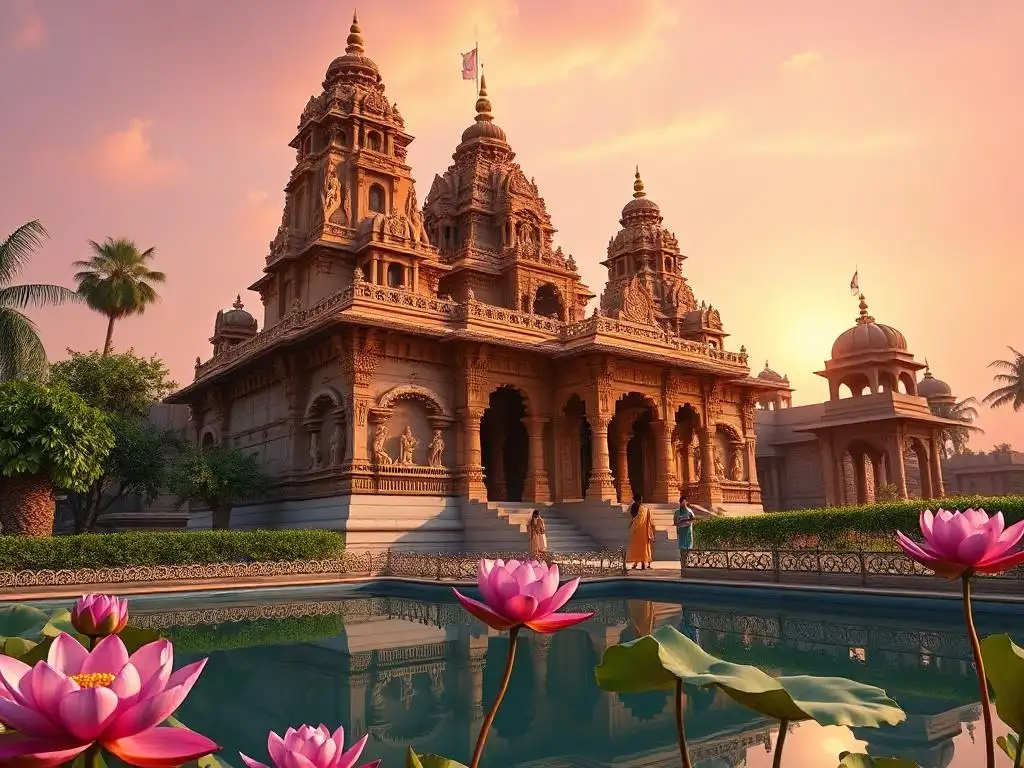
Welcome to Ancient India History, where we embark on a captivating journey through the rich tapestry of ancient Indian civilizations. Here, history meets artistry as we delve into the aesthetics of ancient Indian architecture and uncover the profound symbolism that lies within its intricate designs. How did these magnificent structures reflect the beliefs and values of their time? Join us as we explore the breathtaking beauty and deep meanings behind the architectural masterpieces of the Indus Valley to the Gupta Empire. Your adventure into the past begins now—read on to discover the stories etched in stone!

Introduction to Ancient Indian Architecture
Ancient Indian architecture stands as a testament to the rich cultural and spiritual heritage of the subcontinent. Spanning thousands of years, it reflects a profound connection between beauty and symbolism, where every curve, line, and intricate carving tells a story rooted in history, philosophy, and religion. From the urban planning of the Indus Valley Civilization to the grand temples of the Gupta Empire, ancient Indian architecture showcases a diversity that not only captivates the eye but also conveys deep spiritual meanings.
In this article, we will delve into the aesthetics of ancient Indian architecture, exploring how symbolism is intricately woven into its structures. We will examine various architectural styles, the materials and techniques used, and the significance of aesthetic elements in conveying cultural narratives.
Overview of Ancient Indian Architectural Styles
Ancient Indian architecture can be broadly categorized into several distinct styles, each reflecting the socio-political and cultural milieu of its time. Key architectural styles include:
- Indus Valley Architecture: Characterized by urban planning and sophisticated drainage systems, this era laid the foundation for subsequent architectural developments.
- Buddhist Architecture: Prominent structures like stupas and viharas emphasized spiritual enlightenment and community living.
- Hindu Temple Architecture: Notable for its intricate carvings and towering shikhara, which symbolize the ascent to the divine.
- Islamic Architecture: Influenced by Persian styles, it introduced domes, arches, and intricate tile work during the medieval period.
- Medieval and Mughal Architecture: Famed for grand structures like the Taj Mahal, which blend Persian, Indian, and Islamic elements.
These styles not only highlight the evolution of architectural techniques but also illustrate how cultural exchanges shaped the built environment throughout ancient India.
Importance of Aesthetics in Ancient Indian Architecture
The aesthetics of ancient Indian architecture serve a dual purpose: they are not only visually appealing but also laden with symbolic meaning. The design of buildings, from temples to palaces, was influenced by various factors, including:
- Religious Beliefs: Structures were often designed to reflect the principles of dharma and cosmology, aiming to create a connection between the earthly realm and the divine.
- Cultural Narratives: The embellishments and motifs found in ancient architecture often depict mythological stories or historical events, serving as a visual language to communicate values and beliefs.
- Environmental Harmony: The selection of materials and the orientation of structures were meticulously planned to harmonize with the natural landscape, reflecting a deep respect for nature.
Through these elements, aesthetics played a crucial role in shaping the identity and cultural heritage of ancient Indian civilizations.
Key Features of Ancient Indian Architecture
Material and Techniques in Ancient Indian Structures
The construction of ancient Indian architecture involved a variety of materials and techniques that highlighted the region's craftsmanship. Key materials included:
- Stone: Used extensively in temple construction, stone carving reached remarkable precision, exemplified by the intricate sculptures adorning temple facades.
- Brick: The Indus Valley Civilization utilized baked bricks, showcasing advanced engineering techniques in urban planning.
- Wood: Employed in various forms, particularly in palaces and residential structures, where it provided intricate carvings and flexibility in design.
Techniques such as interlocking stones, corbelled arches, and elaborate frescoes not only enhanced the structural integrity but also contributed to the aesthetic grandeur of these edifices.
Influential Architectural Styles: From Stupas to Temples
The evolution of architectural styles in ancient India is marked by significant structures that influenced subsequent developments. Noteworthy examples include:
- Stupas: Originally built to house relics of the Buddha, stupas symbolize the path to enlightenment, with their hemispherical domes representing the universe.
- Hindu Temples: From the simple structural forms of early temples to the ornate designs of later periods, these sacred spaces serve as a microcosm of the cosmos, inviting devotees to engage in spiritual practices.
- Palaces and Forts: Reflecting the power and wealth of dynasties, these structures often incorporated defensive features alongside artistic embellishments.
Each of these styles demonstrates the rich tapestry of ancient Indian architecture, revealing how beauty and symbolism were intricately linked to cultural identity and spiritual beliefs.
The Symbolism in Ancient Indian Architecture
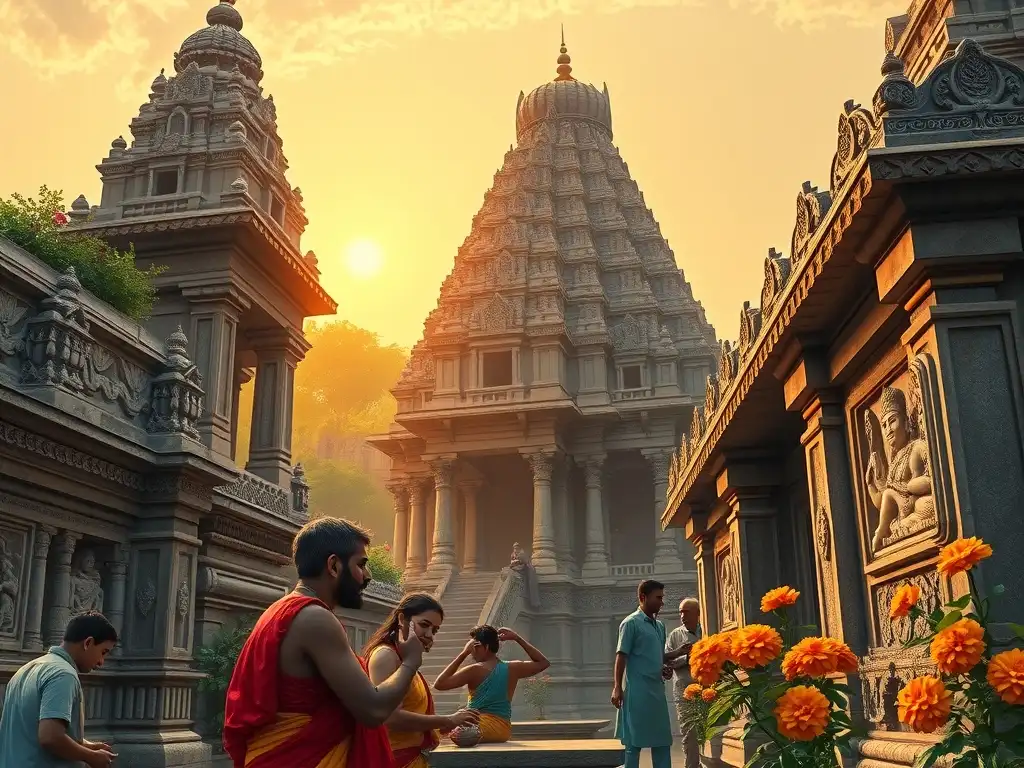
Ancient Indian architecture is not merely a display of aesthetic beauty but is deeply interwoven with profound symbolism. Each structure, be it a temple, stupa, or cave, encapsulates the spiritual and philosophical beliefs of the era. The designs and motifs often serve as a visual language that communicates religious narratives, cosmological concepts, and the socio-political dynamics of the time. This symbolism varies across different regions and periods, reflecting the diversity of beliefs, rituals, and artistic expressions in ancient India.
The use of specific shapes, such as the mandala in temple layouts, exemplifies the connection between the physical and the spiritual realms. For instance, the circular form represents the cycle of life and the universe, embodying the concept of eternity. Similarly, the orientation of temples, typically aligned with cardinal directions, signifies a connection to the cosmos, guiding worshippers toward a divine experience. Moreover, intricate carvings and sculptures narrate stories from Hindu epics, Buddhist teachings, and Jain philosophy, making architecture a rich medium for conveying cultural narratives.
Understanding Architectural Symbolism in Ancient India
Understanding architectural symbolism in ancient India requires a comprehensive analysis of the cultural, religious, and philosophical contexts in which these structures were built. Each element, from the grand entrance to the smallest decorative detail, is laden with meaning. For instance, the lotus flower, a common motif, symbolizes purity and spiritual awakening, often associated with deities.
The integration of natural elements, such as water bodies and gardens in temple complexes, reflects the Indian philosophy of harmony between nature and architecture. This connection is not just aesthetic but also metaphysical, embodying beliefs about the sanctity of nature and its divine origins. Architecturally, the use of specific materials, such as sandstone or basalt, also carries symbolic weight, representing strength, permanence, and the divine.
Furthermore, the regional variations in architectural styles—such as Dravidian, Nagara, and Indo-Islamic—illustrate the cultural dialogues and exchanges that influenced these structures. Each style encapsulates unique symbolic interpretations, adapted to the local traditions and spiritual practices, making ancient Indian architecture a fascinating study of symbolism across diverse contexts.
Major Architectural Marvels of Ancient India
Ancient India is home to numerous architectural marvels that not only showcase aesthetic grandeur but also embody deep-seated symbolism. These structures serve as testaments to the ingenuity and spiritual aspirations of their creators. Below are some of the most significant architectural wonders that highlight the beauty and symbolism inherent in ancient Indian architecture.
The Great Stupa at Sanchi: A Symbol of Enlightenment
The Great Stupa at Sanchi, built during the reign of Emperor Ashoka in the 3rd century BCE, stands as a monumental symbol of Buddhist enlightenment. This hemispherical dome, which houses relics of the Buddha, represents the universe and serves as a focal point for meditation and pilgrimage. The four gateways, or toranas, adorned with intricate carvings, depict various Jataka tales, imparting moral lessons and the teachings of Buddhism.
The circular form of the stupa symbolizes the cycle of birth, death, and rebirth, reflecting the core tenets of Buddhist philosophy. Pilgrims circumambulating the stupa engage in a meditative act, reinforcing the connection between physical movement and spiritual progress. The Sanchi Stupa exemplifies how architectural design can encapsulate complex spiritual narratives, serving as both a physical and metaphorical representation of enlightenment.
The Temples of Khajuraho: A Fusion of Art and Spirituality
The temples of Khajuraho, constructed between 950 and 1050 CE, are renowned for their exquisite carvings and intricate sculptures that celebrate the union of art and spirituality. These temples, dedicated to various deities, showcase a unique architectural style that combines aesthetic beauty with deep symbolic meaning. The erotic sculptures, often misunderstood, symbolize the celebration of life, love, and the divine union of Shiva and Shakti.
The architectural layout of the temples is meticulously designed, with the main shrine located at the highest point, signifying the ascent toward the divine. The intricate carvings depict various aspects of daily life, mythological stories, and spiritual teachings, making the temples a visual narrative of human experience intertwined with the divine. Khajuraho serves as a testament to the belief that art is a pathway to spirituality, where every sculpture and motif contributes to an overarching cosmic narrative.
The Ajanta Caves: Architectural Beauty and Symbolic Narratives
The Ajanta Caves, carved into the rock face during the 2nd century BCE to the 6th century CE, are a stunning example of ancient Indian rock-cut architecture. These caves, adorned with frescoes and sculptures, primarily depict the life of the Buddha and various Bodhisattvas, serving as a visual representation of Buddhist teachings and philosophy. The intricate murals not only showcase artistic mastery but also convey deep symbolic meanings, illustrating concepts such as impermanence and enlightenment.
The architectural layout of the caves is designed to facilitate meditation and spiritual reflection. Each cave serves a specific purpose, from monastic living quarters to prayer halls, emphasizing the importance of community and spiritual practice in Buddhism. The Ajanta Caves exemplify how architecture can be a conduit for storytelling, where every element, from the structure to the artwork, contributes to the spiritual journey of its visitors.
The Role of Art in Ancient Indian Architecture
Art played a pivotal role in the development and expression of ancient Indian architecture, serving not just as embellishment but as a medium to convey deeper philosophical and spiritual concepts. The aesthetic appeal of ancient structures often derives from a harmonious blend of artistic motifs, intricate carvings, and symbolic representations that reflect the socio-religious ethos of the time. This integration of art and architecture was not merely for beautification; it also aimed to create an immersive experience that communicated the values and beliefs of ancient Indian society.
Architectural styles such as those seen in the Indus Valley Civilization, Mauryan, and Gupta periods were characterized by their meticulous attention to detail and the use of artistic elements that resonated with the natural environment. Temples, palaces, and public buildings often featured intricate designs that were meant to evoke a sense of divinity and connection to the cosmos. The use of art in architecture thus became a vehicle for storytelling, where every carving and fresco narrated tales from mythology, spirituality, and daily life.
frescoes and Sculptures: Enhancing Architectural Aesthetics
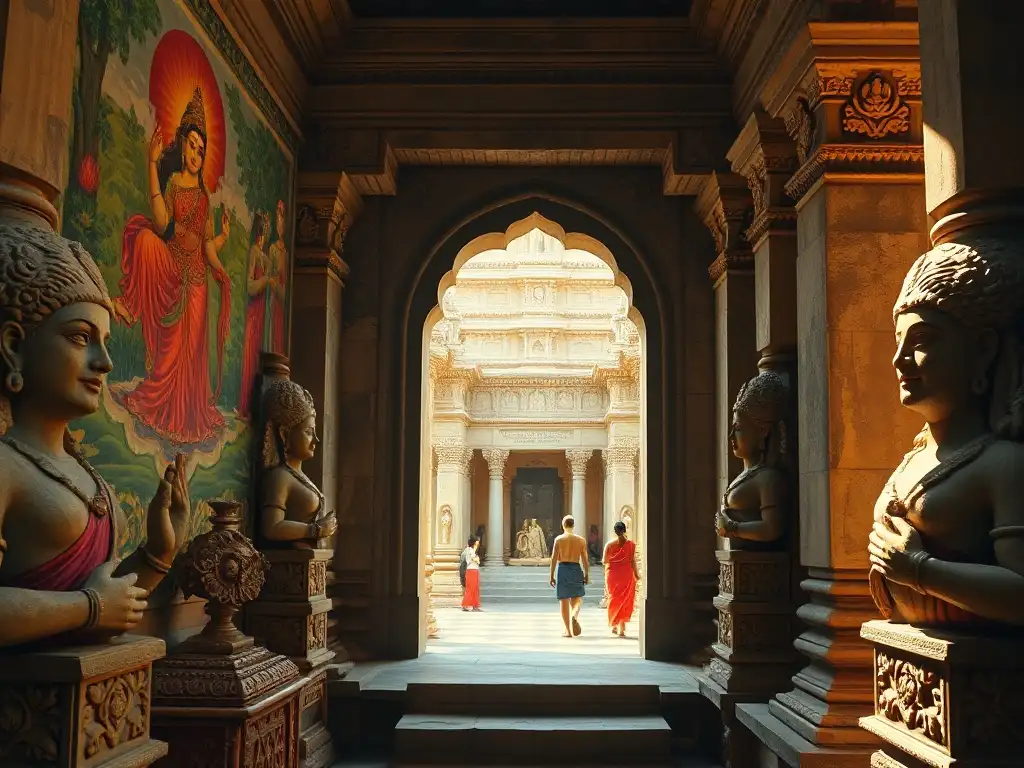
Frescoes and sculptures are among the most striking features of ancient Indian architecture, serving to enhance both the visual appeal and the symbolic narrative of structures. Frescoes, painted directly onto the walls of temples and palaces, depicted a myriad of themes ranging from religious iconography to everyday life. These vibrant artworks not only provided aesthetic pleasure but also educated the viewer about cultural and spiritual beliefs.
Sculptures, on the other hand, were often carved from stone and placed strategically in and around sacred spaces. They represented deities, celestial beings, and important figures from Hindu epics, embodying the divine presence within the architectural framework. The exquisite craftsmanship evident in sculptures like those found in the temples of Khajuraho and the caves of Ajanta and Ellora showcases the skill of ancient artisans and their dedication to infusing spiritual significance into their work.
The interplay between frescoes and sculptures contributed to a cohesive narrative within architectural spaces, making them living museums of art and faith. By skillfully intertwining these elements, ancient architects were able to create environments that invited contemplation and reverence.
The Interconnection of Art and Architecture in Ancient Indian Culture
In ancient India, art and architecture were inextricably linked, reflecting a unified vision of aesthetic and spiritual expression. This interconnection can be observed across various architectural forms, from the grand stupas of Buddhism to the intricate temples of Hinduism. Each architectural style employed artistic principles that were deeply rooted in cultural symbolism and religious philosophy.
The principles of Vastu Shastra, the ancient Indian science of architecture, emphasized the importance of harmonizing built environments with nature, which is evident in the design of temples that often aligned with celestial bodies. This holistic approach is not merely about structural integrity but also about creating spaces that resonate with cosmic energy and spiritual vibrations.
Furthermore, the patronage of art and architecture by rulers and wealthy patrons during ancient times underscored the significance of these practices in society. Many rulers commissioned grand architectural projects that showcased their power and piety, thus promoting a cultural renaissance that intertwined art with architecture. This synergy cultivated a rich legacy that continues to influence contemporary architecture in India.
The Influence of Ancient Indian Architecture on Later Periods
The architectural principles and aesthetic values established in ancient India have left an indelible mark on later architectural styles across the subcontinent and beyond. The intricate designs, symbolic representations, and planning techniques developed in earlier periods became foundational elements for subsequent architectural movements.
As dynasties rose and fell, the architectural innovations of ancient India were adapted and transformed, leading to the emergence of new styles that maintained a connection to their predecessors. For instance, the Indo-Islamic architecture of the medieval period drew heavily from the structural and decorative elements of ancient Indian temples, blending them with Islamic motifs to create a unique architectural language.
Moreover, the emphasis on symbolism and spiritual significance in ancient architecture continued to inspire later architects, who sought to convey similar messages through their structures. The legacy of ancient Indian architecture is not just confined to historical analysis; it remains a living tradition that informs modern architectural practices and cultural expressions.
Legacy of Symbolism in Post-Classical Indian Architecture
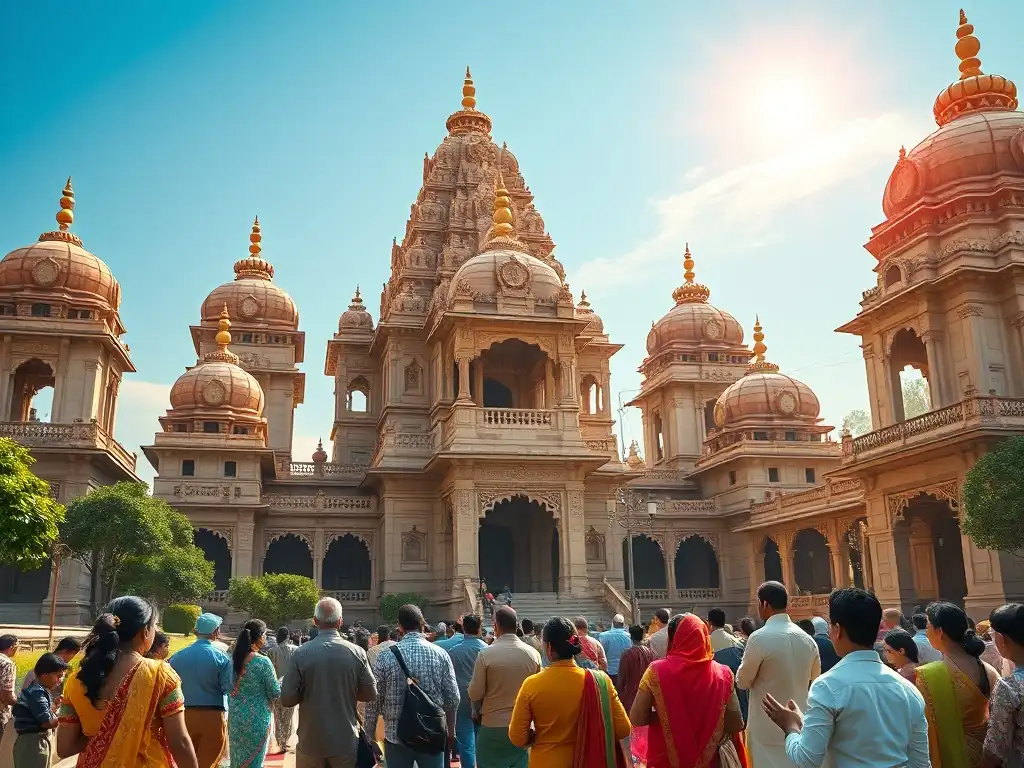
The symbolism inherent in ancient Indian architecture has persisted into post-classical periods, influencing the design and conceptualization of buildings throughout Indian history. This legacy can be seen in the continued use of sacred geometry, iconography, and motifs that originate from ancient texts and spiritual beliefs.
For example, the lotus flower, a symbol of purity and enlightenment, frequently appears in architectural designs, from ancient temples to contemporary structures. Similarly, the mandala, a geometric figure representing the cosmos, has been utilized in various forms of architecture to evoke spiritual awareness and connection to the universe.
The incorporation of these symbols not only serves aesthetic purposes but also reinforces cultural identity and continuity. The preservation of ancient architectural symbolism in later structures demonstrates a deep respect for heritage and an understanding of the interconnectedness of art, architecture, and spirituality.
Comparative Analysis: Ancient Indian Architecture and Other Civilizations
When examining ancient Indian architecture in comparison to other civilizations, distinct similarities and differences emerge, particularly in the realms of symbolism and aesthetics. Like the Egyptians, who used grand monuments to reflect their beliefs in the afterlife, ancient Indian architects designed temples and stupas that embodied spiritual ideals and cosmic principles. However, while Egyptian architecture often aimed for monumental scale, ancient Indian structures frequently emphasized intricate detail and narrative richness.
In contrast to ancient Greek architecture, which celebrated humanism and the beauty of the human form, ancient Indian architecture integrated divine representations and mythological themes into its designs. The use of elaborate frescoes and sculptures in temples illustrates a focus on storytelling and spiritual teachings, distinguishing it from the classical ideals of symmetry and proportion that characterized Greek architecture.
Furthermore, the adaptability of ancient Indian architectural styles, which absorbed influences from neighboring cultures, showcases a unique ability to synthesize diverse elements while maintaining a distinct identity. This characteristic has allowed ancient Indian architecture to evolve and inspire subsequent generations, creating a rich tapestry that reflects the complexity of its historical and cultural context.
Conclusion
Ancient Indian architecture is a profound testament to the ingenuity and creativity of its civilization. Its structures are not merely functional; they are imbued with deep symbolism and aesthetic beauty that reflect the philosophical and spiritual beliefs of the time. From the intricate carvings of temples to the grand palaces, each architectural marvel serves as a narrative, telling stories of gods, nature, and human life. The meticulous attention to detail, symmetry, and the interplay of light and space illustrate a sophisticated understanding of aesthetics that transcends mere physical form.
Recap of Ancient Indian Architecture and Its Symbolic Significance
Throughout history, ancient Indian architecture has been characterized by its ability to blend beauty with meaning. The use of sacred geometry, proportion, and orientation in structures such as the Brahmanical temples and Buddhist stupas exemplifies this synergy. For instance, the Kandariya Mahadeva Temple in Khajuraho showcases intricate sculptures that convey not only artistic prowess but also deeper spiritual truths about life and existence.
The symbolism in ancient Indian architecture can often be tied to cosmological concepts, where the layout of a temple reflects the universe's structure. Temples were often designed as microcosms, representing the cosmos and connecting the earthly with the divine. This relationship between architecture and spirituality is evident in the way sacred sites were chosen and constructed, aligning with celestial bodies and natural landscapes.
Final Thoughts on the Impact of Aesthetics in Ancient Indian Culture
The aesthetics of ancient Indian architecture extend beyond mere visual appeal; they embody the philosophical and cultural ethos of the civilization. The beauty of these structures invites contemplation and reverence, encouraging a connection with the divine and the natural world. The intricate designs, symbolic motifs, and harmonious proportions not only enhance their physical presence but also elevate the spiritual experience of the observer.
As we explore these architectural marvels, we gain insights into the values and beliefs that shaped ancient Indian society. The legacy of this architecture continues to influence contemporary design and cultural expressions, reminding us of the importance of beauty and symbolism in human life. In essence, ancient Indian architecture serves as a bridge linking past and present, offering us a glimpse into a world where art, spirituality, and society were intricately intertwined.
- Introduction to Ancient Indian Architecture
- Overview of Ancient Indian Architectural Styles
- Importance of Aesthetics in Ancient Indian Architecture
- Key Features of Ancient Indian Architecture
- The Symbolism in Ancient Indian Architecture
- Understanding Architectural Symbolism in Ancient India
- Major Architectural Marvels of Ancient India
- The Role of Art in Ancient Indian Architecture
- frescoes and Sculptures: Enhancing Architectural Aesthetics
- The Interconnection of Art and Architecture in Ancient Indian Culture
- The Influence of Ancient Indian Architecture on Later Periods
- Legacy of Symbolism in Post-Classical Indian Architecture
- Comparative Analysis: Ancient Indian Architecture and Other Civilizations
- Conclusion
- What is the significance of ancient Indian architecture symbolism?
- How did the Indus Valley Civilization influence ancient Indian architecture?
- What are some key features of Gupta Empire architecture?
- Can you explain the role of temples in ancient Indian architecture?
- How did symbolism in ancient Indian architecture evolve over time?
Frequently Asked Questions
What is the significance of ancient Indian architecture symbolism?
Ancient Indian architecture symbolism reflects the cultural beliefs and spiritual values of the time, often representing religious ideologies and the connection between the physical and spiritual worlds.
How did the Indus Valley Civilization influence ancient Indian architecture?
The Indus Valley Civilization introduced advanced urban planning and drainage systems, which set the foundation for future architectural developments in ancient Indian cities.
What are some key features of Gupta Empire architecture?
Gupta Empire architecture is known for its intricate carvings, ornate temples, and the use of red sandstone, which exemplifies the artistic excellence and cultural richness of this period.
Can you explain the role of temples in ancient Indian architecture?
Temples served as spiritual centers and were often designed to symbolize the cosmic universe, representing various deities through their architectural elements and sacred geometry.
How did symbolism in ancient Indian architecture evolve over time?
The symbolism in ancient Indian architecture evolved from simple forms in the Indus Valley to more complex representations in later periods, reflecting changing beliefs and the socio-political landscape of the time.
Final Reflection: The Enduring Legacy of Ancient Indian Architecture
The aesthetics of ancient Indian architecture, deeply intertwined with symbolism, continue to resonate in today's world. As we navigate a rapidly changing society, the profound meanings embedded within these architectural marvels remind us of the importance of cultural heritage and the stories that shape our identities. The intricate designs and spiritual significance found in temples, forts, and palaces are not merely relics of the past; they are vibrant expressions of a civilization that valued beauty and meaning in every aspect of life.
The influence of ancient Indian architecture extends far beyond its physical structures, permeating our cultural and social landscapes. Today, we see a resurgence of interest in sustainable design and holistic living, principles that echo the philosophies of ancient builders who harmonized their creations with nature and spirituality. Architecture is the learned game, correct and magnificent, of forms assembled in the light.
– Le Corbusier. This quote encapsulates the essence of how ancient Indian architecture not only serves as a visual feast but also as a profound dialogue between the built environment and the natural world, urging us to reflect on our own relationship with our surroundings.
As you contemplate the themes presented in this article, I invite you to explore how the lessons of ancient Indian architecture can inspire your own life. Consider how beauty and symbolism can manifest in your daily choices, whether in the spaces you inhabit or the values you uphold. Let the intricate narratives of the past guide you toward a future where you honor tradition while embracing innovation, ensuring that the legacy of beauty and meaning continues to thrive in our modern world.
Unveil the Timeless Beauty of Ancient Indian Architecture!
Thank you for diving into the captivating world of Ancient Indian architecture. We hope you’ve gained insight into the profound beauty and symbolism that these structures represent. Now, let’s take the next step in your journey of exploration and appreciation!
Here’s how you can deepen your understanding and connect with this magnificent heritage:
- Visit a local museum or historical site that showcases ancient architecture to witness the beauty firsthand.
- Engage with online communities dedicated to history and architecture, allowing you to exchange ideas and share insights with fellow enthusiasts.
- Start a blog or write a reflective post where you explore the symbolism in architecture, inspiring others to appreciate this cultural treasure.
What aspect of Ancient Indian architecture inspires you the most, and how do you plan to share your newfound knowledge with others?