
Discovering the Poetic Beauty of Prakrit: A Guide to Ancient Poetry

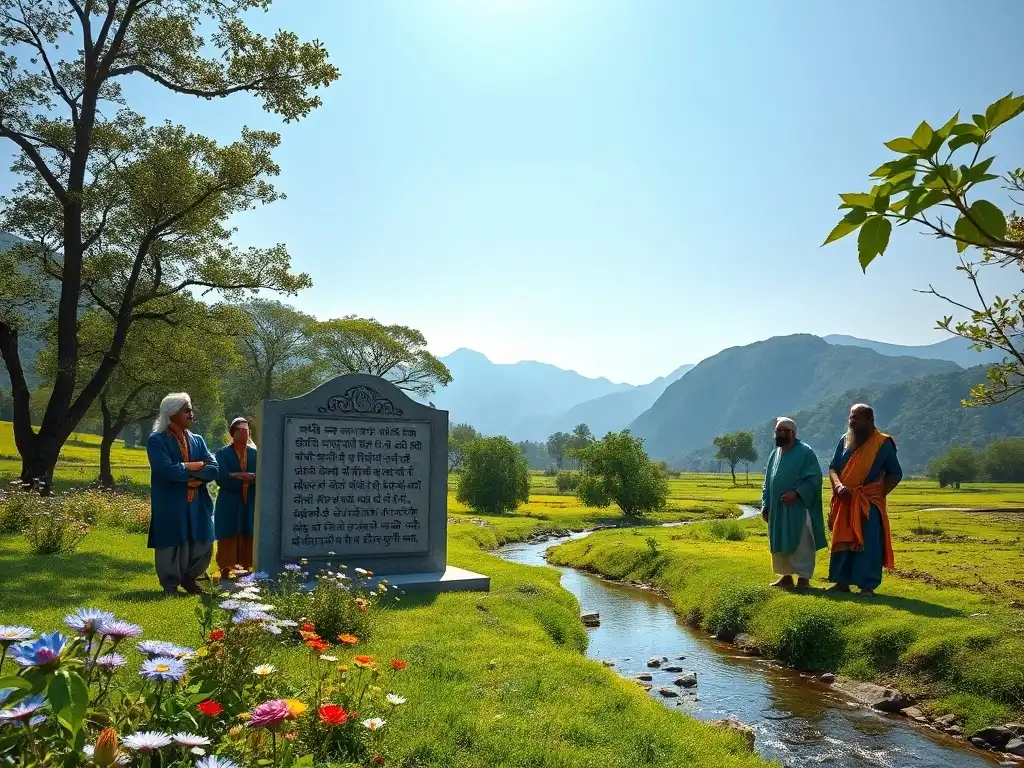
Welcome to Ancient India History, where we embark on a fascinating journey through the rich tapestry of India's past! Here, we delve deep into the poetic beauty of Prakrit poetry in ancient India, exploring its profound impact on language and culture. Join us as we unravel the intricate verses that have shaped the literary landscape from the Indus Valley to the Gupta Empire. What secrets lie within these ancient texts? Prepare to be captivated and inspired as we guide you through the eloquent expressions of a civilization that still resonates today. Dive in to discover more!
The exploration of Prakrit poetry in ancient India unveils a rich tapestry of literary expression that flourished in the realms of culture and spirituality. Prakrit, a group of Middle Indo-Aryan languages, served as a vital medium for poets and playwrights, allowing them to convey profound emotions, cultural narratives, and philosophical insights.
This article delves into the essence of Prakrit poetry, highlighting its historical significance, notable works, and the cultural context in which it thrived. By understanding Prakrit's linguistic nuances and its contributions to ancient Indian literature, we can appreciate the poetic beauty that has influenced generations and continues to resonate in contemporary literary discourse.
The Historical Context of Prakrit Poetry
Prakrit languages emerged during a time of significant cultural and linguistic evolution in ancient India. As a vernacular alternative to the more formal Sanskrit, Prakrit became a means for poets to express the sentiments of the common people. The period between the 3rd century BCE and the 6th century CE witnessed a blossoming of Prakrit literature, with contributions from notable figures like Kalidasa and Bhasa.
- Key Historical Milestones:
- Influence of Buddhism and Jainism: Both religions played a critical role in popularizing Prakrit as they used it for their scriptures and hymns.
- Regional Variations: Different forms of Prakrit, such as Ardhamagadhi and Maharashtri, emerged, reflecting the diverse linguistic landscape of the time.
Notable Works and Poets
Prakrit poetry is characterized by its lyrical beauty and emotional depth. Among the remarkable works are:
- "Swapnavasavadatta" by Bhasa: A play that showcases the enchanting use of Prakrit in dramatic literature.
- "Mrichchhakatika" (The Little Clay Cart) by Shudraka: This work integrates Prakrit dialogues, adding authenticity to the characters' voices.
Prominent Poets:
- Kalidasa: Often regarded as one of the greatest poets, Kalidasa's works include elements of Prakrit, showcasing its poetic potential.
- Vatsyayana: Known for his contributions to the "Kama Sutra," he incorporated Prakrit poetry to illustrate love and relationships.
Thematic Elements in Prakrit Poetry
Prakrit poetry often explores themes of love, nature, and existential reflection.
- Common Themes:
- Romance and Nature: Many poems celebrate the beauty of love intertwined with the natural world.
- Spirituality and Philosophy: Reflecting the philosophical inquiries of the time, poets explored the human condition and existence.
The Linguistic Features of Prakrit
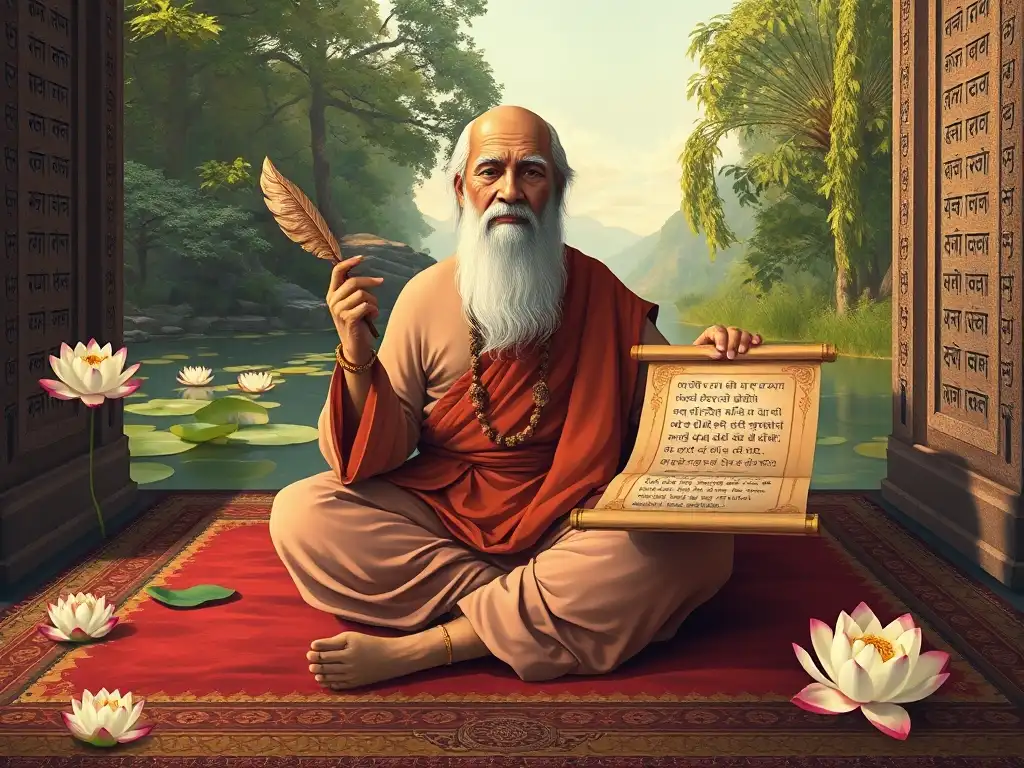
Understanding the linguistic characteristics of Prakrit is essential to appreciate its poetic form.
- Phonetics and Syntax: Prakrit's phonetic structure allows for rhythmic patterns that enhance the musicality of poetry.
- Lexical Variety: The use of everyday vocabulary makes Prakrit accessible, resonating with a broader audience.
Conclusion
The poetic beauty of Prakrit stands as a testament to the rich literary heritage of ancient India. By exploring its historical context, notable works, and thematic elements, we gain insight into a language that not only shaped the literary landscape of its time but also continues to inspire and influence modern literature. As we journey through the verses of Prakrit, we uncover the profound connections between language, culture, and human experience, enriching our understanding of ancient Indian civilization.
- The Historical Context of Prakrit Poetry
- Notable Works and Poets
- Thematic Elements in Prakrit Poetry
- The Linguistic Features of Prakrit
- Conclusion
Introduction to Prakrit Poetry in Ancient India
Prakrit poetry holds a significant place in the literary heritage of ancient India, reflecting the diverse cultural tapestry of its time. Emerging around the 3rd century BCE, Prakrit served as a vernacular language distinct from Sanskrit, making literature more accessible to the common people. The poetry written in Prakrit not only showcases the artistic expression of its creators but also captures the socio-cultural elements prevalent during various periods, from the Mauryan Empire to the Gupta period.
Prakrit poetry is characterized by its lyrical quality and thematic richness, often exploring themes of love, nature, and devotion. This form of poetry played a crucial role in the dissemination of philosophical and spiritual ideas, particularly in Jainism and Buddhism. As we delve deeper into the nuances of Prakrit poetry, we will explore its linguistic features, cultural significance, and the evolution it underwent throughout ancient Indian history.
Understanding Prakrit: Language and Cultural Significance
Prakrit refers to a group of Middle Indo-Aryan languages that emerged as a counterpoint to the classical language of Sanskrit. The term "Prakrit" itself means "natural" or "formed," alluding to its roots in the everyday speech of the people. This linguistic evolution marked a pivotal moment in the history of Indian literature, as it allowed for the expression of ideas and emotions in a language that resonated with the masses.
Key Features of Prakrit Language
- Vernacular Nature: Unlike Sanskrit, which was predominantly used by the elite and in religious texts, Prakrit served as a medium for the common populace.
- Diversity: Different regions of India produced various dialects of Prakrit, such as Ardhamagadhi, Maharashtri, and Shauraseni, each contributing unique flavors to the poetic compositions.
- Phonetics and Metrics: Prakrit poetry often employed distinctive phonetic structures and meters, providing a musical quality that enhanced its lyrical appeal.
Cultural Context and Influence
The cultural significance of Prakrit poetry is immense. It not only reflects the societal norms and values of ancient India but also provides insight into the daily lives, emotions, and spiritual beliefs of its people. The themes often explored include:
- Love and Romance: Many Prakrit poems eloquently express the nuances of love, drawing from both earthly and divine realms.
- Nature and Landscape: Nature serves as a backdrop in numerous compositions, symbolizing beauty, transience, and existential themes.
- Philosophical and Spiritual Ideals: Especially within Jain and Buddhist traditions, Prakrit poetry became a vehicle for conveying complex philosophical thoughts in a relatable manner.
The Evolution of Prakrit Poetry through the Ages
The journey of Prakrit poetry can be divided into distinct phases, each marked by unique characteristics and themes that reflect the changing social and political landscapes of ancient India.
Early Period: The Rise of Prakrit Poetry
The earliest known Prakrit poetry dates back to the 3rd century BCE, closely linked to the rise of Jainism and Buddhism. The Suttanipata, a Buddhist text, showcases some of the earliest examples of Prakrit verse, emphasizing moral and ethical teachings. This period set the stage for the flourishing of Prakrit literature, as poets began to experiment with form and content.
Classical Period: Flourishing of Literary Forms
The classical period, roughly between the 1st and 5th centuries CE, witnessed a significant refinement in Prakrit poetry. Notable poets such as Kalidasa and Bhavabhuti incorporated Prakrit into their works, often using it to portray characters from lower social strata. This era also saw the emergence of Savarna and Sanskritized forms of Prakrit, blending the two languages to enrich poetic expression.
| Period | Key Characteristics | Notable Works |
|---|---|---|
| Early Period | Focus on moral teachings, simplicity | Suttanipata |
| Classical | Refinement of forms, blending with Sanskrit | Shakuntala (Kalidasa) |
| Medieval | Greater regional dialectical diversity | Gatha Saptashati |
Medieval Period: Regional Dialects and Cultural Exchange
By the 6th century CE, Prakrit poetry had begun to diversify further into regional dialects, thanks to the increasing cultural exchanges facilitated by trade and migration. This period saw the composition of works like the Gatha Saptashati, a collection of verses from different Prakrit dialects showcasing the richness of regional expressions. Moreover, the influence of folk traditions became evident, as poets began to incorporate local themes and styles into their works.
Conclusion
The evolution of Prakrit poetry reflects the dynamic interplay between language, culture, and society in ancient India. From its roots in early moral teachings to its flourishing in the classical and medieval periods, Prakrit poetry serves as a testament to the artistic and linguistic ingenuity of the time. Understanding this evolution allows us to appreciate the depth and beauty of Prakrit poetry in ancient India, highlighting its enduring legacy in the literary world.
Historical Context of Prakrit Poetry
The Role of Prakrit in Ancient Indian Literature
Prakrit poetry occupies a significant place in the landscape of ancient Indian literature, serving as a bridge between the classical Sanskrit texts and the vernacular expressions of the time. Prakrit, derived from the Sanskrit term "Prakṛta," meaning "natural" or "ordinary," was utilized by poets to communicate with the common people, making literature more accessible. This linguistic choice was not merely a stylistic preference but a reflection of the social dynamics of the period, where the elite often communicated in Sanskrit while the broader populace engaged with Prakrit.
The emergence of Prakrit as a literary language can be traced back to various texts, including the Jain Agamas and Buddhist scriptures, which utilized Prakrit to convey complex philosophical ideas in a more relatable manner. One of the earliest known forms is Ardhamagadhi, a dialect of Prakrit used in Jain literature, which highlights the importance of the language in religious contexts. The use of Prakrit in poetry enabled a rich tapestry of themes, ranging from love and nature to social commentary and spirituality.
Notable examples of Prakrit poetry can be found in the works of poets like Kalidasa and Bhasa, who employed Prakrit alongside Sanskrit to enhance the emotional depth of their narratives. The Gaha Sattasai, a collection of early Prakrit poems, showcases the use of the language in folk traditions and reflects the everyday experiences of people, thus contributing to the cultural and literary heritage of ancient India.
Major Influences on Prakrit Poetry: Religion and Philosophy
Prakrit poetry was profoundly influenced by the religious and philosophical currents of ancient India, particularly Jainism and Buddhism. These religions not only shaped the thematic content of Prakrit works but also dictated their stylistic and linguistic attributes.
- Jain Influence: Jain literature, particularly the Siddhanta texts, often employed Prakrit to convey ethical teachings and philosophical concepts. The Kalpasutra, a key Jain text, exemplifies the use of Prakrit to express complex spiritual ideas in an approachable manner. Jain poets emphasized themes of non-violence, truth, and asceticism, crafting verses that resonate with moral instruction. The poetic form allowed for a lyrical expression of these principles, making them more digestible for the layperson.
- Buddhist Influence: Similarly, Buddhism utilized Prakrit to communicate its doctrines effectively. The Pali Canon, although primarily in Pali, shares roots with Prakrit and illustrates the significance of vernacular languages in conveying spiritual teachings. Prakrit poetry often reflected Buddhist themes such as impermanence, compassion, and enlightenment, using metaphor and imagery to evoke deep emotional responses. The Sutta Nipata and other texts illustrate how poets utilized Prakrit to make profound philosophical ideas resonate with a broader audience.
- Philosophical Schools: Beyond religious texts, Prakrit poetry was also shaped by various philosophical schools, including Nyaya and Vaisheshika. These schools emphasized logic and metaphysics, contributing to the intellectual milieu in which Prakrit poetry flourished. Poets often adopted philosophical terminology and concepts, weaving them into their verses to provoke thought and reflection.
In essence, Prakrit poetry serves as a mirror reflecting the rich interplay of language, culture, and philosophy in ancient India. Its roots in religious and philosophical traditions not only enriched its content but also ensured its enduring legacy in the annals of Indian literature. The lyrical beauty of Prakrit poetry continues to be celebrated today, highlighting the profound contributions of ancient Indian civilizations to the world of literature and thought.
Key Features of Prakrit Poetry
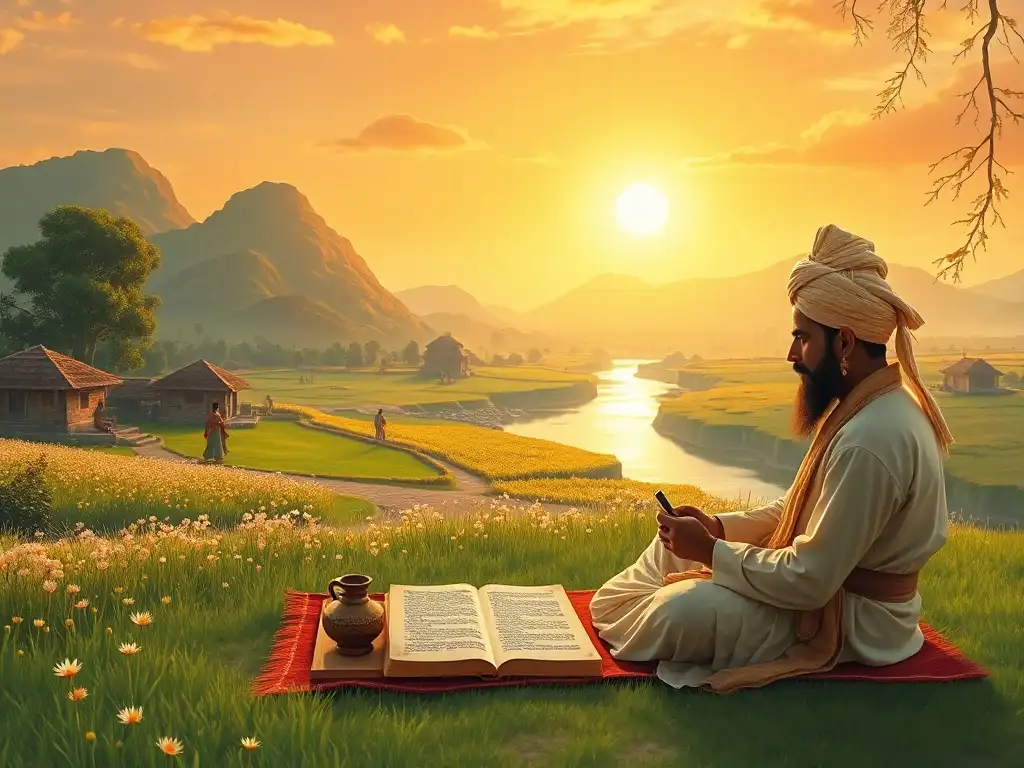
Prakrit poetry in ancient India is distinguished by its unique linguistic attributes, rich themes, and profound use of literary devices. Understanding these features not only sheds light on the poetry itself but also provides insight into the culture and society of the times. Below, we delve into the linguistic characteristics, themes, and the intricate use of metaphor and symbolism that define this poetic tradition.
Linguistic Characteristics of Prakrit Poetry
Prakrit, a group of Middle Indo-Aryan languages, served as a literary medium during various historical periods, particularly between the 3rd century BCE and the 10th century CE. Its poetry is marked by several distinctive linguistic features:
- Phonetic Simplicity: Prakrit languages exhibit a simpler phonetic structure compared to Sanskrit. This accessibility made poetry more relatable to the common populace. For example, the use of straightforward sounds and a reduction in complex consonant clusters contribute to a lyrical quality.
- Vernacular Influence: Prakrit poetry often reflects the vernacular speech of different regions, making it diverse. Various dialects of Prakrit—such as Ardhamagadhi and Maharashtri—can be seen in poetic works, influencing local expressions and themes. For instance, Sanskrit might convey a formal tone, while Maharashtri might embody a more colloquial essence.
- Emotionally Charged Vocabulary: The lexicon of Prakrit poetry is rich with emotionally resonant terms. Poets skillfully employed words that evoked strong feelings, enhancing the emotional depth of their verses. This emotional vocabulary played a crucial role in connecting with the audience.
- Rhyme and Meter: Many Prakrit poets adhered to specific metrical patterns, such as chhanda (metrical composition), which are essential for musicality. This rhythmic quality not only makes the poetry captivating but also aids in oral transmission.
Themes and Motifs in Ancient Prakrit Poetry
Prakrit poetry encompasses a wide array of themes and motifs that reflect the social, philosophical, and emotional landscapes of ancient India. Some of the most prominent themes include:
- Love and Romance: Romantic love is a central theme, often explored through the lens of Shringara (aesthetic pleasure). Poets like Khalanka and Kumaradasa vividly depict the joys and sorrows of love, using nature as a backdrop to express human emotions.
- Nature and Landscape: The natural world is frequently portrayed, with imagery of flora and fauna serving as metaphors for emotional experiences. The changing seasons—particularly the monsoon—are celebrated for their beauty and significance in love stories.
- Philosophical Reflections: Many Prakrit poems delve into philosophical inquiries, discussing themes such as existence, impermanence, and the nature of reality. This introspective quality highlights the influence of Jain and Buddhist thought on Prakrit literature.
- Social Commentary: Poets often employed satire and humor to critique social norms and injustices. This aspect provided a platform for discussing ethics, morality, and societal values.
The Use of Metaphor and Symbolism in Prakrit Works
Metaphor and symbolism play a pivotal role in enhancing the expressive quality of Prakrit poetry. These literary devices serve to convey complex ideas and emotions succinctly and powerfully.
- Nature as a Symbol: Nature is often used symbolically to represent emotional states and human experiences. For example, the blooming of flowers can symbolize love's blossoming, while the setting sun might represent the end of a relationship or life.
- Mythological References: Many Prakrit poets drew from local mythology and folklore, embedding symbols that resonated with their audience. This blending of myth and poetry enriched the text's layers of meaning, allowing readers to connect personally with the narratives.
- Personification: The personification of abstract concepts—such as love, time, and death—adds depth to the poetry. By giving human characteristics to these concepts, poets create relatable imagery that evokes empathy and reflection.
- Irony and Duality: Prakrit poetry often embraces irony, presenting contrasting ideas within a single poem. This duality invites readers to explore multiple interpretations, enriching their understanding of the text.
The exploration of Prakrit poetry reveals a vibrant tapestry of language, emotion, and cultural expression. These key features—linguistic characteristics, thematic richness, and the deft use of metaphor and symbolism—underscore the significance of Prakrit poetry in ancient India and its enduring legacy in the literary world.
Prominent Works and Poets of Prakrit Poetry
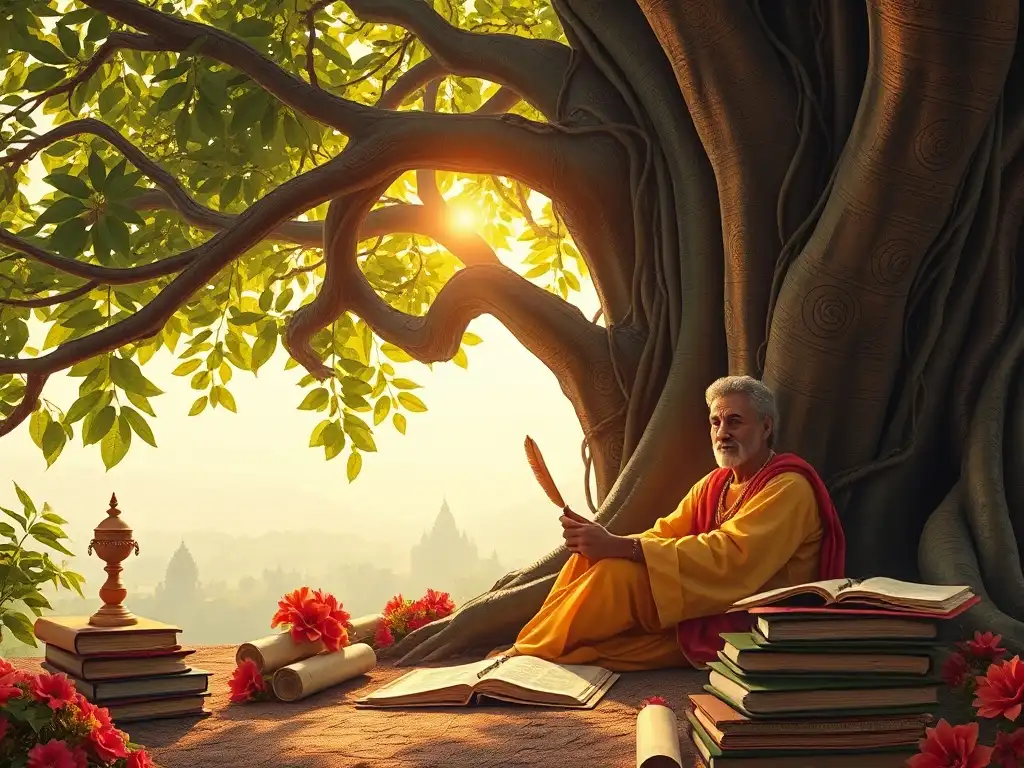
Notable Prakrit Poets: Contributions and Styles
Prakrit poetry flourished in ancient India, with several poets making significant contributions that reflect the cultural and social dynamics of their time. Among these, Kalidasa and Bhasa stand out for their remarkable works that intricately weave themes of love, nature, and philosophical reflections.
- Kalidasa: Often regarded as one of the greatest poets in Sanskrit literature, his use of Prakrit in plays like "Malavikagnimitram" showcases a blend of emotional depth and lyrical beauty. His skillful incorporation of Prakrit dialogues adds authenticity to the characters and enhances the drama's overall impact.
- Bhasa: A contemporary of Kalidasa, Bhasa's plays often employed Prakrit to convey the complexities of human emotions. Works like "Svapnavasavadatta" illustrate his mastery in creating vivid imagery and relatable characters, allowing audiences to connect deeply with the narratives.
- Dandin: A renowned poet and author of "Dasakumaracharita," Dandin utilized Prakrit to explore themes of adventure and romance. His narrative style and character development have influenced many subsequent writers in both Prakrit and Sanskrit.
The styles of these poets varied, ranging from the romantic and pastoral themes of Kalidasa to the adventurous and humorous tones of Bhasa. The use of Prakrit allowed them to reach a broader audience, as it was more accessible to the common people compared to the more formal Sanskrit.
Overview of Landmark Prakrit Texts and Their Impact
Several landmark texts in Prakrit poetry have had a lasting impact on the literary landscape of ancient India. These texts not only contributed to the development of regional languages but also influenced subsequent literary traditions.
- "Gatha Saptasati": This anthology, attributed to the Mourya period, is a collection of 700 verses that encapsulate the essence of love and longing. It serves as a crucial reference for understanding the emotional landscape of ancient Indian society.
- "Shakuntala": Though primarily recognized as a Sanskrit masterpiece, the Prakrit verses within this play exemplify the interaction between languages and highlight the versatility of Prakrit in expressing nuanced sentiments.
- "Kumarasambhava": In this epic poem, Kalidasa employs Prakrit to depict the love story of Shiva and Parvati, showcasing how the language can elevate narrative depth and emotional resonance.
Analyzing Specific Poems: Structure and Meaning
To appreciate the essence of Prakrit poetry, it is essential to analyze specific poems, focusing on their structure and meaning.
Example: "Gatha Saptasati"
- Structure: The poems in "Gatha Saptasati" are typically written in metrical forms that utilize a mix of syllabic patterns. This rhythmic quality enhances the musicality of the verses.
- Themes: The central theme revolves around love, yearning, and the transience of life. Many verses depict the emotional struggles of lovers, often using nature as a backdrop to reflect their inner turmoil.
- Meaning: Each poem serves as a glimpse into the socio-cultural norms of the time, providing insights into the values, desires, and challenges faced by individuals in the context of love and relationships.
Example: Verses from "Malavikagnimitram"
- Structure: The dialogue between characters employs a playful and conversational tone, often switching between Prakrit and Sanskrit, reflecting the social hierarchy and intimacy of relationships.
- Themes: The interplay of humor and romance in these verses showcases the complexities of love, often highlighting the barriers and misunderstandings that arise in romantic pursuits.
- Meaning: The nuanced use of language in these dialogues illustrates the cultural intricacies of ancient Indian society, emphasizing the significance of communication in relationships.
Through these analyses, it becomes evident that Prakrit poetry serves as a rich repository of cultural heritage, capturing the emotional and intellectual essence of ancient India. The exploration of its prominent poets, landmark texts, and specific poems reveals a profound interplay of language, emotion, and societal values that continues to resonate with audiences today.
The Cultural Impact of Prakrit Poetry
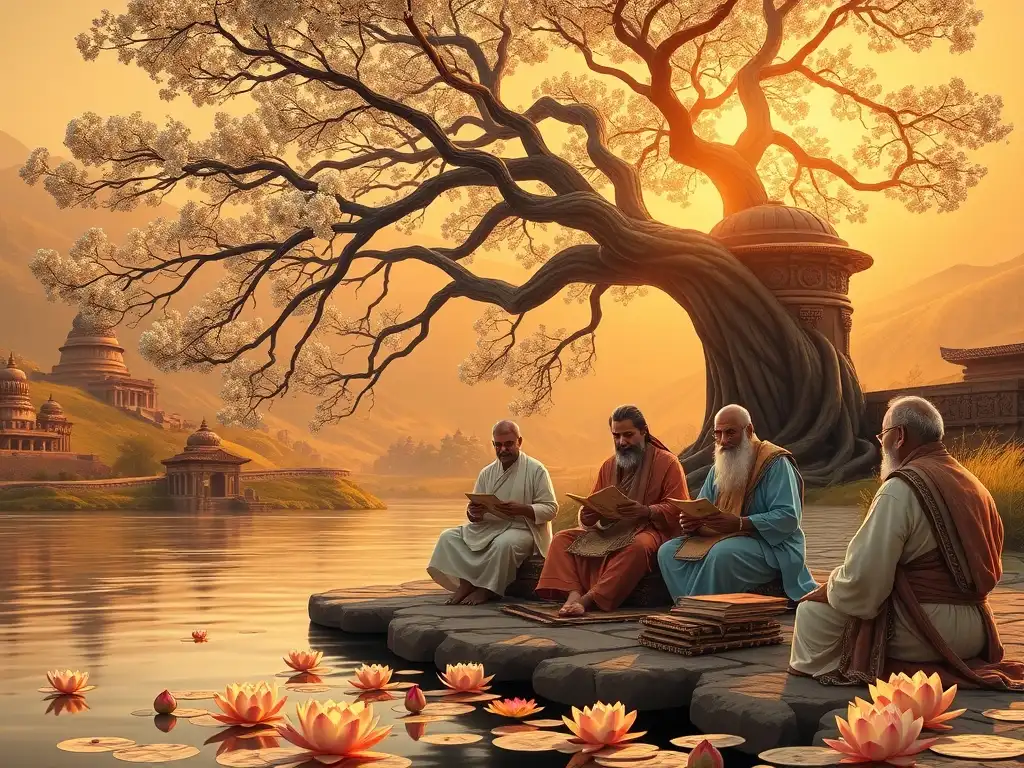
Prakrit Poetry's Influence on Later Indian Literature
Prakrit poetry, emerging from the rich linguistic traditions of ancient India, has had a profound impact on subsequent literary developments. The significance of Prakrit lies not only in its linguistic value but also in its ability to bridge cultural and regional diversities across India. Its themes, styles, and forms have inspired numerous authors and poets throughout the centuries.
One of the most notable influences of Prakrit poetry can be observed in Sanskrit literature. Many poets, such as Kalidasa and Bhasa, drew inspiration from Prakrit styles, integrating its lyrical beauty into their works. The use of giti (songs) and prabandha (narrative) forms in Prakrit poetry set a precedent for similar structures in Sanskrit literature, creating a rich tapestry of interconnected narratives and themes.
Moreover, Prakrit poetry's exploration of bhakti (devotion) and shringar (romance) resonated deeply with later poets. For instance, the romantic verse of the Gita Govinda by Jayadeva showcases a blend of Prakrit's emotive expressions with Sanskrit’s sophisticated structure, enriching the devotional literature of medieval India.
The regional dialects that evolved from Prakrit also played a crucial role in shaping vernacular literature across India. Languages such as Hindi, Bengali, and Marathi have roots in Prakrit, with many poets in these languages drawing upon the themes and forms established in ancient Prakrit poetry. This has resulted in a vibrant literary culture that celebrates the emotional depth and cultural nuances originating from Prakrit.
The Relationship Between Prakrit Poetry and Other Literary Forms
Prakrit poetry is characterized by its unique forms and styles, which have established a significant relationship with various literary forms across cultures and time periods. Understanding this relationship provides insight into the broader context of ancient Indian literary traditions.
- Drama and Performance: Prakrit poetry significantly influenced the development of ancient Indian drama. The plays of the Natya Shastra, attributed to Bharata Muni, often incorporated Prakrit verses alongside Sanskrit, enhancing the emotional and dramatic expression of characters. Notably, the Mrichchhakatika by Shudraka utilizes Prakrit dialogue to convey the everyday life and sentiments of its characters, thus bridging the gap between high art and common experience.
- Narrative Poetry: Prakrit also contributed to the narrative poetry tradition, particularly in the form of katha (stories). The Jataka Tales, which recount the previous lives of the Buddha, included numerous verses in Prakrit, reflecting its storytelling techniques. The simple yet profound narratives showcased in these tales exemplify how Prakrit poetry served as a vehicle for moral and philosophical teachings.
- Spiritual and Mystical Literature: The poetic expressions found in Prakrit were instrumental in the development of spiritual literature, particularly in the context of Jain and Buddhist texts. The Acharanga Sutra and Sutrakritanga, for example, utilized Prakrit to convey deep philosophical insights, illustrating the language's capacity to express complex spiritual concepts in an accessible manner.
- Folklore and Oral Traditions: The oral tradition of Prakrit poetry has had lasting effects on regional folklore, which continues to thrive today. Folk songs and stories, often derived from ancient Prakrit verses, reflect the everyday lives and struggles of people, preserving the cultural heritage of various communities.
The relationship between Prakrit poetry and other literary forms highlights its versatility and enduring legacy in shaping the literary landscape of ancient India. The influence of Prakrit extends beyond its immediate realm, enriching various genres and contributing to the cultural fabric of the subcontinent.
Conclusion: The Legacy of Prakrit Poetry in Ancient India
The legacy of Prakrit poetry in ancient India is both profound and enduring, encapsulating the essence of cultural expression, social commentary, and historical significance. Emerging during the early centuries of the Common Era, Prakrit poetry flourished alongside the rise of regional languages and dialects. It served as a vital medium through which poets communicated themes of love, nature, spirituality, and societal issues, deeply resonating with the everyday lives of people.
Prakrit, often viewed as a bridge between the more formal Sanskrit and the vernacular languages, played a crucial role in democratizing literary expression. The works of poets like Ashvaghosha, who wrote in hybrid forms of Prakrit, reveal a rich tapestry of emotions and experiences that reflect the diverse societal dynamics of ancient India. Notably, the Gaha Sattasai, attributed to the poet Hala, stands as a significant anthology of Prakrit poetry, showcasing the lyrical beauty and poignant themes that continue to captivate scholars and enthusiasts alike.
The impact of Prakrit poetry extends beyond its historical context, influencing subsequent literary traditions and regional languages. Many themes and stylistic elements found in Prakrit works laid the groundwork for future poets, contributing to a literary heritage that is now integral to understanding the evolution of Indian literature.
The Continued Relevance of Prakrit Poetry Today
In contemporary times, Prakrit poetry retains its relevance, serving as a source of inspiration and study for various disciplines, including literature, linguistics, and cultural studies. Modern scholars and poets alike are drawn to the lyrical qualities and thematic richness of Prakrit verses, recognizing their ability to convey complex emotions and cultural narratives.
Educational institutions and literary circles are increasingly embracing Prakrit poetry, conducting workshops and seminars to explore its nuances. The revival of interest in ancient texts has led to translations and adaptations that make these works accessible to a broader audience. Furthermore, contemporary poets often find inspiration in Prakrit forms, experimenting with language and structure to create new artistic expressions that echo the past while resonating with present-day experiences.
The enduring legacy of Prakrit poetry can also be observed in its influence on popular culture, where elements of ancient poetic forms can be found in modern songs, plays, and storytelling. This interplay between the ancient and the contemporary enriches the cultural landscape, fostering a deeper appreciation for the artistic achievements of ancient Indian civilizations.
Encouraging the Exploration of Prakrit in Modern Contexts
As we seek to understand the complexities of ancient Indian culture, exploring Prakrit poetry offers a unique lens through which to appreciate the literary and cultural achievements of the past. Encouraging the study of Prakrit in modern contexts can be achieved through several initiatives:
- Educational Programs: Universities and cultural institutions can develop specialized courses focused on Prakrit languages and literature, fostering a new generation of scholars and enthusiasts.
- Translation Projects: Investing in translation efforts can make Prakrit poetry accessible to wider audiences, allowing more people to engage with its beauty and depth.
- Cultural Events: Organizing poetry recitals, exhibitions, and discussions around Prakrit works can create vibrant platforms for sharing knowledge and stimulating interest.
- Digital Archives: The establishment of online repositories dedicated to preserving and promoting Prakrit poetry can serve as valuable resources for researchers and the general public.
By actively promoting the exploration of Prakrit poetry in contemporary contexts, we not only honor the legacy of ancient Indian civilizations but also enrich our understanding of language, culture, and the timeless nature of human expression. Through these efforts, the poetic beauty of Prakrit can continue to inspire and resonate with future generations.
Frequently Asked Questions
What is Prakrit poetry?
Prakrit poetry refers to the body of literary works composed in various Prakrit languages during ancient India, showcasing the cultural richness and linguistic diversity of the time.
How did Prakrit poetry contribute to ancient Indian literature?
Prakrit poetry played a vital role in the development of Indian literature, influencing later works in Sanskrit and serving as a medium for expressing emotions, themes, and the everyday lives of common people.
What are the characteristics of Prakrit poetry?
Prakrit poetry is known for its lyrical quality, use of metaphors, simple language, and often reflects themes of love, nature, and social issues, making it accessible to a broader audience.
Who were some notable Prakrit poets?
Notable Prakrit poets include Kalidasa and Bhasa, who utilized Prakrit in their plays and poems, contributing significantly to the literary heritage of ancient India.
Why is Prakrit poetry important for understanding ancient Indian culture?
Studying Prakrit poetry provides insights into the social norms, values, and aesthetic sensibilities of ancient Indian civilizations, highlighting their cultural contributions and the evolution of literary forms.
Final Reflection: Embracing the Timeless Allure of Prakrit Poetry
The exploration of Prakrit poetry in ancient India reveals a profound connection between language and emotion that resonates even today. In a world increasingly dominated by rapid communication and fleeting trends, the enduring beauty of Prakrit poetry reminds us of the power of words to evoke deep feelings and foster understanding across cultures and generations. This ancient art form not only enriches our literary heritage but also serves as a bridge to our shared human experience.
Cultural landscapes are continuously shaped by the echoes of the past, and Prakrit poetry stands as a testament to the creativity and insight of ancient thinkers. The themes of love, nature, and existential reflection found in these verses continue to inspire contemporary artists and writers, urging us to look beyond the surface of our modern lives.
> “Poetry is the language of the soul, transcending time and space.” This quote encapsulates the essence of Prakrit poetry, as it invites us to delve into the depths of our own emotions and experiences, fostering a sense of connection with those who came before us.
As you reflect on the beauty of Prakrit poetry, consider how its themes can resonate in your own life. Take a moment to explore your feelings through writing, whether it be poetry, journaling, or simply contemplating the world around you. Allow the wisdom of ancient voices to guide you in expressing your own truths, and remember that the poetic beauty of language is not confined to the past; it is alive within each of us, waiting to be discovered and shared.
Unveil the Magic of Prakrit Poetry Today!
Thank you for diving into the enchanting world of Prakrit poetry with us! We hope you found inspiration in the beauty of ancient verses and the rich history behind them. Now, let's turn that inspiration into action!
Here are a few ways you can further explore and engage with the poetic legacy of Prakrit:
- Delve Deeper: Explore translations of Prakrit poetry from renowned poets to experience a variety of interpretations and styles.
- Share your favorite Prakrit poem or your thoughts on its themes with friends or on social media to foster a wider appreciation for this poetic form.
- Join a poetry group or online forum where you can discuss and analyze Prakrit poems, enhancing your understanding through community engagement.
What aspect of Prakrit poetry resonates with you the most, and how do you envision sharing its beauty with others?