
The Artistic Techniques of Ancient Indian Stone Masonry: A Craft Revived

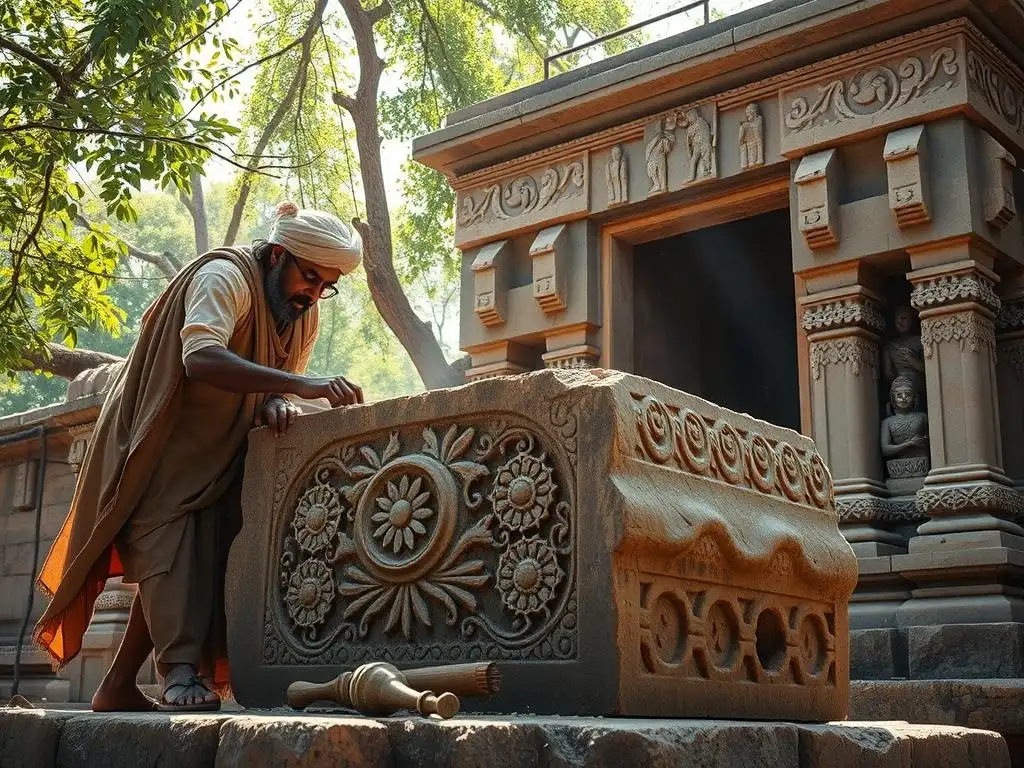
Welcome to Ancient India History, where we embark on a captivating journey through the rich tapestry of India's past. Here, we delve into the artistic techniques of ancient Indian stone masonry, a remarkable craft that not only showcases the ingenuity of our ancestors but also reflects the exquisite beauty of their culture. As we explore the intricate methods and architectural marvels that have stood the test of time, prepare to uncover the secrets of a civilization that shaped the world. Join us as we revive these skills and celebrate the legacy of ancient artisans—your adventure through history starts now!
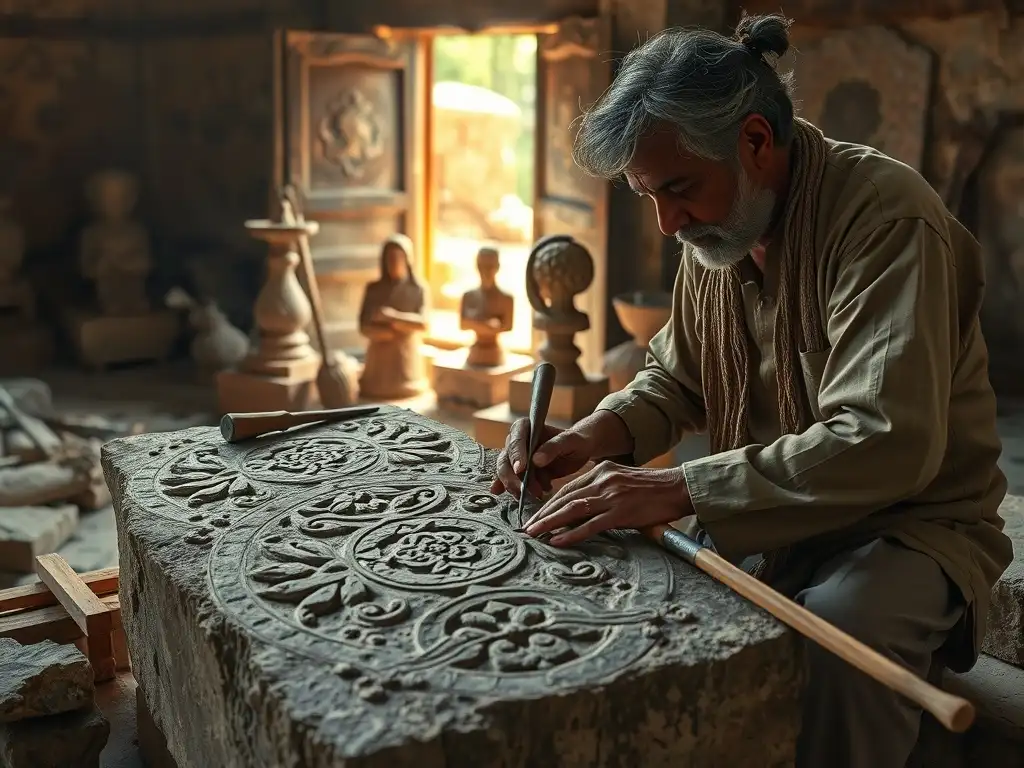
Introduction to Ancient Indian Stone Masonry Techniques
Ancient Indian stone masonry is a fascinating subject that encapsulates the rich heritage and artistic ingenuity of India's past civilizations. From the intricate carvings of the Indus Valley Civilization to the monumental structures of the Gupta Empire, stone masonry techniques have played a pivotal role in the architectural landscape of ancient India. This article delves into the various ancient Indian stone masonry techniques, exploring their evolution, significance, and the cultural contexts that shaped them. By understanding these techniques, we not only appreciate the craftsmanship of ancient artisans but also recognize their enduring legacy in contemporary practices.
Overview of Stone Masonry in Ancient India
Stone masonry in ancient India was characterized by a variety of techniques and styles that varied from region to region. The primary materials used included:
- Granite: Known for its durability and strength, granite was often used in temples and fortifications.
- Limestone: This softer stone allowed for intricate carvings and was commonly used in decorative elements.
- Sandstone: Favored for its workability, sandstone was used extensively in many historical monuments.
The methods employed in stone masonry ranged from simple stacking of stones to advanced techniques involving precise carving and fitting. Each method not only served functional purposes but also reflected the aesthetic sensibilities of the time.
Importance of Stone Masonry in Ancient Indian Culture
Stone masonry was not merely a construction technique; it was an expression of cultural identity and spiritual beliefs. The elaborate carvings and sculptures often depicted:
- Religious motifs: Many structures were adorned with images of deities, celestial beings, and mythological scenes.
- Social narratives: Stone carvings depicted daily life, societal roles, and historical events, serving as a visual storytelling medium.
- Cultural symbolism: The choice of stone and the intricacies of the designs often held deeper meanings, representing the philosophical and spiritual ethos of the civilization.
Thus, stone masonry was integral to the architectural and cultural fabric of ancient India, leaving a lasting impact that can still be seen in modern artistic practices.
Historical Context of Ancient Indian Stone Masonry
To fully appreciate ancient Indian stone masonry techniques, it is essential to explore the historical context that influenced their development.
The Evolution of Stone Masonry Techniques in India
The evolution of stone masonry in India can be traced through several key phases:
- Indus Valley Civilization (c. 3300–1300 BCE): The earliest evidence of advanced masonry techniques, including the use of fired bricks and precise alignment.
- Mauryan Period (c. 322–185 BCE): Introduction of large-scale stone structures, exemplified by the Ashoka Pillars and stupas.
- Gupta Empire (c. 320–550 CE): A peak in artistic expression, with intricate carvings and temple constructions demonstrating advanced techniques.
Through these periods, techniques evolved from basic stone stacking to complex carvings and structural innovations, influenced by both local traditions and interactions with other cultures.
Major Periods Influencing Stone Masonry Artistry
Several historical periods significantly impacted the artistry of stone masonry in ancient India:
- The Mauryan Era: Known for its monumental architecture, this period emphasized the use of polished stone and sophisticated carving techniques.
- The Post-Mauryan Period: Marked by regional styles, this era saw the emergence of various local techniques influenced by regional materials and cultural practices.
- The Gupta Period: Often referred to as the "Golden Age," this period is celebrated for its artistic excellence, where stone masonry reached new heights in both scale and sophistication.
Understanding these periods provides insight into how ancient Indian stone masonry techniques were not static but rather dynamic, evolving with the changing cultural, political, and technological landscapes.
Key Techniques of Ancient Indian Stone Masonry
Ancient Indian stone masonry is characterized by a variety of techniques that reflect the cultural and technological advancements of its time. The primary methods include:
- Dry Stone Construction: This ancient technique involves stacking stones without the use of mortar, relying on precise placement and gravity to hold the structure together. This method was particularly prevalent in forts and temples, allowing for durability and resilience against natural elements.
- Mortared Stonework: In this technique, stones are bonded using mortar, typically made from a mixture of lime and sand. This method enabled masons to create more intricate designs and larger structures, such as the grand temples of Khajuraho and the forts of Rajasthan.
- Carving and Relief Work: A hallmark of ancient Indian stone craftsmanship involved detailed carvings and reliefs. Craftsmen would skillfully chisel intricate patterns, deities, and narratives into the stone, enhancing the aesthetic appeal of buildings and sculptures, as seen in the temples of Hampi and the Ajanta caves.
- Inlay Techniques: Known as "Pietra Dura," this technique involved embedding colorful stones into a base stone to create elaborate designs. This method was highly regarded in Mughal architecture, as seen in the Taj Mahal, where semi-precious stones were intricately inlaid to form floral patterns.
Tools and Materials Used in Ancient Stone Masonry
The tools and materials employed in ancient Indian stone masonry were vital to the craft's development and execution. Key tools included:
- Chisels: Made from iron or bronze, chisels were used for carving and shaping stone. Different shapes and sizes allowed masons to create both fine details and broader surfaces.
- Hammers: Various types of hammers, including peen and stone hammers, were used to strike chisels and shape stones efficiently.
- Wedges: Wooden or metal wedges were often employed to split large stones into manageable sizes, allowing masons to work with the material more easily.
- Saws: Early stone saws, often made of iron, were used to cut large blocks of stone into precise dimensions, an essential step in constructing temples and monuments.
Techniques for Carving and Shaping Stone
Carving and shaping stone involved a blend of artistry and technical skill. The primary techniques included:
- Direct Carving: This method involves sculpting the stone directly from the block, allowing artisans to create three-dimensional figures and intricate designs. The process requires patience and precision, as mistakes can be costly.
- Pointing Machine Method: Although not universally used, this technique allowed artisans to transfer measurements from a model to the stone block, ensuring accuracy in proportions and details.
- Fluting and Casing: Fluting involved creating shallow grooves along the surface of columns, while casing referred to applying finer stone layers over rough surfaces, enhancing the visual appeal of structures.
Regional Variations in Ancient Indian Stone Masonry Techniques
The diverse geography and cultural influences of India resulted in distinct regional variations in stone masonry techniques.
North Indian Stone Masonry Styles
In North India, techniques were heavily influenced by the availability of local stone, such as sandstone and limestone. Notable features include:
- Chhatris and Jharokhas: These architectural elements are prevalent in Rajasthani forts and palaces, showcasing intricate carvings and elaborate stonework.
- Temple Architecture: North Indian temples, such as those in Khajuraho, exhibit complex sculptures and detailed friezes that reflect the region's artistic ethos.
South Indian Stone Masonry Practices
In South India, stone masonry techniques evolved uniquely, characterized by:
- Granite Construction: South Indian temples often utilized granite, known for its durability. The intricate gopurams (towering gateways) of temples like Meenakshi Amman Temple are prime examples.
- Vimana and Mandapas: The vimana, or temple tower, and mandapas (pillared halls) showcase elaborate sculptures and relief work, highlighting the region's craftsmanship.
Eastern and Western Indian Techniques
Eastern and Western India also developed distinct stone masonry styles:
- Eastern India: The temples of Odisha, such as the Konark Sun Temple, showcase the Kalinga style, characterized by its curvilinear towers and extensive carvings depicting mythological narratives.
- Western India: The rock-cut architecture of the Western Ghats, particularly the Ajanta and Ellora caves, reflects a blend of Buddhist and Hindu artistic styles, with elaborate carvings and intricate frescoes that tell stories of the past.
The Revival of Ancient Indian Stone Masonry Techniques
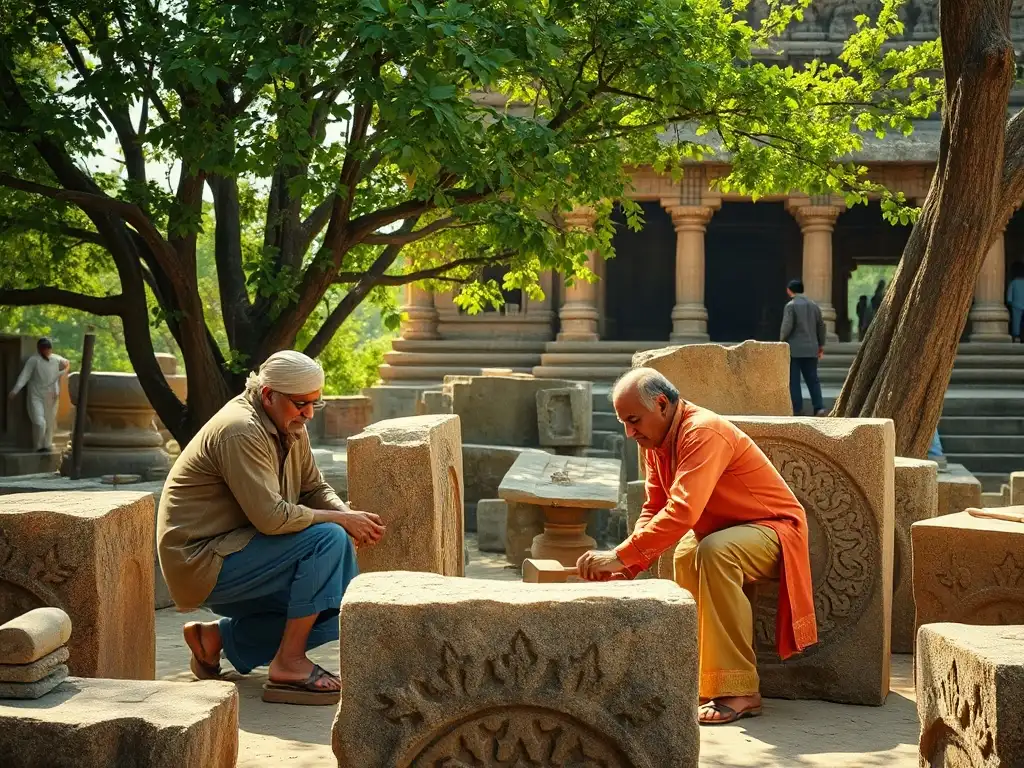
The revival of ancient Indian stone masonry techniques is a significant movement that seeks to reconnect contemporary craftsmen with the rich heritage of Indian architectural practices. This revival is not merely about preserving old methods; it encompasses a broader understanding of the cultural significance and technological innovations that ancient masons developed over centuries. By studying and practicing these techniques, artisans are not only ensuring the survival of traditional crafts but also enhancing the aesthetic and cultural richness of modern architecture.
The revival effort has gained momentum through various initiatives, including workshops, seminars, and exhibitions that celebrate the artistry and skill involved in ancient stone masonry. These platforms encourage artisans to share their knowledge and techniques, fostering a sense of community among craftsmen and enthusiasts alike. As interest in sustainable and locally sourced materials grows, the ancient methods of stone masonry are increasingly valued for their ecological benefits and durability.
Modern Interest in Traditional Crafts
In recent years, there has been a burgeoning interest in traditional crafts, including ancient Indian stone masonry. This interest can be attributed to a global shift towards sustainability and a desire for authenticity in art and architecture. Modern consumers are increasingly drawn to handcrafted items that reflect cultural heritage and promote environmental stewardship. This trend has led to a resurgence in the appreciation for ancient techniques that prioritize skill and craftsmanship over mass production.
Numerous organizations and non-profits are actively involved in promoting traditional crafts, offering support and resources for artisans. These organizations often collaborate with local governments and communities to create programs that teach and promote ancient stone masonry techniques. Additionally, social media platforms have played a vital role in showcasing the beauty and intricacy of these crafts, attracting a new generation of craftsmen and enthusiasts eager to learn and preserve these skills.
Training and Education in Ancient Techniques
Training and education play a crucial role in the revival of ancient Indian stone masonry techniques. Institutions and workshops are increasingly offering specialized courses that focus on traditional methods, materials, and tools used by ancient masons. These programs aim to equip students with the necessary skills to master stone masonry while also providing historical context to the techniques they are learning.
Mentorship programs that pair experienced artisans with novices have proven effective in transmitting knowledge and preserving intricate skills. This hands-on approach allows learners to engage directly with the materials and practices of ancient stone masonry, fostering a deeper understanding and appreciation of the craft. Additionally, online platforms have emerged, providing resources and tutorials that make ancient techniques accessible to a global audience, further expanding the reach and impact of this revival.
Contemporary Applications of Ancient Stone Masonry
The contemporary applications of ancient stone masonry techniques are diverse and innovative. Modern architects and designers are increasingly incorporating these traditional methods into new constructions and restorations, blending ancient aesthetics with contemporary functionality. This fusion not only preserves the historical essence of structures but also promotes sustainability by utilizing local materials and craftsmanship.
One notable application is the use of ancient stone masonry in eco-friendly building projects. By employing traditional techniques, architects can create structures that are energy-efficient and harmonize with the surrounding environment. Furthermore, the revival of these techniques in public spaces, such as parks and community centers, serves to educate the public about the value of traditional craftsmanship and its relevance in today’s society.
Conclusion
The revival of ancient Indian stone masonry techniques signifies a vital connection between the past and the present. As artisans and communities come together to rediscover and practice these skills, they not only breathe new life into traditional crafts but also enhance the cultural fabric of contemporary society. This movement underscores the importance of preserving heritage while adapting to modern needs and preferences.
The Significance of Reviving Ancient Indian Stone Masonry Techniques
Reviving ancient Indian stone masonry techniques holds profound significance for cultural preservation, sustainability, and artistic expression. By reconnecting with these traditional methods, we honor the craftsmanship of our ancestors and acknowledge their contributions to architectural history. This revival also fosters a sense of identity and pride among communities, as local artisans become custodians of their cultural heritage.
Moreover, the emphasis on sustainable practices within ancient stone masonry aligns with contemporary environmental concerns. As society increasingly values eco-friendly construction methods, the techniques of ancient masons offer valuable insights into sustainable building practices that prioritize longevity and environmental harmony.
Future Prospects for Craftsmanship in Ancient Indian Stone Masonry
The future prospects for craftsmanship in ancient Indian stone masonry are promising, as interest continues to grow both locally and globally. As more individuals recognize the value of traditional crafts, opportunities for artisans to showcase their skills and contribute to architectural projects are expanding. This trend is likely to foster new collaborations between architects, designers, and craftsmen, leading to innovative applications of ancient techniques in modern contexts.
Additionally, as educational programs proliferate, the next generation of artisans will be better equipped to preserve and innovate upon ancient stone masonry techniques. With ongoing support from communities and organizations dedicated to craftsmanship, the revival of these techniques is set to continue flourishing, ensuring that the artistry and skill of ancient Indian stone masonry remain alive for future generations.
References
In exploring the artistic techniques of ancient Indian stone masonry, it is essential to draw from a diverse range of sources that offer insight into the historical context, methodologies, and cultural significance of this craft. The following references provide a comprehensive overview of ancient Indian stone masonry techniques, highlighting both scholarly works and accessible literature that can enrich understanding and appreciation of this art form.
Suggested Reading on Ancient Indian Stone Masonry Techniques
-
"The Art and Architecture of Ancient India" by Benjamin Rowland
This book offers a detailed examination of the artistic expressions and architectural techniques prevalent in ancient India, including stone masonry practices. Rowland provides insights into the cultural significance of various structures and their construction methods.
-
"Indian Stone Carving: Techniques and Traditions" by R. V. S. Rao
Rao's work delves into the specific techniques employed in stone carving, detailing the tools and methods used by artisans throughout history. This resource is invaluable for understanding the craftsmanship behind ancient monuments.
-
"The Temple Architecture of India" by Michael W. Meister
Meister's book focuses on the architectural styles of Indian temples, emphasizing the stone masonry techniques that define these structures. The text includes case studies of prominent temples and their construction methodologies.
-
"Masonry in Ancient India" by A. K. Sharma
This publication provides a focused analysis of masonry techniques used in ancient Indian architecture, discussing the materials, styles, and regional variations that characterize this craft.
-
"Craft of Stone Masonry: Techniques and Traditions" by Sudhir Kumar
Kumar discusses the evolution of stone masonry practices in India, highlighting traditional techniques and the impact of modern influences on the craft.
Sources for Further Research on Indian Visual Arts and Sculpture
-
"Ancient Indian Sculpture" by J. C. Wright
Wright provides an in-depth exploration of the different styles and periods of Indian sculpture, detailing the interplay between sculpture and architecture, particularly in stone masonry.
-
"The Iconography of Indian Art" by R. R. K. Rao
This book examines the symbolic meanings behind various sculptural forms in ancient India, offering insights into the cultural context that shaped artistic choices.
-
"Visual Arts in Ancient India" by J. S. A. Choudhury
Choudhury's research focuses on the broader spectrum of visual arts in ancient India, encompassing stone masonry, painting, and metalwork, and how these forms interlinked.
-
"The Craft of Sculpture in India" by N. J. P. Sharma
This resource discusses the techniques and materials used by ancient Indian sculptors, with a particular focus on stoneworks and the artistic techniques that defined the craft.
-
Academic Journals and Articles
- Look for articles in journals such as "The Journal of Indian Art and Iconography" for recent studies and findings related to ancient Indian stone masonry and visual arts.
- Papers presented at conferences on South Asian archaeology may also provide valuable contemporary insights into ancient practices.
By consulting these references, readers can gain a deeper understanding of the rich traditions and techniques that characterize ancient Indian stone masonry, as well as its significant place within the larger context of Indian visual arts.
- Introduction to Ancient Indian Stone Masonry Techniques
- Historical Context of Ancient Indian Stone Masonry
- Key Techniques of Ancient Indian Stone Masonry
- Regional Variations in Ancient Indian Stone Masonry Techniques
- The Revival of Ancient Indian Stone Masonry Techniques
- Conclusion
- References
Frequently Asked Questions
What are ancient Indian stone masonry techniques?
Ancient Indian stone masonry techniques refer to the methods and skills used by artisans to craft structures and sculptures from stone, showcasing their artistry and engineering prowess.
How did the Indus Valley Civilization influence stone masonry?
The Indus Valley Civilization laid the groundwork for advanced stone masonry with its well-planned urban layouts and sophisticated drainage systems, demonstrating early mastery of stone construction.
What role did the Gupta Empire play in stone masonry?
During the Gupta Empire, stone masonry reached new heights, characterized by exquisite temples and sculptures that reflected the era’s artistic and architectural advancements.
What materials were commonly used in ancient Indian stone masonry?
Granite, sandstone, and limestone were among the primary materials used in ancient Indian stone masonry, chosen for their durability and availability in various regions.
How are ancient techniques of stone masonry being revived today?
Today, artisans are reviving ancient techniques through workshops and training programs, focusing on traditional methods while incorporating modern practices to preserve this rich cultural heritage.
Final Reflection: Reviving the Legacy of Ancient Indian Stone Masonry Techniques
The artistry and craftsmanship of ancient Indian stone masonry techniques are not just relics of the past; they are vibrant expressions of cultural heritage that resonate with our contemporary world. As we navigate a rapidly changing landscape, the enduring beauty and intricate methods of these ancient artisans remind us of the profound connection between art, culture, and identity. The revival of these techniques is not merely an act of preservation but a celebration of creativity that can inspire future generations.
The influence of ancient Indian stone masonry techniques extends far beyond their historical context; they continue to shape our cultural and social landscapes today. The meticulous craftsmanship and innovative designs of these ancient structures serve as a testament to human ingenuity and resilience. As we witness a resurgence of interest in traditional crafts, we are reminded of the words of Mahatma Gandhi: The best way to find yourself is to lose yourself in the service of others.
This sentiment echoes the spirit of these artisans, whose work not only beautifies spaces but also fosters community and connection.
As we reflect on the significance of ancient Indian stone masonry techniques, let us embrace the lessons they impart about creativity, sustainability, and cultural pride. I invite you to explore your own creative passions and consider how you can contribute to the revival of traditional arts in your community. By honoring the past and integrating these timeless techniques into our modern lives, we can cultivate a deeper appreciation for our shared heritage and inspire a new generation of artisans to carry this legacy forward.
Unveil the Timeless Beauty of Ancient Indian Stone Masonry!
Thank you for taking the time to explore the fascinating world of ancient Indian stone masonry! You’ve absorbed the rich history and artistic techniques that make this craft so unique and captivating. Now, it’s your turn to draw inspiration from what you've learned and put it into action!
Here are some ways you can dive deeper and keep the spirit of this craft alive:
- Reconnect with tradition: Visit a local art exhibit or cultural festival that showcases ancient craftsmanship to witness these techniques firsthand.
- Share your passion: Engage in discussions on social media about what fascinates you about ancient stone masonry—your insights could inspire others to appreciate this art form!
- Explore further: Read literature or enroll in online courses that delve into historical art techniques, especially those related to ancient Indian stonework.
Are you ready to embrace the legacy of this timeless craft and share its beauty with the world? What aspects of stone masonry inspire you the most, and how will you honor this art form in your own life?