
The Healing Power of Music: Ancient Indian Practices in Sound Therapy


Welcome to Ancient India History, where we invite you to embark on a captivating journey through the fascinating tapestry of ancient Indian civilizations. Today, we delve into the enchanting realm of Ancient Indian sound therapy techniques, revealing how these age-old practices harnessed the healing power of music to nurture the mind, body, and spirit. Curious about how melodies and rhythms shaped wellness in ancient times?
Join us as we uncover the profound connections between art forms and holistic healing, and discover the timeless wisdom that continues to resonate today. Dive deeper into this exploration and let the harmony of history inspire you!
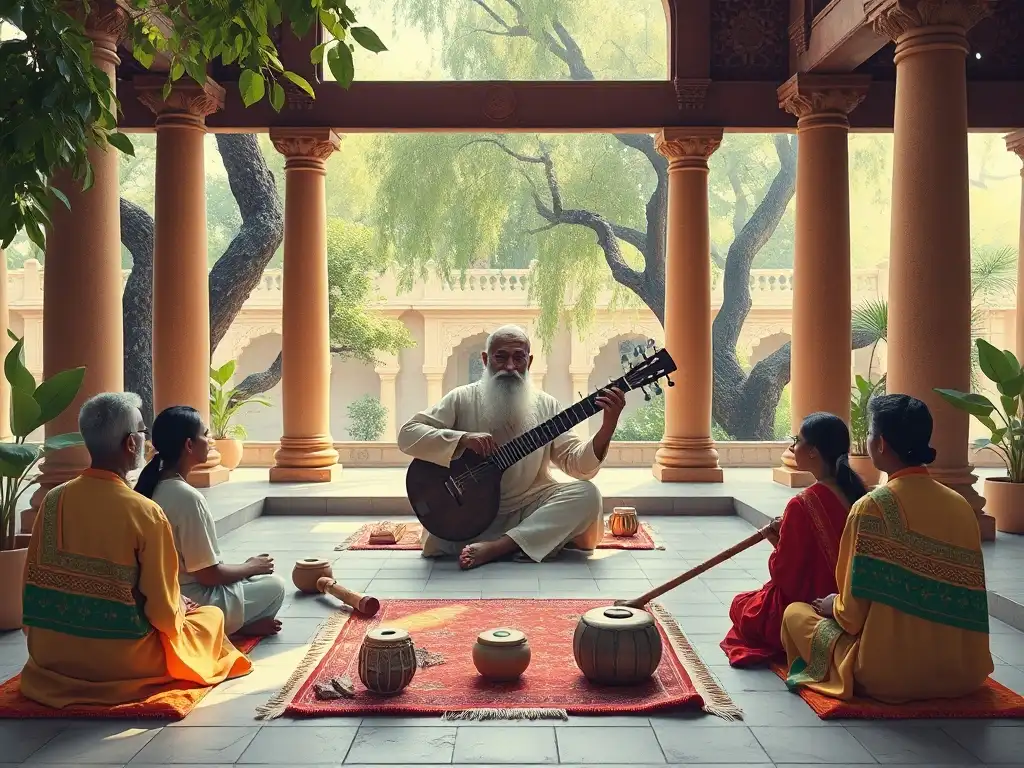
Introduction to Ancient Indian Sound Therapy Techniques
The exploration of ancient Indian sound therapy techniques reveals a profound connection between music, healing, and spirituality within the rich tapestry of India's cultural heritage. Ancient civilizations recognized the therapeutic potential of sound, using it as a tool for emotional, physical, and spiritual well-being. This article delves into the historical roots and practices of sound therapy in Ancient India, highlighting its importance in their daily lives and its lasting influence on contemporary wellness practices.
Understanding Sound Therapy in Ancient India
Sound therapy, in the context of ancient Indian traditions, encompassed various methods that utilized music and sound for healing purposes. These techniques often involved:
- Mantras: Sacred utterances or chants believed to hold spiritual power.
- Ragas: Melodic frameworks designed to evoke specific emotions and states of mind.
- Rhythmic Patterns: Utilizing drums and other percussion instruments to create vibrations that resonate with the body.
The integration of these elements was not only seen as a means of entertainment but also as a vital component of health and wellness.
Importance of Music in Ancient Indian Culture
Music held a revered place in ancient Indian society, transcending mere artistic expression. It was interwoven with various aspects of life, including:
- Religious Practices: Music played a crucial role in rituals and ceremonies, enhancing the spiritual experience.
- Healing Rituals: Physicians and healers often incorporated musical elements into their practices to promote healing.
- Cultural Identity: Different regions developed unique musical styles, reflecting the diversity of Indian culture.
The understanding that music could influence the mind and body laid the groundwork for the development of sound therapy techniques that are still recognized today.
Historical Roots of Sound Therapy in Ancient India
Origins of Ancient Indian Sound Therapy Techniques
The origins of sound therapy in ancient India can be traced back to several key influences, including:
- Vedic Traditions: The Vedas, ancient sacred texts, emphasized the significance of sound and its divine connection.
- Ayurveda: This traditional system of medicine acknowledged sound as a healing modality, integrating it with holistic health practices.
- Spiritual Practices: Various yogic and meditative practices utilized sound vibrations to enhance spiritual growth and self-awareness.
These foundations established a framework for sound therapy that would evolve over the centuries.
Key Texts and Scriptures on Music Healing
Several ancient texts and scriptures provide insight into the practices and philosophies surrounding sound therapy, including:
- Natyashastra: An ancient treatise on performing arts that discusses the therapeutic effects of music and dance.
- Sama Veda: A collection of hymns that underscore the importance of sound in rituals and healing.
- Yoga Sutras of Patanjali: These texts highlight the role of sound in meditation and spiritual practice.
These texts not only document the techniques but also reflect the cultural significance of music in ancient Indian society.
Influence of Ancient Philosophies on Sound Therapy
The philosophical underpinnings of ancient Indian thought significantly influenced sound therapy practices. Key philosophies include:
- Sankhya: A dualistic philosophy that emphasizes the connection between sound, consciousness, and the material world.
- Advaita Vedanta: This non-dualistic philosophy posits that sound can lead to higher states of awareness and enlightenment.
The interplay of these philosophies with sound therapy enriched the practices, making them deeply rooted in the spiritual and philosophical fabric of ancient India.
Core Concepts of Ancient Indian Sound Therapy
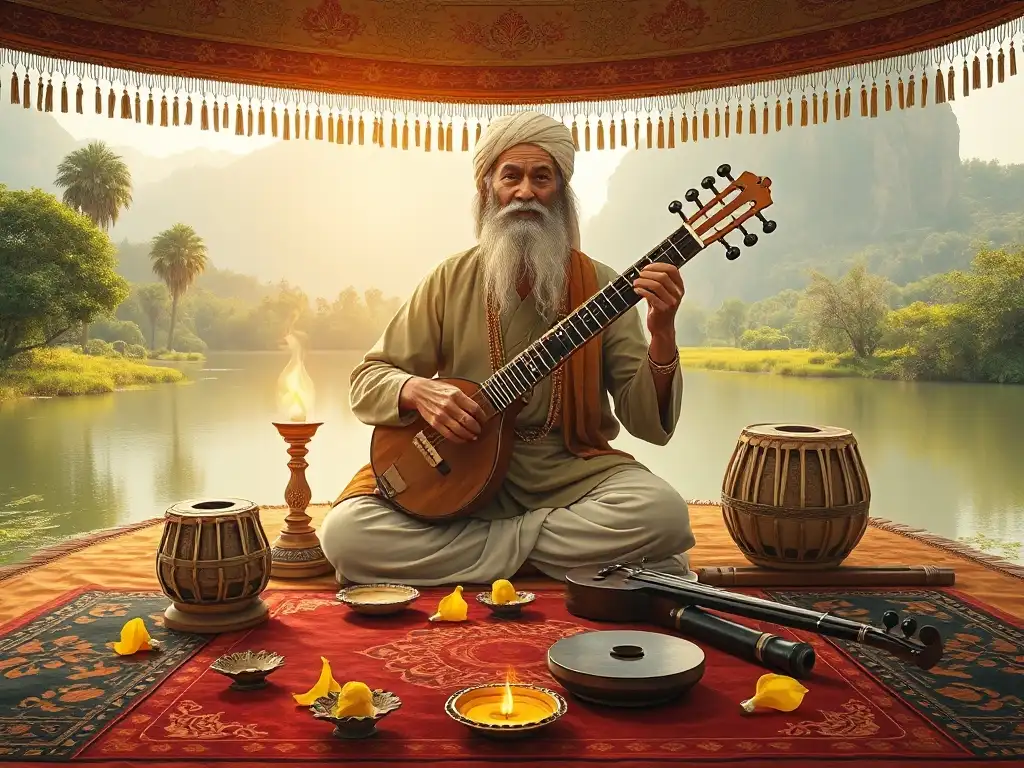
Ancient Indian sound therapy is deeply rooted in the philosophy and practices of traditional Indian medicine, particularly Ayurveda. This holistic approach emphasizes the interconnectedness of body, mind, and spirit, where sound plays a vital role in achieving balance and well-being. The core concepts of this therapy revolve around the idea that sound, as a form of vibration, can influence our physical health, emotional state, and spiritual growth.
At the heart of these practices lies the understanding of how specific sounds and frequencies can resonate with different parts of the body and mind. Ancient texts describe the use of sound as a means to purify the environment, enhance meditation, and promote healing. These concepts are not only philosophical but are also supported by modern scientific research, which recognizes the therapeutic benefits of sound waves.
Moreover, the practice of sound therapy in ancient India was often intertwined with spiritual rituals and cultural traditions. Music, dance, and chanting were integral to religious ceremonies, aimed at invoking divine energy while promoting healing. This holistic approach is what sets ancient Indian sound therapy apart, as it encompasses a variety of techniques, including the use of ragas, mantras, and musical instruments.
The Science of Sound: Vibrations and Frequencies
The scientific foundation of sound therapy lies in the principles of acoustics, where sound is perceived as a wave that travels through different mediums. These vibrations can be categorized into various frequencies, which have distinct effects on the human body and psyche. In ancient Indian practices, it was understood that every sound has a specific frequency that can resonate with the body's energy centers, known as chakras.
Research in modern sound therapy has demonstrated that certain frequencies can promote relaxation, reduce stress, and even alleviate pain. For instance, lower frequencies tend to induce calmness, while higher frequencies can stimulate the mind and encourage creativity. Ancient Indian sound therapy techniques often exploit these principles through the use of specific ragas and the recitation of mantras, which are believed to create a harmonious environment.
The therapeutic applications of sound frequencies extend to various practices, including music therapy and sound baths. These contemporary methods echo ancient techniques, where the focus remains on harnessing the healing power of sound to foster emotional and physical well-being.
Role of Ragas and Their Therapeutic Effects
Ragas, the melodic frameworks in Indian classical music, are fundamental to the practice of sound therapy in ancient India. Each raga is associated with specific emotions and times of day, designed to evoke particular feelings and states of mind. For example, Raga Yaman, typically performed at night, is known for its calming and soothing effects, making it ideal for relaxation and meditation.
The therapeutic effects of ragas are not merely anecdotal; they are supported by scientific studies that explore how different ragas can influence mood and well-being. Research has shown that listening to particular ragas can lower blood pressure, reduce anxiety, and enhance overall emotional health. Ancient practitioners recognized these effects and incorporated ragas into healing rituals, using music not only as an art form but as a powerful therapeutic tool.
Furthermore, the improvisational nature of ragas allows for a unique personal connection, enabling listeners to engage with the music on a deeper emotional level. This aspect is crucial in sound therapy, as personal resonance with the music can enhance its healing properties.
The Significance of Mantras in Healing Practices
Mantras, sacred sounds or phrases, hold a significant place in ancient Indian healing practices. The repetition of mantras is believed to create vibrations that can affect the mind and body positively. Each mantra is infused with spiritual meaning and intention, aiming to align the practitioner's energy with universal vibrations.
In sound therapy, mantras are used both vocally and through instruments. The act of chanting involves rhythmic repetition, which can induce a meditative state, reduce stress, and promote feelings of peace and well-being. The use of specific mantras is often tailored to address particular ailments or emotional challenges, enhancing the therapeutic effects.
Moreover, the power of mantras is amplified when combined with the principles of sound therapy, such as the use of specific frequencies and ragas. This synergy creates a comprehensive healing experience that transcends mere auditory stimulation, engaging practitioners on physical, emotional, and spiritual levels.
Traditional Practices and Techniques in Sound Therapy
Ancient Indian sound therapy comprises various traditional practices and techniques that have been passed down through generations. These methods range from the use of vocal sound to the incorporation of musical instruments, all aimed at fostering healing and well-being.
Overview of Ancient Indian Sound Therapy Techniques
The techniques employed in ancient Indian sound therapy are diverse and multifaceted. They include:
- Raga Therapy: Utilizing specific ragas for their emotional and physiological effects.
- Mantra Chanting: Repeating sacred sounds to create healing vibrations.
- Vocal Toning: The use of one's voice to produce specific frequencies and engage in spontaneous sound creation.
- Sound Baths: Immersive experiences where participants are enveloped in sound produced by various instruments.
These techniques are designed to harmonize the body, mind, and spirit, facilitating a state of balance and promoting healing.
Use of Instruments in Sound Healing
Instrumental sound therapy is a prominent aspect of ancient Indian practices, utilizing a variety of traditional instruments to enhance the healing experience. Instruments such as the tanpura, tabla, and bansuri are often employed to create a rich tapestry of sound that supports vocal practices.
- Tanpura: This string instrument provides a continuous drone that establishes a sonic foundation for ragas and chanting.
- Tabla: The intricate rhythms of the tabla can stimulate emotional release and enhance the meditative experience.
- Bansuri: The bamboo flute's soothing tones are known to evoke feelings of tranquility and connection to nature.
The combination of these instruments with vocal techniques creates a powerful medium for healing, allowing individuals to experience the therapeutic effects of sound in a profound and transformative way. The rich tradition of using instruments in sound therapy not only enhances the auditory experience but also connects practitioners to their cultural heritage, reinforcing the holistic approach of ancient Indian sound therapy techniques.
Benefits of Ancient Indian Sound Therapy Techniques
Ancient Indian sound therapy techniques are rooted in a holistic approach to healing that encompasses physical, emotional, and spiritual dimensions. These practices harness the vibrational power of sound to promote well-being and restore balance within individuals. The benefits of these techniques are manifold, contributing to a comprehensive healing experience that resonates with various aspects of human life.
Physical Healing Through Sound
The physical healing aspects of ancient Indian sound therapy are profound. Techniques such as chanting, playing specific musical instruments, and engaging in rhythmic drumming have been shown to influence physical health positively.
- Vibrational Impact: The vibrations produced by sound waves can penetrate the body, promoting cellular regeneration and alleviating pain. For instance, the use of Tibetan singing bowls has been reported to help reduce stress and tension in the body.
- Respiratory Benefits: Techniques like singing and chanting can enhance lung capacity and improve respiratory function. The controlled breathing associated with these practices encourages deeper inhalation and exhalation, leading to better oxygenation of the body.
- Pain Relief: Research has suggested that sound therapy can activate the body’s natural pain-relief mechanisms. Patients undergoing sound therapy have reported decreased levels of chronic pain, demonstrating the efficacy of sound as a healing modality.
Emotional and Psychological Benefits of Music Therapy
The emotional and psychological advantages of ancient Indian sound therapy techniques are equally significant. Music has been recognized as a powerful medium for emotional expression and mental health improvement.
- Stress Reduction: Listening to soothing music or participating in sound healing sessions can greatly reduce anxiety and stress levels. The calming effects of specific raga (melodic frameworks) have been documented to create a sense of peace and tranquility.
- Emotional Release: Engaging with music allows individuals to express and release pent-up emotions. This cathartic experience can lead to improved emotional resilience and mental clarity.
- Cognitive Enhancement: Sound therapy has been linked to improved cognitive functions. Regular practice can enhance memory retention and concentration, making it a valuable tool for those seeking mental clarity and focus.
Spiritual Growth and Sound Healing
In ancient Indian traditions, sound is considered a divine element that connects the physical realm with the spiritual. Sound therapy plays a crucial role in spiritual growth and enlightenment.
- Chakra Balancing: Ancient practices often involve specific frequencies aimed at balancing the body's chakras (energy centers). This alignment fosters spiritual well-being and promotes a deeper connection to the self.
- Meditative States: The use of sound in meditation facilitates a state of deep relaxation and mindfulness. Chanting mantras or listening to sacred music can elevate one’s spiritual practice, enhancing the experience of transcendence.
- Connection to the Universe: Sound is viewed as a universal language that transcends barriers. Engaging with sound therapy can foster a sense of connection to the universe and promote spiritual awakening.
Case Studies of Sound Therapy in Ancient Indian Practices
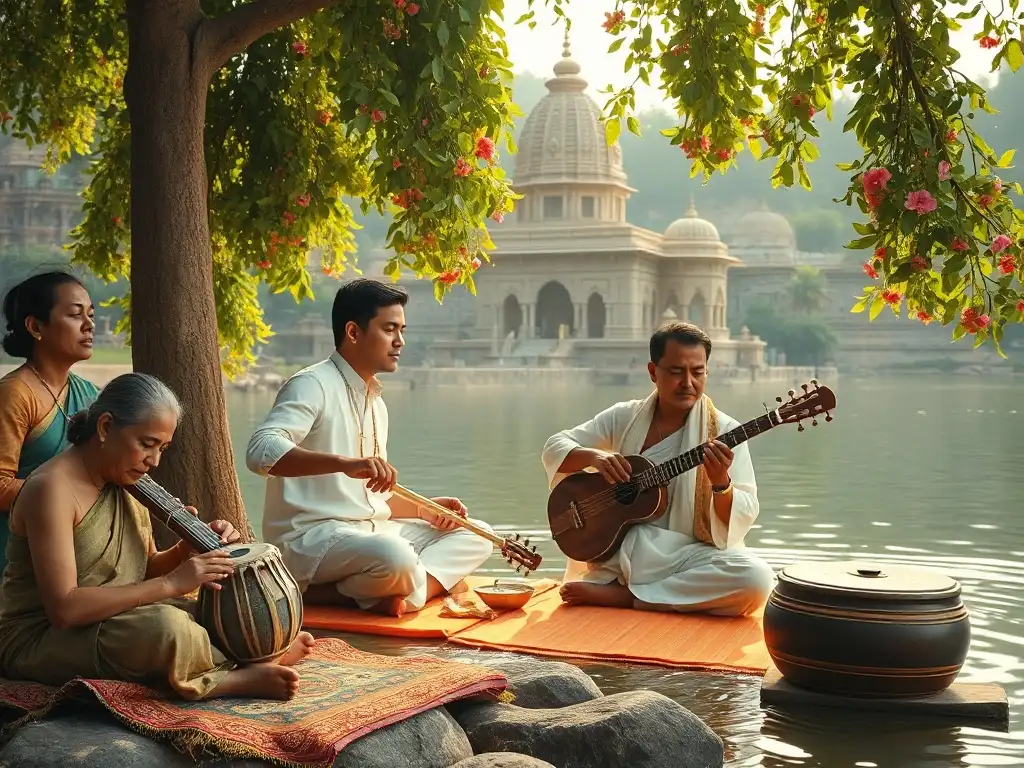
Ancient Indian sound therapy techniques have left a rich legacy of practice and application. Various historical examples illustrate the effectiveness of these techniques in healing and wellness.
Historical Examples of Successful Sound Therapy
Throughout history, ancient Indian texts and records document the successful application of sound therapy.
- Vedic Chanting: The Vedas, ancient Indian scriptures, emphasize the use of specific chants for healing ailments. Historical evidence shows that practitioners used these chants to invoke healing energies for both physical and spiritual maladies.
- Ayurvedic Practices: Ancient Ayurvedic texts describe the incorporation of music and sound into healing practices. Physicians of the time recognized the therapeutic potential of sound in restoring balance and harmony in the body.
- Temple Music: In many ancient temples, music was used during rituals to heal the sick. Devotees believed that the sacred sounds could invoke divine blessings and promote recovery.
Modern Applications of Ancient Techniques in Healing
Today, ancient Indian sound therapy techniques have found renewed relevance in modern wellness practices, demonstrating their adaptability and enduring efficacy.
- Integrative Medicine: Many holistic health practitioners incorporate ancient Indian sound therapy into integrative medicine approaches. This blend of traditional and modern practices provides patients with a comprehensive healing experience.
- Therapeutic Sound Programs: Institutions and wellness centers now offer sound therapy programs that draw from ancient techniques. These programs include guided sessions involving chanting, instrumental music, and sound baths.
- Research and Validation: Contemporary research continues to explore the benefits of sound therapy, validating many ancient practices. Studies are increasingly showcasing the effectiveness of sound in treating various physical and psychological conditions, bridging the gap between ancient wisdom and modern science.
The ancient Indian sound therapy techniques offer profound benefits that extend beyond mere musical enjoyment. Their rich historical context and practical applications continue to inspire contemporary practices, affirming the timeless nature of these healing arts.
Conclusion: The Relevance of Ancient Indian Sound Therapy Today
The legacy of ancient Indian sound therapy techniques is not only a testament to the rich cultural heritage of the subcontinent but also a relevant practice in today's world. The principles of sound therapy, rooted in the ancient philosophies of Ayurveda and Vedic traditions, emphasize the connection between sound, health, and well-being. As modern society increasingly recognizes the therapeutic benefits of music and sound, these ancient practices stand out as a valuable resource for holistic healing approaches. By harnessing the vibrational qualities of sound, individuals can explore alternative methods to manage stress, enhance mental clarity, and promote emotional balance.
In contemporary settings, sound therapy has found a place in wellness centers, yoga studios, and therapeutic practices. Techniques such as chanting, drumming, and the use of traditional instruments like the sitar and tabla resonate deeply, creating a bridge between ancient wisdom and modern therapeutic needs. The resurgence of interest in mindfulness and holistic health solutions has led to a renewed appreciation for these ancient practices, highlighting their adaptability and timelessness.
Reviving Ancient Techniques in Modern Times
The revival of ancient Indian sound therapy techniques in modern times reflects a growing awareness of the importance of mental and emotional health. As individuals seek more natural and integrative approaches to healing, traditional sound practices offer a holistic alternative to conventional methods. Workshops and retreats focused on sound healing are increasingly popular, allowing participants to immerse themselves in the therapeutic power of music.
Incorporating ancient techniques such as Nada Yoga, which emphasizes the use of sound for meditation and self-awareness, has also gained traction. Practitioners use specific ragas and talas to create a conducive environment for relaxation and healing, helping individuals to reconnect with themselves on a deeper level. By integrating these practices into contemporary wellness routines, individuals can experience the benefits of ancient wisdom while addressing modern challenges.
Future of Sound Therapy in Healing Practices
The future of sound therapy in healing practices looks promising as more healthcare professionals recognize its potential benefits. As research continues to unveil the positive effects of sound on the brain and body, sound therapy is likely to become an integral part of complementary and alternative medicine.
Innovations in technology are also paving the way for new sound therapy modalities. From binaural beats to soundscapes that utilize ancient ragas, the possibilities for integrating sound therapy into therapeutic practices are expanding. Furthermore, as globalization fosters a cross-cultural exchange of ideas, ancient Indian sound therapy practices may influence and blend with other healing traditions, leading to a richer, more diverse therapeutic landscape.
References and Further Reading on Ancient Indian Sound Therapy Techniques
To deepen your understanding of ancient Indian sound therapy techniques, a variety of resources are available. These include scholarly articles, books, and online platforms that explore the history, philosophy, and practical applications of sound healing in ancient India.
Suggested Books and Articles for In-Depth Understanding
- The Healing Power of Sound: Recovery from Life-Threatening Illness Using Sound, Voice, and Music by Mitchell L. Gaynor
- Nada Brahma: The World Is Sound by Joachim Ernst Berendt
- Healing Sounds: The Power of Harmonics by Jonathan Goldman
These works provide comprehensive insights into the principles of sound healing, integrating both ancient wisdom and modern research.
Online Resources and Documentaries on Ancient Indian Music Healing
- The Sound of Healing: An online documentary exploring various sound healing practices across cultures, including ancient Indian techniques.
- Ayurveda and Sound Therapy: A series of webinars that delve into the role of sound in Ayurvedic practices, available on multiple health and wellness platforms.
- YouTube Channels: Several channels dedicated to Indian classical music often include segments on the therapeutic aspects of ragas and their healing properties.
These resources offer a wealth of knowledge about ancient Indian sound therapy techniques, enabling readers to explore and appreciate the profound impact of sound on health and healing.
- Introduction to Ancient Indian Sound Therapy Techniques
- Understanding Sound Therapy in Ancient India
- Historical Roots of Sound Therapy in Ancient India
- Core Concepts of Ancient Indian Sound Therapy
- Traditional Practices and Techniques in Sound Therapy
- Benefits of Ancient Indian Sound Therapy Techniques
- Case Studies of Sound Therapy in Ancient Indian Practices
- Conclusion: The Relevance of Ancient Indian Sound Therapy Today
- References and Further Reading on Ancient Indian Sound Therapy Techniques
Frequently Asked Questions
What are Ancient Indian sound therapy techniques?
Ancient Indian sound therapy techniques involve using music and vibrations to promote healing and emotional well-being, rooted in traditions like Ayurveda and yoga.
How did sound therapy originate in Ancient India?
Sound therapy in Ancient India originated from the belief that sound can influence the mind and body, with practices such as chanting mantras and playing musical instruments for spiritual and therapeutic purposes.
What instruments were traditionally used in sound therapy?
Traditional instruments include the veena, tabla, and bansuri, which were believed to create harmonic vibrations that enhance emotional healing and spiritual connection.
What role do mantras play in sound therapy?
Mantras are sacred sounds or phrases repeated to facilitate meditation and promote healing, believed to resonate with specific energies within the body and environment.
Can modern practices incorporate ancient techniques?
Yes, modern practices often integrate ancient sound therapy techniques to enhance mental health and well-being, utilizing both traditional and contemporary approaches to music therapy.
Final Reflection: The Timeless Resonance of Ancient Indian Sound Therapy
The healing power of music, particularly through ancient Indian sound therapy techniques, remains profoundly relevant in our fast-paced modern world. As we navigate the complexities of contemporary life, the wisdom embedded in these age-old practices offers a sanctuary for our minds and souls. The ability of sound to heal and transform is not merely a relic of the past; it is a vital resource that can enhance our well-being today.
The influence of ancient Indian sound therapy techniques extends beyond individual healing; it permeates our cultural and social landscapes. As we witness a resurgence of interest in holistic health practices, the principles of sound therapy remind us of the interconnectedness of body, mind, and spirit. This ancient wisdom encourages us to embrace a more harmonious existence. Music can change the world because it can change people.
– Bono. This quote encapsulates the transformative potential of sound, urging us to recognize its power not only in personal healing but also in fostering collective well-being.
As you reflect on the insights shared in this article, consider how you might integrate the principles of ancient Indian sound therapy into your own life. Take a moment to explore the sounds that resonate with you, whether through meditation, music, or simply being present in nature. Let the healing vibrations guide you toward a deeper understanding of yourself and your connection to the world around you. Embrace the journey of sound, and allow it to inspire a more balanced and fulfilling life.
Unlock the Healing Power of Sound Today!
Thank you for exploring the enriching world of ancient Indian sound therapy with us! You've uncovered the profound connection between music and healing, and now it’s time to apply this knowledge in your life. Ready to dive deeper? Here’s how you can harness the transformative power of sound:
- Start your journey by incorporating daily sound therapy practices into your routine. Dedicate 10 minutes each day to listening to calming Indian ragas or chanting mantras that resonate with your spirit.
- Share your newfound insights with friends and family. Organize a small gathering where you can introduce sound therapy practices and share your experiences with those around you.
- Explore further by researching local workshops or online resources that delve deeper into sound therapy and its numerous benefits.
Are you ready to embrace the healing potential of music in your own life? Consider which sounds or musical practices resonate with you the most and reflect on how you plan to incorporate them into your daily routine.