
The Architectural Wonders of the Chola Dynasty: A Study in Engineering

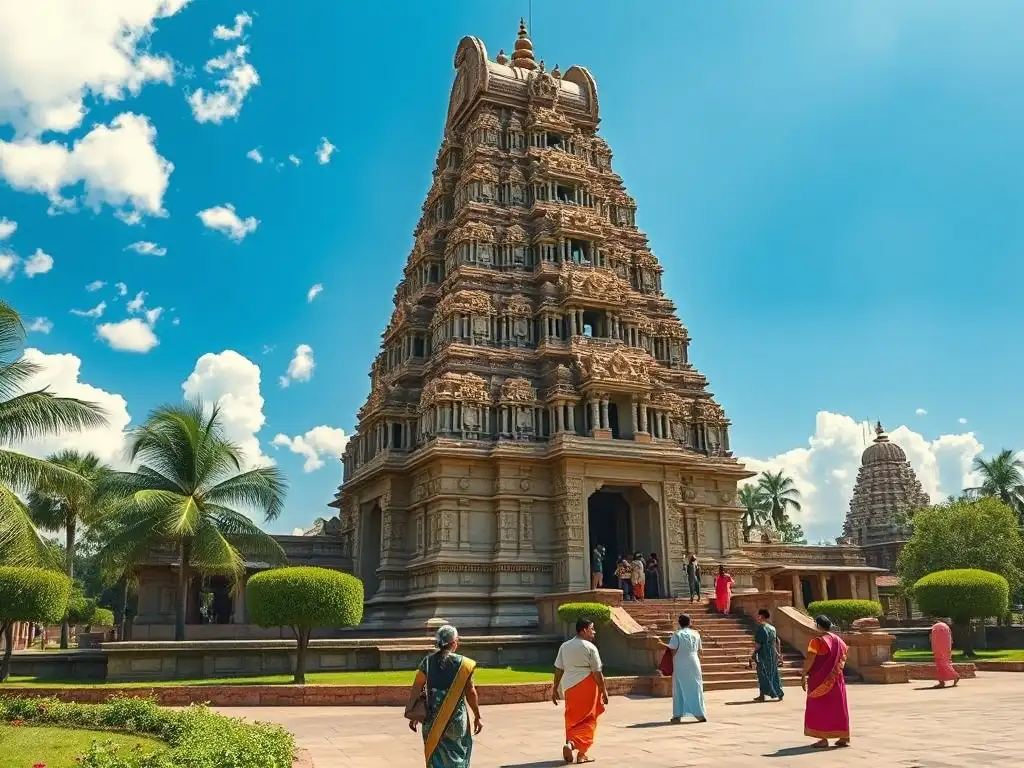
Welcome to Ancient India History, where we embark on a journey through the rich tapestry of India's illustrious past, uncovering the remarkable civilizations that have shaped its heritage. In our featured article, we delve into the Chola Dynasty architectural marvels, a testament to the extraordinary engineering and artistic brilliance that flourished during this era. Prepare to be captivated as we explore the breathtaking temples and innovative structures that define the Chola legacy.
Join us in discovering how these wonders not only reflect the ingenuity of their time but continue to inspire awe today. Your adventure into the depths of ancient Indian culture starts here!
Introduction to the Chola Dynasty Architectural Marvels
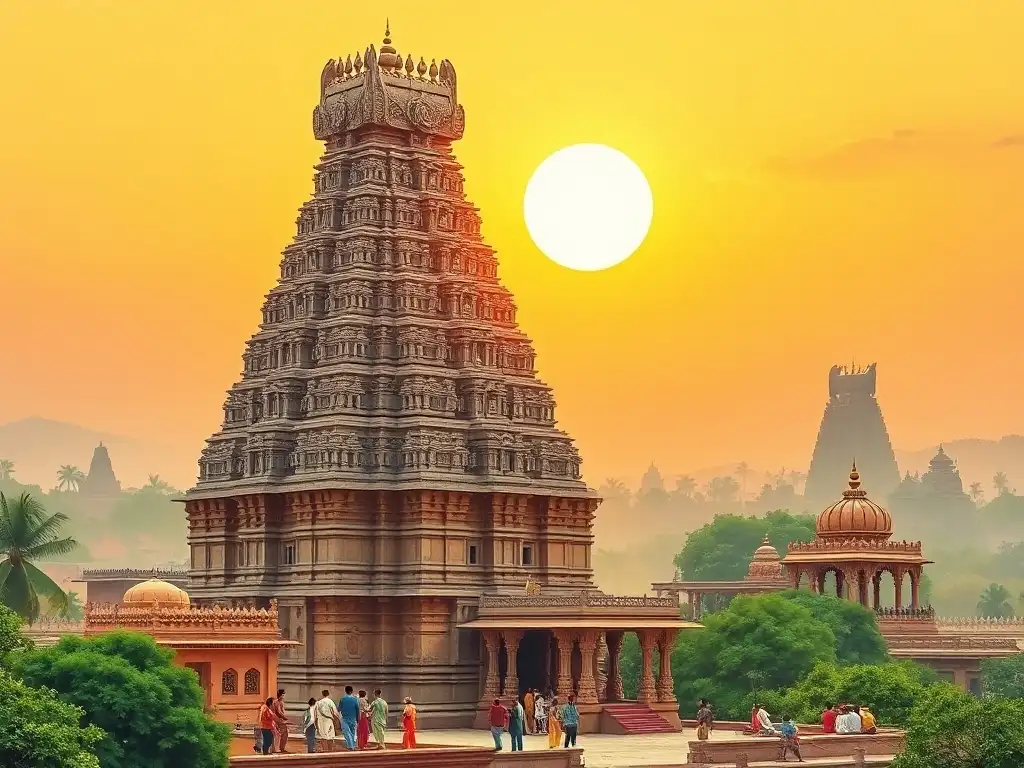
The Chola Dynasty, one of the longest-ruling dynasties in South India, is renowned not only for its military conquests and cultural advancements but also for its extraordinary architectural achievements. Spanning from the 9th to the 13th centuries, this dynasty left an indelible mark on Indian architecture, exemplifying a blend of artistic finesse and engineering prowess.
The Chola Dynasty architectural marvels are celebrated for their intricate designs, monumental temples, and innovative construction techniques that have stood the test of time. This article delves into the remarkable engineering feats of the Chola Empire, exploring how their architectural innovations have shaped the cultural landscape of ancient India and continue to inspire modern architecture.
Overview of the Chola Dynasty's Historical Context
The Chola Dynasty rose to prominence in Tamil Nadu, India, during the early medieval period. Under the leadership of emperors such as Rajaraja Chola I and his son Rajendra Chola I, the dynasty expanded its territories significantly, reaching parts of Southeast Asia, including present-day Indonesia and Malaysia. This expansion not only facilitated cultural exchanges but also encouraged the flourishing of arts and architecture. The Cholas were patrons of Hinduism, which is reflected in their monumental temple architecture, characterized by grand scale and elaborate sculptures.
- Key Phases of the Chola Dynasty:
- Early Cholas (c. 300 BCE - 600 CE)
- Imperial Cholas (c. 850 - 1279 CE)
- Decline and Legacy
Significance of Architectural Innovations in Ancient India
The architectural innovations of the Chola Dynasty are significant for several reasons:
- Cultural Expression: The temples built during this period were not just places of worship but also centers of community life, serving as hubs for art, music, and dance.
- Religious Influence: The architecture reflects the religious fervor of the time, with intricate carvings depicting deities, mythological stories, and various aspects of Hindu philosophy.
- Engineering Marvels: The Chola temples, particularly the Brihadeeswarar Temple in Thanjavur, showcase advanced engineering techniques, including the use of granite blocks and innovative structural designs that have influenced subsequent architectural styles in India.
Key Features of Chola Dynasty Architecture
The architectural style of the Chola Dynasty is characterized by several key features that distinguish it from other ancient Indian architectural styles.
Distinctive Elements of Chola Temples
Chola temples are renowned for their grand scale and intricate detailing. Key elements include:
- Vimana: The towering structure above the sanctum, often adorned with elaborate sculptures.
- Gopurams: The ornate entrance gateways that typically feature multiple tiers and intricate carvings.
- Mandapas: Pillared halls that serve various functions, from assembly areas to places for rituals.
The use of symbolism in the architecture, such as the lotus motif representing purity and divine beauty, further demonstrates the Cholas' artistic vision.
Engineering Techniques Used in Chola Construction
The Chola Dynasty employed various innovative engineering techniques that contributed to their architectural successes:
- Granite Construction: The use of locally sourced granite allowed for durable and monumental structures that have withstood the test of time.
- Corbelled Arches: This technique involved stacking stones to create arches, which were both aesthetically pleasing and structurally sound.
- Water Management Systems: The Cholas implemented sophisticated irrigation and drainage systems, enhancing the functionality of their temples and surrounding areas.
Materials and Resources in Chola Architecture
The choice of materials and resources was crucial in the construction of Chola architectural marvels. Key materials included:
- Granite: Favored for its durability and availability, granite was used extensively in temple construction.
- Bronze: The Cholas were also known for their exquisite bronze sculptures, often cast using the lost-wax technique.
- Marble and Stone Inlays: Some temples featured intricate stone inlays and marble work, adding to their grandeur.
These materials not only contributed to the structural integrity of the buildings but also enhanced their artistic beauty, reflecting the Chola's commitment to both engineering and aesthetics.
Major Architectural Marvels of the Chola Dynasty
The Chola Dynasty, which thrived between the 9th and 13th centuries in South India, is renowned for its extraordinary architectural achievements. The Chola rulers were not only warriors and administrators but also patrons of art and architecture. Their constructions reflect a blend of functionality, spirituality, and aesthetic beauty, showcasing advanced engineering techniques that have stood the test of time. Among the most celebrated architectural marvels of this dynasty are temples that serve not only as places of worship but also as symbols of the Chola's cultural and technological prowess.
The Brihadeeswarar Temple: A Pinnacle of Engineering
The Brihadeeswarar Temple, located in Thanjavur, is one of the most iconic representations of Chola architecture. Built during the reign of Rajaraja Chola I in the early 11th century, this temple is dedicated to Lord Shiva and is a UNESCO World Heritage Site.
- Engineering Brilliance: The temple is famed for its massive vimana (tower) which rises to 66 meters and is crowned by a colossal granite dome weighing approximately 80 tons. The precise techniques used to transport and position the dome remain a subject of study.
- Innovative Features: The temple's layout is meticulously planned, featuring an impressive mandapa (hall) and intricate carvings that depict various deities, floral motifs, and mythical creatures. The use of interlocking stones without mortar is a testament to the advanced engineering skills of the Chola builders.
The scale and grandeur of the Brihadeeswarar Temple not only highlight the architectural capabilities of the Chola Dynasty but also its socio-religious significance, attracting pilgrims and tourists alike.
The Gangaikonda Cholapuram: An Engineering Feat
Constructed by Rajendra Chola I in the early 11th century, the Gangaikonda Cholapuram temple is another monumental work of Chola architecture. This temple was built to commemorate Rajendra Chola's successful military expeditions to the Ganges River.
- Architectural Design: The temple exhibits a similar architectural style to the Brihadeeswarar Temple, with a towering vimana and intricate sculptures. Its design features a large courtyard surrounded by numerous smaller shrines, showcasing the Chola's dedication to temple architecture.
- Hydraulic Engineering: The site also reflects advanced hydraulic engineering, with a series of water tanks and channels designed to manage water supply and drainage effectively, demonstrating the Chola's understanding of environmental control.
The Gangaikonda Cholapuram not only emphasizes the engineering skill of the Chola Dynasty but also serves as a symbol of their imperial ambitions and religious devotion.
The Airavatesvara Temple: Artistry and Structural Brilliance
Located in Darasuram, the Airavatesvara Temple is yet another remarkable creation of the Chola Dynasty, built during the reign of Rajaraja Chola II in the 12th century.
- Artistic Excellence: Known for its exquisite sculptures and intricate carvings, the temple is adorned with detailed representations of Hindu mythology. The art reflects the high level of craftsmanship achieved during the Chola period.
- Innovative Engineering: The temple is designed to create an acoustic effect, allowing music and chants to resonate throughout its halls. The structural design incorporates elements that enhance the auditory experience, showcasing an understanding of both aesthetics and engineering.
The Airavatesvara Temple stands as a testimony to the Chola’s artistic vision and engineering ingenuity, attracting scholars and visitors interested in ancient Indian architecture.
The Influence of Chola Architectural Techniques
The architectural innovations of the Chola Dynasty have had a lasting impact, influencing various aspects of Indian architecture and beyond, marking a significant chapter in the history of engineering.
Impact on Subsequent Indian Architecture
The Chola architectural style laid the foundation for future temple constructions in Southern India. The following points highlight its influence:
- Temple Design: The layout and structure of subsequent temples often mirrored the Chola style, incorporating grand vimanas and intricate carvings.
- Use of Stone: The Chola's techniques in stone masonry influenced the construction of temples, with later dynasties adopting similar methods in their architectural endeavors.
As a result, the Chola architectural legacy is evident in many temples across South India, blending functionality with divine aesthetics.
Global Recognition of Chola Engineering Innovations
The engineering prowess demonstrated by the Chola Dynasty has garnered global recognition, with scholars and engineers worldwide studying their techniques. Notable aspects include:
- Recognition in Engineering Circles: The innovative use of materials, structural techniques, and urban planning has drawn admiration from modern architects and engineers, who often reference Chola designs in their works.
- Cultural Studies: The architectural marvels of the Chola Dynasty are included in various global studies on ancient engineering, illustrating the advanced skills possessed by these ancient builders.
The Chola Dynasty’s contributions continue to inspire and educate, ensuring that their architectural marvels are celebrated well into the future.
The Role of Religion in Chola Architectural Design
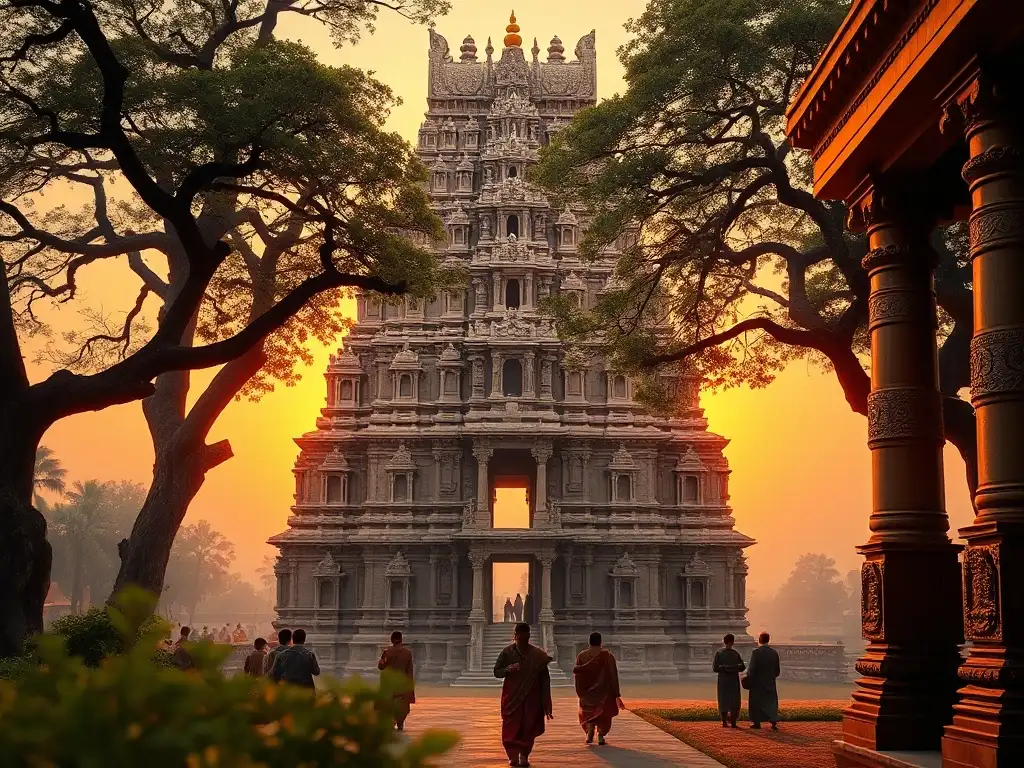
The architectural marvels of the Chola Dynasty are deeply intertwined with the religious practices and beliefs of the time. The Chola rulers predominantly followed Hinduism, and their devotion is vividly reflected in the intricate designs and grandeur of their temples. Temples served not only as places of worship but also as centers of cultural and social activities, embodying the religious ethos of the community. The design of these temples was aimed at creating a microcosm that mirrored the cosmos, facilitating a connection between the divine and the earthly realms.
The Chola architects meticulously planned these structures to embody their religious significance. The layout often included multiple shrines dedicated to various deities, with the main sanctum (garbhagriha) housing the primary idol. The orientation, proportions, and decorations were all carefully considered to enhance the spiritual experience of the devotees. Temples such as the Brihadeeswarar Temple in Thanjavur and the Gangaikonda Cholapuram Temple exemplify this sacred integration of architecture and religion, showcasing how the Chola Dynasty utilized engineering prowess to create lasting legacies.
Sacred Geometry in Temple Construction
Sacred geometry played a pivotal role in the construction of Chola temples, reflecting the belief that certain geometric shapes and patterns have spiritual significance. The layout of temples often adhered to precise mathematical ratios and proportions, derived from ancient texts on architecture and cosmology. This practice not only enhanced the aesthetic appeal of the structures but also imbued them with a sense of harmony and balance, believed to attract divine blessings.
The use of mandalas—geometric diagrams representing the universe—was particularly prevalent in temple design. These mandalas guided the temple's layout, influencing the placement of shrines and other architectural elements. For instance, the square plan of the temple symbolized the Earth, while the circular elements represented the cosmos. Such thoughtful integration of geometry ensured that the temples served as portals for spiritual elevation, embodying the Chola belief in the interconnectedness of the material and spiritual worlds.
Symbolism and Spiritual Significance of Chola Structures
The architectural features of Chola temples are rich in symbolism, conveying deeper spiritual meanings. The towering vimanas (temple towers) symbolize the mountain, a sacred abode of gods, while the intricate carvings and sculptures adorning the walls often depict mythological stories and deities, serving as visual narratives of religious teachings. These elements collectively create an environment conducive to worship and meditation.
Moreover, the placement of the main deity within the temple is significant. It is often situated in the center of the sanctum, emphasizing the core belief that divinity resides at the heart of the universe. The overall architectural design invites devotees to partake in a spiritual journey, leading them from the external world into the sanctum, where they can experience the divine presence. This interplay of symbolism and spirituality is a hallmark of Chola architecture, revealing the dynasty's profound understanding of the relationship between the physical and the metaphysical.
Preservation and Study of Chola Dynasty Architectural Marvels
The preservation and study of Chola Dynasty architectural marvels are vital for understanding the historical, cultural, and technological advancements of ancient India. These structures not only represent the artistic achievements of the Chola period but also serve as invaluable resources for researchers and historians. Efforts to conserve these sites are crucial for maintaining their integrity and ensuring that future generations can appreciate their significance.
The study of Chola architecture involves various disciplines, including archaeology, history, art history, and engineering. Scholars analyze architectural styles, construction techniques, and the socio-political context of the era to gain insights into the Chola Dynasty's achievements. Moreover, interdisciplinary approaches that combine technology with traditional methods are becoming increasingly important in the documentation and analysis of these structures.
Current Conservation Efforts for Chola Temples
Current conservation efforts for Chola temples are a collaborative endeavor involving government agencies, non-profit organizations, and local communities. These efforts focus on restoring and maintaining structures that have suffered from weathering, pollution, and neglect. Initiatives include structural repairs, cleaning of sculptures, and the implementation of protective measures to prevent further deterioration.
One notable project is the conservation of the Brihadeeswarar Temple, a UNESCO World Heritage Site, where experts employ both traditional techniques and modern technology to ensure the authenticity of the restoration process. Public awareness campaigns also play a crucial role in fostering appreciation for these architectural wonders, encouraging local communities to take an active role in their preservation.
Challenges in Preserving Architectural Heritage
Despite ongoing efforts, numerous challenges hinder the preservation of Chola architectural heritage. Environmental factors, such as pollution and climate change, pose significant threats to the structural integrity of these ancient temples. Additionally, urban development often encroaches upon historic sites, leading to potential damage or loss of context.
Financial constraints also impact conservation projects, as adequate funding is often lacking. The need for specialized skills and knowledge in traditional building techniques further complicates restoration efforts. Moreover, there is a growing concern regarding the impact of tourism on these sites, as increased foot traffic can lead to wear and tear. Addressing these challenges requires a multifaceted approach, integrating sustainable practices, community involvement, and government support to ensure that Chola architectural marvels endure for future generations.
Conclusion: The Legacy of Chola Dynasty Architectural Marvels
The architectural marvels of the Chola Dynasty stand as a testament to the ingenuity, artistry, and engineering prowess of ancient Indian civilization. These structures are not just monuments; they encapsulate a rich historical narrative that showcases the Chola's contributions to art, culture, and technology. The temples, particularly those like the Brihadeeswarar Temple in Thanjavur, not only served religious purposes but also functioned as community centers, reflecting the socio-economic fabric of Chola society.
The legacy of these architectural feats continues to inspire architects and engineers worldwide, highlighting the Chola Dynasty's significant role in shaping architectural techniques and aesthetics. The meticulous planning, use of durable materials, and innovative construction methods employed by the Cholas provide valuable lessons for contemporary engineering practices. As such, these structures receive recognition not just for their beauty but also for their engineering excellence that has withstood the test of time.
Lasting Influence on Modern Engineering Practices
The engineering techniques developed during the Chola Dynasty have left an indelible mark on modern construction practices. The Chola architects demonstrated remarkable foresight in their use of durable materials and techniques that promoted stability and longevity. For instance, the intricate stone carvings and massive granite blocks used in temple construction are not only aesthetically pleasing but also structurally sound.
Chola architects innovated with techniques such as:
- Cantilever construction: Employed in temple towers, allowing for the creation of grand structures without compromising stability.
- Water management systems: Ingenious drainage and irrigation methods that supported the temples and surrounding agricultural lands, showcasing an understanding of environmental engineering.
- Geometric precision: The layout and design of the temples exhibit a mastery of geometry, influencing modern architectural plans and site management.
These innovations have continued to inspire modern-day architects and engineers, encouraging a blend of traditional techniques with contemporary methods to create structures that are both functional and visually striking.
Reflection on the Importance of Chola Contributions to World Heritage
The contributions of the Chola Dynasty to world heritage extend far beyond their impressive architectural achievements. They played a pivotal role in cultural exchange and the dissemination of artistic styles across Asia. The Chola temples, adorned with exquisite sculptures and frescoes, have influenced numerous art forms, blending spirituality with craftsmanship.
Furthermore, these architectural wonders are recognized by UNESCO as World Heritage Sites, emphasizing their global significance. They serve as crucial links to understanding the socio-political and economic dynamics of the time, illustrating how architecture can embody the values and beliefs of a civilization.
In reflecting on the importance of the Chola contributions, it is essential to acknowledge their influence in promoting not only religious practices but also community cohesion and artistic expression. As we study these architectural marvels, we gain insight into the Chola Dynasty's legacy, reminding us of the profound impact ancient civilizations have had on our contemporary world. The preservation and appreciation of these sites continue to foster a deeper understanding of our shared human heritage.
- Introduction to the Chola Dynasty Architectural Marvels
- Key Features of Chola Dynasty Architecture
- Major Architectural Marvels of the Chola Dynasty
- The Influence of Chola Architectural Techniques
- The Role of Religion in Chola Architectural Design
- Preservation and Study of Chola Dynasty Architectural Marvels
- Conclusion: The Legacy of Chola Dynasty Architectural Marvels
Frequently Asked Questions
What are the key features of Chola Dynasty architecture?
The Chola Dynasty is renowned for its intricate carvings, grand temples, and innovative engineering techniques, which exemplify the artistic skills of ancient Indian craftsmen.
Why is the Brihadeeswarar Temple significant?
The Brihadeeswarar Temple, a UNESCO World Heritage Site, showcases the height of Chola architectural prowess with its massive structure, detailed sculptures, and innovative use of granite.
How did the Chola Dynasty influence south Indian architecture?
The Chola Dynasty set the foundation for south Indian architecture, influencing later styles with their distinctive temple designs and the incorporation of water management systems.
What are some other notable Chola architectural marvels?
Aside from the Brihadeeswarar Temple, other significant structures include the Airavatesvara Temple and the Gangaikonda Cholapuram, both showcasing the artistic and engineering excellence of the Chola period.
How did engineering innovation play a role in Chola architecture?
The Chola Dynasty excelled in engineering innovation by employing advanced techniques for temple construction, including the use of arch and dome structures, which were revolutionary for their time.
Final Reflection: The Enduring Legacy of Chola Dynasty Architectural Marvels
The architectural wonders of the Chola Dynasty are not merely relics of the past; they are a testament to the ingenuity and vision of a civilization that thrived over a millennium ago. Today, as we navigate an era marked by rapid technological advancements and urbanization, the principles of design, functionality, and artistry embodied in these structures resonate more than ever. The Chola Dynasty's architectural marvels remind us that great engineering is not just about the materials used but about the stories they tell and the communities they serve.
The influence of Chola architecture extends far beyond its geographical boundaries, shaping cultural identities and inspiring generations of architects and artists worldwide. The intricate carvings, grand temples, and innovative engineering techniques showcase a deep understanding of both aesthetics and utility. As we reflect on this legacy, we are reminded of the words of renowned architect Louis Kahn: A great building must begin with the unmeasurable, must go through measurable means when it is being designed and in the end must be unmeasurable.
The Chola structures exemplify this philosophy, blending the spiritual with the practical in ways that continue to inspire awe and admiration.
As we conclude our exploration of the Chola Dynasty's architectural marvels, I invite you to reflect on how these ancient wonders can inform our modern lives. Consider how the principles of harmony, sustainability, and community engagement evident in Chola architecture can be applied to our contemporary challenges. Let us strive to create spaces that not only serve their purpose but also uplift the human spirit, echoing the timeless wisdom of a civilization that understood the profound connection between architecture and life.
Unleash Your Inner Explorer of Chola Greatness!
Thank you for diving into the fascinating world of the Chola Dynasty with us! You've gained insights into incredible architectural feats that showcase extraordinary engineering. Now, it's time to take that knowledge and transform your curiosity into action!
Here are a few exciting steps you can take right now:
- Explore nearby temples or historical sites influenced by Chola design or art. Capture your experience and share it with fellow history enthusiasts!
- Join an online community dedicated to Indian history. Engage in discussions about the Chola Dynasty and learn from others' perspectives.
- Delve deeper into the subject by reading insightful books or watching documentaries that reveal lesser-known facts about the Chola architectural legacy.
What aspect of Chola architecture resonates with you the most, and how will you explore it further?