
Medical Innovations of the Gupta Empire: Ancient Practices that Shaped Modern Medicine

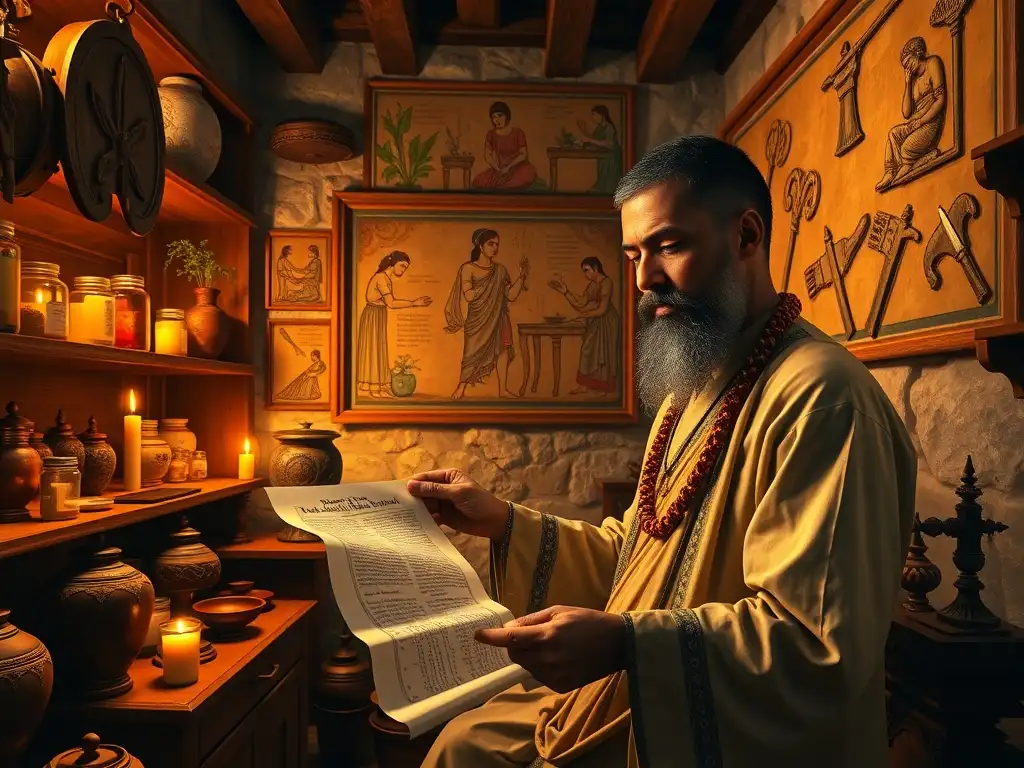
Welcome to Ancient India History, where we embark on a captivating journey through time to uncover the rich tapestry of ancient Indian civilizations! From the enigmatic cities of the Indus Valley to the illustrious Gupta Empire, our exploration reveals the profound contributions that have shaped not just India, but the world. Dive into our featured article on Gupta Empire medical innovations—a fascinating look at the ancient practices that laid the groundwork for modern medicine.
As you uncover these remarkable advancements, you'll find yourself questioning how much of our contemporary healthcare is rooted in the wisdom of the past. Ready to explore? Let’s begin!

Introduction to Gupta Empire Medical Innovations
The Gupta Empire, often referred to as the "Golden Age of India," was a period marked by remarkable advancements across various fields, including medicine. Spanning from approximately 320 to 550 CE, this era witnessed the flourishing of medical knowledge and practices that not only epitomized the sophistication of ancient Indian civilization but also laid the groundwork for many aspects of modern medicine.
The innovations during this time were deeply intertwined with the philosophy of Ayurveda, which emphasized a holistic approach to health and well-being. Understanding the medical innovations of the Gupta Empire reveals much about the ancient practices that shaped contemporary medical systems and provides insight into the enduring legacy of Indian medicine.
Overview of the Gupta Empire's Influence on Medicine
The Gupta Empire was pivotal in the evolution of medical practices, with its scholars making significant contributions to both theoretical and practical aspects of healthcare. The period saw the compilation of extensive medical texts, most notably the Sushruta Samhita and the Charaka Samhita, which offered comprehensive insights into surgical techniques, herbal medicine, and patient care. These texts not only documented the medical knowledge of the time but also influenced subsequent generations of physicians and surgeons, both in India and abroad.
- Key Contributions:
- Development of surgical techniques and instruments.
- Introduction of diagnostic methods based on systematic observation.
- Emphasis on preventive medicine and the role of diet in health.
Importance of Medical Practices in Ancient India
Medical practices in ancient India were deeply rooted in cultural and philosophical beliefs. The Gupta Empire's medical innovations were characterized by a blend of empirical observation and spiritual understanding, reflecting the holistic nature of health. This dual approach enabled practitioners to address not only the physical ailments of patients but also their mental and emotional well-being. The significance of these practices extended beyond immediate healthcare, influencing societal views on health, hygiene, and the human body.
Historical Context of Medical Innovations in the Gupta Empire
To better appreciate the medical innovations of the Gupta Empire, it is essential to explore the historical context that fostered such advancements. This period was not only a time of political stability but also of cultural and intellectual growth, which created an environment conducive to scientific inquiry and exploration.
The Role of Ayurveda in Gupta Medicine
Ayurveda, the ancient Indian system of medicine, played a central role in shaping the medical practices of the Gupta Empire. This holistic approach emphasized the balance between body, mind, and spirit, and its principles were integral to the healthcare practices of the time. Ayurvedic texts were meticulously compiled, detailing various treatments and therapies that utilized natural herbs, minerals, and surgical procedures.
- Key Features of Ayurveda:
- Concept of the three doshas (Vata, Pitta, Kapha).
- Use of herbal remedies and dietary regulations.
- Techniques for detoxification and rejuvenation.
Contributions of Ancient Indian Scholars to Medical Knowledge
The Gupta Empire was home to several renowned scholars whose contributions significantly advanced medical knowledge. Figures such as Sushruta, often referred to as the "father of surgery," and Charaka, a pioneer in internal medicine, authored texts that provided invaluable insights into anatomy, surgery, and pharmacology. Their works were instrumental in establishing a systematic approach to medical education and practice.
- Notable Scholars:
- Sushruta: Pioneered surgical techniques and emphasized the importance of patient education.
- Charaka: Focused on holistic diagnosis and treatment, laying the foundation for internal medicine.
Integration of Traditional Practices and Scientific Approaches
One of the defining characteristics of Gupta Empire medical innovations was the integration of traditional practices with emerging scientific approaches. This blending of knowledge allowed for the development of more effective treatments and laid the groundwork for future medical advancements. Scholars during this period were not only practitioners but also thinkers who sought to understand the underlying principles of health and disease, leading to a more systematic study of medicine.
The medical innovations of the Gupta Empire represent a rich tapestry of knowledge, practice, and philosophy that has had a lasting impact on the field of medicine. By exploring these ancient practices, we can better understand their significance in shaping the foundations of modern healthcare.
Key Medical Innovations During the Gupta Empire
The Gupta Empire, often referred to as the Golden Age of India, was a period marked by significant advancements in various fields, including medicine. The medical innovations during this era laid the groundwork for many modern practices and philosophies in healthcare. This period witnessed the formalization of medical texts, enhanced surgical techniques, and a deeper understanding of herbal medicines, contributing to a holistic approach to health and wellness.
One crucial aspect of Gupta medical innovations was the establishment of the Ayurvedic system, which emphasized balance in bodily systems and the importance of lifestyle factors in health maintenance. This holistic perspective influenced not only treatments but also preventative care, reshaping how medicine was perceived and practiced. The emphasis on observation and documentation during this period led to the creation of comprehensive texts that cataloged various diseases, their symptoms, and treatments.
Surgical Techniques and Their Evolution
Surgical practices during the Gupta Empire underwent a remarkable transformation, largely attributed to the pioneering works of Sushruta, often hailed as the "Father of Surgery." His seminal text, the Sushruta Samhita, is one of the earliest treatises on surgery, providing detailed descriptions of surgical procedures, instruments, and techniques.
Sushruta introduced innovative surgical methods, such as plastic surgery and cataract surgery, which were revolutionary for their time. Techniques like rhinoplasty, which involved reconstructing the nose, showcased advanced understanding of human anatomy and surgical precision. Furthermore, the use of anesthesia, derived from herbal concoctions, marked a significant leap in surgical practices, allowing for more complex and less painful operations.
The emphasis on aseptic techniques and the training of surgeons in the Gupta period also contributed to improved surgical outcomes. Sushruta's detailed descriptions of over 120 surgical instruments reflected a sophisticated understanding of the tools necessary for various procedures, laying the foundation for modern surgical practices.
Herbal Medicine and Pharmacology
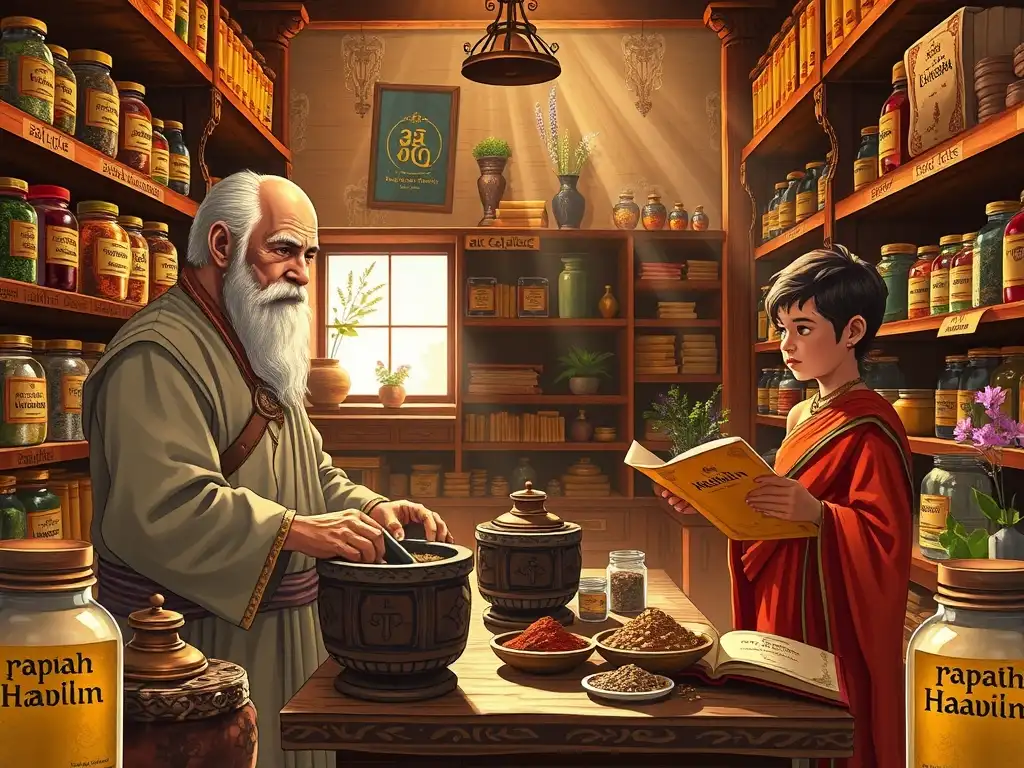
Herbal medicine flourished during the Gupta Empire, with a rich tradition of utilizing plants for medicinal purposes. The Charaka Samhita, authored by Charaka, is a foundational text in Ayurveda that detailed the use of herbs in treating a plethora of ailments. This text categorized various plants based on their medicinal properties and offered guidelines for preparation and dosage.
The Gupta physicians developed a systematic approach to pharmacology, emphasizing the importance of sourcing high-quality herbs and employing them in precise formulations. They recognized the significance of combining different herbs to enhance therapeutic effects, paving the way for the complex herbal remedies used in traditional medicine today.
Moreover, the Gupta period saw the documentation of numerous recipes and treatments, which included a variety of herbal powders, decoctions, and oils. This body of knowledge not only enriched Ayurvedic practices but also influenced later medical traditions in India and beyond.
The Concept of Diagnosis and Treatment
During the Gupta Empire, the concept of diagnosis and treatment became increasingly refined. Physicians were trained to observe and interpret a patient's symptoms carefully, leading to more accurate diagnoses. The Charaka Samhita emphasized the importance of patient history and lifestyle factors in understanding health conditions, marking a significant shift from merely treating symptoms to addressing underlying causes.
Diagnostic techniques included pulse diagnosis, examination of urine, and careful observation of physical signs, forming a comprehensive framework for understanding health. This methodical approach to diagnosis allowed for personalized treatment plans tailored to individual needs, which is a practice still prevalent in modern medicine.
The integration of various therapeutic modalities, including diet, lifestyle changes, and herbal remedies, showcased the Gupta physicians' holistic approach to health. This emphasis on individualized care laid the groundwork for contemporary practices that prioritize patient-centered treatment.
Notable Figures in Gupta Medical Innovations
The Gupta Empire was home to several influential medical scholars whose contributions significantly shaped the field of medicine. Their works not only advanced medical knowledge during their time but also served as a foundation for future generations of physicians and healers.
Contributions of Charaka and Sushruta
Charaka and Sushruta are two of the most prominent figures in the history of Gupta medicine. Charaka's contributions to the field of internal medicine through his Charaka Samhita provided a comprehensive overview of various diseases and their treatments. His emphasis on the importance of diet, lifestyle, and herbal remedies remains relevant in contemporary Ayurvedic practices.
Sushruta's surgical innovations, as documented in the Sushruta Samhita, established standards for surgical procedures that endure to this day. His meticulous descriptions of surgical techniques and instruments laid the groundwork for future surgical practices, influencing both Indian and global medicine.
The works of these scholars were not only influential in ancient India but also impacted the development of medical practices across cultures, including the Islamic Golden Age and the Renaissance in Europe.
The Impact of Medical Scholars on Future Generations
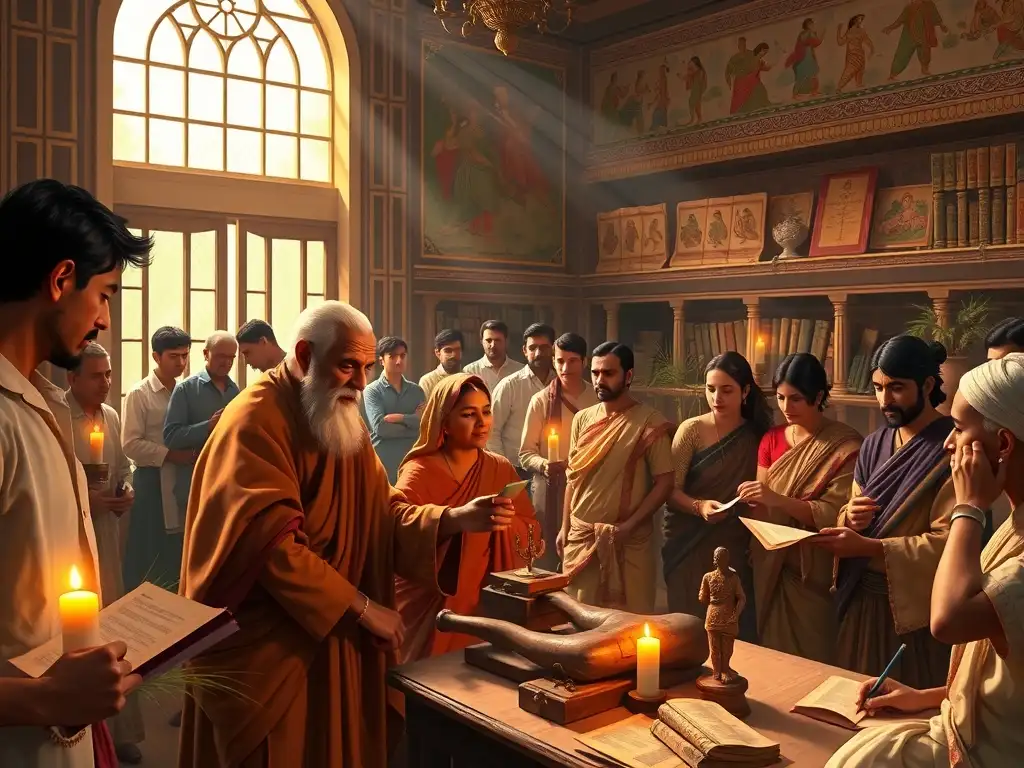
The medical innovations of the Gupta Empire, particularly those initiated by Charaka and Sushruta, had a profound impact on subsequent generations of medical practitioners. Their texts became essential references, influencing the curricula of medical schools and the training of physicians long after the decline of the Gupta Empire.
The integration of their teachings into various medical traditions ensured that the knowledge of herbal medicine, surgery, and diagnostic techniques continued to evolve. This legacy of inquiry and innovation contributed to a rich tapestry of medical knowledge that has persisted through the ages, inspiring countless scholars and practitioners in the field of medicine.
The Gupta Empire's medical innovations represent a significant chapter in the history of medicine, showcasing how ancient practices have shaped modern healthcare approaches.
Legacy of Gupta Empire Medical Innovations in Modern Medicine
The Gupta Empire, which flourished from approximately 320 to 550 CE, is often hailed as a golden age of science and medicine in ancient India. Its medical innovations have had a profound and lasting impact on modern medicine, influencing various fields from surgery to pharmacology. Ancient texts, such as the Sushruta Samhita and the Charaka Samhita, compiled during this era, laid the groundwork for many contemporary medical practices. The Gupta physicians emphasized systematic observation and clinical diagnosis, establishing principles that continue to resonate in today’s healthcare practices.
The legacy of this period can be seen in various aspects of modern medicine, including surgical techniques and the use of herbal medicine. The detailed surgical procedures documented by Gupta surgeons have paved the way for advancements in surgical practices, while the rich pharmacopoeia developed during this time has informed herbal medicine used across the globe today.
How Ancient Practices Shaped Contemporary Medical Techniques
Ancient Gupta medical practices established a holistic approach to health, integrating physical, mental, and spiritual well-being. This comprehensive perspective can be observed in contemporary practices such as Ayurveda, which continues to thrive in modern medicine. The Gupta physicians were adept in surgical techniques, including procedures like cataract surgery and the use of anesthesia, which have informed modern surgical practices.
Furthermore, the Gupta Empire's emphasis on anatomy and physiology can be seen in medical education today, where a thorough understanding of the human body is paramount. Techniques such as dissection and the study of bodily functions were revolutionary at the time and laid the foundation for future studies in medicine. This integration of empirical observation and practical application highlights the strong connection between ancient practices and modern techniques.
The Relevance of Gupta Medical Innovations in Today's Healthcare
The healthcare systems of the modern world continue to draw inspiration from Gupta medical innovations. For instance, the concept of preventive healthcare, central to Gupta practices, is increasingly recognized in contemporary medicine as a vital approach to promote overall health and well-being. Concepts such as dietary regulation, lifestyle management, and mental health promotion echo the holistic practices advocated during the Gupta period.
Additionally, the Gupta physicians' research into medicinal plants and their properties has led to the revival of interest in herbal medicine and natural therapies in contemporary healthcare. Many modern pharmaceuticals are derived from plant-based compounds, and the principles of dosage and preparation developed during the Gupta era remain relevant in pharmacology today.
Conclusion: The Enduring Impact of Gupta Empire Medical Innovations
The medical innovations of the Gupta Empire have left an indelible mark on the field of medicine. Their approaches to surgery, pharmacology, and holistic healthcare continue to influence modern practices and philosophies in significant ways. The enduring impact of these ancient practices underscores the importance of preserving and understanding the rich medical heritage of the Gupta period.
Summary of Key Contributions to the Field of Medicine
Key contributions from the Gupta Empire that shaped modern medicine include:
- Surgical Techniques: Advanced methods documented in ancient texts, including plastic surgery and cataract removal.
- Pharmacology: Development of an extensive list of medicinal herbs and their uses, forming the basis for modern herbal medicine.
- Holistic Health Approaches: Emphasis on the interconnectedness of body, mind, and spirit, influencing contemporary health practices.
These innovations not only highlight the sophistication of ancient Indian medical knowledge but also illustrate its relevance in addressing modern health challenges.
Reflection on the Importance of Preserving Ancient Medical Knowledge
Preserving ancient medical knowledge is crucial for several reasons. First, it provides insights into the evolution of medical practices and philosophies over centuries. Understanding the foundations of modern medicine can enhance contemporary healthcare by integrating beneficial aspects of ancient practices.
Second, the preservation of this knowledge supports cultural heritage and identity, reminding us of the rich history of medical advancements. Lastly, as the world faces new health challenges, revisiting ancient wisdom can inspire innovative solutions that may have been overlooked in contemporary practices. In essence, the preservation of Gupta medical innovations is not just a tribute to the past but a vital resource for the future of medicine.
- Introduction to Gupta Empire Medical Innovations
- Historical Context of Medical Innovations in the Gupta Empire
- Key Medical Innovations During the Gupta Empire
- Surgical Techniques and Their Evolution
- Herbal Medicine and Pharmacology
- The Concept of Diagnosis and Treatment
- Notable Figures in Gupta Medical Innovations
- Contributions of Charaka and Sushruta
- The Impact of Medical Scholars on Future Generations
- Legacy of Gupta Empire Medical Innovations in Modern Medicine
- Conclusion: The Enduring Impact of Gupta Empire Medical Innovations
Frequently Asked Questions
What were some key medical innovations during the Gupta Empire?
The Gupta Empire is known for significant advancements in medicine, including surgical techniques, herbal remedies, and the establishment of hospitals, which greatly influenced modern medical practices.
How did the Gupta Empire contribute to surgery?
Surgeons like Sushruta developed complex surgical procedures and tools, laying the groundwork for modern surgical practices and emphasizing the importance of anesthesia and patient care.
What role did Ayurveda play in Gupta medical practices?
Ayurveda, the traditional Indian system of medicine, flourished during the Gupta period, integrating herbal treatments and holistic approaches that continue to be relevant in complementary medicine today.
How did the Gupta Empire influence public health?
The Gupta Empire established hospitals and promoted sanitation, which improved overall public health and provided a model for future medical systems around the world.
What was the impact of Gupta medical texts on future generations?
Medical texts from the Gupta period, such as the Sushruta Samhita, served as vital references for future scholars and practitioners, significantly shaping the development of medical knowledge in various cultures.
Final Reflection: The Enduring Legacy of Gupta Empire Medical Innovations
The Gupta Empire's medical innovations not only laid the groundwork for modern medicine but also remind us of the profound wisdom embedded in ancient practices. As we navigate the complexities of contemporary healthcare, it is essential to recognize how these historical advancements continue to influence our understanding of medicine today. The principles of holistic healing, surgical techniques, and herbal remedies developed during this era resonate with current trends in integrative medicine, showcasing the timelessness of these ancient practices.
The impact of Gupta medical innovations extends beyond historical significance; they have shaped our cultural and social landscape in ways that are often overlooked. The emphasis on observation, experimentation, and patient care during this period has paved the way for modern medical ethics and practices. As we reflect on this legacy, we are reminded of the words of Hippocrates: Wherever the art of medicine is loved, there is also a love of humanity.
This sentiment echoes the Gupta Empire's commitment to healing and the well-being of individuals, highlighting the interconnectedness of medicine and compassion.
As we move forward, let us take a moment to reflect on the lessons imparted by the Gupta Empire's medical innovations. Consider how you can incorporate the principles of holistic health and patient-centered care into your own life or practice. By embracing the wisdom of the past, we can cultivate a more compassionate and effective approach to health and wellness in our modern world. The journey of healing is a shared one, and each of us has the power to contribute to a brighter, healthier future.
Unleash the Power of Ancient Wisdom in Modern Healing!
Thank you for exploring the rich legacy of medical innovations from the Gupta Empire! You've uncovered insights into practices that laid the groundwork for modern medicine, and now it's time to take that knowledge further.
Here’s how you can make an impact today:
- Explore traditional healing methods in your own community—visit a local herbalist or wellness center that integrates ancient practices and learn firsthand how they work!
- Share this article with friends and family who are curious about how history influences health today—spark a conversation about the importance of incorporating ancient wisdom into contemporary practices.
- Join an online forum or community dedicated to holistic health and ancient medicine, where you can engage with others who are passionate about these fascinating connections.
What ancient medical practice intrigues you the most, and how do you believe it could enhance modern healthcare?