
The Significance of Offerings and Prayers in Indian Festivals

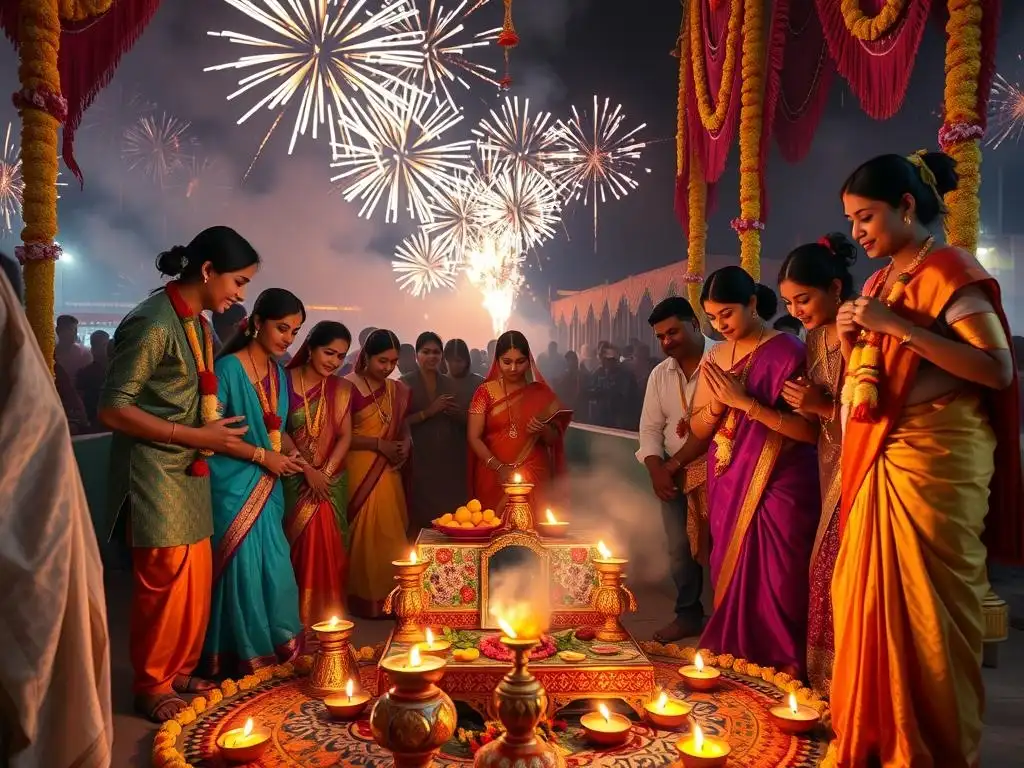
Welcome to Ancient India History, where we embark on a fascinating journey through the rich tapestry of India's ancient civilizations. Have you ever wondered about the importance of Indian festival rituals? Our featured article, "The Significance of Offerings and Prayers in Indian Festivals," delves deep into the enchanting world of traditions that have shaped the cultural landscape of India.
From the mystique of the Indus Valley to the grandeur of the Gupta Empire, discover how these rituals not only celebrate heritage but also weave the fabric of community and spirituality. Join us as we unveil the layers of meaning behind these vibrant customs, and prepare to be captivated by the stories that echo through time!
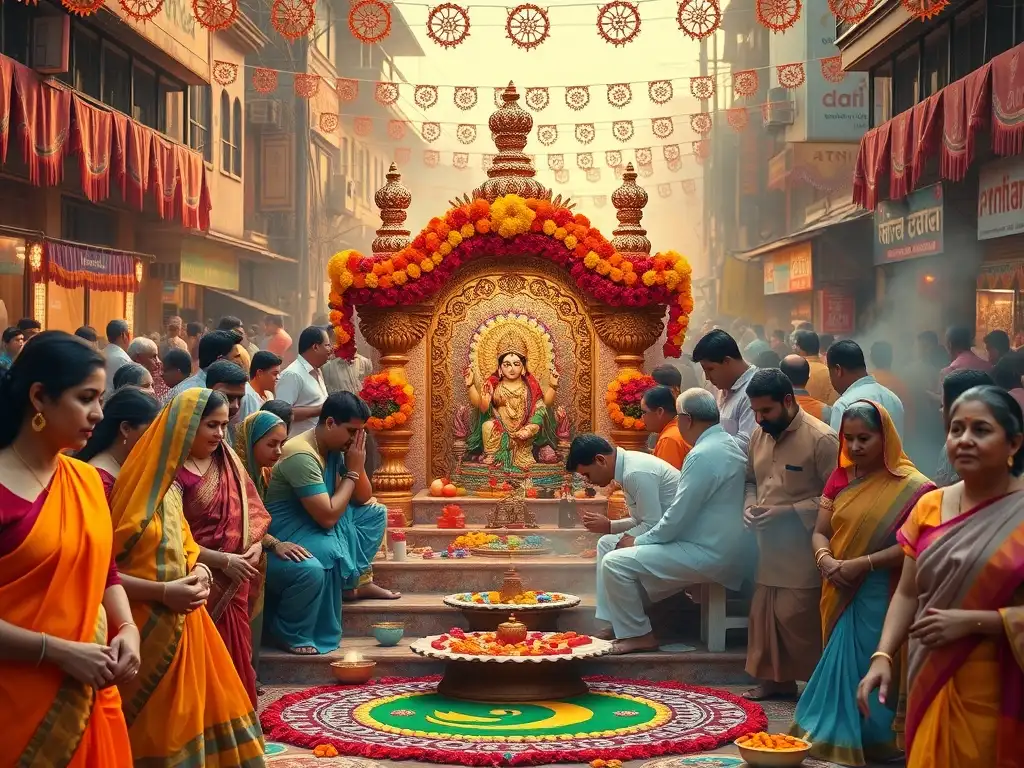
Exploring the importance of Indian festival rituals unveils a fascinating tapestry of beliefs, traditions, and communal practices that have shaped the very essence of Indian culture. Festivals in India are not merely occasions for celebration; they are deeply rooted in history and spirituality. Through offerings and prayers, individuals and communities express their reverence for the divine, seek blessings, and reinforce social bonds. This article delves into the significance of these rituals, tracing their historical roots and examining their enduring role in Indian society.
Introduction to Indian Festival Rituals
Indian festivals are vibrant celebrations characterized by unique rituals, colorful decorations, and joyous gatherings. Each festival carries its own narrative, often linked to ancient myths and legends, and involves specific customs that highlight the cultural diversity of the nation. From the grandeur of Diwali to the solemnity of Durga Puja, the rituals associated with these festivals play a crucial role in marking the passage of time and the cycles of life.
Overview of Indian Festivals
Indian festivals can be classified into various categories, including:
- Religious Festivals: Celebrated in honor of deities, such as Diwali (the festival of lights) and Navratri (celebrating the goddess Durga).
- Seasonal Festivals: Linked to agricultural cycles, like Makar Sankranti (harvest festival) and Pongal.
- Cultural Festivals: Celebrating regional or community-specific traditions, such as Bihu in Assam and Onam in Kerala.
Each festival involves a series of rituals that often include:
- Offerings (Prasad): Food and items presented to deities.
- Prayers (Aarti): Devotional songs and hymns sung in praise of gods and goddesses.
- Community Participation: Gathering of families and communities to partake in the celebrations.
Cultural Importance of Rituals in Indian Society
The rituals performed during festivals serve multiple purposes:
- Spiritual Connection: They create a bridge between the divine and the mundane, allowing individuals to express their faith and devotion.
- Social Cohesion: Festivals bring people together, fostering a sense of belonging and community.
- Cultural Identity: Rituals reinforce cultural values and traditions, passing them down through generations.
The Importance of Indian Festival Rituals
The significance of offerings and prayers in Indian festivals extends beyond mere acts of devotion. They are integral to understanding the cultural fabric of the nation.
Historical Context of Offerings and Prayers
Historically, offerings and prayers have been a part of Indian civilization for millennia. Their origins can be traced back to ancient texts and scriptures, such as the Vedas and the Puranas, which detail the rituals performed to please deities and ensure prosperity. The evolution of these practices reflects the changing dynamics of society and religion, while still retaining core elements that connect the past to the present.
Role of Rituals in Preserving Cultural Heritage
Rituals associated with festivals play a vital role in preserving and transmitting cultural heritage. They act as living traditions that embody the values, beliefs, and historical narratives of a community. By actively participating in these rituals, individuals not only honor their ancestors but also help sustain the cultural identity that defines their society. This continuity provides a sense of stability and connection in an ever-evolving world.
Through an exploration of these themes, we can gain a deeper understanding of the importance of Indian festival rituals and their role in shaping the rich tapestry of Indian culture.
Types of Offerings in Indian Festivals
Indian festivals are rich in cultural and spiritual significance, and offerings play a pivotal role in the rituals associated with these celebrations. The act of making offerings serves as a way to express gratitude, seek blessings, and symbolize devotion. Here are some common types of offerings found in Indian festivals:
- Food Offerings
- Floral Offerings
- Material Offerings
Understanding the significance of these offerings provides deeper insight into the importance of Indian festival rituals.
Food Offerings and Their Symbolism
Food offerings, known as "naivedya," are among the most prominent types of offerings in Indian festivals. They symbolize nourishment and gratitude towards deities. By presenting food, devotees honor the divine and seek blessings for prosperity and health. Different types of food are offered based on the festival:
- Sweets: Such as laddoos and barfis are common during celebrations like Diwali and Ganesh Chaturthi, representing joy and sweetness in life.
- Fruits: Fresh fruits signify purity and abundance, often offered during rituals for fertility and prosperity.
- Cooked Dishes: Various regional cuisines reflect the cultural diversity of India, with each dish carrying its own significance and tradition.
The act of offering food is not merely a ritual; it fosters a sense of community as families come together to prepare and share these dishes during festivals.
Floral Offerings: Significance and Usage
Floral offerings, or "pushpanjali," hold deep significance in Indian festivals. Flowers symbolize beauty, purity, and transience, serving as a reminder of the divine presence in nature. Common flowers used include:
- Marigolds: Often used in garlands, symbolizing the sun and associated with positivity and protection.
- Lotus: Represents spiritual enlightenment and is frequently associated with deities like Lakshmi and Saraswati.
- Jasmine: Known for its fragrance, it signifies love and devotion.
These floral offerings are used in various rituals, adorning deities and altars, and are believed to elevate the spiritual ambiance of the celebrations.
Material Offerings: Gifts to Deities and Their Meanings
Material offerings, including items like coins, jewelry, or symbolic objects, represent a devotee's devotion and respect towards the divine. These offerings vary widely depending on the festival and the deity being worshiped. For example:
- Coins: Offered during festivals such as Dhanteras, invoking wealth and prosperity.
- Clothes: New garments are often presented to deities during celebrations like Navaratri, symbolizing respect and honor.
- Artifacts: Items like idols or religious symbols are gifted to represent devotion.
These offerings emphasize the relationship between the devotee and the divine, reinforcing the notion of sacrifice and giving in the pursuit of spiritual fulfillment.
Prayers in Indian Festivals
Prayer is a fundamental aspect of Indian festivals, serving as a means of communication with the divine. The recitation of prayers and mantras is believed to invoke blessings and purify the mind.
Common Prayers and Mantras Used
Various prayers and mantras are recited during Indian festivals. These sacred sounds and phrases hold profound meanings, often invoking specific deities or principles. For instance:
- Gayatri Mantra: A universal prayer for enlightenment and wisdom, often recited during spiritual gatherings.
- Sankat Nashan Ganesh Stotra: A prayer to Lord Ganesh, seeking removal of obstacles, commonly chanted during Ganesh Chaturthi.
- Maha Mrityunjaya Mantra: A healing mantra dedicated to Lord Shiva, often recited during festivals for health and protection.
These prayers not only enhance the spiritual atmosphere but also unify the community as they come together in collective worship.
The Role of Chanting and Meditation during Festivals
Chanting and meditation are integral parts of the prayer rituals in Indian festivals. Chanting mantras creates a rhythmic vibration that is believed to connect devotees to the divine. Meditation, on the other hand, allows individuals to reflect inwardly, fostering peace and spiritual growth.
During festivals, communal chanting sessions often take place, encouraging participation and enhancing the collective experience of devotion. Meditation practices, such as "dhyana," are also encouraged, helping devotees attain mental clarity and focus on spiritual objectives.
Connection Between Prayers and Spirituality
The connection between prayers and spirituality in Indian festivals is profound. Prayers serve as a bridge between the material and spiritual realms, allowing devotees to express their thoughts, emotions, and aspirations.
Through the act of prayer, individuals cultivate a sense of connection with the divine, fostering inner peace and harmony. This practice not only enhances personal spirituality but also strengthens communal bonds, as festivals are often celebrated together, reinforcing shared beliefs and values.
The importance of Indian festival rituals is deeply rooted in the symbolism and significance of offerings and prayers. These practices not only enhance the festive spirit but also promote spiritual growth and community bonding.
Regional Variations in Festival Rituals
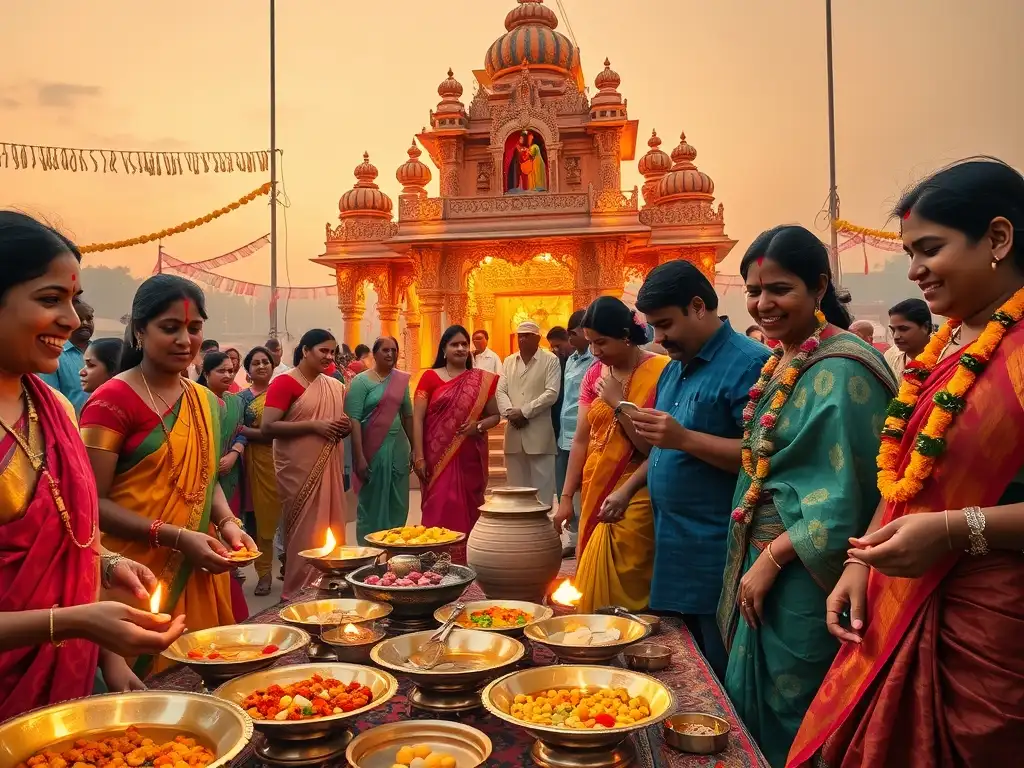
India's diverse cultural landscape is reflected in the regional variations of festival rituals. Each state and community brings its unique traditions, beliefs, and practices to the celebration of festivals, making the experience distinctly local yet universally significant. These variations often stem from historical, geographical, and religious influences, leading to a rich tapestry of rituals that showcase the importance of Indian festival rituals across the subcontinent.
North Indian Festival Practices
In North India, festivals such as Diwali, Holi, and Navratri are celebrated with great enthusiasm. Rituals often include elaborate offerings, prayers, and community gatherings.
- Diwali, the festival of lights, involves the worship of Goddess Lakshmi, wherein devotees perform puja (prayer rituals) and offer sweets and flowers to invite prosperity into their homes.
- Holi, known for its vibrant colors, includes throwing colored powders and water, symbolizing the victory of good over evil. The ritual of bhang, a traditional drink, often accompanies the festivities.
- Navratri sees nine nights of worship, where devotees engage in fasting and night-long prayers, culminating in the celebration of Dussehra which marks the triumph of Lord Rama over Ravana.
These practices not only serve spiritual purposes but also foster a sense of community as families and friends come together to celebrate.
South Indian Festival Traditions
In South India, festivals like Pongal, Onam, and Deepavali highlight the agricultural calendar and the region’s rich traditions.
- Pongal is a harvest festival celebrated in Tamil Nadu, where rice is cooked in a pot and offered to the Sun God, symbolizing gratitude for the bountiful harvest. Rituals include decorating the pots and houses with kolams (rangoli).
- Onam, primarily celebrated in Kerala, features the Onam Sadya, a grand feast served on banana leaves, and boat races, emphasizing community spirit and togetherness.
- Deepavali, similar to its North Indian counterpart, involves lighting lamps and performing puja, but often incorporates unique local deities and rituals specific to the region.
These rituals not only reinforce cultural identity but also highlight the significance of gratitude and celebration of nature's bounty.
East and West Indian Festival Rituals
Eastern and Western India also exhibit distinct rituals during festivals such as Durga Puja, Rath Yatra, and Ganesh Chaturthi.
- Durga Puja in West Bengal is marked by elaborate idol processions and artistic displays, where prayers and offerings are integral to seeking the goddess's blessings.
- Rath Yatra, celebrated in Odisha, involves pulling the chariots of Lord Jagannath, where community participation plays a crucial role, symbolizing unity and devotion.
- Ganesh Chaturthi in Maharashtra sees the installation of Ganesh idols, with rituals that include aarti (waving of lights) and offerings of modaks, thereby emphasizing the importance of family participation in prayers.
These regional practices highlight the diversity within the broader context of Indian festival rituals, showcasing how local traditions enrich the collective cultural heritage.
Festival rituals extend beyond mere celebrations, providing psychological and social benefits that enhance community cohesion and individual well-being. Engaging in these practices nurtures a sense of belonging and shared identity among participants.
Strengthening Community Bonds through Celebrations
Festival rituals act as a powerful tool for strengthening community bonds. When individuals come together for celebrations, they engage in collective activities that foster unity and camaraderie.
- Shared Experiences: Participating in rituals such as group prayers, communal feasts, and traditional dances creates lasting memories and enhances interpersonal relationships.
- Cultural Identity: Festivals serve as a reminder of shared heritage and values, reinforcing community identity and pride among participants.
- Support Networks: The communal aspect of festivals helps in establishing support networks, where individuals can rely on one another during times of need, thereby enhancing social cohesion.
Psychological Impact of Participating in Rituals
Engaging in festival rituals has profound psychological impacts on individuals.
- Stress Relief: The festive atmosphere, characterized by joy and celebration, provides an escape from daily stressors, promoting mental well-being.
- Sense of Purpose: Participation in meaningful rituals gives individuals a sense of purpose and belonging, contributing to positive self-esteem and life satisfaction.
- Emotional Expression: Festivals offer a platform for emotional expression, allowing individuals to express joy, gratitude, and spirituality freely.
The psychological benefits derived from these practices contribute significantly to overall mental health and community well-being.
Festivals as a Means of Cultural Transmission
Festivals serve as essential avenues for cultural transmission, ensuring the continuity of traditions across generations.
- Education of Younger Generations: Through participation in rituals, younger members of the community learn about their cultural heritage, values, and history.
- Preservation of Traditions: Rituals reinforce traditional practices, ensuring that customs and beliefs are preserved and passed down, thus maintaining the cultural fabric of society.
- Adaptation and Innovation: As communities evolve, festivals also adapt, allowing for the integration of new practices while retaining core traditional elements. This dynamic nature of festival rituals ensures that culture remains vibrant and relevant.
The importance of Indian festival rituals transcends mere observance, encompassing a rich blend of psychological benefits, community bonding, and cultural transmission that upholds the essence of Indian civilization.
Conclusion
The rituals of offerings and prayers during Indian festivals serve as a vital connection to the rich tapestry of Indian culture and spirituality. These practices are not merely traditions but embody deep-rooted values and beliefs that have been passed down through generations. By participating in these rituals, individuals reaffirm their identities and strengthen their bonds with the community, family, and the divine.
The significance of these rituals extends beyond the mere act of celebration; it encompasses the expression of gratitude, the aspiration for prosperity, and the fostering of harmony within society. Hence, understanding the importance of Indian festival rituals is essential for appreciating the cultural heritage that shapes the nation today.
Recap of the Importance of Indian Festival Rituals
Indian festival rituals play a crucial role in maintaining cultural continuity and fostering a sense of belonging. Here are some key points that encapsulate their importance:
- Cultural Identity: Rituals help individuals connect with their roots, preserving the cultural identity amidst the rapidly changing contemporary landscape.
- Social Cohesion: Festivals are communal celebrations that promote unity and strengthen relationships among people. They encourage collective participation, reinforcing communal ties.
- Spiritual Connection: Offerings and prayers create a spiritual atmosphere that elevates the participants' experiences, allowing them to express devotion and seek blessings from the divine.
- Moral and Ethical Values: Many rituals convey important moral lessons and ethical values, teaching participants about respect, gratitude, and responsibility towards society.
The Continuing Relevance of Offerings and Prayers in Modern India
In today's fast-paced world, the relevance of offerings and prayers during Indian festivals remains robust. Many individuals, regardless of their busy lifestyles, find solace in these time-honored practices. The act of making offerings is seen as a way to pause, reflect, and express gratitude, which is increasingly valued in modern society. Moreover, as the younger generations seek to establish their identities, they often turn to these rituals to reconnect with their heritage.
Additionally, the resurgence of interest in spirituality and mindfulness among urban populations has breathed new life into traditional practices. Festivals like Diwali and Pongal continue to see vibrant participation, where offerings and prayers are an integral part of the celebration, signifying hope, renewal, and communal harmony.
Further Reading and Resources
To deepen your understanding of the significance of offerings and prayers in Indian festivals, a variety of books and online resources are available.
Recommended Books on Indian Festivals
- "Festivals of India" by S.K. Sharma: This book provides an in-depth exploration of various Indian festivals, their origins, and the rituals associated with them.
- "The Great Indian Festival" by R.H. Khanna: A comprehensive guide that delves into the significance of major Indian festivals and the cultural practices surrounding them.
- "Festivals of Hindus: A Celebration of Life" by Ramesh Chandra: This book focuses on the spiritual and cultural aspects of Hindu festivals, highlighting the importance of rituals and offerings.
Online Resources for Learning about Indian Cultural Practices
- Cultural India: A website that offers insights into various aspects of Indian culture, including detailed descriptions of festivals and their significance.
- IndiaNetzone: An informative portal that provides articles on Indian festivals, rituals, and traditions, offering a wealth of knowledge for those interested in cultural practices.
- YouTube Channels: Many channels focus on Indian culture and festivals, showcasing rituals and celebrations, providing visual context to the traditional practices.
By exploring these resources, readers can gain a deeper appreciation for the importance of Indian festival rituals and their lasting impact on society.
- Introduction to Indian Festival Rituals
- The Importance of Indian Festival Rituals
- Types of Offerings in Indian Festivals
- Prayers in Indian Festivals
- Regional Variations in Festival Rituals
- The Psychological and Social Benefits of Festival Rituals
- Conclusion
- Further Reading and Resources
Frequently Asked Questions
What is the role of offerings in Indian festivals?
Offerings are a significant part of Indian festivals, symbolizing gratitude and devotion to deities. They often include fruits, sweets, and flowers, signifying abundance and prosperity.
How do prayers enhance the experience of Indian festivals?
Prayers during festivals foster a sense of community and spiritual connection. They are a means of expressing hope and gratitude, reinforcing the cultural values of the celebration.
Why are rituals considered important in Indian culture?
Rituals are vital as they preserve the traditions and customs of Indian culture, promoting a sense of identity and belonging. They also serve to educate younger generations about their heritage.
How do Indian festival rituals reflect diversity?
Indian festival rituals vary widely across regions and communities, showcasing the rich diversity of customs, languages, and beliefs. Each ritual carries its unique significance and meaning, enriching the cultural tapestry of India.
What is the cultural significance of Indian festivals?
Indian festivals embody the values of love, unity, and gratitude. They play a crucial role in strengthening family bonds and community ties, making them essential to the social fabric of Indian society.
Final Reflection: The Enduring Importance of Indian Festival Rituals
The significance of offerings and prayers in Indian festivals transcends mere tradition; it embodies a profound connection between the spiritual and the material world. In today's fast-paced society, where the essence of cultural practices often fades into the background, the rituals associated with Indian festivals serve as a vital reminder of our shared heritage and values. They invite us to pause and reflect on the deeper meanings behind our celebrations, reinforcing the idea that these rituals are not just ceremonial acts but powerful expressions of faith, gratitude, and community.
Cultural rituals shape our identities and foster a sense of belonging. The importance of Indian festival rituals is evident in how they bring families and communities together, creating bonds that withstand the test of time. As we engage in these practices, we not only honor our ancestors but also pass down wisdom and values to future generations. Tradition is not the worship of ashes, but the preservation of fire.
This quote encapsulates the essence of our festivals, reminding us that while we honor the past, we must also keep the spirit of these rituals alive in our contemporary lives.
As you reflect on the importance of Indian festival rituals, consider how you can integrate their lessons into your daily life. Take a moment to appreciate the rituals that resonate with you, whether through prayer, offerings, or communal gatherings. Let these practices inspire you to cultivate gratitude, strengthen connections with loved ones, and embrace the rich tapestry of your cultural heritage. In doing so, you not only honor the significance of these rituals but also contribute to their enduring legacy for generations to come.
Embrace the Spirit of Celebration!
Thank you for diving into the vibrant world of Indian festivals with us! You've explored the profound significance of offerings and prayers that enrich these celebrations. Now, let’s take your newfound inspiration and turn it into action.
Here are a few steps to deepen your connection to this rich cultural tradition:
- Participate in a local festival—experience the preparations and rituals firsthand.
- Share your favorite festival tradition on social media to inspire others to appreciate their cultural heritage.
- Volunteer at a community event, assisting with the organization of offerings or prayers, and connect with others who share your enthusiasm.
What unique ways do you plan to celebrate or honor the traditions of Indian festivals in your life?