
The Role of Storytelling in Preserving Ancient Indian History and Culture

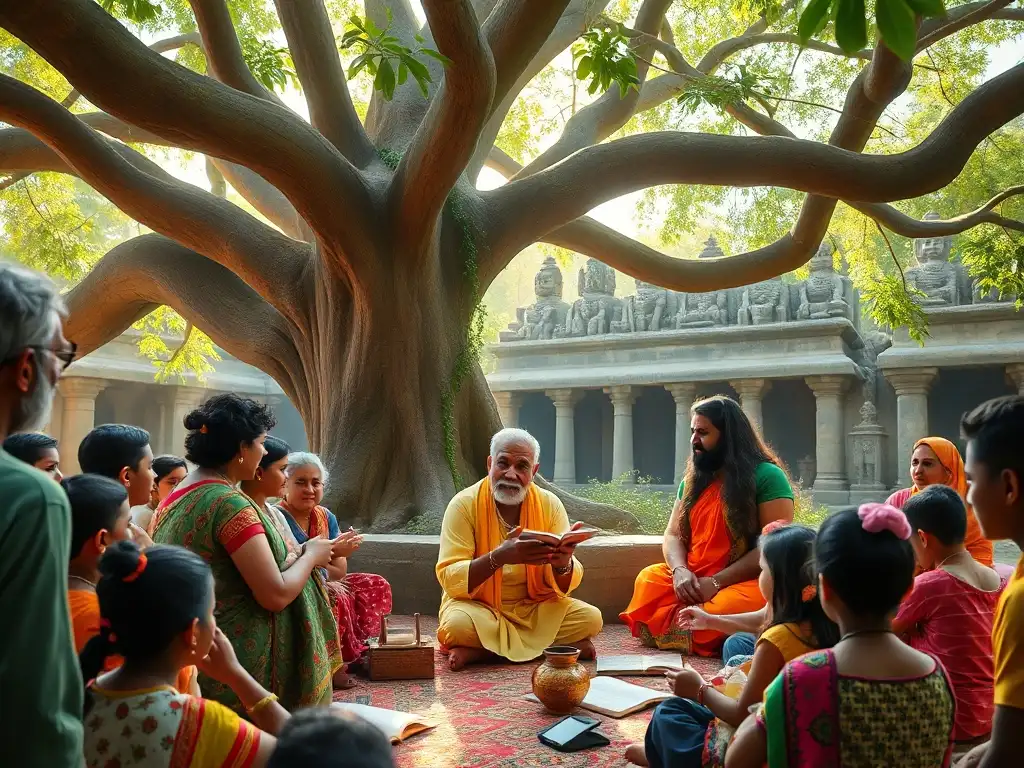
Welcome to Ancient India History, where we embark on a fascinating journey through the rich tapestry of India's past. Here, we delve into the profound significance of storytelling in ancient Indian culture, a vital art form that not only entertained but also preserved the wisdom and heritage of civilizations from the Indus Valley to the Gupta Empire. Join us as we uncover the enchanting tales and narratives that have shaped a culture steeped in tradition, inviting you to explore how these stories continue to resonate in our lives today.
Ready to discover the secrets of an age-old legacy? Let’s dive deeper into the art of storytelling!
Introduction to Storytelling in Ancient Indian Culture
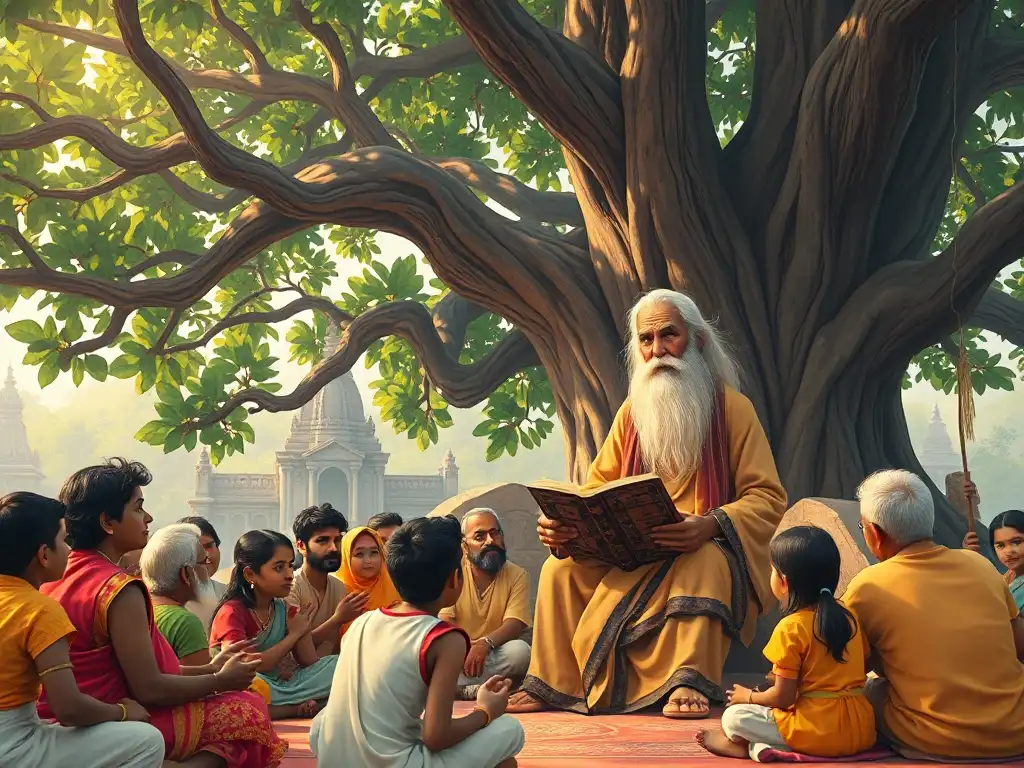
Storytelling has long been an integral part of ancient Indian culture, serving not only as a form of entertainment but also as a vital medium for cultural preservation and the transmission of knowledge across generations. This rich tradition encompasses a wide array of narratives that encompass myths, legends, folk tales, and epic narratives, each reflecting the values, beliefs, and historical experiences of the society.
In a civilization as diverse as that of ancient India, storytelling emerged as a powerful tool to articulate complex ideas, preserve historical events, and convey moral lessons, thereby ensuring that the essence of the culture and its people endure through time.
Definition of Storytelling in Ancient India
Storytelling in ancient India can be defined as the art of narrating tales that often blend historical facts, mythological elements, and cultural values. It involves various forms such as oral recitations, theatrical performances, and written texts. These narratives were typically rendered in a way that engaged the audience, invoking vivid imagery and emotional connections. Storytelling was not merely a pastime; it was a profound practice that played a crucial role in shaping societal norms and identities.
Importance of Oral Traditions in Cultural Preservation
Oral traditions have been fundamental in preserving ancient Indian history and culture. Before the advent of written language, communities relied heavily on oral storytelling to pass down knowledge. This method allowed for the dynamic transmission of stories, which could adapt to the changing contexts and audiences, making them relevant across generations. Through oral traditions, important cultural elements such as rituals, customs, and historical events were woven into the fabric of society, ensuring that they were remembered and revered.
Historical Context of Storytelling in Ancient India
Roots of Storytelling in the Indus Valley Civilization
The roots of storytelling in ancient India can be traced back to the Indus Valley Civilization (c. 3300–1300 BCE), where early forms of communication likely included narrative depictions on seals and pottery. While concrete evidence of storytelling practices is limited, archaeological findings suggest that these early societies may have used visual storytelling to convey messages and cultural significance. This period laid the groundwork for the narrative traditions that would flourish in later Indian civilizations.
Evolution of Storytelling through Different Eras
As India transitioned through various historical epochs—from the Vedic period to the Mauryan Empire and beyond—storytelling evolved significantly. Each era contributed unique elements to the narrative style, influenced by regional dialects, cultural practices, and social structures. For example, the Mahabharata and Ramayana, two of the most significant epics, emerged during this time, incorporating complex characters and moral dilemmas, reflecting the societal values of their time.
Influence of Religion and Mythology on Storytelling
Religion and mythology have always played a pivotal role in shaping storytelling in ancient India. The narratives often served to convey spiritual teachings and ethical lessons, drawing from rich mythological traditions. Stories of deities, such as Krishna and Shiva, not only entertained but also educated the audience about moral values and the nature of life. This intertwining of storytelling with religious practices helped reinforce the cultural heritage and spiritual identity of ancient Indian society, ensuring that these narratives continued to resonate through the ages.
Key Elements of Storytelling in Ancient Indian Culture
Storytelling has been a pivotal element in ancient Indian culture, serving as a means of preserving history, imparting moral lessons, and fostering a sense of community. The key elements that characterize storytelling in this rich tradition include oral traditions, mythological narratives, and the integration of various art forms. Oral storytelling was the primary method of transmitting knowledge, often performed by skilled narrators known as sutradharas. These storytellers not only recounted tales but also engaged their audiences through expressive gestures and vocal modulation, enhancing the emotional impact of the narratives.
Another vital element is the use of mythological figures and deities, which played a significant role in conveying cultural values and societal norms. Stories often featured intricate plots intertwined with moral dilemmas, allowing listeners to reflect on their implications. Additionally, the incorporation of regional dialects and local folklore enriched these tales, making them relevant to diverse audiences across ancient India.
Narrative Techniques Used in Ancient Texts
Ancient Indian texts utilized a variety of narrative techniques to engage readers and listeners effectively. One prominent technique is frame storytelling, where a story is nested within another story, allowing for multiple layers of meaning and perspective. This approach is famously seen in the Panchatantra, where animal characters embody human traits, conveying wisdom through their adventures.
Another technique is the use of dialogue, which brings characters to life and allows for the exploration of their motivations and conflicts. This method encourages audience participation, inviting them to ponder the characters' choices and the resultant consequences. Additionally, the use of allegory and metaphor in narratives not only adds depth but also facilitates the transmission of complex philosophical ideas, as seen in texts like the Bhagavad Gita.
Symbolism and Themes in Indian Stories
Symbolism pervades ancient Indian stories, with many tales woven with intricate meanings that reflect the cultural and spiritual ethos of the time. Common themes include the quest for truth, the struggle between good and evil, and the cyclical nature of life and death. For instance, the serpent often symbolizes wisdom and immortality, while the lotus represents purity and spiritual awakening.
Moreover, stories frequently explore the concept of dharma (duty/righteousness) and its implications on personal and societal levels. The narrative arcs often present characters facing moral dilemmas, allowing audiences to contemplate the nuances of ethical decision-making. This interplay of symbolism and theme not only preserves cultural identity but also serves as a guide for moral conduct throughout generations.
Role of Characters and Archetypes in Storytelling
Characters in ancient Indian storytelling often embody archetypes that resonate deeply with audiences. Heroes, sages, villains, and tricksters populate these narratives, each serving distinct roles that reflect societal values and challenges. Figures like Rama and Krishna exemplify the ideal hero, embodying virtues such as bravery, compassion, and justice.
The presence of wise mentors, such as gurus and elderly figures, highlights the importance of knowledge and guidance in the journey of life. Conversely, antagonists, often depicted as demons or tyrants, illustrate the consequences of hubris and immorality. These archetypal characters create a framework through which audiences can explore their own identities and ethical dilemmas, fostering a shared cultural consciousness.
Major Forms of Storytelling in Ancient India
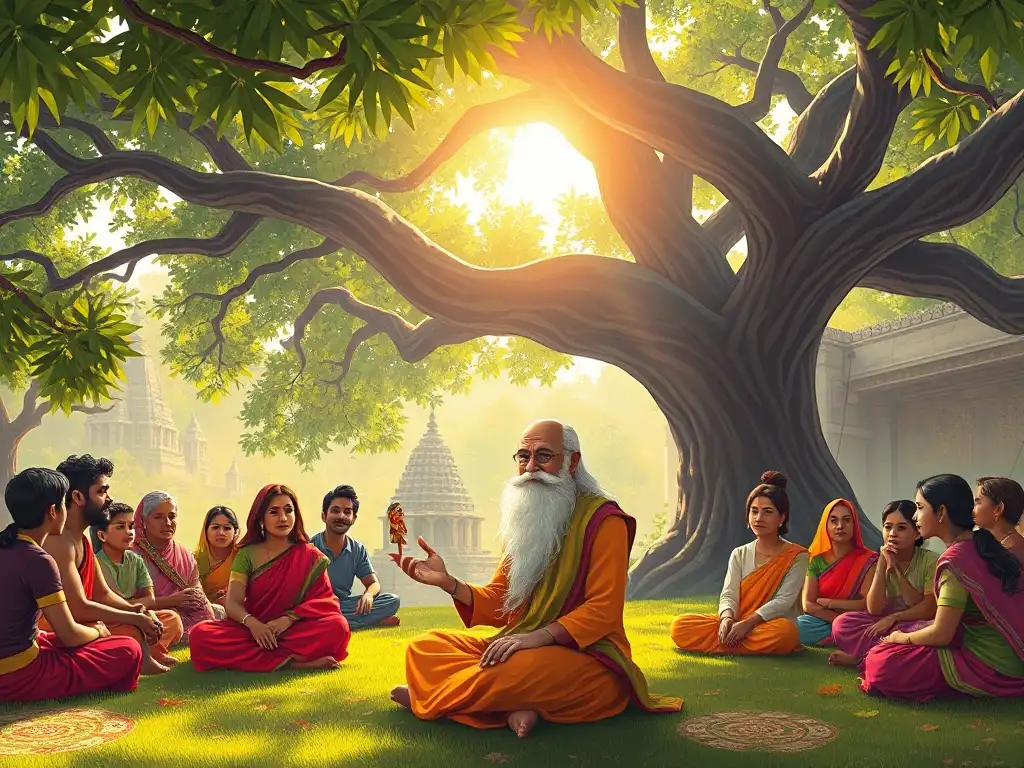
Ancient India witnessed a rich tapestry of storytelling forms, each contributing to the preservation and dissemination of cultural narratives. From epics to folk tales and theatrical performances, these diverse formats catered to various audiences and contexts, ensuring that the stories of the past remained relevant.
Epics and Their Impact on Culture: Mahabharata and Ramayana
The Mahabharata and Ramayana are two of the most significant epics in ancient Indian literature, each serving as a cornerstone of Indian culture. The Mahabharata not only recounts the tale of the Kurukshetra War but also delves into complex themes of duty, morality, and human relationships. Its vast narrative structure, including the Bhagavad Gita, offers profound philosophical insights that have shaped Indian thought.
The Ramayana, on the other hand, chronicles the life of Lord Rama, emphasizing ideals such as loyalty, honor, and the triumph of good over evil. Both epics have influenced various art forms, including dance, theater, and visual arts, reinforcing their cultural significance and ensuring their stories are retold through generations.
Folk Tales and Local Legends: Narratives from the Regions
Folk tales and local legends form an integral aspect of storytelling in ancient India, reflecting the diverse cultural landscape of the subcontinent. These narratives often vary by region, showcasing unique traditions, customs, and belief systems. For example, the tales of Tenali Raman from South India emphasize wit and intelligence, while stories from the Panchatantra impart universal moral lessons through animal fables.
Local legends often celebrate historical figures, events, or natural phenomena, fostering a sense of identity and continuity within communities. These stories are typically passed down orally, adapting over time to accommodate the changing cultural milieu, yet retaining their core messages and values.
Theatrical Storytelling: Natya Shastra and Performance Arts
The Natya Shastra, an ancient treatise on the performing arts attributed to Bharata Muni, outlines the principles of drama, dance, and music in storytelling. It emphasizes the importance of rasa (emotional essence) in evoking audience responses, making theatrical storytelling a powerful medium for cultural expression.
Theatrical performances in ancient India were often grand productions that blended various art forms, creating immersive experiences for audiences. These performances conveyed epics, folk tales, and religious narratives, reinforcing cultural values while entertaining. Traditional forms such as Kathakali, Kuchipudi, and Ram Leela exemplify how storytelling transcends mere narration, transforming into a vibrant celebration of art and culture.
Storytelling as a Tool for Cultural Identity
Storytelling has been a fundamental aspect of ancient Indian culture, serving as a vital medium for expressing and preserving cultural identity. Through various forms, including oral traditions, folk tales, and epic narratives, storytelling has facilitated a connection between generations, allowing communities to maintain their unique identities amidst changing socio-political landscapes. It has acted as a bridge to the past, ensuring that the rich tapestry of customs, beliefs, and traditions is not lost but instead celebrated and passed down.
The narratives often encapsulated the ethos of the community, reflecting their values, struggles, and triumphs. By recounting stories that highlight communal experiences, storytellers reinforced a sense of belonging and pride among the people. This cultural identification is crucial, as it binds individuals to their heritage, fostering a collective memory that shapes their worldview and societal roles.
Preservation of Language and Dialects through Stories
In ancient India, storytelling played a significant role in preserving regional languages and dialects. Oral tradition allowed various communities to express their linguistic diversity, with stories often being narrated in local languages, reflecting the unique sound, rhythm, and vocabulary associated with each region. This practice not only kept the language alive but also nurtured a sense of pride among speakers, reinforcing their cultural identity.
Moreover, the variations in storytelling styles and dialects showcased the richness of India's linguistic landscape. Stories were adapted and transformed as they traveled from one region to another, leading to the emergence of local variations and enriching the cultural fabric of the society. This dynamic process ensured that even as languages evolved, the oral tradition remained a vessel for preserving and celebrating linguistic heritage.
Transmission of Values and Morals in Ancient Narratives
Ancient Indian narratives were often imbued with moral lessons and values, serving as a guide for ethical conduct within the community. Through stories featuring gods, heroes, and everyday characters, profound lessons about duty (dharma), righteousness, and the consequences of one's actions were imparted. These narratives were not merely entertainment; they were didactic tools that shaped the moral compass of society.
For instance, the epic tales of the Mahabharata and Ramayana are rich with themes of loyalty, justice, and sacrifice. They provided listeners with a framework for understanding complex moral dilemmas, allowing individuals to reflect on their own lives and choices. The storytelling tradition thus acted as a moral compass, helping to cultivate virtues and instill a sense of responsibility among the members of ancient Indian society.
Community Bonding and Social Cohesion through Shared Stories
Storytelling has historically been a communal activity that fostered social cohesion within ancient Indian societies. Gatherings for storytelling were not just entertainment; they were crucial community events that brought people together, reinforcing bonds and shared identities. Through collective listening and participation in the narrative, individuals from diverse backgrounds found common ground, fostering unity and understanding.
These storytelling sessions often took place during festivals, rituals, or community gatherings, serving as a medium for shared experiences and collective memory. The act of sharing stories allowed communities to celebrate their heritage and transmit cultural values, reinforcing social ties and enhancing a sense of belonging. Thus, storytelling was instrumental in building resilient communities that thrived on shared narratives.
The Role of Storytellers in Ancient Indian Society
The role of storytellers in ancient Indian society was multifaceted, encompassing not only entertainment but also education, cultural preservation, and social commentary. These individuals were highly regarded, often seen as custodians of knowledge who played a critical role in maintaining the continuity of cultural practices and identities.
Storytellers as Cultural Custodians
Storytellers acted as vital cultural custodians, preserving the histories, myths, and traditions of their communities. They were responsible for transmitting knowledge from one generation to the next, ensuring that vital cultural narratives remained intact and vibrant. Through their art, they encapsulated the essence of their society, reflecting its values, beliefs, and historical experiences.
In many cases, storytellers were trained in the oral tradition from a young age, learning the intricacies of their craft and the importance of their role in society. They were often seen as repositories of wisdom, entrusted with the responsibility of safeguarding cultural heritage and fostering a sense of continuity. As such, they played an indispensable role in the cultural landscape of ancient India.
The Impact of Storytellers on Education and Knowledge Sharing
Beyond entertainment, storytellers were pivotal in the realm of education and knowledge sharing. They used stories as pedagogical tools to impart lessons on history, philosophy, and ethics. Through engaging narratives, complex ideas were made accessible and relatable to audiences of all ages, facilitating learning in a manner that was both enjoyable and impactful.
Storytelling sessions often included interactive elements, allowing listeners to engage critically with the narrative, ask questions, and discuss themes. This approach not only enhanced comprehension but also encouraged critical thinking and dialogue within the community. As a result, storytellers contributed significantly to the intellectual landscape of ancient Indian society, shaping the minds and morals of their audience.
Women in Storytelling: Contributions and Significance
Women played a crucial role in the storytelling tradition of ancient India, contributing unique perspectives and narratives that enriched the cultural tapestry. Female storytellers often focused on themes related to family, love, and the challenges faced by women in society. Their stories provided insights into the feminine experience, highlighting resilience, strength, and agency.
In many cultures, women were the primary storytellers within households, passing down familial tales and cultural practices. This role not only empowered them within their communities but also ensured the survival of female narratives, which might have otherwise been marginalized. The significance of women's contributions to storytelling underscores the importance of diverse voices in preserving and shaping cultural identity within ancient Indian society.
Contemporary Relevance of Storytelling in Indian Culture
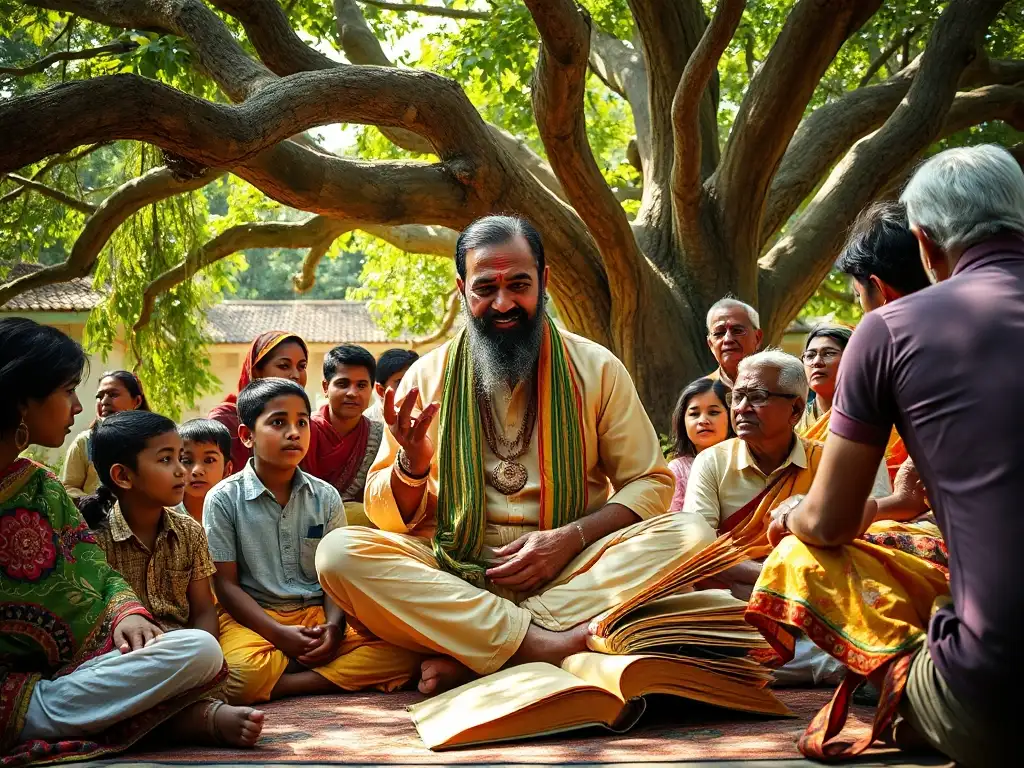
Storytelling has remained a vital part of Indian culture, transcending generations and adapting to the changing dynamics of society. In contemporary India, storytelling serves not only as a means of entertainment but also as a powerful tool for education and cultural preservation. With the rapid urbanization and globalization of Indian society, traditional narratives face the risk of being overshadowed. However, the resurgence of interest in folk tales, mythology, and oral traditions showcases storytelling's enduring significance.
Storytelling today continues to echo themes of morality, ethics, and societal values, which are deeply rooted in ancient Indian civilization. Festivals, theater performances, and community gatherings often feature storytelling, fostering a collective cultural identity. This contemporary relevance ensures that the narratives from ancient India remain alive, reminding people of their heritage and cultural roots.
Revival of Traditional Storytelling Practices Today
The revival of traditional storytelling practices in modern India has been a grassroots movement, resonating with audiences who seek authenticity and connection to their heritage. Organizations and individuals across the country are working diligently to bring back oral traditions, such as "katha" and "narrative dance," which were once commonplace. Workshops, storytelling festivals, and community events are being organized to encourage participation and appreciation of these art forms.
In urban settings, storytelling has found new life through digital platforms, allowing traditional storytellers to reach broader audiences. Social media channels and podcasts are becoming popular avenues for sharing these narratives, often blending ancient tales with contemporary themes, making them relatable to younger generations. This revival not only supports cultural preservation but also empowers storytellers, ensuring that their craft is valued and respected.
Influence of Modern Media on Ancient Storytelling Techniques
Modern media has significantly influenced storytelling techniques in India, leading to a fusion of traditional and contemporary styles. Television shows, films, and web series often draw inspiration from ancient Indian epics, infusing them with modern storytelling techniques and aesthetic sensibilities. This adaptation brings ancient stories to life in new and engaging ways, making them accessible to a diverse audience.
The use of animation, visual effects, and sound design in modern media creates immersive storytelling experiences that captivate viewers. Yet, while these techniques enhance the appeal of ancient narratives, they also pose challenges. The essence and depth of traditional storytelling can sometimes be lost in the transition to modern formats. Therefore, it is essential to strike a balance between innovation and authenticity to preserve the core values of these ancient stories.
The Future of Storytelling in Preserving Indian Heritage
As India continues to evolve, the future of storytelling in preserving its rich heritage looks promising yet challenging. With an increasing emphasis on digital media, there is an opportunity for storytellers to innovate while remaining rooted in tradition. The integration of technology, such as virtual reality and augmented reality, can create new avenues for immersive storytelling, allowing audiences to experience narratives in ways that were previously unimaginable.
Educational institutions are beginning to recognize the importance of storytelling in the curriculum, promoting it as a means of cultural education. By incorporating storytelling into academic settings, future generations will not only learn about their history but also develop a deeper appreciation for their cultural identity. Collaborative projects between traditional storytellers and contemporary artists can further enhance the preservation of storytelling practices, ensuring that they remain relevant and vibrant in the face of modern challenges.
Conclusion: The Enduring Legacy of Storytelling in Ancient Indian Culture
The legacy of storytelling in ancient Indian culture is profound and enduring. It has shaped the social fabric of Indian society, providing a means to convey values, beliefs, and history through generations. As we explore the contemporary relevance of storytelling, the revival of traditional practices, and the influence of modern media, it becomes clear that storytelling remains a vital part of cultural preservation.
Summary of Key Insights
- Storytelling continues to be a significant aspect of modern Indian culture, linking the past with the present.
- The revival of traditional storytelling practices highlights a growing appreciation for cultural heritage.
- Modern media influences storytelling techniques, providing new platforms for ancient narratives.
- The future of storytelling is poised for innovation, with technology playing a crucial role in its evolution.
Call to Action: Embracing Storytelling for Cultural Preservation
To ensure the preservation of ancient Indian culture, it is essential for individuals and communities to embrace storytelling as a means of cultural expression. Attend local storytelling events, support traditional storytellers, and share these narratives with younger generations. By actively participating in the storytelling tradition, we can nurture our cultural heritage and keep the rich tapestry of ancient Indian stories alive for years to come. 🌟
References
Storytelling has played an integral role in shaping and preserving the rich tapestry of ancient Indian history and culture. From oral traditions to written epics, these narratives have not only conveyed moral lessons but also documented the socio-political landscapes of their times. Here, we provide a curated list of recommended readings and academic sources for those interested in delving deeper into the significance of storytelling in ancient Indian culture.
Recommended Readings on Storytelling in Ancient Indian Culture
-
"The Ramayana" by Valmiki
An epic that recounts the life of Lord Rama, this ancient text is vital for understanding the moral and ethical values embedded in Indian culture through storytelling.
-
"The Mahabharata" by Vyasa
Another monumental epic, the Mahabharata, explores themes of duty, righteousness, and justice, providing a narrative framework that reflects the complexities of human relationships.
-
"Folktales of India" by A.K. Ramanujan
This collection highlights various Indian folktales, showcasing the diversity of regional stories and the cultural nuances that they represent.
-
"Indian Mythology: Tales, Symbols, and Rituals from the Heart of India" by Devdutt Pattanaik
Pattanaik's work offers insights into the mythological narratives that have shaped Indian beliefs and practices, illustrating the role of storytelling in cultural preservation.
-
"The Story of India" by Michael Wood
This historical account provides a broader context for understanding how storytelling has been utilized to communicate the evolution of Indian civilization.
Academic Sources for Further Research
-
"Oral Traditions and the Verbal Arts: A Guide to Research Practices" by Ruth H. Finnegan
This book offers methodologies and insights into the study of oral traditions, including those found in ancient Indian contexts.
-
"The Art of Storytelling: How to Tell Stories to Children" by Aileen Fisher
While focused on storytelling for children, this work provides a foundation for understanding the techniques and significance of storytelling across cultures, including India.
-
"Performative Acts and Gender Constitution: An Essay in Phenomenology and Feminist Theory" by Judith Butler
This essay explores the intersection of performance and storytelling, shedding light on how narratives have been used to construct identities in ancient India.
-
"The Cultural Heritage of India: Volume IV: Literature" by The Bharatiya Vidya Bhavan
This volume provides a comprehensive overview of Indian literature, including storytelling traditions, and their impact on culture and society.
-
"Storytelling: An Anthropological Approach" by David M. Johnson
This academic work examines the role of storytelling in various cultures, with specific references to Indian traditions and their anthropological implications.
These readings and sources will enhance your understanding of the vital role of storytelling in ancient Indian culture, offering both historical insights and contemporary analyses.
- Introduction to Storytelling in Ancient Indian Culture
- Historical Context of Storytelling in Ancient India
- Key Elements of Storytelling in Ancient Indian Culture
- Major Forms of Storytelling in Ancient India
- Storytelling as a Tool for Cultural Identity
- The Role of Storytellers in Ancient Indian Society
- Contemporary Relevance of Storytelling in Indian Culture
- Conclusion: The Enduring Legacy of Storytelling in Ancient Indian Culture
- References
- What is the significance of storytelling in ancient Indian culture?
- How did storytelling evolve in ancient India?
- What forms of storytelling were prominent in ancient India?
- How did storytelling contribute to the preservation of ancient Indian history?
- In what ways did storytelling influence ancient Indian art and literature?
Frequently Asked Questions
What is the significance of storytelling in ancient Indian culture?
Storytelling played a crucial role in preserving history and traditions. It served as a method for passing down knowledge, moral values, and cultural practices through generations.
How did storytelling evolve in ancient India?
Storytelling in ancient India evolved through various forms, including oral traditions, epics, and folktales. Each form contributed to a rich tapestry of cultural narratives that defined the society.
What forms of storytelling were prominent in ancient India?
Prominent forms included epics like the Mahabharata and Ramayana, as well as fables and myths that conveyed moral lessons and explored the complexities of human nature.
How did storytelling contribute to the preservation of ancient Indian history?
By weaving historical events into narratives, storytelling helped to document and interpret the past. It allowed communities to remember their heritage and instilled a sense of identity.
In what ways did storytelling influence ancient Indian art and literature?
Storytelling inspired various art forms, including dance, theater, and visual arts. It also laid the foundation for literary works, enriching the cultural landscape of ancient India.
Final Reflection: The Enduring Power of Storytelling in Ancient Indian Culture
Storytelling in ancient Indian culture serves as a vital thread that weaves together the rich tapestry of history, tradition, and identity. In a world increasingly dominated by technology and rapid change, the significance of storytelling remains as relevant today as it was centuries ago. It is through these narratives that we not only preserve our past but also find meaning in our present and guidance for our future. The stories of our ancestors echo through time, reminding us of the values, struggles, and triumphs that shape who we are.
The influence of storytelling transcends mere entertainment; it is a powerful tool for cultural preservation and social cohesion. The tales of gods, heroes, and everyday life in ancient India continue to resonate, shaping our understanding of morality, community, and the human experience. As Mahatma Gandhi once said, "> A 'no' uttered from the deepest conviction is better than a 'yes' merely uttered to please, or worse, to avoid trouble."
This highlights the importance of authentic narratives that reflect our true selves and values. The stories passed down through generations not only connect us to our roots but also inspire us to confront contemporary challenges with wisdom and resilience.
As we reflect on the role of storytelling in preserving ancient Indian history and culture, I invite you to embrace the power of narratives in your own life. Consider the stories that have shaped your identity and the lessons they impart. How can you share these stories with others to foster understanding and connection? Let us commit to keeping the art of storytelling alive, ensuring that the wisdom of the past continues to illuminate our paths forward. In doing so, we honor our heritage and contribute to a richer, more interconnected future.
Unleash the Power of Storytelling Today!
Thank you for immersing yourself in the fascinating world of ancient Indian history through storytelling! Your interest not only enriches your knowledge but also plays a vital role in preserving our cultural heritage. Now, it's time to take action and deepen your connection to this beautiful tradition.
Here are some ways you can continue your journey:
- Dive Deeper: Explore a book or documentary that focuses on a specific aspect of ancient Indian storytelling that captivates you.
- Share Your Stories: Engage in conversations about your favorite tales with friends and family, fostering a love for storytelling within your community.
- Join a Workshop: Participate in a local storytelling event or an online class to learn directly from experts and enhance your storytelling abilities.
What ancient tale or teaching resonates most with you, and how do you believe sharing it could influence those around you?