
The Mughals and Their Artillery: Innovations in Firepower

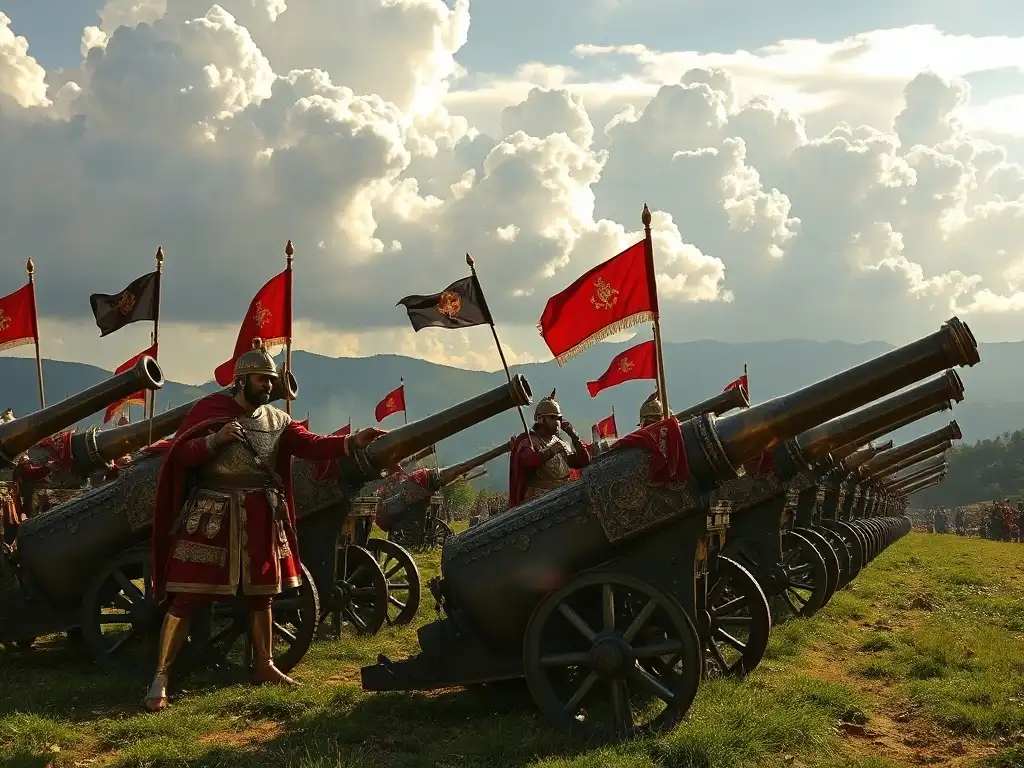
Welcome to Ancient India History, where we delve into the fascinating tapestry of India's past, uncovering the rich and diverse cultures that shaped an extraordinary civilization. In this exploration, we invite you to embark on a journey through the Mughal artillery innovations history, a captivating chapter that reveals how the Mughals transformed military strategies and firepower during their reign.
Prepare to be intrigued as we uncover the ingenious techniques and groundbreaking advancements that not only altered the course of battles but also left a lasting legacy. Join us as we unravel the secrets of this pivotal era in military history and discover the brilliance of ancient Indian ingenuity!
- Introduction to Mughal Artillery Innovations History
- Historical Context of Mughal Artillery
- Key Innovations in Mughal Artillery
- Major Battles Utilizing Mughal Artillery
- Technological Advancements and Their Impact
- Notable Figures in Mughal Artillery Development
- The Decline of Mughal Artillery Innovations
- Legacy of Mughal Artillery Innovations
- Conclusion: The Significance of Mughal Artillery Innovations in History
- Frequently Asked Questions
- Final Reflection: The Enduring Legacy of Mughal Artillery Innovations
- Unleash the Power of Knowledge: Dive Deeper into Mughal Artillery!
Introduction to Mughal Artillery Innovations History
The Mughal Empire, renowned for its grandeur and cultural achievements, also played a pivotal role in the evolution of military technology, particularly in the field of artillery. The innovations in firepower during this period not only transformed the dynamics of warfare in India but also had long-lasting implications on military strategies across the globe.
This article explores the fascinating history of Mughal artillery innovations, shedding light on how these advancements were instrumental in shaping the empire's military prowess. We will delve into the context of the Mughal Empire, the significance of artillery in their warfare, and the technological advancements that marked this era, ultimately highlighting the intricate relationship between innovation and military success.
Overview of the Mughal Empire
The Mughal Empire, established in the early 16th century, reached its zenith under the reign of emperors such as Akbar, Jahangir, and Shah Jahan. At its height, the empire spanned much of the Indian subcontinent, encompassing diverse cultures, languages, and religions. This vast empire was characterized by its efficient administrative system, flourishing trade, and remarkable architectural achievements, including the Taj Mahal and Red Fort.
The foundation of Mughal power was laid by Babur, who introduced a blend of Persian and Indian governance, but it was Akbar who truly consolidated and expanded the empire. His policies of religious tolerance and cultural integration set the stage for a unified realm, which also facilitated the growth of military innovations. The Mughals recognized that a strong military was vital for maintaining control over their vast territories, prompting them to adopt and enhance various forms of weaponry, including artillery.
Importance of Artillery in Mughal Warfare
Artillery played a crucial role in the military strategies of the Mughal Empire, marking a significant shift from traditional forms of combat to more sophisticated warfare. The incorporation of gunpowder-based weapons, including cannons and muskets, revolutionized the battlefield. The Mughals adeptly utilized artillery not only in sieges but also in open-field battles, allowing them to gain a tactical advantage over their enemies.
The significance of artillery is evident in several key battles during the Mughal era. For instance, at the Battle of Panipat in 1526, Babur's use of artillery was decisive in defeating Ibrahim Lodi, paving the way for Mughal dominance in India. Furthermore, under the leadership of Akbar, the empire saw the development of larger and more effective cannons, which were crucial in subduing regional powers and expanding Mughal territories.
In addition to their effectiveness in combat, Mughal artillery innovations also reflect the empire's broader cultural and technological advancements. The meticulous craftsmanship involved in creating these weapons showcased the skills of local artisans, while the strategic deployment of artillery demonstrated the Mughals' keen understanding of military tactics. This combination of artistry and strategy not only fortified the empire's military capabilities but also contributed to its lasting legacy in the annals of military history.
Historical Context of Mughal Artillery
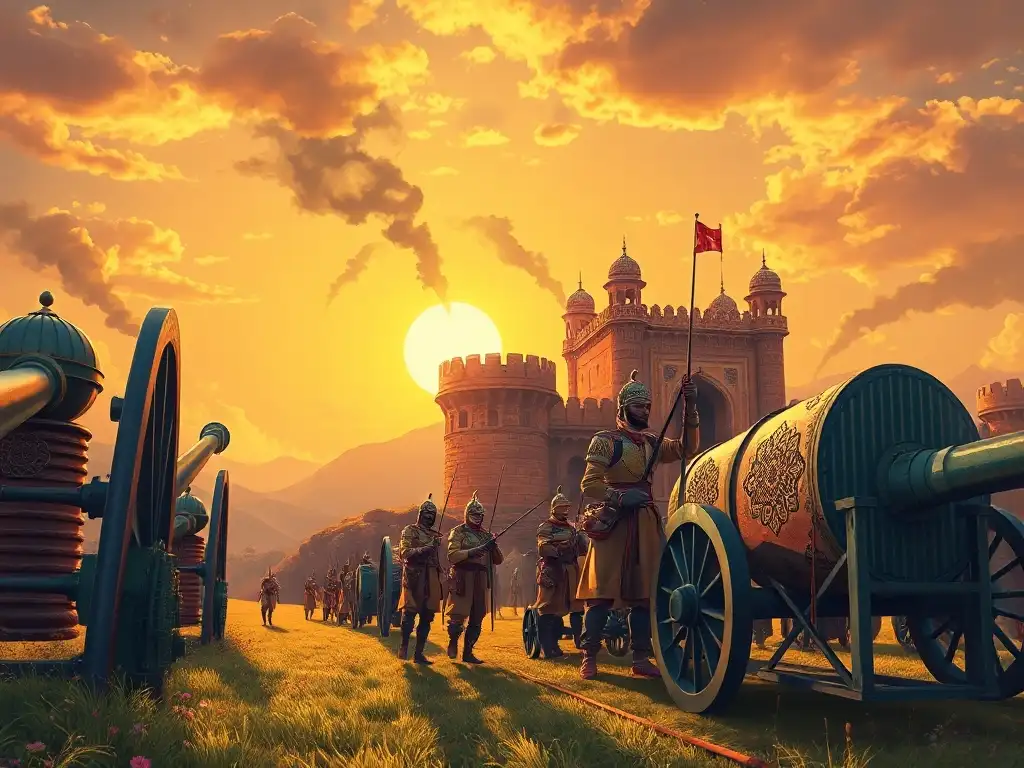
Early Developments of Firepower in India
The history of artillery in India predates the Mughal Empire, with its roots tracing back to various indigenous innovations and the gradual adoption of gunpowder technology from the 13th century onwards. Early Indian kingdoms, such as the Delhi Sultanate, played a crucial role in the initial experimentation with firepower.
- Gunpowder Introduction: The introduction of gunpowder to India is believed to have occurred through interactions with the Mongols and later through the trade with the Chinese. By the late 14th century, records indicate that the Sultanate utilized primitive cannons known as topas.
- Artillery Types: The early artillery pieces primarily consisted of small, portable cannons and large siege guns. These weapons were often made using bronze or iron, showcasing the metallurgical skills of Indian artisans.
- Influence of Warfare: The battle strategies of these early states began to evolve, as artillery could effectively breach fortifications and alter the dynamics of warfare. The use of elephants to carry smaller artillery pieces also became common, showcasing the integration of traditional military practices with emerging technologies.
The Mughal Conquest and Its Military Needs
The Mughal Empire, established in the early 16th century, recognized the strategic advantages of incorporating advanced artillery into its military framework. The conquests led by Babur, the founder of the Mughal dynasty, were significantly influenced by artillery innovations.
- Babur's Artillery Tactics: Babur implemented the use of artillery in his famous victory at the First Battle of Panipat in 1526. He employed a combination of mobility and firepower, using cannons that could be transported rapidly on the battlefield, a tactic that caught his opponents off guard.
- Organizational Structure: The Mughal military established a dedicated corps of artillerymen known as topkhana. This corps was responsible for the maintenance, transportation, and operation of artillery pieces, reflecting a sophisticated approach to military organization.
- Artillery Expansion: As the Mughal Empire expanded, so did its artillery capabilities. Akbar, Babur's grandson, invested heavily in improving the production of gunpowder and artillery. He constructed large foundries and employed skilled artisans, which resulted in the creation of more powerful cannons and advanced siege weapons.
Influence of Persian and Central Asian Military Technology
The Mughal Empire was not only a product of Indian innovations but also heavily influenced by Persian and Central Asian military technologies. The Mughal rulers were descendants of Timur and Genghis Khan, and their military strategies were deeply rooted in the practices of these cultures.
- Persian Techniques: The Mughals adopted and adapted Persian artillery techniques, which included the use of larger, more powerful cannons known as zarb al-akhzar. These were capable of inflicting significant damage on fortifications and enemy formations.
- Central Asian Innovations: The influence from Central Asia brought about advanced methods of casting artillery. The Mughals learned from the metalworking techniques of their predecessors and incorporated these into their own practices, resulting in the development of heavier, more durable artillery pieces.
- Cultural Exchange: The Mughal Empire's military advancements also facilitated cultural exchanges, where artisans and military experts from Persia and Central Asia collaborated with local craftsmen. This synergy not only enhanced the artillery capabilities but also enriched the overall military technology of the Mughal Empire.
The innovations in Mughal artillery were a culmination of early developments in firepower, strategic military needs during conquests, and the integration of Persian and Central Asian military technologies. This intricate tapestry of influences allowed the Mughals to establish themselves as one of the most powerful empires in history, significantly impacting the evolution of warfare in the Indian subcontinent.
Key Innovations in Mughal Artillery
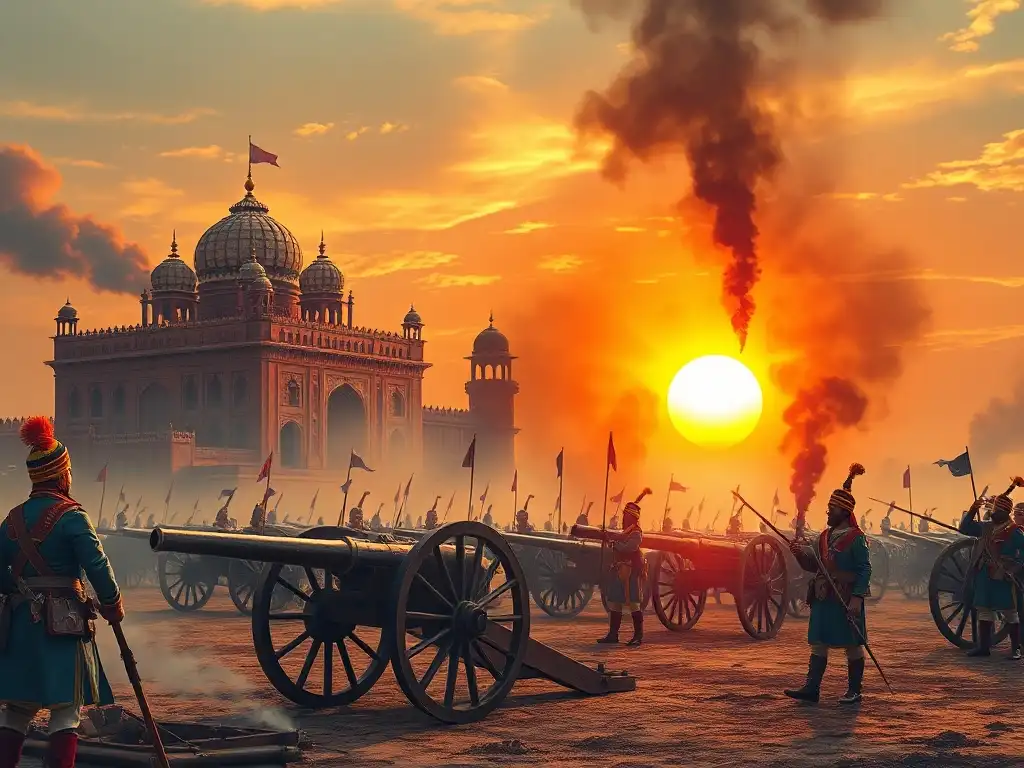
Introduction of Gunpowder Weapons
The introduction of gunpowder weapons marked a significant turning point in Mughal military history. This technology, believed to have originated in China, made its way to India by the late 15th century, coinciding with the rise of the Mughal Empire. The Mughals were quick to adopt and adapt gunpowder technology, integrating it into their military strategies and significantly enhancing their firepower.
- Early Adoption: Babur, the founder of the Mughal Empire, utilized gunpowder in battles such as the First Battle of Panipat in 1526. His forces employed cannons, which played a crucial role in his victory over Ibrahim Lodi's army.
- Strategic Use: The Mughals understood the psychological impact of gunpowder weapons. The booming sound of cannons and the visual spectacle of gunfire were used not only for destruction but also to intimidate enemies.
As the Mughal Empire expanded, the use of gunpowder weapons became more sophisticated, leading to innovations that would change the landscape of warfare in the region.
Development of Cannons and Large Siege Guns
The Mughal Empire is renowned for its development and deployment of advanced artillery pieces, particularly cannons and large siege guns. This innovation was pivotal in establishing Mughal dominance over rival kingdoms.
- Types of Cannons: The Mughals developed various types of cannons, including:
- Zamzama: A huge cannon used during sieges, known for its long range and devastating power.
- Bam Bam: A cannon that was particularly effective in open-field battles, showcasing the Mughals' artillery versatility.
- Siege Warfare: The Mughals effectively utilized large siege guns during their campaigns. Their ability to breach fortifications hastened the fall of numerous strongholds, significantly expanding their territories. Notable examples include the sieges of Chittorgarh and Mandu, where artillery played a decisive role.
- Logistics and Mobility: The Mughals also improved the logistics of transporting artillery. They developed specialized carts and teams to move heavy guns, allowing for greater flexibility in military campaigns.
The integration of these large siege guns into their military arsenal allowed the Mughals to assert control over vast territories and maintain their power in the subcontinent.
Innovations in Artillery Design and Construction Techniques
The Mughal Empire's innovations in artillery design and construction techniques were instrumental in enhancing their military capabilities. These advancements reflected the empire's commitment to technological progress and military efficiency.
- Materials and Craftsmanship: Mughal artillery pieces were crafted using high-quality iron and bronze, which contributed to their durability and effectiveness. The artistry involved in their construction also showcased the rich cultural heritage of the empire.
- Breech-loading Cannons: The Mughals experimented with breech-loading mechanisms, allowing for quicker reloading times during battles. This innovation increased firing rates and improved overall battlefield performance.
- Artillery Parks: The organization of artillery into dedicated parks allowed for improved maintenance and rapid deployment. These parks were strategically located to support ongoing military campaigns and ensure that artillery support was readily available when needed.
- Training and Tactics: The Mughals invested in training specialized artillery units, known as Topkhana, who were skilled in the operation and maintenance of cannons. Tactical doctrines evolved to incorporate artillery into both offensive and defensive maneuvers, maximizing their effectiveness on the battlefield.
The Mughal innovations in artillery not only transformed their military strategies but also set a precedent for future conflicts in the region. The blend of technology, craftsmanship, and tactical acumen established the Mughals as a dominant force in the history of military warfare in India.
Major Battles Utilizing Mughal Artillery
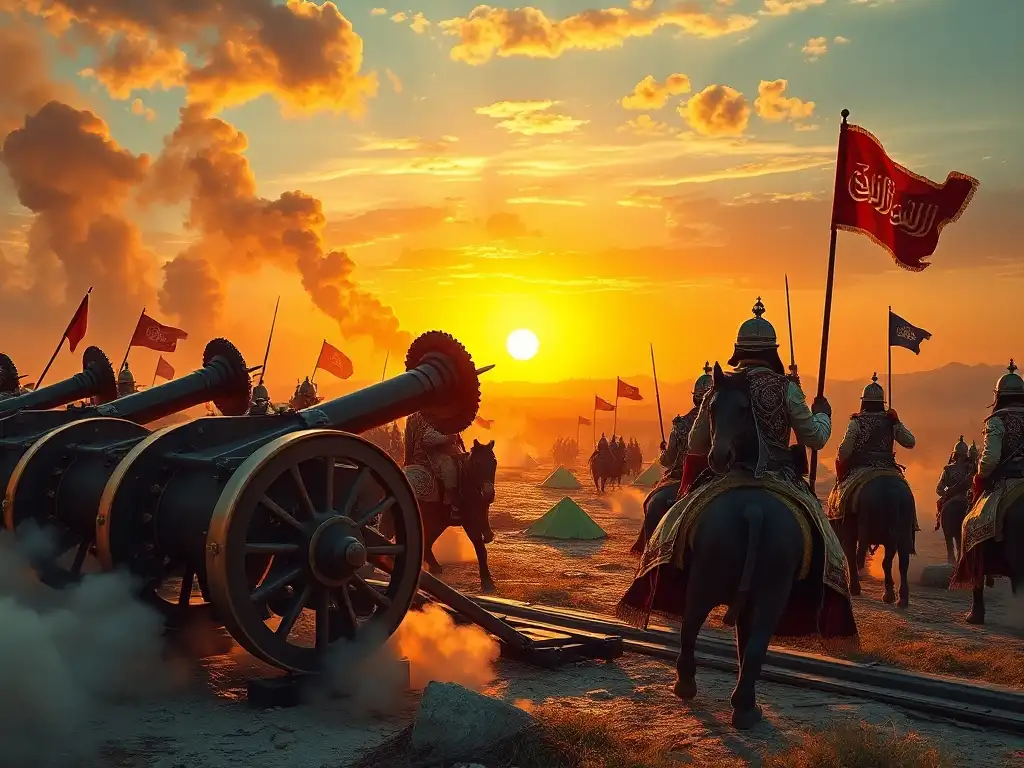
The Battle of Panipat: A Turning Point
The First Battle of Panipat, fought on April 20, 1526, marked a significant turning point in Indian history and showcased the effectiveness of Mughal artillery innovations. This battle pitted the forces of Babur, the founder of the Mughal Empire, against Ibrahim Lodi, the last Sultan of the Delhi Sultanate.
Babur's army, though smaller in number, utilized advanced artillery tactics, including the deployment of large cannons and handheld firearms. The Mughals had introduced the zamburak, a type of swivel gun mounted on camels, which provided mobility and flexibility in the battlefield. This innovative use of artillery not only disrupted Lodi's formations but also played a crucial role in the psychological warfare that led to the eventual defeat of Lodi's forces.
The effectiveness of Babur's artillery can be summarized in the following points:
- Artillery Deployment: Babur placed his artillery on elevated ground, allowing for a broader range of fire against the enemy.
- Tactical Maneuvering: The Mughals employed a circular formation, which allowed them to protect their artillery while simultaneously launching attacks on different fronts.
- Psychological Impact: The booming sound of cannons and the destructive power of gunfire instilled fear in the ranks of Lodi's soldiers, contributing to their disarray.
Overall, the battle set a precedent for the use of artillery in subsequent conflicts, firmly establishing the Mughal Empire's dominance in northern India.
Siege of Chittorgarh: Artillery in Action
The Siege of Chittorgarh in 1567-68 stands as a testament to the Mughal's artillery prowess. Under the leadership of Emperor Akbar, the siege aimed to subdue the Rajput stronghold, which was known for its fierce resistance and strategic significance.
During this prolonged siege, the Mughals employed various artillery pieces, including culverins and large cannons, to breach the fortifications of Chittorgarh. The siege lasted for several months, highlighting the following key aspects:
- Innovative Siege Techniques: The Mughals utilized battering rams alongside artillery to create openings in the fort's defenses. This combination of forceful impact and gunfire was unprecedented.
- Logistics and Supply: The successful supply of artillery ammunition and the maintenance of the siege operations demonstrated the Mughal Empire's logistical capabilities. Resources were efficiently mobilized to sustain the campaign.
- Civilians and the Artillery Barrage: The relentless bombardment caused significant destruction, impacting not just the defenders but also the civilian population within the fort. This raised ethical questions regarding warfare during that era.
Ultimately, the siege culminated in the fall of Chittorgarh, symbolizing the effectiveness of Mughal artillery and the strategies employed by Akbar to expand his empire.
The Role of Artillery in the Deccan Campaigns
The Deccan Campaigns (late 16th to early 17th centuries) were characterized by the Mughal Empire's efforts to consolidate power in southern India. Artillery played a crucial role in these campaigns, facilitating the Mughal expansion against various regional powers, particularly the Deccan Sultanates.
Several factors contributed to the effectiveness of artillery during these campaigns:
- Diverse Terrain Adaptation: The Mughals adapted their artillery strategies to suit the diverse geographical conditions of the Deccan plateau. This included transporting heavy artillery over rugged terrains.
- Siege Warfare: The campaigns involved numerous sieges, where artillery was vital in breaching the extensive fortifications of enemy strongholds. The successful use of heavy guns, such as bore cannons, allowed for rapid advances.
- Integration with Infantry: Artillery units were effectively integrated with infantry and cavalry, creating a coordinated approach to warfare. This tactic maximized the impact of firepower while maintaining flexibility in battle.
The Deccan Campaigns not only showcased the advancements in Mughal artillery innovations but also solidified the empire's control over a significant portion of India, marking a critical phase in its military history.
Technological Advancements and Their Impact
The Mughal Empire, renowned for its remarkable achievements in various fields, made significant strides in military technology, particularly in artillery. This advancement was pivotal for the empire's expansion and maintenance of power. The Mughals adopted and adapted artillery techniques from various cultures, enhancing their effectiveness on the battlefield. The integration of advanced artillery into military strategies transformed the dynamics of warfare during this period.
Artillery Training and Military Tactics
The Mughals placed great emphasis on rigorous training for their artillery units. This involved not just the operation of the cannons and mortars but also a deep understanding of artillery tactics.
- Structured Training Programs:
- Mughal commanders established formal training regimens that included both theoretical instruction and practical drills.
- Artillerymen learned to coordinate with infantry and cavalry, ensuring a cohesive approach to combat.
- Tactics on the Battlefield:
- The Mughals employed artillery to devastating effect during sieges, often using large cannons to breach walls and fortifications.
- They utilized mobile artillery units that could be repositioned quickly to respond to enemy movements, enhancing their tactical flexibility.
- Psychological Warfare:
- The mere presence of artillery instilled fear in opposing forces. The sound of cannon fire and the sight of large guns became synonymous with Mughal power.
- Artillery was not only used offensively but also as a deterrent, shaping the battlefield landscape and influencing enemy strategies.
The Use of Artillery in Fortifications
Artillery also played a crucial role in the design and construction of fortifications within the Mughal Empire. The Mughals recognized the need for strong defensive structures that could withstand cannon fire.
- Fortification Design:
- Mughal forts were built with thick walls and bastions, allowing defenders to mount their own artillery.
- The strategic placement of artillery within forts enabled defenders to cover multiple angles of attack, making assaults more difficult.
- Siege Warfare:
- The Mughals excelled in siege warfare, often surrounding enemy fortifications with their artillery to wear down defenses.
- Notable sieges, such as the Siege of Chittor (1567-68), showcased the effectiveness of Mughal artillery in breaching formidable walls.
- Architectural Innovations:
- The integration of artillery in fortifications led to architectural innovations, including the development of gunpowder-resistant structures.
- These innovations not only enhanced military effectiveness but also contributed to the aesthetic and functional aspects of Mughal architecture.
Innovations in Ammunition and Range
The Mughal Empire was at the forefront of innovation in ammunition and artillery range, significantly enhancing their combat capabilities.
- Types of Ammunition:
- The Mughals developed various types of ammunition designed for specific purposes, such as explosive shells and grapeshot, which maximized damage against infantry formations.
- Innovations also included incendiary projectiles, which could set enemy fortifications ablaze, causing chaos and destruction.
- Improvement in Range:
- The introduction of longer-range cannons allowed the Mughals to engage enemies from a distance, reducing the risk to their troops.
- By the late Mughal period, artillery pieces like the zamburak (a swivel gun mounted on camels) provided unprecedented mobility and range.
- Scientific Approaches:
- Mughal artillery innovations were influenced by contemporary scientific advancements. The study of ballistics and metallurgy contributed to the production of more durable and effective artillery pieces.
- Historical records indicate that Mughal engineers collaborated with foreign experts, further enhancing their artillery technology.
The Mughal Empire's advancements in artillery not only revolutionized military tactics and fortifications but also set a precedent for future innovations in warfare. These developments played a crucial role in the empire's military successes and its ability to maintain control over a vast territory.
Notable Figures in Mughal Artillery Development
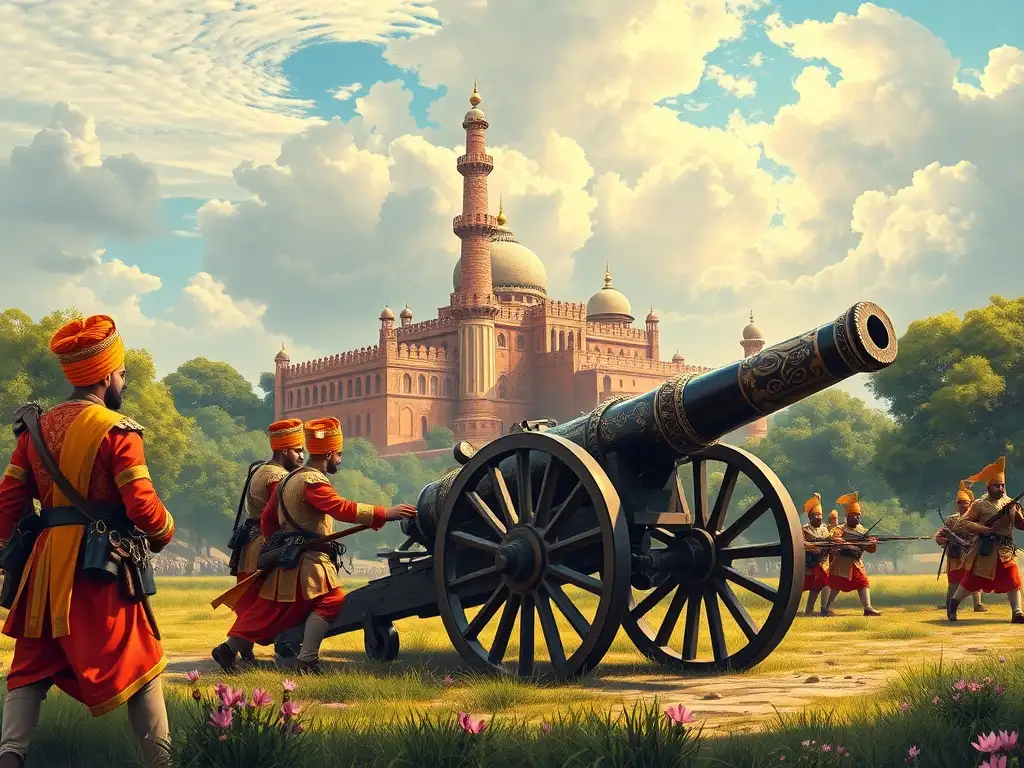
The development of artillery during the Mughal era was significantly influenced by several key figures whose contributions shaped the trajectory of military technology in India. These individuals not only played pivotal roles in the innovation and implementation of artillery but also helped establish the Mughal Empire as a formidable military power. Below are the notable figures who made substantial contributions to Mughal artillery innovations.
Akbar the Great: The Visionary Leader
Akbar (1542-1605) stands as one of the most important emperors in Mughal history, particularly regarding his innovative approach to military strategy and technology. His reign marked a period of significant advancements in artillery, which he recognized as a crucial element for maintaining and expanding the empire.
- Integration of Artillery: Akbar was among the first Mughal rulers to fully integrate artillery into the traditional cavalry-dominated military structure. He understood that artillery could provide a tactical advantage in warfare, allowing for long-range attacks that could devastate enemy formations.
- Innovations: Under his reign, the Mughal artillery saw the introduction of large cannons called zamburaks, which were mounted on elephants. This not only made the artillery mobile but also instilled fear in opponents due to the sheer size and noise of these weapons.
- Establishment of Workshops: Akbar established workshops for the production of artillery pieces, employing skilled artisans and engineers. These workshops not only produced weapons but also enabled the transfer of knowledge and techniques, ensuring the continuous improvement of artillery technology.
- Tactical Use: Akbar's use of artillery was not limited to the battlefield; he also employed it in sieges, effectively using cannon fire to breach fortifications and demoralize defenders. His strategic foresight in deploying artillery helped secure many victories and expand the empire's territory.
Shah Jahan: Advancements Under His Reign
Shah Jahan (1592-1666), the fifth Mughal emperor, is often remembered for his architectural achievements, such as the Taj Mahal. However, his contributions to artillery innovations were equally significant and played a crucial role in the military strategies of his time.
- Refinement of Artillery Techniques: During Shah Jahan's reign, there was a focus on refining and improving existing artillery techniques. He invested in the design and production of more effective cannon types, enhancing their accuracy and range, which proved vital in numerous military campaigns.
- Increased Production: Shah Jahan expanded the infrastructure for artillery production, establishing more foundries and workshops throughout the empire. This increased production capacity ensured that the Mughal army was well-equipped for prolonged military engagements.
- Strategic Deployments: The emperor employed artillery in a more strategic manner, often employing it alongside infantry and cavalry units for combined arms tactics. This integration allowed for more coordinated attacks and significantly increased the effectiveness of Mughal forces in battle.
- Siege Warfare Innovations: Shah Jahan's reign also saw innovations in siege warfare, where artillery played a pivotal role. He utilized advanced techniques and artillery firepower to effectively lay siege to strongholds, demonstrating the evolving nature of military tactics during this period.
Military Engineers and Artisans: Unsung Heroes
While emperors like Akbar and Shah Jahan were crucial in promoting and utilizing artillery, the innovations in Mughal artillery would not have been possible without the contributions of skilled military engineers and artisans.
- Artisans' Craftsmanship: The artisans who crafted the artillery pieces were highly skilled individuals, often trained in the intricate techniques of metalworking and foundry practices. Their expertise led to the creation of durable and effective cannons that could withstand the rigors of battle.
- Military Engineers: The military engineers, often of Indo-Persian descent, played a vital role in the innovation of artillery designs. They experimented with various materials and designs to enhance the performance of artillery, leading to the development of more powerful and reliable weapons.
- Collaboration and Knowledge Transfer: This group of individuals worked closely with the Mughal elite, sharing knowledge and techniques that had been developed in other cultures, particularly those from Persia and the Ottoman Empire. This collaboration was essential for the advancement of artillery technology.
- Legacy of Innovation: The innovations brought forth by these unsung heroes laid the groundwork for future advancements in military technology well beyond the Mughal era. Their contributions to the field of artillery are a testament to the importance of skilled craftsmanship and engineering in shaping military history.
The development of Mughal artillery innovations was a multifaceted process driven by visionary leaders, strategic advancements, and the invaluable contributions of skilled artisans and engineers. The legacy of these figures continues to influence the understanding of military technology and history in ancient India.
The Decline of Mughal Artillery Innovations
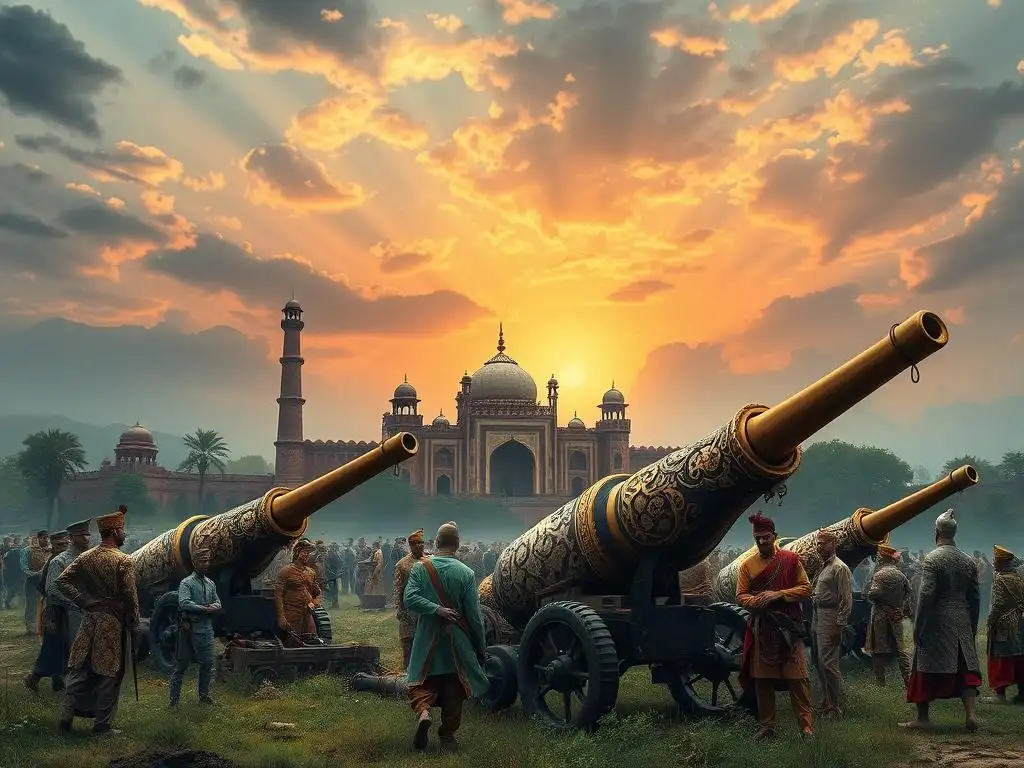
The decline of Mughal artillery innovations marked a significant turning point in the military history of India. As the Mughal Empire reached its zenith in the late 17th century, their advanced artillery techniques and technologies were pivotal in establishing their dominance. However, by the 18th century, a combination of internal strife and external pressures led to a noticeable decline in their military prowess, particularly in the realm of artillery.
Factors Leading to the Decline of Mughal Military Power
Several factors contributed to the decline of Mughal artillery innovations and military power:
- Political Fragmentation:
- The later Mughal emperors struggled to maintain central authority, leading to the emergence of regional powers and a fragmented political landscape. This fragmentation diluted the resources and focus needed to sustain advanced military technologies.
- Economic Decline:
- The Mughal Empire faced severe economic challenges due to excessive taxation, corruption, and the depletion of resources. With a weakened economy, funding for artillery innovations and maintenance became increasingly difficult.
- Military Stagnation:
- As rival states emerged, the Mughal military became less innovative. While other regions advanced their artillery techniques, the Mughals relied on outdated methods and failed to adapt to changing warfare dynamics. This stagnation left them vulnerable to more modernized armies.
- Internal Revolts:
- Frequent uprisings and revolts from various factions, including the Marathas and Sikhs, diverted the Mughal focus away from military innovation. The need to quell internal dissent further strained their already limited resources.
- Technological Lag:
- By the time of the decline, European powers had made significant advancements in artillery technology. The Mughals, who once led in artillery innovations, found themselves lagging behind, unable to keep pace with the evolving military landscape.
The Impact of British Colonialism on Mughal Artillery Techniques
The arrival of British colonial powers in India brought about profound changes to the landscape of warfare and military technology, including the artillery techniques employed by the Mughals.
- Introduction of Western Artillery:
- The British brought with them advanced artillery systems, including field guns and howitzers that were more efficient and effective than the traditional Mughal cannon. This shift rendered the existing Mughal artillery somewhat obsolete.
- Decline in Training and Expertise:
- With the decline of the Mughal Empire, there was a significant loss of skilled artisans and military experts who had previously contributed to artillery innovations. The British, recognizing this gap, established their own training programs that further entrenched their military superiority.
- Strategic Reorientation:
- British military strategies emphasized mobility and rapid deployment, which contrasted sharply with the Mughal approach. This shift not only diminished the relevance of traditional Mughal artillery but also led to the reorganization of military tactics that favored the British.
- Cultural and Technological Assimilation:
- The British also assimilated certain aspects of Mughal artillery into their own practices, but this was often done under the framework of British military doctrine. As a result, the unique innovations of Mughal artillery were overshadowed and often lost in the broader narrative of colonial military history.
The decline of Mughal artillery innovations was influenced by a confluence of internal weaknesses and external pressures, particularly from British colonialism. The once-mighty Mughal artillery, which had played a crucial role in their military successes, gradually fell into disuse, marking a significant chapter in the history of military technology in India.
Legacy of Mughal Artillery Innovations
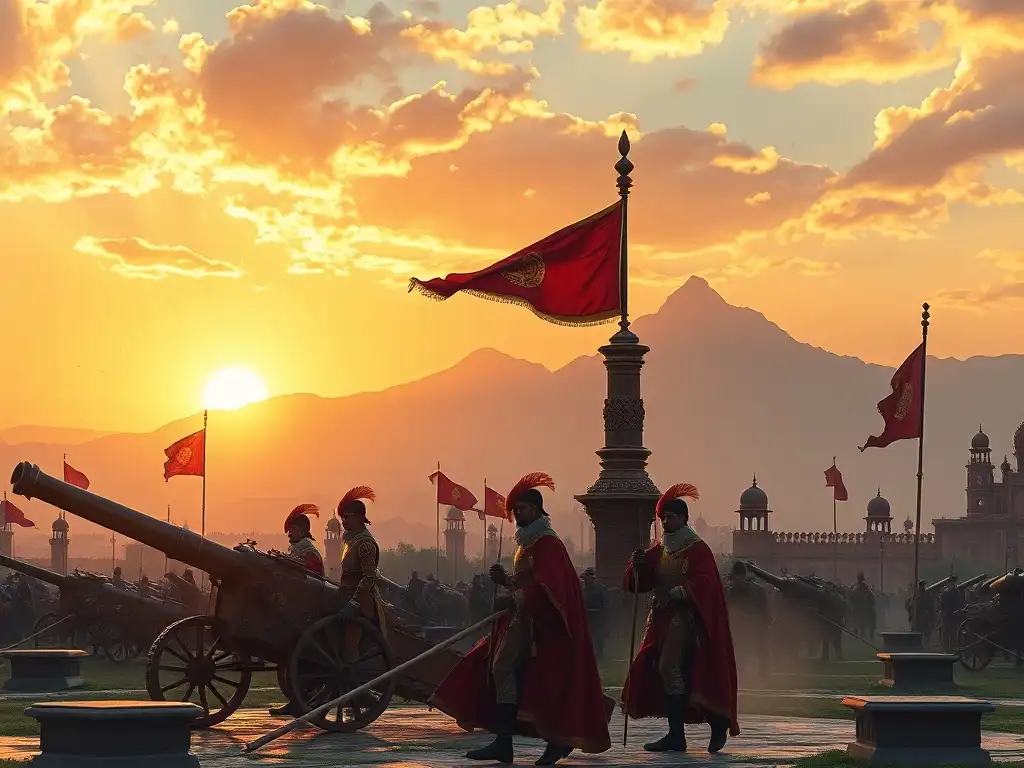
The Mughal Empire, which flourished from the early 16th to the 18th centuries, is renowned for its remarkable contributions to military technology, particularly in the realm of artillery. The innovations introduced during this period not only transformed the nature of warfare in India but also left a lasting legacy that influenced military practices well beyond the subcontinent.
Influence on Subsequent Indian Military Practices
The advancements in artillery under the Mughals established a new paradigm for military strategy and tactics in India. Before the Mughal era, Indian warfare predominantly relied on traditional weapons such as swords, bows, and elephants. However, the introduction of gunpowder artillery changed the dynamics of battle.
- Adoption of Gunpowder Weapons: The Mughal rulers implemented innovative artillery pieces like the zamburak (a swivel gun mounted on a camel) and large cannons, such as the Bāzī Ghar. This marked a significant shift where infantry units began to integrate artillery into their formations, enhancing their combat effectiveness.
- Military Reorganization: The Mughals established a systematic military structure that emphasized the role of artillery. Units were organized not just by infantry or cavalry but by the specific artillery they wielded. This reorganization allowed for more coordinated and effective maneuvers during engagements.
- Training and Tactics: The Mughals emphasized training in the use of artillery. Artillerymen, known as topchis, underwent rigorous training to operate complex artillery pieces. This focus on specialized training laid the groundwork for future armies in India, who continued to build upon the techniques established by the Mughals.
- Fortifications and Siege Warfare: The Mughal innovations also influenced the design of fortifications. Walls were reinforced with materials to withstand cannon fire, and siege tactics evolved, incorporating artillery to breach enemy defenses more effectively. This legacy can be seen in later Indian powers, such as the Marathas and Sikhs, who adopted and adapted these strategies.
Contributions to Global Artillery Development
The Mughal Empire's innovations in artillery extended beyond the subcontinent, contributing significantly to global military practices. Their advancements were characterized by both technological and tactical innovations.
- Technical Innovations: The Mughal artisans and engineers developed larger, more powerful cannons, which could fire heavier projectiles over greater distances. The notable Dilli Ka Haathi, a massive cannon, exemplified this trend. Such innovations influenced artillery designs in neighboring regions, including Persia and the Ottoman Empire.
- Cultural Exchange and Military Diplomacy: The Mughal Empire was a melting pot of cultures, incorporating influences from Central Asia, Persia, and Europe. This cultural exchange facilitated the sharing of military technology and knowledge. Mughal envoys traveled to Europe, where they exchanged ideas and artillery designs, thereby contributing to the evolution of artillery in the West.
- Impact on European Military Strategies: The effectiveness of Mughal artillery caught the attention of European powers. During the 17th and 18th centuries, European military leaders studied Mughal tactics and artillery systems, leading to adaptations in their own strategies. The emphasis on mobile artillery units and the establishment of artillery corps in European armies can trace roots back to Mughal innovations.
- Evolution of Gunpowder Warfare: The Mughals played a pivotal role in the broader narrative of gunpowder warfare. Their ability to integrate artillery into the military fabric not only solidified their dominance in India but also contributed to the global shift towards gunpowder-based weaponry, paving the way for future military conflicts worldwide.
The legacy of Mughal artillery innovations is profound and multifaceted. From reshaping Indian military practices to influencing global artillery development, the contributions of the Mughal Empire continue to resonate in the annals of military history.
Conclusion: The Significance of Mughal Artillery Innovations in History
Summary of Key Points
The Mughal Empire, flourishing from the early 16th to the 19th centuries, was distinguished not only by its rich cultural contributions but also by its significant advancements in military technology, particularly artillery. Key points regarding Mughal artillery innovations include:
- Introduction of Gunpowder: The Mughals were among the first to utilize gunpowder in their military campaigns effectively. This allowed for the development of more powerful and accurate artillery pieces, enhancing their battlefield effectiveness.
- Innovative Designs: The Mughals engineered various types of artillery, including heavy cannons like the Zamzama and lighter field guns. These designs were often adapted from both indigenous practices and influences from European technologies.
- Strategic Deployment: The strategic placement of artillery during battles reshaped traditional combat tactics. The Mughals showcased a profound understanding of terrain and positioning, allowing them to maximize the effectiveness of their firepower.
- Industrialization of Production: The establishment of foundries and workshops under Mughal rule facilitated the mass production of artillery pieces, ensuring that their armies were well-equipped during campaigns.
- Impact on Warfare: The innovations in Mughal artillery not only influenced their own military successes but also had a lasting impact on warfare throughout the Indian subcontinent, altering the dynamics of power and territorial control.
The Enduring Legacy of Mughal Military Technology
The legacy of Mughal artillery innovations extends far beyond their immediate military applications. The blend of indigenous techniques with foreign influences created a unique military technology that has influenced subsequent generations.
- Cultural Integration: The Mughals’ advancements fostered a culture of military innovation that integrated various techniques and designs, reflecting a synthesis of knowledge from across the empire and beyond. This cultural amalgamation can be seen in their architecture, art, and military strategies.
- Influence on Future Empires: The military successes achieved through advanced artillery laid the groundwork for future empires in India. Subsequent rulers adopted and adapted Mughal artillery techniques, ensuring that the innovations continued to evolve.
- Technological Transfer: The Mughal Empire served as a conduit for the transfer of military technology between East and West. As European powers began to establish themselves in India, many of the artillery techniques and strategies were exchanged, leading to a more global military technology landscape.
- Historical Studies: Modern historians recognize the importance of studying Mughal artillery innovations as integral to understanding the dynamics of military history in the region. Their innovations in firepower not only defined the era but also offer insights into the socio-political structures of the time.
The Mughal artillery innovations represent a pivotal chapter in military history, showcasing a remarkable blend of technology, strategy, and cultural integration that continues to resonate in historical studies today.
Frequently Asked Questions
What were the main innovations in Mughal artillery?
The Mughals significantly advanced artillery technology by introducing large cannons and mobile field guns, enhancing their battlefield effectiveness.
How did Mughal artillery impact warfare?
The innovations in Mughal artillery transformed military strategies, allowing for long-range firepower and improving siege tactics during conflicts.
Who were key figures in Mughal artillery development?
Notable figures like Akbar and Shah Jahan played crucial roles in enhancing artillery techniques and expanding the Mughal Empire through superior firepower.
What materials were used in Mughal artillery?
Mughal artillery primarily utilized iron and bronze, which were essential for crafting durable cannons and shells, ensuring reliability in combat scenarios.
How did Mughal artillery compare to contemporaneous forces?
Mughal artillery was often more advanced than that of their rivals, showcasing superior craftsmanship and design, which contributed to their dominance in the subcontinent during the early modern period.
Final Reflection: The Enduring Legacy of Mughal Artillery Innovations
The innovations in Mughal artillery not only transformed the battlefield but also reshaped the very fabric of military strategy in their time. Today, as we witness the evolution of warfare and technology, the significance of these advancements remains strikingly relevant. The Mughal Empire's ability to integrate advanced artillery into their military tactics serves as a reminder of how innovation can redefine power dynamics and influence the course of history.
The impact of Mughal artillery innovations extends beyond mere historical significance; it has woven itself into the cultural and social narrative of South Asia. The legacy of these advancements can be seen in contemporary military practices and the ongoing fascination with the art of war. As historian John Keegan once said, "> The history of warfare is the history of technology." This statement underscores the profound connection between technological innovation and military prowess, illustrating how the Mughal Empire's artillery innovations continue to resonate in modern discussions of strategy and power.
As we reflect on the lessons of the Mughal artillery, I invite you to consider how innovation can be a catalyst for change in your own life. What new ideas or technologies can you embrace to redefine your personal or professional landscape? The story of the Mughals teaches us that progress often comes from the willingness to adapt and innovate. Let their legacy inspire you to harness the power of creativity and ingenuity in your own endeavors, shaping a future that honors the lessons of the past while boldly stepping into new frontiers.
Unleash the Power of Knowledge: Dive Deeper into Mughal Artillery!
Thank you for exploring the fascinating world of Mughal artillery with us! We hope you’ve gained valuable insights into how these innovations shaped historical battles and influenced warfare. Now, it’s time to take that knowledge further and make it your own!
Here are a few impactful steps you can take right now:
- Explore More: Visit our extensive archives on Mughal history to uncover more about their technologies and strategies.
- Share Your Insights: Engage with fellow history enthusiasts by sharing this article on social media or within your book club. The more we discuss, the richer our understanding becomes!
- Join the Conversation: Leave a comment below with your thoughts on the role of artillery in shaping empires. Your perspective could spark an enlightening discussion!
What aspect of Mughal artillery intrigues you the most, and how do you think it influenced modern warfare tactics?