
Women Warriors in Ancient India: The Unsung Heroines of Battle

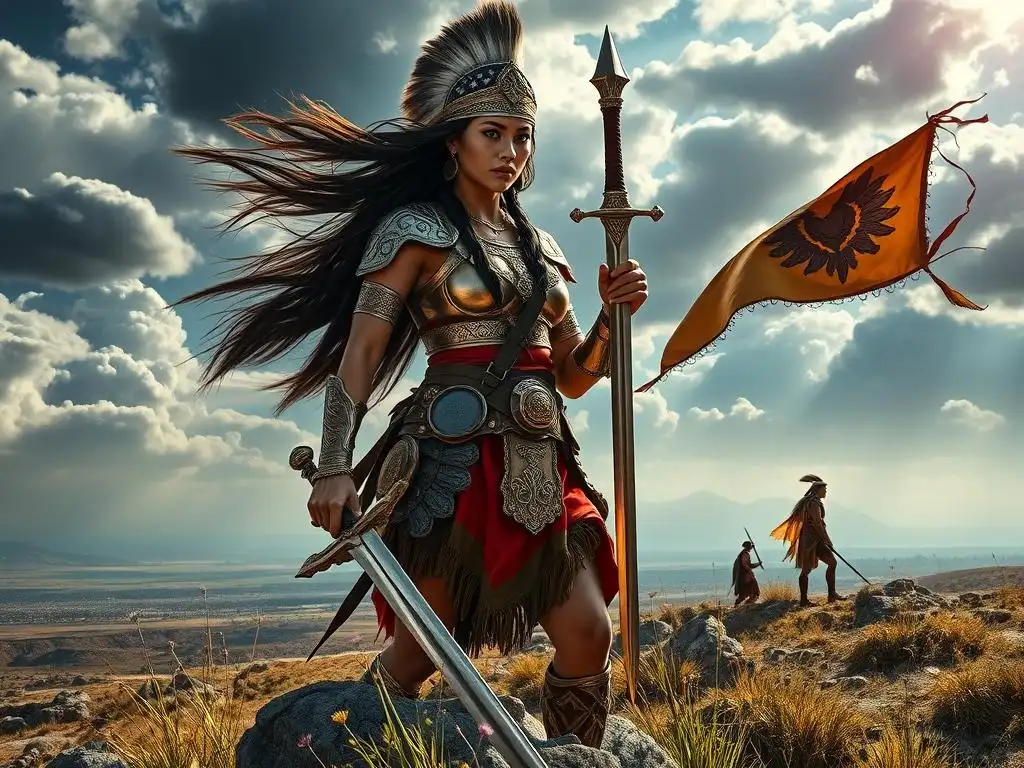
Welcome to Ancient India History, where we embark on an enthralling journey through the vibrant tapestry of ancient Indian civilizations. In our featured article, "Women Warriors in Ancient India: The Unsung Heroines of Battle," we shine a spotlight on the remarkable stories of fierce and valiant women who defied the norms of their time to fight for their land and beliefs. Their legacies are often overshadowed, but they are pivotal in understanding the military prowess and cultural richness of ancient India.
Prepare to be inspired as we uncover the tales of these courageous figures, inviting you to delve deeper into a history that is as compelling as it is enlightening. Join us and explore the powerful narratives that await!
- Women Warriors of Ancient India: The Unsung Heroines of Battle
- Historical Context of Women Warriors in Ancient India
- Notable Women Warriors of Ancient India
- Weapons and Tactics Used by Women Warriors
- Cultural Representation of Women Warriors
- The Legacy of Women Warriors in Ancient India
-
Frequently Asked Questions
- What role did women warriors play in ancient Indian battles?
- Who are some notable women warriors from ancient India?
- How did societal views on women warriors differ in ancient India?
- Were women warriors in ancient India recognized in historical texts?
- What impact did women warriors have on Indian culture and history?
- Final Reflection: Celebrating the Legacy of Women Warriors in Ancient India
- Unveil the Strength of Women Warriors!
Women Warriors of Ancient India: The Unsung Heroines of Battle
Introduction to Women Warriors in Ancient India
The history of ancient India is adorned with tales of valor, wisdom, and resilience, particularly exemplified by the remarkable contributions of women warriors. While many narratives have focused on the great kings and their armies, the roles played by women in battle have often remained in the shadows. This article seeks to illuminate the Women Warriors of Ancient India, exploring their significant yet frequently overlooked contributions to military history.
From the fierce queens of the Rajput clans to the skilled archers and strategists of the Indus Valley, these heroines not only fought for their kingdoms but also shaped the sociopolitical landscape of their times. Their stories are not merely footnotes in history; they are powerful testaments to the strength and agency of women in an era often stereotyped as patriarchal.
Overview of Women in Ancient Indian Warfare
Women in ancient India were not relegated to domestic roles alone; they actively participated in warfare, showcasing their martial skills and strategic acumen. Historical texts and inscriptions reveal that women were involved in various capacities, including:
- Warriors: Many women took up arms, training alongside men and leading troops into battle. Notable figures such as Rani Durgavati and Rani Lakshmibai stand out for their courage and leadership.
- Strategists: Women played crucial roles in planning and executing military strategies. Their insights often provided unique perspectives that could turn the tide of war.
- Symbolic Figures: Women also served as symbols of honor and morale for the troops, inspiring them through their bravery and resilience.
The presence of women in military roles challenges the conventional narratives of warfare and highlights their integral part in the ancient Indian military framework.
Importance of Women Warriors in Military History
The contributions of women warriors in ancient India are pivotal for several reasons:
- Challenging Gender Norms: The active participation of women in warfare challenged the prevailing gender norms of the time, showcasing that strength and valor were not exclusive to men.
- Cultural Impact: The stories and legacies of these women have influenced cultural narratives and have become integral in the folklore and literature of India, inspiring generations.
- Historical Recognition: Acknowledging the roles of women warriors in ancient military history enriches our understanding of the past and provides a more comprehensive view of societal dynamics during those times.
- Inspiration for Modern Feminism: The resilience and bravery of these historical figures serve as powerful symbols for contemporary movements advocating for women's rights and empowerment.
The Women Warriors of Ancient India not only fought valiantly on the battlefield but also paved the way for future generations to dream beyond the constraints of gender. Their legacy continues to inspire discussions on the roles of women in history and society today.
Historical Context of Women Warriors in Ancient India
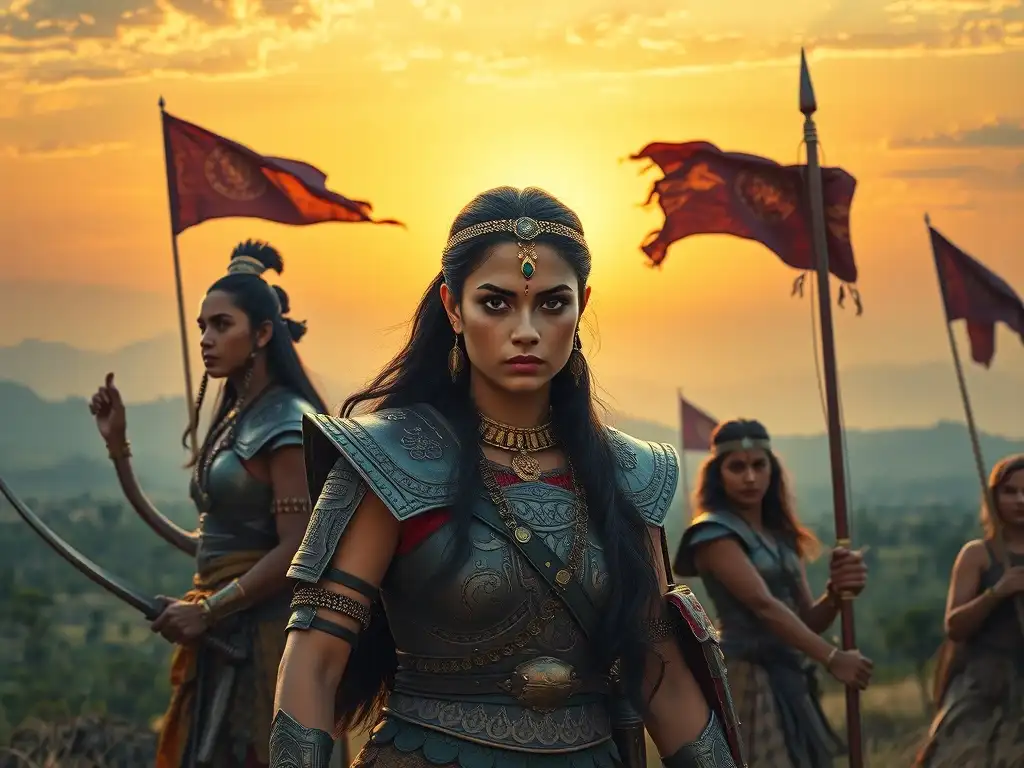
The history of women warriors in ancient India is a testament to the multifaceted roles women played within their societies. From participating in battles to serving as leaders, women were often more than mere bystanders in the historical narrative. This section delves into the societal backdrop that allowed women to take on these formidable roles, challenging the conventional perceptions of gender norms in ancient Indian civilizations.
The Role of Women in Ancient Indian Society
Women in ancient India held various positions that allowed them to influence their communities. While traditional narratives often depict them solely in domestic roles, evidence suggests that women were active in various spheres, including politics, warfare, and education.
- Social Structure: Ancient Indian society was structured around various classes and castes, but women from many backgrounds participated in different aspects of life. While the upper classes might have observed more restrictions, women from warrior clans, like the Kshatriyas, often trained in martial arts and weaponry.
- Military Training: Historical texts and inscriptions indicate that women were not only involved in warfare but also received military training. For instance, texts like the Mahabharata highlight characters like Draupadi, who actively engaged in the political and military affairs of her time.
- Leadership Roles: Women such as Rani Durgavati and Chand Bibi emerged as leaders who led armies into battle, showcasing their capabilities as strategists and fighters. Their stories reveal a society that, at least in certain contexts, respected and revered the role of women in warfare.
Key Periods Notable for Women Warriors
Various epochs in ancient India are marked by the emergence of women warriors who played pivotal roles in historical events. Understanding these periods provides insight into the evolution of women's military involvement.
- Indus Valley Civilization (c. 3300–1300 BCE): While direct evidence of women warriors is scarce, archaeological findings suggest a relatively progressive society where women participated in various roles, potentially including military.
- Vedic Period (c. 1500–500 BCE): Texts from this era highlight women's participation in rituals and societal duties, hinting at their influence. Some accounts suggest that women could lead during battles, reflecting their importance in military affairs.
- Medieval Period (c. 600–1600 CE): This period saw prominent figures such as Rani Durgavati of Gondwana, who fought bravely against Mughal forces, and Chand Bibi of Ahmednagar, who defended her kingdom from the Mughals. Their courage and tactical acumen marked significant resistance against invading forces.
| Period | Notable Women Warriors | Contributions |
|---|---|---|
| Indus Valley Civilization | Evidence of societal roles | Potential military involvement |
| Vedic Period | Various mythological figures | Leadership in battles |
| Medieval Period | Rani Durgavati, Chand Bibi | Defended kingdoms, led armies |
The Influence of Religion and Mythology on Women Warriors
Religion and mythology have significantly shaped societal views on women and their roles, including that of warriors. The narratives surrounding deities and mythological figures often reflect the valor and strength attributed to women.
- Goddesses as Symbols: Deities like Durga and Kali are often depicted as fierce warriors, embodying strength and resilience. These representations not only inspired women but also provided a cultural framework that legitimized their participation in warfare.
- Epic Literature: Texts such as the Mahabharata and Ramayana feature powerful female characters who demonstrate martial prowess. For instance, the character of Shakti represents the divine feminine force, empowering women in their real-life struggles.
- Cultural Festivals and Rituals: Celebrations like Navaratri revolve around the worship of goddess Durga, symbolizing the victory of good over evil. Such traditions reinforce the image of women as warriors and leaders within society.
The intertwining of religion and warfare in ancient India painted a complex picture of women warriors, highlighting their roles not just as fighters but as embodiments of divine strength and courage.
The historical context surrounding women warriors in ancient India reveals a rich tapestry of cultural, social, and political dynamics. These unsung heroines made significant contributions to the martial heritage of India, challenging the stereotypes and limitations placed upon them by society. Their legacies continue to inspire and remind us of the profound impact women have had throughout history.
Notable Women Warriors of Ancient India
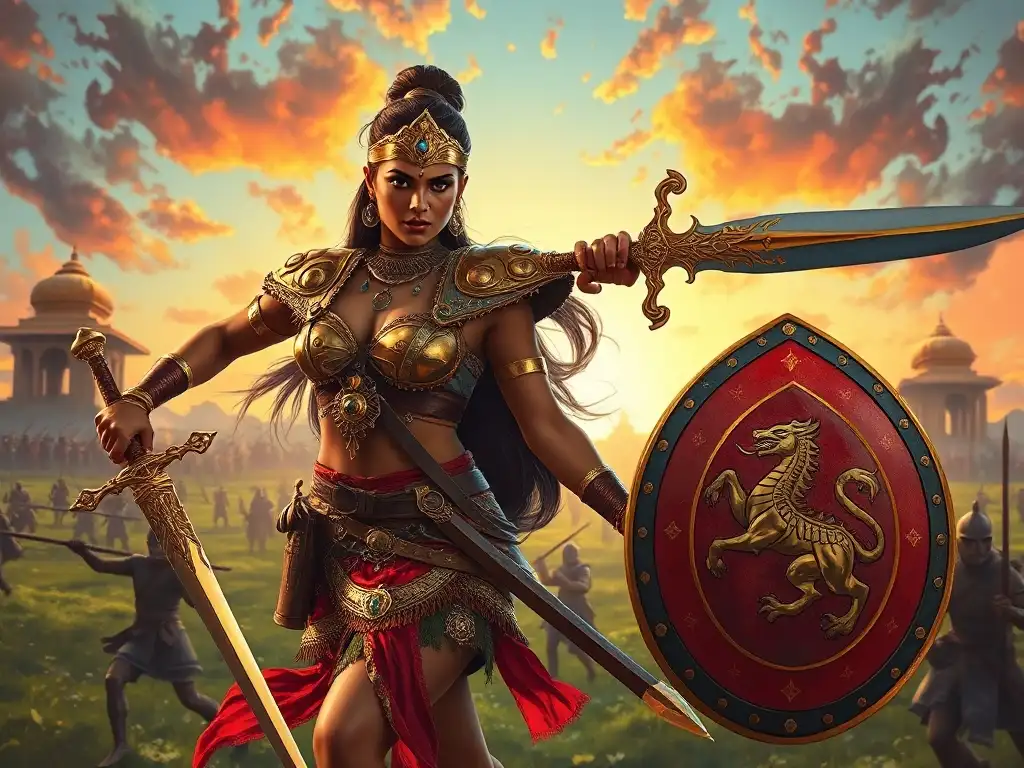
Rani Durgavati: The Warrior Queen
Rani Durgavati, the queen of Gondwana, is a celebrated figure in the history of women warriors of ancient India. Born in the 16th century, she became a symbol of resistance against Mughal invasions. Her reign was marked by bravery, strategic acumen, and a fierce commitment to her kingdom.
Rani Durgavati ascended to the throne after the death of her husband, and she proved to be a capable ruler who led her troops into battle personally. The most notable of her battles occurred in 1564, when she faced the Mughal forces led by Asaf Khan. Despite being outnumbered, she fought valiantly, showcasing her skills with the bow and arrow, which she wielded with exceptional precision.
Her leadership during the Battle of Narrai is particularly significant. She inspired her soldiers with her courage and resilience, displaying an unwavering spirit in the face of adversity. Ultimately, although she was defeated, Rani Durgavati chose to end her life rather than surrender, a decision that solidified her legacy as one of the most formidable women warriors in ancient India.
Chand Bibi: Defender of Ahmednagar
Chand Bibi, a prominent figure in the late 16th century, was the regent of the Ahmednagar Sultanate and is often celebrated as one of the most strategic female leaders in the history of the Deccan region. Widowed at a young age, she took on the mantle of leadership during a tumultuous period marked by conflict with the Mughal Empire.
Her most notable military achievement occurred in 1595 when she valiantly defended Ahmednagar against the Mughal siege led by Emperor Akbar's forces. Chand Bibi not only displayed remarkable military prowess but also strategic brilliance. She organized her troops and fortified the city, employing innovative tactics to fend off the attackers.
Chand Bibi's leadership extended beyond mere battlefield tactics; she was also known for her diplomatic skills, attempting to negotiate peace while maintaining the integrity of her kingdom. Her efforts, however, were ultimately thwarted, leading to her tragic death in 1599. Nevertheless, her legacy as a warrior queen continues to inspire many, highlighting her role as a notable woman warrior of ancient India.
Razia Sultana: The Sultan of Delhi
Razia Sultana, reigning in the 13th century, holds a distinguished place in the annals of Indian history as the first and only female monarch of the Delhi Sultanate. As a daughter of Sultan Iltutmish, she ascended the throne in 1236, defying the traditional norms that restricted women from holding power.
Her reign was marked by efforts to establish a just and equitable administration. Razia Sultana was a capable leader, known for her intelligence and charisma, which she used to gain the loyalty of her subjects. She broke gender norms by dressing in masculine attire and personally leading her army into battle.
One of her significant challenges came from her own nobles, who opposed her rule due to her gender. Despite this, Razia demonstrated exceptional military skills, leading her forces against rebellions and external threats. Her reign, however, was short-lived, as she faced betrayal and was eventually overthrown. Nonetheless, Razia Sultana remains an enduring symbol of female empowerment and leadership, representing the women warriors of ancient India who challenged societal norms and left an indelible mark on history.
Other Remarkable Women Warriors
The history of ancient India boasts a multitude of formidable women warriors whose contributions and valor have often been overshadowed by their male counterparts. These remarkable figures not only fought bravely on the battlefield but also played significant roles in shaping the socio-political landscape of their times. Here are some of the most notable among them:
- Rani Durgavati: The queen of Gondwana in the 16th century, Rani Durgavati was known for her fierce resistance against Mughal forces. After her husband’s death, she took command of her kingdom and led her troops valiantly against the Mughal emperor Akbar's army. Her strategic acumen and bravery in battle have made her an enduring symbol of resistance and valor.
- Rani Lakshmibai: The iconic queen of Jhansi, Rani Lakshmibai emerged as a prominent leader during the 1857 Rebellion against British rule. She is celebrated for her relentless courage and tactical prowess, leading her troops with remarkable skill. Her legendary escape from Jhansi and subsequent battles have cemented her place as a national heroine in India's struggle for independence.
- Chennamma of Kittur: Rani Chennamma, the queen of Kittur in Karnataka, was a significant figure in the resistance against British colonization in the early 19th century. After the death of her husband, she fought valiantly to protect her kingdom from annexation. Her defiance against British forces and her efforts to rally support from other regional rulers showcased her leadership and commitment to her people.
- Rani Padmini: Also known as Rani Padmavati, she is a legendary figure associated with the fort of Chittorgarh. While historical accuracy regarding her life is debated, she is depicted as a courageous queen who chose to fight against invaders rather than surrender. Her story has inspired countless tales of bravery, emphasizing the values of honor and sacrifice.
- Kasturba Gandhi: Though not a warrior in the traditional sense, Kasturba Gandhi's role in the Indian freedom struggle cannot be overlooked. She participated actively in various movements and supported her husband, Mahatma Gandhi, during the struggle for independence. Her contributions to society and her resilience have made her a revered figure in the history of women's involvement in Indian politics.
- Bhanumati: Mentioned in the epic Mahabharata, Bhanumati was a skilled warrior and the wife of Duryodhana. Her character is often overshadowed by the male heroes of the epic, yet she is portrayed as a powerful and capable figure. Her involvement in the events of the Kurukshetra war highlights the presence of women in warfare during ancient times.
These women warriors exemplify the strength, courage, and resilience of women in ancient India. Their stories remind us that the contributions of women to military history are profound and deserve recognition, celebrating the unsung heroines who fought valiantly for their rights, kingdoms, and beliefs.
Weapons and Tactics Used by Women Warriors
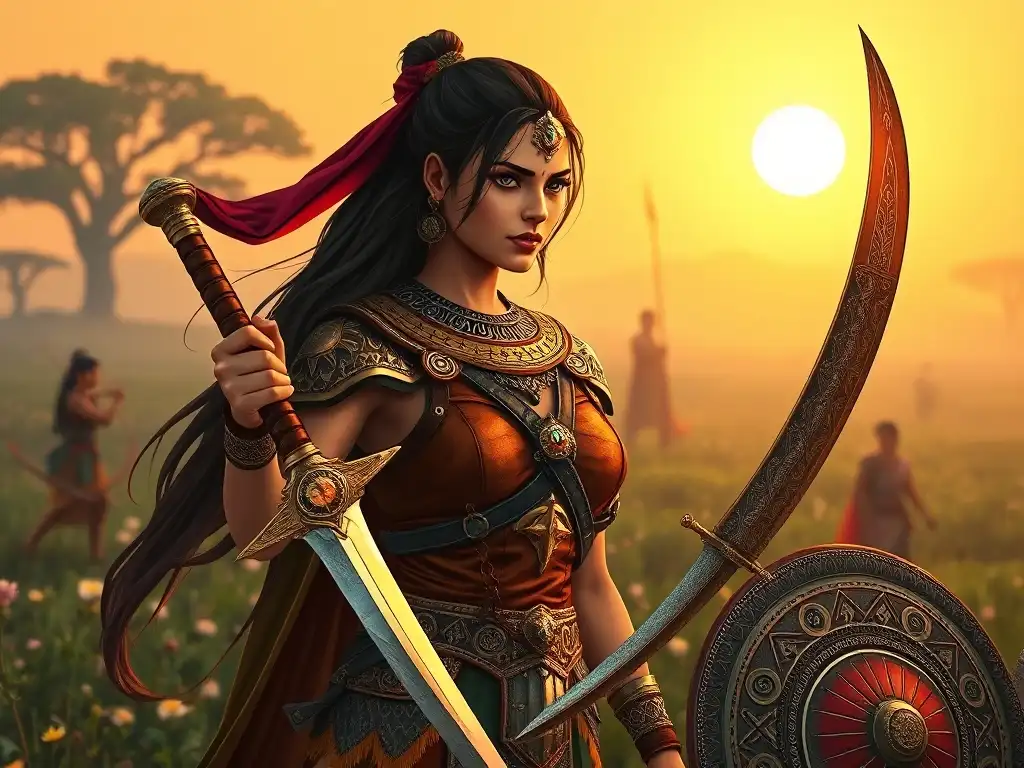
Traditional Weapons Employed by Women in Battle
Women warriors in ancient India wielded a variety of weapons, showcasing not only their skill but also the cultural significance of these arms in their respective societies. Some of the most notable traditional weapons included:
- Swords and Daggers: Women were often trained in the use of swords, such as the khanda and kris, which required agility and precision. The khanda, a double-edged sword, was favored for its versatility in battle.
- Bows and Arrows: Archery was a prominent skill among women warriors, particularly in regions like Rajasthan. The use of the dhanush (bow) allowed them to engage enemies from a distance, enhancing their tactical advantage.
- Spears and Pikes: Many women utilized spears, which were effective for both throwing and close combat. This weapon allowed for both offensive and defensive maneuvers, making it a staple in the arsenals of women warriors.
- Shields: Shields were crucial for protection in battle, and women warriors often carried them alongside their primary weapons. Some shields were ornate, reflecting the cultural artistry of the era, while also serving a practical purpose.
These weapons not only served as tools of warfare but also symbolized the valor and tenacity of women in ancient Indian societies.
Military Strategies of Women Warriors
Women warriors in ancient India were not merely participants in battles; they were strategic thinkers who employed innovative tactics to achieve their objectives. Their military strategies included:
- Guerrilla Warfare: Women often engaged in guerrilla tactics, using the element of surprise to their advantage. This included ambushes and stealth attacks, allowing them to outmaneuver larger enemy forces.
- Defensive Strategies: Women played significant roles in defending their territories, especially during sieges. They utilized their knowledge of local geography to set traps and fortify positions effectively.
- Alliances and Diplomacy: Many women warriors understood the importance of alliances. By forging partnerships with neighboring clans or kingdoms, they could bolster their military strength and resources. Notable figures like Rani Durgavati exemplified this approach when she allied with other rulers to confront invaders.
- Psychological Warfare: The reputation of women warriors was often used as a psychological weapon against their enemies. Tales of their bravery and ferocity would spread, instilling fear and hesitation in opposing forces.
These strategies reveal a profound understanding of military tactics and the ability to adapt to the dynamics of warfare, showcasing the intellectual prowess of women in ancient India.
Comparison of Women Warriors’ Tactics with Male Counterparts
The tactics employed by women warriors in ancient India often mirrored those of their male counterparts, yet there were distinct differences shaped by societal roles and expectations.
| Aspect | Women Warriors | Male Warriors |
|---|---|---|
| Training | Formal and informal training, often in domestic settings, focusing on agility and precision. | Military training in structured environments, emphasizing strength and endurance. |
| Tactics | Emphasis on stealth, ambush, and psychological warfare. | Direct confrontation and large-scale battle strategies. |
| Weapons | Varied use of traditional weapons, often lighter for mobility. | Broad range of heavy weaponry, including cavalry and siege equipment. |
| Role in Society | Seen as protectors of the home and community, often leading in defense. | Traditional warriors with societal expectations of offense and conquest. |
While both women and men demonstrated courage and skill on the battlefield, the context of their roles often shaped their tactical approaches. Women warriors utilized their unique strengths, developing strategies that were equally effective, albeit different in execution.
The exploration of women warriors in ancient India underscores their vital contributions to military history, challenging traditional narratives about warfare and gender roles in ancient civilizations. The legacy of these unsung heroines continues to inspire and highlight the multifaceted nature of ancient Indian society.
Cultural Representation of Women Warriors
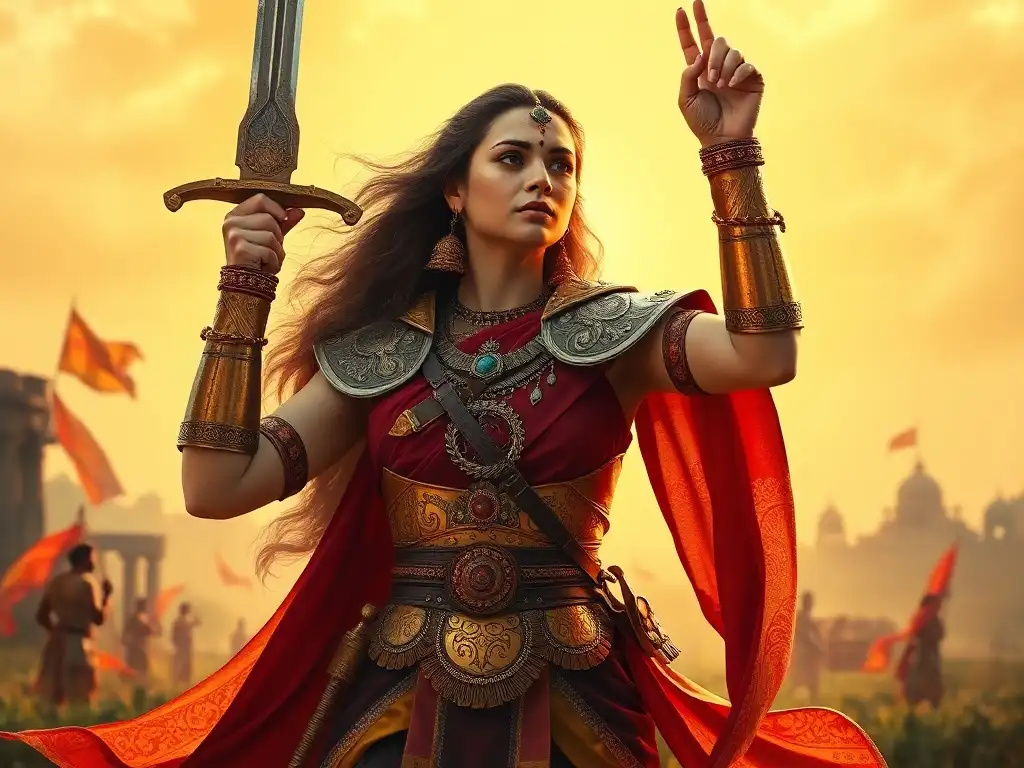
The representation of women warriors in ancient India reflects a rich tapestry of cultural narratives that celebrate their valor and agency. These representations can be found in various forms, including texts, art, and folklore, illustrating the pivotal roles women played in the military and social spheres of their time. The narratives surrounding women warriors serve not only to honor their contributions but also to challenge contemporary gender norms, showcasing a society that recognized and revered female strength.
Women Warriors in Ancient Texts and Epics
Ancient Indian texts and epics, such as the Mahabharata and Ramayana, prominently feature women warriors who embody strength, strategy, and bravery.
- Draupadi: In the Mahabharata, Draupadi emerges as a formidable figure, showcasing resilience against oppression. Her role in the Kurukshetra War illustrates her as a catalyst for conflict, influencing key decisions and rallying male warriors to battle.
- Sita: While primarily known for her devotion, Sita also exhibits qualities of a warrior, particularly in her fierce determination to rescue her husband, Rama. Her narrative emphasizes the duality of femininity and strength.
- Chitrangada: A lesser-known character, Chitrangada, is a princess who takes up arms to defend her kingdom. Her story highlights the idea that women could wield power and engage in warfare, defying conventional expectations of her time.
These texts not only depict women in roles traditionally associated with men but also portray them as equals in intelligence and combat ability, further enriching the concept of Women Warriors of Ancient India.
Art and Literature Depicting Women in Warfare
Art and literature from ancient India often illustrated women in martial roles, showcasing their significance in the cultural consciousness.
- Sculptures and Reliefs: Numerous sculptures from temples, such as those at Khajuraho and Ajanta, depict women wielding weapons, often alongside male warriors. These artistic representations serve as a testament to the reverence for female martial prowess in ancient society.
- Literary Works: Texts like the Rajatarangini recount historical accounts of women who fought valiantly in battles, capturing the narratives of queens and warriors such as Rani Durgavati, who led her troops against Mughal invasions.
- Folk Tales and Legends: Regional folk tales often celebrate women warriors, such as the tales of Rani Padmini of Chittorgarh, whose legendary sacrifice in battle became emblematic of female courage and honor.
Through these artistic and literary representations, the idea of women warriors permeated the cultural fabric, nurturing a legacy that continues to inspire contemporary discussions on gender roles in warfare.
Myths and Realities of Women Warriors in History
The historical narratives surrounding women warriors in ancient India are often intertwined with myth, leading to a complex understanding of their roles.
- Historical Accounts: While many women warriors are celebrated in myth and legend, there is substantial historical evidence of women engaging in combat. For instance, Rani Lakshmibai of Jhansi is a prominent figure in India's struggle for independence, leading troops against British forces during the 1857 rebellion.
- Mythologized Figures: Figures like Durga and Kali, who are celebrated as warrior goddesses, reflect societal values that revered female strength. However, their mythologization sometimes overshadows the real contributions of women in historical contexts.
- Challenges to Recognition: Despite their documented involvement in warfare, many women warriors remain unsung, their stories eclipsed by male-dominated narratives. This discrepancy calls for a reevaluation of historical records to provide a more inclusive account of military history.
The exploration of women warriors in ancient India reveals a multifaceted understanding of their contributions. By examining both the myths and realities, we can appreciate the diverse roles women played in shaping the military landscape of ancient civilizations, affirming their rightful place in the annals of history as valiant Women Warriors of Ancient India.
The Legacy of Women Warriors in Ancient India
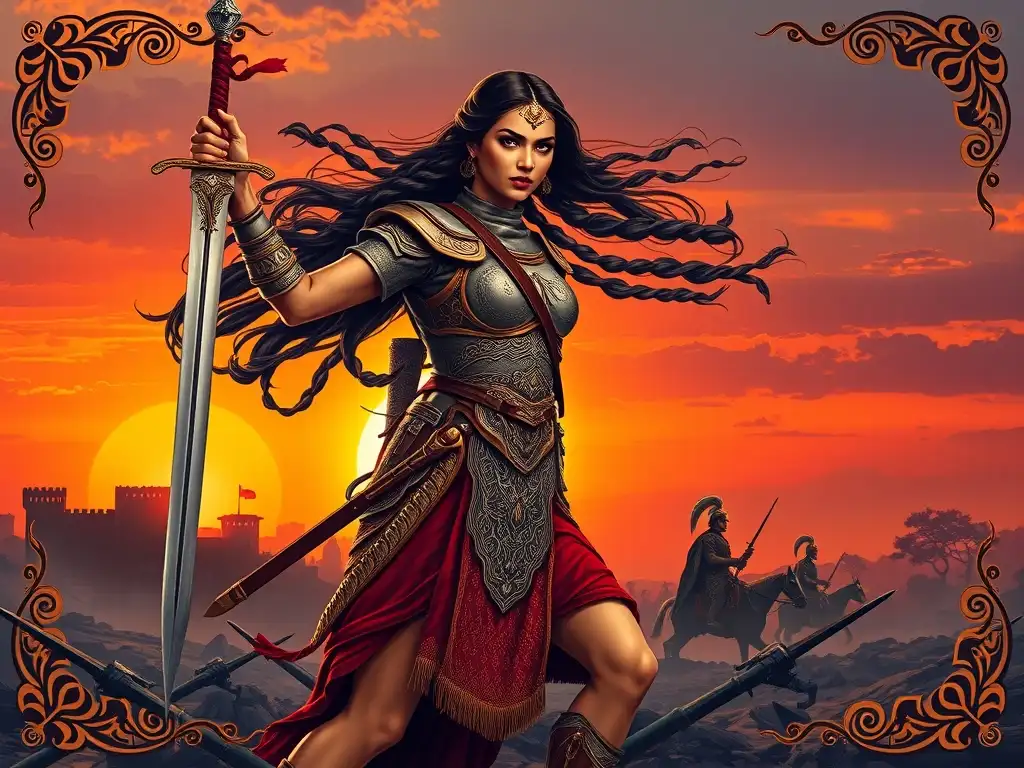
The legacy of women warriors in ancient India is rich and multifaceted, reflecting a tradition where women not only participated in battles but also played crucial roles in shaping the military strategies of their time. These heroines challenged the conventional norms of their societies and left an indelible mark on history.
Impact on Modern Perceptions of Gender and Warfare
The stories of women warriors of ancient India have significantly influenced modern perceptions of gender roles in warfare. Historically, the notion of women being relegated to domestic spheres has been prevalent; however, the narratives of figures such as Rani Lakshmibai and Chand Bibi challenge this stereotype.
- Redefining Gender Roles:
- Women like Rani Durgavati displayed exceptional valor in battle, highlighting women's capability in leadership and combat roles.
- These narratives encourage a reevaluation of gender capabilities, suggesting that bravery and leadership are not confined to men.
- Cultural Reappraisal:
- The acknowledgment of these warriors has led to a broader cultural reassessment of women's contributions in military contexts.
- This has paved the way for discussions about women's roles in contemporary military forces and the importance of inclusivity.
- Educational Influence:
- Textbooks and educational curriculums now increasingly include women warriors, emphasizing their importance in history.
- This inclusion serves to inspire future generations and encourages young girls to break barriers in various fields, including defense.
Contributions to Feminist History and Studies
The narratives of women warriors in ancient India have made vital contributions to feminist history and studies. By analyzing these figures, scholars can gain insights into the roles women played in shaping their societies.
- Challenging Historical Narratives:
- Traditional historical accounts often overlook women's contributions; the study of women warriors helps to challenge this bias and expand the historical narrative.
- This re-examination allows for a more holistic understanding of ancient Indian society, acknowledging the complexities of gender dynamics.
- Empowerment and Agency:
- Women warriors exemplify empowerment and agency, showcasing how women exercised power in patriarchal societies.
- Their stories serve as a source of inspiration for contemporary feminist movements, emphasizing the ongoing struggle for equality.
- Research and Scholarship:
- The growing interest in women warriors has led to increased academic research, providing a platform for better understanding women's roles in ancient military history.
- This research is crucial for preserving these narratives and ensuring that the contributions of women are recognized and celebrated.
Reviving the Stories of Women Warriors in Contemporary Culture
In contemporary culture, the legacy of women warriors is being revived through various mediums, enhancing public awareness and appreciation of their contributions.
- Literature and Media:
- Novels, films, and documentaries focusing on women warriors are gaining popularity, allowing audiences to connect with these historical figures.
- These representations help to humanize and contextualize their struggles and triumphs, making history accessible to a wider audience.
- Festivals and Commemorations:
- Events celebrating the legacies of women warriors, such as reenactments and exhibitions, are being organized to honor their contributions.
- Such initiatives not only educate the public but also instill a sense of pride in local histories and traditions.
- Social Media and Online Platforms:
- Social media campaigns highlight the stories of women warriors, fostering discussions and raising awareness on their historical significance.
- Hashtags and online movements aim to bring attention to these unsung heroines, encouraging more people to engage with their stories.
The revival of the stories of women warriors in contemporary culture is essential for recognizing their contributions and ensuring that their legacies endure in the collective memory of society. As we continue to explore the rich tapestry of ancient Indian history, the inclusion of women’s narratives will undoubtedly enrich our understanding of the past.
Conclusion: Celebrating the Women Warriors of Ancient India
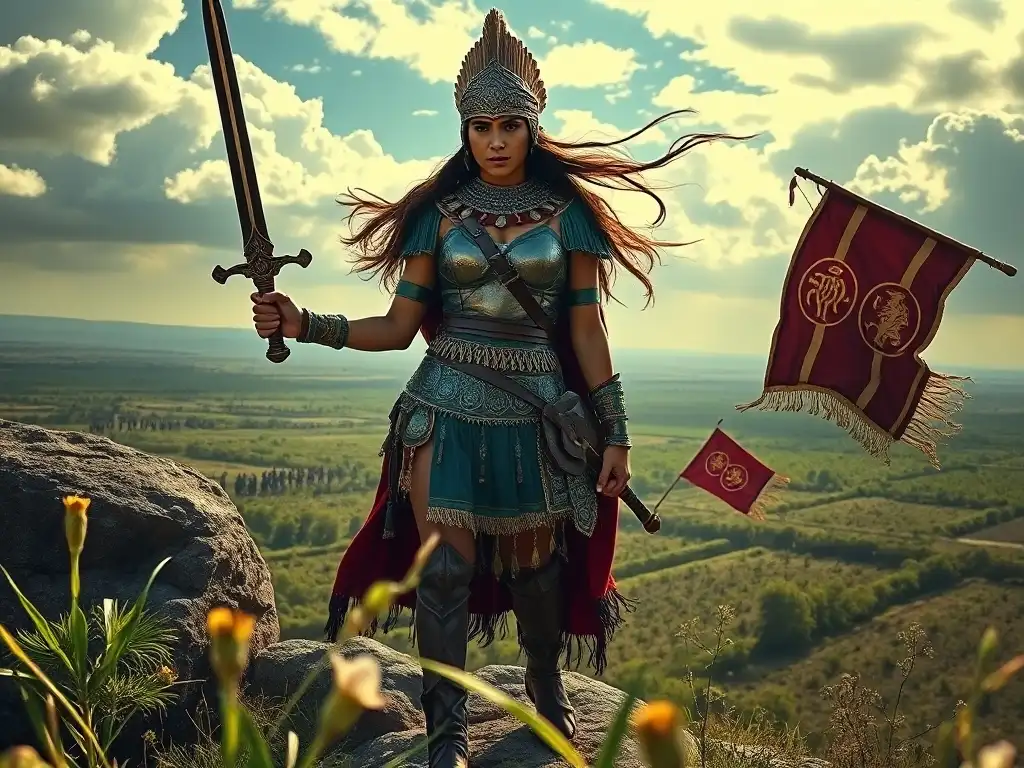
The legacy of women warriors in ancient India is a powerful testament to the strength, resilience, and martial prowess that women exhibited throughout history. These unsung heroines, often overshadowed by their male counterparts, played crucial roles in both military and societal spheres. They were not only skilled fighters but also leaders, strategists, and symbols of courage. Figures like Rani Lakshmibai and Chhatrapati Shivaji Maharaj's mother, Jijabai, exemplify the extraordinary contributions of women who defied societal norms to protect their kingdoms and uphold their values.
As we delve into this rich history, it becomes evident that the contributions of women warriors were pivotal in shaping the military landscape of ancient India. Their stories inspire us to recognize and honor the diverse roles women have played across history, encouraging a broader narrative that includes their heroic feats. By celebrating these warriors, we acknowledge not only their bravery but also the progressive ideals that they embodied, challenging the traditional gender roles of their time.
Call to Action: Further Exploration of Ancient Indian Military History
To truly appreciate the influence and impact of women warriors in ancient India, it is essential to explore the broader context of military history during this period. Engaging with various resources can enrich your understanding of the intricate relationships between gender, warfare, and society in ancient India. Here are a few ways to continue your exploration:
- Read Historical Texts: Delve into ancient scriptures and military treatises that document the lives and contributions of women warriors.
- Visit Museums: Explore local and national museums that host exhibitions on ancient Indian history, focusing on artifacts related to warfare and women’s roles.
- Engage in Discussions: Join forums or social media groups dedicated to ancient Indian history to exchange insights and learn from fellow enthusiasts.
- Attend Lectures and Workshops: Look for events hosted by historians and archaeologists specializing in ancient India, which often include discussions on military strategies and gender roles.
By actively participating in these activities, you can deepen your knowledge and appreciation of the remarkable women warriors of ancient India, ensuring their legacy continues to inspire future generations. 🌟
Frequently Asked Questions
What role did women warriors play in ancient Indian battles?
Women warriors in ancient India were active combatants and sometimes led armies, showcasing their courage and leadership. They were often involved in defending their kingdoms and upholding honor.
Who are some notable women warriors from ancient India?
Some notable women warriors include Rani Lakshmibai, who fought bravely during the Revolt of 1857, and Chennamma, the queen of Kittur, known for her resistance against British rule.
How did societal views on women warriors differ in ancient India?
In ancient India, societal views on women warriors varied widely; some cultures celebrated their valor and strength, while others restricted their roles to more traditional domestic responsibilities.
Were women warriors in ancient India recognized in historical texts?
Yes, many historical texts and epics, such as the Mahabharata and Ramayana, reference women warriors, highlighting their significant contributions and heroic deeds throughout history.
What impact did women warriors have on Indian culture and history?
Women warriors greatly influenced Indian culture by challenging gender norms and inspiring future generations, contributing to the narrative of empowerment and resilience in Indian history.
Final Reflection: Celebrating the Legacy of Women Warriors in Ancient India
The stories of the Women Warriors of Ancient India resonate profoundly in today's world, reminding us of the strength and resilience that women have exhibited throughout history. As we navigate contemporary challenges, it becomes increasingly clear that the valor and contributions of these unsung heroines are not merely relics of the past but are deeply relevant to our ongoing fight for gender equality and recognition in society. Their legacies serve as a powerful reminder that women have always played pivotal roles in shaping history, often in ways that have been overlooked or forgotten.
The influence of these remarkable women extends beyond the pages of history; they inspire modern movements for empowerment and justice. Their courage in the face of adversity challenges the stereotypes that persist today and encourages a re-examination of women's roles in both historical and contemporary contexts. As noted by historian Ramesh Chandra Dutt, “The history of India is incomplete without the acknowledgment of its women warriors.” This acknowledgment is not only a celebration of their bravery but also a call to honor the diverse narratives that have shaped our cultural identity.
As we reflect on the legacies of these Women Warriors, let us take a moment to consider how we can embody their spirit in our own lives. I invite you to explore the stories of these heroines and draw inspiration from their courage and determination. Whether through advocacy, education, or simply sharing their stories, we can contribute to a more inclusive narrative that honors the past while paving the way for future generations. Embrace the lessons of resilience and strength that these women impart, and let their legacy guide you in your own battles, big or small.
Unveil the Strength of Women Warriors!
Thank you for taking the time to explore the remarkable stories of women warriors in Ancient India. By delving into their tales of courage and resilience, you’ve enriched your understanding of history and the pivotal role these unsung heroines played in shaping the past. Now, it’s time to turn that knowledge into action!
Here’s how you can make a difference:
- Share Their Stories: Highlight the incredible feats of these warriors on social media to inspire others by using the hashtag #WomenWarriorsIndia.
- Dive Deeper: Research and discover lesser-known figures to bring their legacies to light. Consider visiting your local library or online archives to gather more fascinating details!
- Join Our Community: Engage with fellow history enthusiasts by sharing your insights in the comments below or participating in our upcoming discussions about the heroines of Ancient India.
Which story of a woman warrior inspires you the most, and how can we ensure that their legacies are celebrated today?