
The Influence of Trade Routes on Crop Cultivation in Ancient India

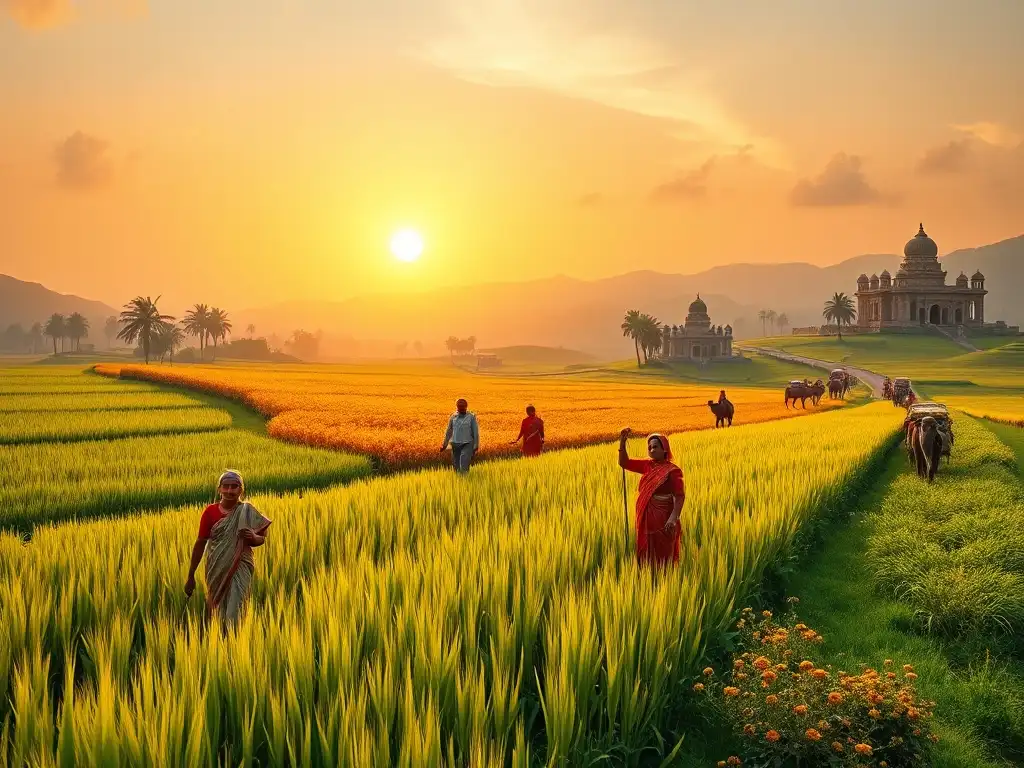
Welcome to Ancient India History, where we embark on a fascinating journey through the rich tapestry of ancient Indian civilizations. In this exploration, we delve into the intricate web of trade routes that not only shaped the economy but also had a profound impact on crop cultivation across the region. Are you curious about how these historical paths influenced agricultural practices and the lives of countless people? Join us as we uncover the remarkable connections between trade and sustenance, and discover the legacy of ancient India's vibrant agricultural scene. Your adventure into the past begins here!
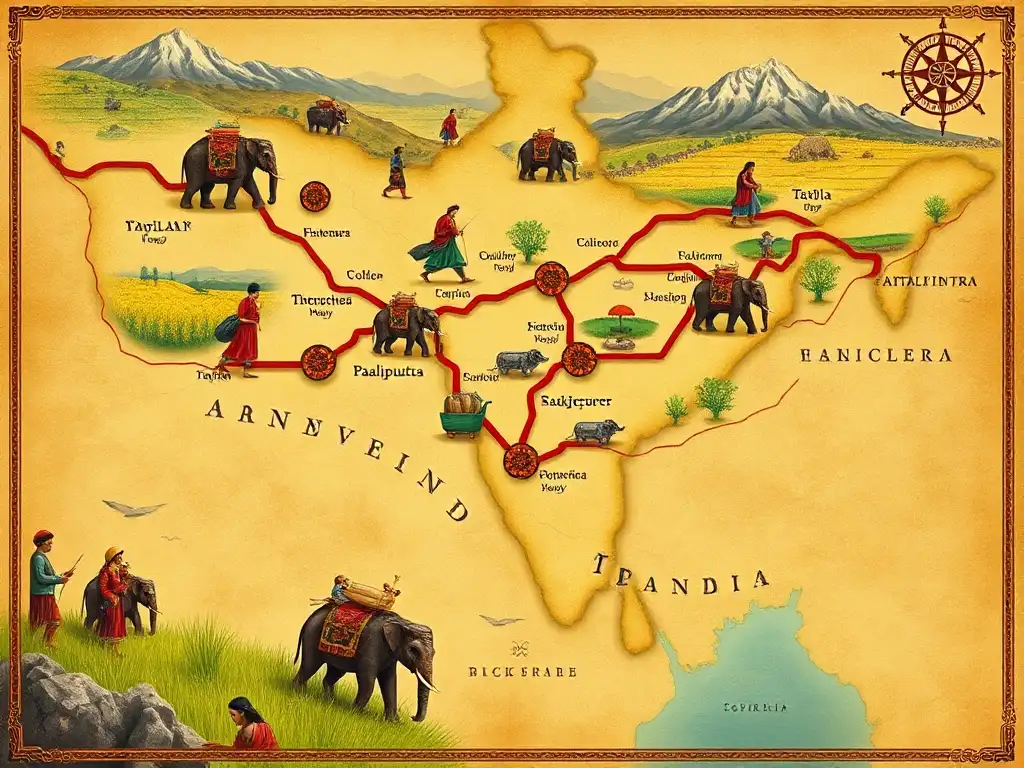
Introduction to Ancient India Trade Routes Impact
The intricate web of trade routes in ancient India played a pivotal role in shaping the agricultural landscape of the region. From the bustling markets of the Indus Valley Civilization to the flourishing trade networks established during the Gupta Empire, these routes facilitated not just the exchange of goods, but also the transfer of knowledge, technology, and agricultural practices.
The impact of these trade routes on crop cultivation is profound, influencing what crops were grown, how they were harvested, and the overall agricultural economy. By examining the intersection of trade and agriculture, we can gain insights into the resilience and adaptability of ancient Indian civilizations.
Overview of Trade Routes in Ancient India
Ancient India was crisscrossed by a multitude of trade routes, both overland and maritime, which connected it to various regions across Asia and beyond. Key trade routes included:
- Silk Road: Linking India with Central Asia, this route facilitated the exchange of silk, spices, and agricultural products.
- Maritime Trade Routes: The Indian Ocean trade network connected India with the Middle East, Africa, and Southeast Asia, allowing for the export of spices, textiles, and grains.
- Royal Roads: Built by various empires, such as the Mauryas and Guptas, these roads enhanced internal trade and communication.
These routes were not only vital for the movement of goods but also served as conduits for cultural exchange, leading to the introduction of new agricultural techniques and crop varieties.
Significance of Trade in Agricultural Development
The significance of trade in the agricultural development of ancient India cannot be overstated. The movement of goods along trade routes allowed for:
- Diversification of Crops: Exposure to different agricultural practices from other regions led to the introduction of new crops. For instance, the arrival of foreign spices and fruits enriched local diets and agricultural practices.
- Innovation in Techniques: The exchange of knowledge through trade routes facilitated the adoption of advanced farming techniques, such as irrigation and crop rotation, which improved yield and sustainability.
- Market Expansion: Increased trade created broader markets for agricultural products, encouraging farmers to produce surplus crops, which in turn stimulated economic growth.
Historical Context of Agriculture in Ancient India
Overview of Crop Cultivation in Ancient Indian Civilizations
Agriculture was the backbone of ancient Indian civilizations, with different regions specializing in various crops due to their unique climates and soil types. The primary crops included:
- Rice: Predominantly grown in the fertile river valleys, especially in the Ganges region.
- Wheat: Cultivated in the northern plains, wheat became a staple food.
- Millets and Pulses: These hardy crops were essential for nutrition and were cultivated across diverse terrains.
The cultivation practices were closely linked to the seasons, with monsoon rains playing a crucial role in determining planting and harvesting times.
Major Agricultural Regions and Their Characteristics
Ancient India's agricultural landscape was diverse, characterized by several key regions:
| Region | Major Crops | Characteristics |
|---|---|---|
| Indus Valley | Barley, Wheat, Cotton | Advanced irrigation systems; urban centers. |
| Ganges Plain | Rice, Wheat | Fertile soil; supported large populations. |
| Deccan Plateau | Millets, Pulses | Varied climate; reliance on monsoon rains. |
| Southern Coast | Spices, Coconut | Maritime trade; tropical agriculture. |
Each region developed unique agricultural practices and contributed to the overall agricultural economy of ancient India, showcasing the intricate relationship between trade routes and crop cultivation.
The Role of Trade Routes in Agricultural Exchange
Trade routes in ancient India played a pivotal role in shaping agricultural practices, influencing not only crop cultivation but also the economic and cultural landscapes of the region. These routes facilitated the exchange of goods, ideas, and agricultural techniques between various civilizations, enhancing the productivity and diversity of crops. As traders moved along these paths, they carried with them not just commodities, but also knowledge about farming methods, irrigation techniques, and crop varieties, which were adapted and integrated into local practices.
The interaction between different regions along these trade routes led to the dissemination of agricultural innovations. For instance, the introduction of advanced irrigation systems from the Persian Empire or the adoption of new crop varieties from Southeast Asia enriched the agricultural landscape of ancient India. Additionally, the establishment of marketplaces along these routes provided farmers with better access to sell their produce, encouraging them to diversify their crops to meet the demands of distant markets. This dynamic interaction resulted in a more resilient agricultural economy that could adapt to changing climatic and market conditions.
How Trade Routes Facilitated Crop Distribution
Trade routes were essential in the distribution of agricultural produce across vast distances. They connected various regions, allowing for surplus crops from fertile areas to reach places with different climatic conditions or limited agricultural output. For example, the fertile plains of the Ganges were known for producing grains like rice and wheat, which were transported to arid regions in the west where crops like barley were less viable. This distribution not only ensured food security but also stabilized prices by balancing supply and demand.
The movement of goods along these routes often led to the establishment of grain storage facilities and granaries at strategic points, which further facilitated the efficient distribution of crops. Additionally, the exchange of goods fostered a sense of community among different cultures, as local farmers began to grow crops that were popular in distant markets, adapting their agricultural practices accordingly. As a result, trade routes were not merely conduits for commerce but also key drivers of agricultural evolution in ancient India.
Impact of Trade on Agricultural Diversity
The influence of trade on agricultural diversity in ancient India cannot be overstated. As traders exchanged not only goods but also agricultural knowledge, the variety of crops cultivated expanded significantly. This diversification was crucial for several reasons: it allowed farmers to mitigate risks associated with crop failure due to pests, diseases, or adverse weather conditions, and it also enhanced nutritional options for local populations.
Moreover, the interaction with foreign traders introduced new crop varieties that were previously unknown in India. For instance, the introduction of spices like black pepper and cardamom from South India to global markets enhanced the region's agricultural diversity and contributed to its economic prosperity. The growing demand for these products on international trade routes motivated farmers to increase their production, leading to the establishment of specialized agricultural zones dedicated to high-value crops.
Key Trade Routes Influencing Crop Cultivation
Several key trade routes significantly influenced crop cultivation in ancient India. These routes not only facilitated the exchange of agricultural products but also promoted the sharing of farming techniques, which contributed to the overall advancement of agricultural practices.
The Silk Road and Its Agricultural Implications
The Silk Road was a critical trade network that connected the East and West, passing through various ancient Indian kingdoms. This route was not only known for the exchange of silk and spices but also for the movement of agricultural products and knowledge. Crops such as silk cotton and various medicinal herbs were cultivated in regions along the Silk Road, benefiting from the trade connections that allowed farmers to access new markets and techniques.
Through the Silk Road, Indian agricultural practices were influenced by interactions with cultures in Central Asia and China. For instance, the introduction of new irrigation methods and crop rotation techniques helped increase yields and improve soil fertility. Furthermore, as merchants and travelers shared their experiences, they often brought back new seeds and farming techniques that enriched the agricultural landscape of India.
The Maritime Trade Routes and Their Role in Crop Exchange
The maritime trade routes were equally significant in promoting agricultural exchange. These routes facilitated trade between the Indian subcontinent and regions such as the Arabian Peninsula, Southeast Asia, and beyond. They were crucial for the export of Indian spices, rice, and textiles, which were in high demand in international markets.
Through maritime trade, Indian farmers gained access to exotic crops from other regions, such as coconut and sugarcane from the islands of Southeast Asia. This exchange not only diversified agricultural production but also led to the establishment of new agricultural practices tailored to the climatic conditions of coastal areas. The robust maritime trade networks allowed for the swift transfer of goods and ideas, enabling farmers to innovate and adapt their practices based on the latest agricultural trends.
Regional Trade Networks and Local Agricultural Practices
In addition to the major trade routes, regional trade networks played a vital role in shaping local agricultural practices. These networks connected smaller communities, allowing for the exchange of regional specialties and local knowledge. For instance, in the Deccan Plateau, trade networks facilitated the exchange of millet, pulses, and oilseeds, which were staples in the local diet.
The interactions among local traders and farmers fostered a sense of agricultural identity, leading to the development of unique farming techniques and crop varieties suited to the specific environmental conditions of each region. These local adaptations were essential for optimizing agricultural productivity and sustainability. Furthermore, as communities traded with neighboring regions, they began to adopt and adapt successful agricultural practices, creating a rich tapestry of agricultural diversity across ancient India.
The intricate web of trade routes in ancient India profoundly influenced crop cultivation, leading to an enriched agricultural landscape characterized by diversity and resilience.
The Influence of Cultural Exchange on Agriculture
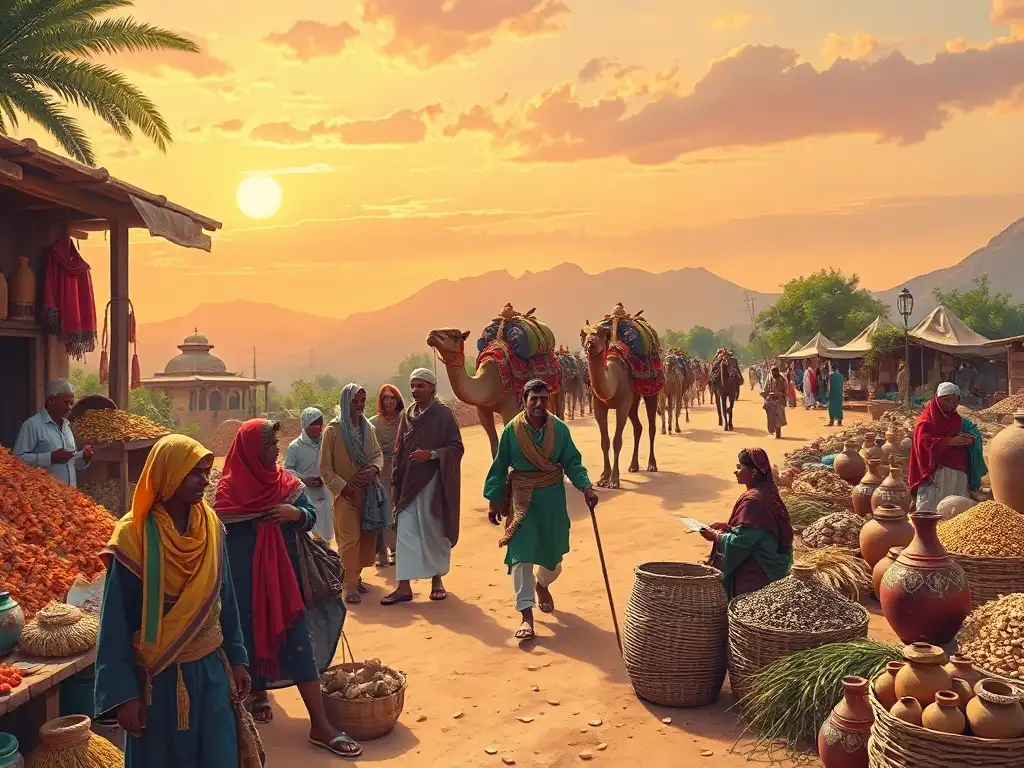
The cultural exchanges facilitated by ancient trade routes had a profound impact on agriculture in India. These routes not only enabled the movement of goods but also allowed for the transfer of knowledge, ideas, and agricultural practices among different civilizations. As merchants traveled across regions, they brought with them their agricultural techniques, which were often adapted to fit local conditions.
For instance, the interactions with traders from Central Asia introduced new irrigation methods and crop rotation practices to Indian farmers. The exchange of seeds and farming tools also played a critical role in expanding the agricultural landscape. This blend of indigenous practices and foreign innovations resulted in more efficient farming techniques, ultimately leading to increased yields and the cultivation of a wider variety of crops.
Moreover, the cultural significance of certain crops, influenced by trade, often transformed local agricultural practices. Certain grains and fruits that were highly valued in trade became staples in Indian diets, enhancing both nutrition and economic stability.
Cross-Cultural Agricultural Techniques and Crop Varieties
Ancient trade routes were conduits for the exchange of diverse agricultural techniques and crop varieties. For example, rice cultivation techniques from Southeast Asia were introduced to Indian farmers through maritime trade. Techniques such as wet paddy cultivation were adapted to different regions, leading to a diversification of rice varieties grown in India.
Additionally, the influence of Persian agricultural practices can be seen in the introduction of new irrigation systems and crop management strategies, such as the use of qanats for sustainable water supply. This cross-cultural exchange enriched the agricultural practices of ancient India, making them more resilient to climatic variations and enhancing productivity.
The introduction of new crop varieties, such as citrus fruits from the Mediterranean and various legumes from Africa, broadened the agricultural palette in India. This not only increased food security but also contributed to the economy by creating new markets for these goods.
The Adoption of New Crops through Trade Interactions
Trade interactions played a pivotal role in the adoption of new crops in ancient India. As merchants traveled along trade routes, they exchanged not only goods but also agricultural knowledge and plant varieties. This interaction led to the introduction of several key crops that transformed Indian agriculture.
For instance, the arrival of sugarcane from Southeast Asia significantly altered agricultural practices in regions like the Gangetic plains. The cultivation of cotton, introduced through trade with the Harappan civilization, also became a major economic driver, leading to the development of a thriving textile industry.
Moreover, spices such as black pepper and cardamom gained prominence through trade, prompting farmers to cultivate them extensively. This not only catered to local demands but also established India as a key player in global spice trade, contributing to its economic prosperity.
Economic Impact of Trade Routes on Crop Cultivation
The economic impact of trade routes on crop cultivation in ancient India cannot be understated. These routes facilitated the exchange of agricultural products, leading to enhanced market access for farmers. As a result, local economies flourished, allowing for increased investment in agricultural technologies and infrastructure.
The demand for various crops in distant markets incentivized farmers to diversify their crops, shifting from subsistence farming to more commercial agricultural practices. This shift not only increased the variety of crops grown but also improved the overall economic conditions of agrarian communities.
Trade Routes and Agricultural Prosperity
Trade routes served as lifelines for agricultural prosperity in ancient India. They connected farmers with markets, enabling them to sell their surplus produce and gain access to new agricultural inputs such as seeds and fertilizers. The resulting economic interaction led to a thriving agrarian economy, where farmers could invest in better tools and techniques.
The prosperity generated through trade also allowed for the establishment of agricultural cooperatives and guilds, which further enhanced productivity and market reach. This communal approach to farming ensured that agricultural innovations were disseminated effectively, leading to collective growth and resilience against economic challenges.
The Role of Trade in Enhancing Agricultural Techniques
Trade significantly enhanced agricultural techniques throughout ancient India by encouraging the exchange of knowledge and practices. As traders from various regions engaged with local farmers, they shared insights into advanced farming methods, pest control strategies, and soil management techniques.
For example, the introduction of crop rotation and the use of compost were practices that gained popularity through trade interactions. These methods improved soil fertility and helped sustain agricultural productivity over time. The sharing of botanical knowledge regarding crop diseases and their remedies also contributed to healthier harvests.
Furthermore, the establishment of trade networks allowed for the spread of innovations such as plows and irrigation systems, which were critical in transforming agricultural practices. This not only improved the efficiency of farming but also ensured a consistent supply of food, supporting the growing populations of ancient Indian cities.
Conclusion: The Lasting Impact of Trade Routes on Ancient India’s Agriculture
The trade routes of ancient India were pivotal not only for the exchange of goods but also for the evolution of agricultural practices. These routes facilitated the movement of not just commodities, but also ideas, techniques, and crop varieties across vast distances. The interaction between different cultures along these trade networks led to the exchange of agricultural knowledge, which significantly contributed to the diversification and enhancement of crop cultivation techniques.
Moreover, the establishment of trade routes enabled ancient Indian civilizations to access new markets. This created a demand for various crops, driving farmers to innovate and adapt their cultivation methods. The integration of new crops, such as spices and grains from other regions, enriched the agricultural landscape of India. As a result, the agricultural output increased, supporting larger populations and contributing to the growth of urban centers.
The influence of trade routes on agriculture in ancient India was profound and multifaceted. It laid the groundwork for agricultural advancements that not only sustained ancient civilizations but also set a precedent for future agricultural practices.
Summary of Key Points on Trade Routes' Influence
- Exchange of Knowledge: Trade routes facilitated the transfer of agricultural knowledge and techniques between different regions, leading to improved crop cultivation methods.
- Crop Diversification: The interaction with traders allowed Indian farmers to diversify their crops, incorporating new varieties that enhanced food security and agricultural resilience.
- Market Access: The establishment of trade networks provided farmers with access to larger markets, encouraging production for trade and driving agricultural innovation.
- Economic Growth: Increased agricultural output fueled economic growth, contributing to the rise of urban centers and complex societies in ancient India.
- Cultural Exchange: Alongside goods, cultural practices related to agriculture were shared, influencing local customs and agricultural rituals.
Reflection on the Legacy of Ancient India Trade Routes Impact on Modern Agriculture
The legacy of ancient India’s trade routes continues to resonate in modern agricultural practices. The foundations laid by these routes not only transformed ancient agricultural systems but also shaped contemporary agricultural methodologies.
Today's agricultural techniques in India still reflect the diversity and adaptability that were fostered by these ancient exchanges. For instance, the introduction of various crops through trade has led to the current prominence of spices, rice, and legumes in Indian agriculture. Furthermore, the collaborative spirit of sharing knowledge among farmers can be traced back to these early interactions.
In addition, the geographical knowledge gained through ancient trade routes has influenced modern agricultural planning and crop selection based on regional climates and soil types.
Overall, the impact of ancient India’s trade routes on agriculture is a testament to the importance of connectivity and exchange in fostering innovation and resilience, lessons that remain relevant in today's global agricultural landscape.
- Introduction to Ancient India Trade Routes Impact
- Historical Context of Agriculture in Ancient India
- The Role of Trade Routes in Agricultural Exchange
- Key Trade Routes Influencing Crop Cultivation
- The Influence of Cultural Exchange on Agriculture
- Economic Impact of Trade Routes on Crop Cultivation
- Conclusion: The Lasting Impact of Trade Routes on Ancient India’s Agriculture
Frequently Asked Questions
What were the main trade routes in ancient India?
Ancient India was connected by important trade routes such as the Silk Road and the Maritime Spice Route, facilitating trade with regions like Central Asia and Southeast Asia.
How did trade routes influence crop cultivation?
The establishment of trade routes allowed for the exchange of agricultural practices and crops, leading to improved cultivation techniques and the introduction of new crops in various regions.
What crops were commonly traded in ancient India?
Commonly traded crops included spices, cotton, rice, and wheat, which were highly valued both domestically and in international markets.
What role did geography play in ancient Indian trade?
The geographical features of ancient India, such as rivers and mountain ranges, facilitated the development of trade routes, impacting crop distribution and economic growth.
How did ancient trade routes impact cultural exchange?
Trade routes not only enabled the movement of goods but also promoted cultural exchange, leading to the spread of ideas, religions, and technologies throughout ancient India and beyond.
Final Reflection: The Enduring Legacy of Ancient India Trade Routes
The exploration of Ancient India trade routes impact reveals a profound connection between commerce and agriculture that resonates even in today's globalized world. As we delve into how these trade routes facilitated the exchange of not just goods but also ideas, we recognize their role in shaping agricultural practices and crop diversity. This historical narrative underscores the importance of interconnectedness, reminding us that the pathways forged by our ancestors continue to influence the way we cultivate and consume food today.
The influence of these ancient trade routes extends beyond mere economic transactions; they have woven a rich tapestry of cultural exchange that has shaped societal norms and agricultural techniques. Reflecting on this intricate relationship, we see how the movement of crops across regions led to a diversification of diets and farming practices. Trade is not just about goods; it is about the exchange of knowledge and culture.
This quote encapsulates the essence of how trade routes have fostered innovation and adaptation in agriculture, allowing societies to thrive and evolve over centuries.
As we look to the future, let us take a moment to reflect on the lessons learned from the past. The legacy of ancient trade routes teaches us the value of collaboration and the importance of sharing resources and knowledge. I invite you to consider how you can apply these principles in your own life—whether by supporting local farmers, embracing sustainable practices, or engaging in cultural exchanges. Together, we can honor the rich history of trade and agriculture while paving the way for a more interconnected and sustainable future.
Unleash the Secrets of Ancient Agriculture!
Thank you for taking the time to explore the fascinating ways trade routes shaped crop cultivation in ancient India! Your curiosity about this captivating history not only enriches your understanding but also connects you with the stories of resilience and innovation from our past.
Now, it's time to take your newfound knowledge further! Here are some actionable steps to deepen your exploration:
- Dive Deeper: Investigate specific crops that flourished due to trade, such as spices and grains, and discover their impact on ancient economies.
- Join the Conversation: Contribute your insights in our community forum! Engage with fellow history enthusiasts and share your discoveries.
- Explore Nearby: Visit local museums or historical sites that highlight ancient trade routes to view artifacts and learn more about their cultural significance.
As you reflect on the brilliant connections between trade and agriculture, consider this thought-provoking question: In what ways do you think the agricultural practices influenced by ancient trade routes have shaped modern farming in India today?