
The Role of Visual Arts in Everyday Life in Ancient India

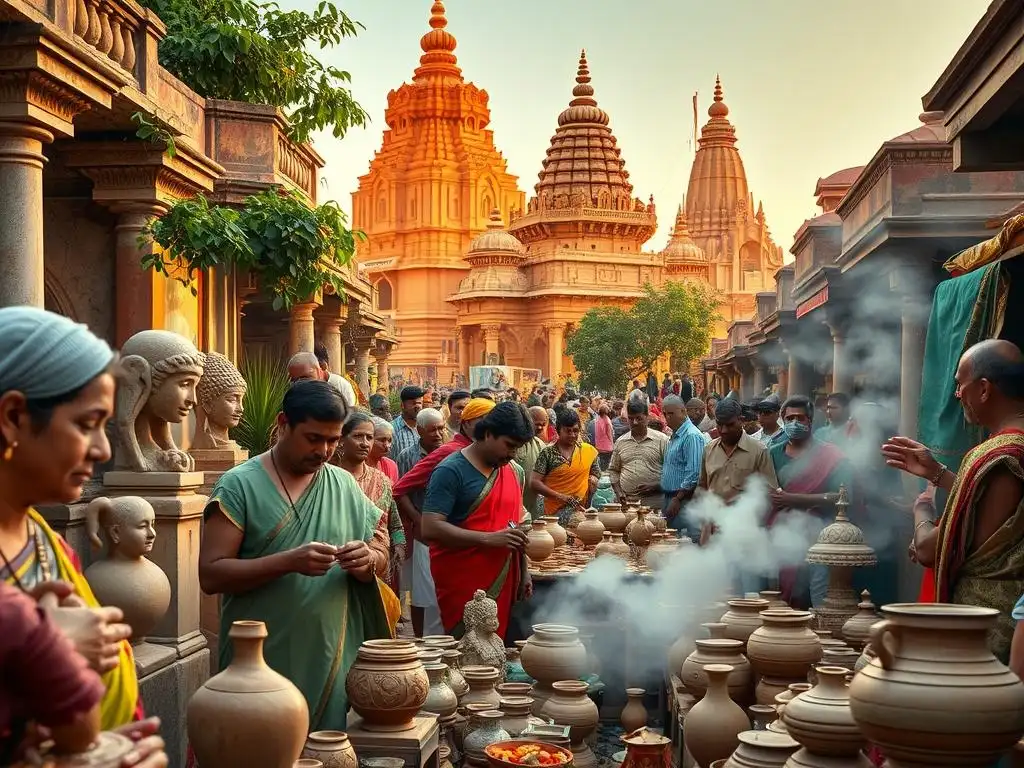
Welcome to Ancient India History, where we embark on a fascinating journey through the rich tapestry of history, culture, and remarkable contributions of ancient Indian civilizations. In this captivating exploration, we delve into the intricate world of visual arts in ancient India, uncovering how these artistic expressions played a vital role in the everyday lives of our ancestors. What stories do these artworks tell?
How did they shape the culture and beliefs of the time? Join us as we unravel the layers of creativity that flourished from the Indus Valley to the Gupta Empire, igniting your curiosity and inspiring a deeper understanding of this vibrant heritage. Read on to discover the profound impact of visual arts in shaping the identity of ancient India!
Introduction to Visual Arts in Ancient India
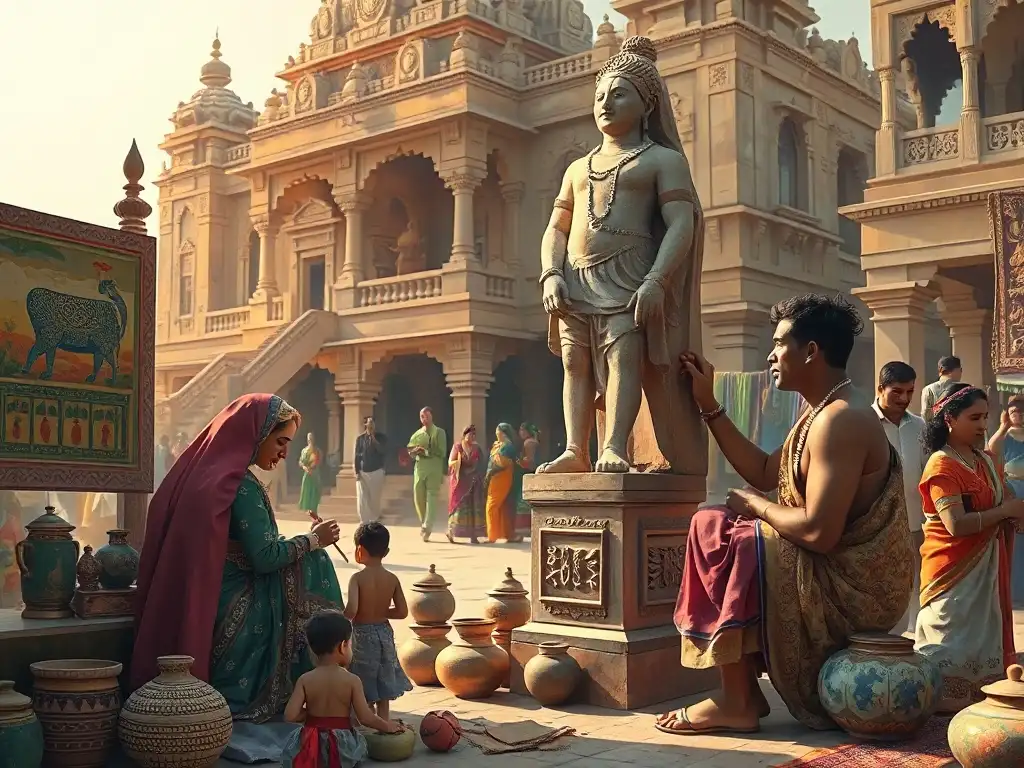
The rich tapestry of ancient Indian history is woven with the vibrant threads of its visual arts, which played a pivotal role not only in religious and ceremonial contexts but also in the everyday lives of its people. From intricate carvings and sculptures to vibrant paintings and textiles, visual arts in ancient India served as a profound expression of cultural identity and communal values.
These artistic endeavors were not merely decorative; they were integral to understanding the philosophies, traditions, and social structures of the time. This article explores how visual arts permeated daily life, reflecting the values and aspirations of ancient Indian civilizations.
Overview of Visual Arts in Ancient Indian Culture
Visual arts in ancient India encompassed a variety of forms, including sculpture, painting, pottery, and textiles. Each medium was a canvas for expressing the nuances of life and spirituality. The Indus Valley Civilization, for instance, is known for its remarkable terracotta figurines and seals, which illustrate early artistic endeavors that provided insight into the social and religious practices of its people.
As time progressed, subsequent empires such as the Maurya and Gupta periods showcased an evolution in style and technique. The iconic Ajanta and Ellora Caves, adorned with exquisite frescoes and sculptures, exemplify how visual arts were used to convey mythological narratives and spiritual teachings. These artworks were not isolated expressions; they were deeply rooted in the cultural and historical contexts of their time.
Significance of Visual Arts in Daily Life
In ancient India, visual arts served multiple purposes that transcended aesthetic appeal. They were instrumental in:
- Religious Practices: Artworks often depicted deities and religious narratives, facilitating worship and devotion among the populace.
- Social Commentary: Many pieces reflected societal norms, roles, and hierarchies, offering a mirror to the everyday life of people.
- Cultural Identity: Artistic expressions were a means for communities to assert their identity and heritage, with distinct styles emerging from different regions.
- Economic Activity: The production of art also had economic implications, with artisans contributing to trade and local economies through their crafts.
The interweaving of art with daily life illustrates how visual arts were not just artifacts but living expressions of the ancient Indian ethos.
Historical Context of Visual Arts in Ancient India
Understanding the role of visual arts in ancient India requires a look into the historical backdrop that shaped these artistic expressions. The evolution of visual arts is marked by significant developments and milestones that reflect the changing dynamics of Indian civilization.
Timeline of Artistic Developments in Ancient India
| Period | Key Developments | Notable Art Forms |
|---|---|---|
| Indus Valley Civilization (c. 3300–1300 BCE) | Early terracotta figurines, seals | Sculpture, pottery |
| Maurya Empire (c. 322–185 BCE) | Introduction of stone sculpture | Pillars, stupas |
| Gupta Empire (c. 320–550 CE) | Flourishing of painting and sculpture | Frescoes, temple carvings |
| Post-Gupta Period (c. 600–1200 CE) | Regional variations in style | Miniature paintings, temple architecture |
This timeline highlights the progression and diversification of artistic styles throughout ancient Indian history. Each period contributed unique elements to the visual arts canon, reflecting broader cultural and political shifts.
Major Civilizations Contributing to Visual Arts
Several notable civilizations played crucial roles in the development of visual arts in ancient India:
- Indus Valley Civilization: Known for its sophisticated urban planning and artistry, laying the foundation for future artistic endeavors.
- Maurya Empire: Under rulers like Ashoka, art flourished, leading to the creation of monumental sculptures and pillars.
- Gupta Empire: Often referred to as the "Golden Age" of India, this period saw significant advancements in painting and sculpture, particularly in religious contexts.
- Chola and Vijayanagara Empires: These later civilizations contributed to the evolution of temple architecture and bronze sculptures, further enriching the visual arts landscape.
The role of visual arts in ancient India was multifaceted and deeply ingrained in everyday life, reflecting the diverse cultural heritage and historical contexts that shaped its development. As we delve deeper into this topic, we will uncover the intricate connections between art, culture, and society in ancient India.
Forms of Visual Arts in Ancient India
The rich tapestry of visual arts in ancient India showcases an array of forms that were deeply intertwined with the culture, spirituality, and daily life of its people. These forms include painting, sculpture, pottery, textiles, and architecture, each contributing uniquely to the aesthetic and functional aspects of society.
Painting Techniques and Styles
Ancient Indian painting evolved through various techniques and styles, reflecting the diverse regional cultures and their historical contexts. Notable techniques include:
- Fresco: Often found in cave temples, frescoes were painted directly onto wet plaster, allowing colors to penetrate the surface and become part of the wall. The Ajanta and Ellora caves are prime examples, featuring intricate narratives and vibrant colors that have withstood the test of time.
- Miniature Painting: This meticulous art form flourished during the Mughal era, characterized by vibrant colors and detailed imagery on small surfaces. Miniature paintings often depicted court scenes, landscapes, and mythological stories, showcasing the artists' skills in precision and detail.
- Madhubani and Warli: Originating from Bihar and Maharashtra respectively, these folk art forms are known for their bold colors and intricate patterns. They often incorporate themes of nature, mythology, and social life, serving both decorative and ritualistic purposes.
The techniques employed were not only artistic expressions but also reflected the socio-economic conditions and cultural beliefs of the time.
Sculpture and Carving Traditions
Sculpture in ancient India is marked by its variety, complexity, and spiritual significance. The traditions can be broadly categorized into:
- Religious Sculpture: Temples like those at Khajuraho and Brihadeeswarar are adorned with sculptures depicting deities, celestial beings, and mythological narratives. These carvings were not just decorative but served as a means to convey religious teachings and engage devotees in spiritual experiences.
- Stone Carving: Techniques like chisel and hammer were employed to create intricate figures from stone. The craftsmanship displayed in the sculptures of the Gandhara and Mathura schools illustrates the blending of indigenous styles with influences from other cultures, particularly during periods of trade and conquest.
- Terracotta Art: This form thrived in various regions, with terracotta figurines often representing deities, animals, and human figures. Sites like the Indus Valley Civilization have yielded numerous examples, indicating the role of these artifacts in rituals and everyday life.
The diversity in sculpture and carving traditions reflects the technological advancements and artistic expressions of ancient Indian civilizations.
Themes and Symbols in Ancient Indian Visual Arts
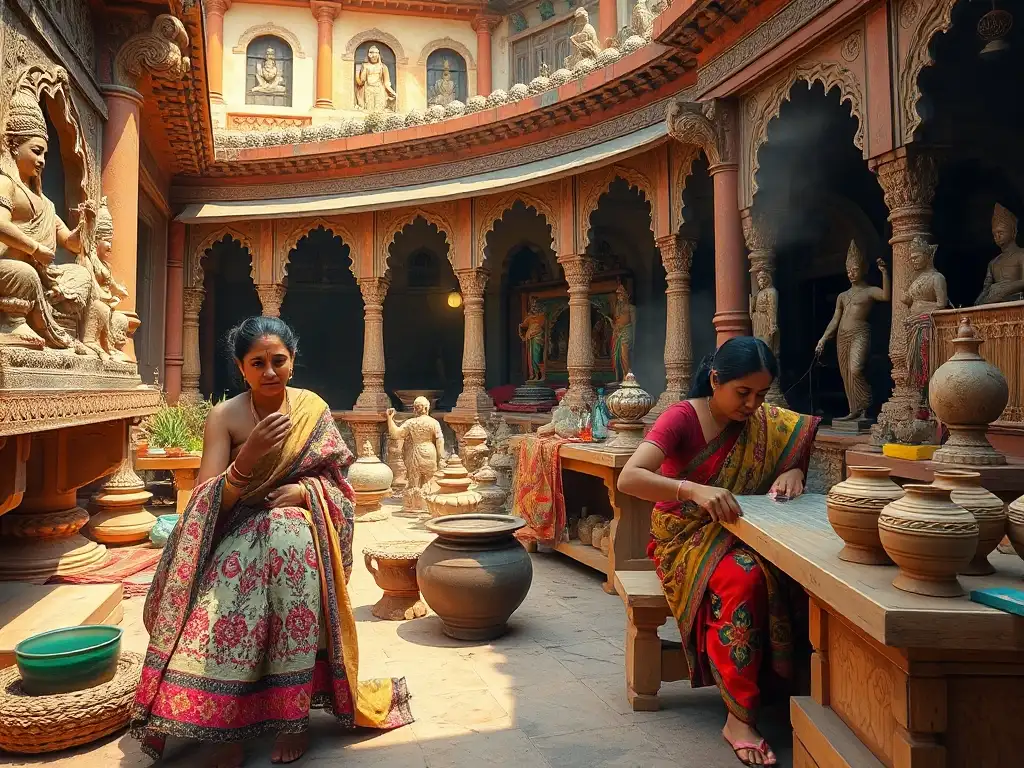
The themes and symbols found in ancient Indian visual arts are rich with meaning, often conveying deep spiritual, social, and cultural narratives. They serve as a window into the beliefs and values of ancient Indian societies.
Religious and Spiritual Representations
Religious themes dominate ancient Indian visual arts, with a focus on deities, mythological stories, and spiritual symbols. Common representations include:
- Cosmic Symbols: The use of motifs such as the lotus, which symbolizes purity and creation, is prevalent across various art forms. It is often associated with deities like Lakshmi and Saraswati.
- Deities and Avatars: Sculptures and paintings frequently depict gods and goddesses in various forms, such as Vishnu's avatars (like Rama and Krishna) and the goddess Durga, emphasizing their importance in cultural and spiritual life.
- Narrative Art: The depiction of epics like the Ramayana and Mahabharata in visual arts serves to educate and inspire the populace regarding moral and ethical values.
These representations not only served religious purposes but also reinforced social norms and cultural identity.
Nature and Daily Life Depictions
In addition to spiritual themes, ancient Indian visual arts often captured elements of nature and daily life, reflecting the interconnectedness of humans and their environment. Key aspects include:
- Flora and Fauna: Artworks frequently feature animals, plants, and landscapes, symbolizing the richness of the natural world. For instance, elephants and peacocks are common motifs, representing strength and beauty, respectively.
- Scenes of Daily Life: Miniature paintings and frescoes often portray everyday activities, such as farming, dancing, and family gatherings. These depictions provide insights into the social customs, attire, and lifestyles of ancient Indian people.
- Symbolic Use of Colors: Colors in visual art often carry symbolic meanings; for example, red symbolizes fertility and passion, while blue represents the divine. This use of color enhances the narrative quality of the artworks.
Through these themes and symbols, ancient Indian visual arts encapsulated the essence of life, reflecting both the spiritual and mundane aspects of existence, thereby enriching the cultural heritage of the civilization.
Visual arts played a pivotal role in the social and cultural fabric of ancient India. They were not only a means of expression but also served as a reflection of the values, beliefs, and daily lives of communities. Through various forms such as painting, sculpture, and pottery, ancient artists communicated stories, religious beliefs, and societal norms, creating a rich tapestry of cultural identity.
Art was deeply intertwined with the rituals and customs of everyday life. From the intricate designs on pottery to the grand murals adorning temples, these visuals were instrumental in conveying the significance of festivals, religious ceremonies, and community gatherings. The representation of deities, mythological narratives, and the depiction of nature in art helped to reinforce communal bonds and shared heritage among the people.
Moreover, visual arts offered a medium for social commentary and critique, highlighting societal issues and inspiring change. By illustrating themes of love, valor, and morality, artists influenced public perception and inspired individuals to reflect on their lives and surroundings. Through their work, they contributed to a collective consciousness that shaped the ethos of ancient Indian society.
Visual Arts in Festivals and Celebrations
Festivals and celebrations in ancient India were vibrant occasions where visual arts flourished. Each region had its distinct style, but common themes of joy, reverence, and community spirit prevailed. Artisans would create elaborate decorations, including colorful rangoli designs made from colored powders, flower petals, and rice, which adorned entrances and courtyards during celebrations.
Temples and public spaces were often embellished with murals and sculptures that depicted divine narratives, enhancing the spiritual ambiance of festivals. For instance, during the festival of Durga Puja, intricate idols of Goddess Durga were crafted, showcasing the artistic prowess of the community. These idols were not merely objects of worship but served as focal points around which social gatherings and rituals revolved.
Additionally, many traditional Indian festivals featured performances of folk art, such as dance and theater, which were visually enriched by costumes and stage designs. This integration of visual arts into celebrations fostered a sense of unity and cultural pride, allowing communities to express their identity and values through artistic expression.
Influence of Visual Arts on Literature and Performing Arts
The interrelationship between visual arts, literature, and performing arts in ancient India is noteworthy. Many literary works were inspired by visual representations, with poets and playwrights drawing upon the rich imagery found in paintings and sculptures. For instance, the intricate depictions of romantic tales in temples often served as a visual narrative that complemented storytelling traditions, enriching the overall cultural experience.
Performing arts, such as classical dance and theater, also mirrored the themes and motifs prevalent in visual arts. The gestural language of dance forms like Bharatanatyam or Kathak often conveyed stories depicted in sculptures and paintings, creating a cohesive artistic expression. This synergy between various forms of art not only entertained but also educated audiences about cultural heritage and moral lessons.
Moreover, ancient texts like the Natya Shastra, a foundational work on performing arts, emphasized the importance of visual aesthetics in enhancing the overall experience of performance. This highlights the acknowledgment of visual arts as a vital component that adds depth and meaning to literature and performance, demonstrating their interconnectedness in ancient Indian culture.
The Educational Role of Visual Arts in Ancient Indian Society
Visual arts served an essential educational function in ancient Indian society. They were a medium through which knowledge was transmitted across generations, often depicting historical events, religious teachings, and moral lessons. Temples and public spaces featured sculptures and frescoes that illustrated sacred texts, making religious education accessible to the masses.
Artisans and painters often took on the role of educators, teaching younger generations the techniques and cultural significance of their crafts. This oral tradition was crucial in preserving artistic skills and knowledge. Workshops and guilds flourished, where artisans shared their expertise in various techniques, materials, and styles, ensuring that these practices were not lost over time.
Additionally, visual arts played a role in the moral education of individuals. The themes portrayed in art often conveyed lessons about virtue, duty, and harmony with nature, instilling values that shaped the character of society. Through the lens of visual arts, ancient Indians learned to appreciate beauty, cultivate creativity, and understand the importance of cultural heritage.
Preservation and Legacy of Visual Arts in Ancient India
The preservation of visual arts in ancient India has been a testament to the ingenuity and resilience of its culture. Various methods were employed to safeguard these artistic expressions, including the construction of temples, which served as both places of worship and custodians of art. Many sculptures and frescoes from ancient times still stand today, offering invaluable insights into the aesthetics and values of the era.
Moreover, oral traditions played a crucial role in preserving the significance of visual arts. Stories and teachings surrounding various art forms were passed down through generations, ensuring that the knowledge and appreciation of these practices were maintained. This cultural transmission facilitated the continuity of ancient artistic techniques and styles, influencing subsequent generations of artists.
The legacy of visual arts in ancient India continues to resonate, as modern Indian art forms draw inspiration from these historical roots. The motifs, themes, and techniques developed during ancient times inform contemporary artistic expressions, maintaining a dialogue between past and present.
Archaeological Discoveries and Their Impact
Archaeological discoveries have significantly impacted our understanding of visual arts in ancient India. Excavations of sites like Mohenjo-Daro and Harappa revealed a wealth of artifacts, including pottery, seals, and figurines that showcase the artistic sophistication of the Indus Valley Civilization. These findings provide crucial evidence of the role of visual arts in daily life, trade, and spirituality.
Additionally, discoveries from ancient temple complexes, such as those in Khajuraho and Hampi, have unveiled intricate sculptures and carvings that highlight the technical skill and thematic diversity of ancient Indian artists. These sites not only serve as tourist attractions but also as educational resources that inform contemporary audiences about the rich history of visual arts.
The study of these archaeological findings has led to renewed interest in ancient art forms, prompting scholars, artists, and enthusiasts to explore their cultural significance. This ongoing exploration contributes to a deeper appreciation of ancient Indian civilization and its artistic achievements.
Continuing Influence on Modern Indian Art Forms
The influence of ancient Indian visual arts is evident in contemporary art forms across the country. Modern artists continue to reinterpret traditional motifs, techniques, and themes, blending them with contemporary styles and mediums. This fusion creates a dynamic artistic landscape that honors the past while addressing current societal issues.
Moreover, various art movements in India, such as the Bengal School and modern tribal art, draw heavily from the visual vocabulary established in ancient times. Artists often use traditional materials and methods, such as natural dyes and handwoven textiles, to create works that reflect their cultural heritage.
Art institutions and galleries increasingly promote the study and appreciation of ancient visual arts, fostering a sense of pride in India's artistic legacy. Workshops and exhibitions showcasing traditional art forms encourage a new generation of artists to explore and innovate while remaining connected to their roots. This continuity of inspiration ensures that the legacy of visual arts in ancient India remains vibrant and influential in the contemporary artistic dialogue.
Conclusion: The Lasting Impact of Visual Arts in Ancient India
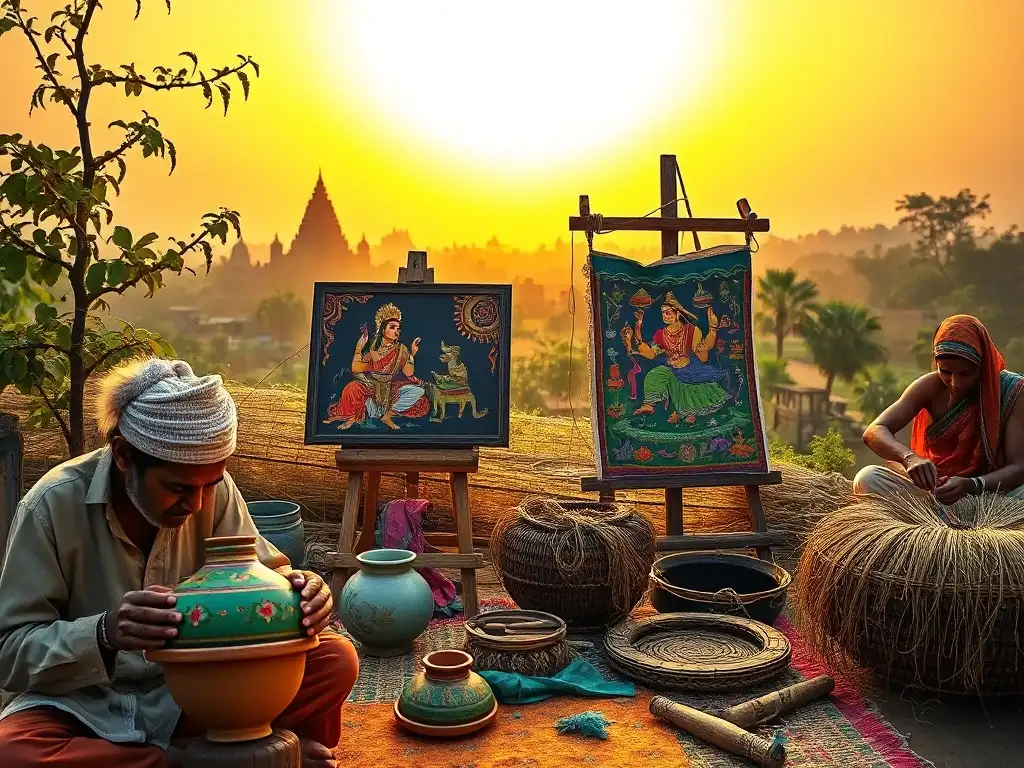
The visual arts in ancient India played a pivotal role not only in artistic expression but also in shaping the cultural and spiritual fabric of society. From intricate sculptures adorning temples to vibrant frescoes that narrated mythological tales, the visual arts were integral to both religious practices and everyday life. They served as a medium for storytelling, a form of worship, and a means of social cohesion. Through their aesthetic appeal and profound symbolism, these art forms left an indelible mark on the collective consciousness of ancient Indian civilizations.
The influence of visual arts extended beyond mere decoration; they were instrumental in conveying philosophical and moral teachings. The rich iconography found in sculptures and paintings often encapsulated complex ideas, making them accessible to the masses. This democratization of art ensured that even those who could not read or write could engage with the cultural narratives of their time. Thus, the visual arts not only enriched individual lives but also fostered a shared identity among communities.
Summary of Key Contributions to Everyday Life
Visual arts in ancient India contributed significantly to various aspects of daily life, including:
- Religious Practices: Many artworks were created for temples and religious ceremonies, serving as focal points for worship and devotion. Sculptures of deities and ritualistic paintings were central to spiritual life.
- Cultural Narratives: Frescoes and carvings depicted stories from epics like the Mahabharata and Ramayana, which educated and entertained the populace. These narratives often illustrated moral and ethical dilemmas, reinforcing societal values.
- Social Status and Identity: Art was used to signify status and identity, with elaborate decorations on homes of the affluent and unique regional styles that fostered local pride.
- Everyday Art: Objects of daily use, such as pottery and textiles, were often adorned with artistic motifs, blending functionality with beauty. This integration of art into everyday life highlighted the creativity of artisans and the importance of aesthetics in daily routines.
Reflections on the Importance of Preserving Visual Arts Heritage
Preserving the visual arts heritage of ancient India is crucial for several reasons. Firstly, these artworks provide invaluable insights into the historical, social, and spiritual contexts of the time. They serve as tangible connections to the past, allowing contemporary society to understand its roots and evolution.
Secondly, the preservation of visual arts promotes cultural continuity. As globalization increases, local traditions risk being overshadowed. By safeguarding these art forms, we ensure that future generations can appreciate and learn from their cultural heritage. This stewardship fosters a sense of pride and belonging among communities.
Lastly, the visual arts offer inspiration for modern artists and creators. The techniques, themes, and materials used in ancient artworks can inform contemporary practices, leading to a richer and more diverse artistic landscape. By recognizing the value of these historical contributions, we can continue to celebrate and innovate within the realm of visual arts.
The visual arts in ancient India were not merely aesthetic endeavors; they were essential to the fabric of daily life and cultural identity. Preserving this heritage is vital for understanding our past and enriching our future.
- Introduction to Visual Arts in Ancient India
- Historical Context of Visual Arts in Ancient India
- Forms of Visual Arts in Ancient India
- Themes and Symbols in Ancient Indian Visual Arts
- The Role of Visual Arts in Social and Cultural Life
- Preservation and Legacy of Visual Arts in Ancient India
- Conclusion: The Lasting Impact of Visual Arts in Ancient India
- Summary of Key Contributions to Everyday Life
- Reflections on the Importance of Preserving Visual Arts Heritage
- What were the primary forms of visual arts in ancient India?
- How did religion influence visual arts in ancient India?
- What materials were commonly used in ancient Indian visual arts?
- How did the Indus Valley Civilization contribute to the evolution of visual arts?
- What is the significance of visual arts in understanding ancient Indian society?
Frequently Asked Questions
What were the primary forms of visual arts in ancient India?
The primary forms of visual arts in ancient India included sculpture, painting, and architecture, reflecting the diverse cultural expressions of various civilizations.
How did religion influence visual arts in ancient India?
Religion played a pivotal role in shaping visual arts, as many artworks were created for temples and depicted various deities, illustrating the spiritual beliefs of the time.
What materials were commonly used in ancient Indian visual arts?
Ancient Indian visual arts utilized materials like stone, wood, metal, and natural pigments for paintings, showcasing the artisans' skills and available resources.
How did the Indus Valley Civilization contribute to the evolution of visual arts?
The Indus Valley Civilization was known for its intricate seals and figurines, which laid the groundwork for later artistic developments, emphasizing craftsmanship and symbolism.
What is the significance of visual arts in understanding ancient Indian society?
Visual arts serve as a crucial lens to understand ancient Indian society, revealing insights into cultural values, social structures, and the everyday life of its people.
Final Reflection: The Enduring Legacy of Visual Arts in Ancient India
The visual arts in ancient India were not merely decorative; they served as a profound means of communication and cultural expression that resonates with us today. In a world increasingly dominated by digital media and fleeting trends, the timeless beauty and significance of ancient Indian visual arts remind us of the power of creativity to convey complex ideas, emotions, and narratives. The intricate sculptures, vibrant murals, and exquisite textiles of this era continue to inspire contemporary artists and enthusiasts alike, highlighting the enduring relevance of these artistic traditions.
The impact of visual arts in ancient India extends far beyond their aesthetic appeal; they have shaped cultural identities and social narratives throughout history. These artistic expressions were deeply intertwined with spirituality, philosophy, and daily life, creating a rich tapestry that reflects the values and beliefs of the society. As noted by art historian Dr. Vidya Dehejia, The visual arts in ancient India were a means of engaging with the divine, a way to understand and interpret the world around us.
This ongoing influence can be seen in modern interpretations of ancient themes, as artists seek to connect with their heritage while addressing contemporary issues.
As we reflect on the lessons drawn from the visual arts in ancient India, let us embrace the creativity within ourselves and recognize the significance of art in our lives. Consider how you can incorporate artistic expression into your daily routine, whether through painting, crafting, or simply appreciating the beauty around you. By doing so, you not only honor the legacy of those who came before us but also contribute to a vibrant cultural dialogue that transcends time and space. Embrace the spirit of creativity and allow it to enrich your life and the lives of those around you.
Embrace the Legacy: Uncover the Beauty of Ancient Indian Visual Arts!
Thank you for exploring the profound connection between visual arts and everyday life in ancient India. You’ve gained insights into how art shaped culture, spirituality, and community, and now it's time to take these learnings further!
Here are a few actionable steps you can take to deepen your appreciation and involvement with ancient visual arts:
- Dive deeper: Visit a local museum or a virtual exhibit showcasing the rich tapestry of ancient Indian art to experience its beauty firsthand.
- Create your own art: Engage with your creative side by experimenting with traditional Indian art forms, such as Madhubani or Warli painting.
- Share your insights: Discuss your newfound knowledge with friends or on social media—spark a conversation about the ways in which visual arts enrich our lives today!
How do you think ancient visual arts can influence modern creativity and expression in our world today?