
The Symbolism of Gestures in Ancient Indian Dance: A Language of Its Own

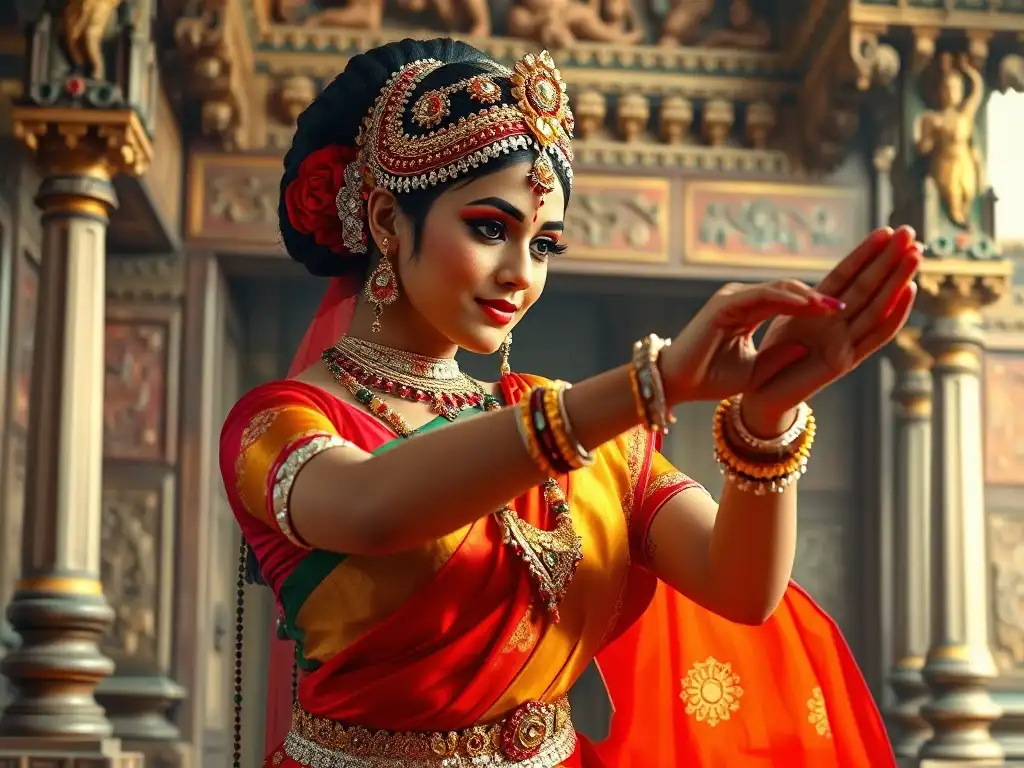
Welcome to Ancient India History, where the vibrant tapestry of India's illustrious past unfolds before your eyes! Here, we delve into the fascinating world of ancient Indian dance gestures, exploring how these intricate movements are more than mere artistry—they are a profound language of expression steeped in symbolism. Join us on this captivating journey as we unveil the secrets and stories behind these gestures, inviting you to discover the rich cultural heritage that shaped the very essence of Indian civilization. Are you ready to dance through history? Let’s begin!
Ancient Indian dance is not merely an art form; it is a profound expression of spirituality, emotion, and storytelling. Central to this expressive medium are the intricate hand gestures, known as Mudras, which convey meanings that transcend verbal communication.
This article delves into the rich tapestry of ancient Indian dance gestures, exploring their symbolism, significance, and how they serve as a language of their own within various classical dance traditions. From the expressive movements of Bharatanatyam to the graceful motions of Kathak, understanding these gestures offers a deeper insight into the cultural heritage of India and the stories they tell through movement.
Introduction to Ancient Indian Dance Gestures
The history of ancient Indian dance can be traced back to texts such as the Natya Shastra, attributed to the sage Bharata Muni, which outlines the principles of dramatic performance, including the use of gestures. These gestures, or Mudras, are not just decorative; they are integral to storytelling, often representing deities, emotions, and various narratives from mythology.
Key Characteristics of Ancient Indian Dance Gestures
- Expressiveness: Each gesture is imbued with specific meanings, allowing dancers to communicate emotions and stories without words.
- Cultural Significance: Many gestures are rooted in religious and spiritual beliefs, reflecting the rich tapestry of Indian culture.
- Technical Precision: Classical dance forms require rigorous training to master the intricate hand movements, emphasizing discipline and dedication.
Importance of Hand Gestures in Indian Classical Dance Forms
Hand gestures play a pivotal role in the various classical dance forms of India, each with its unique set of Mudras that enhance the narrative and emotional depth of the performance.
Types of Hand Gestures
- Asamyukta Mudras: These are single-handed gestures used to convey specific meanings.
- Samyukta Mudras: These involve both hands and are often used to depict more complex ideas or actions.
Emotional and Narrative Functions
- Emotion Conveyance: Through specific gestures, dancers can express a wide range of emotions, from joy to sorrow, love to anger.
- Storytelling Medium: Mudras serve as an essential tool for storytelling, linking movements to the narrative and enhancing the audience's understanding of the performance.
In exploring the nuances of ancient Indian dance gestures, we uncover a sophisticated language that transcends time, offering insights into the cultural and spiritual essence of India. This exploration not only enriches our appreciation of the art form but also connects us to the historical narratives that have shaped Indian civilization.
- Introduction to Ancient Indian Dance Gestures
- Importance of Hand Gestures in Indian Classical Dance Forms
Historical Context of Ancient Indian Dance
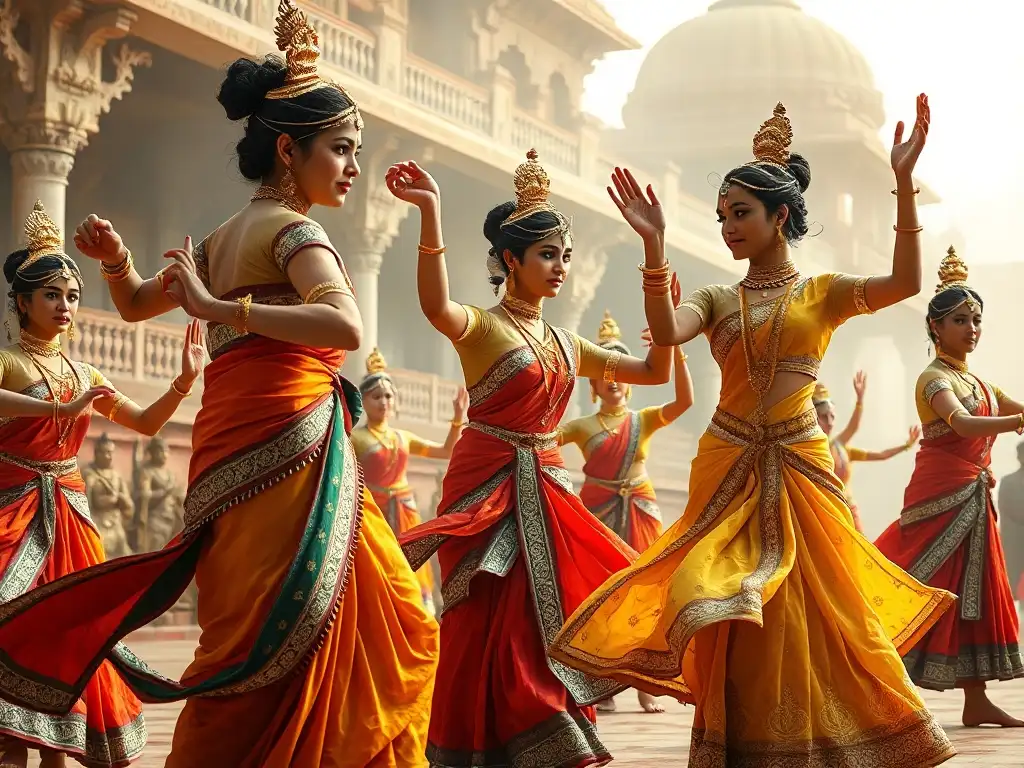
The historical context of ancient Indian dance is deeply intertwined with the social, religious, and artistic developments of the time. Dating back to the Indus Valley Civilization, evidence of dance can be traced through sculptures and artifacts that depict figures in dynamic poses, suggesting that dance was an integral part of ritualistic and cultural practices. As civilizations evolved, so too did the forms and purposes of dance, leading to a rich tapestry of styles and expressions that reflected the diverse cultural landscape of ancient India.
Evolution of Dance in Ancient India
The evolution of dance in ancient India is marked by significant transformations influenced by various dynasties, cultural exchanges, and regional variations. Initially, dance was predominantly ritualistic, serving as a means to communicate with divine entities and express spiritual devotion. Over time, it transitioned into performance art, embracing storytelling and entertainment.
- Pre-Classical Period:
- Indus Valley Civilization: Dance artifacts, such as the famous "Dancing Girl" statue, indicate that dance was a popular form of expression.
- Vedic Period: Texts like the Vedas mention dance as a form of worship and celebration of life events.
- Classical Period:
- Natyashastra: Written by Bharata Muni around 200 BCE to 200 CE, this treatise laid the foundational principles of dance, emphasizing the importance of gestures (mudras) and expressions (abhinaya).
- Regional Styles: Various styles emerged, such as Bharatanatyam in Tamil Nadu, Odissi in Odisha, and Kathak in North India, each reflecting local traditions and narratives.
- Medieval Period to Gupta Empire:
- Dance became more structured, with the establishment of dance schools and formal performances in temples and royal courts.
- Cultural Syncretism: The interaction with other cultures, particularly during the Mughal era, led to the fusion of dance styles, enriching the existing forms.
Influence of Religion and Spirituality on Dance Movements
Religion and spirituality played a pivotal role in shaping ancient Indian dance gestures, with each movement symbolizing deeper meanings and beliefs. Dance was not merely an artistic expression but a spiritual practice that sought to connect performers and audiences with the divine.
- Hinduism:
- Dance forms often depicted mythological stories and deities, with gestures representing specific symbols. For instance, the gesture of "Anjali Mudra" (palms together) is a sign of greeting and respect, commonly used in devotional dances.
- Ritualistic Context: Many dances were performed in temples as offerings to gods, where every gesture was imbued with spiritual significance.
- Buddhism:
- Buddhist dance forms emerged, focusing on themes of enlightenment and compassion. The movements often conveyed narratives from the life of Buddha, with gestures symbolizing teachings and moral values.
- Dance as Meditation:
- The repetitive nature of dance movements served as a form of meditation, allowing dancers to reach a state of transcendence. This practice aligns with concepts found in ancient texts that emphasize the importance of physical expression in achieving spiritual goals.
The historical context of ancient Indian dance reveals a complex interplay between art, culture, and spirituality. The evolution of dance styles and the profound influence of religious beliefs have given rise to a unique and expressive language of gestures that remains influential in contemporary practices.
Understanding the Language of Gestures
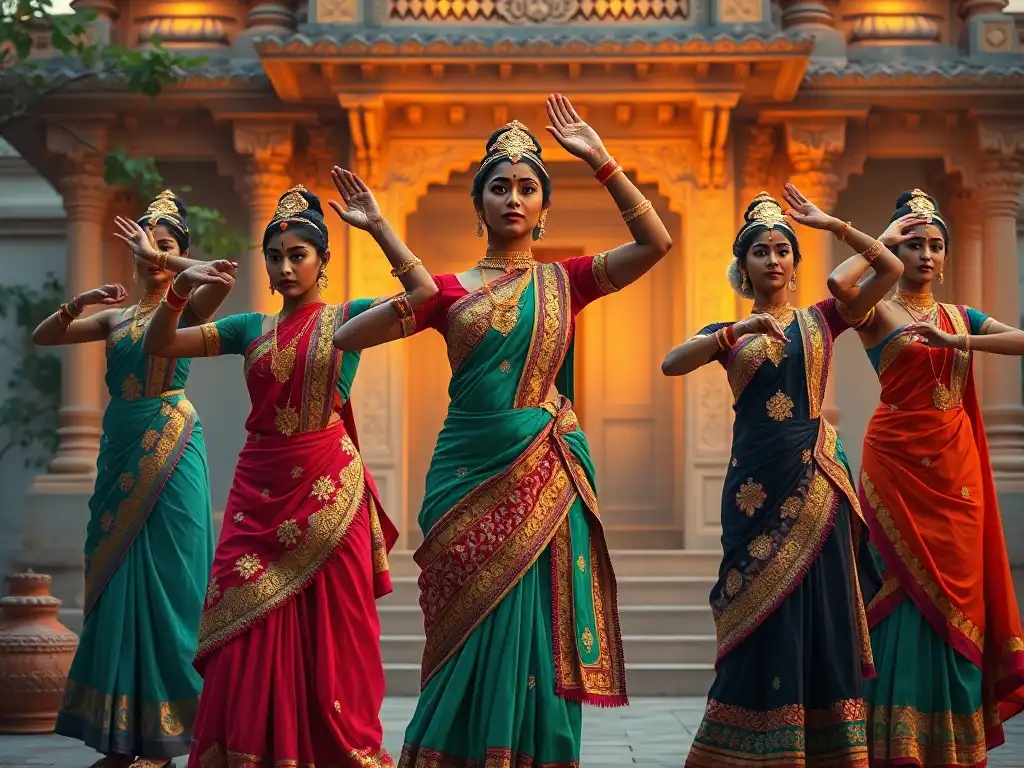
The intricate world of ancient Indian dance is characterized by a rich tapestry of gestures and movements, often referred to as mudras. These gestures serve as a profound form of communication, conveying emotions, narratives, and spiritual concepts. Understanding the symbolism behind these ancient Indian dance gestures is essential to appreciating their cultural significance and artistic depth.
Definition of Mudras in Ancient Indian Dance
In the context of ancient Indian dance, mudras are symbolic hand gestures that convey specific meanings and emotions. The term "mudra" itself comes from the Sanskrit word meaning "seal" or "mark," and in dance, it denotes a method of expression that transcends spoken language.
- Purpose of Mudras:
- Communicate specific ideas and emotions.
- Represent deities, natural elements, and various themes.
- Enhance storytelling by providing visual cues to the audience.
- Types of Mudras:
- Hasta Mudras: Hand gestures that involve intricate positions and movements.
- Sama Mudras: Gestures that convey stillness and stability.
- Vikrita Mudras: Dynamic hand gestures that express action or change.
Mudras form a crucial component of ancient Indian dance styles such as Bharatanatyam, Kathak, and Odissi. Each style possesses its own unique set of mudras that are taught and preserved through generations.
Categories of Dance Gestures: Thematic and Expressive
In ancient Indian dance, gestures can be broadly classified into two main categories: thematic and expressive. Each category plays a distinct role in conveying the overall narrative and emotional resonance of the performance.
- Thematic Gestures:
- These gestures are representative of specific themes or narratives in dance.
- They often depict mythological stories, religious beliefs, and moral values.
- Examples include gestures that symbolize gods and goddesses, animals, or natural phenomena.
- Expressive Gestures:
- These gestures focus on conveying emotions and feelings.
- They are essential for expressing bhava (emotion) and rasa (aesthetic experience) in dance.
- Each emotion, whether it be happiness, sorrow, love, or anger, has corresponding expressive gestures that dancers utilize.
The combination of thematic and expressive gestures in ancient Indian dance creates a multifaceted language that resonates deeply with audiences. The use of these ancient Indian dance gestures not only enriches the visual experience but also fosters a connection between the dancer and the viewer, allowing for a profound exchange of emotions and ideas.
The language of gestures in ancient Indian dance is a complex and meaningful aspect of this art form. Through mudras, dancers are able to communicate intricate stories and emotions, making it a vital component of India's rich cultural heritage.
Symbolism Behind Common Gestures
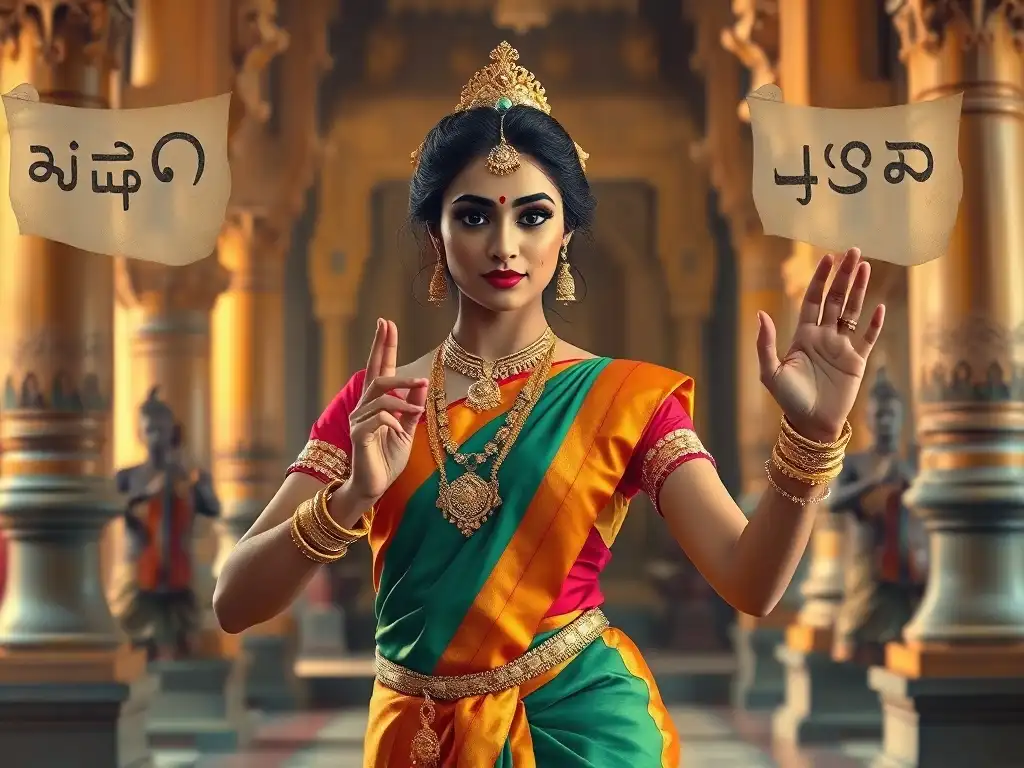
The intricate world of ancient Indian dance gestures, known as mudras, serves as a vital communication tool, transcending mere movement to convey profound meaning and emotion. Each gesture embodies specific symbolism that reflects the cultural and spiritual ethos of ancient Indian civilization. Understanding these gestures not only enriches our appreciation of ancient Indian dance but also connects us to the philosophical and aesthetic principles that shaped this art form.
Key Mudras and Their Meanings
Ancient Indian dance is characterized by a repertoire of mudras that articulate themes ranging from devotion to protection. Below are some key mudras commonly found in various dance forms, each with its own distinct significance.
Gesture of Greeting (Namaste Mudra)
The Namaste Mudra, represented by pressing the palms together in front of the chest, signifies respect, humility, and reverence. This gesture is often performed at the beginning and end of a dance performance, encapsulating the essence of hospitality in Indian culture.
- Symbolism:
- Unity: The joining of hands symbolizes the connection between the dancer and the audience.
- Divinity: It reflects the belief that the divine resides in everyone, promoting mutual respect.
Gesture of Protection (Abhaya Mudra)
The Abhaya Mudra, characterized by an open hand raised to shoulder height, conveys assurance and protection. This gesture is prevalent in both dance and religious iconography, emphasizing the idea of fearlessness.
- Symbolism:
- Courage: It assures the devotee or the audience that they are safe.
- Divine Blessing: Represents the blessings of deities, fostering a sense of security and peace.
Gesture of Offering (Anjali Mudra)
The Anjali Mudra, where the palms are held together, signifies an offering or tribute. It is often used in devotional contexts, conveying gratitude and surrender.
- Symbolism:
- Devotion: This gesture embodies the spirit of giving oneself to a higher purpose or deity.
- Gratitude: It expresses appreciation and respect for the audience or the divine.
The Role of Facial Expressions in Enhancing Gesture Meaning
In ancient Indian dance, facial expressions, known as abhinaya, play a crucial role in enhancing the interpretation of mudras. Each expression complements the gestures, creating a holistic narrative that is emotionally resonant.
- Expressive Eyes: The eyes are often referred to as the “windows to the soul.” Different gazes, such as aloka (looking around) or drishti (focused gaze), enrich the meaning of gestures, allowing the dancer to convey emotions like love, sorrow, or joy.
- Mouth Movements: Subtle movements of the lips can also add layers of meaning, often reflecting the lyrical content of the accompanying music or poetry.
- Facial Musculature: The use of the facial muscles to create expressions of surprise, anger, or devotion amplifies the narrative being told through the dance, making the gestures more impactful.
The intricate interplay of ancient Indian dance gestures and facial expressions creates a rich tapestry of meaning that resonates deeply with audiences. Each mudra tells a story, while the accompanying expressions breathe life into that narrative, making ancient Indian dance a truly captivating art form.
The Cultural Significance of Gestures in Ancient Indian Dance
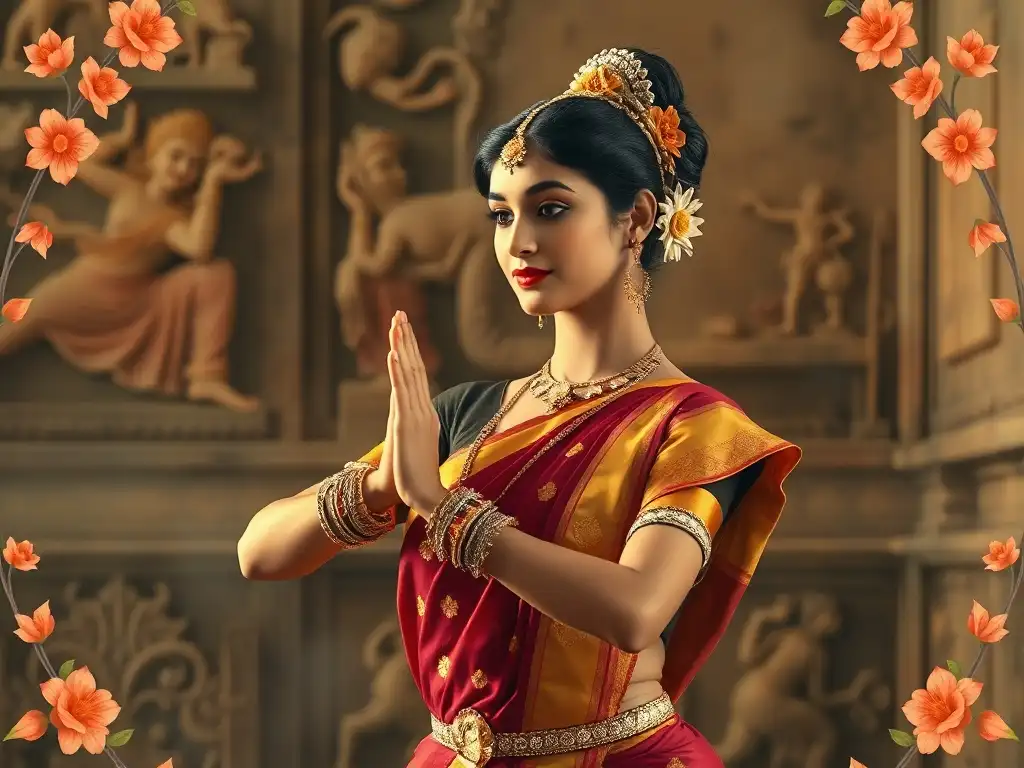
The role of gestures, known as mudras, in ancient Indian dance is far more than mere embellishment; they serve as a vital medium of expression, conveying complex ideas and emotions that resonate deeply within the cultural fabric of India. These gestures are not only a form of communication but also a link to spirituality and mythology, embodying cultural values and beliefs that have been passed down through generations.
The significance of these mudras can be seen in various classical dance forms such as Bharatanatyam, Kathak, Odissi, and Manipuri, each interpreting gestures through unique styles and movements. The codification of these gestures within the dance forms allows for a rich tapestry of storytelling, where every movement is imbued with meaning. This complex language of gestures is integral to the performance, facilitating a connection between the dancer and the audience, and evoking a shared cultural memory.
In ancient texts, such as the Natya Shastra by Bharata Muni, gestures are meticulously detailed, illustrating their importance in conveying narrative and emotion. The text categorizes gestures into different types, each serving distinct purposes, from the simple to the elaborate. This profound understanding of gestures underscores the artistic sophistication of ancient Indian dance, where every performance is a celebration of cultural heritage.
Connection Between Dance Gestures and Mythology
The connection between mudras and mythology is a cornerstone of ancient Indian dance, serving as a bridge that links the physical art form to spiritual and divine narratives. Each gesture tells a story, often derived from ancient scriptures and epics like the Ramayana and the Mahabharata. For instance, the gesture of anjali mudra, which involves placing the palms together in a prayer-like position, symbolizes respect and devotion and is frequently used to invoke divine presence.
Dancers often embody mythological characters through their gestures, allowing the audience to engage in a visual representation of these tales. For example, in Bharatanatyam, the abhinaya (expression) is enhanced through specific mudras that represent deities, animals, or natural elements. This playful interaction with mythology not only preserves these ancient stories but also makes them accessible to the audience, fostering a deeper understanding and appreciation of the cultural context.
Moreover, the rhythmic interplay of music and gestures creates a mesmerizing experience, where the audience is invited to delve into the spiritual and philosophical dimensions of these narratives. Thus, mudras serve as a powerful tool for storytelling, linking the past with the present and offering a glimpse into the rich tapestry of ancient Indian thought.
Representation of Emotions and Narratives Through Mudras
In ancient Indian dance, mudras are essential for representing a wide spectrum of emotions, ranging from love and joy to anger and sorrow. Each gesture is meticulously crafted to convey specific sentiments, allowing the dancer to communicate without words. This non-verbal language is crucial in classical dance forms, where the subtleties of expression are as important as the movements themselves.
For instance, the pataka mudra (flag gesture) can depict various emotions based on its context, such as a signal of victory or an expression of grief. Similarly, the tripataka mudra (three parts of a flag) can symbolize the act of creating or destroying, showcasing the duality of emotions that exist within every narrative. The ability to evoke such feelings through gestures is a testament to the skill of the dancer and the intricate training involved in mastering these forms.
The representation of narratives through mudras allows for a layered storytelling approach, where the audience can interpret the emotions and themes conveyed by the dancer. This multifaceted communication enriches the performance, creating a dynamic interaction between the dancer and the audience. Through the use of specific gestures, dancers can evoke historical events, mythological tales, and personal experiences, making each performance a unique exploration of ancient Indian culture.
The symbolism of gestures in ancient Indian dance serves as a profound language of its own, intricately woven into the cultural and spiritual narratives of the time. These mudras not only enhance the visual appeal of the dance but also invite audiences to engage with the deeper meanings embedded within the art form, ensuring that the legacy of ancient Indian dance continues to thrive.
Regional Variations in Gestures Across Different Dance Forms
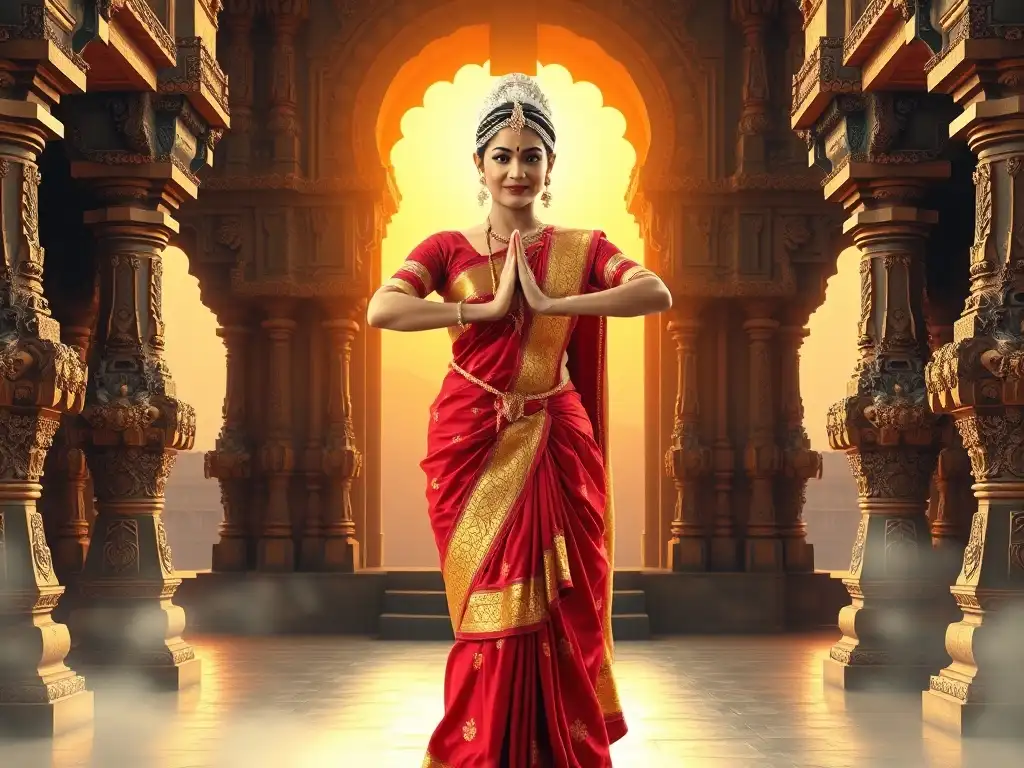
The diversity of ancient Indian dance forms is not only reflected in their movements but also in the unique gestures, or mudras, that define them. Each regional dance style possesses its own set of gestures, which convey specific meanings and enhance the storytelling aspect of the performance. Understanding these regional variations in gestures provides deeper insight into the cultural significance and aesthetic values embedded within each dance form.
Bharatanatyam: Unique Gestures and Their Symbolism
Bharatanatyam, one of the oldest classical dance forms of India, originates from Tamil Nadu. This dance is characterized by its intricate footwork, expressive hand gestures, and expressive facial expressions. The gestures used in Bharatanatyam are classified into two main categories:
- Hasta Mudras: Hand gestures that convey specific meanings. For instance:
- Pataka: Represents a flag, used to denote various objects or ideas.
- Tripataka: Symbolizes a crown or a mountain, often used in narratives about royalty or nature.
- Abhinaya: The art of expression, where gestures are paired with facial expressions to convey emotions and stories.
The symbolism in Bharatanatyam is profound; each gesture not only represents an object or idea but also evokes a deeper emotional response from the audience. For example, the gesture of Shikhara can symbolize the sacred, while Anjali signifies respect and reverence.
Kathak: The Storytelling Aspect of Hand Movements
Kathak, originating from North India, is renowned for its storytelling aspect, where hand movements play a crucial role in narrating tales from mythology and folklore. The gestures in Kathak are often combined with rhythmic footwork and spins, creating a dynamic interplay between movement and expression.
Key gestures in Kathak include:
- Chakkar: A spinning motion that represents the cycle of life and the cosmos.
- Mudras for Emotions: Each hand gesture is associated with a particular emotion or character, enhancing the narrative. For instance:
- Kartarimukha: Represents the act of giving or receiving.
- Uttal: Signifies joy and celebration.
The use of gestures in Kathak transcends mere visuals; it forms a narrative thread that connects the audience with the story being told. The dancer's ability to seamlessly integrate these gestures with rhythm and music is what makes Kathak a captivating form of ancient Indian dance.
Odissi: Fluidity and Grace in Gestural Language
Odissi, which hails from the eastern state of Odisha, is distinguished by its graceful movements and intricate gestures. The dance form emphasizes the beauty of the human body in motion, with gestures that often reflect the spirituality and devotion inherent in its themes.
The gestures in Odissi can be classified into:
- Mudras: Hand gestures that embody divine meanings. For example:
- Brahma Mudra: Represents creation and the divine, often used in devotional themes.
- Simhamukha: Symbolizes strength and courage, commonly depicted in warrior narratives.
- Body Postures: Each posture is choreographed to reflect balance and grace, enhancing the overall aesthetic. The tribhangi position, for instance, highlights the curves of the dancer's body, showcasing a harmonious blend of strength and softness.
Odissi's gestural language is characterized by its fluidity, where each movement transitions seamlessly into the next, creating a visual tapestry that speaks to the heart of its spiritual themes. The gestures not only narrate stories but also invite the audience into a contemplative space, reflecting the dance's deep connection to the divine.
The exploration of ancient Indian dance gestures reveals a rich tapestry of meanings and expressions unique to each dance form. From the intricate storytelling of Kathak to the devotional essence of Odissi and the expressive nature of Bharatanatyam, these gestures serve as a language of their own, encapsulating the cultural heritage and artistic finesse of ancient Indian civilizations.
The Educational Aspect of Dance Gestures
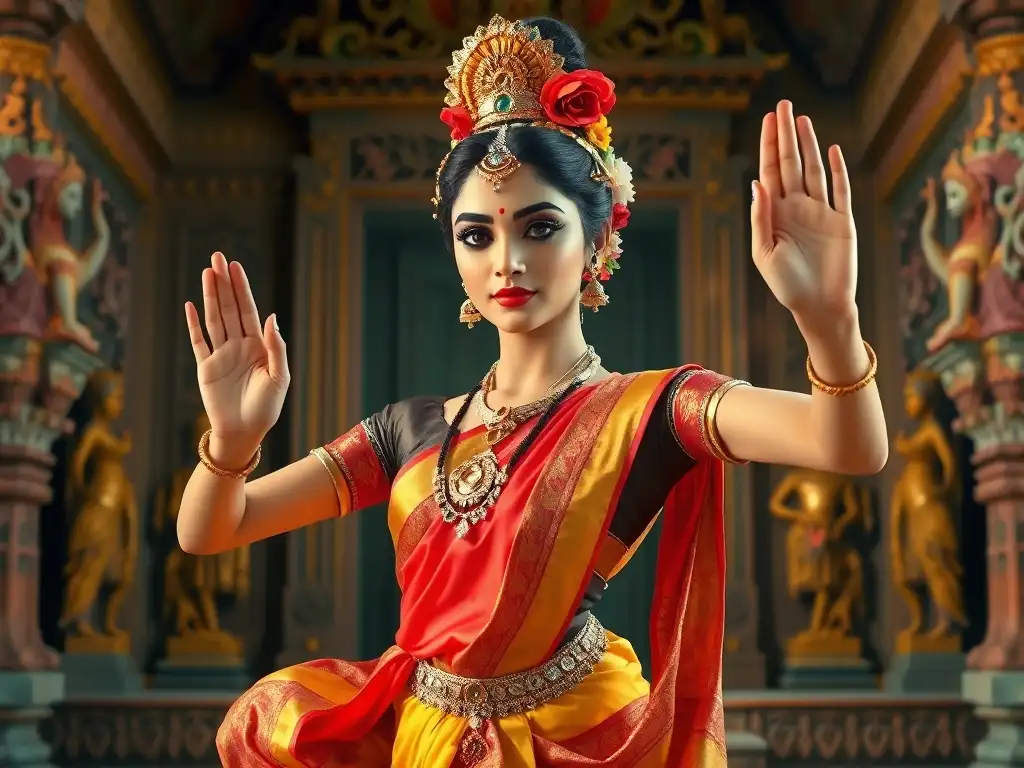
Teaching Ancient Indian Dance Gestures: Traditional Methods
The transmission of ancient Indian dance gestures, or mudras, is steeped in tradition, reflecting the deep-rooted cultural values of India. Traditionally, these gestures were taught through a system that emphasized both oral and practical instruction. Mastery of dance gestures was not merely about learning movements; it involved understanding their meanings, emotional expressions, and spiritual significance.
- Gurukula System: Central to the traditional teaching of dance gestures was the Gurukula system, where students (shishyas) would live with their teacher (guru) in an ashram. This immersive environment allowed for rigorous training that combined physical practice with philosophical discussions. The guru would demonstrate various gestures, often accompanied by stories from mythology and scriptures that elucidated their meanings.
- Natyashastra: The ancient text Natyashastra, attributed to Bharata Muni, serves as a fundamental resource for dance gestures. It details the significance of each mudra, categorizing them into various types and explaining their usage in storytelling through dance. Students learn these gestures through meticulous study of the text, often memorizing verses that describe the symbolic meanings associated with each gesture.
- Practical Demonstration: In addition to theoretical knowledge, practical demonstration plays a crucial role in teaching ancient Indian dance gestures. Teachers often use jatis (rhythmic patterns) to facilitate learning, allowing students to practice gestures in time with music. This kinesthetic approach reinforces the connection between gesture, rhythm, and expression, making it easier for students to internalize the movements.
- Cultural Context: Understanding the cultural context behind each gesture is essential in the education of ancient Indian dance. As students learn gestures, they are also introduced to the historical and cultural narratives that inform them. This holistic approach ensures that dancers not only execute movements accurately but also convey the intended emotions and stories through their performances.
The Role of Gesture in Dance Training and Performance
In the realm of ancient Indian dance, gestures serve as a vital communicative tool that transcends language, allowing performers to convey complex emotions and narratives. The role of gestures in both training and performance is multifaceted, encompassing not only the technical aspects but also the expressive dimensions of dance.
- Expressive Communication: Ancient Indian dance gestures are inherently symbolic, each carrying specific meanings that contribute to the storytelling aspect of performances. For example, the gesture of Pataka (flag) can symbolize a variety of themes, from victory to the natural world. Dancers are trained to express these meanings through the precise execution of gestures, enhancing the overall narrative of the performance.
- Emotional Connection: The use of gestures in dance helps forge an emotional connection between the performer and the audience. Through carefully articulated gestures, dancers can evoke feelings of joy, sorrow, love, or longing. This emotional resonance is crucial in engaging the audience, making gestures not just physical movements, but a language of their own that speaks to the heart.
- Integration with Music and Rhythm: The synchronization of gestures with music and rhythm is essential in ancient Indian dance. During training, dancers practice aligning their gestures with specific musical beats, ensuring a cohesive performance. This integration enhances the aesthetic experience, as the visual and auditory elements work in harmony to create a captivating spectacle.
- Cultural Preservation: By mastering ancient Indian dance gestures, performers play a pivotal role in preserving cultural heritage. Each gesture embodies the history and traditions of ancient India, serving as a link between the past and present. Through performances, dancers not only entertain but also educate audiences about the rich tapestry of Indian culture, ensuring that these ancient practices continue to flourish.
The educational aspect of ancient Indian dance gestures highlights the intricate blend of tradition, expression, and cultural significance embedded within this art form. The methods of teaching and the role of gestures in performance are essential to understanding the profound impact of ancient Indian dance on both practitioners and audiences alike.
Conclusion: The Enduring Legacy of Ancient Indian Dance Gestures
The exploration of ancient Indian dance gestures reveals a rich tapestry of symbolism and meaning that transcends time. These gestures, known as Mudras, serve as a sophisticated language within the art forms of dance, allowing performers to convey complex emotions and narratives without uttering a single word. The legacy of these gestures is not merely historical; it continues to resonate in contemporary forms of expression, enriching the global dance landscape.
The intricate use of hand movements and body postures in ancient Indian dance is deeply rooted in spiritual and cultural contexts. Each gesture carries specific meanings, drawing from mythological, religious, and philosophical traditions. For instance, the Anjali Mudra, where the palms are pressed together, symbolizes salutation and reverence, while the Pataka Mudra depicts different elements of nature and daily life.
As we reflect on the enduring legacy of ancient Indian dance gestures, it becomes evident that these movements are not static relics of the past. They have adapted over centuries, finding new expressions in various forms of dance that incorporate traditional techniques while also embracing contemporary themes.
The Relevance of Ancient Indian Dance Gestures in Contemporary Dance
In the modern era, ancient Indian dance gestures have found renewed relevance in a variety of dance forms, both within India and globally. Contemporary choreographers often draw inspiration from these gestures, integrating them into performances that explore themes of identity, spirituality, and social issues.
- Fusion Dance Forms: Many contemporary dance styles, such as Bollywood and Indian classical fusion, incorporate ancient Indian dance gestures. This blending creates a vibrant dialogue between tradition and innovation, captivating audiences with its visual and emotional depth.
- Global Influence: The global dance community has embraced the rich vocabulary of ancient Indian gestures. Dance schools and workshops around the world now offer classes that teach these movements, fostering cross-cultural exchanges and appreciation for ancient Indian art forms.
- Theatrical Productions: Modern theatrical productions often utilize ancient Indian dance gestures to enhance storytelling. By incorporating these symbolic movements, performers can evoke powerful emotions and convey complex narratives that resonate with diverse audiences.
The enduring relevance of ancient Indian dance gestures in contemporary dance not only preserves the cultural heritage of India but also enriches global artistic expressions, demonstrating the universal language of movement.
Preserving the Art of Gesture in Modern Times
Preserving the art of gesture in modern times requires a concerted effort from dancers, educators, and cultural institutions. Here are several key strategies to ensure the survival and evolution of ancient Indian dance gestures:
- Education and Training: Dance schools should incorporate traditional training in ancient Indian dance forms, emphasizing the importance of gestures in storytelling and expression. Workshops led by experienced practitioners can help new generations appreciate and master these intricate movements.
- Documentation: Comprehensive documentation of ancient Indian dance gestures through video recordings, written texts, and digital archives can serve as valuable resources for both scholars and practitioners. This effort ensures that the nuances of these gestures are preserved for future generations.
- Cultural Exchange Programs: Encouraging cultural exchange programs can foster collaboration between Indian dance artists and those from different cultural backgrounds. Such initiatives can lead to innovative reinterpretations of ancient gestures, helping to keep the art form dynamic and relevant.
- Community Engagement: Engaging local communities through performances, festivals, and outreach programs can help raise awareness of the significance of ancient Indian dance gestures. This grassroots approach can cultivate a deeper appreciation for the art form and inspire community members to participate in its preservation.
The preservation of ancient Indian dance gestures is essential for maintaining the integrity and richness of this art form. By fostering education, documentation, cultural exchange, and community engagement, we can ensure that these gestures continue to inspire and communicate across generations, celebrating the profound legacy of ancient Indian dance.
Frequently Asked Questions
What are the main ancient Indian dance gestures?
Ancient Indian dance gestures, known as Mudras, are symbolic hand movements that convey emotions, narratives, and spiritual concepts in dance forms.
How did ancient Indian dance gestures evolve over time?
The evolution of ancient Indian dance gestures reflects the cultural and spiritual changes in society, adapting influences from various religious and artistic traditions throughout history.
What is the significance of gestures in ancient Indian dance?
Gestures in ancient Indian dance serve as a visual language, allowing performers to express complex emotions and stories without spoken words, enhancing the overall aesthetic experience.
Are there different styles of dance that use ancient Indian gestures?
Yes, various styles such as Bharatanatyam, Kathak, and Odissi incorporate unique gestures and Mudras, each with distinct cultural significance and techniques.
How can one learn about ancient Indian dance gestures today?
One can learn about ancient Indian dance gestures through dance classes, workshops, and online resources, focusing on the historical context and technique of these expressive movements.
Final Reflection: The Timeless Language of Ancient Indian Dance Gestures
The exploration of ancient Indian dance gestures reveals their profound significance in today's world, as they serve not only as a means of artistic expression but also as a bridge connecting generations and cultures. In a time when communication often relies on technology, the rich symbolism embedded in these gestures reminds us of the power of non-verbal language, transcending barriers and fostering understanding. The intricate movements of ancient Indian dance resonate with the universal human experience, inviting us to reflect on our own forms of expression.
The influence of ancient Indian dance gestures extends far beyond the stage, permeating our cultural and social landscapes. These gestures encapsulate stories, emotions, and spiritual beliefs, allowing performers and audiences alike to engage in a dialogue that transcends words. As we witness the revival and adaptation of these dances in contemporary settings, we are reminded of their enduring relevance. Dance is the hidden language of the soul.
This quote encapsulates the essence of how gestures in ancient Indian dance continue to speak to our inner selves, fostering a deeper connection with our heritage and identity.
As we conclude this exploration, I invite you to reflect on the gestures that resonate within your own life. Consider how you communicate beyond words, and how the symbolism in your actions can convey meaning and emotion. Embrace the lessons of ancient Indian dance gestures, allowing them to inspire you to express yourself authentically and connect with others on a deeper level. Let us carry forward this timeless language, celebrating the rich tapestry of human expression that binds us all.
Unlock the Language of Ancient Dance!
Thank you for taking the time to explore the rich and intricate symbolism of gestures in ancient Indian dance. Your curiosity has opened the door to understanding a vibrant cultural expression that communicates tales of history and spirituality. Now, let’s take that understanding further and deepen your connection to this enchanting art form.
Here are a few simple actions you can take right now:
- Immerse yourself in a local dance workshop or an online class to experience these gestures firsthand.
- Share this article with friends or on social media to spark a conversation about the beauty of ancient dance traditions.
- Explore additional resources or literature that delve deeper into the history and significance of gestures in Indian dance.
What gestures resonate most with you, and how do you see their meanings reflected in today’s artistic expressions? Let's discuss in the comments!