
From Stone to Soul: The Spiritual Significance of Ancient Indian Visual Arts

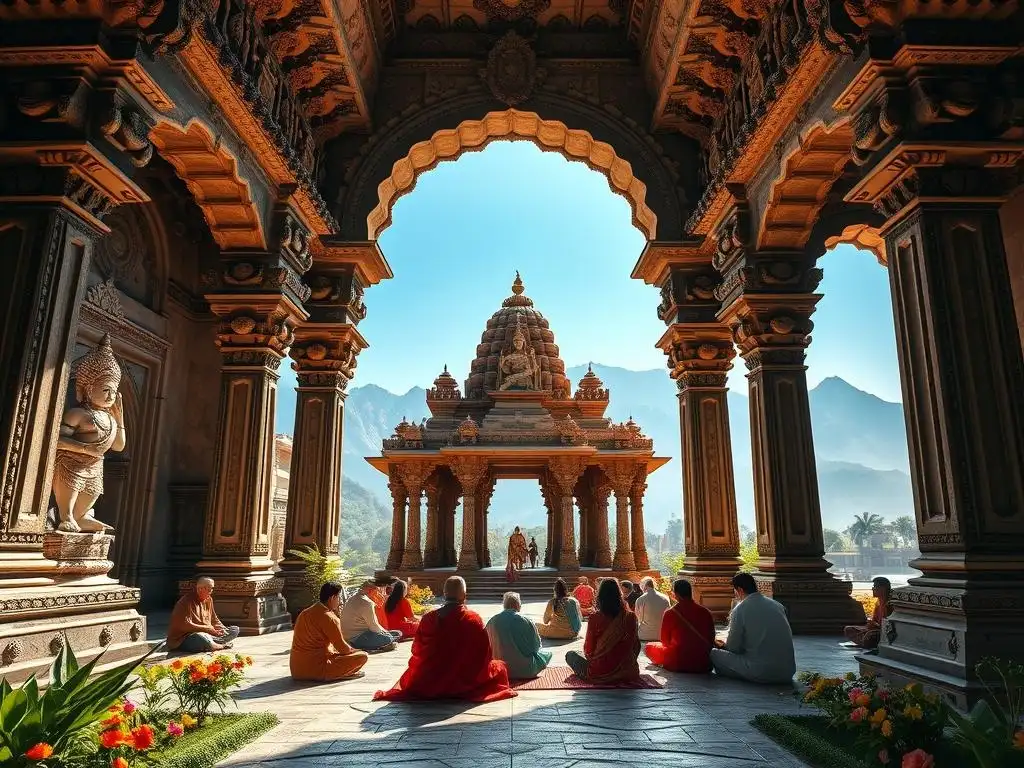
Welcome to Ancient India History, where we embark on a captivating journey through time to uncover the rich tapestry of India's past. Here, we delve into the spiritual significance of Indian art, illuminating how the vibrant expressions of creativity and devotion shaped the cultural landscape of ancient civilizations.
In our featured article, "From Stone to Soul: The Spiritual Significance of Ancient Indian Visual Arts," we invite you to explore how these timeless masterpieces not only reflect aesthetic beauty but also embody profound spiritual narratives. Prepare to awaken your curiosity and deepen your understanding of how art transcends mere representation, inviting you to discover the soul of ancient India.
- Introduction to the Spiritual Significance of Indian Art
- Historical Context of Indian Art
- Major Art Forms and Their Spiritual Significance
- The Role of Religion in Shaping Indian Art
- Techniques and Materials in Ancient Indian Art
- Case Studies of Iconic Works in Indian Art
- The Interpretation of Spiritual Themes in Indian Art
- Conclusion: The Lasting Legacy of Spiritual Significance in Indian Art
-
Frequently Asked Questions
- What is the spiritual significance of ancient Indian art?
- How did the Indus Valley civilization influence Indian art?
- What role did the Gupta Empire play in the development of Indian visual arts?
- Can you explain the connection between religion and Indian art?
- How does ancient Indian art continue to influence modern practices?
- Final Reflection: Embracing the Spiritual Significance of Indian Art
- Unleash Your Creative Spirit: Connect with Ancient Indian Arts!
Introduction to the Spiritual Significance of Indian Art
The spiritual significance of Indian art is a profound and intricate aspect of the country's rich cultural tapestry. From the early days of the Indus Valley Civilization to the flourishing Gupta Empire, visual arts have served not only as a medium of expression but also as a conduit for spiritual exploration and devotion.
As we delve into this fascinating journey, we will uncover how ancient Indian visual arts, be it through sculpture, painting, or architecture, resonate with religious themes and philosophical ideals, reflecting the deep-rooted spirituality that pervades Indian culture. This exploration will reveal the underlying meanings and spiritual narratives embedded in these artistic works, showcasing how they continue to inspire and influence contemporary thoughts about art and spirituality.
Overview of Ancient Indian Visual Arts
Ancient Indian visual arts encompass a wide range of forms that have evolved over several millennia, each reflecting the diverse cultural contexts and spiritual beliefs of the time. Key elements of this evolution include:
- Indus Valley Civilization (c. 3300–1300 BCE): Known for its sophisticated urban planning, the art of this era includes intricate seals, terracotta figurines, and pottery, which often depict themes related to fertility and divinity.
- Mauryan Empire (c. 322–185 BCE): The monumental pillars and stupas, such as those at Sarnath, exemplify the use of art in promoting Buddhism, with intricate carvings that narrate the life of the Buddha and embody moral teachings.
- Gupta Empire (c. 240–550 CE): This period is often referred to as the Golden Age of Indian art, marked by the emergence of exquisite sculptures, frescoes, and temple architecture that highlight Hindu deities and cosmological concepts, reflecting the period's spiritual aspirations.
The integration of spirituality into these art forms is not merely decorative; it serves a foundational role in conveying religious narratives and philosophical ideas, allowing viewers to connect with the divine.
Importance of Spirituality in Indian Culture
Spirituality is deeply woven into the fabric of Indian culture, influencing various aspects of life, from daily practices to artistic expression. The significance of spirituality in Indian culture can be understood through the following points:
- Cultural Identity: Indian art acts as a mirror of its spiritual beliefs, with artworks often serving as vehicles for religious devotion and societal values. This connection fosters a sense of identity and continuity among generations.
- Ritualistic Function: Many art forms are created for specific rituals and ceremonies, facilitating a spiritual experience for practitioners. For instance, the intricate designs of rangoli or the detailed carvings on temple walls are meant to invoke divine presence and blessings.
- Philosophical Expression: The themes explored in Indian art often reflect philosophical concepts such as karma, dharma, and moksha, encouraging introspection and a deeper understanding of one's place in the universe.
In essence, the spiritual significance of Indian art is not only a testament to the creativity of ancient civilizations but also a profound reflection of their quest for meaning and connection to the divine. As we continue to explore this theme, we will uncover specific examples and stories that illustrate the enduring legacy of these artistic expressions.
Historical Context of Indian Art
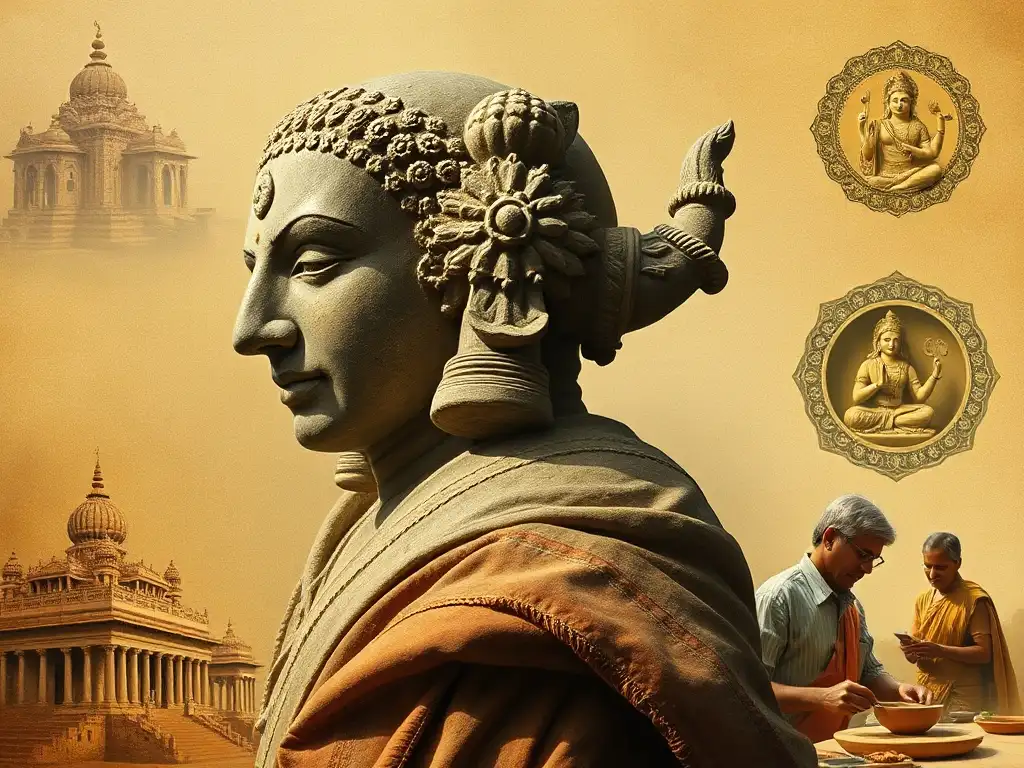
The historical context of Indian art is deeply intertwined with the spiritual and cultural evolution of the civilization. From prehistoric cave paintings to the sophisticated sculptures of the Gupta Empire, Indian art has served not just as a form of aesthetic expression but also as a medium of spiritual communication. The spiritual significance of Indian art can be traced through various epochs, each contributing unique elements that reflect the values, beliefs, and practices of the time.
Evolution of Visual Arts in Ancient India
The evolution of visual arts in ancient India can be categorized into distinct phases, each marked by innovations and shifts in spiritual focus.
- Prehistoric Era:
- The earliest evidence of visual arts in India dates back to the Bhimbetka rock shelters, where cave paintings depict hunting scenes, animals, and human figures. These artworks often carried spiritual significance, representing early man’s connection with nature and the divine.
- Indus Valley Civilization (c. 2500-1900 BCE):
- The urban centers of the Indus Valley showcased intricate seals, pottery, and sculptures. Notable is the Dancing Girl bronze figurine, which may symbolize fertility or the divine feminine. The art from this era reflects a sophisticated understanding of aesthetics and possibly ritualistic functions.
- Mauryan Period (c. 322-185 BCE):
- The Mauryan Empire marked a significant advancement in art, with the introduction of ashoka pillars and stupas. The Lion Capital of Ashoka serves as a prime example of how art was utilized to convey spiritual messages and principles of Buddhism.
- Gupta Period (c. 320-550 CE):
- Often referred to as the Golden Age of Indian art, the Gupta period is renowned for its sculptures and murals. The depiction of Hindu deities in temples and the exquisite carvings of Ajanta and Ellora caves illustrate the deep spiritual significance attached to art, serving as a means of devotion and storytelling.
Through these stages, Indian visual arts evolved, reflecting the changing spiritual landscape and serving as a bridge between the material and the divine.
Key Periods Influencing Spiritual Art Forms
Several key periods in ancient Indian history significantly influenced the development of spiritual art forms, each contributing unique philosophies and artistic styles:
- Vedic Period (c. 1500-500 BCE):
- The texts of the Vedas laid the foundation for spiritual thought, which later found expression in art. The concept of Yajna (sacred fire rituals) inspired artistic representations, depicting the relationship between the earthly and the divine.
- Buddhist Influence (c. 500 BCE):
- Following the rise of Buddhism, art became a tool for religious teaching. The Buddha's life and teachings were illustrated in sculptures and stupas, emphasizing the spiritual journey towards enlightenment.
- Hindu Revival (c. 300 CE):
- The resurgence of Hinduism during the Gupta period saw the emergence of temple architecture and sculpture dedicated to deities like Vishnu and Shiva. This period underscored the spiritual significance of art as a medium of worship, with temples designed to reflect cosmic and divine order.
- Jain Art (c. 600 CE):
- Jainism contributed to the artistic landscape with its emphasis on non-violence and asceticism. The intricate carvings of Jain temples, such as those in Mount Abu, exemplify the spiritual significance of art as a means of expressing religious doctrine and devotion.
The spiritual significance of Indian art is a rich tapestry woven through historical contexts, evolving from primitive expressions to sophisticated forms that reflect the profound beliefs and practices of ancient Indian civilizations. Each period not only contributed to the aesthetic quality of the art but also reinforced its role as a vital medium of spiritual expression.
Major Art Forms and Their Spiritual Significance
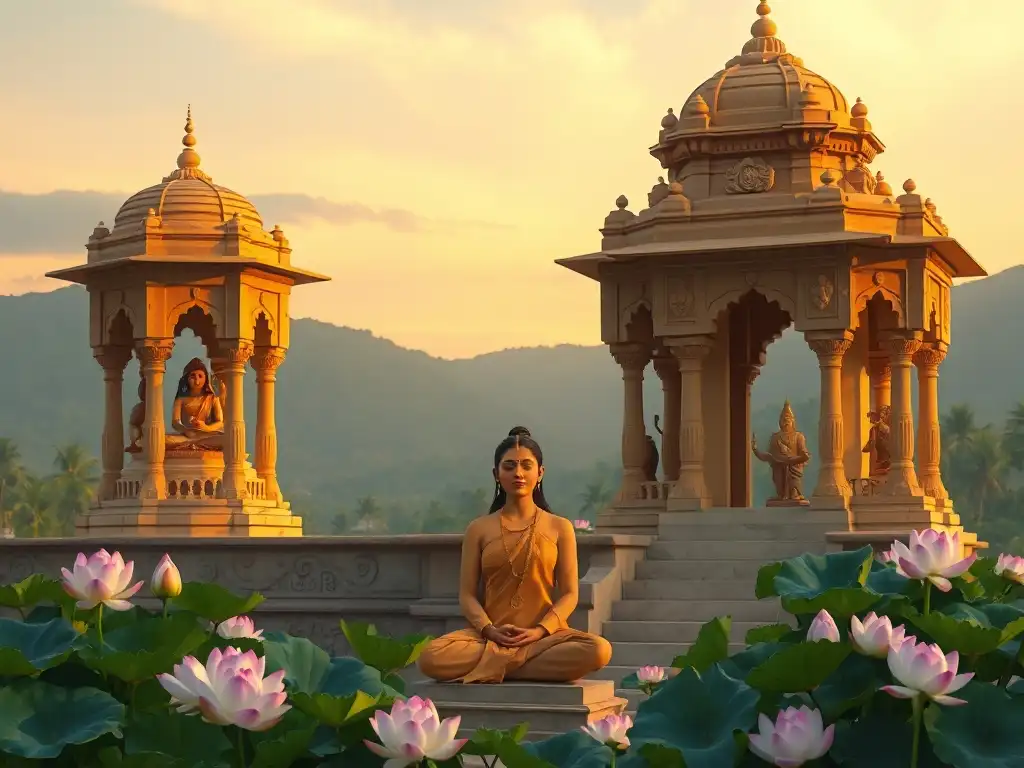
Sculpture in Ancient Indian Culture
Sculpture in ancient India is a profound reflection of the spiritual significance of Indian art. From the intricate carvings of the Indus Valley Civilization to the monumental sculptures of the Gupta Empire, each piece serves as a testament to the beliefs, values, and spiritual practices of its time. The craftsmanship involved in these sculptures not only showcases artistic skill but also embodies religious narratives, philosophical concepts, and cultural identity.
The spiritual significance of Indian sculpture can be seen in its ability to convey complex ideas through physical form. Sculptors employed various materials, including stone, bronze, and terracotta, to create figures that represented deities, celestial beings, and narratives from epics like the Mahabharata and Ramayana. These works were not merely decorative; they played a crucial role in religious rituals, serving as focal points for worship and contemplation.
Stone Carvings and Their Symbolism
Stone carvings are among the most enduring forms of ancient Indian art, often found in temples and public spaces. Each carving tells a story, representing not just aesthetic beauty but also deep spiritual meanings.
- Symbolic Representation: Many sculptures depict deities, each symbolizing different aspects of life and the universe. For example, the intricate carvings of Shiva represent creation and destruction, embodying the cyclical nature of existence.
- Cultural Context: The choice of materials and the techniques used in stone carving often reflect the local culture and religious practices. For instance, the use of sandstone in the temples of Khajuraho highlights both the artistic style of the period and the spiritual beliefs surrounding sexuality and divinity.
The symbolism embedded in stone carvings serves to educate viewers about their faith, guiding them towards a deeper understanding of their spiritual heritage.
Iconography in Indian Sculpture
Iconography is a critical aspect of Indian sculpture, providing a visual language that conveys complex spiritual concepts. Each figure is rich with meaning, often encoded through specific attributes and postures.
- Mudras: The hand gestures, or mudras, depicted in sculptures express various spiritual states and intentions. For instance, the Dhyana Mudra, representing meditation, is often seen in figures of the Buddha, symbolizing tranquility and enlightenment.
- Attributes: Deities are typically depicted with distinctive attributes that symbolize their powers and characteristics. For example, Vishnu is often shown holding a conch shell, symbolizing the primordial sound of creation, while Lakshmi is associated with lotus flowers, representing purity and beauty.
Through iconography, sculptures serve as a visual representation of spiritual teachings, allowing devotees to connect with the divine on a more profound level.
Painting Traditions and Spiritual Themes
Painting traditions in ancient India are equally rich and varied, often intertwined with the spiritual beliefs of the time. From frescoes in temples to intricate manuscript illustrations, these artworks reveal the deeper spiritual themes prevalent in Indian culture.
Frescoes and Their Religious Context
Frescoes, particularly those found in ancient temples, are a vibrant expression of the spiritual significance of Indian art. These large-scale paintings often depict scenes from mythology and religious texts.
- Narrative Scenes: Frescoes narrate stories from epics like the Ramayana and Mahabharata, bringing these ancient tales to life. The vivid colors and dynamic compositions draw viewers into the narrative, encouraging reflection on moral and spiritual lessons.
- Ritual Significance: Many frescoes were created as part of temple rituals, serving to enhance the spiritual atmosphere of worship. The imagery is intended to inspire devotion and create a connection between the worshipper and the divine.
Frescoes thus function as both artistic expressions and spiritual guides, enriching the religious experience of those who encounter them.
Manuscript Illustrations and Spiritual Narratives
Manuscript illustrations represent another vital aspect of ancient Indian art, combining text and imagery to convey spiritual narratives. These illustrations are often found in religious texts and serve a dual purpose of decoration and instruction.
- Visual Storytelling: Manuscript illustrations often depict key moments from spiritual texts, enhancing the reader's understanding of the narrative. For example, paintings in the Bhagavad Gita not only complement the text but also serve to visualize the philosophical discussions within.
- Symbolic Imagery: The illustrations are rich with symbolism, using color, form, and composition to convey deeper meanings. The depiction of deities alongside their consorts, for instance, often reflects the balance of masculine and feminine energies in the universe.
The spiritual significance of Indian art, especially in sculpture and painting, lies in its ability to transcend mere aesthetics. It serves as a conduit for spiritual expression and understanding, enriching the cultural landscape of ancient India while continuing to inspire contemporary interpretations of art and spirituality.
The Role of Religion in Shaping Indian Art
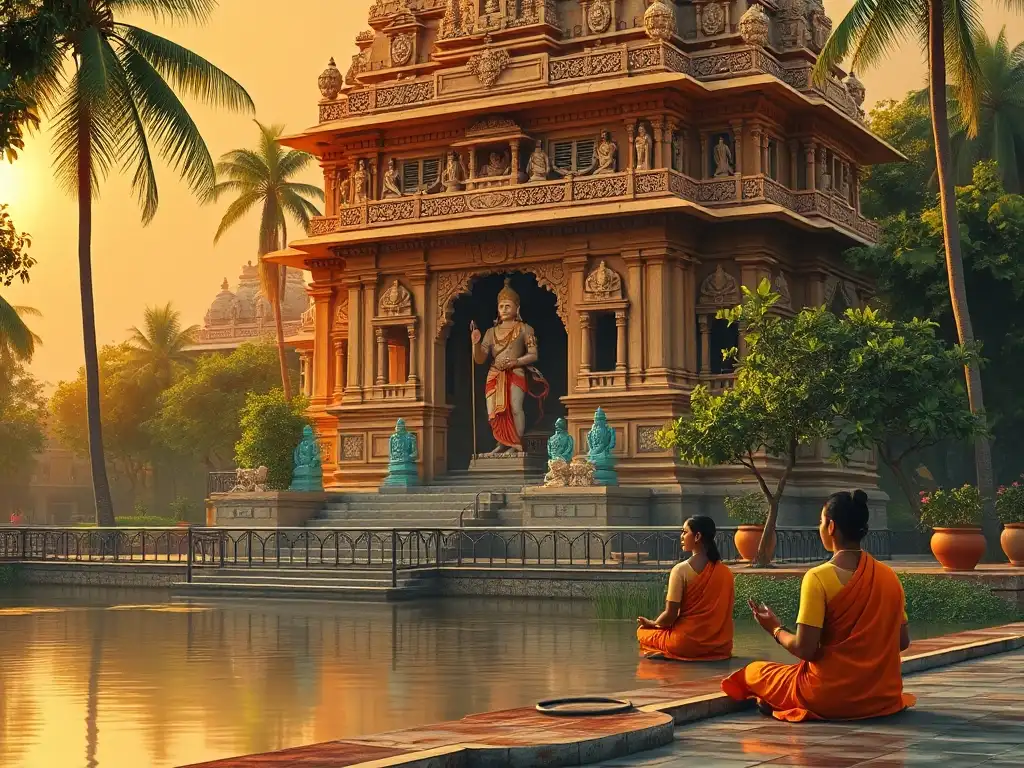
The spiritual significance of Indian art is deeply intertwined with the religious beliefs and practices that have flourished in the subcontinent over millennia. Religion has not only influenced the themes and subjects of various art forms but has also dictated the techniques, materials, and purposes behind these creations. From the intricate carvings of temples to the vibrant frescoes of monasteries, the visual arts of ancient India serve as a reflection of the spiritual ethos that permeated society.
Hinduism and Its Influence on Visual Arts
Hinduism has profoundly shaped the visual arts in India, with its rich pantheon of gods, goddesses, and mythological narratives providing an endless source of inspiration. The depiction of deities in sculpture and painting is not merely an artistic endeavor; it serves a spiritual function, facilitating the connection between worshippers and the divine.
- Iconography: Hindu art is characterized by its elaborate iconography. Each deity is represented with specific attributes, gestures (mudras), and symbols that convey their divine qualities. For instance, Lord Ganesha is often depicted with an elephant head, symbolizing wisdom and the removal of obstacles.
- Temples as Artworks: The architecture of Hindu temples reflects a synthesis of spirituality and artistry. Temples are designed not just as places of worship but as cosmic representations of the universe. The intricate carvings on temple walls often narrate stories from Hindu epics like the Ramayana and Mahabharata, emphasizing the importance of these texts in the spiritual life of devotees.
- Ritualistic Significance: The use of visual arts in rituals enhances the spiritual experience. The preparation of altars, the painting of sacred symbols (like the ‘Om’), and the decoration of idols with flowers and fabrics are all artistic expressions that elevate the act of worship.
Buddhism's Contribution to Spiritual Art Forms
Buddhism introduced a distinctive approach to visual arts in ancient India, emphasizing spiritual enlightenment and the pursuit of inner peace. The art of Buddhism focuses on the life of the Buddha and the teachings of dharma, often using symbolism to convey complex philosophical ideas.
- Stupas and Mandalas: Stupas, which are mound-like structures containing sacred relics, are one of the most significant contributions of Buddhist art. They serve not only as architectural marvels but also as focal points for meditation. Mandalas, intricate geometric designs, represent the universe and are used as tools for meditation and spiritual focus.
- Buddhist Sculpture: The portrayal of the Buddha in various postures—such as meditation (dhyana mudra) or teaching (dharmachakra mudra)—is steeped in meaning. Each gesture conveys specific teachings and aspects of Buddhist philosophy, making sculpture a vital medium for spreading spiritual knowledge.
- Influence on Culture: As Buddhism spread beyond India, it influenced art in various regions, leading to unique expressions, such as the serene Buddhas of Southeast Asia and the dynamic sculptures of the Gandhara region. This cultural exchange enriched the spiritual significance of art in the broader Asian context.
Jainism and Its Unique Artistic Expressions
Jainism, with its emphasis on non-violence and truth, has contributed uniquely to the spiritual landscape of Indian art. Jain art reflects the core principles of the religion, focusing on the ideals of asceticism, renunciation, and the pursuit of liberation (moksha).
- Tirthankara Imagery: The Tirthankaras, the revered spiritual teachers in Jainism, are depicted in a distinct style characterized by simplicity and grace. The sculptures often emphasize the serene expressions and meditative poses of these figures, inviting viewers to reflect on their own spiritual journeys.
- Manuscript Art: Jain manuscripts, often beautifully illustrated, serve as important spiritual texts. The intricate illustrations that accompany religious scriptures not only enhance their aesthetic appeal but also convey profound teachings, demonstrating the union of art and spirituality in Jain culture.
- Architectural Marvels: Jain temples are renowned for their exquisite carvings and detailed iconography. The temples not only serve as places of worship but also as repositories of artistic expression, showcasing the richness of Jain philosophy and its commitment to spiritual ideals.
The spiritual significance of Indian art, deeply rooted in the religious traditions of Hinduism, Buddhism, and Jainism, continues to inspire and resonate with people today. Each artistic expression serves as a bridge between the earthly and the divine, reflecting the intricate tapestry of beliefs that have shaped the cultural heritage of ancient India.
Techniques and Materials in Ancient Indian Art
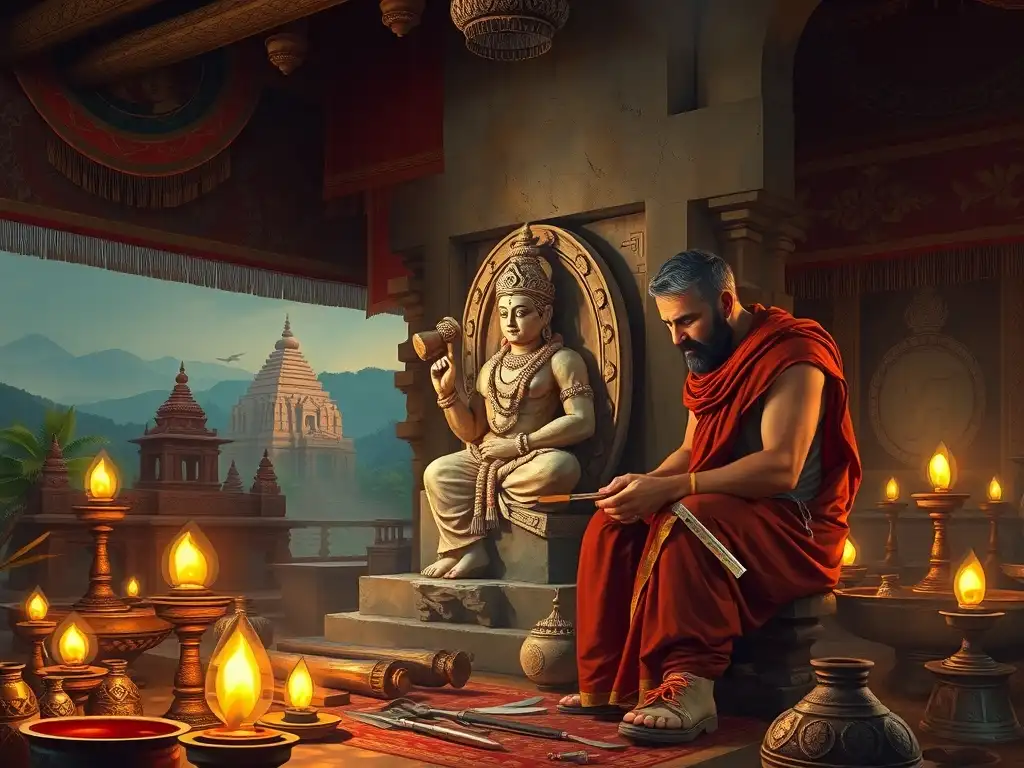
Ancient Indian art, specifically in the realm of sculpture, reflects a profound connection between the material world and spiritual beliefs. The techniques and materials employed not only served aesthetic purposes but also conveyed deeper spiritual meanings, embodying the philosophies and rituals of the time.
Traditional Materials Used in Indian Sculpture
The choice of materials in ancient Indian sculpture was deeply intertwined with the spiritual significance of the artworks. Various regions utilized specific materials that held unique properties and symbolic meanings. Some notable materials include:
- Stone:
- Granite: Frequently used in temples, granite sculptures are known for their durability and intricate carvings. The longevity of granite symbolizes the eternal nature of spiritual truths.
- Sandstone: Often favored for its workability, sandstone was used to create detailed reliefs and figures that depict divine narratives. The warm tones of sandstone evoke a sense of warmth and connection to the earth.
- Metal:
- Bronze: The lost-wax casting technique allowed for the creation of exquisite bronze sculptures, often depicting deities. The reflective quality of bronze symbolizes illumination and divine presence.
- Gold and Silver: Used in more ceremonial contexts, these precious metals were often reserved for icons of worship, representing purity and divinity.
- Clay:
- Terracotta: Commonly used for smaller sculptures and figurines, terracotta signifies fertility and the cycle of life, often depicting mother goddesses and fertility symbols.
The choice of materials was not arbitrary; rather, it was a deliberate act to embody the spiritual essence that each element represented. Each material contributed to the overall narrative and significance of the artwork, aligning with the spiritual themes prevalent in ancient Indian culture.
Techniques that Convey Spiritual Meaning
The techniques employed in the creation of ancient Indian art were as significant as the materials themselves. They were designed to evoke spiritual feelings and convey deeper meanings. Some of these techniques include:
- Carving and Relief Work:
- Sculptors used intricate carving techniques to create detailed narratives and iconography on temple walls. This method allowed for storytelling through art, inviting the viewer to engage with the spiritual journeys of deities and mythological figures.
- Chiseling and Polishing:
- The smooth finishes achieved through chiseling and polishing techniques not only enhanced the aesthetic appeal but also symbolized clarity and purity of thought. This reflects the spiritual pursuit of enlightenment.
- Iconography:
- The use of specific symbols and motifs in sculpture served to communicate complex spiritual ideas. For instance, the lotus flower represents purity and spiritual awakening, while serpent motifs symbolize protection and divine energy.
- Proportionality and Symmetry:
- Many ancient Indian sculptures adhered to strict guidelines of proportion and symmetry, embodying the cosmic order and harmony. This mathematical precision reflects the belief that beauty and spirituality are interconnected.
By employing these techniques, ancient Indian artists were able to transcend mere representation and create works that resonate with spiritual significance. The interplay of technique and material resulted in art that not only serves as a historical artifact but also as a conduit for spiritual experience and reflection.
The spiritual significance of Indian art is intricately woven into the techniques and materials used in ancient sculptures. Each choice made by the artists was a testament to their deep reverence for the divine, creating artworks that continue to inspire and evoke spiritual contemplation today.
Case Studies of Iconic Works in Indian Art
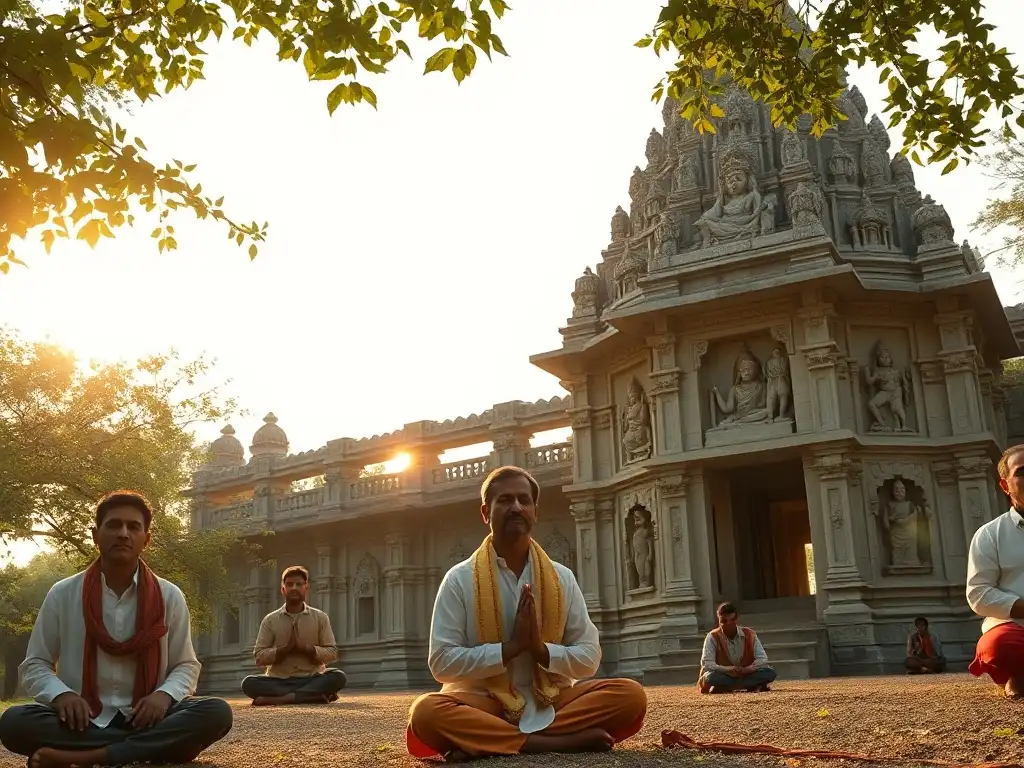
The Ajanta Caves: A Spiritual Journey Through Art
The Ajanta Caves, a UNESCO World Heritage Site located in Maharashtra, India, are renowned for their stunning rock-cut sculptures and paintings that date back to the 2nd century BCE to about 480 CE. These caves, carved into a horseshoe-shaped cliff, serve as a profound testament to the spiritual significance of Indian art.
The murals and sculptures found within the Ajanta Caves depict various Jataka tales, which are stories about the previous lives of the Buddha. Each painting is intricately detailed, showcasing not only the artistic skill of the creators but also their deep spiritual beliefs. The use of vibrant colors and intricate designs creates an immersive experience that invites viewers to reflect on the nature of life, death, and rebirth.
The spiritual significance of these artworks can be understood through:
- Narrative Depth: Each cave illustrates a specific story that conveys profound moral teachings, often related to compassion, sacrifice, and enlightenment.
- Symbolism: The figures depicted, including Bodhisattvas and heavenly beings, embody spiritual ideals that transcend the physical realm, inviting contemplation and meditation.
- Atmospheric Influence: The layout of the caves and the strategic placement of artworks create a serene ambiance that enhances the spiritual experience, encouraging visitors to engage in introspection.
Ultimately, the Ajanta Caves stand as a bridge between the material and spiritual worlds, demonstrating how art can serve as a medium for spiritual expression and connection.
The Khajuraho Temples: Erotic Art with a Spiritual Message
The Khajuraho Temples, a group of Hindu and Jain temples located in Madhya Pradesh, India, are famous for their intricate sculptures and carvings that explore themes of love, sexuality, and spirituality. Built between 950 and 1050 CE during the Chandela dynasty, these temples exemplify the complex relationship between art and spirituality in ancient Indian culture.
While many are drawn to the erotic sculptures that adorn the temple walls, the spiritual significance of these works extends far beyond mere sensuality. The carvings serve as a reminder of the divine interplay between the physical and spiritual realms. The presence of erotic art in a religious context can be interpreted in several ways:
- Celebration of Life: The sculptures celebrate the human experience, illustrating that love and sexuality are integral aspects of life that should be revered as expressions of divine creation.
- Path to Liberation: In many Indian philosophies, including Tantra, the union of male and female energies is seen as a pathway to spiritual awakening and liberation. The erotic sculptures embody this union, encouraging viewers to transcend dualities and experience oneness.
- Symbolic Representation: While the depictions may appear overtly sensual, they often symbolize deeper spiritual truths, such as the balance between desire and detachment, and the quest for inner harmony.
The Khajuraho Temples exemplify how the spiritual significance of Indian art encompasses a broad spectrum of human experience, inviting contemplation on the sacredness of love, beauty, and spiritual connection.
The Interpretation of Spiritual Themes in Indian Art
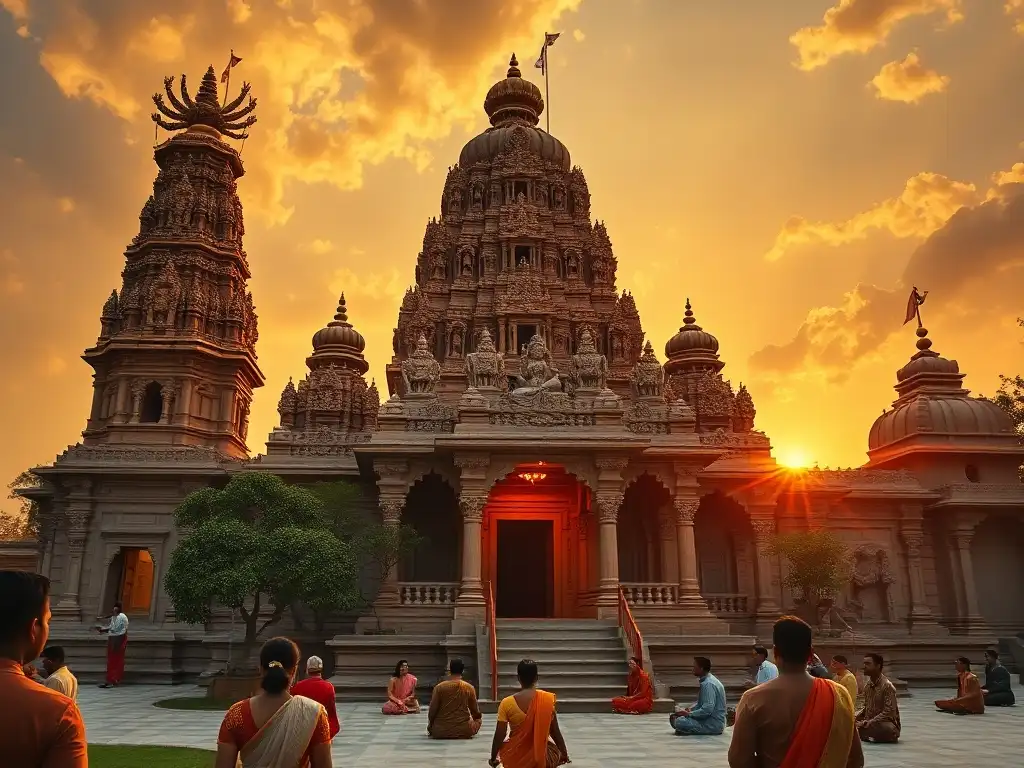
The spiritual significance of Indian art is deeply embedded in its visual narratives, reflecting a profound interplay between the material and the metaphysical. Artists throughout ancient Indian history utilized symbols, motifs, and imagery to convey complex spiritual themes, often drawing inspiration from religious texts, mythology, and philosophical concepts. This rich tapestry of spiritual interpretation is evident in various art forms, including sculptures, frescoes, and paintings.
Symbolism in Visual Representations
In ancient Indian art, symbolism plays a pivotal role in conveying spiritual meanings. Each element within an artwork often holds multiple layers of significance. For instance, the lotus flower, a common motif, symbolizes purity and spiritual enlightenment, emerging untainted from muddy waters. Similarly, the elephant-headed deity Ganesha represents wisdom, understanding, and new beginnings, and is frequently depicted in various art forms.
The use of color in Indian art also carries spiritual weight. Red often signifies power and passion, while blue is associated with the divine, representing the infinite and the eternal. The golden hues found in many temple sculptures often denote sanctity and opulence, inviting viewers to contemplate the divine.
Common Symbolic Elements
- Deities and Iconography: Specific deities are depicted with unique attributes that symbolize their powers and virtues.
- Nature Elements: Animals, plants, and celestial bodies often represent various spiritual concepts; for instance, the cow is revered as a symbol of non-violence and motherhood.
- Geometric Patterns: Mandalas and intricate designs embody cosmic principles and the universe's order, often used in meditative practices.
These symbols are not merely decorative; they serve as conduits for spiritual reflection, allowing viewers to engage with the divine through the art.
The Connection Between Art and Spiritual Awakening
The relationship between art and spiritual awakening in ancient India is profound and multifaceted. Art was not only a means of aesthetic expression but also a vital component of spiritual practice. Temples, adorned with elaborate sculptures and carvings, served as sacred spaces where devotees could experience a direct connection to the divine.
The act of creating art was considered a spiritual discipline, with artisans and sculptors often undergoing rigorous training and meditation to align their craft with spiritual principles. This dedication to the spiritual aspect of art is evident in the meticulous attention to detail and adherence to sacred geometry in temple architecture and sculpture.
Art as a Medium for Meditation
- Visual Engagement: The intricate details found in sculptures and paintings invite prolonged observation, leading to meditative states that facilitate spiritual contemplation.
- Ritualistic Practices: Many artworks were created for specific rituals, serving as focal points for worship and devotion, enhancing the spiritual experience for practitioners.
- Transcendence of Materiality: Through the act of viewing and contemplating art, individuals are encouraged to transcend the material world, fostering a deeper connection with the spiritual realm.
The spiritual significance of Indian art, therefore, lies in its ability to transcend mere representation, serving as a bridge between the earthly and the divine. Each piece becomes a vessel for spiritual expression, fostering an environment conducive to awakening and enlightenment.
Conclusion: The Lasting Legacy of Spiritual Significance in Indian Art
The spiritual significance of Indian art has persisted through centuries, echoing the profound philosophies and cultural narratives of ancient civilizations. From the intricate carvings of the Indus Valley to the exquisite frescoes of the Gupta Empire, each artistic expression serves as a testament to humanity's quest for connection with the divine. This legacy not only reflects the spiritual beliefs of its time but also continues to inspire contemporary artistic practices.
Art in ancient India was not merely decorative; it was a conduit for expressing complex spiritual ideals and communal values. Temples adorned with sculptures of deities and mythological narratives served as focal points of devotion, bridging the gap between the secular and the sacred. These visual arts encapsulated the essence of spirituality, inviting observers to engage and reflect upon their own spiritual journeys.
The Relevance of Ancient Indian Visual Arts Today
In today's world, the spiritual significance of Indian art remains relevant and influential. Modern artists draw from ancient motifs, styles, and philosophies, creating works that resonate with contemporary themes while honoring traditional roots. For instance, contemporary installations often incorporate traditional symbols and practices, thereby reinforcing a connection to India's rich spiritual heritage.
The revival of interest in yoga, meditation, and holistic living has also led to a renewed appreciation for the spiritual narratives depicted in ancient Indian art. Art galleries and museums showcase these historical pieces, allowing new generations to explore and understand the depth of meaning embedded in each creation. Furthermore, the increasing global interest in Indian spirituality has resulted in a cross-cultural exchange, where the spiritual significance of Indian art is recognized and celebrated worldwide.
Preserving the Spiritual Essence in Modern Interpretations
Efforts to preserve the spiritual essence of ancient Indian visual arts are crucial for maintaining cultural integrity. Artists and scholars alike are working to ensure that the core spiritual values are not lost in modern interpretations. This involves:
- Education: Workshops and courses focusing on traditional techniques and philosophies help new artists understand the foundational principles of Indian art.
- Community Engagement: Collaborations with local artisans promote the transmission of knowledge and skills, ensuring that ancient practices continue to thrive.
- Innovative Practices: Contemporary artists are encouraged to explore new mediums while remaining rooted in spiritual themes, thereby creating a dialogue between the past and the present.
By integrating ancient spiritual concepts into modern art forms, creators contribute to a living tradition that honors the past while embracing the future. The spiritual significance of Indian art is not a relic of history; it is a vibrant and evolving narrative that continues to inspire and guide individuals on their spiritual paths.
The lasting legacy of the spiritual significance of Indian art is a testament to its foundational role in shaping cultural identity and spiritual exploration. As we continue to navigate the complexities of modern life, the insights gleaned from ancient visual arts serve as a reminder of the enduring connection between creativity and spirituality.
Frequently Asked Questions
What is the spiritual significance of ancient Indian art?
Ancient Indian art is deeply intertwined with spiritual beliefs, often depicting deities, cosmic principles, and rituals that reflect the cultural values and religious practices of the time.
How did the Indus Valley civilization influence Indian art?
The Indus Valley civilization laid the foundation for artistic expressions in India, showcasing intricate seals and figurines that reveal early spiritual and social concepts that continued to evolve in later periods.
What role did the Gupta Empire play in the development of Indian visual arts?
The Gupta Empire is known as the "Golden Age" of Indian art, where there was a significant flourishing of sculpture, architecture, and painting, all rich in spiritual themes and mythological narratives.
Can you explain the connection between religion and Indian art?
Indian art is often a reflection of religious beliefs, serving as a medium for spiritual expression and a way to communicate divine stories and teachings through various forms like temple carvings and traditional paintings.
How does ancient Indian art continue to influence modern practices?
The spiritual significance of ancient Indian art continues to resonate today, inspiring contemporary artists and spiritual seekers who draw from its symbolism and aesthetic values to explore and express their own spiritual journeys.
Final Reflection: Embracing the Spiritual Significance of Indian Art
The exploration of ancient Indian visual arts reveals a profound connection between creativity and spirituality that resonates deeply in today's world. As we navigate an era marked by rapid technological advancements and cultural shifts, the spiritual significance of Indian art serves as a timeless reminder of the power of artistic expression to transcend the mundane and touch the divine. In a society often preoccupied with material pursuits, the lessons embedded in these ancient artworks invite us to pause and reflect on the deeper meanings of existence.
Cultural heritage is not merely a relic of the past; it is a living, breathing entity that continues to shape our identities and values. The intricate designs, vibrant colors, and symbolic representations found in Indian art are not just aesthetic choices; they are spiritual narratives that echo through generations. As the renowned artist Ananda Coomaraswamy once said, The artist is not a special kind of man, but every man is a special kind of artist.
This sentiment underscores the idea that we all possess the ability to connect with our inner selves and express our spirituality through various forms of creativity, much like the artisans of ancient India.
As you reflect on the insights shared in this article, I encourage you to embrace your own creative journey and seek out the spiritual significance in your life. Consider how the lessons of ancient Indian visual arts can inspire you to cultivate a deeper connection with yourself and the world around you.
Whether through painting, music, or any other form of expression, let the spirit of these ancient traditions guide you in discovering your unique voice. In doing so, you not only honor the legacy of Indian art but also contribute to a richer, more meaningful tapestry of human experience.
Unleash Your Creative Spirit: Connect with Ancient Indian Arts!
Thank you for taking the time to explore the spiritual richness of ancient Indian visual arts. Through this journey, you've uncovered the profound connections between artistry and spirituality. Now, it’s time to channel that inspiration into action!
Here are some ways you can enrich your experience:
- Dive into your own creativity: Grab some paint, clay, or any medium that resonates with you, and create a piece of art inspired by the timeless traditions of ancient India.
- Join a local art class or workshop: Discover the techniques and history behind these ancient forms while connecting with a community of fellow art enthusiasts.
- Share your newfound knowledge: Start conversations with friends or engage on social media about the significance of ancient Indian arts, and consider using relevant hashtags to broaden the discussion.
How will you express the spiritual journey inspired by these ancient traditions in your own creative life?