
The Dance of Life: Symbolism and Meaning Behind Ancient Indian Dance Movements

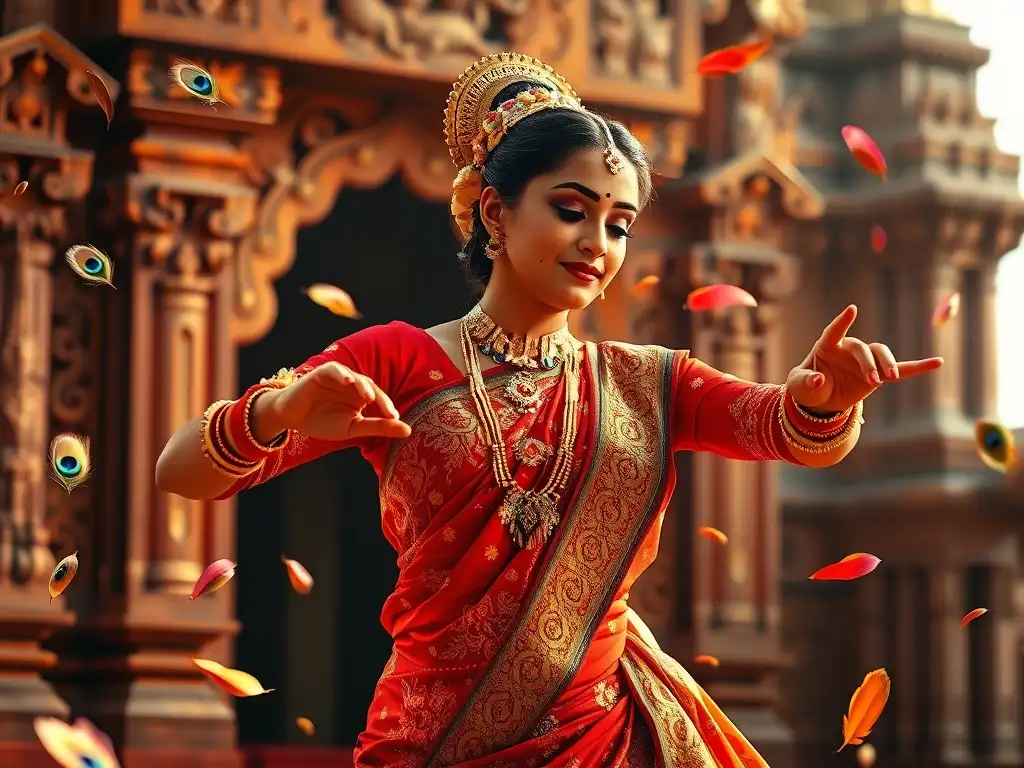
Welcome to Ancient India History, where we embark on a fascinating journey through the rich tapestry of India's ancient civilizations. In this exploration, we delve into the vibrant world of Ancient Indian dance symbolism, illuminating how each movement tells a story, reflects cultural values, and connects us to the essence of life itself.
Prepare to uncover the profound meanings behind the intricate gestures and rhythms that have shaped this timeless art form. Join us as we unravel the mysteries of these dance traditions, inviting you to delve deeper into a realm where every step is a celebration of history and culture.
Introduction to Ancient Indian Dance Symbolism
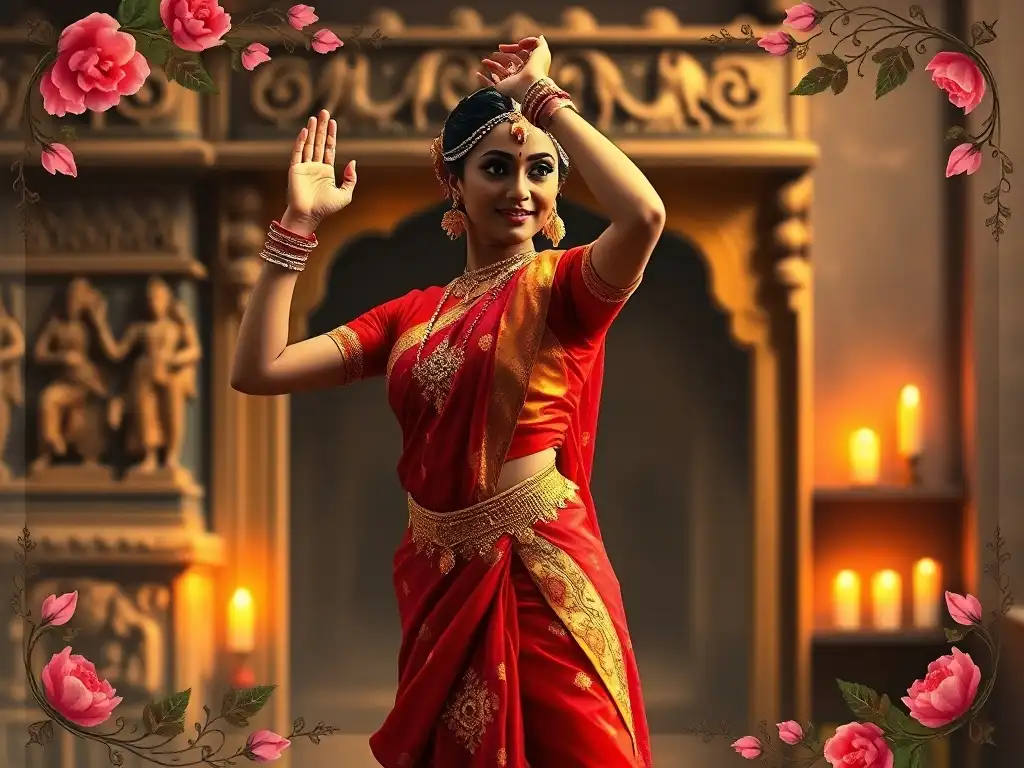
Ancient Indian dance is not merely a form of entertainment; it is a profound expression of spirituality, emotion, and cultural identity. Each movement, gesture, and expression in these dances carries deep symbolism, reflecting the philosophies, beliefs, and stories integral to ancient Indian civilizations. From the intricate footwork of Bharatanatyam to the delicate hand movements of Odissi, these dance forms serve as a visual language that conveys complex narratives and spiritual ideas. Understanding the symbolism behind ancient Indian dance helps us appreciate not only the art itself but also the historical and cultural contexts in which it evolved.
Overview of Ancient Indian Dance Forms
Ancient Indian dance is characterized by a variety of forms, each with its unique style, technique, and symbolism. Here are a few prominent dance forms:
- Bharatanatyam: Originating from Tamil Nadu, this dance form is known for its fixed upper torso, bent legs, intricate footwork, and expressive hand gestures (mudras).
- Odissi: Hailing from Odisha, Odissi is notable for its graceful movements and expressive storytelling, often depicting divine themes.
- Kathak: This northern Indian dance form incorporates storytelling through rhythmic footwork, spins, and expressive gestures, often influenced by Mughal aesthetics.
- Kuchipudi: A dance-drama from Andhra Pradesh, Kuchipudi combines dance and theater, emphasizing storytelling through expressive movements.
Importance of Symbolism in Dance
The symbolism in ancient Indian dance serves multiple purposes:
- Spiritual Connection: Many dances are performed as offerings to deities, embodying devotion and reverence.
- Cultural Narratives: Dances often depict mythological stories, historical events, or moral lessons, preserving cultural heritage and wisdom.
- Communication of Emotions: Through expression and movement, dancers convey sentiments, ranging from love and joy to sorrow and despair.
Historical Context of Ancient Indian Dance
Understanding the historical context of ancient Indian dance reveals its evolution and significance in society.
Evolution of Dance in Ancient India
The roots of dance in ancient India can be traced back to the Vedic period (1500-500 BCE), where it was intertwined with rituals and religious ceremonies. Over the centuries, dance evolved through various influences, including:
- Natya Shastra: An ancient treatise on performing arts, compiled by Bharata Muni, which outlines dance techniques, aesthetics, and the significance of abhinaya (expression).
- Temple Festivals: Many dance forms were integrated into temple rituals and festivals, allowing them to flourish within sacred spaces.
- Royal Patronage: During various dynasties, such as the Chola and Gupta empires, dance was supported and promoted by royalty, leading to its refinement and sophistication.
Cultural Significance of Dance in Society
In ancient Indian society, dance played a vital role in:
- Religious Practices: Dances were performed in temples as acts of devotion, believed to invoke divine blessings.
- Social Gatherings: Dance served as a means of entertainment during festivals, celebrating community bonds and cultural identity.
- Education and Training: Dance was often taught as part of a holistic education, emphasizing discipline, creativity, and expression.
The symbolism of ancient Indian dance encapsulates a rich tapestry of cultural heritage, spirituality, and artistic expression. Understanding these elements enhances our appreciation of the dances that have transcended time, continuing to inspire and connect generations.
Key Elements of Ancient Indian Dance Movements
Ancient Indian dance is a rich tapestry woven from various elements that embody deep symbolism and cultural significance. At its core, dance in ancient India was not merely an art form but a means of spiritual expression and storytelling. The key elements that define ancient Indian dance movements include hand gestures, body postures, and facial expressions, each contributing uniquely to the narrative and emotions conveyed in performances.
These elements are intricately connected to the philosophy of life itself, emphasizing the importance of movement as a reflection of the cosmic dance of creation. Furthermore, various dance styles, each with distinct characteristics and regional influences, showcase the diverse cultural heritage of India. Understanding these components provides insight into how ancient Indian dance symbolizes life, spirituality, and the interconnectedness of all beings.
Hand Gestures (Mudras) and Their Meanings
Hand gestures, known as mudras, play a pivotal role in ancient Indian dance, serving as a visual language that conveys specific meanings and emotions. Each mudra has its own significance, often derived from ancient scriptures and texts, particularly the Natya Shastra, an ancient treatise on performing arts.
- Chin Mudra: Symbolizing knowledge and enlightenment, this gesture is often used to express wisdom.
- Pataka Mudra: Representing a flag, it is commonly used to denote action, movement, or an object.
- Anjali Mudra: This gesture of prayer or greeting is a symbol of respect and reverence.
Through the use of mudras, dancers can communicate complex narratives and emotions without spoken words, allowing the audience to engage with the performance on a deeper level. The combination of these gestures contributes to the overall storytelling aspect of dance, enhancing the spiritual and cultural themes inherent in ancient Indian traditions.
Body Postures and Their Symbolic Significance
The body postures in ancient Indian dance are meticulously crafted to convey specific messages, emotions, and narratives. Each posture, or asana, is rich in symbolism and reflects various aspects of life, nature, and spirituality.
- Sthanaka (Standing Posture): Often used to portray stability and strength, this posture symbolizes the steadfastness of one’s principles.
- Sankhya (Counted Posture): This posture is used in storytelling to depict counting or enumerating different facets of life.
- Natyarambha (Beginning Posture): Represents the initiation of a performance, signifying the connection between the dancer and the divine.
Dancers utilize these postures to create a visual representation of mythological tales, cultural beliefs, and life’s journey, emphasizing the connection between the physical body and spiritual expression.
Facial Expressions (Abhinaya) in Dance
Facial expressions, or abhinaya, are a crucial element of ancient Indian dance, serving to enhance the emotional depth and narrative quality of a performance. Abhinaya involves the use of the face to convey feelings and moods, allowing the dancer to express complex emotions ranging from joy to sorrow.
- Hasya (Laughter): Expresses joy and amusement, often used in playful narratives.
- Shoka (Sorrow): Conveys sadness and grief, adding depth to tragic tales.
- Raudra (Anger): Depicts fierceness or wrath, often associated with mythological battles.
The skillful use of facial expressions allows dancers to connect with the audience, drawing them into the emotional landscape of the story being told. This element of dance is not only about aesthetic beauty but also about creating a profound connection between the performer and the audience, enriching the overall experience of ancient Indian dance.
Major Styles of Ancient Indian Dance
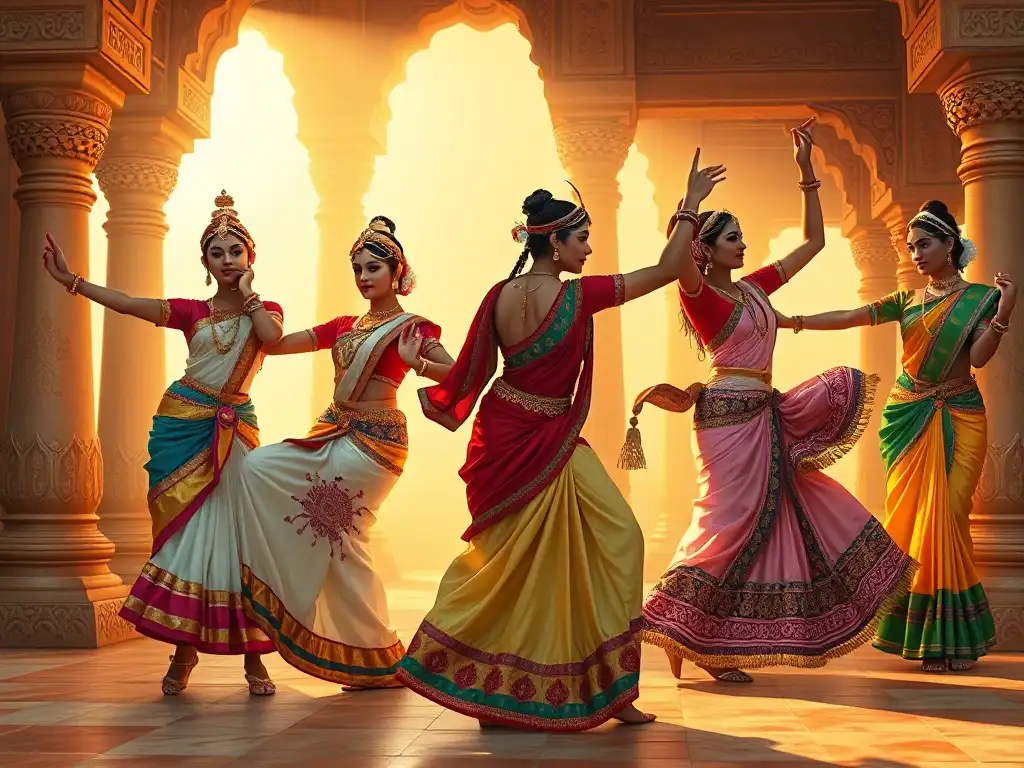
Ancient Indian dance encompasses a variety of styles, each rooted in specific cultural traditions and regional influences. These styles reflect the diverse heritage of India and embody unique characteristics, techniques, and storytelling methods.
Bharatanatyam: The Dance of Tradition and Devotion
Bharatanatyam is one of the oldest classical dance forms of India, originating from Tamil Nadu. This dance style is characterized by its fixed upper torso, bent legs, intricate footwork, and expressive hand gestures (mudras). Traditionally performed by temple dancers (devadasis), Bharatanatyam embodies themes of devotion, spirituality, and storytelling, often depicting tales from Hindu mythology.
The dance is structured in a sequence of items that include both pure dance (nritta) and expressive dance (abhinaya), showcasing the dancer's technical skill and emotional depth. The intricate interplay of rhythm and expression makes Bharatanatyam a profound representation of ancient Indian dance symbolism, emphasizing the connection between the divine and the earthly realm.
Kathak: The Storytelling Dance of Northern India
Kathak, originating from the northern regions of India, is a dance form that emphasizes storytelling through intricate footwork, spins, and expressive gestures. Traditionally performed in temples and later in royal courts, Kathak is known for its dynamic movements and the use of narrative to convey emotions and stories, often derived from Hindu epics.
The dance style incorporates facial expressions and mudras to depict characters and emotions, making it a captivating form of communication. With its roots in both classical and folk traditions, Kathak reflects the cultural synthesis of India, highlighting the vibrancy and diversity of ancient Indian dance symbolism.
Odissi: The Graceful Dance of Eastern India
Odissi is a classical dance form that hails from the eastern state of Odisha. Known for its graceful movements, intricate footwork, and expressive poses, Odissi is deeply connected to temple rituals and spirituality. The dance often features themes of love and devotion, particularly towards Lord Krishna.
Odissi is characterized by its unique stance, chowka, which symbolizes strength and stability, contrasting with the softer, more fluid movements of the tribhangi posture. This duality in movement reflects the balance between the physical and spiritual, making Odissi a profound expression of ancient Indian dance symbolism.
Kathakali: The Theatrical Dance of Kerala
Kathakali is a vibrant and theatrical dance-drama form originating from Kerala, distinguished by its elaborate costumes, facial makeup, and dramatic storytelling. This dance form combines dance, music, and acting, focusing on themes from Hindu mythology, particularly the epics of Ramayana and Mahabharata.
The use of exaggerated facial expressions and intricate hand gestures allows performers to convey complex emotions and narratives. Kathakali's unique storytelling approach emphasizes the visual and dramatic aspects of dance, offering a rich tapestry of ancient Indian dance symbolism that captivates audiences with its depth and artistry.
The Role of Mythology in Ancient Indian Dance
Mythology plays a pivotal role in the realm of ancient Indian dance, weaving narratives that transcend mere performance to become a medium of storytelling and spiritual expression. Dances such as Bharatanatyam, Kathak, and Odissi are deeply rooted in Hindu mythological texts, incorporating tales from epics like the Mahabharata and Ramayana. These dances are not just artistic expressions but are imbued with layers of meaning that reflect cultural values, philosophies, and the spiritual beliefs of ancient India.
The integration of mythology into dance serves multiple purposes. It preserves ancient narratives, conveys moral lessons, and fosters a sense of identity among practitioners and audiences alike. Dancers often embody characters from these myths, bringing to life divine tales and moral dilemmas through intricate movements and expressions. This connection to mythology enhances the emotional depth of the performance, allowing audiences to engage with the stories on a personal level.
Mythological Narratives in Dance Movements
The choreography of ancient Indian dance is often a physical manifestation of mythological narratives. For example, in Bharatanatyam, dancers may depict the story of Lord Shiva's cosmic dance, the Tandava, which symbolizes creation, preservation, and destruction. Each movement in this dance form is meticulously crafted to represent different elements of the narrative, from the fierce power of Shiva to the tender grace of Parvati.
Moreover, the use of hand gestures, known as mudras, plays a crucial role in conveying these narratives. Each mudra has a specific meaning, allowing dancers to communicate complex stories without spoken words. For instance, the "Pataka" mudra can represent a flag or a message, while "Anjali" symbolizes salutation, enhancing the narrative's richness and depth.
Deities and Their Representation in Dance Forms
In ancient Indian dance, deities are often portrayed as central figures, serving both as inspiration and subject matter. Dances frequently depict various gods and goddesses, each embodying distinct qualities and attributes. For example, Krishna's playful nature is expressed through lively and joyful movements, while Durga's fierce power is conveyed through vigorous and assertive postures.
The representation of deities in dance is not merely for aesthetic purposes; it serves a devotional function as well. Dancers often seek to depict the divine essence of these figures, creating a spiritual connection with the audience. This interplay between the divine and the human experience allows viewers to explore their own spirituality and relationship with the gods. Additionally, festivals and religious ceremonies often feature these dances, further reinforcing the significance of deities in the dance tradition.
Symbolism of Nature in Ancient Indian Dance
Nature holds a profound significance in ancient Indian dance, with many movements and themes inspired by the natural world. The rhythms and patterns of nature are mirrored in the choreography, creating a harmonious connection between the dancer and the environment. This relationship emphasizes the importance of nature in ancient Indian philosophy, where the world is seen as interconnected and alive.
Dancers often draw upon elements such as the flowing of rivers, the rustling of leaves, and the grace of animals to express the beauty and complexity of the natural world. This connection to nature is not only symbolic but also serves to remind audiences of their place within the broader ecosystem, highlighting the reverence ancient cultures had for the environment.
Movement and Rhythm Inspired by Nature
The movements in ancient Indian dance are intricately designed to reflect the rhythms found in nature. For instance, the fluidity of water can be expressed through graceful, flowing movements, while the strength of the earth is represented by grounded and powerful stances. These natural rhythms create a dynamic interplay between the dancer's body and the environment, allowing for an immersive experience for both the performer and the audience.
Additionally, the cyclical patterns of nature, such as the changing seasons, are echoed in the structure of many dance performances. Dancers often transition between different tempos and styles, mirroring the ebb and flow of nature itself. This connection emphasizes the idea that human life is a reflection of the natural world, fostering a deeper appreciation for both.
Elements of Nature as Symbols in Dance
In ancient Indian dance, various elements of nature serve as potent symbols, each carrying its own meaning. For example, the lotus flower, often depicted in dance movements, symbolizes purity and spiritual awakening. Similarly, the depiction of fire represents transformation and energy, while the earth conveys stability and nurturing.
These symbols are often woven into the choreography through specific movements and gestures, allowing dancers to convey complex themes and emotions. For instance, a dancer might use swift, upward movements to signify the ascent of a flame, while slower, grounded movements may represent the nurturing embrace of the earth. This symbolism enriches the performance, allowing audiences to engage with deeper philosophical concepts and cultural values inherent in these art forms.
Through the integration of nature's elements, ancient Indian dance not only celebrates the beauty of the natural world but also serves as a reminder of the interconnectedness of all life, reinforcing the cultural ethos of harmony and balance.
Spiritual Connection and Ancient Indian Dance
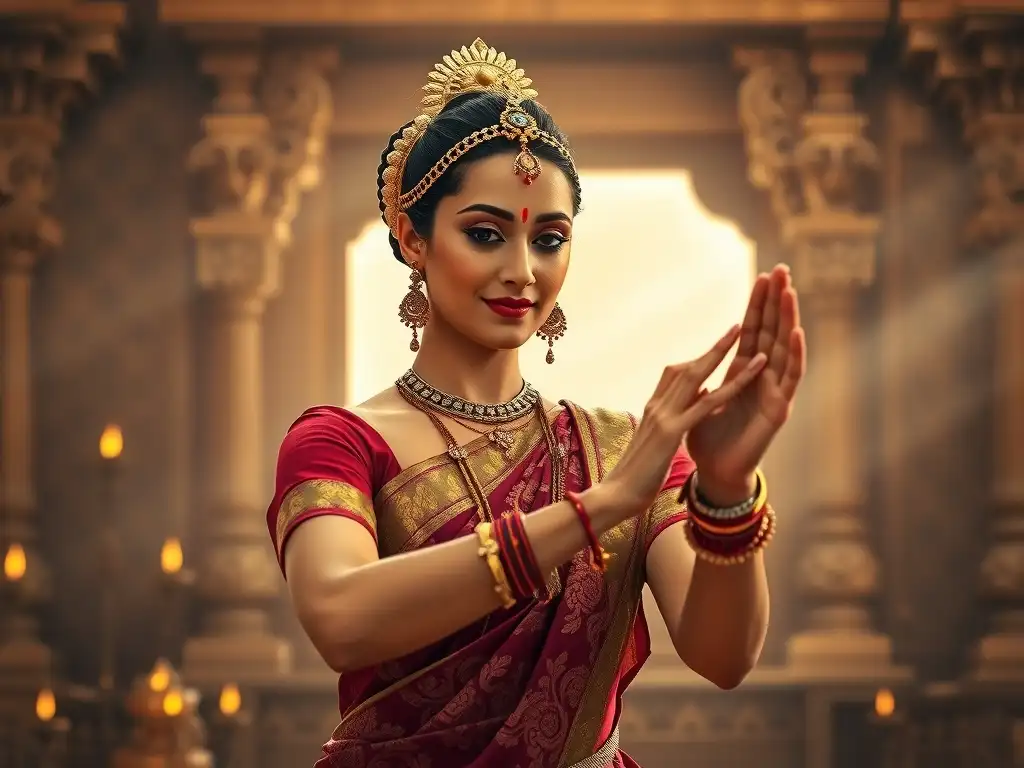
Ancient Indian dance is deeply intertwined with spirituality, serving as a conduit for expressing devotion to the divine. The movements and gestures in these dances are not merely artistic; they are imbued with profound meanings that reflect the spiritual beliefs and religious practices of the time. Each posture, rhythm, and facial expression conveys a narrative that connects the dancer to higher realms of existence, embodying the essence of various deities and celestial beings. This spiritual connection is a cornerstone of ancient Indian dance, emphasizing the belief that dance is not just an art form but a sacred practice.
Dance as a Medium of Worship and Devotion
In ancient India, dance was often performed as a form of worship, transcending the physical act to become a spiritual offering. Temples were venues for dance, where devadasis (temple dancers) would perform intricate movements as a tribute to the gods. These performances were seen as a means to invoke divine presence and seek blessings. The dances were choreographed to reflect stories from Hindu epics, such as the Ramayana and Mahabharata, allowing devotees to engage with the narratives and teachings through movement.
Moreover, the rhythmic patterns of classical Indian dance forms, such as Bharatanatyam, Kathak, and Odissi, are meticulously designed to align with the spiritual vibrations of the universe. The use of mudras (hand gestures) and abhinaya (expressive storytelling) transforms each performance into a devotional act, where the dancer becomes a medium through which the divine is celebrated and honored.
The Concept of Dance as a Form of Meditation
Beyond its role in worship, ancient Indian dance embodies the principles of meditation. The repetitive and rhythmic movements facilitate a state of inner calm, allowing dancers to connect with their inner selves and the cosmos. This meditative aspect is particularly evident in the practice of Kathakali, where dancers undergo extensive training to achieve a balance of body, mind, and spirit. The physical exertion of dance serves as a form of moving meditation, promoting mindfulness and spiritual awareness.
The synchronization of breath with movement in dance helps practitioners enter a trance-like state, enhancing their focus and concentration. This practice aligns with the broader philosophical teachings of ancient Indian traditions, where the body is viewed as a temple, and dance becomes a sacred ritual that nurtures both physical and spiritual well-being.
Conclusion: The Enduring Legacy of Ancient Indian Dance Symbolism
The legacy of ancient Indian dance symbolism continues to resonate through generations, reflecting the cultural richness and spiritual depth of India's heritage. Even today, the intricate symbolism embedded in these art forms serves as a reminder of the profound connection between the physical and the spiritual. As modern interpretations of ancient dances emerge, the foundational meanings and narratives remain intact, preserving the essence of this age-old tradition.
The Influence of Ancient Dance on Modern Interpretations
Modern interpretations of ancient Indian dance draw heavily from traditional forms, often reinterpreting the symbolism to suit contemporary themes while maintaining the core values. Choreographers today explore innovative expressions of ancient narratives, incorporating elements of modern dance to engage new audiences. This fusion not only revitalizes ancient dance forms but also underscores their relevance in today's cultural landscape.
The influence of ancient dance symbolism is evident in various performances across the globe, where artists adapt traditional movements to convey contemporary issues, such as social justice and identity. This evolution highlights the adaptability of ancient dance, showcasing its ability to transcend time while remaining rooted in its spiritual origins.
Preserving the Symbolism of Ancient Indian Dance Today
The preservation of ancient Indian dance symbolism is essential for maintaining the integrity of this rich artistic heritage. Institutions dedicated to the arts, alongside cultural organizations, are actively working to ensure that traditional dance forms are taught and performed accurately. Workshops, festivals, and educational programs are instrumental in passing down the techniques, stories, and meanings of these dances to future generations.
Furthermore, the integration of technology and social media has opened new avenues for sharing ancient dance symbolism with a broader audience. Online platforms allow for the documentation and dissemination of performances, tutorials, and discussions surrounding the significance of movements and gestures. This modern approach not only preserves the ancient traditions but also invites global participation, fostering a greater appreciation for the depth and beauty of ancient Indian dance.
References and Suggested Further Reading
Understanding the depth and breadth of ancient Indian dance symbolism requires delving into a variety of scholarly resources and cultural materials. Below are categorized references that can enhance one's knowledge and appreciation of the intricate relationship between dance and its symbolic meanings in ancient Indian culture.
Scholarly Articles and Books on Ancient Indian Dance
-
"Indian Classical Dance: Tradition in Transition" by Mohan Khokar
This comprehensive book provides insights into the evolution of Indian classical dance forms, discussing how symbolism plays a vital role in their expression and narratives.
-
"The Sacred Dance of India" by S. V. Srinivas
This work explores the spiritual dimensions of dance in India, providing a scholarly analysis of the rituals and symbolism inherent in various dance forms.
-
"Dance in Indian Art and Literature" by Dr. S. Kalidas
This text examines the representation of dance in ancient Indian literature and art, highlighting the symbolic meanings conveyed through movement and expression.
-
"Natyashastra" by Bharata Muni
As the foundational text on Indian performing arts, this ancient treatise outlines the principles of dance, drama, and music, providing a critical understanding of the symbolic gestures (mudras) used in performances.
-
"The Art of Indian Dance" by Sunil Kothari
Kothari’s work offers a detailed exploration of various dance forms, their historical contexts, and the symbolism embedded in their movements and narratives.
Cultural Resources for Understanding Dance Symbolism
-
The National Centre for Performing Arts (NCPA), Mumbai
The NCPA offers various workshops, performances, and lectures focused on the traditional art forms of India, including dance. Their programs often include discussions on the symbolism and cultural significance of movements.
-
Indian Dance Festivals
Events such as the Khajuraho Dance Festival and the Konark Dance Festival provide live demonstrations of classical dance forms, allowing observers to witness the intricate symbolism in movements and expressions firsthand.
-
Documentaries and Films
Films like "Bhool Bhulaiyaa" and "Dance of the Gods" delve into the cultural significance of dance in Indian society, presenting an engaging visual narrative that highlights the symbolism within.
-
Online Platforms and Courses
Websites such as Coursera and edX offer online courses on Indian classical dance where participants can learn not just the movements but also the deeper meanings and symbolism behind them.
-
Museums and Cultural Institutions
Institutions like the National Museum in New Delhi and the Salar Jung Museum often host exhibitions on Indian art and culture, including sections dedicated to dance and its symbolic representations.
These resources collectively provide a comprehensive foundation for anyone interested in exploring the rich tapestry of ancient Indian dance and its profound symbolism.
- Introduction to Ancient Indian Dance Symbolism
- Historical Context of Ancient Indian Dance
- Key Elements of Ancient Indian Dance Movements
- Major Styles of Ancient Indian Dance
- The Role of Mythology in Ancient Indian Dance
- Symbolism of Nature in Ancient Indian Dance
- Spiritual Connection and Ancient Indian Dance
- Conclusion: The Enduring Legacy of Ancient Indian Dance Symbolism
- References and Suggested Further Reading
Frequently Asked Questions
What is the significance of ancient Indian dance symbolism?
Ancient Indian dance symbolism represents the cultural expressions, spiritual beliefs, and mythological narratives of various Indian civilizations, serving as a medium to convey deeper meanings through movement.
How did dance contribute to the cultural heritage of ancient India?
Dance was an integral part of rituals and festivities, showcasing the artistic prowess of civilizations like the Indus Valley and later the Gupta Empire, thus preserving their cultural identity.
What are the different styles of ancient Indian dance?
Several styles such as Bharatanatyam, Kathak, Odissi, and Kuchipudi emerged, each with its unique symbolism, gestures, and expressions that reflect the diversity of ancient Indian culture.
How do ancient dance movements represent spiritual beliefs?
Ancient dance movements often embody spiritual concepts, using mudras (hand gestures) and postures to communicate divine stories and foster a connection between the performer and the audience.
What role did mythology play in ancient Indian dance?
Mythology served as a rich source of inspiration for dance narratives, allowing performers to depict legends and deities, thus reinforcing cultural values and beliefs through their movements and stories.
Final Reflection: Embracing the Rhythm of Ancient Indian Dance Symbolism
In exploring the intricate tapestry of ancient Indian dance symbolism, we uncover not just a form of artistic expression, but a profound connection to the human experience. Today, as we navigate a world often disconnected from its roots, the symbolism embedded in these dance movements serves as a reminder of our shared heritage and the universal themes of life, love, and spirituality. The dance is not merely a performance; it is a celebration of existence itself, echoing the rhythms of our hearts and the stories of our ancestors.
The influence of ancient Indian dance extends far beyond the stage, shaping cultural identities and fostering a deeper understanding of our collective history. As we witness the resurgence of interest in these traditional art forms, we find ourselves reflecting on their relevance in contemporary society. The movements, steeped in meaning, invite us to engage with our emotions and connect with one another on a deeper level. Dance is the hidden language of the soul.
– Martha Graham. This quote encapsulates the essence of how these ancient practices continue to resonate, bridging the gap between the past and present, and inspiring new generations to explore their cultural roots.
As we conclude our journey through the symbolism of ancient Indian dance, I invite you to take a moment to reflect on your own life and the rhythms that guide you. Consider how you can incorporate the lessons of these movements into your daily existence, whether through mindfulness, creativity, or connection with others. Let the dance of life inspire you to express your own story, embracing the beauty and complexity of your journey. Remember, each step you take is a part of a larger dance, one that celebrates the richness of our shared humanity.
Embrace the Rhythm of Knowledge!
Thank you for exploring the rich tapestry of ancient Indian dance with us! You've uncovered the profound symbolism and meaning behind these mesmerizing movements, and now it's time to take your passion further.
Here are a few simple yet impactful steps you can take next to deepen your understanding and appreciation:
- Join a local dance class to experience the movements firsthand and connect with the culture.
- Share your insights on social media or with friends to spark conversations about the beauty of ancient traditions.
- Explore related articles on our website to expand your knowledge about the intersection of art and history!
As you reflect on the captivating world of dance, we invite you to consider: How can embracing the rhythm of ancient traditions influence our modern lives?