
The Rhythmic Tapestry: Unraveling the Role of Dance in Ancient Indian Society

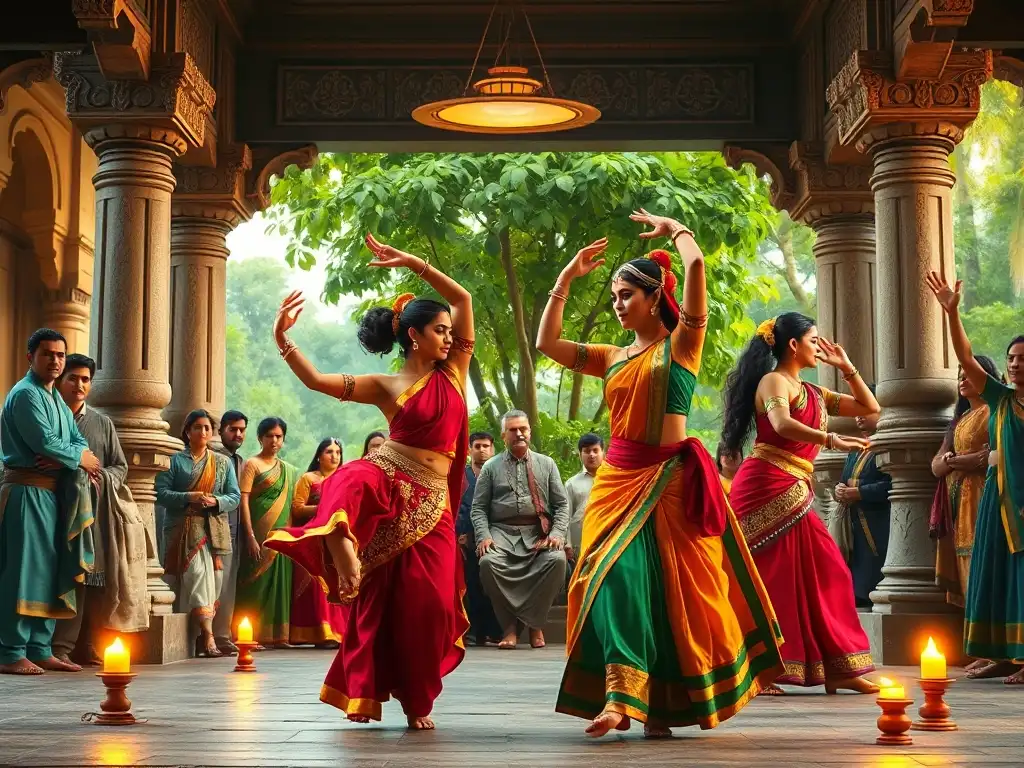
Welcome to Ancient India History, where we embark on a captivating journey through the rich tapestry of ancient Indian civilizations. Today, we invite you to delve into The Rhythmic Tapestry: Unraveling the Role of Dance in Ancient Indian Society. Discover how dance not only served as a vibrant art form but also played a crucial role in the cultural and social fabric of ancient India.
What secrets do these rhythmic movements hold about the lives, beliefs, and expressions of our ancestors? Join us as we explore this intriguing aspect of history and uncover the profound impact of dance on ancient Indian society.
Dance in ancient India was not merely a form of entertainment; it was a profound expression of cultural, spiritual, and social values that wove together the fabric of society. From the intricate movements of classical dance forms to the vibrant celebrations in folk traditions, dance played a pivotal role in various aspects of life in ancient Indian civilizations.
It served as a medium for storytelling, a ritualistic practice in religious ceremonies, and a means of social cohesion among communities. This article delves into the multifaceted role of dance in ancient India, exploring its cultural significance, historical evolution, and the various styles that emerged over centuries, emphasizing how dance reflects the ethos of the ancient Indian way of life.
The Historical Context of Dance in Ancient India
The origins of dance in ancient India can be traced back to the Indus Valley Civilization, where archaeological findings suggest that dance was an integral part of both social and religious practices. As we progress through history, we find references to dance in ancient texts such as the Natya Shastra, attributed to Bharata Muni around 200 BCE to 200 CE. This foundational treatise on performing arts not only codified dance techniques but also established the philosophical underpinnings of dance, linking it to the universe and human emotion.
- Key Historical Periods:
- Indus Valley Civilization (circa 3300–1300 BCE)
- Vedic Period (circa 1500–500 BCE)
- Maurya and Gupta Empires (circa 322 BCE–550 CE)
Dance as a Medium of Expression
In ancient Indian society, dance was a powerful medium for expressing emotions, stories, and spirituality. Each movement and gesture performed by dancers conveyed specific meanings, often rooted in mythology and religious narratives. The use of mudras (hand gestures) and abhinaya (expression) allowed performers to connect deeply with their audiences, transcending language barriers.
Dance is the hidden language of the soul.
– Martha Graham
- Forms of Expression:
- Religious Rituals: Dance was often performed in temples as a form of worship, where deities were honored through elaborate performances.
- Storytelling: Dances like Kathak and Kuchipudi narrated tales from epics such as the Mahabharata and Ramayana.
Dance also played a crucial role in social gatherings, festivals, and community activities. It served as a means of bringing people together, fostering unity and cultural identity. Various folk dances emerged, reflecting regional diversity and local traditions, while classical dances evolved to embody the sophistication and intricacies of courtly life.
- Examples of Social Dance Forms:
- Bhangra: Originating from Punjab, this lively dance is performed during harvest festivals.
- Garba: A traditional dance of Gujarat, performed during the festival of Navratri, symbolizing community and celebration.
Conclusion
The role of dance in ancient India was multifaceted, deeply intertwined with the cultural, spiritual, and social dimensions of society. As we continue to explore the evolution of dance forms and their significance, we uncover a rich tapestry that not only reflects the aesthetics of ancient art but also encapsulates the very essence of Indian civilization. The journey through the rhythmic expressions of dance reveals insights into the values, beliefs, and traditions that shaped ancient Indian society and continue to resonate in contemporary culture.
- The Historical Context of Dance in Ancient India
- Dance as a Medium of Expression
- The Social Significance of Dance
- Conclusion
Introduction to the Role of Dance in Ancient India
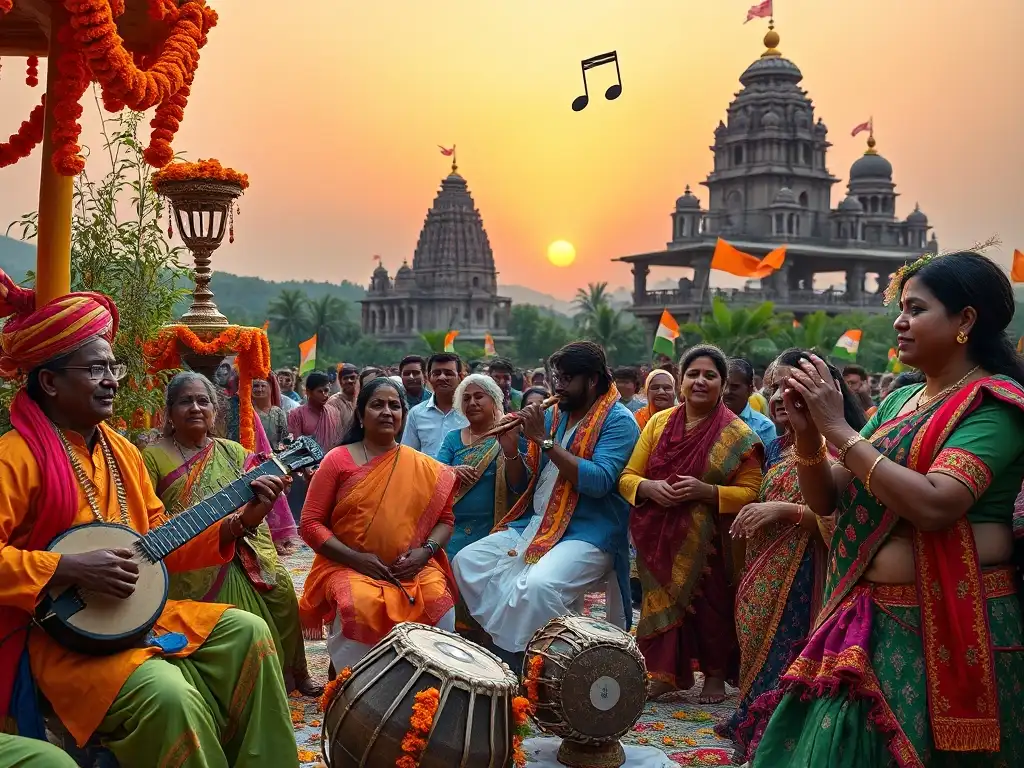
Dance in ancient India was not merely a form of entertainment; it was a profound expression of spirituality, mythology, and social identity. This art form served as a crucial medium through which stories were conveyed, traditions were preserved, and cultural values were instilled in society. The role of dance in ancient India transcended the boundaries of mere performance, intertwining with various aspects of life, including religion, education, and community bonding.
The diverse styles of dance that emerged in different regions of India reflect the rich tapestry of its civilization. From the temple dance of the Devadasis to the folk dances of rural communities, each style encapsulated the ethos of its time and place. Dance was also integral to religious rituals and festivals, acting as a bridge between the divine and the mortal realms.
Dance in ancient India was a vibrant manifestation of cultural identity and spiritual belief, encapsulating the essence of the society that produced it.
Overview of Ancient Indian Dance Forms
Ancient Indian dance forms can be categorized into classical and folk styles, each with distinct characteristics and historical significance.
Classical Dance Forms
- Bharatanatyam:
- Originating from Tamil Nadu, Bharatanatyam is one of the oldest classical dance forms. It is known for its intricate footwork, expressive hand gestures (mudras), and elaborate facial expressions (abhinaya). Traditionally, it was performed in temples as a devotion to deities.
- Kathak:
- Emerging from North India, Kathak is characterized by its storytelling through dance. It combines intricate footwork and spins with expressive gestures, often depicting tales from Hindu epics like the Ramayana and Mahabharata.
- Odissi:
- Hailing from Odisha, Odissi is known for its fluid movements and lyrical grace. It often features themes of devotion, particularly towards Lord Krishna, and includes both solo and group performances.
- Manipuri:
- This dance form from Manipur emphasizes graceful and delicate movements, often depicting themes from Vaishnavism. It is known for its unique costumes and the use of traditional musical instruments.
Folk Dance Forms
- Garba:
- A vibrant dance from Gujarat, Garba is performed during the Navratri festival, celebrating the feminine divine. It involves circular dancing, clapping, and singing traditional songs.
- Bhangra:
- Originating from Punjab, Bhangra is a lively dance that celebrates harvest and community spirit, characterized by energetic movements and rhythmic beats.
- Lavani:
- A traditional dance from Maharashtra, Lavani combines music and dance to tell stories of love and life, often performed in a theatrical style.
These dance forms not only reflect the cultural heritage of India but also serve as a means of preserving historical narratives and social values.
Importance of Dance in Cultural Expression
The importance of dance in ancient Indian society can be observed through various lenses, including religious, social, and educational contexts.
Religious Significance
Dance played a pivotal role in religious rituals and ceremonies. Many classical dance forms were developed as offerings to deities, serving as a means to attain spiritual elevation and connect with the divine. Temples often hosted dance performances during festivals, where dancers would invoke blessings through their art.
Social Cohesion
Dance also acted as a catalyst for social interaction and cohesion. Folk dances, for instance, were integral to community celebrations, bringing people together in joyous expression. They provided an opportunity for storytelling and passing down traditions, fostering a sense of belonging and identity within communities.
Educational Tool
Moreover, dance served as an educational tool, teaching moral values and cultural history through its narratives. It was a way to convey complex ideas and philosophies in an accessible format, especially for the illiterate populace. The training in dance also instilled discipline, focus, and physical fitness among practitioners.
The role of dance in ancient India was multifaceted, enriching the cultural landscape and contributing to the spiritual and social fabric of society. Through its various forms, dance provided a voice for the people, reflecting their experiences, beliefs, and aspirations across generations.
Historical Context of Dance in Ancient India
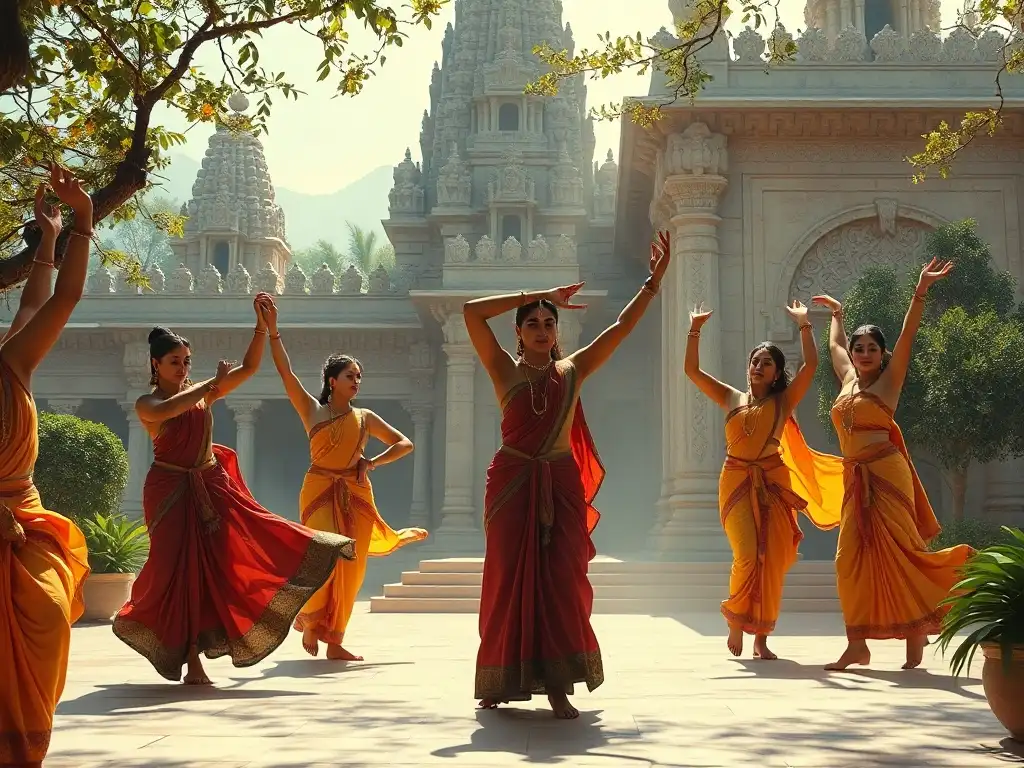
Dance in the Indus Valley Civilization
The Indus Valley Civilization (c. 3300–1300 BCE) stands as one of the earliest urban cultures in ancient India, characterized by advanced city planning, architecture, and social organization. Dance played a significant role in the cultural and spiritual life of this civilization. Archaeological findings suggest that dance was not merely a form of entertainment but was deeply intertwined with religious and ritualistic practices.
- Artifacts and Evidence:
- Numerous seals and terracotta figurines have been discovered, depicting human figures in dance poses, often adorned with jewelry. One notable example is the famous "Dancing Girl" statue, which illustrates the grace and elegance associated with dance.
- The presence of musical instruments, such as drums and flutes, alongside these artifacts indicates that dance was often accompanied by music, enhancing its significance in communal and ceremonial gatherings.
- Cultural Significance:
- Dance in the Indus Valley may have had a spiritual dimension, likely serving as a means of connecting with deities or the natural world. This connection to spirituality is a theme that persists throughout Indian dance traditions.
- It is also speculated that dance was used as a form of storytelling, conveying myths, legends, and cultural values through movement.
Evolution of Dance Through the Vedic Period
The Vedic Period (c. 1500–500 BCE) marked a profound transformation in the cultural landscape of ancient India, reflected in the evolution of dance forms. The Vedas, particularly the Nātya Shastra, a treatise on the performing arts attributed to Bharata Muni, laid the groundwork for classical dance.
- Religious Rituals:
- Dance during the Vedic Period became closely associated with religious rituals and ceremonies. It was performed during yajnas (sacrificial rituals) to invoke divine blessings.
- The integration of dance into religious practices indicated its importance as a medium for spiritual expression and community engagement.
- Theatrical Elements:
- The emergence of dramatic performances marked a significant advancement in dance. The combination of dialogue, music, and dance created a holistic art form that provided entertainment as well as moral and philosophical teachings.
- The concept of "Rasa," or emotional experience, became central to dance, emphasizing the role of the performer in evoking emotions in the audience.
Influence of Buddhism and Jainism on Dance
The advent of Buddhism and Jainism during the 6th century BCE introduced new cultural and philosophical perspectives that influenced the role of dance in ancient Indian society.
- Buddhist Dance Traditions:
- In Buddhist contexts, dance often served as a form of religious expression. Monastic communities incorporated dance into their rituals to convey teachings and narratives related to the life of the Buddha.
- The "Charya" dance, a form of sacred dance performed by monks, was significant for its meditative aspects and its role in conveying spiritual concepts through movement.
- Jain Influence:
- Jainism, with its emphasis on non-violence and ascetic practices, also impacted dance forms. Jain temples featured intricate sculptures depicting dancers and musicians, highlighting the importance of dance in religious architecture.
- Dance in Jain culture was often performed as a devotional act, celebrating spiritual ideals and the pursuit of liberation.
The evolution of dance in ancient India reflects a rich tapestry of cultural, spiritual, and artistic developments. From the ceremonial dances of the Indus Valley to the intricate performances influenced by Buddhism and Jainism, the role of dance in ancient India was multi-faceted, serving as a vital expression of society's values and beliefs.
Thematic Significance of Dance in Ancient Indian Society
Dance in ancient Indian society was not merely a form of entertainment but a profound expression of cultural identity, spirituality, and social cohesion. The role of dance in ancient India can be viewed through various thematic lenses, each revealing the intricate relationship between movement, context, and meaning.
Dance as a Medium for Religious Expression
Dance in ancient India served as a vital conduit for religious expression, embodying the spiritual beliefs and practices of the time. It was often intertwined with worship and devotion, manifesting in various forms across different regions and traditions.
- Divine Connection: Dances were performed as a means to honor deities, with the movements symbolizing prayers and offerings. For instance, the Bharatanatyam dance form has roots in the temples of Tamil Nadu, where dancers, or devadasis, would perform in honor of the goddess.
- Symbolism in Movements: Each gesture and posture in classical dance forms often had symbolic significance. The hand gestures, or mudras, conveyed specific meanings, linking the dancer's movements with sacred narratives.
- Integration with Music and Chanting: Dance was typically accompanied by music and chanting of sacred texts, enhancing the spiritual atmosphere. The rhythmic beats of traditional instruments like the mridangam or tabla complemented the dance, creating a holistic spiritual experience.
Dance and Its Connection to Rituals and Festivals
Dance was integral to various rituals and festivals in ancient India, marking significant events in the agricultural, social, and religious calendars.
- Seasonal Celebrations: Festivals such as Pongal and Diwali featured traditional dances that celebrated the changing seasons and agricultural cycles. These dances not only entertained but also reinforced community bonds and cultural heritage.
- Ritualistic Performances: Certain dances were performed during specific rituals, such as Kuchipudi, which often depicted stories from epics like the Ramayana and Mahabharata, facilitating the transmission of cultural values and religious teachings.
- Community Involvement: Dance during festivals encouraged collective participation, with villagers coming together to perform traditional dances, thereby fostering unity and a shared sense of identity.
The Role of Dance in Storytelling and Mythology
Dance in ancient India was a powerful narrative tool, used to convey stories and myths that were central to the cultural fabric of society.
- Epic Narratives: The dance forms were often based on epic tales, allowing dancers to narrate complex stories through expressive movements. For example, Kathak dance narrates tales of love and valor through intricate footwork and facial expressions.
- Character Portrayal: Dancers assumed various roles from mythology, embodying gods, heroes, and mythical creatures. This portrayal not only entertained but also educated the audience about moral values and cultural norms.
- Cultural Preservation: Through storytelling in dance, ancient traditions and beliefs were preserved and passed down through generations. This oral tradition ensured that the rich tapestry of Indian mythology remained vibrant and accessible.
The role of dance in ancient India was multifaceted, encompassing religious, ritualistic, and narrative dimensions. It served as a dynamic medium for cultural expression, connecting individuals to their heritage and to each other through shared experiences and communal celebrations. The legacy of these dance forms continues to influence contemporary art and cultural practices, highlighting their enduring significance in the fabric of Indian society.
Prominent Dance Forms in Ancient India
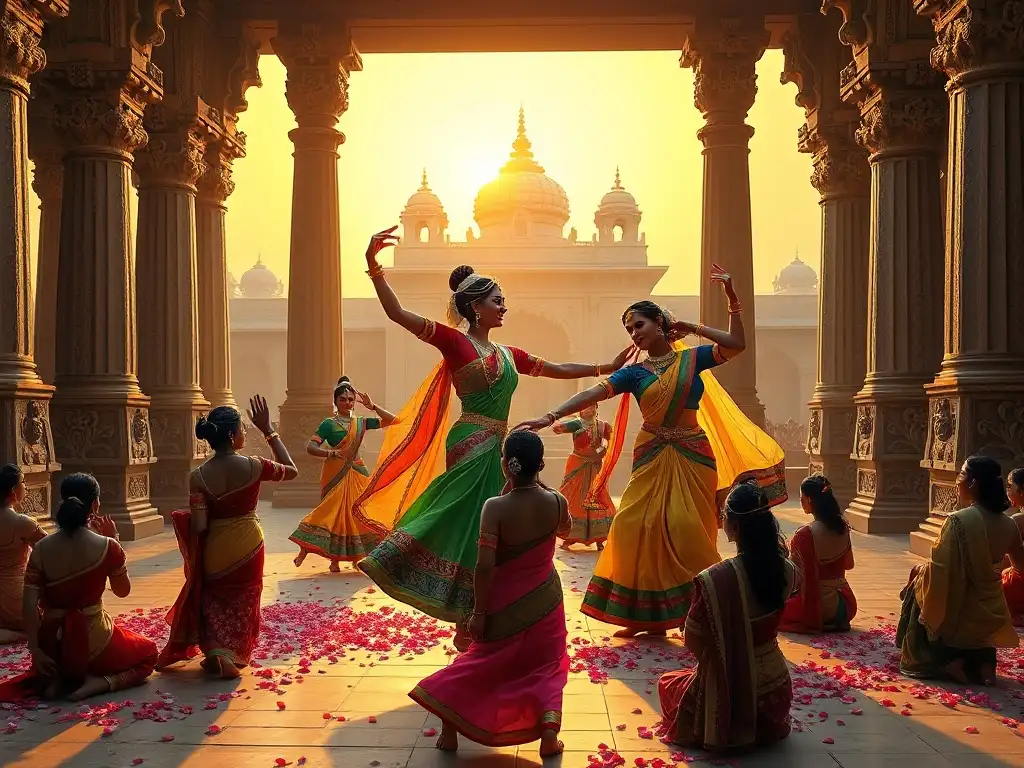
The role of dance in ancient India is encapsulated in various forms that have evolved over centuries, reflecting the socio-religious dynamics of their respective regions. Each dance form is not merely an art but a narrative, a medium of expression that intertwines with spirituality, culture, and community. Below, we explore three prominent dance forms that showcase the diversity and richness of Indian classical dance.
Bharatanatyam: The Temple Dance of Tamil Nadu
Bharatanatyam is one of the oldest classical dance forms of India, originating from the temples of Tamil Nadu. Its roots can be traced back to the Natya Shastra, an ancient treatise on performing arts written by Bharata Muni. Here are some defining features of Bharatanatyam:
- Expressive storytelling: Bharatanatyam is known for its expressive hand gestures (mudras) and facial expressions (abhinaya) that convey intricate stories and emotions.
- Spiritual significance: Traditionally, this dance was performed by Devadasis, women who dedicated their lives to temple service, making it an integral part of religious rituals.
- Rhythmic complexity: The dance combines intricate footwork with rhythmic patterns, often accompanied by live music, including traditional instruments like the mridangam and flute.
Cultural Impact:
Bharatanatyam has transcended its religious origins and now represents Tamil culture globally. Today, it is performed not only in temples but also on various stages worldwide, showcasing the enduring legacy of this art form.
Kathak: The Dance of Storytellers
Kathak, a dance form that originated in northern India, is characterized by its narrative style, often portraying stories from Hindu mythology and epics like the Mahabharata and Ramayana. The following elements define Kathak:
- Footwork and spins: Kathak dancers are renowned for their intricate footwork and rapid spins, which create a dynamic visual spectacle. The use of ghungroo (ankle bells) enhances the rhythmic aspect.
- Narrative expression: The dance often involves storytelling, with dancers embodying various characters and emotions through expressive gestures and movements.
- Influences from Mughal culture: Kathak evolved during the Mughal period, incorporating Persian and Mughal influences, which enriched its aesthetic appeal.
Cultural Significance:
Kathak reflects the syncretic culture of India, blending Hindu and Muslim artistic traditions. Its performances are often held in both traditional and contemporary settings, highlighting its adaptability and relevance.
Odissi: The Sacred Dance of Odisha
Odissi is one of the oldest surviving classical dance forms of India, originating from the temples of Odisha. It is distinguished by its graceful movements and intricate footwork, as well as its deep spiritual roots. Key aspects of Odissi include:
- Devotional essence: Odissi is primarily performed as a form of worship, depicting the divine through intricate gestures and movements that narrate stories of deities, particularly Lord Krishna.
- Tribal influences: The dance incorporates elements from tribal dance forms, integrating local traditions and making it unique to Odisha's cultural landscape.
- Bhulia and Tribhangi postures: These characteristic poses emphasize the beauty and grace of the female form, enhancing the spiritual narrative of the dance.
Legacy:
Odissi has gained recognition on global platforms and is celebrated for its rich tradition and aesthetic beauty. It serves as a medium for cultural expression and preservation, connecting contemporary audiences with ancient practices.
The exploration of these prominent dance forms illustrates the integral role of dance in ancient Indian society. Each dance not only serves as an art form but also acts as a vessel of cultural heritage, embodying the spirit of its time and continuing to inspire generations.
Other Notable Dance Styles in Ancient India
In addition to the classical dance forms that have gained prominence over the centuries, ancient India was home to a variety of other dance styles that played a significant role in cultural expressions, rituals, and community gatherings. These dance forms were often localized, reflecting the unique traditions and customs of different regions. Here, we delve into some of the notable dance styles that contributed to the rich tapestry of ancient Indian dance.
1. Folk Dances
Folk dances of ancient India served as a means of cultural expression and community bonding. These dances were typically performed during festivals, harvest celebrations, and religious ceremonies. Each region had its own distinct styles, often characterized by specific costumes, instruments, and thematic elements. Some notable folk dances include:
- Garba: Originating from Gujarat, Garba is a celebratory dance performed during the Navratri festival, featuring circular movements and clapping.
- Bhangra: A lively dance from Punjab, Bhangra is traditionally associated with the harvest season and showcases energetic movements and vibrant music.
- Dandiya Raas: Also from Gujarat, this dance involves the use of wooden sticks (dandiya) and is performed in pairs, often during Navratri.
2. Devotional Dances
Devotional dances were integral to religious practices, often aimed at expressing devotion to deities and spiritual themes. These dances blended music and rhythm to create a meditative experience. Examples include:
- Bhagavata Mela: A traditional dance-drama form from Tamil Nadu that narrates stories from Hindu epics, combining dance, music, and acting.
- Chhau: This martial dance form, prevalent in Odisha, Jharkhand, and West Bengal, often depicts mythological themes and is performed during festivals, emphasizing the worship of deities.
3. Martial Dances
Martial dances not only served as a form of entertainment but also prepared warriors for battle. These dances incorporated combat techniques and showcased physical prowess. Key examples are:
- Kalaripayattu: Originating from Kerala, this ancient martial art form includes dance-like movements that emphasize agility, strength, and coordination.
- Naga Dance: Performed by the Naga tribes of Northeast India, this dance highlights martial skills and is often performed during festivals to honor bravery.
4. Court Dances
In ancient Indian courts, dance was a vital component of royal entertainment and cultural expression. Dancers, known as Devadasis, were often highly trained and played a key role in courtly functions. Some notable court dance forms include:
- Mohiniyattam: Originating from Kerala, this graceful dance is characterized by feminine expressions and fluid movements, often performed to narrate stories from Hindu mythology.
- Kuchipudi: Hailing from Andhra Pradesh, Kuchipudi is known for its dramatic narrative style, blending dance and dialogue with intricate footwork and expressive gestures.
Conclusion
The diverse dance styles of ancient India reflect the country's rich cultural heritage and spiritual beliefs. Each dance form not only served as a means of entertainment but also played a crucial role in expressing societal values, religious devotion, and regional identity. As we explore the myriad of dance forms, it becomes evident that the role of dance in ancient India was profound, influencing various aspects of life, art, and spirituality across different civilizations.
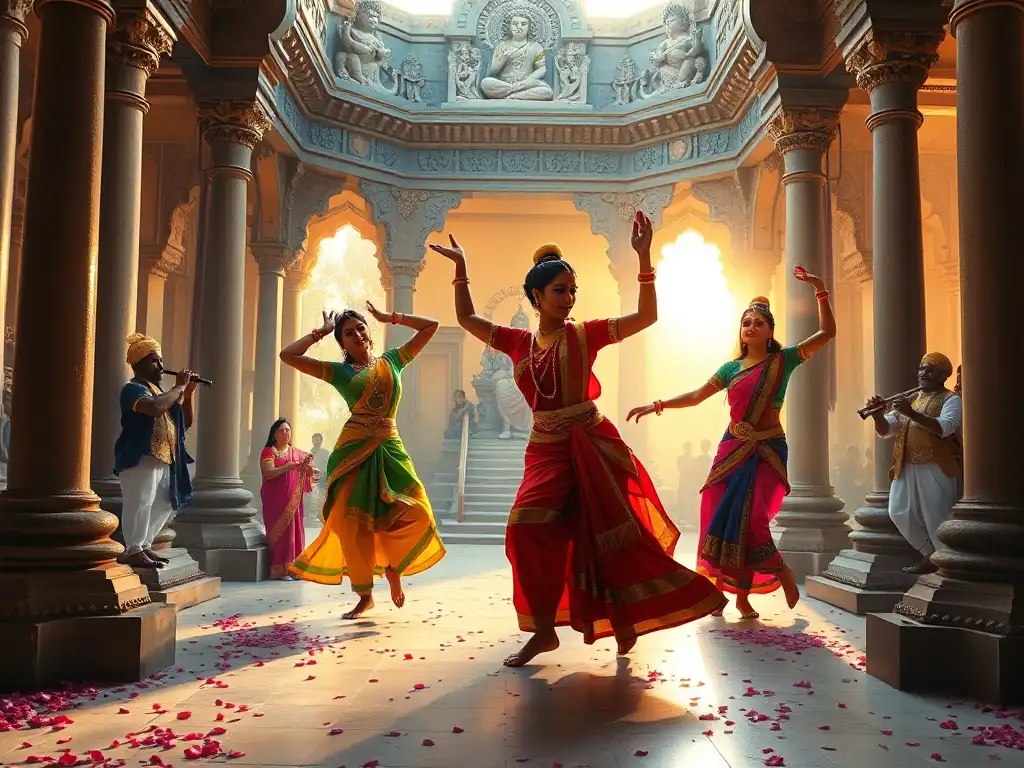
In ancient Indian society, dance was not merely an artistic expression but a significant determinant of social status and hierarchy. Each dance form often represented specific communities, and mastery of these forms could elevate an individual's standing within society. For instance, classical dance forms like Bharatanatyam and Odissi were traditionally associated with temple dancers known as Devadasis. These performers held a unique position within their communities, often revered for their artistic skills, yet they also faced societal challenges due to their roles being intertwined with religious and social practices.
The patronage of dance was closely linked to the ruling elites, who used it as a means to display their wealth and cultural sophistication. Courts across ancient kingdoms frequently hosted grand performances, showcasing the talents of the finest dancers. Such events served to reinforce the power dynamics of the time, as dance became a tool for both entertainment and political propaganda. The social hierarchies reflected in dance are evident in the way different classes participated in or were excluded from various forms of dance, further highlighting the intricate relationship between art and social structure.
Dance as a Reflection of Gender Roles
Dance in ancient India also mirrored the gender roles prevalent in society. Traditionally, dance was primarily a female domain, with women often taking center stage in performances. This emphasis on female dancers can be traced back to the Bharatanatyam and Kathakali, which often depicted stories that highlighted feminine virtues and ideals. The embodiment of divine feminine energy through dance was a common theme, showcasing women as both performers and narrators of cultural tales.
However, the gender dynamics were complex. While women were celebrated as dancers, they often faced societal restrictions outside the performance space. The Devadasi system, for example, allowed women to engage in dance as a form of livelihood but also subjected them to exploitation and marginalization. Thus, while dance provided women with a platform for self-expression and agency, it also reinforced certain gender norms and expectations that limited their roles in wider society.
The Influence of Dance on Political and Royal Patronage
The role of dance in ancient India was profoundly influenced by political and royal patronage. Kings and emperors recognized the power of dance as a medium for cultural expression and often commissioned grand performances to showcase their authority and magnificence. Dance became an integral part of court life, with royal patrons actively supporting dancers and choreographers to elevate their status and influence.
Moreover, the relationship between dance and religion was also significant. Many royal families would patronize dance as a form of worship, commissioning temple dancers to perform during religious ceremonies and festivals. This not only consolidated their power but also intertwined the arts with religious devotion, further embedding dance within the cultural and political fabric of ancient India.
Additionally, the establishment of dance as a respected art form was often accompanied by the creation of treatises and texts that codified dance styles, such as the Natya Shastra by Bharata Muni. This seminal text not only outlined the technical aspects of dance but also emphasized its importance in society, thus solidifying the role of dance as a key element of ancient Indian culture, supported by both political and religious institutions.
Instruments and Music: The Accompaniment of Dance
Traditional Instruments Used in Ancient Indian Dance
In ancient India, dance was not merely a visual art form; it was intricately linked with music, where traditional instruments played a pivotal role in enhancing the overall experience. The connection between dance and music in ancient Indian society can be traced back to the Vedic period, where rhythmic patterns were essential components of rituals and performances. Key traditional instruments that accompanied dance include:
- Mridangam: A double-headed drum, the mridangam is one of the most prominent percussion instruments in classical Indian music. Its ability to produce a wide range of rhythms makes it a perfect accompaniment for various dance forms, particularly Bharatanatyam and Kathak.
- Tabla: Known for its unique sound and versatility, the tabla consists of two hand-played drums and is widely used in Hindustani classical music. Its intricate patterns and rhythms complement the graceful movements of dancers.
- Sitar: This plucked string instrument is known for its resonant sound and complex melodic structures. The sitar often leads the musical ensemble in performances, providing the melodic foundation for dance sequences.
- Flute (Bansuri): A bamboo flute that produces soothing melodies, the bansuri is commonly used in dance performances, especially in folk traditions. Its airy tones evoke emotions that resonate with the themes of the dance.
- Harmonium: A keyboard instrument that utilizes free reeds to produce sound, the harmonium is often used in accompanying vocalists and dancers. Its portability and ability to create rich harmonies make it a staple in many dance forms.
The Interplay Between Music and Dance
The relationship between music and dance in ancient India can be likened to a harmonious dialogue where each element enhances the other. The role of dance in ancient India was not solely to entertain but also to narrate stories, express emotions, and connect with the divine. Here’s how music and dance intertwined:
- Rhythm and Movement: The rhythmic patterns established by musical instruments dictate the movements of the dancers. Each footstep, hand gesture, and facial expression is choreographed to align with the beats, creating a cohesive performance.
- Emotional Expression: Music serves as an emotional backdrop that heightens the impact of the dance. For instance, a lively raga can energize a fast-paced dance, while a slower, melancholic tune may evoke poignant movements that reflect sorrow or longing.
- Narrative Techniques: Many ancient Indian dance forms, such as Kathak and Odissi, rely heavily on storytelling. The music provides the narrative structure, with specific musical phrases corresponding to different parts of the story, allowing dancers to embody characters and emotions effectively.
- Spiritual Significance: In many classical forms, the music is imbued with spiritual meaning. Dancers often perform in temples, where the combination of music and dance is seen as a form of worship, creating a sacred atmosphere that transcends the physical realm.
- Cultural Fusion: Over the centuries, the interplay between music and dance has evolved, incorporating influences from various regions and traditions. This fusion has enriched the art forms, leading to the development of diverse styles that reflect the cultural tapestry of ancient India.
The role of dance in ancient India was intricately tied to the musical instruments that accompanied it. Together, they created a rich tapestry of artistic expression, integral to the cultural and spiritual life of ancient Indian society. Through this synergy, dance not only entertained but also conveyed profound narratives and emotions, ensuring its lasting legacy in the annals of history.
Preservation and Legacy of Ancient Dance Forms
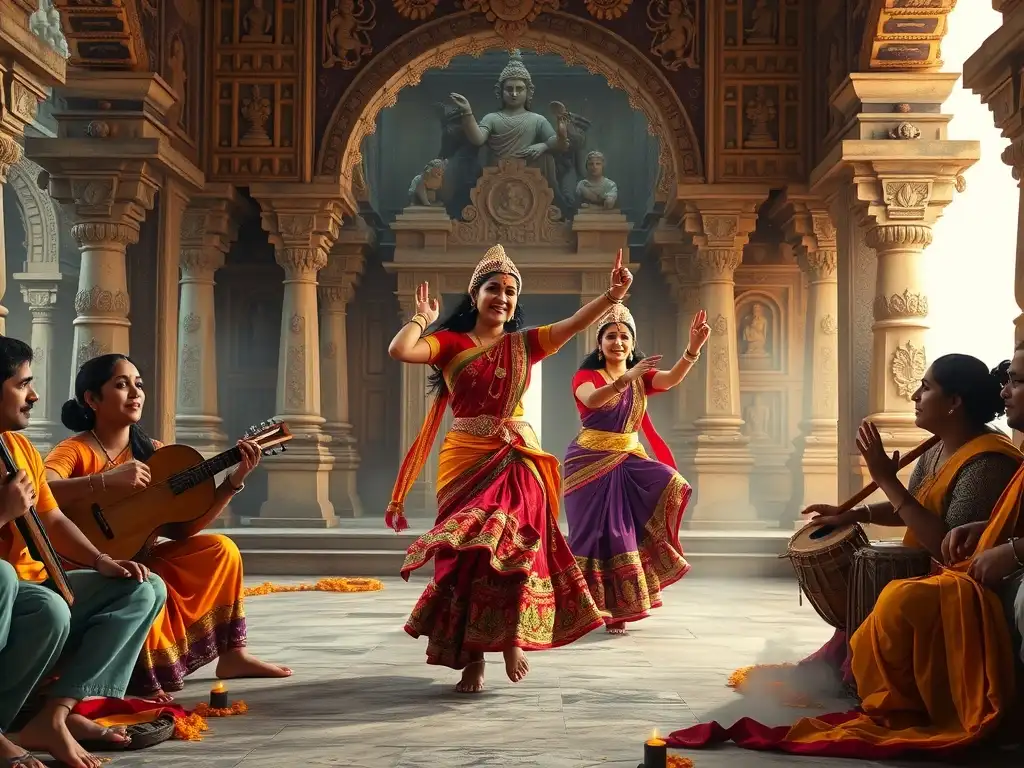
The preservation and legacy of ancient dance forms in India are a testament to the rich cultural heritage that has been meticulously passed down through generations. This preservation can be attributed to various factors, including the dedication of traditional dance gurus, the establishment of formal institutions, and the continuous adaptation of ancient styles to contemporary contexts.
The Role of Gurus and Traditional Lineages
In ancient India, dance was not only an art form but also a spiritual practice, deeply intertwined with religious rituals and cultural celebrations. Gurus, or master teachers, played a pivotal role in the transmission of dance knowledge. They were responsible for training disciples in various dance styles, ensuring that the intricate techniques and philosophies behind each form were preserved.
-
Traditional Lineages:
Many dance forms, such as Bharatanatyam and Kathak, have maintained strict adherence to traditional lineages. These lineages often trace back to specific regions or temples, where distinct styles developed. The Natyashastra, an ancient text attributed to Bharata Muni, serves as a foundational guide for these practices, outlining the principles of performance, gestures (mudras), and emotional expressions (bhavas).
-
Guru-Shishya Parampara:
The Guru-Shishya Parampara, or the teacher-student tradition, is essential in the preservation of ancient dance. This system fosters a close relationship between the guru and the disciple, emphasizing the importance of oral transmission and practical training. For instance, the Devadasi system in South India ensured that dance forms like Bharatanatyam were kept alive through generations of dedicated practitioners.
The result of these efforts is a vibrant tapestry of dance forms that not only celebrate ancient traditions but also adapt to the evolving cultural landscape of modern India.
Modern Interpretations of Ancient Dance Styles
As society evolves, so too do the interpretations and expressions of ancient dance forms. Modern choreographers and dancers are increasingly exploring the depths of these ancient styles while infusing contemporary elements to reach wider audiences and address current themes.
-
Fusion and Innovation:
Many contemporary dance ensembles are experimenting with fusion styles that blend classical techniques with modern dance forms such as jazz, hip-hop, and contemporary dance. This fusion not only broadens the appeal of traditional dances but also invites a dialogue between the past and present. For example, the incorporation of Western theatrical elements in Bharatanatyam performances has led to new interpretations that resonate with both traditional and contemporary audiences.
-
Revival Movements:
In recent decades, there has been a resurgence of interest in traditional dance forms, spurred by cultural festivals, dance competitions, and performances on global platforms. Initiatives like the Sankalp Dance Festival aim to showcase the richness of ancient dance styles, encouraging younger generations to engage with their cultural heritage.
Through these modern interpretations, ancient dance forms are not merely relics of the past; they are living art forms that continue to evolve and inspire.
Influence of Ancient Dance on Contemporary Indian Culture
The influence of ancient dance on contemporary Indian culture is profound and multifaceted. Dance remains a vital aspect of Indian identity, serving as a medium for storytelling, social commentary, and personal expression.
-
Cultural Identity:
Dance forms like Kathak, Odissi, and Kuchipudi have become symbols of regional pride and cultural identity. They are often performed at weddings, festivals, and public celebrations, reinforcing community bonds and cultural continuity. The Navaratri festival, for example, features traditional Garba and Dandiya dances, where ancient rhythms and movements are celebrated by people of all ages.
-
Artistic Collaborations:
Contemporary Indian artists are increasingly collaborating with dancers to create multidisciplinary works that reflect the complexities of modern society. These collaborations often draw on the themes of ancient dance, such as love, devotion, and mythology, while addressing contemporary issues like gender equality and social justice.
The role of dance in ancient India extends far beyond mere performance; it is a vital thread in the cultural fabric that continues to influence and inspire. The preservation of ancient dance forms, the innovative interpretations by modern artists, and their enduring impact on Indian culture illustrate the dynamic relationship between tradition and modernity.
Conclusion: The Enduring Legacy of Dance in Ancient Indian Society
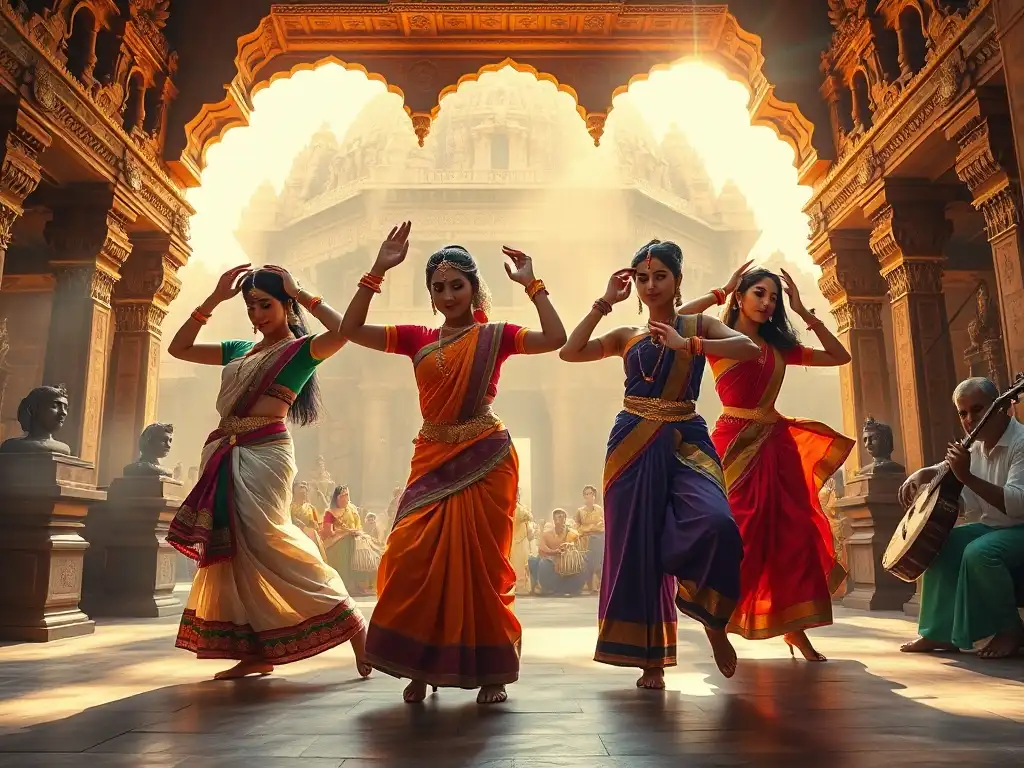
The role of dance in ancient India transcended mere entertainment; it was a profound expression of cultural identity, spirituality, and social cohesion. As we examine the legacy of dance from the vibrant performances of the Indus Valley civilization to the classical traditions that flourished under the Gupta Empire, it becomes evident that dance was intricately woven into the fabric of society.
Dance served not only as a form of artistic expression but also as a medium for storytelling, ritualistic celebration, and community bonding. By performing dances, individuals participated in a shared heritage that fostered a sense of belonging and continuity across generations. The rich diversity of dance forms that emerged—ranging from the graceful movements of Bharatanatyam to the vigorous expressions found in folk dances—reflects the varied cultural landscapes of ancient India.
Reflection on the Role of Dance in Cultural Identity
Dance in ancient India played a pivotal role in shaping cultural identity and communal values. Each dance form was often linked to regional traditions, religious beliefs, and historical narratives. For example, Kathak evolved from the storytelling traditions of the temples, where dancers recounted tales of deities and heroes, thereby reinforcing the spiritual and cultural ethos of the time.
Key Aspects of Dance's Role in Cultural Identity:
- Religious Significance: Dance was often performed in temples as a form of devotion, helping to bridge the earthly and the divine.
- Social Cohesion: Community dances facilitated collective participation, fostering unity and shared experiences among diverse groups.
- Cultural Transmission: Through dance, ancient narratives, morals, and customs were passed down, ensuring the survival of cultural heritage.
In essence, dance was a dynamic medium through which the people of ancient India articulated their identity, values, and worldview, making it a cornerstone of cultural expression.
Final Thoughts on the Transformation of Dance Through the Ages
The evolution of dance in ancient India mirrors the broader societal changes experienced throughout history. From its origins in ritualistic contexts to its development into classical forms, dance has continually adapted to reflect the changing dynamics of society.
During the Maurya and Gupta empires, for instance, the patronage of the arts led to the formalization of dance as an established art form. This shift marked the transition from folk traditions to more structured classical styles, incorporating intricate techniques and codified movements.
Milestones in the Transformation of Dance:
- Influence of Religion: The rise of Bhakti and Sufi movements infused dance with new spiritual dimensions, broadening its appeal and accessibility.
- Royal Patronage: Kings and nobles became patrons of dance, leading to the establishment of dance academies and the promotion of dance as a respected art form.
- Cultural Synthesis: Interactions with other cultures, particularly during the invasions and trade, introduced new elements into Indian dance, enriching its diversity.
The role of dance in ancient India is a testament to its enduring significance as a cultural cornerstone. Its transformation through the ages reflects not only artistic innovation but also the resilience and adaptability of Indian society. As we continue to explore the rich tapestry of ancient Indian history, the legacy of dance remains a vibrant and essential part of our understanding of the past.
References and Further Reading on Dance in Ancient India
Suggested Books and Articles
-
"Dance in Ancient India" by Dr. S. Kalidas
This comprehensive work delves into the historical context of dance in ancient Indian society, exploring its significance in religious rituals and social functions. Dr. Kalidas offers a detailed analysis supported by archaeological findings and ancient texts.
-
"The Sacred Art of Dance: A Study of Indian Classical Dance Forms" by R. S. Sharma
This book provides insight into the relationship between dance and spirituality in ancient India. It discusses various classical dance forms such as Bharatanatyam and Kathak, tracing their origins and evolution through centuries.
-
"Natyashastra: The Science of Drama" by Bharata Muni
An ancient text written around 200 BCE, the Natyashastra is a foundational work on the performing arts in India. It outlines various aspects of dance, music, and drama, and remains a critical reference for understanding the role of dance in ancient Indian culture.
-
"The Dance of India" by A. K. Mehta
This article explores the different regional styles of dance that emerged in ancient India and their cultural significance. Mehta highlights how dance served as a medium for storytelling and cultural transmission.
-
"Cultural Significance of Folk Dance in Ancient India" by P. N. Desai
Desai’s work emphasizes the role of folk dances as a reflection of societal values and traditions in ancient India. It discusses various folk dance forms and their meanings within the community.
Online Resources for Learning More about Ancient Indian Dance
-
Digital Library of India
A treasure trove of ancient texts and manuscripts, this resource includes works related to dance in India. Researchers can access translations and original scripts that discuss the historical and cultural contexts of dance.
-
Indira Gandhi National Centre for the Arts (IGNCA)
The IGNCA website offers a wealth of resources including articles, videos, and research papers on various art forms, including dance. Their archives contain significant contributions from dance scholars.
-
YouTube Channels on Indian Classical Dance
Channels such as Natyashastra and Indian Dance Forms provide tutorials, performances, and discussions on the roots and evolution of dance in ancient India. These platforms are great for visual learners wanting to explore the art form.
-
Online Courses on Indian Dance
Websites like Coursera and Udemy offer courses on Indian classical dance forms, which often include historical perspectives on their origins and significance in ancient society. These courses are designed for all levels of learners.
-
ResearchGate
A platform for academics to share research papers, ResearchGate hosts numerous articles and studies focused on the role of dance in ancient Indian culture. Users can connect with authors for direct insights into their work.
By engaging with these resources, readers can deepen their understanding of the pivotal role of dance in ancient Indian society and its enduring legacy in contemporary culture.
Frequently Asked Questions
What was the significance of dance in ancient Indian society?
Dance played a crucial role in ancient India as a form of expression, storytelling, and ritualistic practice. It was integral to both religious ceremonies and social gatherings.
How did dance evolve in ancient India?
Dance evolved through various cultural influences, including regional traditions and religious practices. Different styles emerged, each reflecting the local culture and spiritual beliefs.
What are some prominent dance forms from ancient India?
Prominent dance forms include Bharatanatyam, Kathak, and Odissi, each with its own unique technique and storytelling aspect. These forms have roots in ancient texts and temple traditions.
How did dance contribute to the arts in ancient India?
Dance was a vital component of the performing arts in ancient India, enhancing theatrical performances and enriching literary works. It served as a medium to convey philosophical themes and cultural values.
What role did dance play in religious practices?
In ancient India, dance was often used as a form of worship and devotion. It was believed to invoke the divine presence and was an essential part of temple rituals and festivals.
Final Reflection: The Enduring Legacy of Dance in Ancient India
In exploring the role of dance in ancient India, we uncover a rich tapestry woven with cultural significance, spiritual expression, and social cohesion that resonates profoundly in today's society. The intricate movements and rhythms of ancient dance forms not only served as a medium of storytelling but also as a vital tool for community bonding and spiritual connection. As we navigate the complexities of modern life, the lessons embedded in these ancient practices remind us of the power of art to transcend time and space, uniting us through shared experiences and emotions.
The influence of dance in ancient Indian society continues to shape our cultural landscape, reflecting the values and traditions that have persisted through centuries. The vibrant expressions of dance are not merely relics of the past; they are living traditions that inspire contemporary artists and communities. As we witness the revival and adaptation of these ancient forms in modern performances, we are reminded of the words of the renowned dancer Uday Shankar: Dance is the hidden language of the soul.
This sentiment echoes through generations, highlighting how dance remains a vital form of communication that transcends language and cultural barriers.
As we conclude this exploration, I invite you to reflect on the role of dance in your own life and community. Consider how movement and rhythm can serve as a means of expression, healing, and connection. Embrace the lessons of ancient India, where dance was not just an art form but a way of life, and let it inspire you to find your own rhythm in the world. Whether through participating in dance, appreciating its beauty, or simply allowing yourself to move freely, remember that each step you take contributes to the ongoing legacy of this timeless art.
Unleash the Spirit of Dance in Ancient India!
Thank you for taking the time to explore the fascinating role of dance in ancient Indian society! You've gained insight into how dance was not just an art form, but a vital part of cultural expression and community spirit. Now, it's time to dive deeper and bring this rhythmic heritage to life!
- Embrace the Dance: Join a local dance class that focuses on traditional Indian dance styles. Experience firsthand the joy and connection that dance offers.
- Share Your Insights: Engage in discussions with friends or family about this article—ignite conversations about how dance shapes culture and identity in today's world.
- Explore Further: Visit a nearby cultural exhibition or museum that showcases Indian art and dance. Engaging with art can offer richer perspectives on history.
What aspect of ancient Indian dance resonates with you the most, and how will you incorporate its vibrant spirit into your life today?