
Ancient India's Use of Natural Resources in Construction

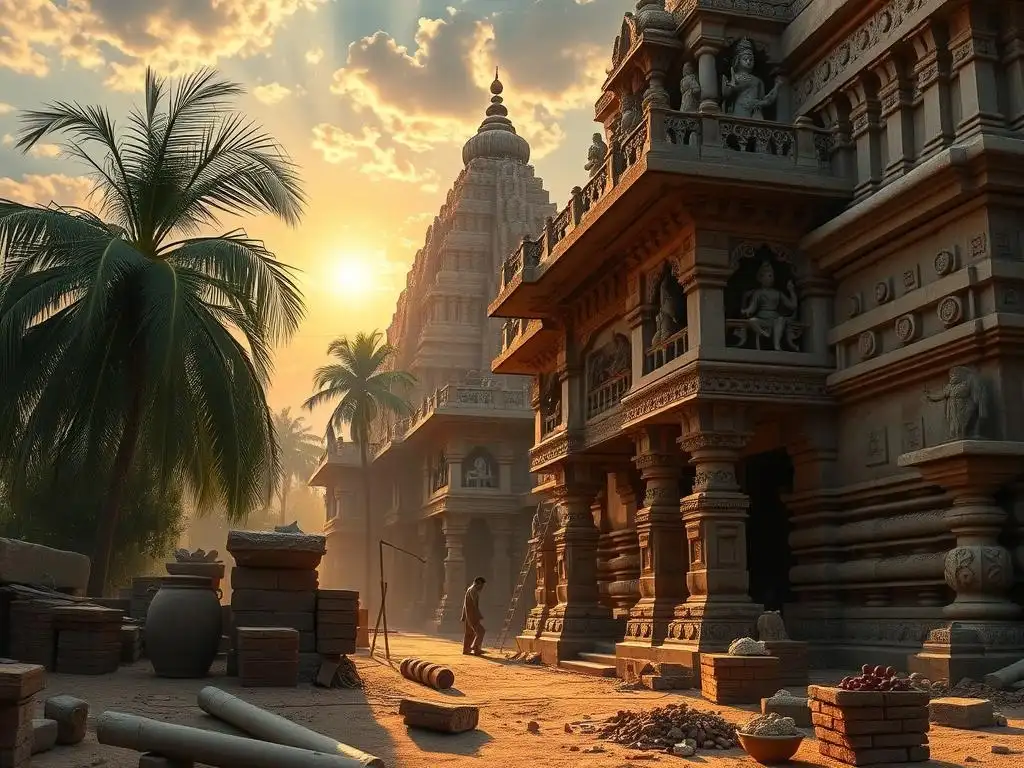
Welcome to Ancient India History, where we embark on a captivating journey through the rich tapestry of civilizations that shaped the Indian subcontinent. In our latest exploration, we delve into the fascinating world of Ancient Indian construction materials, uncovering how ingenious methods and natural resources were harnessed to create enduring monuments and structures. What secrets do these ancient techniques hold?
Join us as we uncover the innovations that not only defined an era but also laid the groundwork for architectural marvels that still inspire awe today. Dive deeper to discover the remarkable stories behind the stones and the wisdom of the ancients!
Introduction to Ancient Indian Construction Materials
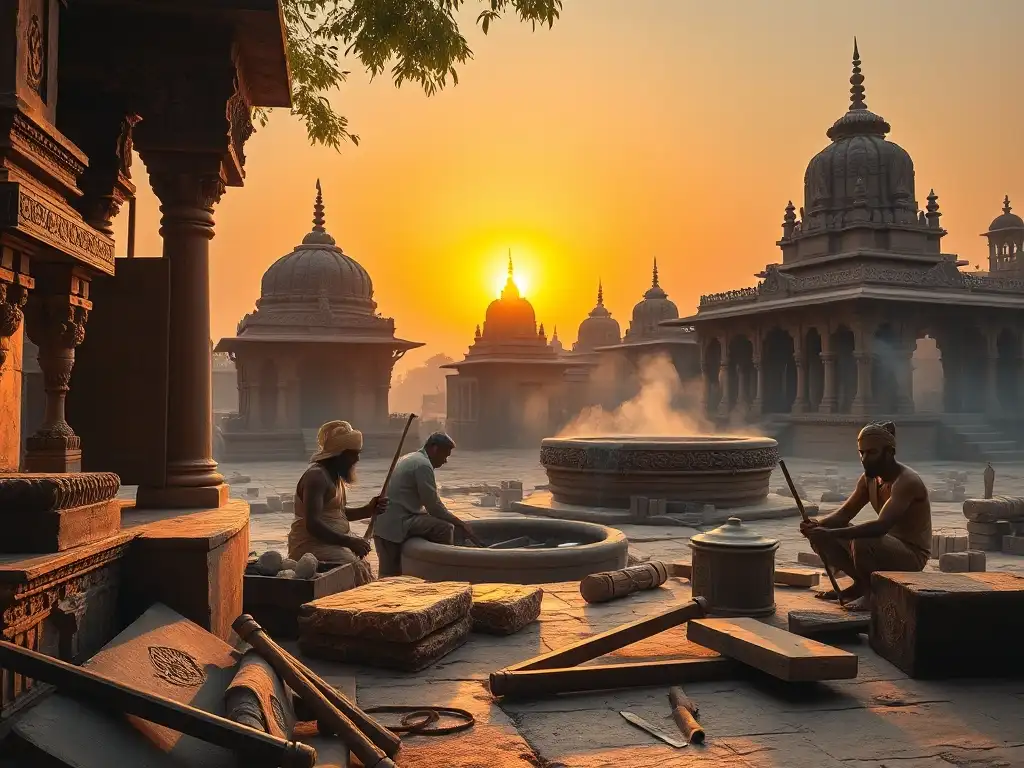
The architectural marvels of ancient India stand as a testament to the ingenuity and resourcefulness of its civilizations. From the intricate designs of temples to the robust structures of forts, the use of natural resources played a crucial role in shaping the landscape of ancient Indian construction.
This article delves into the various ancient Indian construction materials, highlighting how indigenous resources were harnessed to create enduring monuments that reflect the rich cultural heritage of the subcontinent. Understanding these materials not only sheds light on the engineering techniques employed by ancient builders but also underscores the sustainable practices that were inherently woven into the fabric of their construction methodologies.
Overview of Natural Resources in Ancient India
The diverse geography of ancient India provided a plethora of natural resources that were pivotal in construction. Each region contributed unique materials, influenced by local availability and environmental conditions. Key resources included:
- Stones: Various types such as granite, sandstone, and limestone were extensively used.
- Timber: Forests provided an array of wood types, essential for structural integrity and aesthetic appeal.
- Clay and Earth: These materials were fundamental in the making of bricks and plaster.
- Metals: Copper, bronze, and iron played significant roles in both structural and ornamental capacities.
This rich tapestry of resources not only facilitated impressive architectural achievements but also reflected the ecological consciousness of ancient builders.
Importance of Sustainable Practices in Construction
Ancient Indians demonstrated a profound understanding of sustainability long before the term became popularized. Their construction practices often involved:
- Local sourcing: Using materials from nearby areas reduced transportation costs and environmental impact.
- Recycling: Older structures were often dismantled to reuse materials in new constructions.
- Eco-friendly techniques: Methods such as mud plastering and the use of natural colors highlighted their commitment to maintaining harmony with nature.
By prioritizing sustainable practices, ancient Indian civilizations were able to create structures that not only withstood the test of time but also minimized ecological disruption.
Types of Natural Resources Utilized in Ancient Indian Construction
Stone as a Primary Construction Material
Stone has been the cornerstone of ancient Indian construction, with civilizations like the Indus Valley and later the Maurya and Gupta empires utilizing it extensively. The properties of stone, such as durability and weather resistance, made it ideal for monumental structures. Notable examples include:
- Temples: Elaborate carvings and inscriptions on stone temples exemplify the artistry and religious significance of their construction.
- Forts and Palaces: Structures like the Red Fort in Delhi showcase the strategic use of stone for defense and grandeur.
Timber and Wood in Ancient Indian Structures
Timber, sourced from the abundant forests, served multiple purposes in ancient constructions. Its applications included:
- Framework: Wooden beams provided essential support for roofs and ceilings.
- Decorative elements: Intricate wooden carvings adorned temples, showcasing craftsmanship.
- Scaffolding: Timber was also used in construction processes, facilitating the erection of larger structures.
The use of timber reflects a blend of functionality and aesthetics, contributing to the overall structural integrity and beauty of ancient buildings.
Clay and Earth Materials
Clay and earth were fundamental to ancient Indian construction, utilized in various forms:
- Bricks: Burnt clay bricks became a standard material, especially during the Indus Valley Civilization.
- Mud plaster: Used for finishing walls, mud plaster provided insulation and protection against weather conditions.
- Pottery: Terracotta was not only used in construction but also in decorative elements, indicating the versatility of clay.
These materials were not only locally available but also offered sustainable solutions for construction, demonstrating a deep connection to the land.
Metals and Alloys in Construction
The use of metals in construction marked a significant advancement in ancient Indian engineering. Key applications included:
- Structural support: Iron beams and brackets were utilized to enhance the durability of structures.
- Ornamental features: Bronze and copper were commonly used for sculptures and decorative motifs, enriching the aesthetic appeal of buildings.
- Tools and fasteners: The development of metal tools enabled more precise construction methods and intricate designs.
The innovative use of metals and alloys reflects the technological prowess of ancient Indian civilizations, contributing to their architectural legacy.
Techniques for Utilizing Natural Resources
In ancient India, the utilization of natural resources for construction was not merely a matter of availability; it was a reflection of the ingenuity and adaptability of its civilizations. The techniques employed varied widely, depending on the geographical and climatic conditions of the region.
- Local Sourcing: Ancient builders often sourced materials locally, ensuring that the construction was sustainable and reduced transportation costs. This practice not only preserved the environment but also fostered a sense of community, as local artisans and craftsmen collaborated on projects.
- Natural Materials: The predominant materials used in ancient Indian construction included stone, brick, timber, and clay. Each material was selected based on its availability, durability, and suitability for specific building types. For instance, sandstone was extensively used in the northern regions due to its abundance, whereas laterite stone was favored in the western coastal areas.
- Innovative Techniques: Builders developed techniques such as interlocking brick designs, which provided structural integrity without the need for excessive mortar. Additionally, the use of mud and clay in construction was common, employing techniques like rammed earth to create durable walls.
Traditional Construction Techniques in Ancient India
Ancient Indian construction techniques were deeply influenced by regional materials and climatic conditions, leading to a variety of traditional methods:
- Mud Architecture: In arid regions, mud and clay were frequently used to construct homes and temples. The use of mud plaster not only provided insulation against heat but also allowed for intricate designs and patterns.
- Timber Frameworks: In forested areas, timber was utilized for its strength and flexibility. Structures often featured wooden beams and columns, providing a robust framework that could withstand seismic activities.
- Stone Masonry: In regions rich in stone, such as Rajasthan, sophisticated techniques of stone masonry were developed. Builders used precise chiseling to create interlocking stones, enhancing the stability of structures.
- Vaulting and Arches: Innovative use of vaulting and arches can be traced back to ancient India, allowing for the creation of expansive interiors in temples and public buildings without reliance on numerous supporting columns.
Innovations in Construction Practices
While traditional methods laid the foundation for construction, ancient Indian civilizations were also characterized by innovative practices that advanced their architectural capabilities:
- Water Management Systems: Ingenious systems for rainwater harvesting and drainage were integrated into construction projects. This was particularly evident in cities like Mohenjo-Daro, where advanced drainage systems facilitated urban living.
- Geometric Planning: The layout of cities and structures was often based on geometric principles. This not only optimized space but also ensured proper alignment with cardinal directions, which had cultural significance.
- Use of Symbols and Iconography: Incorporating religious and cultural symbols into the architecture was a distinctive feature. These designs often conveyed philosophical themes and reinforced the societal values of the time.
Case Studies: Iconic Structures of Ancient India
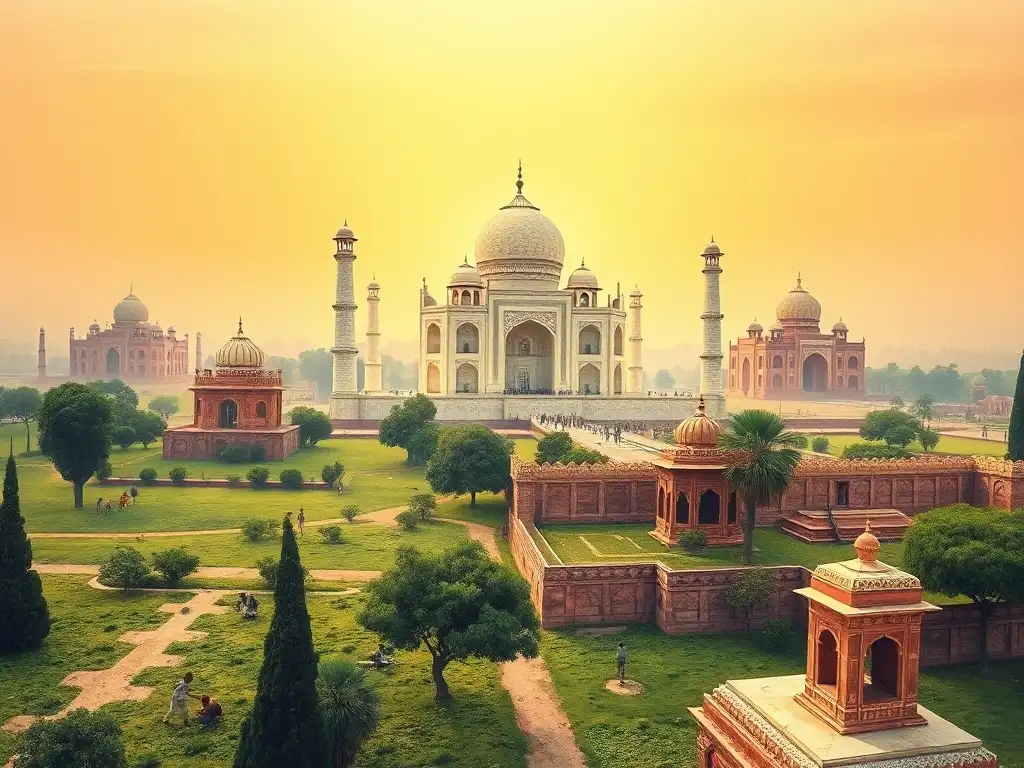
Ancient India boasts a wealth of architectural marvels that exemplify the effective use of natural resources and innovative construction techniques. Here, we explore key case studies:
The Indus Valley Civilization: Urban Planning and Resource Use
The Indus Valley Civilization (circa 3300–1300 BCE) is celebrated for its advanced urban planning and resource management. Cities like Harappa and Mohenjo-Daro were meticulously designed with:
- Grid Patterns: Streets were laid out in a grid pattern, demonstrating a high level of organizational planning.
- Advanced Drainage Systems: The use of baked brick for drainage ensured sanitation and water management, a remarkable feat for its time.
- Uniform Brick Sizes: The adoption of standardized brick sizes facilitated efficient construction and uniformity in building practices across the civilization.
The Mauryan Empire: Use of Stone in Monumental Architecture
The Mauryan Empire (322–185 BCE) marked a significant period in ancient Indian architecture, particularly with the use of stone in monumental structures:
- Ashoka's Pillars: These pillars, made from polished sandstone, were not only impressive in height but also intricately carved with edicts promoting moral governance.
- Stupas: The construction of stupas, such as the Sanchi Stupa, showcased the use of locally sourced stone and featured elaborate carvings that depicted religious narratives.
- Rock-Cut Architecture: The Mauryan period also saw the emergence of rock-cut architecture, as seen in the Barabar Caves, which were carved directly into the rock face, demonstrating both artistry and resourcefulness.
Gupta Era: Innovations in Temple Construction
The Gupta Era (approximately 320–550 CE) is often referred to as the Golden Age of India, particularly in the realm of art and architecture:
- Temple Architecture: The period witnessed the construction of grand temples, characterized by intricate carvings and towering shikharas (spires). Temples like the Dashavatara Temple in Deogarh exemplify the use of sandstone and elaborate ornamentation.
- Use of Decorative Elements: The Gupta architects innovated by incorporating decorative elements such as sculptures and reliefs that narrated mythological stories, enhancing the aesthetic appeal and cultural significance of the structures.
- Innovative Roof Structures: The introduction of corbelled roofs allowed for larger interiors, exemplifying advancements in architectural design that set the stage for future developments.
Environmental Impact and Sustainability
The construction practices of ancient India were deeply intertwined with the environment, showcasing a profound understanding of natural resource management. Ancient builders often selected materials that were locally sourced, minimizing transportation costs and environmental degradation. This approach not only reduced the carbon footprint associated with construction but also promoted the sustainable use of resources. For instance, the use of mud, bamboo, and stone in various regions highlighted the adaptability of ancient architects to their surroundings.
Moreover, many ancient structures were designed with sustainability in mind. The use of thick walls, high ceilings, and strategically placed windows allowed for natural ventilation, reducing the need for artificial heating and cooling. Rainwater harvesting systems were also integrated into architectural designs, reflecting a keen awareness of water conservation. These practices underline a legacy of sustainability, demonstrating that ancient Indian civilizations were pioneers in environmentally conscious construction.
Sustainable Resource Management in Ancient Indian Construction
Sustainable resource management was at the core of ancient Indian construction techniques. The selection of materials was not just a matter of availability; it was also influenced by their ecological impact. For example, clay and mud, widely used in the construction of homes and temples, were abundant and easily renewable. Builders often incorporated local stones like granite, limestone, and sandstone, which not only provided durability but also blended harmoniously with the natural landscape.
Additionally, ancient Indian architects employed techniques such as the use of rammed earth and wattle and daub, which utilized natural fibers and soil. These methods ensured that structures remained environmentally friendly, while also being cost-effective. The use of natural dyes and finishes further exemplified their commitment to sustainability, as these materials were non-toxic and biodegradable.
Lessons from Ancient Practices for Modern Construction
The principles of ancient Indian construction offer valuable lessons for contemporary building practices. Modern architecture often prioritizes efficiency and aesthetics, sometimes at the expense of environmental considerations. By revisiting ancient techniques, modern builders can integrate sustainable practices that promote ecological balance.
For instance, the principles of passive solar design, evident in the thick walls and high ceilings of ancient structures, can be applied to reduce energy consumption in modern buildings. Furthermore, the emphasis on local materials not only supports local economies but also decreases transportation emissions.
Incorporating ancient wisdom into modern practices encourages a holistic approach to construction, one that respects the environment while meeting contemporary needs. This convergence of ancient and modern techniques can lead to innovative solutions that are both sustainable and practical.
Conclusion
Summary of Ancient Indian Construction Materials and Techniques
Ancient Indian construction was characterized by a diverse array of materials, including mud, stone, and timber. Techniques such as rammed earth, brick-making, and the use of local aggregates were prevalent, reflecting an astute understanding of the environment. Structures like the Indus Valley cities, with their advanced drainage systems and urban planning, illustrate the sophisticated engineering skills of ancient Indians. Overall, these materials and techniques not only support the architectural integrity of ancient structures but also highlight the resourcefulness and ingenuity of their builders.
The Legacy of Ancient Indian Construction in Modern Architecture
The legacy of ancient Indian construction continues to influence modern architecture in various ways. Many contemporary architects draw inspiration from the sustainable practices of the past, recognizing the importance of environmentally friendly construction. The integration of natural materials, climate-responsive designs, and resource-efficient methods rooted in ancient Indian practices serves as a guide for today's builders. This legacy not only preserves historical knowledge but also fosters a renewed commitment to sustainability in the architectural field, ensuring that the wisdom of ancient civilizations informs future generations.
- Introduction to Ancient Indian Construction Materials
- Types of Natural Resources Utilized in Ancient Indian Construction
- Techniques for Utilizing Natural Resources
- Case Studies: Iconic Structures of Ancient India
- Environmental Impact and Sustainability
- Conclusion
- What were the primary construction materials used in ancient India?
- How did the Indus Valley Civilization contribute to construction techniques?
- What role did geographical features play in the choice of materials?
- How did ancient Indian architectural styles evolve over time?
- What is the significance of natural resources in ancient Indian architecture?
Frequently Asked Questions
What were the primary construction materials used in ancient India?
Ancient Indian civilizations primarily utilized natural resources like bricks, stone, and wood for construction purposes, reflecting the availability of materials in their environment.
How did the Indus Valley Civilization contribute to construction techniques?
The Indus Valley Civilization is known for its advanced urban planning and use of burnt bricks, which were more durable than unburnt ones, showcasing their innovative construction methods.
What role did geographical features play in the choice of materials?
The geographical diversity of India provided a variety of resources. For instance, regions near rivers had access to clay for bricks, while mountainous areas offered stones for sturdier structures.
How did ancient Indian architectural styles evolve over time?
Architectural styles in ancient India evolved significantly, influenced by various dynasties and cultures, leading to unique construction techniques and the use of diverse materials like marble in later periods.
What is the significance of natural resources in ancient Indian architecture?
The use of natural resources in ancient Indian architecture reflects the civilizations' adaptability and ingenuity, allowing them to create lasting structures that are a testament to their cultural heritage.
Final Reflection: The Enduring Legacy of Ancient Indian Construction Materials
The innovative use of natural resources in ancient Indian construction not only showcases the ingenuity of past civilizations but also highlights the importance of sustainability in today's world. As we grapple with modern environmental challenges, the techniques and materials employed by ancient Indian builders serve as a reminder of how harmonious coexistence with nature can lead to lasting structures that withstand the test of time. The legacy of these practices is not just historical; it is a call to rethink our current approaches to construction and resource management.
The influence of ancient Indian construction materials extends far beyond their physical presence; they have shaped cultural identity and community resilience throughout the ages. The intricate craftsmanship and sustainable practices of ancient builders resonate in contemporary architecture, inspiring a renewed appreciation for local materials and traditional techniques. Architecture is the thoughtful making of space,
said Louis Kahn, and this sentiment echoes the ethos of ancient Indian builders who understood that their creations were not merely functional but also deeply connected to their environment and culture.
As we reflect on the lessons from ancient India, let us be inspired to embrace sustainable practices in our own lives and communities. Consider how you can incorporate local materials and environmentally friendly methods in your projects, big or small. By honoring the wisdom of the past, we can pave the way for a future that respects our planet and celebrates the rich heritage of human ingenuity. Together, let's build a world that values sustainability as much as it does innovation.
Unveil the Wisdom of Ancient Construction!
Thank you for exploring the remarkable ways ancient India harnessed natural resources in construction. You've gained valuable insights into sustainable practices that resonate today! Now, it’s time to take this knowledge further.
Here are some actionable steps you can take:
- Dive Deeper: Visit your local library or utilize online resources to explore more about traditional and sustainable construction techniques.
- Spread the Knowledge: Share this article with friends or on social media to spark discussions about sustainable building practices, both ancient and modern.
- Get Creative: Try your hand at a DIY project inspired by ancient methods—consider building a small structure or creating a craft using eco-friendly materials!
What modern practices do you think could benefit from the wisdom of ancient construction techniques?