
The Ramayana's Exploration of Identity and Belonging

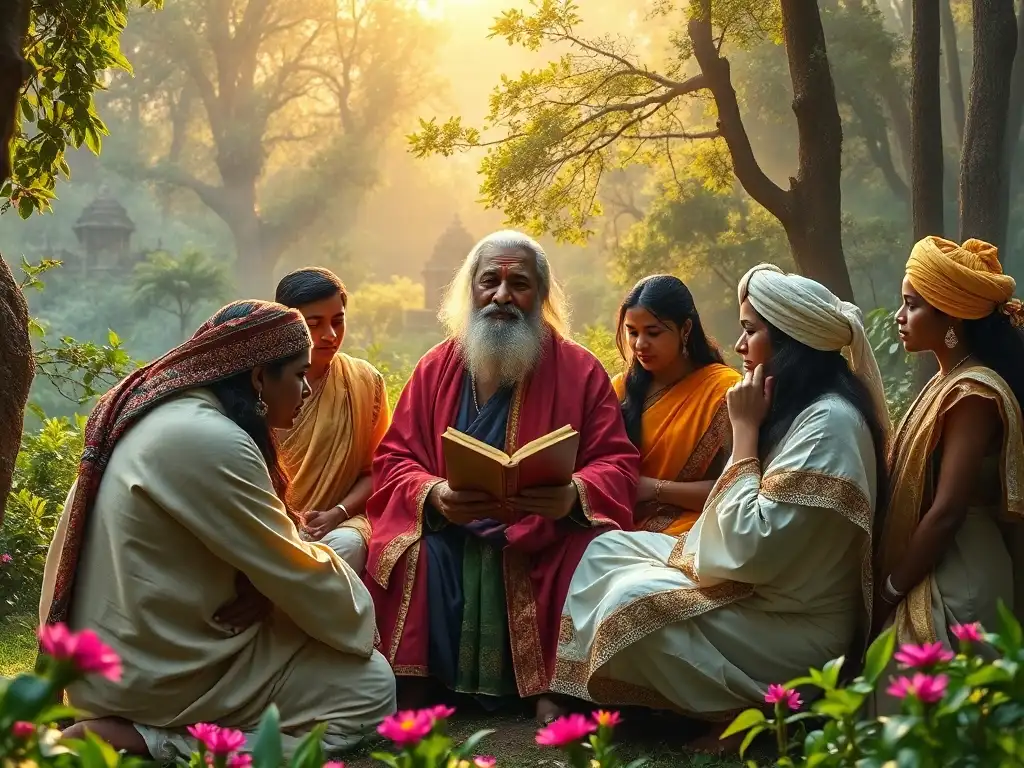
Welcome to Ancient India History, where we embark on a fascinating journey through the rich tapestry of Indian civilization! In our latest exploration, we delve into the themes of identity within the epic narrative of the Ramayana. This timeless tale not only reflects the complexities of belonging but also unravels the intricate layers of self-discovery that resonate across ages. Join us as we uncover how these ancient stories continue to shape our understanding of identity today. Ready to dive deeper? Let’s explore the profound messages woven within the Ramayana!
- Introduction to the Ramayana and Its Themes of Identity
- Understanding Identity in the Ramayana
- Cultural Context of Identity in the Ramayana
- Themes of Belonging in the Ramayana
- Comparative Analysis of Identity Themes in the Ramayana
- Lessons on Identity and Belonging from the Ramayana
- Conclusion: The Enduring Legacy of Identity in the Ramayana
- References
-
Frequently Asked Questions
- What are the main themes of the Ramayana related to identity?
- How does the Ramayana address the concept of belonging?
- In what ways do characters in the Ramayana experience identity crises?
- How does the Ramayana influence modern interpretations of identity?
- What lessons on identity can be drawn from the Ramayana?
- Final Reflection: The Ramayana's Enduring Quest for Identity and Belonging
- Embrace Your Journey of Identity and Belonging!
Introduction to the Ramayana and Its Themes of Identity
The Ramayana, one of the two major Sanskrit epics of ancient Indian literature, serves not only as a narrative of adventure and heroism but also as a profound exploration of themes such as identity and belonging. Written by the sage Valmiki, this epic recounts the life and struggles of Lord Rama, his wife Sita, and his loyal companion Hanuman.
As we delve into the layers of this remarkable text, we uncover how it addresses the complexities of individual and collective identity within the context of dharma (duty), family, and societal roles. The themes of identity in the Ramayana resonate powerfully, reflecting the cultural and moral fabric of ancient Indian society, while continuing to influence contemporary discussions on selfhood and belonging.
Overview of the Ramayana
The Ramayana is structured into seven Kandas (books), detailing the journey of Rama from his exile in the forest to his ultimate return to Ayodhya after defeating the demon king Ravana. Each Kanda presents not only thrilling action but also deep philosophical insights into human relationships and societal expectations. Key characters, including Sita, Lakshmana, and Ravana, exemplify various aspects of identity, showcasing the tensions between personal desires and social responsibilities. The epic emphasizes how one's identity is often shaped by their roles and relationships within the family and community.
Importance of Identity in Ancient Indian Literature
In the broader context of ancient Indian literature, themes of identity are crucial for understanding human behavior and societal dynamics. Texts like the Ramayana provide insight into the multifaceted nature of identity, including:
- Cultural Identity: The Ramayana reflects the values and beliefs of its time, illustrating how cultural narratives shape individual identities.
- Gender Roles: The portrayal of female characters, particularly Sita, offers a complex view of women's identities in a patriarchal society, raising questions about agency and societal expectations.
- Moral and Ethical Identity: The epic underscores the importance of dharma, where characters must navigate their moral compass to fulfill their roles, illustrating the interplay between personal identity and ethical obligations.
By examining these elements, we gain a deeper understanding of how the Ramayana not only narrates a story but also serves as a mirror reflecting the existential quests for identity and belonging that are timeless and universal.
Understanding Identity in the Ramayana
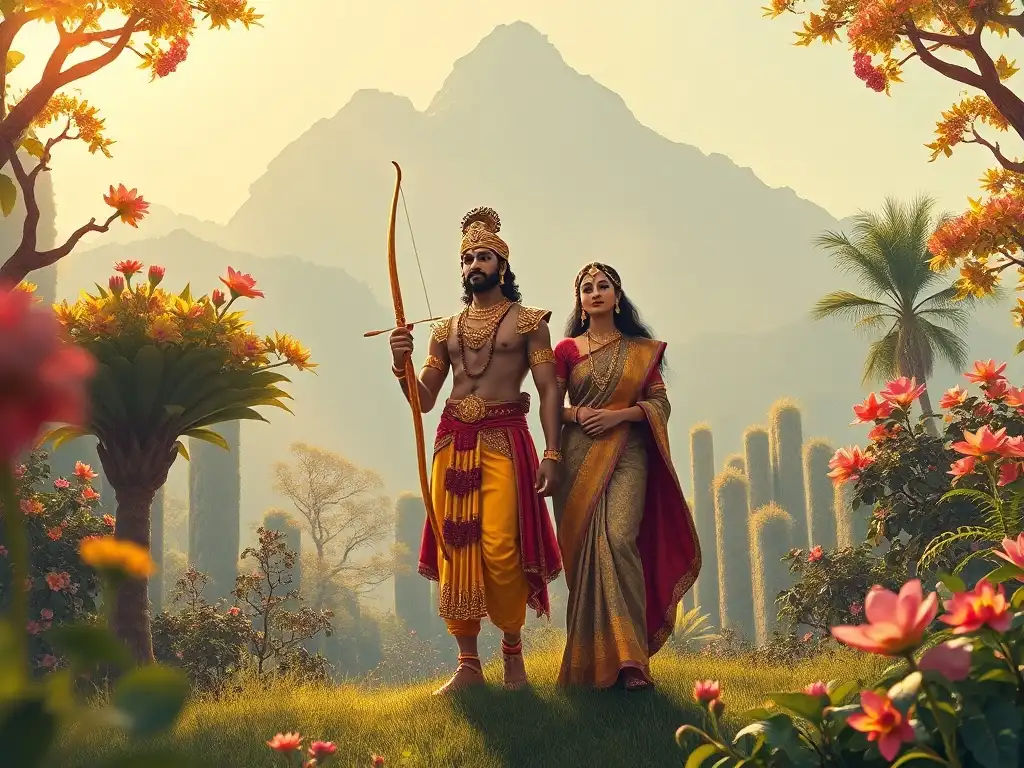
The Ramayana is not merely a tale of adventure and romance; it intricately weaves themes of identity and belonging into its narrative fabric. The exploration of identity, particularly within the context of ancient Indian society, is pivotal in understanding the characters and their journeys. The epic provides a multifaceted view of how identity is shaped by personal experiences, societal roles, and cultural expectations, resonating with readers across generations.
Defining Identity within the Epic
In the context of the Ramayana, identity is defined through a combination of personal attributes, societal roles, and moral values. The epic presents identity as a dynamic construct that evolves in response to challenges and circumstances. Key aspects include:
- Cultural Identity: Characters are often defined by their adherence to dharma (righteousness) and their roles within the social hierarchy. This adherence influences their choices and actions throughout the narrative.
- Personal Identity: The internal struggles of characters reflect their quest for self-awareness and authenticity. Characters like Rama and Sita grapple with their identities in the face of adversity.
- Collective Identity: The Ramayana also explores the identity of groups, such as the Vanaras (monkey warriors) and their loyalty to Rama, emphasizing a shared sense of purpose and belonging.
Through these lenses, the Ramayana invites readers to reflect on their own identities and the factors that shape them.
Characters Reflecting the Themes of Identity
The characters in the Ramayana serve as embodiments of its themes of identity, each contributing uniquely to the exploration of belonging, duty, and self-realization.
Rama: The Ideal Man and His Search for Identity
Rama, the protagonist, represents the archetype of the "ideal man." His journey is marked by a profound quest for identity as he navigates the complexities of duty and personal desire. Key points include:
- Exile and Self-Discovery: Rama's exile is not just a physical journey but a transformative experience that challenges his understanding of identity. Stripped of royal status, he learns to define himself beyond his lineage.
- Moral Dilemmas: Throughout the epic, Rama faces moral dilemmas that test his adherence to dharma. His decisions reflect an ongoing negotiation between personal beliefs and societal expectations, illustrating the struggle to maintain one's identity amidst external pressures.
- Role as a Leader: Rama's identity as a leader is also pivotal. His ability to inspire loyalty and courage in others reinforces his role as a figure of strength, highlighting how identity can be shaped by the perceptions and expectations of those around him.
Sita: Identity and Agency in a Male-Dominated Society
Sita's character is central to the exploration of feminine identity and agency within the Ramayana:
- Complexity of Identity: Sita's identity is multifaceted, shaped by her roles as a daughter, wife, and mother. Her experiences reflect the societal expectations placed on women in ancient India, particularly in the context of loyalty and sacrifice.
- Agency and Resistance: Despite the constraints of a male-dominated society, Sita demonstrates agency through her actions. Her abduction by Ravana challenges her identity as a devoted wife, and her subsequent efforts to reclaim her agency highlight her resilience.
- Cultural Reflection: Sita's trials serve as a commentary on women's identity in ancient Indian culture, raising questions about autonomy, honor, and societal roles. Her character invites readers to reconsider the dynamics of gender and identity.
Hanuman: The Quest for Belonging and Loyalty
Hanuman, the devoted monkey god, embodies themes of loyalty and belonging within the narrative:
- Loyalty and Service: Hanuman's unwavering loyalty to Rama is a testament to the strength of his identity. His dedication transcends personal ambitions, reflecting a deep sense of belonging to the larger narrative of dharma.
- Transformation and Identity: Hanuman's journey from a humble monkey to a divine warrior illustrates the transformative power of service and devotion. His identity evolves as he embraces his role in Rama's mission, emphasizing how belonging can shape one’s sense of self.
- Cultural Symbolism: As a symbol of devotion and courage, Hanuman's character resonates with themes of collective identity, reflecting the importance of community and shared purpose in defining personal identity.
The Ramayana's themes of identity are intricately woven through its characters and their journeys. By examining the complexities of personal, cultural, and collective identities, the epic invites readers to explore their own experiences of belonging and self-understanding.
Cultural Context of Identity in the Ramayana
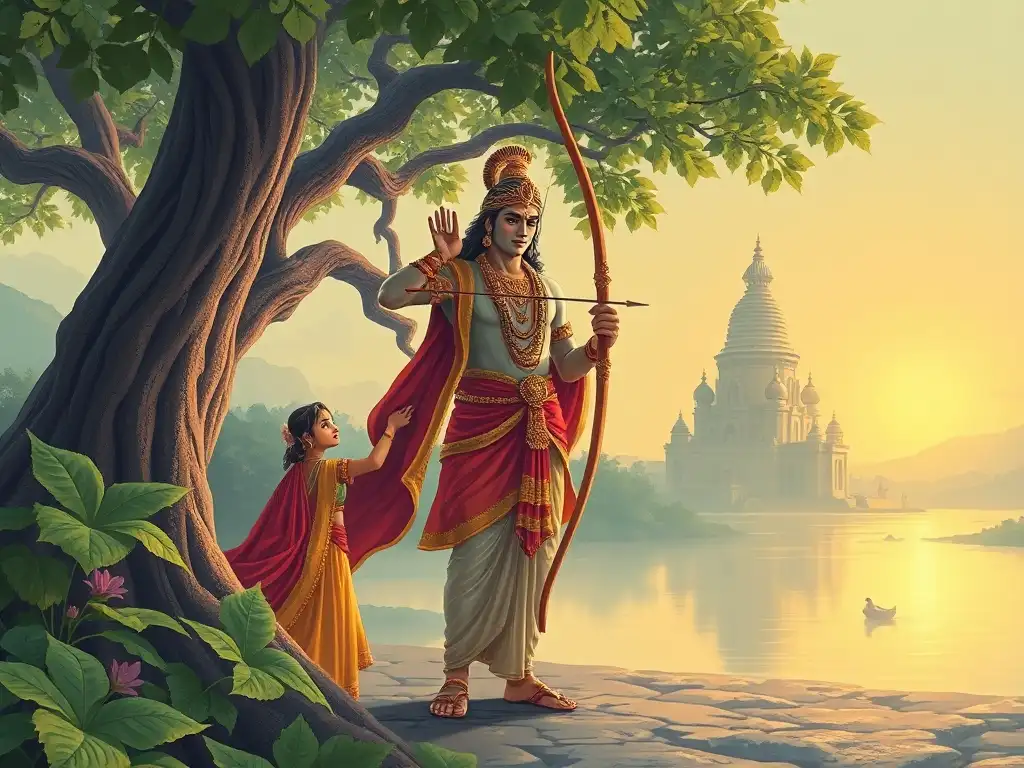
The Ramayana, one of the two major Sanskrit epics of ancient Indian literature, intricately weaves themes of identity and belonging into its narrative. Understanding these themes requires a deep dive into the cultural context in which the epic was composed and the values it espouses. The Ramayana reflects the societal norms, religious beliefs, and philosophical tenets of ancient India, all of which contribute to the formation of identity both at an individual and collective level.
Historical Background of the Ramayana
The Ramayana is traditionally attributed to the sage Valmiki and is believed to have been composed between the 5th century BCE and the 1st century CE. This period was marked by significant political and cultural transformations in India. The rise of kingdoms and the establishment of trade routes created a melting pot of ideas, philosophies, and identities.
The epic narrates the life of Lord Rama, an incarnation of the god Vishnu, whose journey to rescue his wife Sita from the demon king Ravana serves as a backdrop for exploring concepts of duty, honor, and righteousness. These themes are not just personal struggles; they represent the collective identity of the people in ancient India, emphasizing the importance of adhering to societal roles and responsibilities.
The Role of Dharma in Shaping Identity
Dharma, a key concept in Indian philosophy, refers to the moral and ethical duties that individuals must follow. In the Ramayana, dharma plays a crucial role in defining the characters' identities and their sense of belonging within society.
- Rama's Adherence to Dharma: Rama’s unwavering commitment to dharma, even in the face of personal loss and hardship, illustrates the ideal of a righteous king. His identity is closely tied to his role as a protector and upholder of dharma, showcasing how individual identity can be shaped by societal expectations.
- Sita's Trials and Strength: Sita’s character further explores the theme of identity through her trials. Her unwavering fidelity and strength in overcoming adversity highlight the feminine ideals of virtue and resilience, reinforcing her identity as a devoted wife and a strong woman in her own right.
- Ravana's Antithesis: Conversely, Ravana’s identity as the antagonist is shaped by his disregard for dharma. His actions serve as a cautionary tale about the consequences of straying from moral and ethical codes, illustrating the importance of maintaining one's identity within the framework of societal values.
Influence of the Ramayana on Indian Society and Culture
The Ramayana's exploration of identity has had a profound impact on Indian society and culture throughout the centuries. Its themes resonate across various aspects of life, influencing:
- Literature and Arts: The narrative has inspired countless adaptations in literature, theater, and art forms. The portrayal of characters and their struggles has provided a rich source of inspiration for artists and writers, shaping cultural expressions of identity.
- Religious Practices: The Ramayana is not merely a story; it is woven into the fabric of Hindu worship and rituals. Festivals such as Diwali celebrate the victory of Rama over Ravana, reinforcing the values of righteousness and the communal identity that arises from shared beliefs.
- Social Norms: The ideals presented in the Ramayana continue to shape social norms surrounding family, duty, and honor. The epic serves as a reference point for discussions on morality, ethics, and the roles individuals play within their communities.
The Ramayana's themes of identity are deeply embedded in the cultural context of ancient India. Through its characters and narrative arcs, it provides insights into the complexities of personal and collective identity, demonstrating how these themes remain relevant in contemporary society. The interplay of duty, virtue, and societal expectations in the epic continues to influence Indian identity, making it an enduring work of epic literature.
Themes of Belonging in the Ramayana
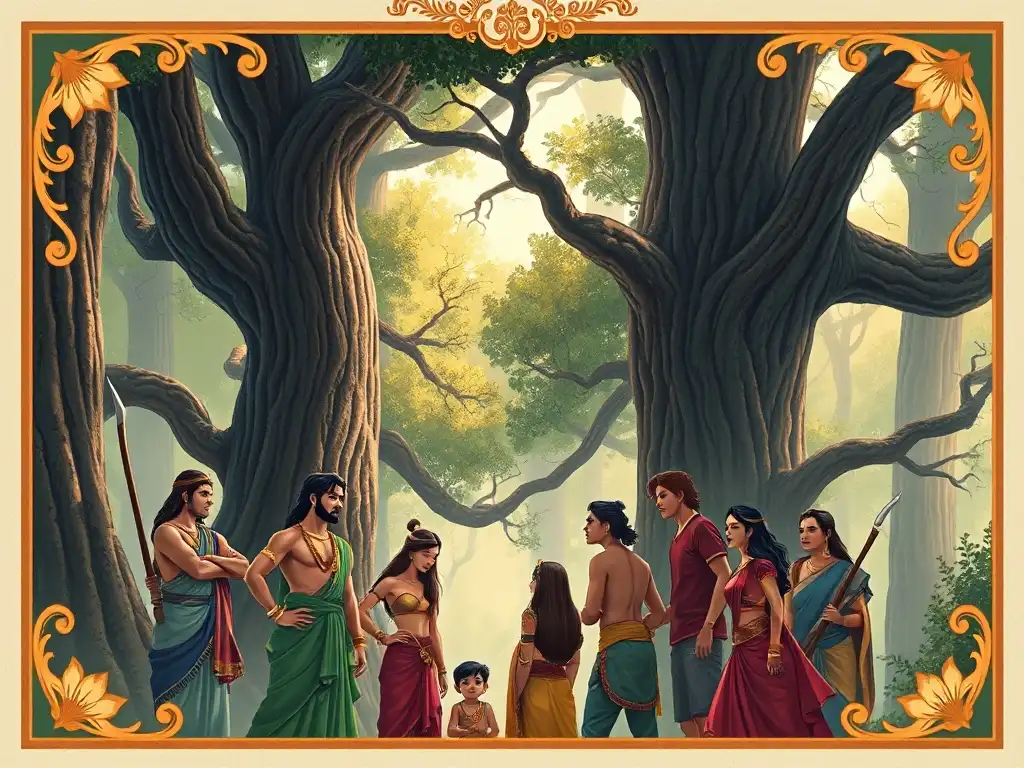
The "Ramayana," one of the two major Sanskrit epics of ancient Indian literature, delves deeply into the themes of identity and belonging. Throughout the narrative, the characters navigate complex social structures and familial bonds that shape their identities. The exploration of belonging in the "Ramayana" is not merely a backdrop; it is a central theme that influences the actions and motivations of its characters, reflecting the values and norms of ancient Indian society.
The Concept of Belonging in Ancient Indian Society
Belonging in ancient Indian society was defined by a web of relationships that encompassed family, caste, and community. The "Ramayana" presents an intricate portrayal of these relationships, emphasizing that one's identity is often intertwined with the collective identity of the family and society.
- Caste System and Identity: The epic highlights how caste influences social standing and belonging. Characters like Rama and Sita are depicted as ideal members of the Kshatriya (warrior) class, embodying the virtues associated with their status. Their adherence to dharma (duty/righteousness) reinforces their identity within their caste.
- Cultural Heritage: The "Ramayana" serves as a cultural touchstone, promoting values such as loyalty, honor, and duty. These values create a sense of belonging among characters and their communities. For instance, the bond between Rama and his brothers underscores the significance of familial loyalty, showcasing how collective identity is built on mutual respect and support.
Family and Community Ties as Reflected in the Ramayana
Family ties are pivotal in the "Ramayana," shaping each character's actions and decisions. The relationships between parents, siblings, and spouses highlight the importance of familial bonds in establishing one’s identity.
- Rama and Sita: The relationship between Rama and Sita epitomizes the ideal marital bond in ancient Indian society. Their devotion to each other and their families reflects a profound sense of belonging, as they navigate challenges together. Sita’s abduction by Ravana tests this bond and becomes a catalyst for Rama’s journey, reinforcing the idea that personal identity is linked to family loyalty.
- Brotherhood and Sacrifice: Rama's relationship with his brothers—particularly Lakshmana—illustrates the depth of brotherly love and sacrifice. Lakshmana's unwavering support during Rama's exile signifies the strength of familial ties, emphasizing that belonging is often demonstrated through actions of loyalty and sacrifice.
- Community Dynamics: The "Ramayana" also explores the role of community in shaping identity. Characters like Hanuman and the Vanaras (monkey warriors) exemplify the concept of belonging to a larger collective. Their allegiance to Rama and the fight against Ravana highlight the importance of community support in overcoming adversity.
Exile and Its Impact on Identity and Belonging
Exile is a significant theme in the "Ramayana," impacting the characters' sense of identity and belonging. Rama's exile serves as a narrative device to explore the complexities of identity when removed from one’s familiar surroundings.
- Rama’s Transformation: During his exile, Rama undergoes a transformation that deepens his understanding of duty and responsibility. This period of separation from his kingdom and family forces him to grapple with his identity as a prince and a husband, ultimately reinforcing his commitment to dharma.
- Sita's Isolation: Sita’s experience during Rama’s exile, particularly her abduction and subsequent trials, illustrates the impact of enforced separation on personal identity. Her struggle to maintain her sense of self amidst trauma speaks to broader themes of resilience and belonging, even in the face of adversity.
- Return and Reintegration: The eventual return of Rama and Sita to Ayodhya symbolizes the restoration of identity and belonging. Their homecoming is marked by a reaffirmation of their roles and responsibilities within the community, emphasizing that belonging is not merely a state of being but a dynamic process that evolves through experiences and relationships.
The "Ramayana" intricately weaves themes of belonging and identity, portraying how these concepts manifest in individual lives and societal structures. The epic remains a profound exploration of what it means to belong, resonating with readers across generations.
Comparative Analysis of Identity Themes in the Ramayana
Contrasting Identity with Other Epic Texts
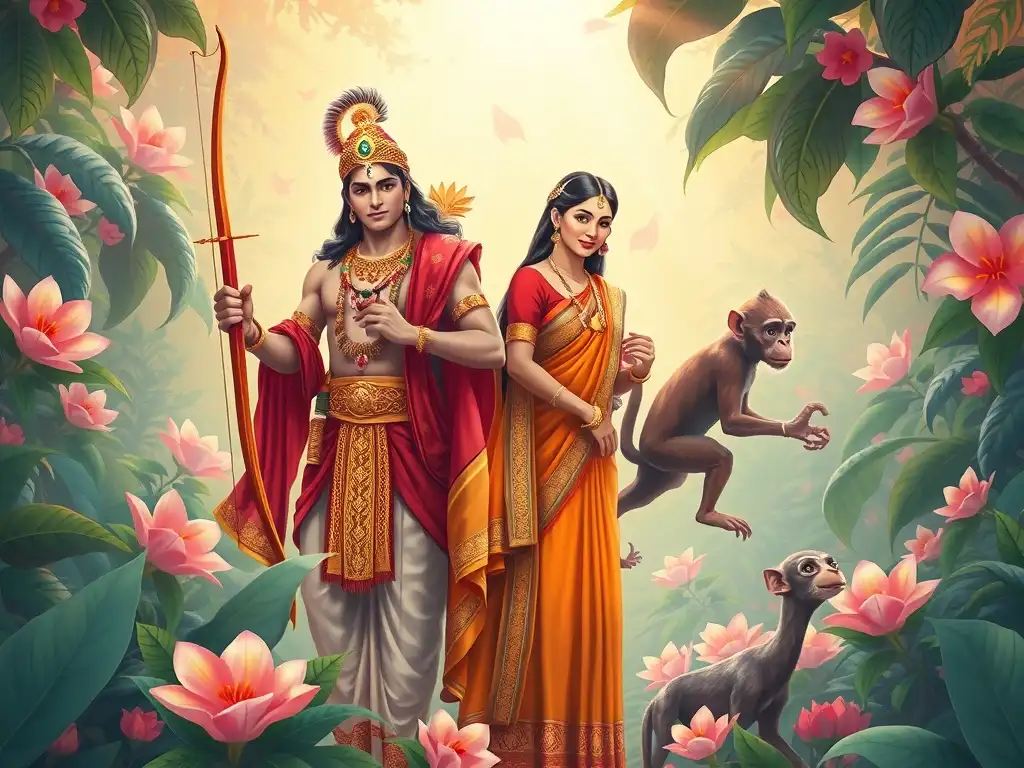
The Ramayana offers a profound exploration of identity, particularly through its characters and their journeys. When compared with other epic texts, such as the Mahabharata, distinct contrasts emerge, revealing varied interpretations and representations of identity.
While the Ramayana focuses on the dichotomy of good versus evil, often encapsulated in the personas of Rama and Ravana, the Mahabharata delves into the complexities of human nature and moral ambiguity. In the Mahabharata, characters like Yudhishthira and Draupadi grapple with their identities amid ethical dilemmas, illustrating a more multifaceted view of identity that encompasses personal, familial, and societal roles.
Moreover, the Ramayana emphasizes the concept of dharma (duty) as a guiding force for identity formation. This notion contrasts sharply with the Mahabharata, where the characters’ identities are often challenged by conflicting duties. For instance, Yudhishthira's struggle with truth and his role as a king highlights a more intricate exploration of identity influenced by circumstance and moral choices.
Other Ancient Indian Epics and Their Exploration of Belonging
Beyond the Ramayana and Mahabharata, ancient Indian literature encompasses several other epics that delve into themes of identity and belonging. Texts such as the Puranas and the Ashtavakra Gita present alternative frameworks for understanding one's place in the world.
- Puranas: These texts, while primarily mythological in nature, also address the identity of deities and their relationships with humanity. For instance, stories of Vishnu's avatars explore the concept of divine identity and its connection to human experiences, emphasizing the idea that identity is both individual and collective.
- Ashtavakra Gita: This philosophical dialogue explores the essence of self and the notion of belonging beyond physical and social identities. It presents a non-dualistic view, suggesting that true identity transcends worldly attachments, which can resonate with contemporary interpretations of identity in a spiritual context.
The examination of identity themes across different epic texts reveals a rich tapestry of interpretations. While the Ramayana emphasizes the clarity of good versus evil and the importance of dharma, other texts present more nuanced views of identity that consider the complexities of human experience and the quest for belonging. By understanding these themes, readers can appreciate how ancient Indian epics collectively contribute to the discourse on identity and belonging.
Lessons on Identity and Belonging from the Ramayana
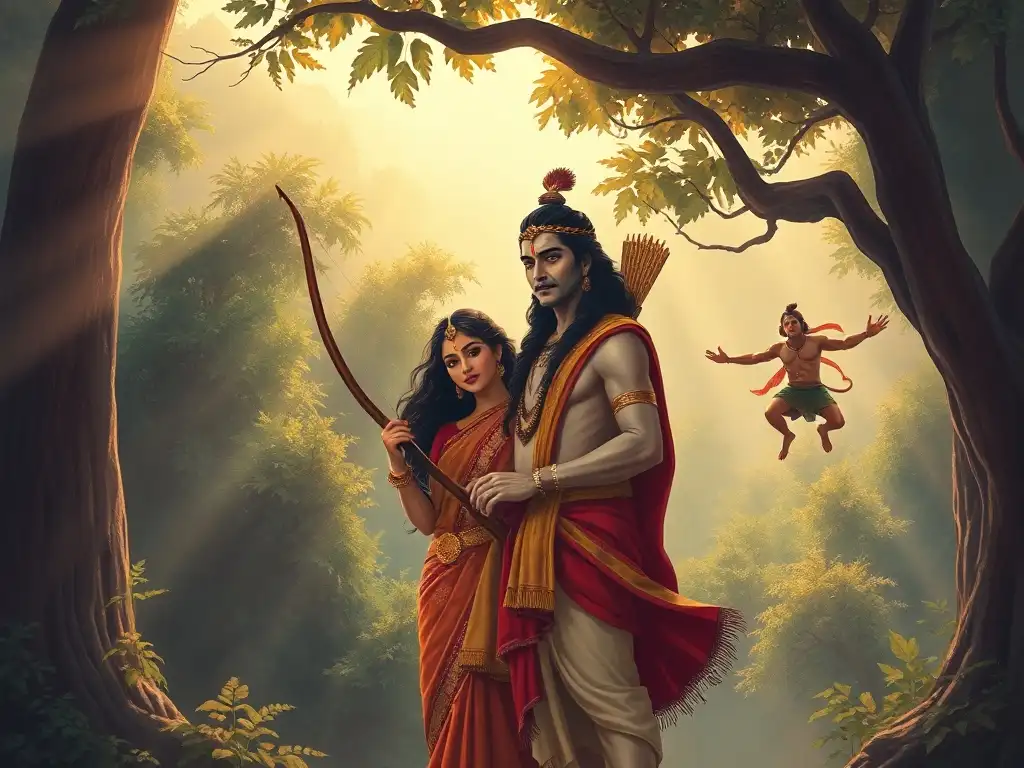
The Ramayana, an ancient Indian epic attributed to the sage Valmiki, is not only a tale of adventure and heroism but also a profound exploration of themes of identity and belonging. Through its characters and narratives, the Ramayana conveys critical lessons that resonate with the complexities of human identity, providing insights that go beyond the confines of time and culture.
Moral and Ethical Implications of Identity
The Ramayana presents a rich tapestry of characters whose identities are shaped by their relationships, duties, and moral choices. Central to these narratives are the concepts of dharma (duty/righteousness) and svadharma (one's own duty), which dictate how individuals navigate their identities within the societal framework.
- Rama's Identity: As an ideal king and son, Rama embodies the principles of dharma. His decision to accept exile for the sake of his father's honor exemplifies the struggle between personal desires and familial obligations. This highlights the idea that identity is often intertwined with communal responsibilities.
- Sita's Role: Sita, as Rama's wife, represents the ideal of womanhood and loyalty. Her trials, particularly during her abduction by Ravana, challenge her identity as she grapples with societal perceptions of virtue, chastity, and strength. Sita's resilience in reclaiming her identity amidst adversity serves as a powerful commentary on the complexities faced by women in society.
- Hanuman's Devotion: Hanuman's unwavering loyalty to Rama reflects the theme of identity through service and devotion. His role as a bridge between the divine and the mortal realms underscores the importance of finding one's place within a larger narrative, suggesting that true identity can be discovered through service to others.
These moral and ethical implications emphasize that identity is not static; it evolves through interactions with others, societal expectations, and personal choices.
The Relevance of Ramayana's Themes in Contemporary Society
The themes of identity and belonging present in the Ramayana are profoundly relevant to contemporary society, as they address universal human experiences.
- Cultural Identity: In today's globalized world, individuals often navigate multiple cultural identities. The Ramayana illustrates the importance of understanding and embracing diverse identities while remaining connected to one's roots. This is particularly salient for diasporic communities that seek to reconcile their heritage with their present realities.
- Gender and Identity: The challenges faced by characters like Sita resonate with modern discussions on gender roles and expectations. The epic prompts critical reflection on how societal norms shape female identity and the ongoing struggle for agency and equality in contemporary contexts.
- Community and Belonging: The Ramayana's exploration of brotherhood, loyalty, and friendship illustrates the significance of community in shaping personal identity. In an era where social isolation is prevalent, the epic serves as a reminder of the value of connections and the shared narratives that bind us together.
- Moral Compass: The ethical dilemmas faced by the characters in the Ramayana encourage readers to reflect on their own moral choices. As individuals grapple with issues of integrity, duty, and belonging in today's complex world, the timeless lessons from the Ramayana can guide them in their quest for identity.
The Ramayana themes of identity are not merely relics of ancient lore but are actively engaged with the challenges and questions that define human existence across cultures and epochs. Through its rich narratives, the epic continues to inspire and provoke thought on the nature of identity and the quest for belonging in an ever-changing world.
Conclusion: The Enduring Legacy of Identity in the Ramayana
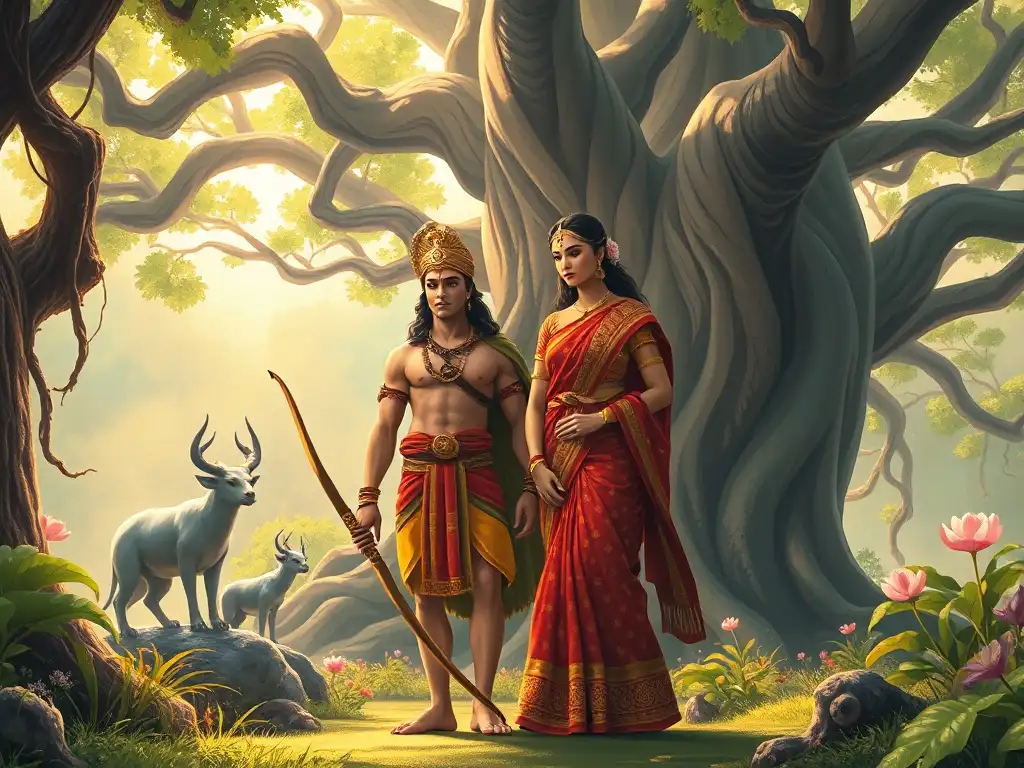
The Ramayana, as a foundational epic of ancient Indian literature, serves not just as a story of heroism and adventure but as a profound exploration of identity and belonging. Central to its narrative are themes that resonate with the complexities of human experience, emphasizing how identity shapes individual destinies and social norms. The characters in the Ramayana, from the noble Rama to the resilient Sita, grapple with their identities in the face of societal expectations, familial duties, and personal aspirations.
Reflection on How Identity Shapes Culture
The Ramayana articulates a multifaceted view of identity, reflecting the cultural tapestry of ancient India. Each character embodies distinct aspects of identity, showcasing various roles within society:
- Rama: Represents the ideal man, embodying dharma (duty) and righteousness. His identity is shaped by his roles as a son, husband, and king.
- Sita: Symbolizes strength, purity, and devotion. Her identity challenges traditional gender roles, illustrating the struggles women face in asserting their own identities within patriarchal structures.
- Hanuman: Serves as a model of loyalty and devotion, highlighting the importance of recognizing one’s place within a larger narrative.
Through these characters, the Ramayana conveys how identities are constructed, challenged, and reaffirmed in response to cultural values and communal expectations. It showcases that identity is not a static concept but an evolving narrative influenced by relationships and societal context.
The Continuing Influence of the Ramayana on Modern Interpretations of Identity
In contemporary society, the themes of identity in the Ramayana continue to inspire interpretations that resonate with modern sensibilities. Scholars and practitioners delve into its narratives to explore:
- Cultural Identity: The Ramayana serves as a touchstone for understanding regional identities within India, as different adaptations reflect local customs, languages, and traditions. This diversity illustrates the epic's role in shaping a collective Indian identity while also honoring regional variations.
- Gender Studies: Modern readings of the Ramayana have sparked discussions about gender roles and the portrayal of female characters. Feminist interpretations scrutinize Sita's agency and the expectations placed upon her, inviting contemporary readers to reassess traditional narratives through a critical lens.
- Psychological Perspectives: The epic's exploration of identity has found relevance in psychology, where readers analyze characters' journeys as metaphors for personal growth and self-discovery. The trials faced by Rama and Sita resonate with individuals navigating their own struggles for identity and belonging.
The Ramayana’s exploration of identity remains a vital discourse within both historical and contemporary contexts. Its themes of identity continue to provide insights into human behavior, societal structures, and cultural narratives, affirming the epic’s enduring legacy as a cornerstone of ancient Indian literature and a timeless source for understanding the complexity of human identity.
References
Key Texts and Commentaries on the Ramayana
The Ramayana, attributed to the sage Valmiki, stands as one of the foundational texts of Indian epic literature, encapsulating themes of identity, duty, and morality. Numerous translations and commentaries have emerged over the centuries, each offering unique perspectives on its intricate narratives and profound philosophical inquiries. Here are some notable texts and commentaries:
- Valmiki's Ramayana
- The original Sanskrit text, comprising seven Kandas (books), provides the primary narrative.
- Notable translations include:
- R.K. Narayan's retelling, which simplifies the narrative for modern readers while retaining its core themes.
- Arshia Sattar's translation, praised for its faithfulness to the original verses and its literary quality.
- Tulsidas's Ramcharitmanas
- A Hindi retelling that emphasizes devotion (bhakti) and moral values.
- Tulsidas's interpretation contributes to the understanding of identity through the lens of devotion, portraying characters in relation to their divine counterparts.
- Commentaries by Scholars
- K. S. Ramachandran: Explores the socio-political dimensions of the Ramayana, shedding light on how identities are shaped by cultural and historical contexts.
- Ananda K. Coomaraswamy: Analyzes the philosophical aspects of the Ramayana, particularly the interplay of individual and collective identities.
- Modern Analyses
- "The Ramayana: A Modern Retelling" by Ramesh Menon: Offers insights into contemporary issues of identity, gender, and morality, making the ancient text relevant to modern readers.
- "Ramayana and the Ethics of War" by S. R. Bhatt: Discusses the ethical dilemmas faced by characters, elucidating the theme of identity in relation to duty and honor.
Further Reading on Identity in Ancient Indian Literature
The exploration of identity in ancient Indian literature extends beyond the Ramayana, encompassing various texts that delve into the complexities of selfhood, belonging, and societal roles. Here are some recommended readings that offer deeper insights into these themes:
- Mahabharata
- Another epic that addresses identity through its multifaceted characters and their struggles with duty (dharma) and morality.
- Key themes include rivalry, kinship, and the quest for self-identity amidst conflict.
- Buddhist Texts
- Dhammapada: Provides insights into personal identity and the nature of selfhood, emphasizing the transient nature of existence.
- Jataka Tales: Illustrate moral lessons through the rebirth stories of the Buddha, touching on themes of identity across lifetimes.
- Sanskrit Poetry
- Kalidasa's Works: Such as "Shakuntala," explore identity through love, nature, and existential questions, reflecting societal values and personal dilemmas.
- Bhavabhuti's "Malati-Madhava": Examines identity in the context of love and societal expectations, highlighting the tension between personal desires and social duties.
- Philosophical Texts
- The Upanishads: Discuss the nature of the self (Atman) and its relationship to the universe (Brahman), providing a metaphysical perspective on identity.
- Yoga Sutras of Patanjali: Explore the journey towards self-realization and the pursuit of inner identity through spiritual practices.
These texts collectively enrich the understanding of identity in ancient Indian literature, allowing readers to explore the diverse portrayals of selfhood, belonging, and the interplay between individual and collective identities.
Frequently Asked Questions
The Ramayana explores themes of identity through the characters' struggles with duty, honor, and personal relationships. These themes reflect how individuals define themselves within the context of their societal roles.
How does the Ramayana address the concept of belonging?
The epic illustrates belonging through the relationships between characters, emphasizing the importance of family, community, and loyalty in shaping one's identity. Characters often seek to reconcile their personal desires with their responsibilities to others.
In what ways do characters in the Ramayana experience identity crises?
Characters such as Sita and Rama face profound identity crises when their loyalty is challenged. Their journeys reveal the complexities of maintaining one's identity while adhering to societal expectations and personal values.
How does the Ramayana influence modern interpretations of identity?
The themes of identity and belonging in the Ramayana continue to resonate in modern contexts, influencing literature, cinema, and discussions on cultural identity. It prompts individuals to reflect on their own identities and the roles they play in society.
What lessons on identity can be drawn from the Ramayana?
The Ramayana teaches that identity is multifaceted and can be influenced by cultural heritage, relationships, and personal choices. It encourages readers to embrace their unique identities while recognizing their connections to a larger community.
Final Reflection: The Ramayana's Enduring Quest for Identity and Belonging
The themes of identity explored in the Ramayana resonate profoundly in today's world, where individuals grapple with their sense of self amidst the complexities of modern society. As we navigate our own journeys, the timeless narratives of Rama, Sita, and their companions remind us that the quest for identity and belonging is universal and ever-relevant. In a time where cultural and personal identities are frequently challenged, the Ramayana offers a lens through which we can examine our own experiences and the roles we play in the tapestry of life.
The Ramayana's exploration of identity not only shapes our understanding of the characters within its pages but also reflects the ongoing struggles of individuals in contemporary society. The epic serves as a mirror, revealing the intricate dynamics of belonging and the search for one's place in the world. As we witness Rama's trials and Sita's resilience, we are reminded of the words of philosopher Martin Buber: All real living is meeting.
This sentiment encapsulates the essence of the Ramayana, emphasizing that our identities are forged through our relationships and interactions with others.
As you reflect on the themes of identity presented in the Ramayana, consider how these lessons can be applied to your own life. Embrace the complexity of your identity and recognize the power of connection in shaping who you are. Let the stories of Rama and Sita inspire you to seek belonging not just in external validation but in the authenticity of your relationships. In doing so, you will not only honor the legacy of the Ramayana but also embark on a transformative journey toward self-discovery and communal harmony.
Embrace Your Journey of Identity and Belonging!
Thank you for joining us on this enlightening exploration of the Ramayana! You've gathered insights into the intricate themes of identity and belonging that resonate through ancient tales and continue to echo today. Now, it’s time to take these reflections further and engage with your sense of self and community.
Here are a few impactful actions you can take right now:
- Dive deeper into self-reflection: Take a moment to journal about your own journey of identity. Consider the experiences and stories that shape who you are today.
- Share your thoughts: Initiate a conversation with friends or family about the themes of belonging found in the Ramayana—how do these themes relate to your own lives?
- Join a community: Seek out local or online groups dedicated to discussions of Indian epics; sharing your insights can enhance both your understanding and connection with others!
Reflect on which aspects of your identity are most influenced by the stories you've learned, and consider how they inspire your everyday choices.