
The Significance of Mantras in Vedic Literature

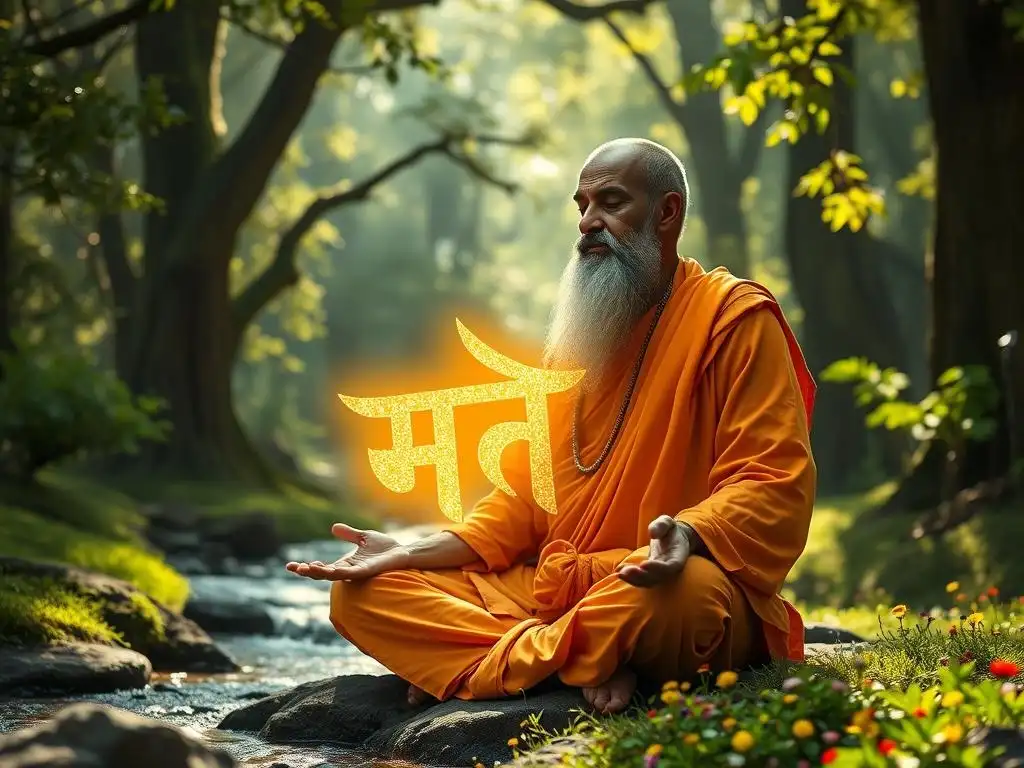
Welcome to Ancient India History, where we embark on a fascinating journey through the rich tapestry of ancient Indian civilizations. Here, we delve into the profound importance of mantras in Vedic literature, a topic that reveals the spiritual essence and cultural depth of the Vedic tradition. As you explore this intricate world, you'll uncover how these sacred sounds shaped the beliefs, practices, and philosophies that have influenced countless generations.
Join us as we unravel the significance of these timeless verses and their enduring legacy in the epic narrative of India’s past. Your adventure into the heart of ancient wisdom begins now!

In the rich tapestry of ancient Indian civilization, the Vedic literature stands as a monumental pillar, encapsulating profound philosophical insights, rituals, and spiritual practices. Central to this corpus are mantras—sacred utterances that not only serve as a means of invocation but also embody deep metaphysical significance. Understanding the importance of mantras in Vedic texts is crucial for grasping the spiritual and cultural ethos of ancient India. This article delves into the various dimensions of mantras within Vedic literature, exploring their definitions, types, and the historical context that gives them substance.
Introduction to Vedic Literature
The Vedic literature, composed in Sanskrit, is among the oldest religious texts known to humanity, dating back to approximately 1500-500 BCE. These texts form the foundation of Hindu philosophy and spirituality, delineating the principles that govern moral and ethical living. The Vedas, as these texts are collectively called, comprise four main collections: the Rigveda, Samaveda, Yajurveda, and Atharvaveda, each offering unique insights into the spiritual practices and societal norms of ancient India.
Overview of Vedic Texts
The Vedas encompass a vast array of knowledge, including hymns, rituals, and philosophical discourses. They can be broadly categorized into:
- Samhitas: Collections of hymns and mantras.
- Brahmanas: Prose texts that explain the rituals and their significance.
- Aranyakas: Texts that serve as a bridge between ritualistic practices and philosophical thought.
- Upanishads: Philosophical treatises that explore the nature of reality and the self.
Each of these categories contributes to the holistic understanding of Vedic traditions, with mantras playing a pivotal role in connecting the spiritual with the practical.
Historical Context of the Vedas
The Vedas were composed during a time of significant cultural and technological advancements in ancient India. The early Vedic society was primarily pastoral and agrarian, with a deep reverence for natural elements. Over centuries, as the society evolved into a more complex structure, the Vedas adapted, incorporating new ideas and practices while retaining their core spiritual significance. This historical backdrop helps illuminate why mantras emerged as vital components of Vedic rituals, serving both a practical purpose in ceremonies and a deeper role in spiritual evolution.
Understanding Mantras
Mantras are more than mere words; they are considered the essence of the divine, possessing inherent power and vibration. In Vedic tradition, mantras are believed to transcend the physical realm, connecting practitioners with higher states of consciousness and the cosmic order.
Definition of Mantras in Vedic Tradition
A mantra is typically defined as a sound, syllable, word, or group of words that are considered capable of spiritual transformation. The term "mantra" itself comes from two Sanskrit roots: "man", meaning to think, and "tra," meaning instrument. Thus, a mantra can be viewed as an instrument of thought, guiding the mind toward higher awareness and facilitating communication with the divine.
Types of Mantras
In Vedic literature, mantras can be categorized into various types, each serving distinct purposes:
- Sankalpa Mantras: Invocations of intention or will.
- Prarthana Mantras: Prayers for blessings and guidance.
- Upasana Mantras: Meditative formulas used in worship and devotion.
- Shanti Mantras: Chants for peace and harmony.
Each type of mantra plays a significant role in rituals, meditative practices, and the daily lives of practitioners, reinforcing the importance of mantras in Vedic literature and their enduring relevance in contemporary spiritual practices.
Importance of Mantras in Vedic Practices
Mantras hold a central place in Vedic literature, serving as fundamental elements in various religious and spiritual practices. The importance of mantras in Vedic traditions can be attributed to their profound effects on the mind, body, and spirit. A mantra is a sacred sound, syllable, word, or group of words that is believed to possess spiritual potency. When chanted or meditated upon, mantras are thought to facilitate a connection with higher states of consciousness and divine energies.
In the context of Vedic practices, mantras are not merely linguistic constructs; they embody the essence of the universe itself. They are often used to invoke deities, express devotion, and seek blessings for personal or communal welfare. The repetitive chanting of mantras can also create an atmosphere conducive to spiritual awakening, providing practitioners with clarity, focus, and a sense of peace.
In essence, the importance of mantras in Vedic practices lies in their ability to act as vehicles for spiritual transformation, connecting practitioners with the cosmic order and facilitating their journey towards self-realization.
Role of Mantras in Rituals and Sacrifices
In ancient Vedic rituals, mantras play a pivotal role in ensuring the success and efficacy of sacrifices (yajnas). Each ritual is meticulously designed, and the chanting of specific mantras is essential to invoke the presence of deities and establish a sacred atmosphere. The Vedic texts detail various mantras to be recited at different stages of rituals, emphasizing their connection to the cosmic forces.
The precise pronunciation and intonation of mantras are believed to influence their potency. For example, during a yajna, mantras are recited to invite divine energies that bless the offerings made to the fire (agni), which acts as a mediator between the human and divine realms. The ritualistic use of mantras not only serves to fulfill worldly desires but also aims to align the practitioner's intentions with the universal order, thereby promoting harmony and balance in the cosmos.
Additionally, the communal aspect of chanting mantras during rituals fosters a sense of unity among participants, reinforcing social bonds and collective consciousness. This highlights the multifaceted role of mantras in Vedic rituals, where they serve as instruments of connection, invocation, and transformation.
Mantras as Tools for Meditation and Spiritual Growth
Mantras are integral to meditation practices in Vedic traditions, functioning as tools that facilitate deeper states of awareness and spiritual growth. When used in meditation, mantras help practitioners focus their minds, reduce distractions, and enter states of tranquility. The act of repeating a mantra can lead to a rhythmic breathing pattern, which further enhances relaxation and mindfulness.
Through the practice of japa (the repetition of mantras), individuals can cultivate a profound sense of inner peace and connection to the divine. This process is believed to purify the mind and spirit, allowing practitioners to transcend ordinary consciousness and experience higher states of being. As practitioners progress in their meditation practices, they may discover deeper insights into themselves and the nature of existence.
Moreover, the transformative power of mantras is often linked to their vibrational qualities. The sound frequency of a mantra can resonate with the energies within and around a practitioner, fostering a sense of alignment with the universe. Thus, mantras not only serve as aids in meditation but also act as catalysts for personal transformation and spiritual evolution.
The Significance of Sound and Vibration in Mantras
The significance of sound and vibration in mantras is a fundamental aspect of their effectiveness in Vedic practices. Each mantra is composed of specific phonetic sounds that are believed to carry distinct vibrational frequencies. These frequencies can influence the physical, mental, and spiritual states of individuals who chant or meditate upon them.
According to Vedic philosophy, sound is the primordial force that creates and sustains the universe. Thus, chanting mantras is seen as a way to harness this cosmic sound energy to effect change in one’s life and environment. The vibrations produced by the sound of mantras can resonate with the subtle energies within the body, leading to healing and balance.
Furthermore, the practice of chanting mantras in a group setting amplifies these vibrations, creating a collective energetic field that enhances the spiritual experience. This communal chanting, known as kirtan, not only elevates individual consciousness but also fosters a sense of community and shared purpose among participants. Therefore, the significance of sound and vibration in mantras extends beyond individual practice, impacting both personal and communal spiritual journeys.
Theoretical Foundations of Mantras
The theoretical foundations of mantras in Vedic literature are deeply rooted in the philosophical and metaphysical principles that underpin ancient Indian thought. Mantras are not merely sounds; they are viewed as expressions of the fundamental truths of existence. The philosophical exploration of mantras reveals their role in bridging the material and spiritual realms.
Philosophical Underpinnings of Mantras in Vedic Thought
The philosophical underpinnings of mantras are closely tied to the concepts of Brahman (the ultimate reality) and Atman (the individual soul). In Vedic thought, mantras are seen as pathways to realizing the unity between the individual self and the universal consciousness. The repetitive chanting of mantras serves as a means to transcend the limitations of the ego and connect with the infinite.
Moreover, the Vedas articulate the idea that sound has intrinsic power. The concept of śabda (sound) is considered to be a manifestation of Brahman, and thus, when mantras are uttered, they resonate with the divine essence. This philosophical perspective leads to the understanding that engaging with mantras is a sacred practice that can lead to enlightenment and liberation (moksha).
Additionally, the metaphysical exploration of mantras delves into their role in the cosmic order. Mantras are often associated with natural forces and elements, suggesting that their recitation can harmonize individual actions with the larger workings of the universe. This intricate web of philosophical ideas highlights the profound significance of mantras in Vedic thought.
Connection between Mantras and Cosmic Principles
The connection between mantras and cosmic principles is a vital aspect of Vedic literature, emphasizing how mantras align human consciousness with the universal order. Each mantra is thought to correspond to specific cosmic energies or deities, embodying aspects of nature and existence. This relationship is often articulated through the concept of Mantra Shastra, which outlines the principles governing the use of mantras.
In Vedic cosmology, the universe is viewed as an interconnected system where every element influences the others. By reciting mantras, practitioners are believed to tap into these cosmic energies, facilitating a harmonious relationship between the microcosm (the individual) and the macrocosm (the universe). This interaction is crucial for personal well-being and collective harmony.
Furthermore, the cyclical nature of time in Vedic philosophy, represented by concepts such as yugas, underscores the importance of mantras in navigating the cosmic cycles. Each age is associated with different energies, and the appropriate mantras can be employed to align oneself with the prevailing cosmic conditions. This understanding reinforces the practical and spiritual significance of mantras in Vedic practices, making them essential tools for achieving balance and harmony in life.
The Impact of Mantras on Ancient Indian Culture
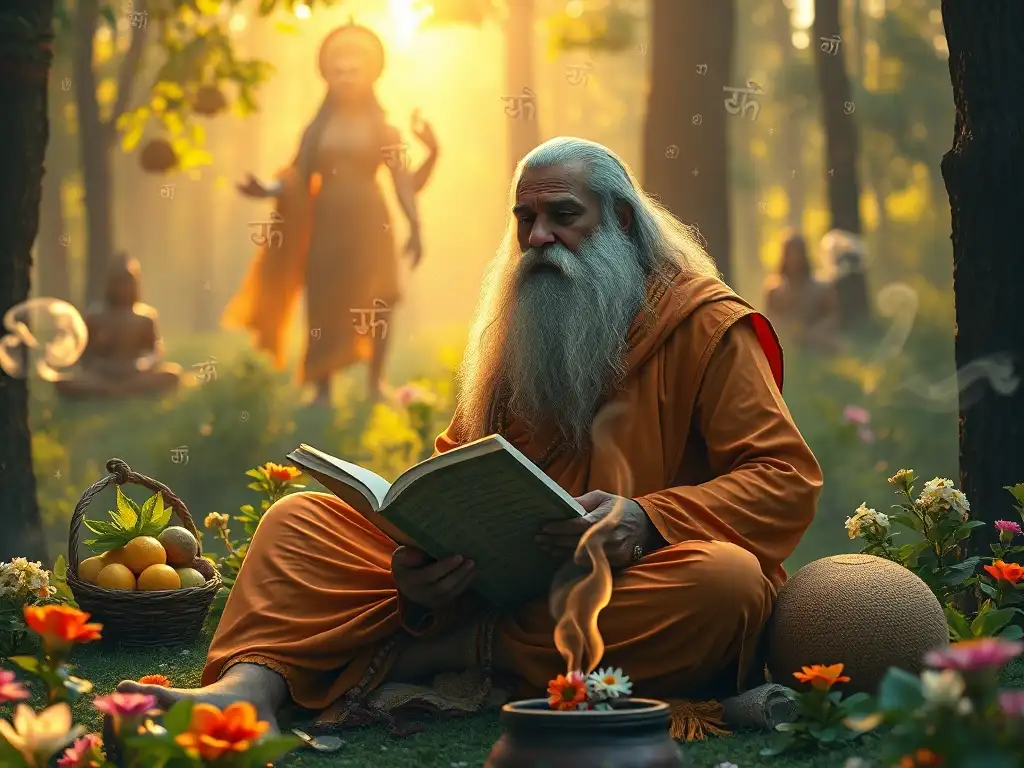
Mantras played a vital role in shaping the cultural and spiritual landscape of ancient India. These sacred sounds, phrases, or texts, often in Sanskrit, were not merely linguistic constructs but were believed to encapsulate divine energy and cosmic principles. The importance of mantras in Vedic literature can be seen in their widespread use in rituals, ceremonies, and daily practices, serving as conduits for spiritual insight and connection to the divine.
The repetition of mantras, known as japa, was practiced to attain mental clarity and spiritual elevation. This practice not only fostered individual spiritual growth but also contributed to a collective cultural identity, as communities engaged in shared rituals that reinforced social bonds and cultural values. Furthermore, mantras were integral to various aspects of life, from birth to death, signifying their comprehensive influence on the ancient Indian way of life.
Influence of Mantras on Art and Literature
The influence of mantras extended beyond spiritual practices into the realms of art and literature. Ancient Indian poets and playwrights often incorporated the rhythmic and melodic qualities of mantras into their works, enhancing the aesthetic experience. The chanting of mantras inspired various forms of classical music and dance, where the essence of the mantras infused the performances with emotional depth and spiritual significance.
Moreover, the oral tradition of reciting mantras contributed to the development of rich literary forms. Texts like the Upanishads and the Bhagavad Gita, which are steeped in Vedic philosophy, often reference mantras to convey profound truths and insights about existence, duty, and the nature of reality. This interweaving of mantras into various art forms signifies their central role in the cultural and intellectual heritage of ancient India.
Mantras in Ancient Indian Education and Learning
In ancient India, education was deeply intertwined with spiritual teachings, and mantras were central to the learning process. Gurukulas, the traditional centers of learning, emphasized the memorization and recitation of Vedic mantras as a means of imparting knowledge. Students learned not only the phonetics and meanings of these texts but also the significance of the vibrations created through their utterance.
The pedagogy of mantras was rooted in the belief that sound carries inherent power, and by mastering these sacred phrases, students could access greater wisdom and understanding of the Vedic teachings. This approach to education fostered a deep respect for language, sound, and the cosmic order, shaping the intellectual traditions of ancient India.
Contemporary Relevance of Mantras
In today's fast-paced world, the significance of mantras has not diminished; they continue to resonate with individuals seeking spiritual solace and mental clarity. The importance of mantras in Vedic literature is reflected in their adaptation in various modern practices, bridging ancient wisdom with contemporary needs.
Mantras in Modern Spiritual Practices
Modern spiritual practices have embraced mantras as tools for meditation, mindfulness, and emotional healing. Many individuals incorporate mantra chanting into their daily routines to cultivate inner peace and focus. Yoga studios and meditation centers often integrate Vedic mantras into their sessions, recognizing their ability to enhance the mind-body connection and elevate one's spiritual experience.
Furthermore, the therapeutic use of mantras has gained popularity, with practitioners advocating their efficacy in reducing stress, anxiety, and depression. The rhythmic repetition of mantras is believed to create a calming effect on the mind, promoting emotional stability and overall well-being.
The Resurgence of Vedic Mantras in Today's Society
There is a notable resurgence of interest in Vedic mantras in contemporary society, driven by a growing recognition of their historical and spiritual significance. This revival is seen in various cultural festivals, workshops, and online platforms where individuals gather to explore the teachings of the Vedas through mantra chanting and study.
The accessibility of Vedic literature through digital media has allowed a wider audience to engage with these ancient texts, leading to a renewed appreciation for the importance of mantras in Vedic culture. As more people seek authentic sources of spiritual wisdom, Vedic mantras are being rediscovered as timeless tools for personal transformation and communal harmony, ensuring their relevance for generations to come.
Conclusion
The study of the importance of mantras in Vedic literature reveals a profound intersection of spirituality, philosophy, and cultural identity in ancient Indian civilization. Mantras, being sacred sounds or phrases, serve as vital tools in rituals, meditation, and the pursuit of knowledge. They encapsulate the essence of Vedic wisdom, guiding practitioners towards spiritual awakening and self-realization. Through the chanting and recitation of mantras, individuals connect with the divine and invoke cosmic energies that facilitate personal and collective harmony.
Summary of the Importance of Mantras in Vedic Literature
Mantras hold a pivotal role in Vedic literature, functioning as both spiritual instruments and linguistic expressions. They are not merely words; they embody vibrations that resonate with the universe. Here are some key points summarizing their importance:
- Spiritual Significance: Mantras are believed to carry divine energy, aiding practitioners in their spiritual journeys. They enhance concentration, promote inner peace, and facilitate communion with the divine.
- Ritualistic Use: In Vedic rituals, mantras are chanted to invoke deities, mark significant life events, and offer gratitude. They are integral to ceremonies such as weddings, funerals, and festivals, bridging the gap between the material and spiritual worlds.
- Philosophical Depth: The study of mantras encourages philosophical inquiry into the nature of existence, consciousness, and the universe. They serve as a medium to explore metaphysical concepts and ethical living.
- Cultural Identity: Mantras are a significant part of the cultural heritage of India, reflecting the values, beliefs, and traditions of ancient Indian society. They continue to influence contemporary practices and serve as a unifying force among diverse communities.
Final Thoughts on the Legacy of Mantras in Ancient Indian Civilization
The legacy of mantras in ancient Indian civilization is profound and enduring. As foundational elements of Vedic literature, they encapsulate centuries of wisdom and spirituality that continue to resonate in modern practices. The importance of mantras transcends mere recitation; it involves a deep engagement with the sacred, encouraging individuals to explore their inner selves and their connection to the universe.
The continued relevance of mantras in various aspects of life—be it through meditation, yoga, or spiritual rituals—highlights their timeless nature. As contemporary society seeks meaning and connection in an increasingly fragmented world, the teachings inherent in these ancient chants offer pathways to understanding and harmony. Embracing the importance of mantras in Vedic literature not only enriches one’s spiritual journey but also preserves a vital aspect of ancient Indian cultural heritage for future generations.
- Introduction to Vedic Literature
- Understanding Mantras
- Importance of Mantras in Vedic Practices
- Theoretical Foundations of Mantras
- The Impact of Mantras on Ancient Indian Culture
- Contemporary Relevance of Mantras
- Conclusion
Frequently Asked Questions
What are mantras in Vedic literature?
Mantras are sacred sounds or phrases composed in ancient Sanskrit, used in spiritual practices and rituals to invoke divine energies and facilitate meditation.
How do mantras contribute to spiritual practices?
Mantras are believed to enhance concentration, promote inner peace, and connect practitioners with higher consciousness, making them essential for meditative and spiritual growth.
What is the significance of chanting mantras?
Chanting mantras is thought to create vibrational energy that resonates with the universe, leading to spiritual awakening and personal transformation for the individual.
Are there different types of mantras in Vedic literature?
Yes, there are various types of mantras, including Bija mantras (seed sounds), Sankalpa mantras (intention chants), and Gayatri mantras, each serving unique purposes in spiritual practices.
How can one learn to use mantras effectively?
To use mantras effectively, practitioners should focus on intention, regular practice, and proper pronunciation, often guided by a knowledgeable teacher or through authentic texts.
Final Reflection: The Enduring Importance of Mantras in Vedic Literature
The significance of mantras in Vedic literature resonates profoundly in today's fast-paced world, where individuals seek solace and meaning amidst chaos. The ancient wisdom encapsulated in these sacred sounds offers not only spiritual guidance but also practical tools for mental clarity and emotional balance. In a time when mindfulness and self-awareness are more crucial than ever, the teachings of Vedic mantras serve as a beacon of hope and a reminder of the power of intention in our daily lives.
Culturally and socially, the influence of Vedic mantras extends far beyond their origins, permeating various aspects of modern spirituality and wellness practices. The resurgence of interest in meditation and holistic healing can be traced back to these ancient texts, highlighting their relevance in fostering a sense of community and personal growth. Mantras are the keys to unlocking the hidden potential within us,
as one modern practitioner aptly puts it, emphasizing the transformative power these words hold. This ongoing dialogue between the past and present underscores the timeless nature of Vedic wisdom and its ability to adapt to contemporary needs.
As we reflect on the importance of mantras in Vedic literature, let us invite ourselves to explore their profound impact on our lives. Consider integrating these sacred sounds into your daily routine, allowing them to guide you toward a deeper understanding of yourself and the universe. In doing so, we not only honor the rich heritage of Vedic traditions but also empower ourselves to cultivate a more mindful and intentional existence. Embrace the journey of self-discovery through the practice of mantras, and witness the transformation that unfolds within you.
Embrace the Power of Mantras Today!
Thank you for exploring the profound significance of mantras in Vedic literature with us! Your curiosity is the first step towards unlocking the transformative potential these sacred sounds can offer. Now, let’s take actionable steps to enrich your understanding and experience of mantras.
Here are some practical steps to deepen your journey:
- Incorporate a daily mantra practice into your routine. Select a mantra that resonates with you and commit to chanting it each morning.
- Explore resources and community around Vedic texts or meditation groups that focus on the power of mantras.
- Share your insights! Discuss your experiences with friends and on social media, inviting others to discover the impact of mantras.
As you embark on this path, we’d love to know: Which mantra will you choose to start your journey, and what makes it meaningful to you?