
Analyzing the Role of Fate and Free Will in the Ramayana


Welcome to Ancient India History, where we embark on a captivating journey through the rich tapestry of ancient Indian civilizations. In this exploration, we delve into the profound themes that shaped not just the past, but also the very essence of cultural narratives. Today, we invite you to unravel the intricate dynamics of Fate and Free Will in the Ramayana—a timeless epic that challenges our understanding of destiny and choice. What forces govern the lives of its legendary characters?
How does their struggle resonate with our own lives today? Join us as we analyze these compelling questions, and prepare to be intrigued by the wisdom of the ages. Your adventure into the heart of epic literature begins now!
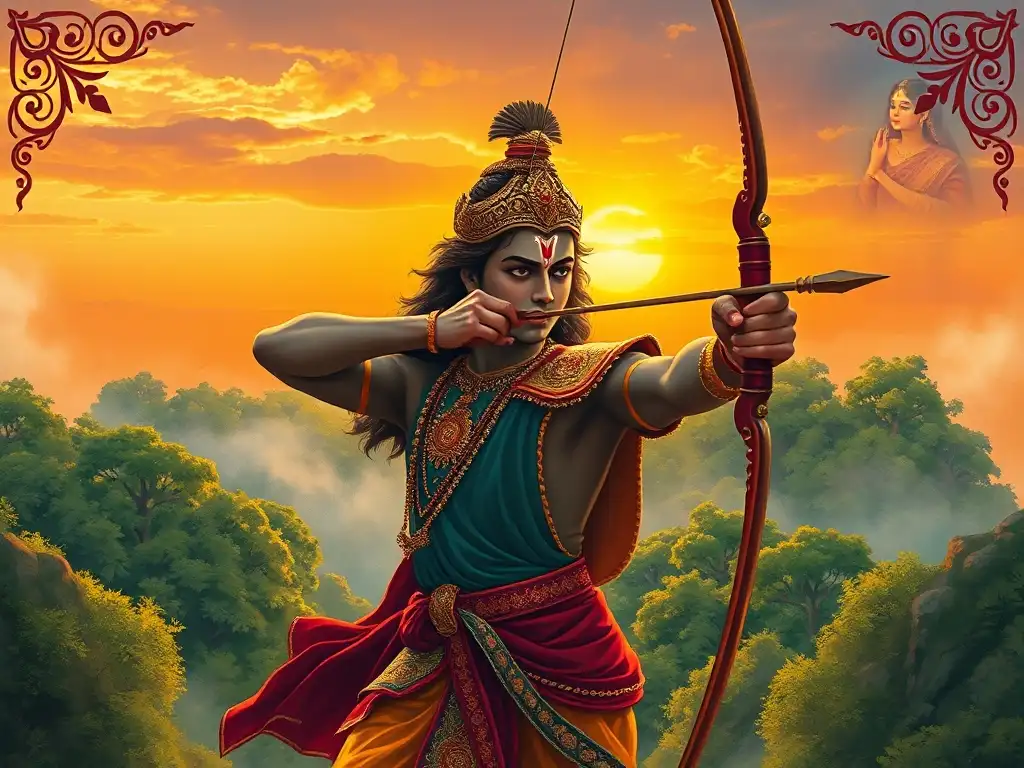
In the epic tapestry of ancient Indian literature, the Ramayana stands out as a monumental narrative that intricately weaves the themes of fate and free will. This timeless epic, attributed to the sage Valmiki, explores the journey of Lord Rama as he navigates the trials and tribulations of life, confronting moral dilemmas that resonate with the human experience. Central to this exploration is the philosophical inquiry into how fate influences the lives of its characters and how free will shapes their choices.
As we delve into the Fate and Free Will in Ramayana, we will uncover how these themes not only define the trajectory of the narrative but also reflect broader questions about destiny and autonomy in human life. This analysis will illuminate the significance of these concepts within the framework of ancient Indian philosophy and their relevance in the context of epic literature.
Introduction to Fate and Free Will in the Ramayana
The Ramayana intricately portrays the interplay between fate and free will, presenting a complex relationship that governs the actions and destinies of its characters. Throughout the epic, characters grapple with predestined paths while exercising their agency, leading to a rich narrative that reflects the philosophical tensions between these two forces. Understanding this duality is essential to appreciating the depth of the Ramayana and its enduring impact on Indian culture and spirituality.
Overview of the Ramayana's Themes
At its core, the Ramayana encapsulates several profound themes, including:
- Dharma (Righteousness): The moral duties and responsibilities that govern the actions of individuals.
- Devotion: The unwavering loyalty of characters, particularly the bond between Lord Rama and his devotees.
- Sacrifice: The willingness to endure suffering for the greater good and adherence to dharma.
These themes are intricately linked to the concepts of fate and free will, as characters navigate their destinies while adhering to their moral obligations.
Importance of Fate and Free Will in Epic Literature
Fate and free will are not merely philosophical concepts; they are central to the narrative structure of epic literature. In the context of the Ramayana, these themes serve several important functions:
- Character Development: The choices characters make in response to their fates reveal their true nature and moral standing.
- Conflict Creation: The tension between fate and free will often leads to conflict, driving the plot and engaging the audience.
- Philosophical Reflection: The Ramayana invites readers to reflect on their own lives and the extent of their agency in a world influenced by fate.
Understanding Fate in the Ramayana
Fate, as depicted in the Ramayana, is a powerful and often inescapable force that shapes the lives of its characters. It is intricately woven into the narrative, guiding events while simultaneously allowing for moments of choice and agency.
Definition of Fate in the Context of the Ramayana
In the Ramayana, fate can be understood as the predetermined course of events that aligns with the cosmic order (Dharma). It reflects the belief that certain events and outcomes are preordained, often influenced by divine will. This belief manifests through various characters and situations, highlighting the tension between what is destined and what can be altered through individual actions.
Key Characters Representing Fate
Several key characters in the Ramayana exemplify the theme of fate:
- Rama: As the protagonist, Rama's journey is marked by a divine prophecy that shapes his destiny.
- Sita: Her abduction by Ravana is a pivotal event that signifies the intertwining of fate and free will.
- Lakshmana: Rama's loyal brother, whose choices reflect the struggle between duty and personal desire.
Each of these characters navigates their fates while exercising their free will, creating a rich narrative that continues to resonate with readers and scholars alike.
The Concept of Free Will in the Ramayana
The concept of free will in the Ramayana is intricately woven into the narrative, presenting a philosophical exploration of choice, action, and consequence. The epic showcases how characters are not merely puppets of fate; rather, they possess the agency to make decisions that significantly influence their destinies. This interplay between fate and personal choice is a central theme throughout the text, prompting readers to reflect on the broader implications of free will in their lives.
Definition of Free Will in the Ramayana
In the context of the Ramayana, free will can be defined as the ability of characters to make choices that reflect their values, beliefs, and desires, even when faced with seemingly predestined paths. This autonomy allows characters to act in ways that can alter their fates. The Ramayana suggests that while fate establishes certain parameters and outcomes, it is the choices made by individuals that ultimately shape their experiences and moral character. This philosophical stance is critical, as it emphasizes personal responsibility and ethical conduct.
Key Characters Exercising Free Will
Several key characters in the Ramayana exemplify the exercise of free will, showcasing their individual agency amidst the overarching theme of fate:
- Rama: As the protagonist, Rama consistently demonstrates free will through his choices, such as his decision to accept exile rather than claim the throne unjustly. His commitment to dharma (righteousness) highlights the moral implications of free will.
- Sita: Sita's choices, particularly her decision to follow Rama into exile and her steadfastness in the face of adversity, underscore her agency. Her actions reflect her loyalty and strength, illustrating how free will can manifest in personal sacrifices.
- Lakshmana: Rama's brother, Lakshmana, chooses to accompany him into exile, illustrating his devotion and sense of duty. This choice showcases the idea that free will can be exercised in service to others, further enriching the narrative.
- Hanuman: The monkey god, Hanuman, actively chooses to aid Rama, demonstrating his commitment to the ideals of loyalty and service. His actions play a pivotal role in Rama's quest, emphasizing the impact of individual choices.
The Interplay between Fate and Free Will
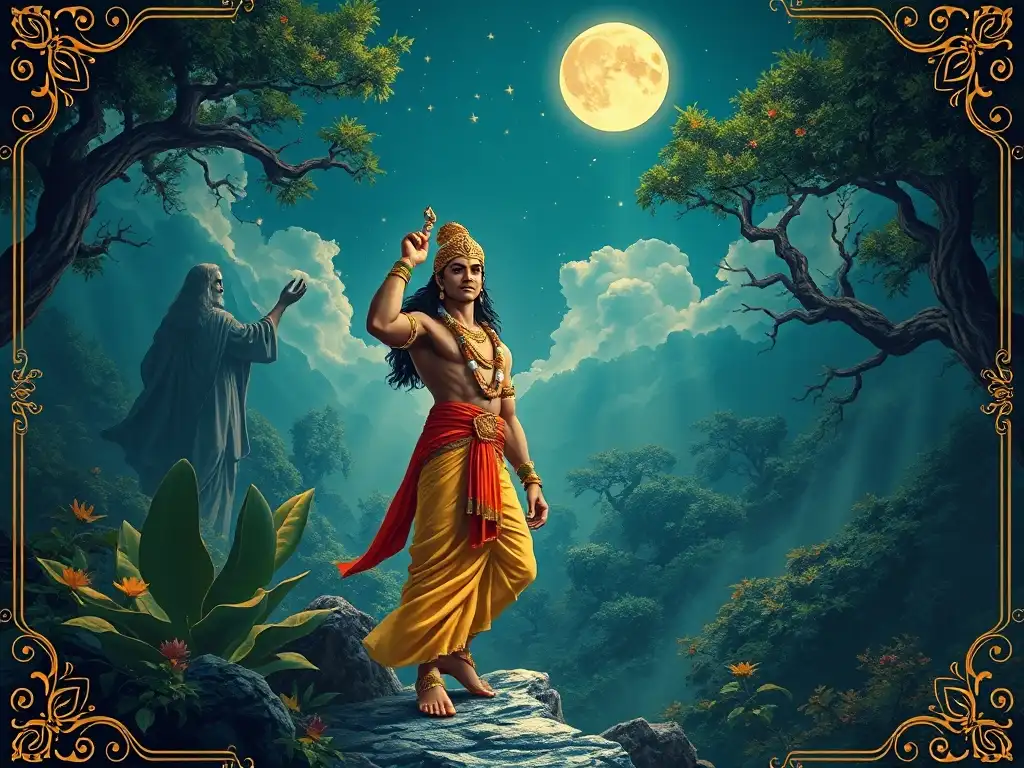
The interplay between fate and free will is a fundamental theme in the Ramayana, highlighting how these forces coexist and influence the characters' journeys. The narrative suggests that while fate may set certain events in motion, the characters' responses to these events reveal their true nature and moral compass.
How Fate and Free Will are Portrayed Together
Fate and free will are portrayed as dual forces that shape the trajectory of the story. The Ramayana presents fate as a predetermined framework, often depicted through prophecies and divine interventions. However, within this framework, characters are granted the freedom to make choices that either align with or diverge from their fated paths. This dual representation encourages readers to consider the balance between accepting predetermined outcomes and taking active steps to influence their own destinies.
Examples of Characters Navigating Fate and Free Will
Several poignant examples illustrate characters navigating the delicate balance between fate and free will:
- Rama's Exile: Rama's exile is a result of his father's decision, which may seem like a fixed fate. However, Rama's choice to embrace this fate with dignity and uphold his dharma exemplifies the exercise of free will in accepting and responding to circumstances.
- Sita's Abduction: Sita's abduction by Ravana can be viewed as an act of fate; however, her resilience and determination to remain faithful to Rama showcase her agency in a dire situation, highlighting the struggle between the forces of fate and her personal choices.
- Ravana's Downfall: Ravana's choices, driven by ambition and desire, ultimately lead to his downfall. Despite his powerful position, his inability to recognize the consequences of his actions serves as a cautionary tale about the misuse of free will in the face of fate.
These examples reflect the complex relationship between fate and free will in the Ramayana, encouraging an exploration of how personal choices can resonate within the larger tapestry of destiny.
The Philosophical Implications of Fate and Free Will
The interplay between fate and free will in the Ramayana presents deep philosophical implications that resonate through the text. At its core, the Ramayana explores how predetermined destinies intertwine with individual choices, suggesting that while fate sets the stage for human experiences, free will governs the choices characters make within that framework. This duality raises questions about moral responsibility, the nature of good and evil, and the limits of human agency.
Characters like Rama and Sita often grapple with the consequences of their actions, which are influenced by both divine will and personal decisions. The narrative implies that while fate may outline the broad strokes of their journeys, it is the characters' choices that ultimately shape their destinies. For example, Rama's adherence to dharma (moral duty) in the face of adversity exemplifies how personal agency is exercised within the confines of fate, showcasing the complex relationship between these two forces.
The Ramayana's Perspective on Human Agency
The Ramayana vividly illustrates the concept of human agency through its characters, each embodying different aspects of choice and consequence. Rama, as the protagonist, is often seen as the epitome of righteousness and self-control, making decisions that align with dharma, even when faced with overwhelming challenges. His choices, such as voluntarily accepting exile to honor his father’s promise, highlight the significance of moral duty over personal desire.
Conversely, characters like Ravana embody the darker aspects of free will, where choices lead to their downfall. Ravana's abduction of Sita, driven by his ego and desire, serves as a cautionary tale about the misuse of free will, ultimately leading to cosmic imbalance. This contrast emphasizes that while individuals possess the freedom to choose, those choices carry weight and consequences that impact not only their own lives but also the broader cosmic order.
The Balance of Cosmic Order and Personal Choice
In the Ramayana, the balance between cosmic order and personal choice is a recurring theme that underscores the narrative’s moral framework. The concept of dharma plays a crucial role, representing the ethical path that individuals are expected to follow within the universe's overarching order. Characters are constantly faced with choices that test their adherence to dharma, illustrating that free will operates within the parameters set by cosmic law.
The text suggests that while individuals may possess the autonomy to make decisions, these choices must align with the greater good and the cosmic balance. This balance is crucial; when characters stray from their dharma, as seen with Ravana, chaos ensues, leading to their inevitable downfall. Thus, the Ramayana presents a nuanced view that advocates for the responsible exercise of free will, emphasizing the importance of aligning personal choices with the broader cosmic order.
Conclusion: The Legacy of Fate and Free Will in the Ramayana
The Ramayana's exploration of fate and free will has left a lasting legacy in Indian literature and philosophy. Its intricate portrayal of characters navigating their destinies continues to influence contemporary discussions about morality, ethics, and the human condition. The narrative serves as a reminder that while fate may guide life's journey, it is the choices one makes that ultimately define their character and outcome.
Impact on Subsequent Indian Literature and Philosophy
The themes of fate and free will in the Ramayana have profoundly influenced subsequent Indian literature and philosophical thought. Writers and thinkers throughout history have drawn upon its narrative techniques and moral dilemmas to explore similar questions within their works. This enduring dialogue has enriched the literary landscape, inspiring countless adaptations, retellings, and philosophical discourses, each reflecting the ongoing relevance of these themes.
Moreover, the Ramayana’s impact transcends literature, permeating various aspects of Indian culture, including art, theater, and spirituality. The philosophical inquiries it raises continue to resonate in modern contexts, encouraging readers and scholars to reflect on the dynamics of free will in their own lives and societies.
Final Thoughts on the Relevance of Fate and Free Will Today
In today's world, the discussion of fate and free will remains profoundly relevant. The Ramayana invites readers to consider the extent of their agency within the larger framework of societal and cosmic expectations. As individuals navigate their lives amidst uncertainties and challenges, the lessons derived from the epic encourage a balanced approach: acknowledging the forces of fate while actively engaging in the exercise of free will.
Ultimately, the Ramayana serves not only as a literary masterpiece but also as a philosophical guide, inspiring ongoing reflection on the nature of human existence, the moral implications of our choices, and the intricate dance between destiny and autonomy. By understanding these themes, we can better navigate our own lives, recognizing the power of choice while remaining cognizant of the larger forces at play.
- Introduction to Fate and Free Will in the Ramayana
- Understanding Fate in the Ramayana
- The Concept of Free Will in the Ramayana
- The Interplay between Fate and Free Will
- The Philosophical Implications of Fate and Free Will
- Conclusion: The Legacy of Fate and Free Will in the Ramayana
Frequently Asked Questions
What are the main themes of the Ramayana?
The Ramayana explores several themes, including duty, devotion, and the intricate balance between fate and free will. Characters often face moral dilemmas that highlight these themes.
How does fate influence the characters in the Ramayana?
Fate plays a crucial role in the Ramayana, often guiding characters towards their destinies. However, characters also exercise their free will, making choices that impact their paths and outcomes.
What is the significance of free will in the Ramayana?
Free will in the Ramayana allows characters to act with agency and responsibility, showcasing that while they may be bound by fate, their decisions can lead to personal growth and change.
How do scholars interpret the balance of fate and free will in the Ramayana?
Scholars debate the dynamic between fate and free will, suggesting that it reflects the complexity of human life. This tension encourages readers to ponder their own choices and the consequences that follow.
Can the lessons from the Ramayana be applied to modern life?
Yes, the lessons of fate and free will in the Ramayana resonate with contemporary issues. They remind us of the importance of making conscious choices while acknowledging the factors beyond our control.
Final Reflection: Embracing the Dance of Fate and Free Will in the Ramayana
In exploring the intricate tapestry of fate and free will in the Ramayana, we uncover profound truths that resonate deeply with our contemporary lives. The epic's characters navigate their destinies, reflecting the eternal struggle between predetermined paths and the choices we make. This duality is not just a narrative device; it serves as a mirror to our own experiences, reminding us that while we may be shaped by fate, our free will empowers us to carve our own journeys.
The Ramayana's exploration of fate and free will continues to influence our cultural and social landscapes, inviting us to ponder our roles within the grand design of life. As we witness the trials of Rama and Sita, we are compelled to reflect on our own decisions and the consequences they bear. The greatest power we have is the power to choose.
This quote encapsulates the essence of our journey through life, where each choice can alter the course of our fate, echoing the timeless lessons embedded in this ancient text.
As we conclude our exploration, I invite you to reflect on your own life’s narrative. Consider how the interplay of fate and free will shapes your decisions and experiences. Embrace the idea that while some aspects of life may be beyond your control, your choices define your path. Let the wisdom of the Ramayana inspire you to take ownership of your journey, recognizing that every decision is an opportunity to shape your destiny.
Embrace Your Journey: Explore Fate and Free Will Today!
Thank you for delving into the intricate themes of fate and free will in the Ramayana! Your interest in these timeless concepts greatly enhances your understanding of ancient wisdom and its relevance in our lives today. Now, it’s time to take your insights further and actively engage with these powerful ideas.
Here are some practical steps you can take:
- Reflect on Your Choices: Spend a few moments journaling about a recent decision you made. Consider the influence of fate in that situation. Were your actions a result of your own free will, or were they shaped by circumstances beyond your control?
- Join the Conversation: Share your thoughts about fate and free will as depicted in the Ramayana on social media or in forums related to ancient literature. You might inspire others with your unique perspective!
- Discover More: Explore additional texts or watch documentaries that examine these themes across various cultures. Look for unexpected connections that can deepen your understanding of these concepts.
How do you perceive the balance between fate and free will in your own life or in the stories you cherish? We invite you to share your thoughts in the comments!