
Archery in Ancient India: Techniques and Innovations of the Time

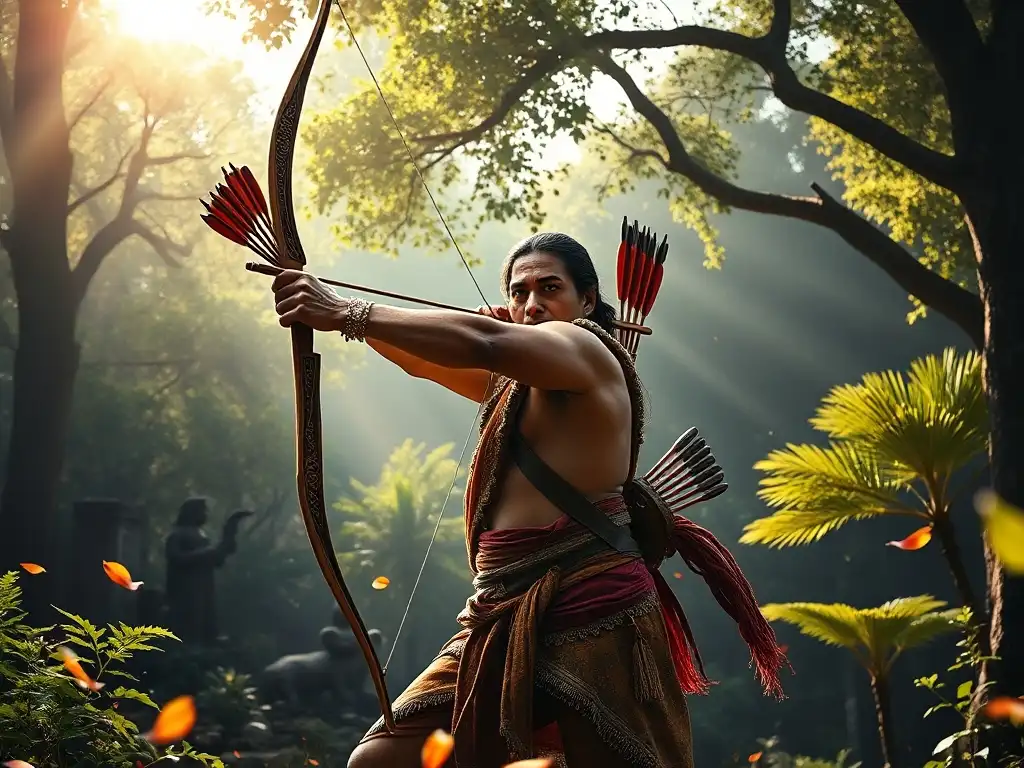
Welcome to Ancient India History, where we delve into the rich tapestry of India's past! Today, we're excited to unravel the fascinating world of ancient Indian archery techniques—a vital aspect of military innovation and cultural heritage. How did these time-honored practices shape the battlefield strategies of civilizations from the Indus Valley to the Gupta Empire?
Join us as we explore the remarkable techniques and innovations that defined an era, sparking curiosity and admiration for the skills that once ruled the archery ranges of ancient India. Dive deeper into this captivating journey and discover the legacy that continues to inspire today!
- Introduction to Archery in Ancient India
- Historical Context of Archery in Ancient India
- Ancient Indian Archery Techniques
- Innovations in Archery Equipment
- Training and Practice of Archery in Ancient India
- The Cultural Significance of Archery in Ancient India
- Conclusion
- References
- Frequently Asked Questions
- Final Reflection: The Enduring Legacy of Ancient Indian Archery Techniques
- Unleash Your Inner Archer: Dive Deeper into Ancient Techniques!
Introduction to Archery in Ancient India
Archery in ancient India represents a fascinating intersection of skill, strategy, and cultural significance, reflecting the sophisticated military practices of its time. From the early days of the Indus Valley Civilization to the illustrious era of the Gupta Empire, archery evolved not only as a vital military technique but also as a symbol of valor and prowess.
The mastery of ancient Indian archery techniques showcases the innovative spirit of Indian warriors, who developed an array of weapons and tactics that would leave a lasting impact on military history. In this article, we delve into the rich tradition of archery in ancient India, exploring its techniques, innovations, and the role it played in shaping the battlefield.
Overview of Ancient Indian Military History
Ancient India was home to a variety of powerful kingdoms and empires, each with its own unique military strategies and technologies. The military history of this region is characterized by:
- Diverse Kingdoms: Notable kingdoms such as the Mauryas, Guptas, and Cholas, each contributing to the evolution of military practices.
- Strategic Warfare: The approach to warfare was heavily influenced by geography, culture, and the socio-political environment of the time.
- Technological Advancements: Innovations in weaponry and tactics, including the use of cavalry, infantry, and, notably, archery.
Throughout these eras, archery emerged as a fundamental military skill, often regarded as essential for both offense and defense. The integration of archery into military strategies not only enhanced combat effectiveness but also shaped the cultural narratives surrounding heroism and warfare in ancient texts like the Mahabharata and Ramayana.
Importance of Archery in Ancient Indian Warfare
Archery was more than just a method of combat in ancient India; it was a pivotal element of military strategy and culture. Its importance can be summarized as follows:
- Tactical Advantage: Archers provided a significant tactical edge on the battlefield, capable of striking enemies from a distance before they could engage in close combat.
- Cultural Symbolism: The bow and arrow were often depicted in art and literature as symbols of strength, skill, and divine favor, further embedding archery into the cultural consciousness of the time.
- Training and Skill Development: Rigorous training in archery was essential for warriors, often starting from a young age, ensuring that skilled archers were a key component of any formidable army.
The integration of advanced ancient Indian archery techniques not only enhanced the effectiveness of military campaigns but also fostered a deep appreciation for the art of archery as a vital aspect of warrior culture. As we explore the specific techniques and innovations that defined this era, we uncover the profound impact archery had on ancient Indian military history.
Historical Context of Archery in Ancient India
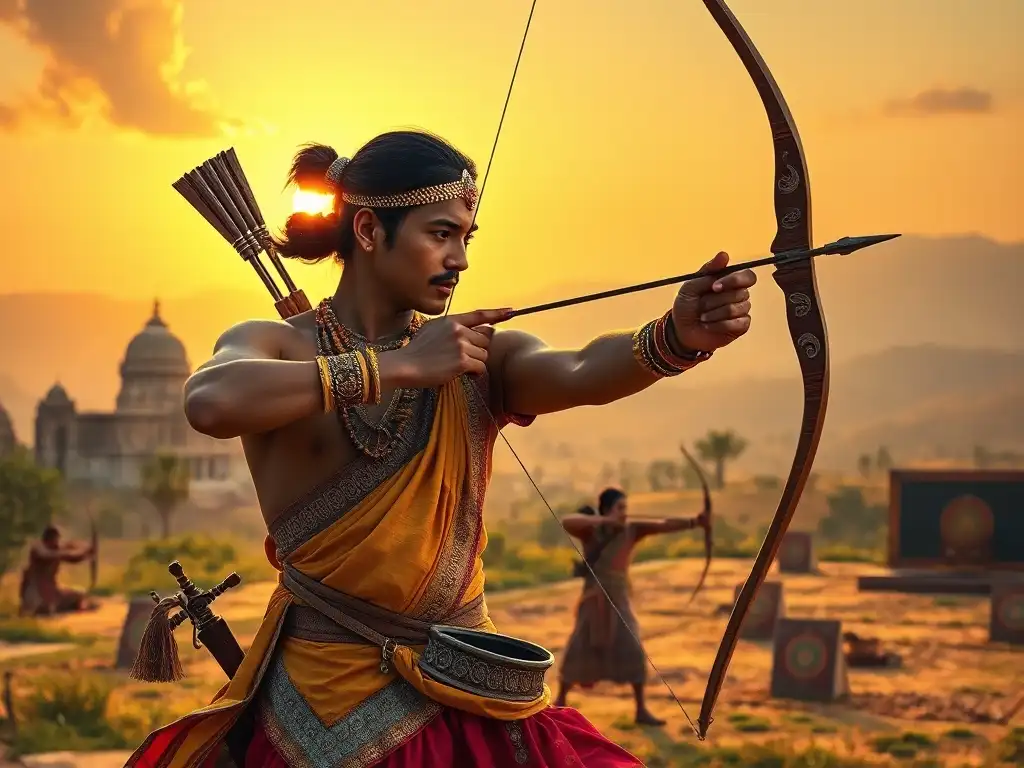
The Evolution of Archery from the Indus Valley Civilization
Archery has been an integral part of ancient Indian warfare and hunting practices since the dawn of civilization. Its roots can be traced back to the Indus Valley Civilization (c. 3300–1300 BCE), where archaeological evidence suggests that bows and arrows were already in use. Artifacts, such as terracotta figurines and seal engravings, depict archers, indicating that archery was not only a practical skill but also held cultural significance.
The transition from the Indus Valley Civilization to the Vedic period (c. 1500–500 BCE) marked significant advancements in archery techniques. The Vedas, ancient Indian scriptures, mention various types of bows, including the longbow and composite bows made from materials such as wood, horn, and sinew. These bows were designed for greater power and accuracy, reflecting a sophisticated understanding of materials and engineering.
As India entered the Mahajanapada period (c. 600–300 BCE), archery evolved further with the introduction of organized military strategies. Historical texts like the Mahabharata describe elaborate battles where skilled archers played crucial roles. This period underscored the importance of archery in warfare, leading to the development of specialized training and techniques.
Influence of Geography on Archery Techniques in Ancient India
The geography of ancient India significantly influenced the development of archery techniques. The diverse terrains—ranging from the arid deserts of Rajasthan to the lush forests of the Deccan Plateau—presented unique challenges and opportunities for archers.
- Northern Plains: In fertile regions like the Ganges Valley, archery was often practiced in open fields, allowing for longer shots and extensive training in range and accuracy. The abundance of resources facilitated the construction of advanced bows, leading to the creation of powerful and flexible weaponry.
- Western Deserts: The deserts of Rajasthan shaped archery techniques to adapt to the harsher conditions. Archers here developed skills for shooting accurately at moving targets, essential for hunting in a landscape where animals are often skittish.
- Mountainous Regions: In the Himalayas, the steep terrains required archers to master techniques for shooting at acute angles. The use of shorter, more maneuverable bows became prevalent, allowing for effective combat in close quarters.
- Forested Areas: In southern India, dense forests necessitated stealth and agility. Archers had to develop techniques for silent movement and quick shooting, utilizing the cover provided by trees and underbrush.
The integration of these geographical elements into archery training and techniques highlights the adaptability and innovation of ancient Indian archers. They not only honed their skills in response to their environment but also contributed to the rich tapestry of ancient Indian military technology, ensuring archery remained a cornerstone of warfare throughout the ages.
Ancient Indian Archery Techniques
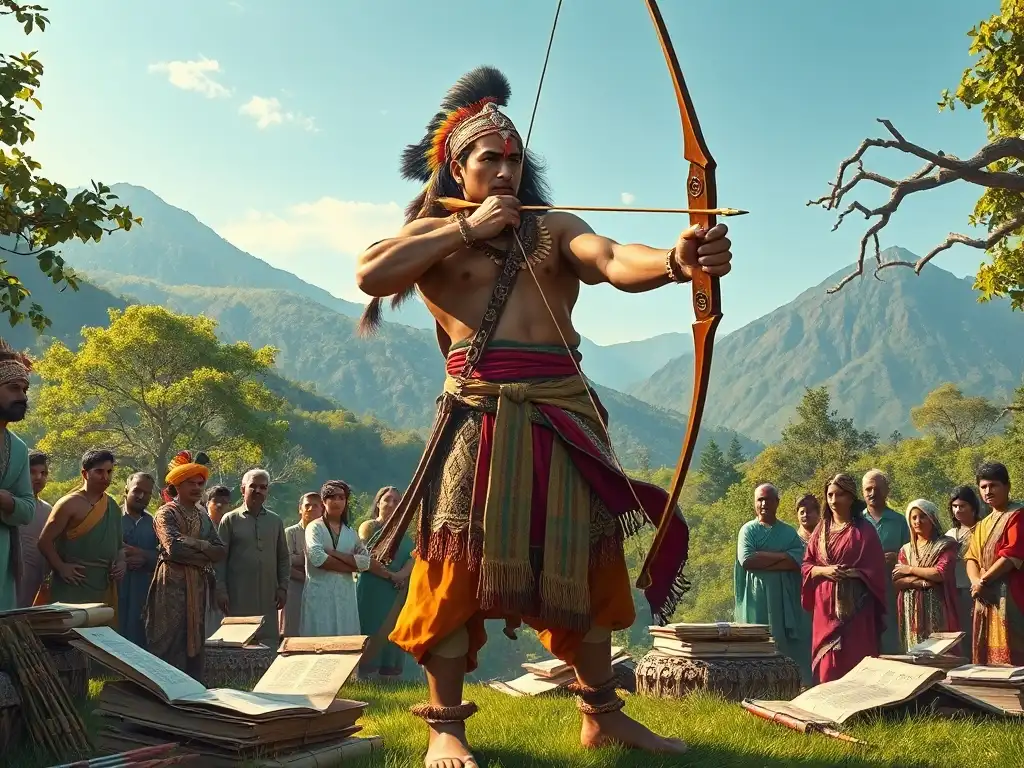
The history of archery in ancient India is a testament to the ingenuity and skill of its practitioners. Ancient Indian archery techniques were not only about the physical act of shooting arrows but also encompassed a rich tradition of craftsmanship, training, and warfare strategy. These techniques evolved over time, influenced by regional practices and the needs of various dynasties.
Traditional Archery Styles in Ancient India
The art of archery in ancient India can be categorized into distinct styles that reflected both the cultural significance and practical applications of the bow and arrow in warfare and hunting.
Longbow and Shortbow Techniques
Longbows and shortbows were two prevalent styles in ancient Indian archery, each serving unique purposes.
- Longbows were typically used in warfare. Their construction allowed for greater power and distance, making them effective in battlefield scenarios.
- Technique: Archers would adopt a stance with their feet shoulder-width apart, drawing the string back to their ear level for maximum leverage. This technique allowed for a powerful release, ideal for long-range shots.
- Shortbows, on the other hand, were favored for their maneuverability and ease of use in close quarters, such as forested environments or during cavalry charges.
- Technique: Shortbow archers often employed a quick draw-and-release method, allowing them to fire multiple arrows in rapid succession. This technique was crucial during skirmishes where speed was essential.
These styles were not just about physical prowess; they were also deeply embedded in the training regimens of warriors, who practiced extensively to perfect their skills.
Recurve Bow Innovations
The recurve bow emerged as a significant innovation in ancient Indian archery. Unlike traditional longbows, the tips of a recurve bow curve away from the archer when unstrung, which provides several advantages:
- Increased Power: The design allows for greater energy storage, resulting in a more powerful shot without requiring a longer bow.
- Compact Size: Recurve bows are shorter than longbows, making them easier to handle in various terrains and ideal for mounted archers.
The use of recurve bows became prominent among various ancient Indian kingdoms, enhancing their military capabilities. Notably, the Kshatriyas, the warrior class, were trained in these techniques, enabling them to dominate in battles with superior archery skills.
Use of Materials in Bow Making
The construction of bows in ancient India was an art form that required knowledge of materials and techniques. The choice of materials significantly influenced the performance and durability of bows.
Wood Types and Their Significance
Different types of wood were used for bow making, each selected for its unique properties:
- Bamboo: Known for its lightness and flexibility, bamboo was often used for shortbows, providing agility and speed.
- Teak and Sal: These hardwoods were preferred for longbows due to their strength and resilience, allowing for greater tension and durability.
- Yew Wood: Valued for its elasticity, yew wood was sometimes used in the making of elite bows, showcasing craftsmanship and skill.
Each type of wood not only affected the bow's performance but also carried cultural significance, often revered in texts and traditions.
String Materials and Construction Techniques
The strings of ancient Indian bows were crafted from various materials, impacting their effectiveness:
- Animal Sinew: This was the most common material, known for its strength and elasticity, providing a powerful release when the bow was drawn.
- Plant Fibers: In some regions, strong plant fibers were woven together to create durable strings, showcasing the ingenuity of ancient craftsmen.
The construction techniques for bowstrings were meticulous, involving processes such as twisting and braiding to enhance strength and longevity.
The techniques and innovations in ancient Indian archery reflect a profound understanding of both materials and combat strategies. The legacy of these ancient practices continues to influence modern archery and remains a significant part of India's rich military history.
Innovations in Archery Equipment
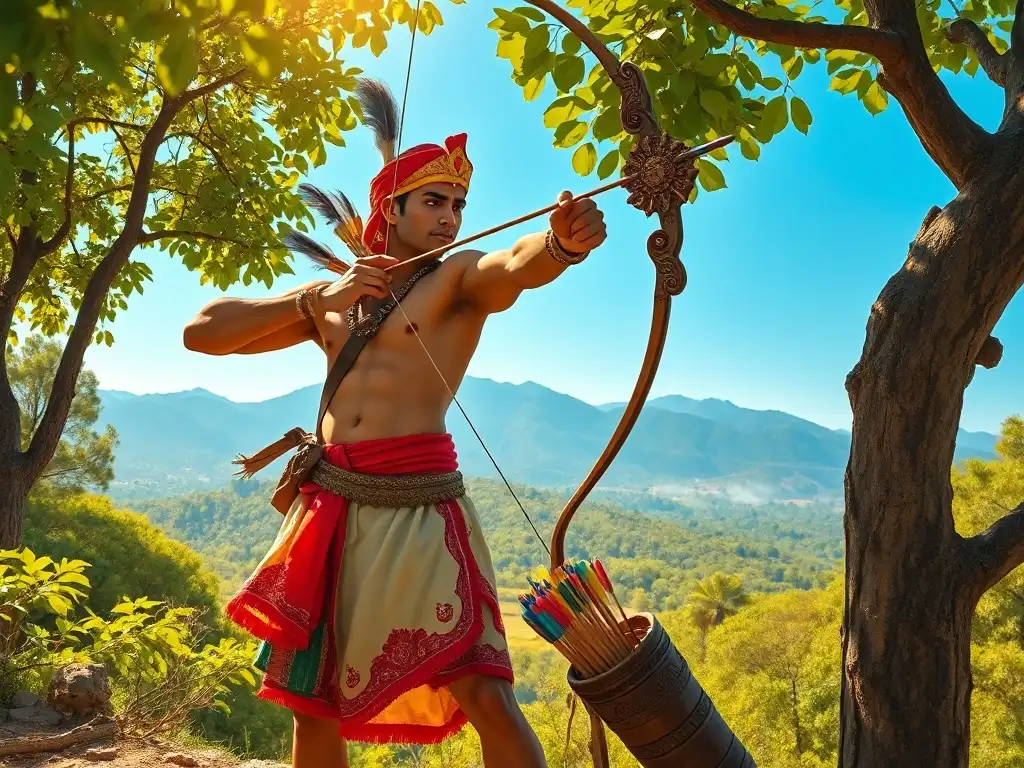
Ancient Indian archery techniques were not only defined by the skill of the archers but also by the innovative equipment they utilized. The evolution of archery equipment, particularly arrows and accessories, played a crucial role in enhancing the effectiveness and precision of archery during various ancient periods. This section explores the advancements in archery equipment that characterized ancient Indian archery.
The Development of Arrows and Their Tips
Arrows in ancient India were crafted with remarkable skill, adapting to the specific needs of warfare and hunting. The construction of arrows involved several key elements:
- Shafts: Typically made from lightweight materials such as bamboo, reeds, or wood, the shafts were designed for both durability and flexibility.
- Arrowheads: These were crucial for the effectiveness of the arrow, influencing penetration and lethality.
Types of Arrowheads Used in Ancient India
The variety of arrowheads in ancient Indian archery reflects a sophisticated understanding of weaponry:
- Broadheads: Used primarily for hunting large game, these wide blades caused significant damage upon impact.
- Bodkin Points: Designed for penetrating armor, these narrow, pointed tips were favored in warfare.
- Flint and Metal Tips: Early arrows often featured flint tips, but as metallurgy advanced, bronze and iron arrowheads became prevalent, enhancing durability and lethality.
Fletching Techniques and Materials
Fletching, the arrangement of feathers or vanes at the rear of the arrow, was essential for stability and flight accuracy. Ancient Indian archers employed various techniques and materials:
- Feather Types: Typically sourced from birds such as peacocks and eagles, feathers were chosen for their lightweight and aerodynamic properties.
- Fletching Styles: Different configurations, such as three-fletch or four-fletch, were used to optimize flight stability based on the type of bow and shooting style.
Advances in Archery Accessories
In addition to arrows, various accessories were developed to enhance the overall archery experience and effectiveness in ancient India.
Quivers and Their Design
Quivers served a vital role in archery, providing a means to carry and protect arrows. The design and functionality of quivers included:
- Materials: Quivers were often made from leather, wood, or woven materials, ensuring both durability and ease of access.
- Design Variations: Some quivers featured intricate decorations, reflecting the cultural significance of archery in society. Others were designed for specific types of archery, such as mounted archery, where quick access to arrows was crucial.
Archery Targets Used in Ancient India
The practice of archery also involved the use of targets, which evolved over time:
- Target Types: Early targets included simple wooden posts or animal skins, while more advanced targets were crafted from layers of cloth or straw, simulating real-life scenarios for training.
- Cultural Significance: Targets were often used in religious and ceremonial contexts, emphasizing the importance of archery in ancient Indian culture and its integration into martial training.
Through these innovations in equipment and accessories, ancient Indian archery techniques were greatly enhanced, reflecting the civilization's rich military heritage and its continuous evolution over centuries.
Training and Practice of Archery in Ancient India
Archery as a Skill in Ancient Indian Society
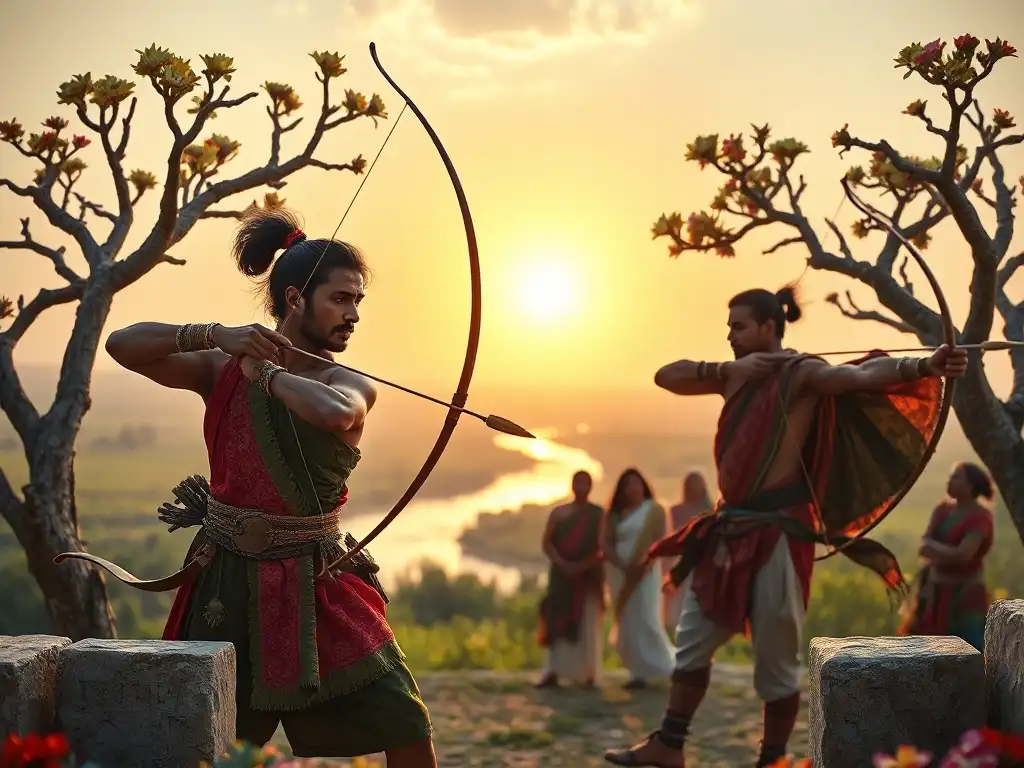
In ancient India, archery was not only a martial skill but also a significant aspect of cultural identity and social status. The practice of archery was deeply ingrained in the fabric of society, particularly among the Kshatriyas, the warrior class, who were expected to master this skill as part of their duty. Archers were revered for their precision and bravery, and their abilities were often linked to their honor and reputation.
Key Features of Archery Training:
- Physical Conditioning: Archers underwent rigorous physical training to enhance their strength, stamina, and flexibility. This was essential for handling the bow and arrow effectively.
- Mental Discipline: Precision in archery required acute focus and mental clarity. Practitioners engaged in meditation and mental exercises to improve their concentration.
- Techniques Mastery: Archery training included mastering various techniques such as drawing, aiming, and releasing the arrow, along with understanding the impact of wind and terrain on shots.
The emphasis on archery as a skill was reflected in the various training schools and institutions, where aspiring warriors learned from seasoned archers, ensuring the continuity of techniques and innovations.
The Role of Gurus in Teaching Archery
The tradition of learning archery in ancient India was often facilitated by gurus, or master teachers, who played a crucial role in imparting knowledge and skills. These gurus were highly respected figures, often possessing extensive experience and wisdom in martial arts.
- Personalized Training: Gurus tailored their teachings to the individual needs of each student, ensuring that they mastered the fundamental techniques before progressing to advanced skills.
- Moral Instruction: Beyond mere technical prowess, gurus instilled values such as discipline, courage, and ethical conduct, highlighting the importance of using archery responsibly.
- Cultural Transmission: The relationship between guru and disciple was not just about skill transfer; it also involved the sharing of historical and mythological narratives that enriched the understanding of archery's significance in society.
This mentor-student dynamic was essential for preserving the art of archery, as it fostered a deep sense of respect for the craft and its traditions.
Archery Competitions and Tournaments
Archery competitions held in ancient India were significant events that showcased the skills of various archers. These tournaments served multiple purposes:
- Skill Demonstration: Competitions allowed archers to display their abilities and gain recognition, often leading to rewards and accolades.
- Social Gatherings: Such events brought together communities, fostering camaraderie and reinforcing social bonds among participants and spectators alike.
- Cultural Significance: Tournaments were often linked to religious festivals or royal celebrations, further enhancing their importance in the cultural landscape.
Notable competitions, mentioned in various texts, often had elaborate rules and regulations, with winners receiving prizes that included land, wealth, or even titles.
Archery in Ancient Indian Texts and Literature
Ancient Indian literature provides extensive insights into the techniques and innovations of archery during the period. Notable texts and epics chronicle the art and philosophy of archery, reflecting its significance in both military and societal contexts.
References in Epics: Mahabharata and Ramayana
The epic narratives of the Mahabharata and Ramayana are rich with references to archery, illustrating its pivotal role in warfare and heroism.
- Mahabharata: The epic features renowned archers like Arjuna, who was celebrated for his unparalleled skill with the bow. His training under the guru Drona is a cornerstone of the narrative, emphasizing the importance of dedication and discipline in mastering archery.
- Ramayana: In this epic, the character Lord Rama is depicted as an exceptional archer, demonstrating the moral and ethical dimensions of archery. His use of the bow in the battle against Ravana serves as a metaphor for righteousness and justice.
The descriptions of archery in these texts not only highlight techniques but also symbolize the virtues associated with archery, such as bravery, honor, and duty.
Treatises on Archery Techniques
In addition to epic narratives, various treatises and texts discussed the techniques and philosophies surrounding archery, providing structured knowledge for practitioners.
- Dhanurveda: This ancient scripture is considered the science of archery and martial arts, offering detailed instructions on techniques, types of bows, and arrow-making. It emphasizes the physical and mental training necessary for a proficient archer.
- Other Texts: Various smaller texts and commentaries exist that elaborate on specific techniques, including the Kautilya Arthashastra, which discusses the strategic use of archers in warfare.
These treatises reflect the depth of knowledge regarding ancient Indian archery techniques, showcasing the integration of skill, strategy, and ethics in the practice of archery.
The Cultural Significance of Archery in Ancient India
Archery and Its Symbolism in Religion and Mythology
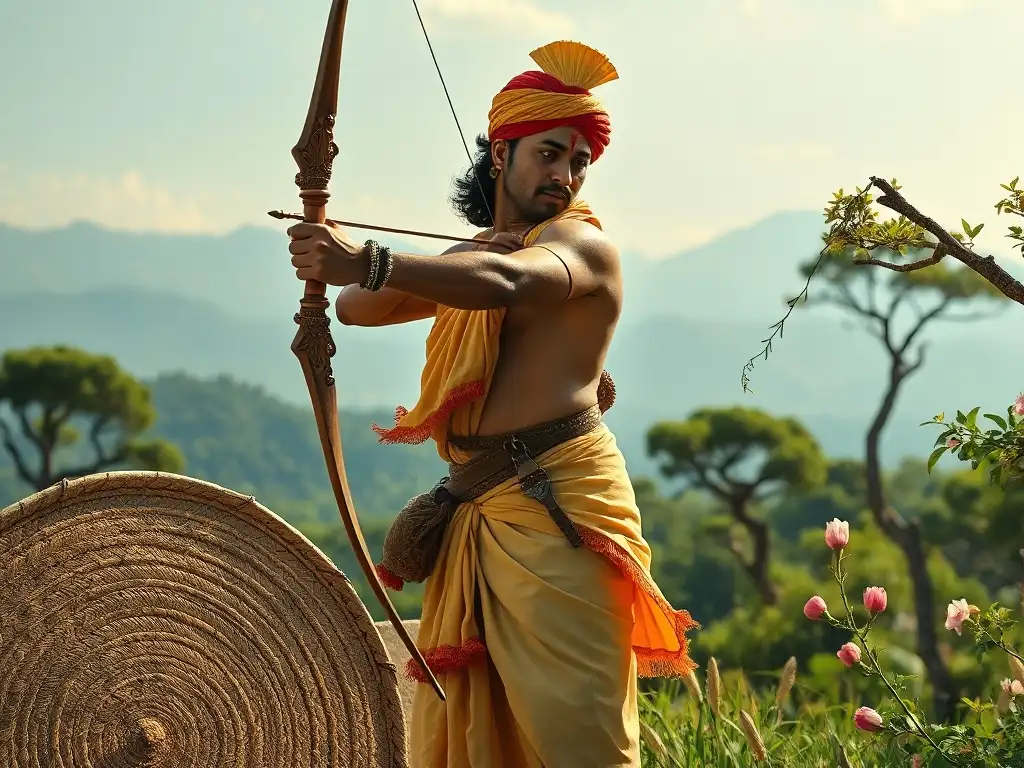
Archery in ancient India transcended mere combat utility, embodying profound cultural and spiritual significance. It is intricately woven into the fabric of Indian mythology and religion, often symbolizing righteousness, power, and divine intervention.
- Symbol of Dharma: Archers were often depicted as champions of dharma (righteousness). For instance, the Mahabharata’s hero, Arjuna, is not only a master archer but also a symbol of virtue and moral duty. His journey reflects the essential balance between weaponry and ethical conduct.
- Divine Associations: Deities such as Shiva and Parashurama are associated with archery, exemplifying the divine endorsement of this skill. Shiva, depicted as wielding the bow Pinaka, symbolizes destruction and regeneration, while Parashurama, the warrior sage, embodies the perfect archer who defends dharma against tyranny.
- Ritualistic Importance: Archery was part of various rituals and ceremonies. Historical texts describe how archery contests were organized as offerings to deities, symbolizing the community's strength and unity.
Archery Depictions in Ancient Indian Art and Sculpture
The artistic representations of archery in ancient Indian art and sculpture provide significant insights into its techniques and cultural importance. These depictions often reflect the aesthetic appreciation and technical prowess associated with archery.
- Sculptural Representations: Temples from the Gupta period, such as the ones in Khajuraho, feature intricate carvings of archers engaged in various poses. These sculptures not only showcase the physical form of archers but also illustrate their attire and the bows they wielded, revealing much about the craftsmanship of the time.
- Miniature Paintings: During the medieval period, miniature paintings often depicted archery as a royal pastime. These artworks highlight the elegance and sophistication associated with archery, presenting it as an art form that required not only skill but also grace.
- Iconography in Frescoes: The Ajanta Caves contain frescoes that illustrate archery scenes, providing a visual narrative of archery's role in society. The detailed portrayal of archers, their bows, and arrows indicates the importance of this skill in both warfare and sport.
Overall, the cultural significance of archery in ancient India is a testament to its multifaceted role in society—serving as a symbol of virtue, an artistic inspiration, and a reflection of the intricate relationship between warfare and spirituality.
Conclusion
Summary of Ancient Indian Archery Techniques and Innovations
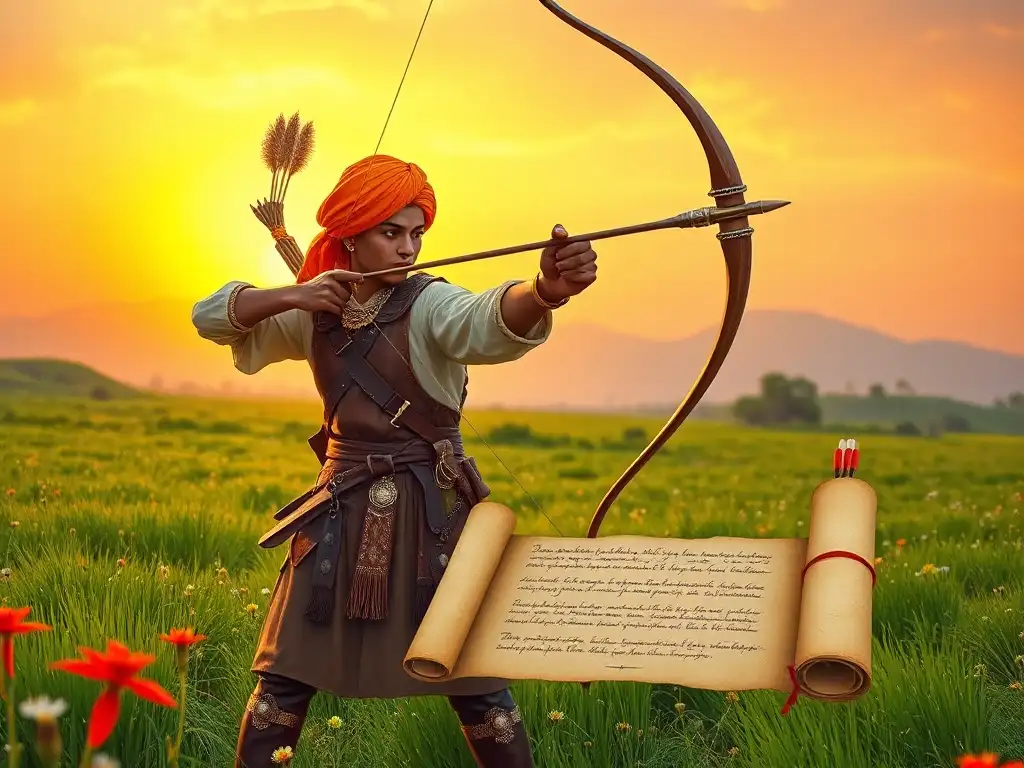
Ancient Indian archery techniques were characterized by a blend of skill, artistry, and innovative engineering that evolved over centuries. The significance of archery in ancient Indian warfare is underscored by the extensive texts that document various techniques and practices. Here’s a concise overview of some key techniques and innovations:
- Types of Bows:
- Longbows: Used for long-range attacks, crafted from sturdy materials.
- Composite Bows: Made from a combination of wood, horn, and sinew, providing superior strength and flexibility.
- Shooting Techniques:
- Instinctive Shooting: Archers relied on innate judgment and muscle memory rather than aiming devices.
- Drawing Techniques: Various methods were employed to draw the bowstring, including the thumb draw, which allowed for a quick release and increased power.
- Training Regimens:
- Archers underwent rigorous training, often starting from a young age, which included physical conditioning, practice in various weather conditions, and participation in mock battles to hone their skills.
- Innovations:
- The introduction of specialized arrowheads, such as bodkin points for piercing armor.
- The use of kshatriya (warrior) techniques, which emphasized precision and rapid shooting, often taught through oral traditions and written treatises like the Arthashastra.
These techniques not only played a crucial role in military confrontations but also in hunting and cultural rituals, highlighting the multifaceted nature of archery in ancient Indian society.
The Legacy of Archery in Modern Indian Culture and Sports
The legacy of ancient Indian archery techniques continues to resonate in modern Indian culture and sports. Archery is not only a reminder of India’s rich military history but also a sport that has gained prominence in contemporary times.
- Cultural Significance:
- Archery is often depicted in Indian mythology and epics, such as the Mahabharata, where characters like Arjuna exemplified the ideal archer. This cultural embedding fosters a collective memory that honors archery as a martial art.
- Modern Sporting Events:
- Indian archers have made significant strides in international competitions, including the Olympics and World Championships. The resurgence of interest in traditional archery techniques has led to a revival of interest in the sport, with many young athletes training in both traditional and modern styles.
- Archery Training Centers:
- Numerous institutions and clubs across India focus on archery training, blending ancient techniques with modern coaching methods. This synthesis not only preserves traditional skills but also promotes physical fitness and discipline among youth.
- Community and Festivals:
- Archery is celebrated in various regional festivals and competitions, showcasing local talent and keeping the ancient practices alive. Events often include traditional archery contests, which attract participants and spectators alike, promoting a sense of community.
The techniques and innovations of ancient Indian archery not only shaped historical military strategies but also continue to influence contemporary practices and cultural representations, ensuring that the art of archery remains a vital part of India's heritage.
References
The study of ancient Indian archery techniques reveals a complex interplay of cultural, technological, and military advancements. Archery was not merely a sport but a vital component of warfare and hunting, deeply embedded in the societal fabric of ancient Indian civilizations. Below are some of the key references that provide insights into this fascinating subject:
- Classical Texts and Manuscripts:
- Mahabharata: This epic text contains numerous references to archery, including the skills of renowned archers like Arjuna and Karna.
- Arthashastra by Kautilya: This ancient treatise discusses military tactics and the importance of archery in statecraft and warfare.
- Historical Studies:
- The Military History of Ancient India by R. C. Majumdar: This book provides a comprehensive overview of the military strategies employed in ancient India, including the role of archers on the battlefield.
- Weapons and Warfare in Ancient India by R. S. Sharma: This work focuses on various weapons, with chapters dedicated to the evolution of archery and its techniques.
- Archaeological Evidence:
- Findings from the Indus Valley civilization, such as arrowheads and depictions of archers in seals, demonstrate the early use of archery in ancient Indian society.
- Excavations at sites like Taxila and Pataliputra have unearthed artifacts that shed light on the materials and craftsmanship involved in archery equipment.
Suggested Reading on Ancient Indian Archery Techniques
For those interested in a more profound understanding of ancient Indian archery techniques, the following texts provide valuable insights and detailed analyses:
- "Archery in Ancient India" by A. K. Sen: This book explores the various techniques employed by ancient Indian archers and the materials used in bow-making.
- "The Art of Archery: A Historical Perspective" by K. N. Bhatt: This resource delves into the cultural significance of archery, examining how it influenced social structures and warfare.
- "Warriors of Ancient India" by M. P. Sharma: This text discusses the training and discipline of ancient archers, emphasizing the skills required to master archery as a martial art.
Academic Resources for Further Exploration of Military History
To further explore the military history of ancient India, including the role of archery, consider the following academic resources:
- Journal of Military History: This peer-reviewed journal often publishes articles on ancient military techniques, including archery in various civilizations.
- Indian Journal of Historical Studies: Offers a platform for scholars to share research on ancient Indian warfare, including the technical aspects of archery.
- The Asian Studies Review: This journal examines broader themes in Asian history, often including studies on military technology and tactics.
By engaging with these resources, readers can gain a deeper appreciation for the sophisticated techniques and innovations that characterized ancient Indian archery, contributing to the broader narrative of military history.
Frequently Asked Questions
What were the main archery techniques used in ancient India?
Ancient Indian archers employed various techniques such as the Kshatriya method, which emphasized accuracy and speed, and the use of the bow and arrow in both warfare and hunting.
How did ancient Indian archery influence warfare?
The innovative archery techniques allowed ancient Indian warriors to engage effectively in battles, providing them with a significant advantage through long-range attacks and the ability to shoot from horseback.
What materials were commonly used in making bows and arrows?
Ancient Indian bowmakers typically used bamboo, wood, and animal sinew for crafting bows, while arrows were often made from bamboo shafts and tipped with metal or stone for enhanced penetration.
Did ancient Indian archery include any training or rituals?
Yes, archery was often part of military training for Kshatriyas and involved rituals to seek blessings for accuracy and success in battle, highlighting its importance in ancient Indian culture.
How did the Gupta Empire contribute to archery advancements?
During the Gupta Empire, advancements in archery techniques and equipment were notable, with developments in crossbows and composite bows, enhancing both the effectiveness and range of archery in warfare.
Final Reflection: The Enduring Legacy of Ancient Indian Archery Techniques
The exploration of ancient Indian archery techniques reveals not only the remarkable innovations of the past but also their profound relevance in today's world. As we delve into the intricacies of these techniques, we uncover a rich tapestry of cultural heritage that continues to inspire modern archers and historians alike. The precision, discipline, and artistry inherent in these practices serve as a testament to the ingenuity of ancient civilizations, reminding us that the past is not merely a series of events but a foundation upon which we build our present and future.
Cultural and social landscapes are often shaped by the traditions we choose to honor and preserve. The techniques of ancient Indian archery have transcended time, influencing various aspects of martial arts, sports, and even modern-day archery competitions. As we reflect on this legacy, we recognize that these ancient practices are not just relics of history but living traditions that foster community, skill, and resilience. Tradition is not the worship of ashes, but the preservation of fire.
This quote encapsulates the essence of how we can honor the past while igniting our passion for archery in contemporary society.
As you ponder the lessons of ancient Indian archery techniques, I invite you to consider how these principles of focus, precision, and dedication can be applied to your own life. Embrace the spirit of innovation and mastery that characterized these ancient archers, and let it inspire you to pursue your passions with the same fervor. Whether you are an aspiring archer or simply someone seeking to cultivate discipline in your daily endeavors, remember that the wisdom of the past can guide us toward a brighter future.
Unleash Your Inner Archer: Dive Deeper into Ancient Techniques!
Thank you for journeying through the fascinating world of archery in ancient India! We hope you’ve gained insightful knowledge about the techniques and innovations that shaped this incredible skill. Now, let's transform that knowledge into action!
Here are some engaging ways to delve even deeper:
- Practice your aim: Set up a small target at home or in your yard, and try your hand at archery-inspired practices—safely! It’s a fun way to connect with history.
- Join a local archery club or workshop: Engage with like-minded enthusiasts and learn traditional techniques that have stood the test of time.
- Share your thoughts: Discuss the significance of ancient Indian archery on our community forum. Your insights could inspire others interested in this rich heritage!
Which technique or innovation from our exploration intrigues you the most, and how do you envision incorporating it into your own life or practice? Share your thoughts below!