
Vegetarian Delights: Cooking Ancient Indian Vegetarian Recipes with Modern Twists

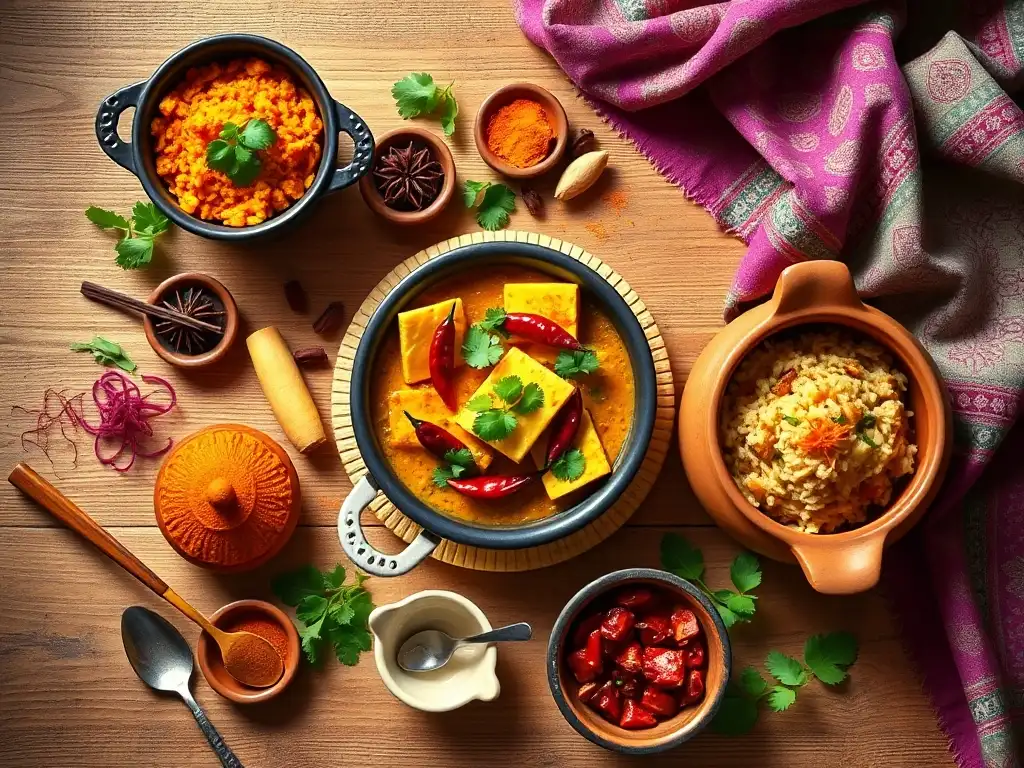
Welcome to Ancient India History, where we embark on an invigorating journey through time, exploring the rich tapestry of ancient Indian civilizations. Are you ready to uncover the secrets of Ancient Indian vegetarian recipes? In our featured article, "Vegetarian Delights: Cooking Ancient Indian Vegetarian Recipes with Modern Twists," we delve into the culinary traditions that have shaped the palates of generations. Join us as we blend history with flavor, revealing how these age-old recipes can be beautifully reimagined for contemporary kitchens. Let your curiosity guide you deeper into the fascinating world of ancient Indian cuisine!
Introduction to Ancient Indian Vegetarian Recipes
Exploring the world of Ancient Indian vegetarian recipes reveals a culinary narrative woven with rich traditions, diverse ingredients, and a profound respect for nature. From the bountiful fields of the Indus Valley to the flourishing kitchens of the Gupta Empire, vegetarianism has been a pivotal aspect of Indian culture and cuisine. The ancient Indian dietary practices were not merely a reflection of preference but were deeply rooted in spiritual beliefs, philosophical tenets, and agricultural abundance.
Vegetarian food in ancient India was characterized by an array of grains, legumes, vegetables, and spices that not only provided sustenance but also embodied the connection between food and health. The reverence for life and the environment led to the development of recipes that celebrated plant-based ingredients. As we embark on a journey to recreate these ancient delights, we also introduce modern twists that cater to today’s culinary landscape, ensuring these traditional dishes remain relevant and accessible.
In this article, we invite you to dive into the history, significance, and preparation of ancient vegetarian recipes, infused with contemporary flair. Whether you're a seasoned chef or an enthusiastic beginner, these recipes will inspire you to explore the flavors of ancient India while embracing the innovations of modern cooking.
Ingredients that Shaped Ancient Indian Vegetarian Cuisine
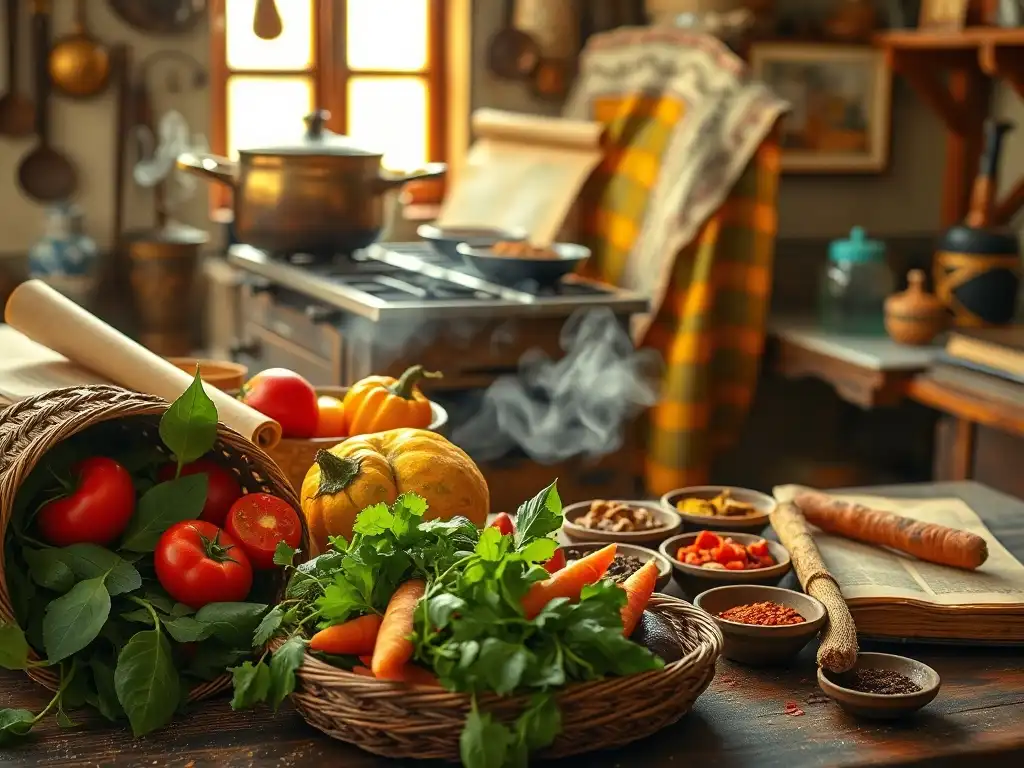
The foundation of ancient Indian vegetarian cuisine lies in its diverse and vibrant ingredients. Here, we explore some of the key components that defined these dishes:
- Grains:
- Rice: A staple in many regions, it served as a base for various dishes.
- Wheat: Used to make flatbreads like chapati and puri.
- Millets: Varieties like bajra and jowar were vital for their nutritional value.
- Legumes:
- Lentils: Essential for protein, varieties like masoor and moong were commonly used.
- Chickpeas: Known for their versatility, chickpeas were prepared in numerous ways.
- Vegetables:
- Seasonal Vegetables: Fresh produce was central to meals, including eggplants, gourds, and leafy greens.
- Roots and Tubers: Ingredients like potatoes and yams added texture and heartiness.
- Spices and Herbs:
- Turmeric: Valued for flavor and medicinal properties.
- Coriander and Cumin: Essential for their aromatic qualities, enhancing the taste of dishes.
- Mustard Seeds: Often used for tempering, contributing a unique flavor.
- Dairy Products:
- Yogurt: Used in marinades and dressings, yogurt added creaminess and tang.
- Ghee: Clarified butter that enriched dishes and was essential for cooking.
By understanding these ingredients, we can better appreciate how they contributed to the ancient Indian vegetarian recipes we aim to recreate today. As we blend these traditional elements with modern techniques, we not only honor the past but also elevate the experience of cooking and enjoying these timeless dishes.
Ancient Indian Cooking Techniques
Ancient Indian cooking techniques have evolved over thousands of years, shaped by various cultures, regional climates, and available ingredients. These methods not only highlight the rich culinary heritage of the subcontinent but also emphasize health and nutrition, making them relevant even in contemporary cooking.
- Tandoor Cooking: This age-old method involves cooking food in a cylindrical clay oven, known as a tandoor. It imparts a unique smoky flavor to dishes and is essential for preparing various breads like naan and tandoori vegetables. The high heat of the tandoor also retains the moisture in food, making it tender and flavorful.
- Steaming: Steaming is a traditional technique that preserves the nutrients in vegetables and grains. Dishes like idli and dhokla exemplify this method, often made using rice and lentils. The approach is not only healthy but also allows for experimentation with flavors and textures.
- Slow Cooking: Known as 'dum' cooking, this technique involves slow cooking food in a sealed pot, allowing the flavors to meld beautifully. It is often used in biryanis and curries, creating rich and complex aromas that are characteristic of Indian cuisine.
- Use of Spices: Ancient Indian cooks mastered the art of spice blends, known as 'masalas.' The careful combination of spices not only enhances flavor but also contributes to the health benefits of the dishes. Techniques like tempering spices in hot oil (tadka) bring out their essential oils and flavors, elevating any dish.
Recipes with a Modern Twist
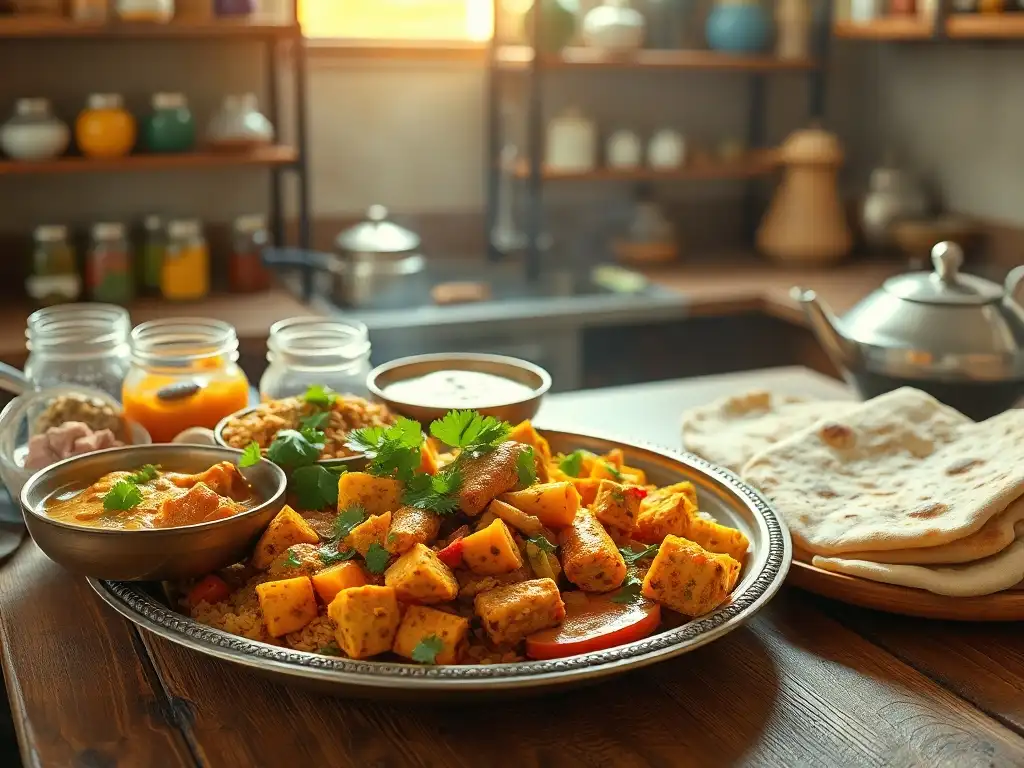
Bringing ancient Indian vegetarian recipes into the modern kitchen offers a unique opportunity to honor tradition while embracing contemporary culinary trends. Here are three innovative recipes that reimagine classic Indian dishes using modern ingredients and techniques, making them healthier and more accessible.
Recipe 1: Quinoa Upma – A Healthy Take on a Classic
Quinoa Upma is a nutritious and gluten-free twist on the traditional upma, which is typically made with semolina. Quinoa, a superfood, is packed with protein and essential amino acids, making it an excellent base for this dish.
Ingredients:
- 1 cup quinoa, rinsed
- 2 cups water
- 1 tablespoon oil
- 1 teaspoon mustard seeds
- 1 teaspoon urad dal
- 1 onion, finely chopped
- 1 green chili, chopped
- 1 carrot, diced
- A handful of peas
- Salt to taste
- Fresh coriander for garnish
Instructions:
- In a pan, heat oil and add mustard seeds and urad dal. Let them splutter.
- Sauté the onions and green chili until translucent.
- Add the carrots and peas, cooking until tender.
- Stir in the rinsed quinoa, then add water and salt. Bring to a boil.
- Cover and simmer for about 15 minutes until the quinoa is cooked.
- Fluff with a fork and garnish with fresh coriander before serving.
Recipe 2: Vegan Paneer Tikka – Reimagining a Popular Dish
Paneer Tikka is a beloved starter made with marinated paneer cubes. In this vegan version, we replace paneer with tofu, infusing it with the same traditional flavors while catering to plant-based diets.
Ingredients:
- 1 block of firm tofu, pressed and cubed
- 1 cup thick coconut yogurt
- 2 tablespoons tikka masala
- 1 tablespoon lemon juice
- Bell peppers and onions, cut into chunks
- Skewers (wooden or metal)
Instructions:
- In a bowl, mix coconut yogurt, tikka masala, and lemon juice to create a marinade.
- Add tofu cubes and vegetables, ensuring they are well-coated. Marinate for at least 30 minutes.
- Preheat the grill or oven to medium-high heat.
- Thread tofu and vegetables onto skewers.
- Grill for about 15-20 minutes, turning occasionally until charred and cooked through.
- Serve hot with mint chutney.
Recipe 3: Ancient Lentil Dal with a Contemporary Flair
Dal is a staple in Indian cuisine, and this modern adaptation utilizes a blend of lentils along with trendy ingredients like kale and coconut milk to create a hearty dish that is both comforting and nutritious.
Ingredients:
- 1 cup mixed lentils (red, yellow, green)
- 1 onion, chopped
- 2 cloves garlic, minced
- 1-inch ginger, grated
- 1 can coconut milk
- 2 cups kale, chopped
- 1 teaspoon turmeric
- 1 teaspoon cumin
- Salt and pepper to taste
- Fresh lime juice for garnish
Instructions:
- Rinse lentils and cook them in a pot with 4 cups of water, turmeric, and cumin until soft.
- In a separate pan, sauté the onion, garlic, and ginger until golden.
- Add the sautéed mixture to the cooked lentils along with coconut milk and kale.
- Simmer for about 10 minutes, allowing the flavors to meld.
- Season with salt, pepper, and a squeeze of lime juice before serving.
These modern adaptations of ancient Indian vegetarian recipes not only honor the rich culinary traditions but also cater to contemporary tastes and health-conscious choices, making them perfect for today’s kitchens.
Exploring Regional Variations of Ancient Vegetarian Recipes
Ancient Indian vegetarian recipes are as diverse as the subcontinent itself, reflecting the unique cultural and geographical landscapes of various regions. Each state boasts its own traditional dishes, often influenced by local ingredients, climate, and historical interactions.
- North India is renowned for its rich and hearty vegetarian dishes, such as Paneer Tikka, where marinated cubes of cottage cheese are grilled to perfection, and Dal Makhani, a creamy lentil dish simmered for hours. These recipes often use robust spices like cumin, coriander, and garam masala, which are staples in this region.
- South India offers a contrasting approach with lighter fare like Sambar, a lentil-based vegetable stew flavored with tamarind and spices, and Rasam, a tangy soup made with tomatoes and spices. Coconut, both grated and in milk form, is a common ingredient that adds a distinct flavor to many dishes, showcasing the region's agricultural bounty.
- In East India, dishes such as Shorshe Ilish (though traditionally non-vegetarian, vegetarian adaptations like Shorshe Kumro, a pumpkin curry with mustard sauce, are popular) highlight the use of mustard oil and fresh vegetables. The emphasis on rice as a staple in this region is evident in many preparations, often accompanied by light, flavorful curries.
- West India is home to vibrant dishes like Dhokla, a fermented steamed cake made from chickpea flour, and Puran Poli, a sweet flatbread stuffed with a mixture of jaggery and lentils. This region's cuisine often features a blend of sweet and spicy flavors, reflecting its rich agricultural landscape and trade history.
These regional variations not only celebrate the rich tapestry of ancient Indian culinary traditions but also inspire modern chefs to experiment and innovate, creating new dishes that honor their ancestral roots while appealing to contemporary palates.
The Influence of Ancient Indian Vegetarian Recipes on Global Cuisine
The impact of ancient Indian vegetarian recipes extends far beyond the subcontinent, influencing global cuisine in numerous ways. As Indian immigrants spread across the world, they brought with them their culinary traditions, which have been adapted and embraced by various cultures.
- Spices and Ingredients: The use of spices like turmeric, cumin, and coriander has become prominent in global cooking, elevating dishes with their distinct flavors and health benefits. Turmeric, in particular, has gained recognition for its anti-inflammatory properties, making its way into health-conscious diets worldwide.
- Vegetarianism and Veganism: Ancient Indian vegetarian recipes resonate with the growing trend towards plant-based diets. Dishes like Chana Masala (spiced chickpeas) and Palak Paneer (spinach with cottage cheese) are not only nutritious but also align with the ethical considerations of modern consumers seeking sustainable food sources.
- Fusion Cuisine: Chefs around the world are incorporating traditional Indian vegetarian elements into their menus. For instance, Tandoori Cauliflower or Masala Quinoa reflects a fusion of Indian spices with globally popular ingredients, making ancient recipes accessible and appealing to diverse audiences.
- Culinary Tourism: The global interest in culinary tourism has sparked a renewed appreciation for ancient Indian vegetarian recipes, with travelers seeking authentic experiences that connect them to cultural heritage. Cooking classes and food tours focusing on these recipes allow participants to engage with the history and stories behind each dish.
The integration of ancient Indian vegetarian recipes into global cuisine not only highlights their versatility but also underscores the universal appeal of plant-based cooking, bridging cultural gaps and fostering a greater understanding of India’s rich culinary legacy.
Conclusion: Embracing Ancient Indian Vegetarian Recipes Today
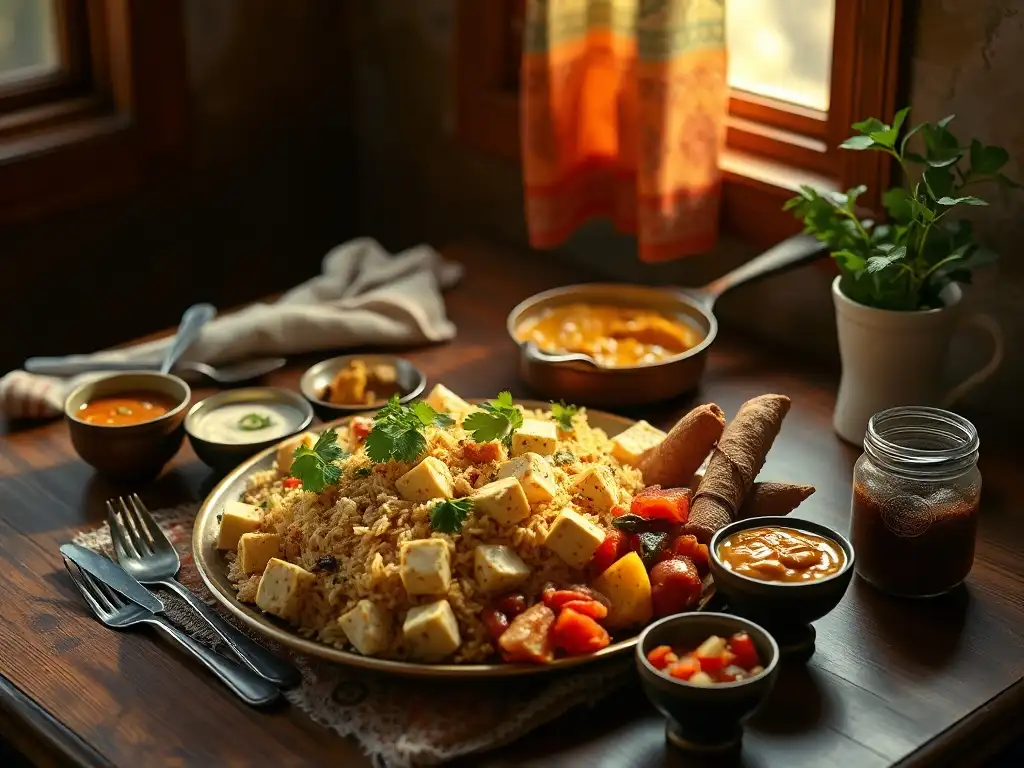
In today's culinary landscape, the resurgence of ancient Indian vegetarian recipes offers a unique opportunity to celebrate and preserve cultural heritage. As individuals increasingly seek sustainable, healthy, and flavorful eating options, these traditional dishes serve as a timeless resource.
By embracing ancient recipes and incorporating modern twists, cooks can create meals that honor the past while appealing to contemporary tastes. This blend of tradition and innovation not only enriches the dining experience but also fosters a deeper appreciation for the rich history and diversity of Indian cuisine.
Moreover, as global interest in vegetarianism continues to rise, ancient Indian vegetarian recipes can lead the way in demonstrating how flavorful and satisfying plant-based meals can be. Whether through a simple Khichdi or a more elaborate Biryani, these dishes provide nourishment for both the body and the soul.
The journey of exploring ancient Indian vegetarian recipes is not merely about cooking; it's about connecting with history, celebrating diversity, and embracing a sustainable future. As we cook and share these recipes, we contribute to a legacy that honors the culinary traditions of our ancestors while inspiring future generations to cherish and innovate within this rich culinary heritage.
Additional Resources for Cooking Ancient Indian Vegetarian Recipes
Exploring ancient Indian vegetarian recipes is not only about following traditional methods but also about understanding the rich history and culture behind each dish. Here are some valuable resources to enhance your culinary journey:
- Cookbooks:
- Look for titles that focus on ancient Indian cuisine or traditional vegetarian recipes. Some notable mentions include:
- "The Art of Indian Vegetarian Cooking" by Yamuna Devi
- "Indian Vegetarian Cooking: A Beginner's Guide" by Chandra Ghosh
- These books often include historical context and techniques that can provide greater appreciation for each dish.
- Look for titles that focus on ancient Indian cuisine or traditional vegetarian recipes. Some notable mentions include:
- Online Platforms:
- Websites dedicated to Indian cooking often have extensive sections on vegetarian recipes. Noteworthy platforms include:
- YouTube Channels: Many chefs showcase ancient recipes with modern twists. Channels such as Chef Sanjyot Keer and Nisha Madhulika can provide visual guidance.
- Food Blogs: Blogs like Swasthi's Recipes and Veg Recipes of India incorporate ancient recipes and their adaptations.
- Websites dedicated to Indian cooking often have extensive sections on vegetarian recipes. Noteworthy platforms include:
- Cooking Classes:
- Enroll in local or online cooking classes that focus on Indian vegetarian cuisine. Learning from experts can provide hands-on experience and deeper insights into traditional methods.
- Cultural Workshops:
- Participate in workshops that explore the cultural significance of food in ancient India. These can often lead to discovering forgotten recipes and techniques while enjoying a community atmosphere.
- Documentaries and Films:
- Watching documentaries about ancient Indian history and culture can provide context to the dishes you are preparing. Titles such as "Indian Food: The Ultimate Experience" illustrate the journey of Indian cuisine throughout history.
Call to Action
Embark on your culinary adventure today! Discover the rich tapestry of flavors and techniques in ancient Indian vegetarian recipes, and don't hesitate to give them your modern twist.
Here’s how you can get started:
- Try a New Recipe: Choose a recipe from the resources mentioned above and prepare it with your own unique touch. Experiment with spices and ingredients to see what works best for you.
- Share Your Experience: Once you’ve tried your hand at cooking, share your experience with friends or on social media. Use the hashtag #AncientIndianVegetarian to connect with other food enthusiasts and share tips or variations you’ve created.
- Join a Community: Engage with online forums or local groups that focus on Indian cuisine. Exchange recipes, cooking tips, and stories about your culinary experiences.
- Stay Informed: Subscribe to newsletters or follow food blogs that focus on ancient and traditional recipes. This way, you can keep discovering new dishes and techniques regularly.
Let the flavors of ancient India inspire your kitchen, and revel in the joy of cooking! 🌱
- Introduction to Ancient Indian Vegetarian Recipes
- Ingredients that Shaped Ancient Indian Vegetarian Cuisine
- Ancient Indian Cooking Techniques
- Recipes with a Modern Twist
- Exploring Regional Variations of Ancient Vegetarian Recipes
- The Influence of Ancient Indian Vegetarian Recipes on Global Cuisine
- Conclusion: Embracing Ancient Indian Vegetarian Recipes Today
- Additional Resources for Cooking Ancient Indian Vegetarian Recipes
- Call to Action
- What are some popular ancient Indian vegetarian recipes?
- How did ancient Indian civilizations influence vegetarian cooking?
- What modern twists can be added to ancient vegetarian recipes?
- Are there any health benefits to following ancient vegetarian diets?
- Where can I find resources for ancient Indian vegetarian recipes?
Frequently Asked Questions
What are some popular ancient Indian vegetarian recipes?
Many ancient Indian vegetarian recipes include dishes like dal, sabzi, and rice preparations. These recipes have been passed down through generations and are often made with local spices and ingredients.
How did ancient Indian civilizations influence vegetarian cooking?
Ancient Indian civilizations, particularly during the Indus Valley Civilization, emphasized vegetarianism due to cultural and religious beliefs. This has led to a rich tradition of plant-based diets that persists today.
What modern twists can be added to ancient vegetarian recipes?
Modern twists to ancient vegetarian recipes can include using quinoa instead of rice or adding superfoods like kale and avocado to traditional dishes. This keeps the flavors intact while enhancing nutritional value.
Are there any health benefits to following ancient vegetarian diets?
Yes, following ancient vegetarian diets is associated with numerous health benefits, including lower risks of heart disease, diabetes, and improved digestion. These diets are often rich in fiber and nutrients.
Where can I find resources for ancient Indian vegetarian recipes?
You can find resources for ancient Indian vegetarian recipes in cookbooks, online blogs, and dedicated websites that focus on Indian cuisine. Many also offer insights into the cultural significance of these dishes.
Final Reflection: Embracing Tradition with a Modern Twist
The fusion of ancient Indian vegetarian recipes with contemporary culinary techniques is not just a trend; it is a celebration of our rich heritage and a response to today's health-conscious lifestyle. As we navigate a world increasingly focused on sustainability and wellness, these timeless recipes remind us of the power of plant-based diets and their relevance in our daily lives. The revival of these dishes serves as a striking testament to how food can bridge the past and present, nourishing both body and soul.
The influence of ancient Indian vegetarian recipes extends far beyond the kitchen; it resonates within our cultural identity and social practices. By embracing these recipes, we not only honor our ancestors but also promote a lifestyle that values health, sustainability, and community. As Mahatma Gandhi once said, "> The greatness of a nation and its moral progress can be judged by the way its animals are treated." This quote encapsulates the essence of vegetarianism, urging us to consider the ethical implications of our food choices and their impact on the world around us.
As you reflect on the recipes and insights shared in this article, I invite you to explore your own culinary journey. Consider how you can incorporate ancient wisdom into your modern cooking practices, not just for nourishment but as a way to connect with your roots. Let each meal be an opportunity to celebrate the rich tapestry of flavors and traditions that have shaped our culinary landscape. Embrace the challenge of reimagining these dishes, and in doing so, contribute to a legacy that honors both the past and the future.
Savor the Flavor: Recreate These Ancient Indian Recipes Today!
Thank you for taking the time to explore the rich tapestry of ancient Indian vegetarian cuisine! We hope you discovered delicious inspirations and ideas for infusing your meals with historical flavor and modern flair. Now, it’s time to get creative and bring these delightful dishes to your kitchen.
Here are some exciting ways to ignite your culinary journey:
- Recreate your favorite recipe from this article and share your unique spin on it with family and friends.
- Delve into the fascinating history behind each dish by researching regional variations and their cultural significance.
- Join our community! Share your cooking experiences and tips on social media using #AncientIndianDelights to connect with fellow enthusiasts.
Which ancient recipe are you most excited to try, and how will you personalize it to make it your own?