
The Impact of Ancient Battles on Indian Society and Culture

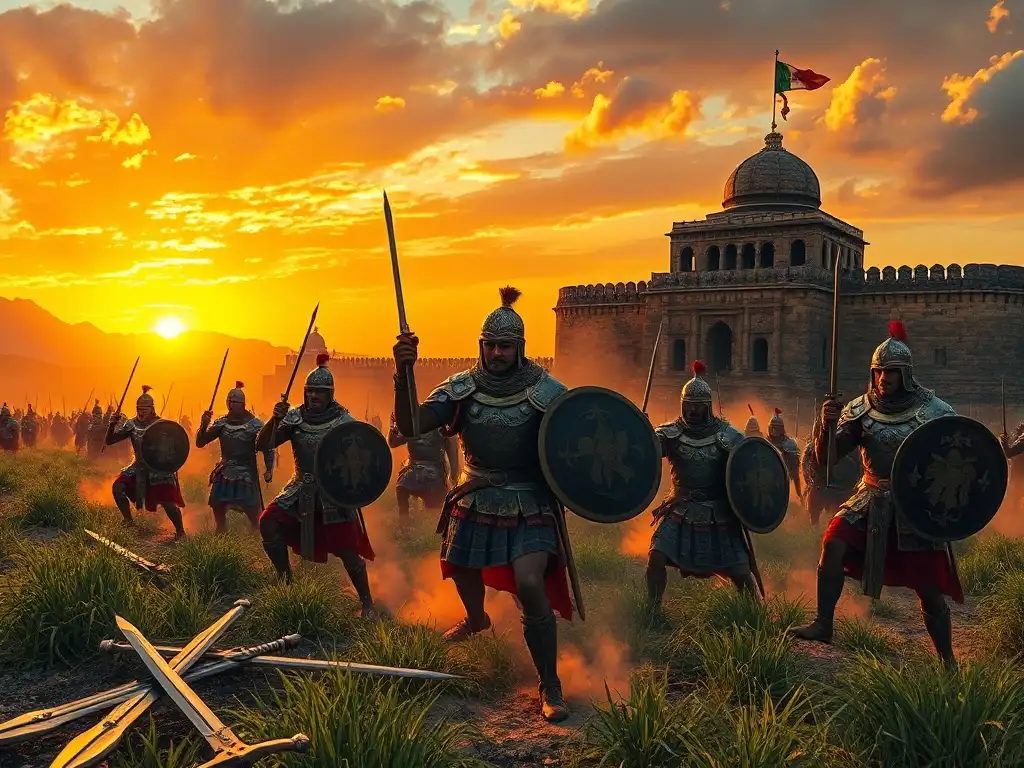
Welcome to Ancient India History, where we embark on a fascinating journey through time to uncover the rich and diverse tapestry of ancient Indian civilizations. From the sophisticated Indus Valley to the mighty Gupta Empire, each era has left an indelible mark on the cultural and social landscape of India. In our featured article, “The Impact of Ancient Battles on Indian Society and Culture,” we delve into how these historical conflicts shaped not only the course of history but also the very essence of Indian identity.
Curious about how these ancient battles influenced art, philosophy, and society? Join us as we explore the profound legacy of warfare in shaping a civilization that continues to inspire today!
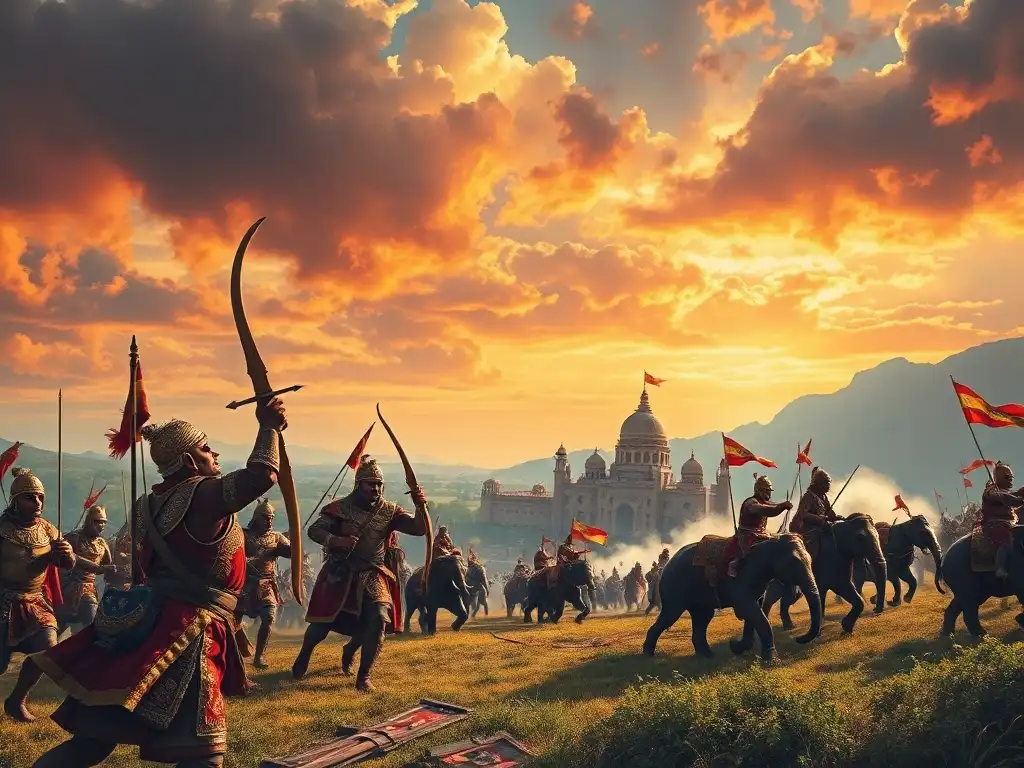
The impact of ancient battles on Indian society and culture is a profound subject that sheds light on how conflict shaped the trajectory of one of the world's oldest civilizations. From the strategic maneuvers of the Indus Valley civilization to the legendary confrontations of the Gupta Empire, battles were not merely contests of military might; they were pivotal events that influenced social structures, cultural developments, and even philosophical discourses.
Understanding these ancient Indian battles provides invaluable insights into how warfare affected everything from governance to daily life, shaping the identity of society as a whole. This article delves into the notable battles that marked ancient India, exploring their significance and the enduring legacy they left on the subcontinent.
Introduction to Ancient Indian Battles and Their Significance
Overview of Ancient Indian Warfare
Ancient Indian warfare was characterized by its complexity and diversity, reflecting the rich tapestry of cultures and kingdoms that thrived on the subcontinent. The primary forms of warfare included chariot battles, infantry skirmishes, and elephant warfare, each contributing to the strategic landscape of the time.
- Chariot Warfare: Dominant in early battles, chariots were a symbol of power and prestige. Rulers often showcased their prowess in chariot combat as a means of asserting dominance.
- Infantry Tactics: With the rise of larger kingdoms, infantry became central to military strategies, leading to the formation of professional armies.
- Use of Elephants: Elephants played a crucial role in battles, serving as both a psychological weapon and a formidable force on the battlefield.
The evolution of warfare techniques not only reflects the technological advancements of the time but also how these battles impacted the social hierarchy, as warrior classes emerged and gained prominence.
Importance of Military History in Understanding Culture
The study of military history is essential for comprehending the broader cultural and societal contexts of ancient India. Battles often acted as catalysts for change, influencing various facets of life:
- Political Changes: Many battles led to the rise and fall of empires, altering the political landscape of the region.
- Cultural Exchange: Wars often resulted in the interaction of diverse cultures, leading to the exchange of ideas, art, and technology.
- Religious Influences: The outcomes of battles frequently intertwined with religious narratives, shaping the belief systems and practices of communities.
By examining military history, we can better understand how ancient Indian battles not only defined the era's conflicts but also contributed to the rich cultural heritage that continues to resonate today.
Major Ancient Indian Battles and Their Context
The Battle of Kurukshetra: A Pivotal Moment
The Battle of Kurukshetra, chronicled in the epic Mahabharata, represents one of the most significant conflicts in ancient Indian history. This monumental battle, fought between the Pandavas and Kauravas, is not just a tale of warfare but a profound exploration of dharma (righteousness) and morality.
- Cultural Impact: The teachings imparted by Lord Krishna during this battle have influenced Indian philosophy for centuries, emphasizing duty over personal gain.
- Social Dynamics: The aftermath of Kurukshetra led to shifts in power dynamics and the reconfiguration of alliances among various clans and kingdoms.
The legacy of this battle extends beyond its immediate consequences; it continues to be a touchstone for discussions on ethics, governance, and the complexities of human nature.
The Historical Significance of the Battle of Kalinga
The Battle of Kalinga, fought in 261 BCE, marked a transformative moment for Emperor Ashoka and his reign. The brutal conflict resulted in significant loss of life, prompting Ashoka to adopt a policy of non-violence and Buddhism.
- Shift in Policy: The aftermath of the battle led to Ashoka's conversion to Buddhism, profoundly influencing his governance and the spread of Buddhist philosophy across Asia.
- Cultural Legacy: The Kalinga War is often seen as a turning point that emphasized the need for peace and compassion over conquest, reshaping the cultural ethos of the period.
The battle's impact resonated throughout Indian society, leaving an indelible mark on its moral and ethical framework.
The Influence of Alexander's Invasion on Indian Warfare
Alexander the Great's invasion of India in the 4th century BCE had significant implications for the subcontinent's military landscape. His encounters with Indian kingdoms introduced new tactics and warfare strategies, influencing local rulers and their military practices.
- Military Innovations: Indian armies began to adopt some of the Greek military techniques, including the use of phalanx formations and advanced siege tactics.
- Cultural Exchanges: The confrontation with Alexander led to increased cultural exchanges, which enriched Indian art, architecture, and philosophical thought.
The impact of Alexander's invasion serves as a reminder of how external forces can shape the internal dynamics of a civilization, leaving lasting impressions on its military and cultural fabric.
Cultural Impact of Ancient Indian Battles
Ancient Indian battles were not merely contests of military might; they significantly influenced the cultural landscape of the subcontinent. The outcomes of these conflicts often led to sweeping changes in societal norms, religious practices, and artistic expressions. As various kingdoms and empires rose and fell, their legacies were woven into the cultural fabric of India, shaping the identities of subsequent generations.
Shifts in Societal Structures Post-Battles
The aftermath of battles often resulted in substantial shifts in societal structures. For instance, the conquests led by figures like Chandragupta Maurya not only established new dynasties but also redefined social hierarchies. The defeat of a ruling class could elevate previously marginalized groups, while victorious powers might impose new systems of governance that reflected their own values. The social mobility enabled by these conflicts often allowed for the blending of cultures, leading to a more heterogeneous society.
Moreover, the need for soldiers and military support sometimes resulted in increased recognition of warrior classes, affecting caste dynamics. The emergence of feudal systems in some regions can also be traced back to the need for local rulers to secure loyalty from military leaders in exchange for land and power, fundamentally altering the social landscape.
The Role of Epic Literature in Reflecting Battle Histories
Epic literature, such as the Mahabharata and Ramayana, serves as a crucial lens through which the impact of ancient battles on Indian society can be understood. These texts not only narrate heroic tales of battles but also delve into the moral and ethical dilemmas faced by the characters involved. The Mahabharata, which centers around the Kurukshetra War, explores themes of dharma (duty) and the consequences of war, thereby influencing societal values and philosophies.
Additionally, these epics contributed to the collective memory of battles, preserving the legacies of fallen heroes and the lessons learned from conflicts. They inspired generations of poets, playwrights, and artists, shaping cultural narratives and fostering a sense of identity among various communities across ancient India.
Art and Architecture Inspired by Warfare
The influence of ancient battles can also be seen in the art and architecture of the time. Temples, sculptures, and paintings often depicted scenes of valor and heroism from significant battles, serving both as a celebration of victories and a reminder of the sacrifices made. For example, the intricate carvings of the Khajuraho temples showcase warriors in combat, reflecting the martial culture of the period.
Moreover, fortifications and palaces were built as symbols of power and military strength. The architecture of these structures not only served defensive purposes but also embodied the artistic styles of the era, often embellished with motifs that celebrated military achievements and conquests. This intermingling of art and warfare highlights the profound cultural impact that battles had on Indian society.
Political Consequences of Ancient Battles
The political landscape of ancient India was profoundly shaped by battles and military campaigns. Conflicts often acted as catalysts for political change, influencing the rise and fall of dynasties and altering territorial boundaries. The ramifications of these confrontations extended beyond immediate military outcomes, laying the groundwork for future governance and political relationships.
Formation of Kingdoms and Empires After Major Conflicts
Major battles frequently led to the formation of new kingdoms and empires. For instance, the victory of Alexander the Great in the 4th century BCE opened the door for subsequent rulers like Chandragupta Maurya to establish powerful empires. These conflicts resulted in a realignment of power dynamics, as defeated kingdoms were absorbed into larger empires or fragmented into smaller states.
The emergence of the Gupta Empire in the 4th century CE exemplifies how ancient battles could unify diverse regions under a single banner, fostering political stability and cultural flourishing. The consolidation of power following such battles not only transformed the political map of India but also created a cultural renaissance that would resonate through the ages.
The Role of Military Alliances and Diplomacy
In ancient India, military alliances and diplomacy played crucial roles in shaping political landscapes. Battles often prompted the formation of strategic alliances, as kingdoms sought to bolster their defenses against common foes. The Mauryan Empire, for instance, utilized diplomatic marriages and alliances to secure its borders and expand its influence.
Moreover, the outcomes of battles frequently dictated the nature of diplomatic relations between states. Victorious kingdoms might impose treaties that favored their interests, while defeated ones were often compelled to negotiate terms that could include tributes or territorial concessions. This interplay of military might and diplomacy was essential in establishing the balance of power among ancient Indian states.
The Evolution of Governance in Response to Warfare
The constant threat of warfare necessitated the evolution of governance in ancient India. Rulers adapted their administrative structures to respond to the challenges posed by conflicts, leading to innovations in military organization, taxation, and resource management. The establishment of standing armies and professional military classes was one significant outcome of this evolution, allowing kingdoms to maintain a ready defense against invasions and internal strife.
Additionally, the experiences garnered from battles prompted rulers to develop legal and political frameworks aimed at stabilizing their reigns. The codification of laws and the establishment of bureaucratic systems can be traced back to the lessons learned in warfare, as leaders sought to create order in the aftermath of conflict. This evolution laid the groundwork for governance models that would influence future political structures in India.
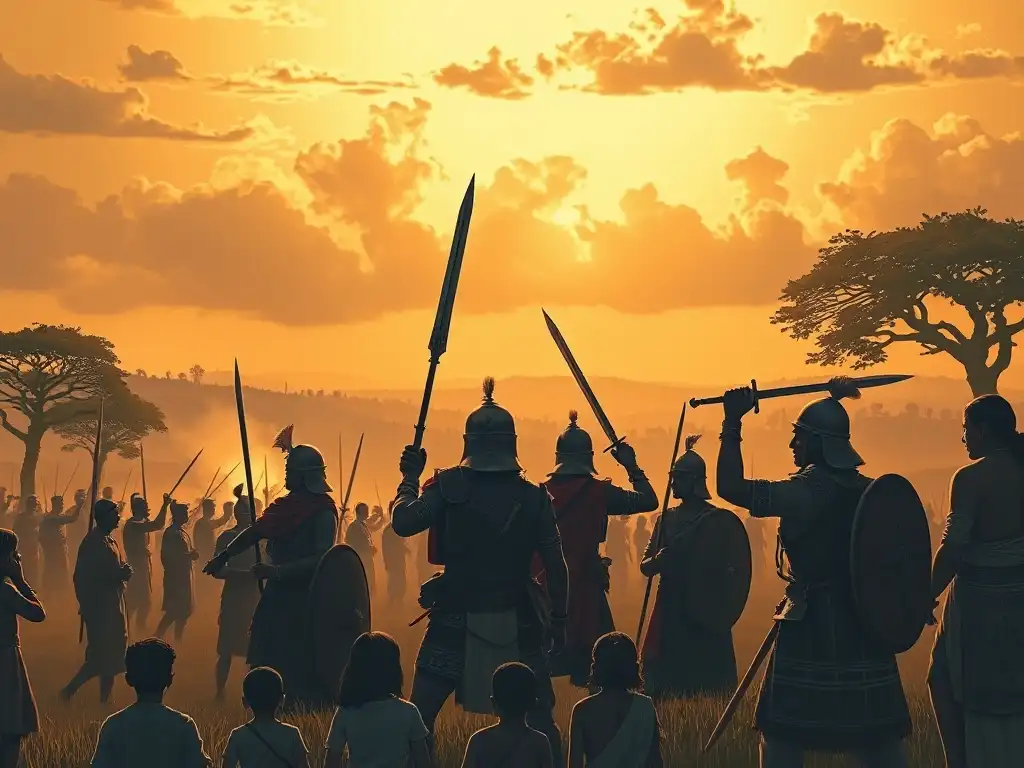
Ancient battles in India had profound psychological and social effects on various strata of society. The aftermath of these conflicts often left deep scars on the collective psyche of communities, influencing social structures, cultural practices, and communal relationships. Victorious armies would often celebrate their success, leading to a temporary uplift in morale and a sense of pride among their people. Conversely, the defeated would experience trauma, loss, and social disintegration, which could lead to resentment, shifting allegiances, and the rise of new power dynamics.
The social fabric was also altered as warriors returned from campaigns, bringing with them tales of valor and glory that contributed to the community's identity. These narratives often shaped local folklore and traditions, instilling a warrior ethos in subsequent generations. Additionally, the recruitment of soldiers from various backgrounds during battles fostered a sense of camaraderie among diverse groups, which sometimes transcended regional and caste boundaries, albeit temporarily.
Collective Memory and Historical Narratives
Collective memory plays a pivotal role in how societies remember and interpret their past. The battles fought in ancient India contributed significantly to this collective memory, evolving into historical narratives that were passed down through generations. Epic texts like the Mahabharata and the Ramayana encapsulated the essence of these conflicts, embedding the ideals of heroism, sacrifice, and moral dilemmas within the cultural consciousness.
These narratives often served as moral lessons, illustrating the consequences of hubris and the virtues of righteousness. The retelling of these battles in various forms—be it through oral traditions, dance, or theater—ensured that the memories of these events were not only preserved but also infused with moral and ethical significance, affecting societal norms and values.
The Impact of Wars on Religion and Philosophy
The impact of ancient battles on religion and philosophy in India is profound and multifaceted. Conflicts often led to the questioning of existing beliefs and the emergence of new philosophical schools. For instance, the Kaurava-Pandava war in the Mahabharata prompted discussions on dharma (duty/righteousness), which became central to Hindu philosophy.
Furthermore, the consequences of battles sometimes resulted in the fusion of different religious practices, as victors sought to legitimize their rule through divine influence. The introduction of new deities, rituals, and philosophical thoughts often emerged from the aftermath of warfare, leading to a dynamic and evolving spiritual landscape. This interplay between conflict and belief systems shaped the spiritual identity of communities, intertwining their histories with their religious practices.
Gender Roles Shaped by the Experience of Warfare
Warfare in ancient India significantly influenced gender roles within society. The participation of women in battles, whether as warriors, supporters, or caretakers of the wounded, challenged traditional gender norms. Notable figures such as Rani Lakshmibai exemplified how women could rise to prominence in times of conflict, altering perceptions about their capabilities and roles.
The aftermath of battles often saw shifts in societal expectations, with women taking on more responsibility in the absence of men who were either dead or away. This led to a gradual redefinition of gender roles, as women became central to the sustenance and rebuilding of communities. Such transformations were sometimes reflected in literature and art, where women were depicted as both nurturers and warriors, thus broadening the societal understanding of femininity.
Legacy of Ancient Battles in Modern India
The legacy of ancient battles continues to resonate in modern India, influencing various facets of contemporary society. Their impact is evident not only in military strategies but also in cultural, social, and national identity constructs. The lessons learned from these conflicts provide a historical context that shapes current policies and societal attitudes.
Influence on Contemporary Military Practices
Modern Indian military practices are deeply rooted in the strategies and tactics developed during ancient battles. Historical battles have informed the development of warfare tactics, leadership styles, and military ethics. The emphasis on valor and sacrifice seen in ancient texts continues to inspire contemporary soldiers, fostering a sense of pride and duty.
Furthermore, the study of ancient military history informs current strategic planning and operational methods. By analyzing past battles, military leaders can glean insights into effective maneuvering, logistics, and the psychological aspects of warfare, helping to shape a robust and adaptive fighting force.
Preservation of Battle Sites and Historical Memory
The preservation of ancient battle sites in India serves as a testament to the enduring legacy of these conflicts. Sites such as the fields of Kurukshetra and Hastinapura are not only tourist attractions but also places of pilgrimage and remembrance. They evoke a sense of historical consciousness and collective memory among the people.
Efforts to protect and promote these sites often result in educational initiatives aimed at raising awareness about the significance of these locations. This preservation also fosters a connection to the past, allowing contemporary society to engage with its history, learn from it, and reflect on the consequences of warfare.
The Role of Ancient Battles in National Identity
Ancient battles have played a crucial role in shaping the national identity of India. The narratives surrounding these conflicts are woven into the fabric of national consciousness, often celebrated in literature, art, and public discourse. They serve as emblematic representations of resistance, valor, and the struggle for sovereignty.
The commemoration of these battles through national holidays, memorials, and educational curricula reinforces a shared sense of history and purpose among citizens. In a diverse nation like India, these common historical touchpoints foster unity and pride, contributing to a collective identity rooted in the experiences of ancient struggles and triumphs.
Conclusion: The Lasting Legacy of Ancient Indian Battles
The battles fought in ancient India have left a profound legacy that extends far beyond mere military victories or defeats. These conflicts contributed significantly to shaping the social, cultural, and political landscapes of the subcontinent. The narratives of these ancient Indian battles serve not only as historical accounts but also as reflections of the values, beliefs, and struggles of the people. From the epic tales of the Mahabharata to the strategic campaigns of the Mauryan and Gupta empires, the impact of these battles is woven into the very fabric of Indian identity.
The consequences of these battles can still be felt in contemporary society. They influenced governance, military strategy, and even cultural expressions such as art, literature, and philosophy. As we delve into the rich tapestry of ancient Indian history, it becomes evident that understanding these battles is crucial to grasping the complexities of the Indian cultural heritage.
Summary of the Cultural and Societal Impact
Ancient Indian battles played a vital role in shaping the society and culture of the time. Notable conflicts often resulted in societal restructuring, as victories led to the rise of new dynasties and the fall of others. For instance, the Kalinga War, fought by Emperor Ashoka, had a transformative impact on his outlook, leading him to embrace Buddhism and propagate its principles across the region. This shift not only altered the religious landscape of India but also fostered a culture of peace and non-violence that resonated through the ages.
Moreover, battles influenced the arts, with numerous sculptures, paintings, and literary works emerging as reflections of these conflicts. The valor of warriors and the ethos of chivalry became central themes in Indian literature, inspiring generations to honor and remember their heritage. The societal norms and values that emerged from these conflicts continue to inform contemporary Indian society, from family structures to community relationships.
Reflection on the Importance of Understanding History
Understanding the history of ancient Indian battles is paramount for several reasons. First, it provides insights into the evolution of military tactics and governance in ancient times. By studying these battles, historians and scholars can discern patterns in leadership, strategy, and diplomacy that remain relevant today.
Furthermore, examining the societal responses to these conflicts reveals how societies cope with war and peace. The resilience of ancient Indian civilizations in the face of adversity helps modern societies learn from past mistakes and successes. By fostering a deeper appreciation for history, we cultivate an awareness of our collective identity and the lessons it imparts.
Call to Action: Exploring Further into Ancient Indian History
To better appreciate the impact of ancient battles on Indian society and culture, a proactive approach to learning about this rich history is essential. Engaging with the past can foster a more profound understanding of contemporary issues and cultural dynamics.
Suggested Readings and Resources on Ancient Indian Warfare
To delve deeper into the subject of ancient Indian battles and their impacts, consider exploring the following resources:
- Books:
- "The Art of War in Ancient India" by R. S. Sharma
- "Warfare in Ancient India" by R. K. Gupta
- "The Mahabharata: A Modern Rendering" by Ramesh Menon
- Documentaries:
- "Ancient India: The Land of Battles" - A documentary exploring key battles and their outcomes.
- "The Rise and Fall of Indian Empires" - An insightful look into how warfare shaped different dynasties.
- Online Courses:
- Courses on ancient Indian history available on platforms like Coursera and edX.
Opportunities for Engagement in Historical Research and Discussions
Engaging with ancient Indian history is not limited to reading; there are numerous avenues for active participation:
- Join Historical Societies: Many organizations focus on the preservation and study of ancient Indian history and warfare. Membership can provide access to exclusive research, seminars, and networking opportunities.
- Participate in Online Forums: Platforms like Reddit and specialized history forums offer sections dedicated to discussions about ancient India. Engaging in these discussions can enhance your understanding and provide diverse perspectives.
- Attend Workshops and Lectures: Universities and cultural institutions often host lectures and workshops focusing on ancient Indian history. These events can provide valuable insights from experts in the field.
By taking these steps, individuals can contribute to the ongoing exploration and appreciation of ancient Indian history, fostering a broader understanding of the impact of ancient battles on society and culture.
- Introduction to Ancient Indian Battles and Their Significance
- Major Ancient Indian Battles and Their Context
- Cultural Impact of Ancient Indian Battles
- Political Consequences of Ancient Battles
- Psychological and Social Effects on Indian Society
- Legacy of Ancient Battles in Modern India
- Conclusion: The Lasting Legacy of Ancient Indian Battles
- Call to Action: Exploring Further into Ancient Indian History
- What were some significant ancient Indian battles?
- How did ancient battles influence Indian society?
- What role did warfare play in the development of ancient Indian kingdoms?
- How did ancient Indian battles affect cultural development?
- What is the modern significance of studying ancient Indian battles?
Frequently Asked Questions
What were some significant ancient Indian battles?
Ancient India witnessed numerous significant battles, such as the Battle of Kalinga, which played a crucial role in shaping Mauryan Emperor Ashoka's policies towards non-violence.
How did ancient battles influence Indian society?
The outcomes of ancient battles often led to cultural exchanges and shifts in political power, deeply impacting the societal structure and cultural practices of the time.
What role did warfare play in the development of ancient Indian kingdoms?
Warfare was a driving force in the formation and expansion of ancient Indian kingdoms, often leading to the emergence of new dynasties and trade routes that boosted economic growth.
How did ancient Indian battles affect cultural development?
Ancient battles often resulted in cultural amalgamation, as victors would implement their traditions and beliefs in conquered regions, enriching the cultural tapestry of India.
What is the modern significance of studying ancient Indian battles?
Understanding the impact of ancient battles helps us appreciate the evolution of Indian society and culture, providing insights into contemporary social dynamics and national identity.
Final Reflection: The Enduring Legacy of Ancient Indian Battles
The impact of ancient Indian battles on society and culture is not merely a relic of the past; it resonates profoundly in our contemporary world. These historical conflicts have shaped the very fabric of Indian identity, influencing everything from art and literature to social norms and political structures. The lessons learned from these battles continue to inform our understanding of resilience, strategy, and the complexities of human relationships, reminding us that history is not just a series of events but a living narrative that shapes our present and future.
The influence of these ancient battles extends beyond mere historical significance; they are woven into the cultural consciousness of India. From epic tales of valor in the Mahabharata to the strategic insights of Chanakya, the narratives surrounding these conflicts have fostered a rich tradition of storytelling and moral inquiry. As noted by historian Romila Thapar, History is not just about the past; it is about understanding the present and shaping the future.
This perspective invites us to reflect on how the lessons from these battles can guide us in navigating the complexities of modern society, fostering a deeper appreciation for our heritage.
As we contemplate the impact of ancient Indian battles, I invite you to reflect on your own connection to this rich history. Consider how the themes of courage, strategy, and resilience resonate in your life today. Let the stories of those who fought for their beliefs inspire you to confront your own challenges with determination and purpose. Embrace the lessons of the past as a source of strength, and carry forward the legacy of those who shaped the world we live in today.
Ignite Your Passion for Ancient Indian History!
Thank you for diving into the intriguing world of ancient battles and their profound effects on Indian society and culture. Your curiosity and interest bring history to life, helping us understand the rich tapestry that shapes our present. Now, let’s take the next step together!
- Unveil a battle story that resonates with you: Choose an ancient battle that captured your interest and research its aftermath. Share your findings with friends or on social media to spark engaging discussions!
- Explore local heritage: Visit a museum or historical site related to ancient warfare. Experiencing history firsthand is a powerful way to connect with your roots.
- Join the conversation: Engage with our community by leaving a comment below. Share your thoughts on how the outcomes of these battles continue to influence modern Indian society.
Which ancient battle do you believe has had the most significant impact on our culture today, and why?