
The Role of Ancient Indian Warfare in Shaping National Identity

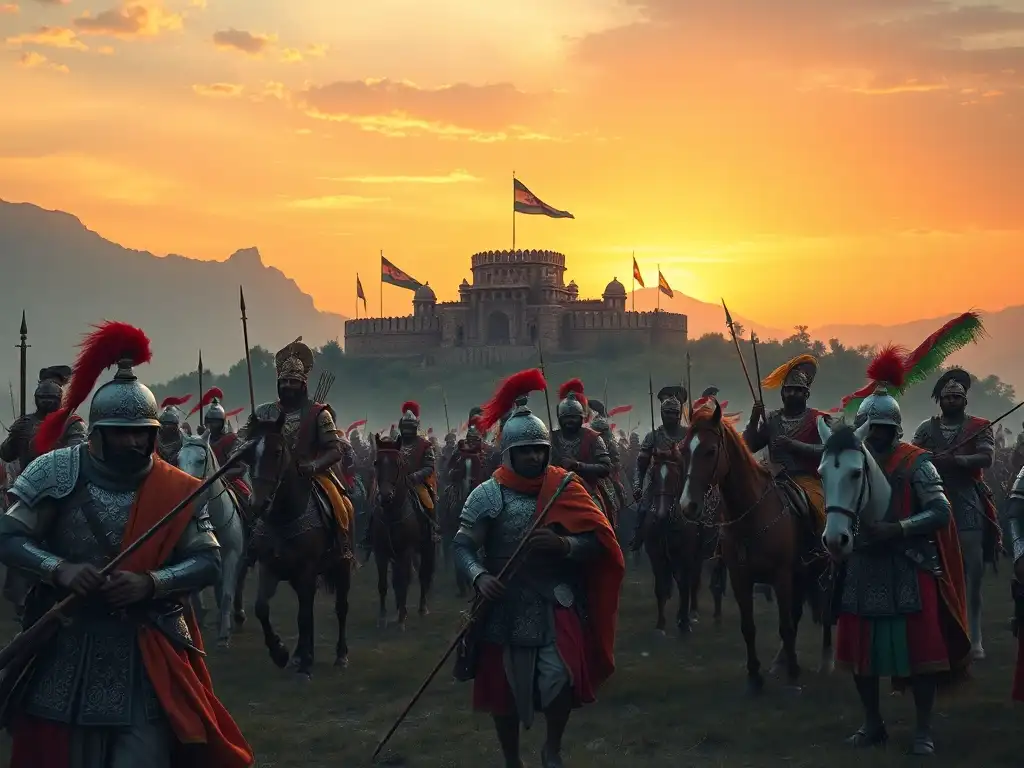
Welcome to Ancient India History, where we embark on a journey through the rich tapestry of civilizations that shaped the Indian subcontinent. In this exploration, we delve into the fascinating realm of ancient Indian warfare history, uncovering how battles, strategies, and valor forged not just empires but also a deep sense of national identity. What pivotal moments in military history have defined the very essence of ancient India? Join us as we unravel these compelling narratives and invite you to discover the profound cultural legacies that continue to influence us today. Your adventure through time begins here!
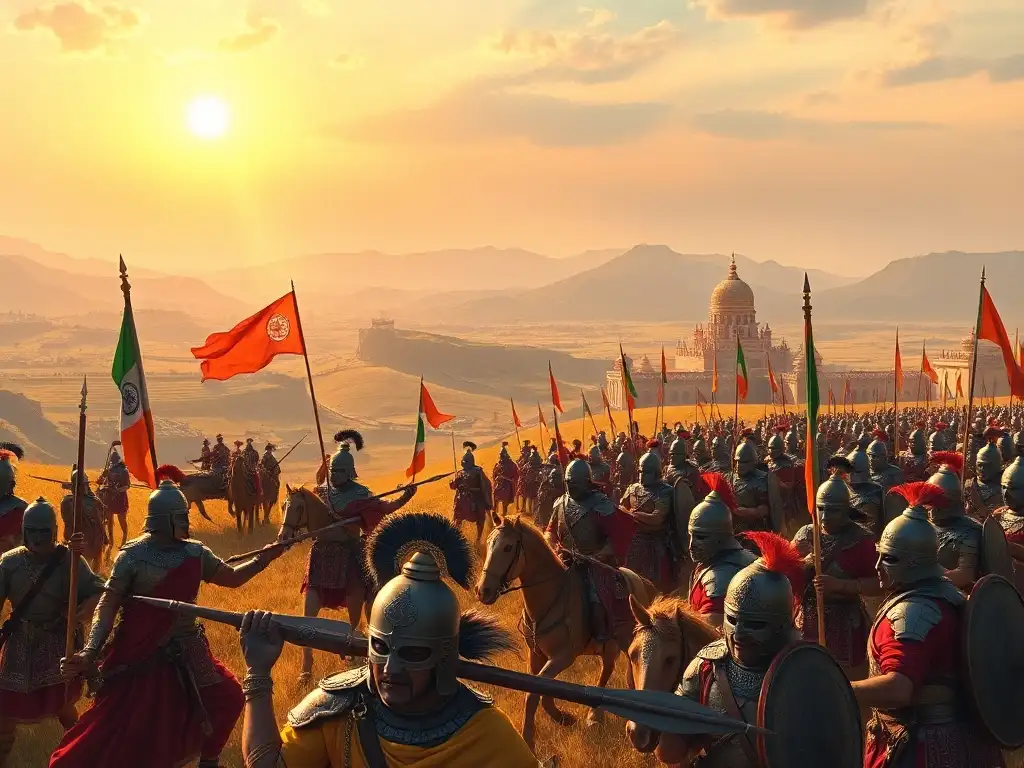
Introduction to Ancient Indian Warfare History
The history of warfare in ancient India is a multifaceted tapestry that intricately weaves together diverse cultural, social, and political threads. From the organized military campaigns of the Indus Valley Civilization to the strategic tactics employed during the Gupta Empire, ancient Indian warfare has played a pivotal role in shaping national identity and influencing the course of history in the region.
This article delves into the rich narrative of ancient Indian warfare history, exploring its significance, key periods, and the geographical factors that shaped military strategies. By understanding the evolution of warfare in ancient India, we can gain insight into how these historical events contributed to the cultural identity of the Indian subcontinent.
Overview of Ancient Indian Warfare
Ancient Indian warfare was characterized by a blend of indigenous techniques and the influence of neighboring cultures. It evolved over centuries, adapting to new technologies and changing political landscapes. Key features of ancient Indian warfare included:
- Chariots and Infantry: Chariots played a significant role in early battles, with infantry gradually becoming more prominent as tactics evolved.
- Use of Elephants: War elephants were not just symbols of power but also served as crucial components in battles, often used to charge enemy lines.
- Strategic Alliances: Various kingdoms forged alliances to strengthen their military capabilities, showcasing the importance of diplomacy alongside warfare.
This rich tapestry of military practices not only reflects the tactical ingenuity of ancient Indian leaders but also underscores the cultural values associated with honor, valor, and duty in warfare.
Importance of Warfare in Ancient Indian Civilizations
Warfare in ancient Indian civilizations was not merely a means of territorial expansion; it was deeply intertwined with the socio-political fabric of society. Its significance can be highlighted through the following points:
- Formation of Kingdoms: Military conquests often led to the establishment of new kingdoms, thus shaping the political landscape of ancient India.
- Cultural Exchange: Warfare facilitated interaction among different cultures, leading to the exchange of ideas, art, and technology.
- Religious and Philosophical Influences: Battles were often framed within the context of dharma (duty/righteousness) and concepts of justice, influencing philosophical discourses.
Through these lenses, ancient Indian warfare can be seen as a vital force in the development of national identity, reflecting the values and aspirations of the societies involved.
Historical Context of Warfare in Ancient India
Understanding the historical context of warfare in ancient India requires an examination of the major periods and the geographical influences that shaped military strategies.
Major Periods of Warfare in Ancient India
The history of ancient Indian warfare can be divided into significant periods, each marked by unique characteristics and notable conflicts:
- Indus Valley Civilization (c. 3300–1300 BCE): While direct evidence of warfare is limited, the urban planning and fortifications suggest a level of military organization.
- Vedic Period (c. 1500–500 BCE): The emergence of the Kshatriya warrior class and the Rigveda’s hymns reveal the importance of martial valor and the initiation of large-scale conflicts.
- Maurya Empire (c. 322–185 BCE): Chandragupta Maurya and his grandson Ashoka exemplified military prowess, expanding territory and later embracing non-violence.
- Gupta Empire (c. 240–550 CE): Known as a golden age, warfare during this period focused on defending against external threats while promoting cultural advancements.
Influence of Geography on Warfare Strategies
The geographical diversity of the Indian subcontinent played a crucial role in shaping warfare strategies throughout its history. Key geographical factors include:
- Mountainous Terrain: The Himalayas provided natural defenses for northern kingdoms, influencing the tactics used against invading forces.
- Rivers and Plains: Fertile river valleys supported large armies, facilitating the rapid mobilization of troops.
- Coastal Regions: The Indian coastline enabled naval warfare and trade, allowing for the exchange of military technologies with distant cultures.
By examining these influences, we can appreciate how geography not only dictated military strategies but also contributed to the identity of ancient Indian civilizations.
The study of ancient Indian warfare history reveals its profound impact on the formation of national identity, the evolution of military practices, and the cultural exchange that shaped the Indian subcontinent. As we explore the details of this rich history, we uncover the narratives that have contributed to the collective memory and identity of modern India.
Key Battles and Their Impact on National Identity
Throughout ancient Indian history, several key battles played a pivotal role in shaping the national identity of the subcontinent. These clashes were not just military confrontations but were also deeply intertwined with the socio-political and cultural fabric of the time. Battles such as the Kalinga War and the Mahabharata's Kurukshetra War exemplify how warfare influenced the collective consciousness and identity of various kingdoms and people.
Notable Battles in Ancient Indian History
-
The Battle of Kalinga (c. 261 BCE)
Fought between Emperor Ashoka of the Maurya Dynasty and the Kalinga kingdom, this battle marked a significant turning point in Indian history. Ashoka's remorse after witnessing the bloodshed led him to embrace Buddhism and promote non-violence, which shaped the moral and ethical framework of subsequent Indian society.
-
The Kurukshetra War (c. 1500 BCE)
Central to the epic Mahabharata, the Kurukshetra War symbolizes the struggle between dharma (righteousness) and adharma (unrighteousness). This conflict not only highlights the valor of its warriors but also instills a sense of moral duty and righteousness that has permeated Indian culture.
-
The Battle of Panipat (1526)
This battle marked the beginning of the Mughal era in India, where Babur defeated Ibrahim Lodi. The victory established Mughal rule, influencing the cultural and political landscape of India, fostering a sense of unity among the diverse populations under Mughal dominion.
Analysis of How Battles Shaped Cultural Identity
The impact of these battles transcends mere military outcomes; they served to unify diverse groups under common narratives of heroism, sacrifice, and moral duty. The epics and historical texts that recount these battles have contributed significantly to the formation of a collective cultural identity.
- Heroic Narratives: The valor of warriors is celebrated in folklore and literature, instilling a sense of pride among people. Figures like Arjuna from the Mahabharata and Ashoka become cultural icons, embodying the virtues of bravery and moral integrity.
- Cultural Syncretism: Battles often led to the amalgamation of cultures, especially during conquests. The Mughal period, for example, saw the blending of Persian and Indian cultures, enriching the artistic, architectural, and culinary heritage of India.
- Nationalism: In modern contexts, the reinterpretation of these battles has fueled nationalist sentiments, with leaders drawing upon historical narratives to rally people around a common identity and purpose.
Warfare Techniques and Innovations in Ancient India
Ancient Indian warfare was marked by a rich tapestry of techniques and innovations that not only shaped military outcomes but also influenced the development of technology and culture. The sophistication of Indian warfare can be seen through its weaponry, strategies, and the philosophical thinking behind its military doctrines.
Weapons and Armor Used in Ancient Indian Warfare
Ancient Indian warriors employed a diverse array of weapons and armor, showcasing both functionality and artistry. Notable examples include:
- Bows and Arrows: Renowned for their craftsmanship, Indian bows were made from flexible woods and featured intricate designs. Archery was a highly respected skill, with warriors like Arjuna being celebrated for their prowess.
- Swords and Blades: The use of swords, such as the khanda and the talwar, was prominent. These weapons were not only utilitarian but also served as status symbols, often ornately decorated.
- Armors: Warriors wore layered armor made from metal and leather, designed for both protection and mobility. The use of shields, often adorned with symbols, offered additional protection and served as a means of displaying allegiance.
Military Strategies and Tactics Employed
The strategies and tactics employed in ancient Indian warfare were as diverse as the regions and cultures from which they emerged. Key aspects included:
- Guerrilla Warfare: Smaller kingdoms often employed hit-and-run tactics to counter larger, more organized armies. This approach allowed them to exploit their knowledge of local terrain.
- Elephant Warfare: Elephants were not only used for transport but also as powerful instruments of war. Their size and strength could instill fear in enemy ranks, and they were often armored and equipped with howdahs for archers.
- Siege Warfare: Fortifications such as those seen in the Indus Valley Civilization demonstrate advanced strategies for defense. Siege tactics evolved over time, incorporating methods to breach walls and overcome fortified positions.
Contribution of Warfare to Technological Advancements
Warfare has historically been a catalyst for technological advancement in many civilizations, and ancient India was no exception. The pressures of conflict often spurred innovation in various domains, including:
- Metallurgy: The demands of producing weapons and armor led to significant advancements in metallurgy. The famous iron pillars of Delhi serve as a testament to the high level of metallurgical skill achieved in ancient India.
- Engineering: The construction of forts and defensive structures necessitated advances in engineering. Techniques developed for fortification and siegecraft influenced architecture and urban planning.
- Logistics and Supply Chains: The need to support large armies led to improvements in logistics and supply chains, enhancing trade networks and contributing to economic development.
The interplay between warfare and the cultural, technological, and social evolution of ancient India remains a rich field for exploration, shedding light on the complexities of national identity formation through the lens of ancient Indian warfare history.
The Role of Warriors and Military Leaders
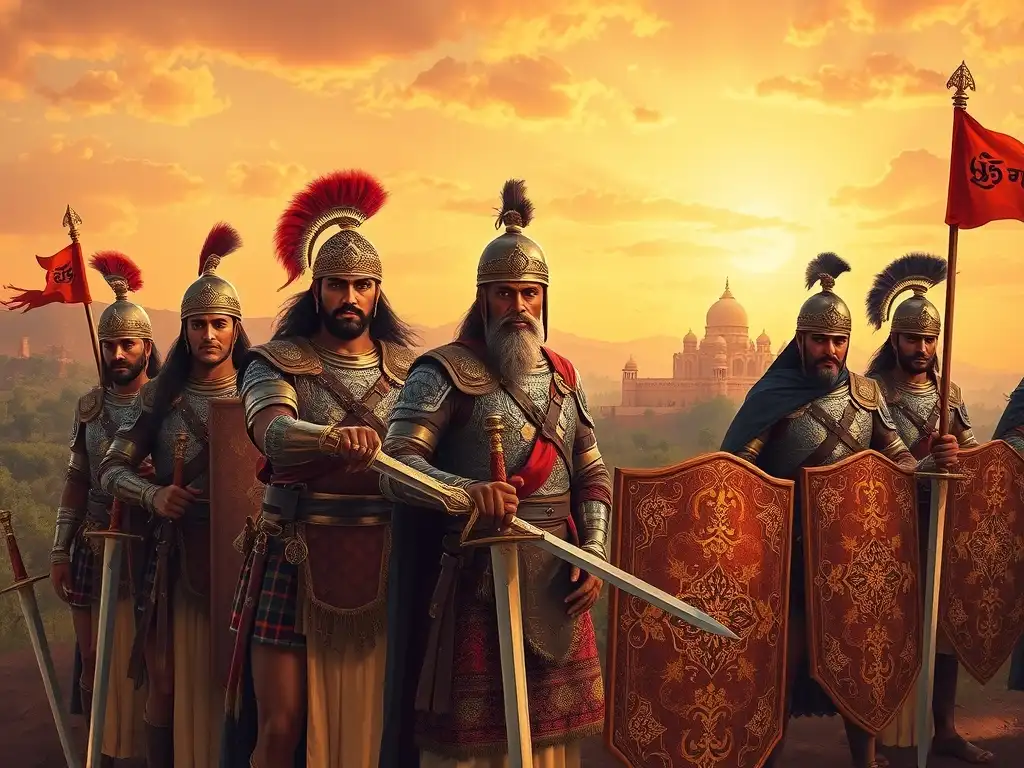
Warriors and military leaders played a pivotal role in shaping the socio-political landscape of ancient India. The caste system integrated the warrior class, known as the Kshatriyas, into the fabric of society. Their duties extended beyond mere combat; they were responsible for protecting their kingdoms, administering justice, and upholding dharma, the moral order. This multifaceted role elevated the status of warriors, making them symbols of honor and valor throughout various dynasties.
Military leaders, often revered as heroes, were celebrated for their strategic acumen and battlefield prowess. Their legacies contributed significantly to the formation of regional identities, as local heroes often became central figures in folklore and historical narratives. The valor and ethics of these leaders were not only vital during warfare but also served as moral exemplars for future generations, embedding them within the collective consciousness of the nation.
Prominent Military Leaders in Ancient India
Several military leaders stand out in ancient Indian warfare history, each leaving an indelible mark on their respective eras.
- Chandragupta Maurya: The founder of the Maurya Empire, he was instrumental in unifying a significant portion of India and established a centralized administration. His military tactics and strategies laid the groundwork for future rulers.
- Ashoka the Great: Renowned for his conversion to Buddhism after the Kalinga War, Ashoka's leadership demonstrated a shift from conquest to governance, influencing both military and ethical conduct in warfare.
- Raja Raja Chola I: A key figure in the Chola dynasty, he expanded his empire through naval power and innovative military strategies, significantly impacting South Indian history.
- Prithviraj Chauhan: A legendary king known for his conflicts with Muhammad Ghori, his story is steeped in romance and valor, symbolizing the resistance against foreign invasions.
These leaders exemplify the diverse approaches to warfare, ranging from expansion and consolidation to ethical governance, significantly shaping the historical narrative of ancient India.
The Concept of Dharma in Warfare
In ancient Indian warfare, the concept of dharma played a crucial role. Dharma, often translated as "righteousness" or "moral duty," dictated the ethical framework within which wars were fought. The Bhagavad Gita, a seminal text from the Mahabharata, encapsulates this philosophy, presenting the moral dilemmas faced by warriors like Arjuna.
Warfare was not merely a means to an end; it was seen as a duty to protect the kingdom and uphold justice. The idea of fighting without attachment to the results further emphasized the spiritual aspect of warfare. This principle justified military actions, as long as they adhered to the higher moral order. The intertwining of dharma with military conduct cultivated a deep-rooted respect for warriors, reinforcing their status as protectors of society.
The Influence of Ancient Indian Warfare on Modern National Identity
The legacy of ancient Indian warfare continues to resonate in contemporary national identity, shaping perceptions of valor and heroism in modern India. The narratives surrounding historical battles and military leaders have been instrumental in fostering a sense of pride and belonging among citizens.
Continuities and Changes in Warfare Perceptions
Over the centuries, perceptions of warfare in India have evolved, reflecting societal changes while retaining core elements of honor and valor. The glorification of ancient warriors in contemporary culture underscores a continuity in the valuation of military prowess. However, the modern understanding of warfare has transformed, influenced by globalization, technological advancements, and changing political landscapes.
While the traditional narratives still evoke national pride, there is an increasing recognition of the complexities of warfare, including its consequences and ethical implications. This duality enriches the discourse on national identity, allowing for a more nuanced appreciation of India's military history.
Modern Interpretations of Ancient Battles
Modern interpretations of ancient battles often serve as allegories for contemporary conflicts and national challenges. Historical events, such as the battles of Panipat or the Kalinga War, are reexamined through the lens of current issues, drawing parallels between past and present struggles for sovereignty, justice, and identity.
Cultural productions—films, literature, and art—have played a significant role in popularizing these narratives, often romanticizing the bravery and sacrifices of ancient warriors. This not only reinforces nationalistic sentiments but also sparks discussions on the moral implications of warfare, inviting critical reflections on the past.
The Role of Historical Narratives in National Identity Formation
Historical narratives surrounding ancient Indian warfare are instrumental in shaping national identity. The stories of valor, sacrifice, and righteousness serve as foundational myths that unite diverse communities under a shared cultural heritage.
These narratives often emphasize themes of resistance against oppression and the valorization of warriors as protectors of the nation, fostering a collective consciousness that transcends regional boundaries. The portrayal of ancient battles in educational curricula, national celebrations, and popular media reinforces these identities, ensuring that the lessons of the past remain relevant in contemporary society.
The intricate relationship between ancient Indian warfare and the formation of national identity highlights the enduring legacy of military history in shaping cultural values and collective memory. The role of warriors, military leaders, and the moral frameworks guiding warfare continue to influence modern perceptions, enriching the tapestry of India's national identity.
Conclusion: The Legacy of Ancient Indian Warfare
The legacy of ancient Indian warfare is a tapestry woven from the threads of valor, strategy, and cultural evolution. Spanning several millennia, this history has not only shaped the military landscape of the subcontinent but has also influenced the national identity of modern India. The strategies employed, the valor exhibited in battles, and the philosophical underpinnings of warfare during ancient times have left an indelible mark on Indian society. The narratives of ancient warriors, from the epic tales of the Mahabharata to the historical accounts of kings like Ashoka, serve as a source of inspiration and pride.
Ancient Indian warfare was characterized by its diverse approaches, combining formidable military tactics with deep-rooted philosophies. The emergence of various military formations, such as chariots and infantry, alongside the development of fortified cities, showcases the innovative spirit of ancient Indian civilizations. Additionally, the principles of dharma and ethics in warfare, as articulated in texts like the Bhagavad Gita, reflect a nuanced understanding of conflict that transcends mere physical confrontations.
Summary of Key Points
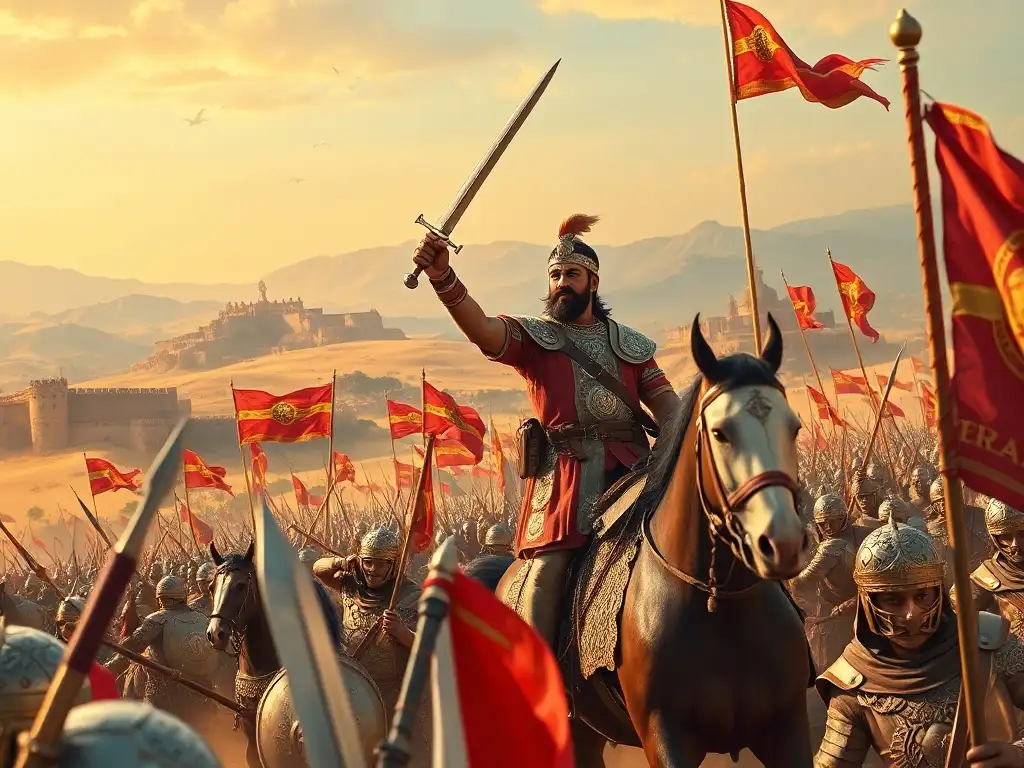
- Historical Significance: Ancient Indian warfare played a crucial role in shaping regional dynamics and the rise and fall of empires.
- Cultural Impact: The stories of warriors and battles have been immortalized in literature and folklore, influencing contemporary narratives of valor and national pride.
- Philosophical Dimensions: Concepts of dharma and ethics have provided a framework for understanding the moral implications of warfare, distinguishing ancient Indian practices from mere conquest.
- Military Innovations: The evolution of military tactics and technologies highlights the ingenuity of ancient Indian civilizations in adapting to the complexities of warfare.
Reflection on the Ongoing Influence of Ancient Warfare on Indian Identity
The influence of ancient warfare on modern Indian identity is profound and multifaceted. The heroic narratives of ancient warriors continue to inspire contemporary society, fostering a sense of pride in the rich military heritage of India. Events such as Republic Day parades and military commemorations often draw upon these historical legacies, reinforcing the connection between past and present.
Moreover, the philosophical teachings related to warfare have permeated into various aspects of Indian culture, including art, literature, and politics. The principles of ethics in conflict, as discussed in ancient texts, resonate in modern discussions about justice and morality in warfare, influencing contemporary military strategies and policies.
In essence, the legacy of ancient Indian warfare is not just a relic of the past; it is a living narrative that continues to shape the identity and values of the Indian populace today.
Further Reading and Resources on Ancient Indian Warfare History
Suggested Books and Articles
-
"A History of Ancient India" by Romila Thapar
This comprehensive book explores the socio-political and military aspects of ancient Indian civilizations, providing insights into warfare's role in shaping history.
-
"The Art of War in Ancient India" by R. S. Sharma
This work delves into the strategies and philosophies that characterized ancient Indian military practices.
-
"War and Society in Ancient India" by S. S. Bhatti
This book examines the relationship between warfare and social structures in ancient India, highlighting how military endeavors influenced societal norms.
Online Resources and Documentaries
-
India: The Modi Question - BBC Documentary
This documentary explores the political implications of historical narratives, including those of ancient warriors.
-
The Great Indian Epic: Mahabharata
Various online platforms host discussions and analyses of the Mahabharata, focusing on its portrayal of warfare and ethical dilemmas.
-
YouTube Channels:
- "Epic History TV": Offers engaging content on the historical battles and military strategies of ancient India.
- "Khan Academy": Features educational videos on ancient civilizations, including discussions on military history.
By engaging with these resources, readers can deepen their understanding of ancient Indian warfare and its lasting impact on the national identity of India.
- Introduction to Ancient Indian Warfare History
- Historical Context of Warfare in Ancient India
- Key Battles and Their Impact on National Identity
- Warfare Techniques and Innovations in Ancient India
- The Role of Warriors and Military Leaders
- The Influence of Ancient Indian Warfare on Modern National Identity
- Conclusion: The Legacy of Ancient Indian Warfare
- Summary of Key Points
- Reflection on the Ongoing Influence of Ancient Warfare on Indian Identity
- Further Reading and Resources on Ancient Indian Warfare History
- What is the significance of ancient Indian warfare in shaping national identity?
- Which ancient Indian civilizations are known for their military strategies?
- How did ancient warfare contribute to cultural exchange in India?
- What are some key texts that discuss ancient Indian military practices?
- How has ancient Indian warfare influenced modern military practices?
Frequently Asked Questions
What is the significance of ancient Indian warfare in shaping national identity?
Ancient Indian warfare played a crucial role in establishing regional power dynamics and fostering a sense of unity among diverse groups, contributing to the national identity of India.
Which ancient Indian civilizations are known for their military strategies?
Civilizations such as the Indus Valley and the Gupta Empire are noted for their innovative military tactics, which influenced the development of ancient Indian warfare history.
How did ancient warfare contribute to cultural exchange in India?
Military conquests often led to cultural interactions between different regions, resulting in the exchange of ideas, technologies, and art forms, enriching the Indian cultural landscape.
What are some key texts that discuss ancient Indian military practices?
Important texts include the Arthashastra by Kautilya and the Mahabharata, both of which provide insights into military strategy, governance, and the philosophy behind warfare.
How has ancient Indian warfare influenced modern military practices?
Many principles of strategy and tactics from ancient Indian warfare continue to impact modern military thought, highlighting the timelessness of these ancient practices.
Final Reflection: The Enduring Legacy of Ancient Indian Warfare
The exploration of ancient Indian warfare history reveals a profound connection between martial traditions and the formation of national identity. Today, as we navigate a world increasingly defined by cultural exchanges and global interactions, understanding the historical roots of our identities becomes essential. The battles fought, strategies devised, and valor displayed in ancient times are not merely relics of the past; they are the bedrock upon which contemporary national narratives are built.
The influence of ancient Indian warfare extends beyond historical accounts, permeating our cultural and social landscapes. From epic tales of heroism in texts like the Mahabharata to the valorous legacies of warriors who defended their kingdoms, these stories continue to resonate with us today. They shape our understanding of courage, honor, and sacrifice. As Mahatma Gandhi once said, “A nation’s greatness is measured by how it treats its weakest members,” reminding us that the spirit of these ancient warriors lives on in our collective consciousness and informs our values and actions.
As we reflect on the lessons of ancient Indian warfare, let us consider how these narratives can inspire us in our own lives. I invite you to delve into your personal history and cultural heritage, recognizing the battles—both literal and metaphorical—that have shaped your identity.
Embrace the courage and resilience of those who came before you, and carry forward their legacy by standing up for justice, unity, and peace in your community. The past is not just a story; it is a guide for the future, urging us to forge a national identity that honors our history while striving for a better tomorrow.
Unveil Your Connection to Ancient Indian Warfare!
Thank you for diving into the fascinating world of ancient Indian warfare and its profound impact on our national identity. We hope you found insights that inspire you to reflect on the strength and resilience that shape our heritage.
Now, it’s time to transform your newfound knowledge into action! Here are a few ways you can engage further:
- Dive deeper: Explore specific battles and their strategies on Ancient India History to uncover the intricacies that defined our past.
- Share the wisdom: Discuss your discoveries with friends and family—initiate conversations that can spark curiosity and appreciation for our legacy!
- Connect with the community: Join local history groups or online forums where you can exchange insights and delve into ancient Indian history together.
What aspect of ancient Indian warfare resonates with you the most, and how does it shape your understanding of our identity today?