
Ancient Indian Military Logistics: Supply Chains and Resource Management

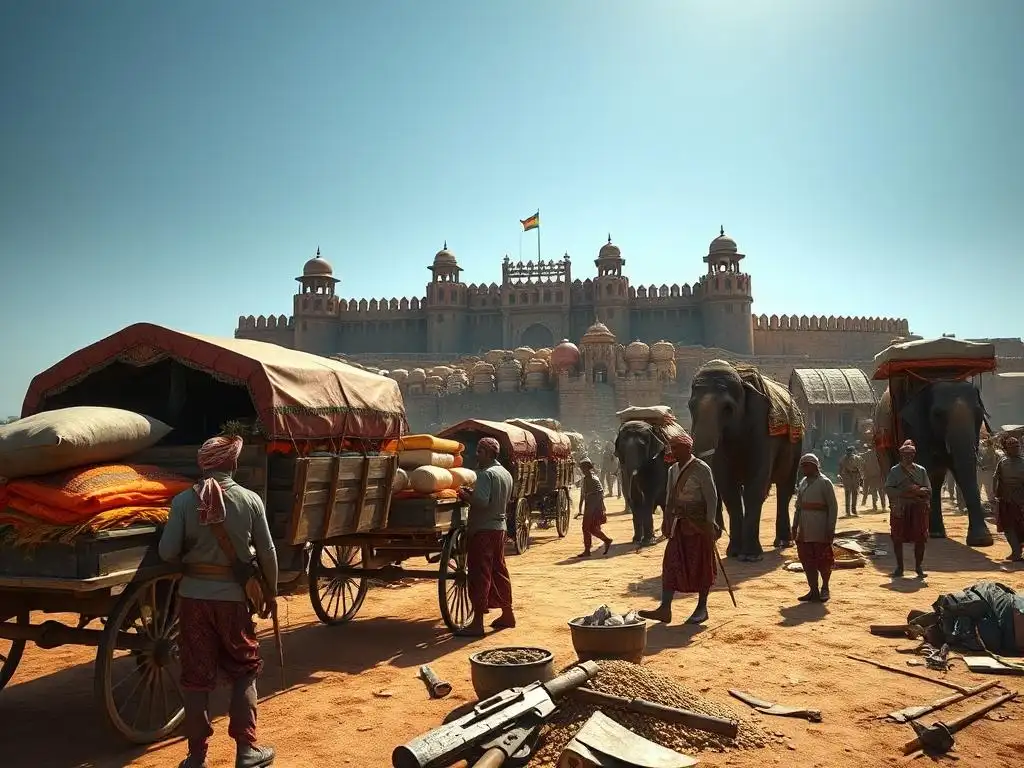
Welcome to Ancient India History, where we embark on a fascinating journey through the rich tapestry of India's past. Dive into the intricate world of Ancient Indian military logistics, a vital yet often overlooked aspect that underscores the ingenuity and strategic prowess of ancient civilizations. How did these remarkable societies manage their supply chains and resources to sustain their mighty armies? Join us as we unravel the complexities of military logistics from the Indus Valley to the Gupta Empire, and discover the profound impact these systems had on warfare and governance. Your exploration begins here—prepare to be captivated!
- Introduction to Ancient Indian Military Logistics
- Historical Context of Ancient Indian Military Logistics
- Key Components of Ancient Indian Military Logistics
- Strategies for Effective Resource Management
- Case Studies in Ancient Indian Military Logistics
- Lessons from Ancient Indian Military Logistics
- Conclusion
-
Frequently Asked Questions
- What role did military logistics play in ancient Indian warfare?
- How did ancient Indian civilizations manage their supply chains?
- What were some key contributions of the Gupta Empire to military logistics?
- How did ancient Indian military logistics compare to other ancient civilizations?
- What are the lasting impacts of ancient Indian military logistics on modern military strategies?
- Final Reflection: The Enduring Legacy of Ancient Indian Military Logistics
- Unveil the Secrets of Ancient Military Logistics!
Introduction to Ancient Indian Military Logistics
The ancient Indian subcontinent, known for its rich tapestry of civilizations and cultures, also had a sophisticated approach to military logistics that played a crucial role in shaping its history. Ancient Indian military logistics encompassed the organization, movement, and supply of resources necessary for sustaining military campaigns, which were pivotal in both offense and defense strategies.
From the well-planned supply chains of the Indus Valley Civilization to the resource management techniques of the Gupta Empire, the logistics of warfare in ancient India reflect a deep understanding of strategy and resource allocation. This article delves into the intricate web of supply chains, the importance of logistics in ancient warfare, and how resource management was executed across various Indian empires, offering a comprehensive view of military logistics in this historically rich region.
Definition of Ancient Indian Military Logistics
Ancient Indian military logistics refers to the systematic processes involved in the planning, execution, and management of supply chains that supported military operations in ancient India. This included:
- Transportation of troops and supplies: Coordination of movement was essential to ensure that soldiers and resources reached their destinations efficiently.
- Storage and distribution: Establishing depots and storage facilities for weapons, food, and other essential supplies was critical for sustaining long campaigns.
- Communication: Effective communication systems were necessary for relaying orders and information across vast distances, ensuring that logistics kept pace with military needs.
By understanding these components, we can appreciate how ancient Indian leaders effectively mobilized their forces and managed their resources to achieve military objectives.
Importance of Supply Chains in Ancient Warfare
Supply chains in ancient warfare were foundational to the success of military expeditions. The ability to maintain a steady flow of resources often determined the outcome of battles and the longevity of campaigns. Key factors include:
- Sustaining Armies: Armies required a consistent supply of food, water, and weapons. Without well-established supply chains, troops risked starvation or depletion of resources, rendering them vulnerable to enemy forces.
- Strategic Advantage: Effective logistics provided a strategic edge. For example, the Mauryan Empire utilized extensive road networks to enhance mobility and ensure rapid supply delivery, allowing them to respond swiftly to threats.
- Morale and Cohesion: Well-fed and adequately supplied soldiers were more likely to maintain morale and cohesion during prolonged campaigns, which was crucial for operational success.
The logistics of warfare were not just about moving materials; they were integral to the very fabric of military strategy in ancient India.
Overview of Resource Management in Ancient India
Resource management in ancient India was a multifaceted endeavor that encompassed agricultural, economic, and strategic dimensions. Key aspects involve:
- Agricultural Practices: The agrarian economy was the backbone of resource availability. Effective management of crops and livestock ensured that armies were well-sustained during campaigns.
- Trade Networks: Ancient India’s extensive trade networks facilitated the movement of resources not only within regions but also with neighboring civilizations. This exchange enriched local economies and provided additional supplies for military operations.
- Technological Innovations: Advancements in technology, such as improved transportation methods (e.g., carts, boats) and techniques for food preservation, played a significant role in enhancing the effectiveness of resource management.
Understanding these elements helps illuminate how ancient Indian civilizations successfully harnessed their resources, ensuring that their military logistics were robust and effective in the face of diverse challenges.
Historical Context of Ancient Indian Military Logistics
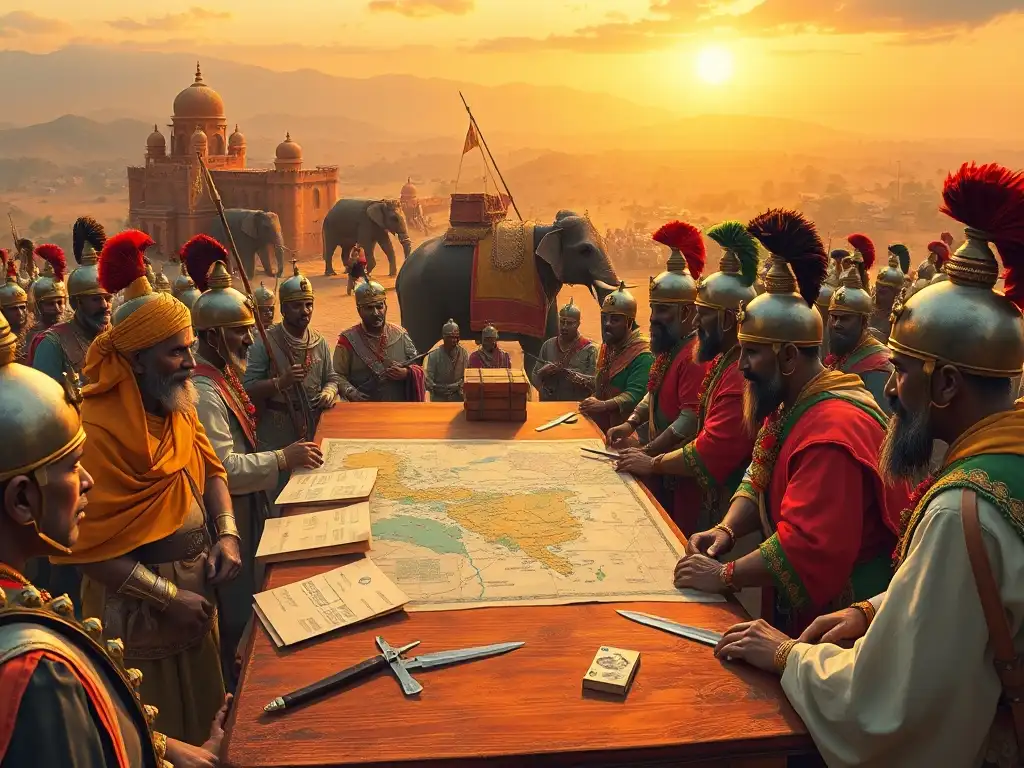
The history of military logistics in ancient India is a testament to the ingenuity and organizational skills of its civilizations. From the sophisticated urban planning of the Indus Valley Civilization to the vast empires that followed, such as the Maurya Empire, the management of resources and supply chains played a crucial role in sustaining military campaigns and ensuring the readiness of armies.
Military Logistics in the Indus Valley Civilization
The Indus Valley Civilization (circa 3300–1300 BCE) is one of the earliest examples of urban planning and resource management in human history. The cities of Harappa and Mohenjo-Daro were equipped with advanced infrastructure, which included well-planned streets, drainage systems, and storage facilities.
- Granaries and Storage: Archaeological evidence indicates that these cities had large granaries used for storing surplus grain. This surplus was vital not only for trade but also for feeding the population and supporting military needs in times of conflict.
- Transportation Networks: The Indus Valley featured a network of roads and navigable waterways that facilitated the movement of goods, troops, and resources. These routes were essential for logistics, allowing for the timely supply of materials needed for defense and military operations.
- Resource Distribution: The strategic location of the Indus Valley near the confluence of trade routes enabled access to resources such as copper, bronze, and textiles. Effective management ensured that these materials could be utilized in the production of weapons and armor for military forces.
Logistics during the Vedic Period
The Vedic Period (circa 1500–500 BCE) marked a transition in ancient Indian society, with the emergence of a more organized military structure. The logistics of this era were influenced heavily by the socio-political changes and the development of new warfare techniques.
- Cattle as Resources: The economy during the Vedic period was largely pastoral, and cattle played a central role in logistics. Cattle were not only a source of food but also served as draft animals for transporting weapons and supplies.
- Military Assemblies: The Vedic texts describe the concept of Sabha and Samiti, which were assemblies that included warriors and leaders. These gatherings served multiple purposes, including the organization of expeditions and the distribution of resources, highlighting the importance of collaboration in military logistics.
- Craftsmanship and Weapons Supply: The period also saw advancements in metallurgy, leading to improved weaponry. Local artisans played a crucial role in producing arms and armor, which were managed through decentralized supply chains that relied on local resources and craftsmanship.
The Maurya Empire: Advancements in Military Supply Chains
The Maurya Empire (circa 322–185 BCE) stands out as a pinnacle of ancient Indian military logistics. Under the reign of Chandragupta Maurya and his grandson Ashoka, the empire expanded significantly, necessitating an efficient logistical framework.
- Centralized Logistics System: The Maurya administration established a more centralized approach to military logistics. This included the creation of a comprehensive supply chain system that ensured the availability of resources across vast distances.
- Use of Spies and Intelligence: The Mauryan military employed a network of spies to gather intelligence on enemy movements and resource availability. This information was crucial for planning supply routes and ensuring that troops were adequately supplied.
- Infrastructure Development: The Mauryan Empire invested heavily in infrastructure, including roads, rest houses (known as dharmashalas), and warehouses. This infrastructure allowed for rapid movement of troops and supplies, improving the empire's military responsiveness.
- Standardization of Supplies: The Mauryan period also saw the standardization of military supplies, which facilitated easier logistics management. This included the regulation of weaponry, armor, and rations, ensuring that soldiers were uniformly equipped.
Ancient Indian military logistics evolved significantly from the Indus Valley Civilization through the Vedic Period to the Maurya Empire. Each era contributed to the refinement of supply chains and resource management, highlighting the importance of logistics in sustaining military endeavors and securing the success of ancient Indian civilizations.
Gupta Empire: A Model of Resource Management
The Gupta Empire, which reigned from approximately 320 to 550 CE, is often heralded as a golden age in Indian history, not only for its advancements in art, science, and philosophy but also for its sophisticated military logistics. The empire's ability to manage resources effectively was a crucial factor that contributed to its stability and military prowess.
One of the primary aspects of Gupta military logistics was the establishment of an extensive network of supply routes. These routes facilitated the movement of troops and resources across the vast territories of the empire. The Guptas recognized the strategic importance of rivers and roads, using them to transport goods such as food, weapons, and armor. The careful planning of these routes ensured that armies could be mobilized quickly and efficiently during times of conflict, enabling the Gupta Empire to respond swiftly to external threats.
In addition to transportation, the Gupta Empire excelled in organizing its supply chains. Administrative divisions were established to oversee the production and distribution of essential military supplies. Local governors, known as Uparikas, played a crucial role in this system, ensuring that their regions contributed to the central military logistics. This decentralized approach allowed for flexibility and responsiveness to local needs, which was vital in maintaining a well-equipped military force.
The Guptas also implemented a tax system that was instrumental in resource management. Taxes collected from agriculture, trade, and crafts were allocated to fund military endeavors. This not only ensured a steady supply of resources for the army but also promoted economic stability within the empire. The agrarian economy of the Gupta Empire, characterized by fertile lands and advanced agricultural practices, provided a surplus that could be directed towards military needs, creating a robust support system for their armed forces.
Moreover, the Gupta military logistics system incorporated the use of strategic reserves. These reserves comprised stockpiles of food and equipment at key locations throughout the empire. Such foresight allowed the Gupta military to sustain prolonged campaigns without suffering from resource shortages. By maintaining these reserves, the empire could effectively manage supply lines during warfare, which was essential for the success of their military operations.
The Gupta Empire exemplified effective resource management through a well-organized military logistics system. The integration of transportation networks, administrative oversight, a responsive tax system, and strategic reserves all contributed to the empire's military efficiency. This sophisticated approach to logistics not only facilitated successful military campaigns but also played a significant role in the overall stability and prosperity of the Gupta Empire, setting a precedent for future civilizations in India.
Key Components of Ancient Indian Military Logistics
Transportation Systems in Ancient India
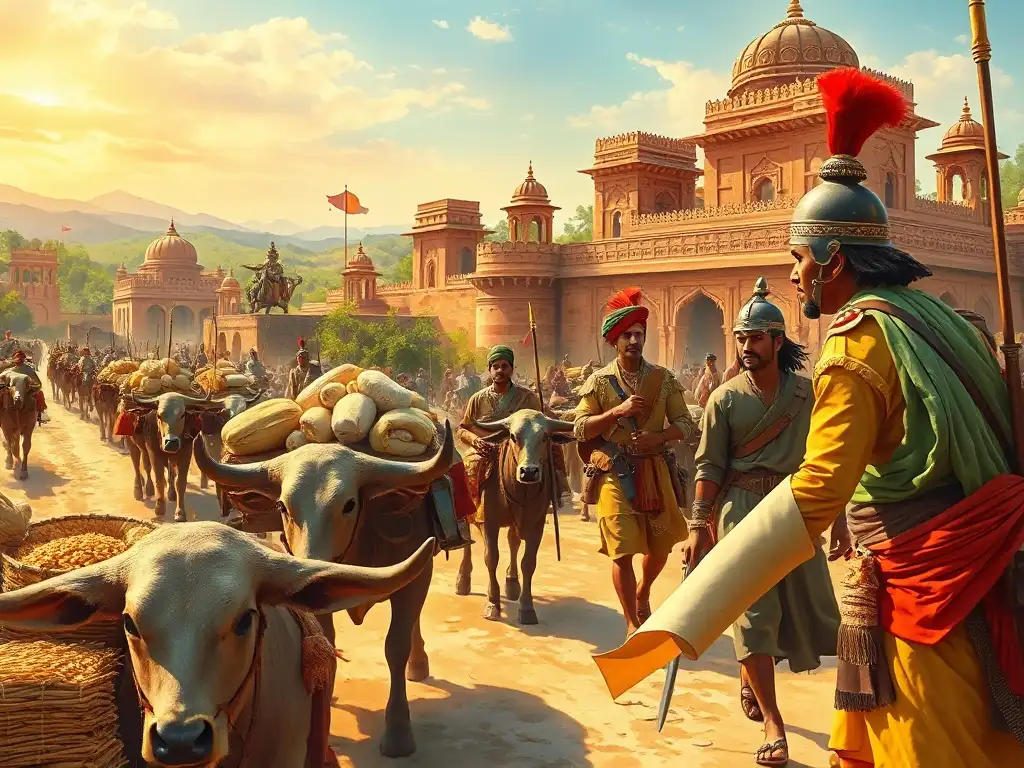
Ancient Indian military logistics were intricately designed to support the operational needs of armies across diverse terrains and climates. The effectiveness of military campaigns significantly depended on robust transportation systems, which facilitated the movement of troops, weapons, and supplies.
Use of Animals in Supply Transport
One of the primary methods of transport in ancient India involved the use of animals, notably elephants, horses, and camels.
- Elephants were prized not only for their strength but also for their ability to traverse difficult terrains. They carried heavy loads such as weapons, ammunition, and food supplies.
- Horses offered speed and agility, making them ideal for rapid troop movements and communication along the front lines.
- Camels were essential in desert regions, capable of carrying substantial loads over long distances without needing frequent water.
The combination of these animals ensured that supply lines remained operational, enabling armies to sustain prolonged campaigns.
River and Road Networks for Troop Movement
Ancient Indian civilizations developed extensive road and river networks, which served as critical arteries for military logistics.
- Roads were often constructed to connect important cities, fortresses, and battlefields. These roads facilitated the quick movement of troops and supplies, enhancing strategic flexibility.
- River systems, such as the Indus and Ganges, acted as natural highways for transporting goods. Boats and barges were utilized to move supplies swiftly across water bodies, reducing the burden on overland transport.
The effective use of these networks was crucial for maintaining supply chains during military campaigns and for the rapid deployment of forces to conflict zones.
Storage Facilities and Supply Depots
The establishment of storage facilities and supply depots was another vital aspect of ancient Indian military logistics. These facilities ensured that armies could access necessary resources at critical times.
Granaries and Armories
Granaries and armories were strategically placed within fortified cities and near frontline bases to secure essential supplies.
- Granaries stored grains and food supplies, which were crucial for sustaining troops during prolonged sieges or campaigns. The ability to stockpile food not only supported the military but also reinforced the economy of the region.
- Armories housed weapons, armor, and other military equipment. These facilities were fortified to prevent enemy access and ensure the security of valuable resources.
The presence of these facilities meant that ancient Indian armies could mobilize quickly and effectively, with the assurance of having necessary supplies at their disposal.
Strategic Locations for Resource Management
Resource management in ancient Indian military logistics involved placing supply depots and storage facilities in strategically advantageous locations.
- Proximity to Battlefields: Supply depots were often located near potential battle sites to ensure quick access to resources during conflicts.
- Control of Trade Routes: Fortified locations along trade routes allowed for the collection and distribution of supplies, enhancing logistical efficiency.
The strategic placement of these facilities not only optimized resource management but also played a crucial role in the overall success of military endeavors throughout ancient Indian history.
The intricate systems of transportation, storage, and resource management formed the backbone of ancient Indian military logistics, enabling civilizations to conduct effective warfare and maintain their territorial integrity.
Communication Methods for Logistics Coordination
Effective communication was vital for the successful management of military logistics in ancient India. The ability to coordinate movements, supply routes, and troop deployments hinged on the establishment of reliable communication methods. The ancient Indian military employed several strategies that allowed for swift and clear information dissemination, ensuring that resources were allocated efficiently and effectively.
Use of Messengers and Signal Systems
Ancient Indian military logistics heavily relied on the use of messengers and various signal systems to facilitate communication across vast distances. Messengers, often chosen for their speed and reliability, were dispatched to convey orders, relay critical information, and coordinate troop movements. These individuals were typically well-trained in navigating difficult terrain, ensuring that messages reached their intended recipients promptly.
In addition to human messengers, ancient Indian armies utilized a range of signal systems to communicate over long distances. For instance, smoke signals and fire beacons were employed to send coded messages, particularly during battles or critical operations. The use of flags and standardized signals, such as specific colors or patterns, further enhanced communication among units on the battlefield.
The combination of these methods allowed commanders to maintain control and ensure that logistical operations were synchronized with military maneuvers. This level of coordination was essential in a time when delays could have significant consequences for the outcome of conflicts.
Role of Local Governance in Logistics
Local governance played a crucial role in the logistics of ancient Indian military operations. Regional leaders and local rulers were responsible for mobilizing resources, managing supplies, and ensuring that troops were adequately equipped and provisioned. This decentralized approach allowed for a more responsive and flexible logistical framework, as local authorities had intimate knowledge of their regions' resources and capabilities.
Local governance structures often included systems for collecting taxes and tributes, which were vital in supporting military campaigns. The efficient management of agricultural production, trade routes, and resource distribution fell under the purview of local leaders, ensuring that armies were supplied with necessary provisions such as food, weapons, and medical supplies.
Furthermore, alliances between local rulers and central authorities facilitated the pooling of resources, enabling larger military campaigns. These partnerships allowed for the sharing of logistical responsibilities, enhancing the overall effectiveness of military operations. By capitalizing on local governance, ancient Indian military leaders could ensure that logistical support was cohesive and well-organized, ultimately contributing to their military successes.
Strategies for Effective Resource Management
Planning and Forecasting Supply Needs
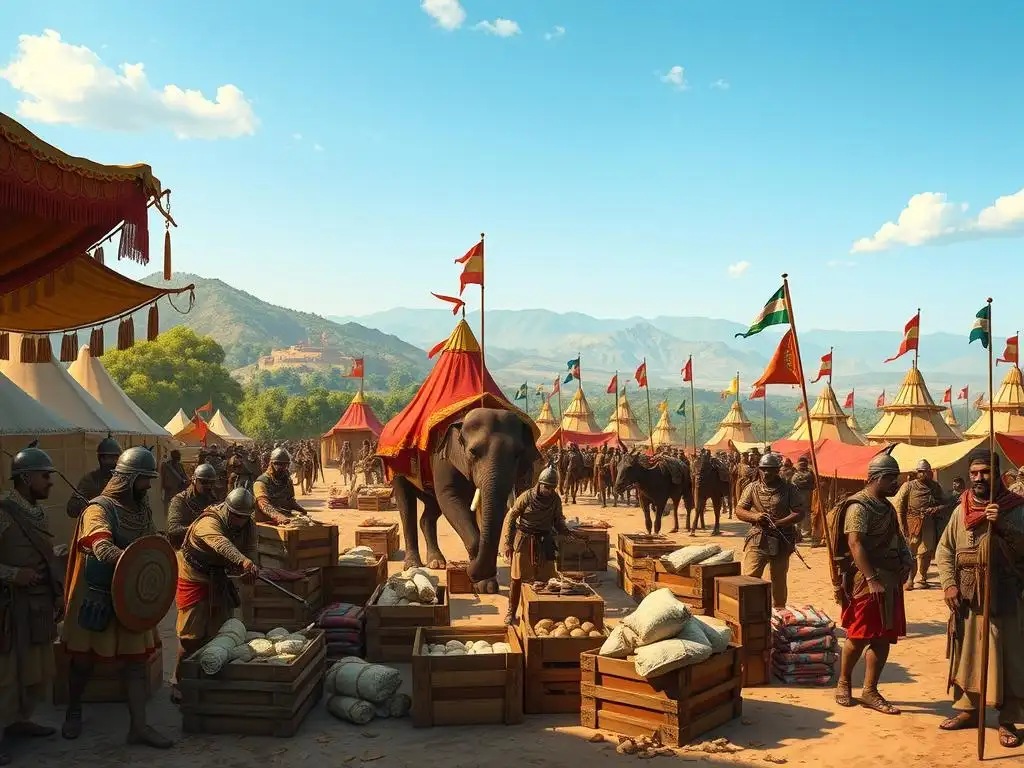
Effective resource management in ancient Indian military logistics hinged significantly on meticulous planning and accurate forecasting of supply needs. Commanders and logistics officers would analyze historical data from previous campaigns, taking into account seasonal variations, troop movements, and the geographical landscape.
- Seasonal Considerations: The timing of military campaigns was often aligned with agricultural cycles, ensuring that resources were available during harvest times. For instance, campaigns were less frequent during monsoons when travel was hindered due to flooding and difficult terrain.
- Troop Numbers and Composition: Forecasting also involved assessing the number of troops, which included not just soldiers but also support personnel such as cooks, blacksmiths, and medical staff. Accurate troop counts allowed for precise estimations of food, water, and equipment needs.
- Logistical Models: Ancient strategists developed rudimentary logistical models that took into account the distance from supply bases to battlefields, routes taken, and the potential for ambushes or delays. This information was crucial in determining the timing and method of supply delivery.
Resource Allocation and Distribution Techniques
The allocation and distribution of resources in ancient Indian military logistics were complex processes shaped by both strategic necessities and the availability of local resources. Various techniques were employed to ensure that armies were well-equipped and sustained during campaigns.
- Centralized vs. Decentralized Supply Systems: Some military leaders opted for centralized supply systems, where resources were amassed in fortified locations and distributed as needed. Others used decentralized systems, relying on local resources to supply troops directly during campaigns.
- Supply Depots: Establishing supply depots along major routes allowed armies to stockpile essential goods. These depots were strategically located to minimize travel time for resupply and to provide safe havens for returning supply caravans.
- Use of Pack Animals: Animals such as elephants, camels, and horses played a crucial role in transporting supplies. Their ability to navigate difficult terrains made them invaluable for logistics. The effective management of these animals, including feeding and care, was vital to maintaining operational efficiency.
The Role of Local Communities in Supporting Armies
Local communities significantly contributed to the success of ancient Indian military logistics by providing essential support and resources. Their involvement was multifaceted and often critical to the sustainability of military campaigns.
- Resource Provisioning: Villagers would supply food, water, and other necessities to passing armies. This relationship was often formalized through agreements or treaties, ensuring that local populations were compensated for their contributions.
- Intelligence and Guides: Local inhabitants possessed intimate knowledge of the terrain and could provide valuable intelligence about enemy movements and potential ambush sites. This information was crucial for strategic planning and troop movements.
- Recruitment and Manpower: Communities often supplied additional manpower by enlisting local fighters or laborers. This not only bolstered the army's strength but also fostered a sense of local investment in military success.
Effective resource management within ancient Indian military logistics was a sophisticated interplay of planning, distribution techniques, and community involvement. Understanding these strategies provides valuable insight into how ancient Indian civilizations managed their military operations amidst the complexities of warfare.
Adaptation to Environmental Challenges
Ancient Indian military logistics were significantly influenced by the diverse environmental conditions across the subcontinent. From the arid deserts of Rajasthan to the lush forests of the Deccan Plateau, the ability of military leaders to adapt their supply chains and resource management strategies to these varying terrains proved crucial for the success of their campaigns.
One of the primary challenges faced by ancient Indian armies was the seasonal monsoon, which not only affected troop movements but also the availability of resources. Commanders had to plan campaigns around these climatic patterns to ensure that their forces were well-supplied. For instance, during the monsoon season, rivers would swell, making certain routes impassable, while other areas would become inundated, leading to food shortages. To mitigate these issues, military leaders often relied on local knowledge and established relationships with regional suppliers to secure food and materials in advance.
Moreover, the topographical diversity of India necessitated different logistical strategies. In northern regions, where the Himalayas provided natural barriers, supply routes were often longer and required fortification. Logistics teams would construct watchtowers and signal posts along these routes to monitor the safe passage of supplies. Conversely, in the south, where dense jungles were prevalent, stealth and speed became essential. Here, smaller, mobile supply units could traverse difficult terrain more effectively, ensuring that troops received their supplies without drawing attention from the enemy.
Ancient Indian armies also exhibited an understanding of resource management that reflected their adaptability to environmental challenges. They developed storage techniques to preserve food and materials for longer periods, especially in regions prone to drought. Granaries were strategically placed in various locations, often near water sources, to ensure that they remained accessible regardless of the season. In addition, the use of local materials for fortifications and weaponry reduced the need for long-distance supply chains, further enhancing their logistical efficiency.
The ability to adapt to environmental challenges was not just a matter of logistics; it was central to the survival and effectiveness of ancient Indian military forces. By understanding their surroundings and leveraging local resources, these armies could maintain operational readiness and respond swiftly to emerging threats, thus securing their dominance in the region throughout various historical periods.
Case Studies in Ancient Indian Military Logistics
The Kalinga War: Logistics and Supply Chain Management
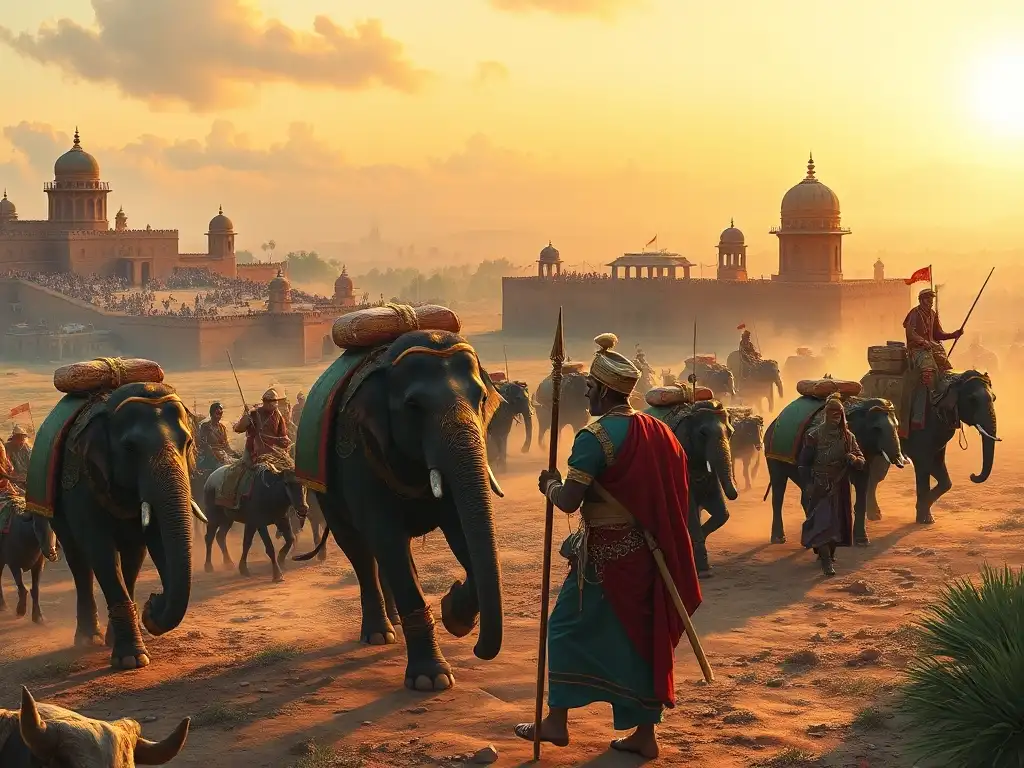
The Kalinga War, fought around 261 BCE between the Mauryan Empire and the state of Kalinga, serves as a pivotal case study in ancient Indian military logistics. Emperor Ashoka of the Mauryan dynasty sought to expand his empire, leading to this significant conflict. The logistical operations involved in this war highlight the complexities of supply chain management in ancient warfare.
- Troop Mobilization: Ashoka had to mobilize a large army, estimated at around 100,000 soldiers. This required not only the coordination of troops but also the efficient movement of resources such as food, weapons, and medical supplies. Key considerations included:
- Geographic challenges posed by the terrain between Magadha and Kalinga.
- Seasonal variations affecting travel and supply routes.
- Supply Sources: The Mauryan forces relied on local resources as well as established supply lines from Magadha. A network of supply depots was established to support the troops during the campaign. These depots were strategically located to ensure quick access to essential supplies.
- Communication Systems: Effective communication was crucial for maintaining the flow of supplies. Couriers and signal fires were employed to relay messages about troop movements and supply needs. This allowed Ashoka to adapt quickly to changing circumstances on the battlefield.
- Impact of Logistics on Warfare: The success of the Kalinga campaign was significantly influenced by logistical planning. Despite initial victories, the protracted nature of the conflict led to high casualties and a reconsideration of military objectives. The aftermath, where Ashoka embraced Buddhism, was partly a result of the war's toll, emphasizing the importance of logistics in shaping military and political outcomes.
Alexander’s Invasion: Comparison of Ancient Indian Logistics
Alexander the Great’s invasion of India in 326 BCE presents a fascinating comparison to the ancient Indian military logistics practiced during the Kalinga War. While both conflicts involved large armies and complex logistics, there were notable differences in approach and execution.
- Scaling Up Supply Chains: Alexander’s forces, numbering approximately 50,000 troops, encountered logistical challenges as they moved through diverse terrains, including deserts and mountain ranges. The Macedonian army relied heavily on the local populations for supplies, creating a different dynamic compared to the centralized logistics of the Mauryan Empire.
- Adapting to Local Conditions: Alexander’s army had to adapt their supply strategies to suit the Indian context. This involved:
- Utilizing local resources, such as food and livestock.
- Establishing temporary supply bases along the route, which were critical for maintaining troop morale and readiness.
- Logistical Flexibility: Unlike the more structured logistics of the Mauryan forces, Alexander’s campaign showcased a degree of flexibility. His forces employed rapid maneuvers to outpace opponents, requiring swift adjustments in supply lines and resource allocation. This adaptability was crucial in maintaining the momentum of his campaign.
- Outcome Influenced by Logistics: The logistical challenges faced by Alexander, particularly during the Battle of the Hydaspes against King Porus, underscored the necessity of effective resource management. Although victorious, the sustained engagements drained resources and impacted his army's overall effectiveness, leading to his eventual retreat.
The Conquests of Chandragupta Maurya: Resource Management Strategies
Chandragupta Maurya, the founder of the Mauryan Empire, implemented sophisticated resource management strategies that laid the groundwork for one of the largest empires in ancient India. His military logistics were integral to his success in unifying northern India.
- Centralized Resource Management: Chandragupta established a centralized system to manage resources across his territory. This included:
- The collection of taxes and tributes from conquered regions, which were reinvested into military campaigns.
- Efficient storage facilities for grain and weapons, ensuring that supplies were readily available for his forces.
- Intelligent Use of Geography: Understanding the geographic landscape was vital for logistical success. Chandragupta utilized natural barriers and trade routes to his advantage, ensuring that his supply lines were secure and efficient. This not only facilitated troop movements but also optimized trade for resource acquisition.
- Intelligence and Surveillance: The Mauryan Empire employed a network of spies and scouts to gather intelligence on enemy movements and local resources. This information was crucial for making informed decisions about troop deployments and supply needs.
- Innovative Military Tactics: Resource management under Chandragupta also involved innovative military tactics that maximized the effectiveness of his forces while minimizing resource expenditure. This included strategic ambushes and the use of psychological warfare to demoralize opponents, ultimately leading to successful conquests with reduced logistical strain.
The study of ancient Indian military logistics through these case studies reveals the intricate planning and resource management that characterized significant military campaigns. Understanding these logistics not only sheds light on the military prowess of ancient Indian civilizations but also on the broader socio-political dynamics of the time.
Lessons from Ancient Indian Military Logistics
Impact of Logistics on Military Success
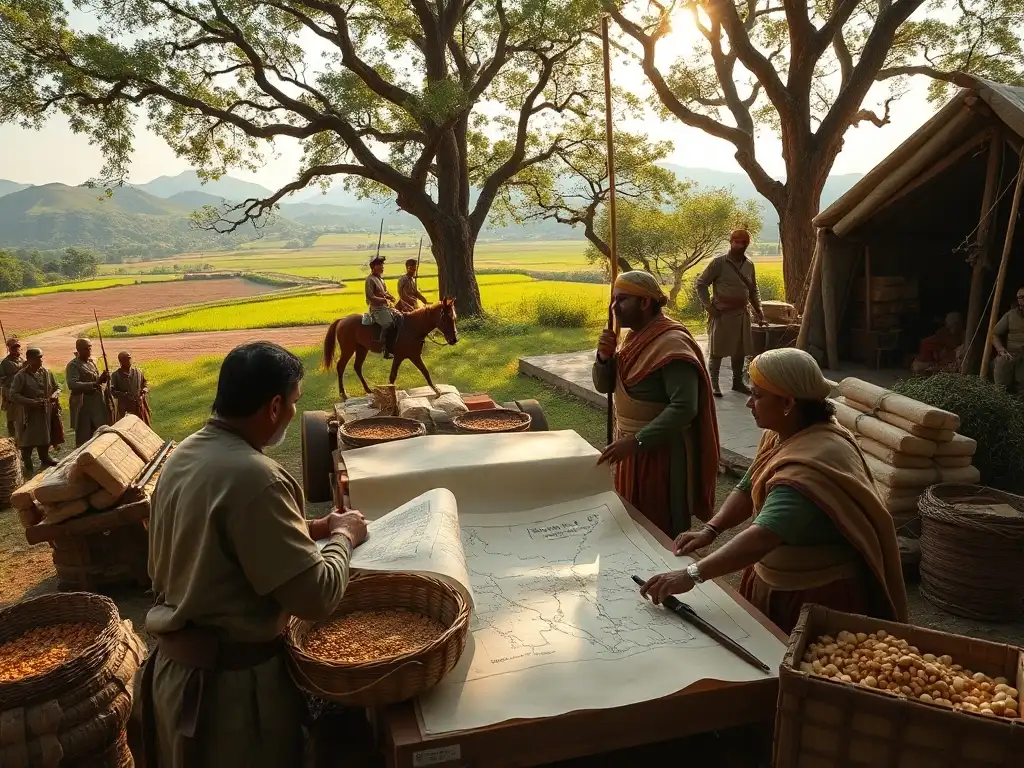
Logistics played a crucial role in determining the success of military campaigns in ancient India. Understanding the significance of logistics allows us to appreciate how ancient Indian armies could launch effective operations across vast territories. The efficient management of resources, including food, weapons, and transportation, often determined the outcome of battles and campaigns.
One key example is the Mauryan Empire, which had a highly organized logistics system. Under Chandragupta Maurya and later, Ashoka the Great, the empire implemented a structured approach to supply chains that ensured that troops were well-fed and well-equipped. This system allowed for rapid troop movements and the ability to sustain long campaigns, as evidenced by Ashoka’s expeditions in Kalinga.
Moreover, ancient texts such as the Arthashastra by Kautilya highlight the strategic importance of logistics. Kautilya emphasized the need for securing supply routes and maintaining stockpiles in strategic locations. This foresight in logistics planning meant that armies could operate effectively in enemy territories or during protracted conflicts.
Innovations in Supply Chain Management
Ancient Indian civilizations introduced several innovations in supply chain management that were ahead of their time. The use of road networks and waterways for transportation facilitated the movement of goods and troops. The Grand Trunk Road, for instance, became a vital artery for trade and military logistics.
In addition to transportation, warehouse systems were developed to store supplies efficiently. These warehouses were strategically located to ensure quick access to essential resources, allowing armies to maintain operational readiness. The concept of a logistics officer or a quartermaster, responsible for managing supplies and resources, can also be traced back to ancient Indian military practices.
Furthermore, the incorporation of local resources into supply strategies was a significant innovation. Armies often relied on the agricultural output of the regions they operated in. This not only reduced the burden of transporting supplies over long distances but also fostered local alliances and support. The ability to adapt to local conditions and utilize regional strengths was a hallmark of successful military logistics.
Relevance of Ancient Practices in Modern Logistics
The principles of ancient Indian military logistics continue to resonate in modern logistics practices. Today, concepts such as just-in-time inventory and efficient supply chain management reflect the ancient emphasis on resource optimization and timely provisioning.
In contemporary military operations, the lessons learned from ancient Indian logistics can inform strategies for sustaining troops in the field. The importance of local sourcing and adapting logistics to the operational environment remains relevant. Modern militaries often establish supply bases in forward positions, akin to the ancient practice of utilizing local resources to support military efforts.
Moreover, the strategic planning outlined in texts like the Arthashastra can be applied to modern logistics systems. The emphasis on securing supply routes and anticipating logistical needs resonates in today’s supply chain strategies, where disruptions can have significant impacts on operations.
The study of ancient Indian military logistics offers valuable insights into the importance of resource management and supply chain innovations. By understanding these historical practices, modern logistics professionals can enhance their strategies and operational efficiencies.
Conclusion
Summary of Key Findings on Ancient Indian Military Logistics
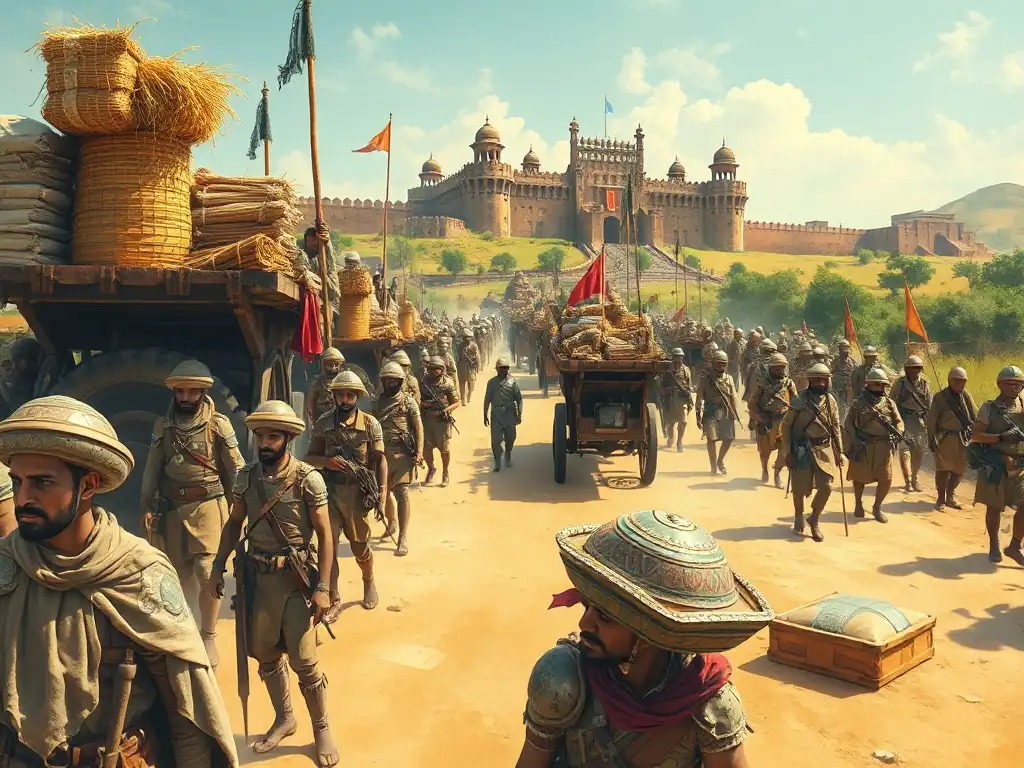
The study of Ancient Indian military logistics reveals a complex and sophisticated system that underpinned the military operations of various Indian civilizations. Here are the key findings:
- Strategic Resource Management: Ancient Indian armies demonstrated remarkable capabilities in managing resources, including food, weapons, and equipment. This was crucial for sustaining long campaigns, especially during monsoonal periods when supply routes could be disrupted.
- Innovative Supply Chains: The logistics systems in place allowed for efficient transportation of supplies. This included the use of pack animals, boats, and even human porters. The varied geography of India necessitated adaptable logistics strategies, tailoring supply routes to the terrain.
- Role of Local Economies: Local economies played a pivotal role in supporting military logistics. Armies often relied on nearby villages for provisions, which necessitated strong relationships with local leaders. This not only ensured a steady supply of resources but also reduced the logistical burden on the central military command.
- Infrastructure Development: The establishment of roads and trade routes significantly enhanced the movement of troops and supplies. Notable examples include the Grand Trunk Road, which facilitated trade and military movements across regions, and the construction of forts and supply depots that acted as logistical hubs.
The Legacy of Ancient Indian Military Supply Chains in History
The legacy of ancient Indian military logistics extends far beyond the battlefield. Its influence can be seen in various aspects of subsequent Indian history:
- Military Innovations: The logistical strategies developed in ancient times laid the groundwork for future military innovations. Techniques for resource allocation and supply chain management were refined and adapted in later periods, including the medieval and Mughal eras.
- Cultural Exchange: The efficiency of military logistics facilitated not only military campaigns but also cultural exchanges across regions. As armies moved, they carried not only weapons but also ideas, art, and technology, contributing to the rich tapestry of Indian civilization.
- Historical Documentation: Ancient texts, such as the Arthashastra by Kautilya, provide insights into the logistical planning and resource management of military campaigns. These works serve as critical historical documents that highlight the strategic thinking of ancient Indian leaders.
- Modern Implications: The principles of ancient Indian military logistics resonate in contemporary military and supply chain strategies. Modern logistics experts can draw valuable lessons from the practices of ancient civilizations, particularly in terms of resource allocation, adaptability, and the integration of local economies into broader logistical frameworks.
The examination of ancient Indian military logistics reveals a robust and innovative system that not only supported military endeavors but also shaped the socio-economic landscape of ancient India. The insights gained from this exploration contribute to our understanding of how logistics can influence both military success and cultural development throughout history.
Frequently Asked Questions
What role did military logistics play in ancient Indian warfare?
Military logistics were crucial for ensuring that armies were well-supplied and could operate efficiently, allowing for better resource management during campaigns.
How did ancient Indian civilizations manage their supply chains?
Ancient Indian civilizations used sophisticated supply chains that included organized transportation of food, weapons, and other essential resources, often leveraging local trade routes and networks.
What were some key contributions of the Gupta Empire to military logistics?
The Gupta Empire enhanced military logistics through improved infrastructure, such as roads and communication systems, which facilitated quicker movement of supplies and troops across vast territories.
How did ancient Indian military logistics compare to other ancient civilizations?
Ancient Indian military logistics were advanced and often on par with those of other civilizations, featuring innovative techniques in resource allocation and distribution that ensured sustainability during long campaigns.
What are the lasting impacts of ancient Indian military logistics on modern military strategies?
The principles of resource management and effective supply chains established in ancient India continue to influence modern military logistics, emphasizing the importance of preparation and organization in military operations.
Final Reflection: The Enduring Legacy of Ancient Indian Military Logistics
Ancient Indian military logistics not only shaped the strategies of warfare in their time but also laid the groundwork for modern supply chain management principles that we observe today. The intricate systems of resource allocation, transportation, and communication established by ancient Indian armies highlight the profound understanding of logistics that transcends time. This historical insight reveals that effective logistics are not merely a modern necessity but a timeless pillar of successful military and organizational operations.
The influence of ancient Indian military logistics can still be felt in contemporary discussions about resource management and operational efficiency. The meticulous planning and execution of supply chains in ancient warfare serve as a testament to the ingenuity of those who came before us. As we navigate the complexities of modern logistics, we can draw inspiration from their strategies and adapt them to our current challenges. The art of war is of vital importance to the State.
- Sun Tzu. This quote resonates deeply, as it underscores the critical role that logistics play in both historical and modern contexts.
As we reflect on the lessons of ancient Indian military logistics, I invite you to consider how these principles can be applied in your own life and work. Whether you are managing a project, leading a team, or simply organizing your daily tasks, the wisdom of the past can guide you toward more effective resource management and strategic planning. Embrace the legacy of ancient logistics and let it inspire you to innovate and optimize in your own endeavors.
Unveil the Secrets of Ancient Military Logistics!
Thank you for diving into the fascinating world of Ancient Indian military logistics! We hope you discovered valuable insights about the sophisticated supply chains and resource management strategies that shaped historical battles. Now it’s time to take action and deepen your exploration!
Here are some steps you can take today:
- Explore further by reading about specific battles in Ancient India and how logistics played a pivotal role in their outcomes. Understanding these stories can enrich your knowledge of military history.
- Join our community! Share your thoughts and insights about ancient logistics on our forum—connect with fellow history enthusiasts who share your passion.
- Consider volunteering for a local historical preservation project or museum. Engaging with history in real life can offer a unique perspective that goes beyond what books and articles provide.
What aspect of ancient logistics intrigues you the most, and how do you think it influenced the outcomes of battles? We would love to hear your thoughts!