
The Vedic Society: Insights into Social Structure and Class

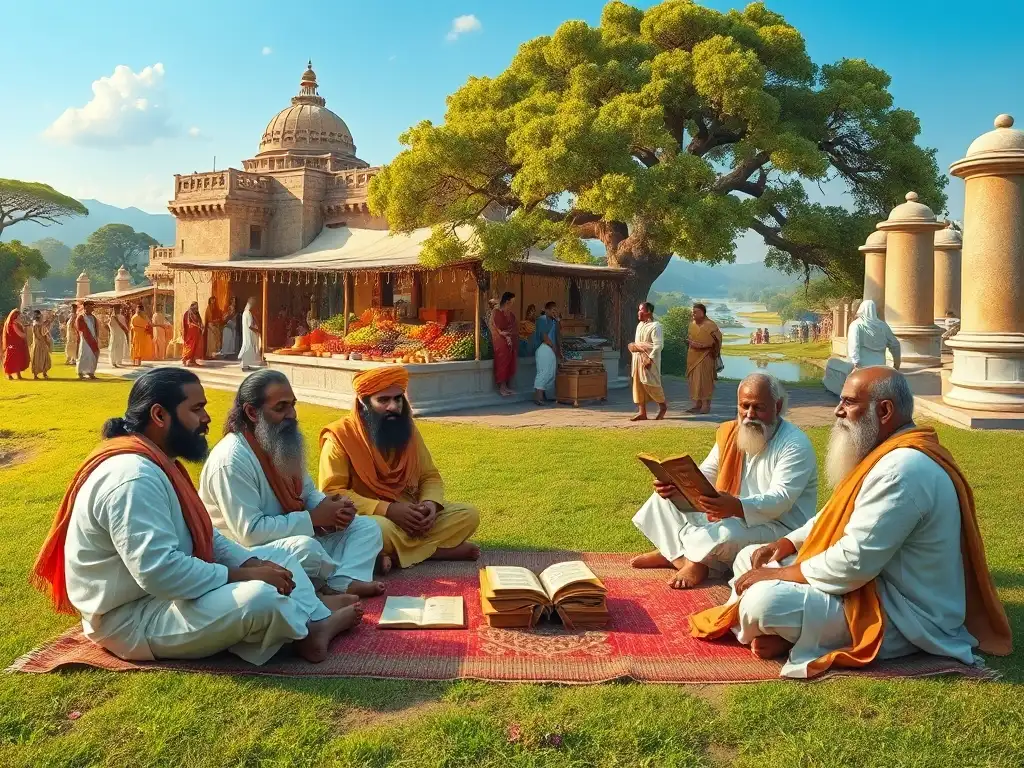
Welcome to Ancient India History, where we embark on a fascinating journey through the rich tapestry of India's past. Here, you will uncover the profound insights into the Vedic society social structure, a cornerstone of ancient Indian civilization that shaped its culture and values. As you delve into our latest article, "The Vedic Society: Insights into Social Structure and Class," prepare to explore the intricacies of caste, community, and social roles that defined an era.
What secrets of the Vedic period will you uncover? Join us as we unravel the layers of history, culture, and contributions that make ancient India a treasure trove of knowledge!
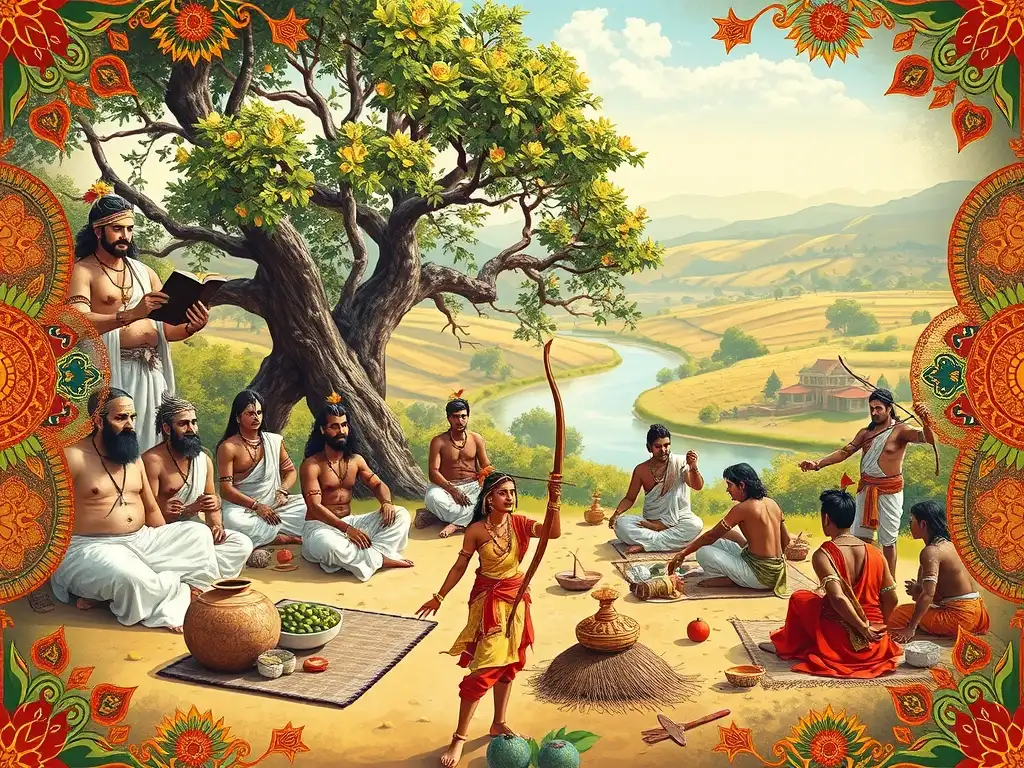
Introduction to Vedic Society
The Vedic society, emerging from the ancient Indian subcontinent during the Vedic period (approximately 1500 to 500 BCE), holds a pivotal place in understanding the cultural and social evolution of India. This era is characterized by the composition of the Vedas, the oldest sacred texts of Hinduism, which not only encapsulate religious knowledge but also provide profound insights into the social fabric of the time.
The Vedic society was marked by its intricate social structure, which played a crucial role in shaping various aspects of life, including governance, economy, and interpersonal relationships. Exploring the nuances of this social structure offers a deeper understanding of how ancient Indian civilizations organized themselves and interacted with one another.
Overview of Vedic Civilization
The Vedic civilization flourished in the Indo-Gangetic plains, with its roots traced back to the early Aryan settlers. This society was primarily pastoral and agricultural, evolving through various phases that reflected significant advancements in technology and culture. The Vedas, consisting of four main texts—Rigveda, Samaveda, Yajurveda, and Atharvaveda—serve as a window into the lives of the people during this period, revealing their rituals, beliefs, and daily practices.
Key features of Vedic civilization include:
- Religious Practices: Rituals and sacrifices performed to appease deities.
- Philosophical Thought: Development of ideas concerning the universe, existence, and morality.
- Language: Sanskrit emerged as a crucial medium for communication and literature.
With a society deeply rooted in spirituality and ethics, the Vedic civilization laid the groundwork for future Indian cultures, influencing subsequent historical developments.
Importance of Social Structure in Vedic Society
The social structure of the Vedic society was not merely a hierarchy; it was a complex system that dictated the roles, responsibilities, and privileges of individuals within the community. Understanding this structure is vital for several reasons:
- Cultural Identity: It defined the cultural and social identity of various groups, influencing their interactions and social dynamics.
- Economic Organization: The division of labor facilitated economic productivity and resource management, which were crucial for sustenance and growth.
- Political Stability: The social hierarchy contributed to governance, with various classes (varnas) playing specific roles in maintaining order and stability.
The Vedic social structure, therefore, was integral to the functioning of society, shaping the ethos and practices that would resonate through later Indian history.
Definition of Vedic Society Social Structure
The social structure of Vedic society is primarily characterized by a system known as varna, which classifies individuals into four main categories, each with distinct roles:
- Brahmins: The priestly class responsible for religious rituals and the preservation of sacred knowledge.
- Kshatriyas: The warrior and ruler class tasked with governance and protection.
- Vaishyas: The merchant and agricultural class involved in trade and agriculture.
- Shudras: The labor class responsible for serving the other three varnas.
This classification was not merely a reflection of occupation but also encompassed aspects of social status, which influenced personal relationships and societal norms.
Historical Context of Vedic Social Hierarchy
Historically, the Vedic social hierarchy evolved from the early tribal organization of the Aryans. As the society transitioned from nomadic pastoralism to settled agriculture, the need for a more structured social order became apparent. The influx of new communities and the expansion of territories necessitated defined roles and responsibilities to manage resources effectively.
The Rigveda, one of the oldest texts, provides insights into this structure, particularly in the "Purusha Sukta," a hymn that describes the cosmic being (Purusha) from whose body the four varnas emerged. This mythic narrative not only legitimized the social hierarchy but also embedded it within the cultural consciousness of the time.
As the Vedic period progressed, the rigidity of the varna system began to evolve, influenced by various social, economic, and political factors. The historical context of this transformation is crucial for understanding the dynamics of ancient Indian society and its lasting impact on subsequent civilizations.
The Four Main Classes of Vedic Society
The Vedic society was structured around a distinct social hierarchy known as the varna system, which delineated four primary classes. This system was integral to maintaining order and social function in ancient India. Each class had specific roles, responsibilities, and privileges, contributing to the overall stability of Vedic civilization. The four main classes were:
- Brahmins - The priestly class responsible for religious rituals, education, and the preservation of sacred texts.
- Kshatriyas - The warrior class tasked with protection, governance, and the enforcement of law and order.
- Vaishyas - The merchant and artisan class, which played a crucial role in trade, agriculture, and craftsmanship.
- Shudras - The servant class, primarily engaged in labor and service to the other three classes.
This classification was not merely about economic roles but also reflected spiritual and philosophical beliefs prevalent in Vedic texts.
Brahmins: The Priestly Class
The Brahmins held a position of great respect and authority in Vedic society. As the custodians of knowledge and spirituality, they were responsible for conducting rituals, sacrifices, and religious ceremonies. Their role extended beyond mere ritualistic functions; they were also educators and scholars, often serving as advisors to kings and rulers. The Brahmins were tasked with the preservation of Vedas, the sacred texts that form the foundation of Hindu philosophy and practice.
The societal influence of Brahmins was significant, as they played a crucial role in shaping the moral and ethical frameworks of the time. Their teachings emphasized the importance of dharma (righteousness) and the pursuit of knowledge, which were seen as vital for societal cohesion and spiritual progress.
Kshatriyas: The Warrior Class
The Kshatriyas were the warrior class, responsible for protecting the realm and upholding justice. Their primary duties included military leadership, governance, and administration. Kshatriyas were often associated with valor and strength, embodying the ideal of a protector of the people.
In the Vedic context, kings and rulers typically belonged to this class, and their legitimacy was often linked to their ability to defend their territories and maintain order. The Kshatriyas were also expected to be just and benevolent leaders, ensuring the welfare of their subjects. Their martial prowess was celebrated in various texts, and they were often depicted engaging in battles to uphold dharma against adharma (unrighteousness).
Vaishyas: The Merchant and Artisan Class
The Vaishyas constituted the merchant and artisan class, playing a vital role in the economic activities of Vedic society. They were responsible for trade, agriculture, and craftsmanship, thus contributing significantly to the prosperity of the community.
Vaishyas engaged in various occupations, including farming, animal husbandry, and trade, which were essential for sustenance and economic stability. They were also known for their skills in craftsmanship, producing goods that were traded both locally and with neighboring regions. The prosperity of the Vaishyas facilitated the exchange of ideas, culture, and goods, enriching the social fabric of Vedic civilization.
Shudras: The Servant Class
The Shudras were the lowest class in the Vedic social hierarchy, primarily tasked with serving the other three classes. Their roles included manual labor, domestic service, and various forms of unskilled work.
Despite their lower status, the Shudras were an essential part of the societal structure, providing the labor necessary for the functioning of the economy. The Vedic texts often describe the Shudras as those who support the more privileged classes, emphasizing the interdependence of all varnas. However, their social standing was often limited, and they were subject to the authority of the higher classes, reflecting the rigid nature of the Vedic social order.
Interactions Between Vedic Classes
Interactions among the different classes in Vedic society were complex and multifaceted. While the varna system established clear roles and responsibilities, it also allowed for a degree of interaction and dependence among the classes.
The Brahmins, for instance, would often rely on the Kshatriyas for protection during rituals, while the Kshatriyas depended on the Vaishyas for economic support and resources. The Vaishyas, in turn, provided sustenance to the Shudras, who maintained the agricultural and labor-intensive activities necessary for economic stability.
This interdependence illustrates how, despite the hierarchical nature of Vedic society, the classes were interconnected, with each fulfilling specific roles that contributed to the overall functioning of the community.
Social Mobility in Vedic Society
Although the Vedic social structure was predominantly hierarchical, there existed instances of social mobility, albeit limited. Factors such as merit, education, and personal achievements could allow individuals to transcend their birth class.
For example, a talented individual from the Shudra class could gain recognition for their skills or contributions, potentially enabling them to rise in status. Additionally, marriage alliances between classes sometimes occurred, which could facilitate a blending of social standings. However, such instances were exceptions rather than the rule, and the varna system remained a dominant force in regulating social interactions.
Marriage and Family Structures Across Classes
Marriage and family structures in Vedic society were influenced heavily by the class system. Typically, marriages were arranged within the same class to maintain social boundaries and preserve class identity.
For the Brahmins, marriages often emphasized educational and spiritual compatibility, while Kshatriyas prioritized alliances that could enhance political power and military strength. The Vaishyas focused on economic considerations, aiming to strengthen trade networks through strategic marriages. In contrast, Shudras had limited agency in marital decisions, often arranged by the higher classes.
Family structures were generally patriarchal, with lineage traced through the male line, reinforcing the societal hierarchy. This structure ensured that property, status, and responsibilities were maintained within the family and class, further solidifying the barriers between the different varnas.
The Role of Dharma in Vedic Society
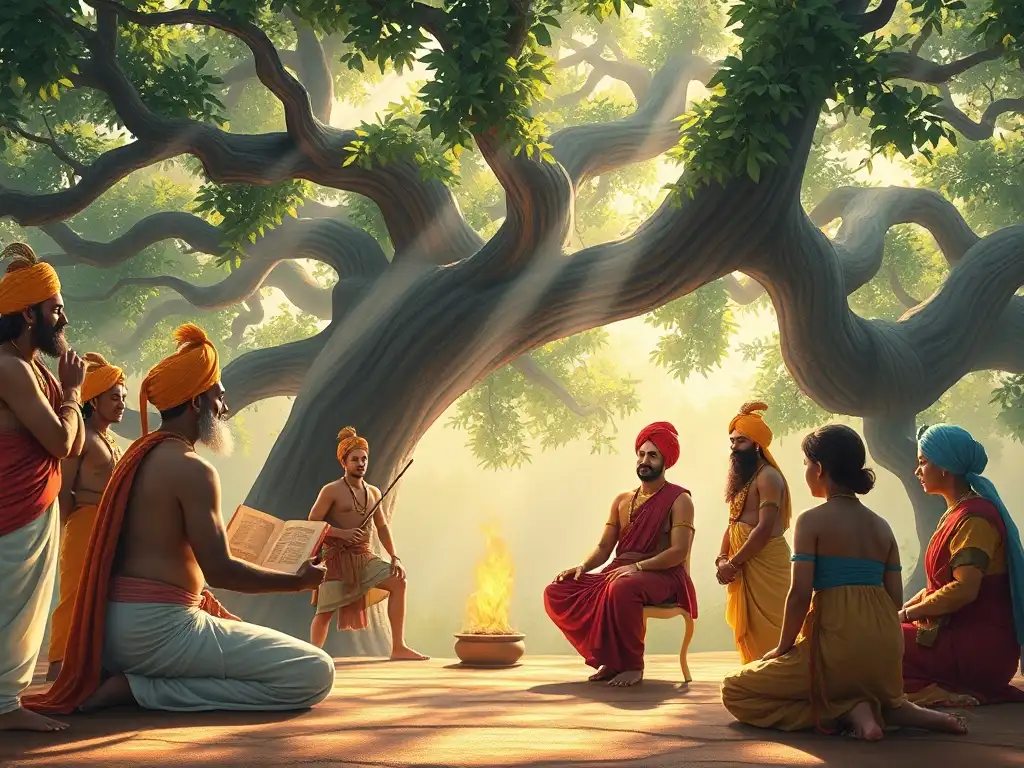
Dharma, a key concept in Vedic society, refers to the moral and ethical duties that individuals have based on their social class and stage of life. It serves as a guiding principle that governs both personal conduct and societal interactions. In the context of Vedic society, the adherence to one's dharma was crucial for maintaining social order and harmony. Each individual was expected to understand and fulfill their responsibilities, which were intricately linked to their position within the social hierarchy.
The significance of dharma extended beyond individual behavior; it was foundational to the very structure of Vedic society, influencing laws, customs, and rituals. The concept is articulated in various texts, including the Rigveda and the Upanishads, which outline the duties associated with different classes. This framework helped to establish a sense of identity and purpose among individuals, ensuring that each person contributed to the collective well-being of the community.
Understanding Dharma in the Context of Social Structure
In Vedic society, dharma was closely tied to the varna system, which categorized individuals into four primary classes: Brahmins (priests and scholars), Kshatriyas (warriors and rulers), Vaishyas (traders and agriculturists), and Shudras (laborers and service providers). Each class had its own set of duties and responsibilities, which were believed to be divinely ordained. For example, Brahmins were responsible for performing rituals and preserving sacred knowledge, while Kshatriyas were tasked with protecting the realm and upholding justice.
The understanding of dharma varied based on factors such as age, gender, and social status. For instance, the dharma of a student (Brahmacharya) differed significantly from that of a householder (Grihastha). This nuanced understanding ensured that individuals could navigate their roles more effectively, aligning their personal actions with broader societal expectations.
Moreover, the concept of dharma fostered a sense of accountability among individuals, as deviation from one's prescribed duties could lead to social disruption and personal consequences. As such, dharma was not merely a set of rules but a comprehensive guide for living a righteous life within the complex tapestry of Vedic society.
Dharma and Its Impact on Class Dynamics
The influence of dharma on class dynamics within Vedic society was profound. By providing a framework for understanding one's place in the social hierarchy, dharma reinforced the distinctions between the varnas while also facilitating cooperation among them. Each class had its own unique contributions to society, and dharma ensured that these contributions were recognized and valued.
However, the rigid application of dharma also led to challenges, particularly in terms of mobility and social stratification. Individuals born into a specific varna often faced limitations in pursuing roles outside their prescribed duties. This caste-based system, initially intended to maintain order and harmony, gradually solidified into a more rigid hierarchy, making it difficult for individuals to change their social status.
Despite these challenges, the concept of dharma also allowed for some degree of fluidity, particularly during times of social upheaval or change. For instance, exceptional individuals, regardless of their birth, could rise to prominence based on their talents and adherence to dharma. This dynamic interplay between dharma and class dynamics illustrates the complexities of social structure in Vedic society, where individual merit and societal expectations often intersected.
The Evolution of Vedic Society Over Time
The Vedic society was not static; it underwent significant transformations throughout its existence. Various factors, including economic changes, invasions, and the advent of new philosophies, contributed to the evolution of its social structure. Over time, the initial fluidity of the varna system began to harden into more rigid caste distinctions, influencing the lives and interactions of individuals across generations.
As Vedic society progressed, the roles and responsibilities of different classes began to shift. The rise of agriculture and trade introduced new economic dynamics, leading to increased interactions among various social groups. These changes facilitated the emergence of a more complex societal framework, where economic power began to rival traditional authority based on birth.
Changes in Social Structure through the Vedic Period
Throughout the Vedic period, which is generally divided into the Early Vedic (1500-1000 BCE) and Later Vedic (1000-500 BCE) phases, significant changes occurred in the social structure. The Early Vedic period was characterized by a more egalitarian society with a fluid varna system, where individuals could move between classes based on merit and accomplishments.
However, by the Later Vedic period, social stratification became more pronounced. The integration of new groups and the codification of religious texts led to a more defined hierarchy, as seen in texts like the Manusmriti. This evolution reflected broader cultural and historical shifts, including the expansion of agriculture, the establishment of kingdoms, and the influence of emerging philosophies that began to challenge the existing order.
The transition from a more flexible social structure to one marked by rigid hierarchies had lasting implications, influencing subsequent Indian societies and their caste systems. As these changes took root, they set the stage for the complexities of social interactions that would define later Indian history.
Influence of Later Indian Philosophies on Vedic Social Classes
The evolution of Vedic society did not occur in isolation; it was significantly influenced by later Indian philosophies and religious movements. As Buddhism and Jainism emerged, they posed critical challenges to the established social order, particularly the rigid caste system that had developed from Vedic ideals.
These philosophies promoted concepts such as equality, non-violence, and individual spiritual progress, which resonated with many individuals across different classes. The critiques of the caste system by these movements encouraged a reevaluation of the roles and duties prescribed by dharma, fostering a growing sense of social consciousness and reform.
Additionally, the synthesis of Vedic and non-Vedic ideas led to the development of new sects and practices that blurred the lines between the established classes. The resulting interplay between traditional Vedic values and emerging philosophies contributed to a gradual transformation of social structures, ultimately shaping the diverse tapestry of Indian society.
The evolution of Vedic society and its social structure illustrates a complex interplay of tradition, change, and philosophical inquiry, laying the groundwork for the rich and diverse cultural landscape of ancient India.
Conclusion
The Vedic society, with its intricate social structure, laid the groundwork for many aspects of Indian civilization that are still felt today. The class system established during this period, characterized by the four primary varnas—Brahmins, Kshatriyas, Vaishyas, and Shudras—has evolved over centuries but continues to influence contemporary social dynamics. Understanding this social structure provides invaluable insights into the cultural and historical context of ancient India, highlighting how these classifications shaped not only societal roles but also economic and spiritual practices.
The study of Vedic society reveals the complexities of human relationships, governance, and spirituality in ancient times. It invites further exploration into how these foundational elements have persisted and transformed through subsequent historical phases. As we reflect on the Vedic era, we gain a deeper appreciation for the rich tapestry of influences that have contributed to the unique cultural identity of India.
Summary of Vedic Society Social Structure
In Vedic society, social structure was primarily organized around the varna system, which categorized individuals into four main classes. Each class had distinct roles and responsibilities:
- Brahmins: The priestly class responsible for religious rituals, teachings, and maintaining sacred knowledge. They were considered the highest varna, entrusted with spiritual authority and knowledge.
- Kshatriyas: The warrior and ruling class tasked with governance, protection, and warfare. Kshatriyas were responsible for upholding justice and defending the realm.
- Vaishyas: The merchant and agricultural class engaged in trade, agriculture, and cattle-rearing. This class played a vital role in the economy and the sustenance of society.
- Shudras: The laboring class responsible for serving the other three varnas, often engaged in various forms of service and manual labor.
This hierarchical organization was not just a reflection of economic roles but also encompassed philosophical and spiritual dimensions, emphasizing duties (dharma) appropriate to each class. The interplay among these classes facilitated the functioning of Vedic society, contributing to its stability and continuity.
Lasting Legacy of Vedic Social Classes in Ancient India
The social classes established in the Vedic period have had a profound and lasting impact on Indian society. The varna system not only shaped social interactions but also influenced religious and cultural practices. Over time, these classes became codified into the caste system, which further stratified society into numerous sub-castes (jatis) based on occupation, region, and community.
This legacy is evident in various aspects of Indian life, including:
- Religious Practices: The Brahmins retained their status as religious leaders, influencing Hindu rituals and beliefs.
- Political Structures: The Kshatriyas continued to play dominant roles in governance and military affairs throughout Indian history.
- Economic Activities: The Vaishyas evolved into a formidable merchant class, contributing to India's trade networks, both domestically and internationally.
- Social Dynamics: The Shudras, while often marginalized, have retained a vital role in society, highlighting issues of social justice and equity that resonate in contemporary discourse.
The legacy of the Vedic social classes is therefore not merely historical but also a lens through which to understand ongoing social transformations in modern India.
Further Reading and Resources
Recommended Texts on Vedic Society
To delve deeper into the Vedic society and its social structure, consider the following texts:
- "The Vedas: An Introduction to Hinduism" by Roshen Dalal: This book offers insight into the Vedic texts and their significance in shaping Hindu beliefs and practices.
- "Ancient Indian Society and Culture" by N. Jayapalan: A comprehensive exploration of the social, economic, and cultural aspects of ancient Indian civilizations, with a focus on the Vedic period.
- "The Social and Political Thought of the Vedas" by T.M.P. Mahadevan: An analytical approach to understanding the philosophical underpinnings of Vedic social organization.
Additional Resources for Understanding Ancient Indian Social Structures
For those seeking further information on ancient Indian social structures, the following resources are recommended:
- Online Lectures and Courses: Websites offering free courses on ancient Indian history and culture, such as Coursera and edX, can be beneficial.
- Documentaries and Educational Videos: Platforms like YouTube feature documentaries that explore the Vedic period and its societal implications, enriching visual understanding.
- Academic Journals: Access to journals such as the Journal of Indian History can provide scholarly articles on specific aspects of Vedic society and its evolution.
By engaging with these resources, readers can gain a more nuanced understanding of the Vedic society's social structure and its lasting impact on Indian civilization.
- Introduction to Vedic Society
- Understanding Vedic Society Social Structure
- The Four Main Classes of Vedic Society
- Interactions Between Vedic Classes
- The Role of Dharma in Vedic Society
- The Evolution of Vedic Society Over Time
- Conclusion
- Further Reading and Resources
Frequently Asked Questions
The social structure of Vedic society was primarily hierarchical, consisting of four main classes: Brahmins (priests), Kshatriyas (warriors), Vaishyas (traders), and Shudras (laborers).
The Vedic texts provided guidelines on the roles and duties of each class, shaping the social classes and their interactions, which were crucial for maintaining order and stability in society.
What role did rituals play in Vedic society?
Rituals were central to Vedic society, reinforcing the social structure by emphasizing the importance of Brahmins and their role in performing sacred rites essential for societal welfare.
Yes, the social hierarchy evolved over time, particularly with the emergence of new groups and the influence of regional cultures, leading to greater complexity in the social structure.
How does the Vedic society compare to later Indian societies?
The Vedic society laid the foundation for later Indian societies, but over time, the social structure became more rigid, with the development of the caste system, which significantly impacted social dynamics.
The exploration of the Vedic society's social structure reveals profound insights that resonate with contemporary social dynamics. As we delve into the intricacies of caste and class systems established thousands of years ago, we uncover the foundations of societal organization that continue to influence modern cultures and communities. The Vedic framework, with its emphasis on roles and responsibilities, prompts us to reflect on how these ancient principles shape our current understanding of social hierarchies and interactions.
Clearly, the Vedic society's social structure has left an indelible mark on our cultural and social landscape. Its principles of division of labor and social stratification can still be observed in various forms today, from professional roles to community organization. The enduring relevance of these concepts invites us to consider how they have evolved and adapted over time. Tradition is not the worship of ashes, but the preservation of fire.
This quote encapsulates the idea that while we honor the past, we must also recognize the need for growth and transformation in our social structures.
As we conclude this exploration, I invite you to reflect on how the lessons from the Vedic society can inform your own understanding of social roles and responsibilities. Consider how you can contribute to a more equitable and harmonious community, drawing inspiration from the past while forging a path toward a more inclusive future. Embrace the opportunity to engage with these insights, allowing them to guide your actions and interactions in today's complex world.
Unveil the Wisdom of the Vedic Society Today!
Thank you for taking the time to explore the intricate world of the Vedic society with us! By diving into its social structure and class dynamics, you've unlocked valuable insights into the foundations of ancient Indian culture. Now, it's time to put that knowledge into action!
Here’s how you can continue your journey:
- Connect with others interested in Vedic history by joining an online forum or community group—sharing insights can lead to a deeper understanding.
- Explore further by reading additional resources or books on Vedic texts and societal roles; these can provide you with greater depth and context.
- Consider visiting a local museum or cultural center to learn more about ancient Indian artifacts and their significance.
What insights have you uncovered about the role of caste in Vedic society that you believe remain relevant today? Let's discuss!