
The Role of Patrons in Fostering Artistic Syncretism in Ancient India

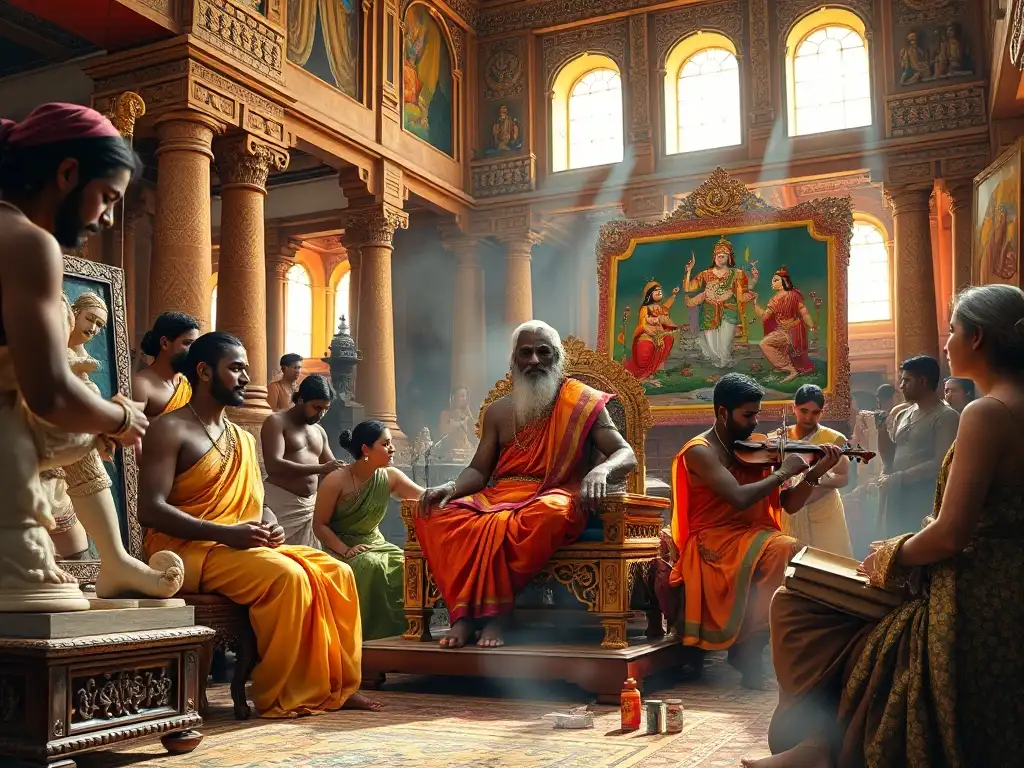
Welcome to Ancient India History, where we embark on a captivating journey through the rich and diverse tapestry of ancient Indian civilizations. Have you ever wondered how the artistic brilliance of this era flourished under the guiding hands of influential patrons? In our featured article, “The Role of Patrons in Fostering Artistic Syncretism in Ancient India,” we delve into the fascinating world of artistic patronage and explore how these key figures shaped cultural exchanges and influenced the creation of stunning artworks that reflect a blend of traditions.
Join us as we uncover the secrets of a vibrant past that continues to inspire and resonate today. Your exploration begins here!
Introduction to Artistic Patronage in Ancient India
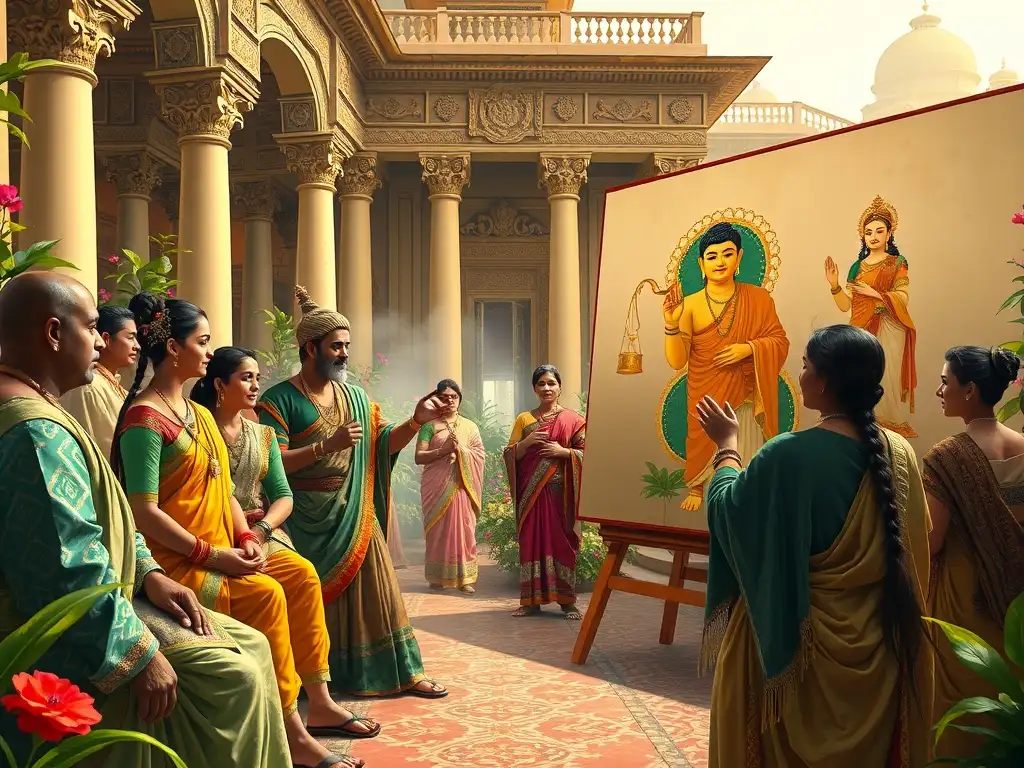
Artistic patronage in ancient India played a pivotal role in shaping the rich tapestry of cultural and artistic expressions that emerged throughout the subcontinent. The practice of supporting artists, craftsmen, and intellectuals was not merely a display of wealth; it was an essential mechanism that fostered artistic syncretism—the blending of diverse artistic traditions and ideas.
As a result, patrons significantly influenced the evolution of art forms, architectural styles, and cultural practices that defined ancient Indian civilizations. This article delves into the various facets of artistic patronage, examining its significance in the context of India's historical narratives and the resultant cultural exchanges.
Definition of Artistic Patronage
Artistic patronage can be defined as the support provided by wealthy individuals, rulers, or institutions to artists and craftsmen, enabling them to create and innovate. In ancient India, this support often took the form of financial assistance, provision of materials, or the establishment of workshops and institutions. Patrons could be kings, queens, religious institutions, or affluent merchants, each contributing to the flourishing of arts and crafts. This patronage not only provided artists with the means to pursue their craft but also allowed for the exchange of ideas and styles, leading to a vibrant artistic syncretism.
Importance of Patrons in Ancient Indian Culture
The role of patrons in ancient Indian culture extended beyond financial support; they were instrumental in shaping the cultural landscape. Through their patronage, they facilitated:
- Cultural Exchange: Patrons often invited artists from different regions, promoting the convergence of various artistic traditions.
- Preservation of Heritage: By commissioning works of art, they contributed to the preservation of cultural narratives and historical events.
- Innovation: Patrons encouraged experimentation and innovation, leading to new art forms and styles that reflected the dynamism of ancient Indian society.
The impact of artistic patronage is evident in the diverse artistic expressions that emerged, showcasing the confluence of different cultural influences.
Historical Context of Artistic Syncretism in Ancient India
To fully understand the role of patrons in fostering artistic syncretism, it is essential to explore the historical context of ancient Indian civilizations. This context provides insights into how various cultural influences shaped artistic practices.
Overview of Ancient Indian Civilizations
Ancient India was home to several prominent civilizations, including the Indus Valley Civilization, Maurya Empire, and Gupta Empire, each contributing uniquely to the rich cultural heritage. Key features of these civilizations included:
- Indus Valley Civilization: Renowned for its urban planning and advanced metallurgy, this civilization laid the groundwork for later artistic traditions.
- Maurya Empire: Under rulers like Ashoka, the Maurya Empire saw the proliferation of Buddhist art, characterized by intricate sculptures and stupas.
- Gupta Empire: Often referred to as the Golden Age of India, this period witnessed significant advancements in art, literature, and science, heavily influenced by patronage.
Key Periods of Cultural Exchange and Influence
Several key periods in ancient Indian history were marked by significant cultural exchanges that enriched artistic practices:
- The Spread of Buddhism: The establishment of trade routes facilitated the exchange of ideas and artistic styles between India and other cultures, notably during the Mauryan period.
- Islamic Influence: The arrival of Islamic rulers in the medieval period introduced new architectural styles and artistic techniques, leading to a unique synthesis of Hindu and Islamic art.
- Colonial Encounter: The British colonial period saw a re-evaluation and reinterpretation of Indian art, contributing to the revival of traditional practices and the emergence of new art movements.
Through these exchanges, patrons played a crucial role in fostering an environment conducive to artistic syncretism, ultimately shaping the diverse cultural landscape of ancient India.
The Influence of Patrons on Artistic Development
Artistic patronage in ancient India played a pivotal role in shaping the cultural landscape and facilitating artistic syncretism. Patrons, ranging from royal figures to wealthy merchants, provided financial support and resources essential for artists to create their works. This patronage not only enabled the production of art but also influenced artistic styles, techniques, and themes. As a result, various forms of expression, such as sculpture, painting, and architecture, flourished under the guidance of patrons who often sought to reflect their status, beliefs, and aspirations through art.
Furthermore, patrons acted as cultural mediators, bridging diverse traditions and fostering an environment where different artistic influences could converge. By commissioning artworks that blended local and foreign styles, they contributed to a unique syncretic culture that characterized many ancient Indian civilizations. This interaction among various artistic elements led to the emergence of new genres and forms, enriching the artistic heritage of the region.
Types of Patrons in Ancient India
Patrons of art in ancient India can be categorized into several distinct types, each contributing uniquely to the artistic landscape:
- Royal Patrons: Kings and emperors often commissioned grand projects, such as temples and monumental sculptures, to showcase their power and devotion. Their support was crucial for large-scale artistic endeavors.
- Religious Institutions: Temples and monasteries were significant patrons of art, commissioning works that adorned sacred spaces and illustrated religious narratives. This type of patronage often aimed to enhance spiritual experiences through visual storytelling.
- Wealthy Merchants and Traders: Economic prosperity among merchants allowed them to commission art for personal collections or public spaces, reflecting their cultural values and social status. This patronage often led to the integration of local artistic traditions with broader cultural influences.
- Local Communities: Small-scale community patronage facilitated the creation of folk art and crafts, which were essential for cultural expression at the grassroots level. This type of support helped sustain traditional art forms and practices.
- Cultural Institutions: Academies and guilds that fostered artistic training and collaboration also played a role as patrons, providing resources and platforms for artists to innovate and experiment with new styles.
Key Examples of Artistic Syncretism Fostered by Patrons
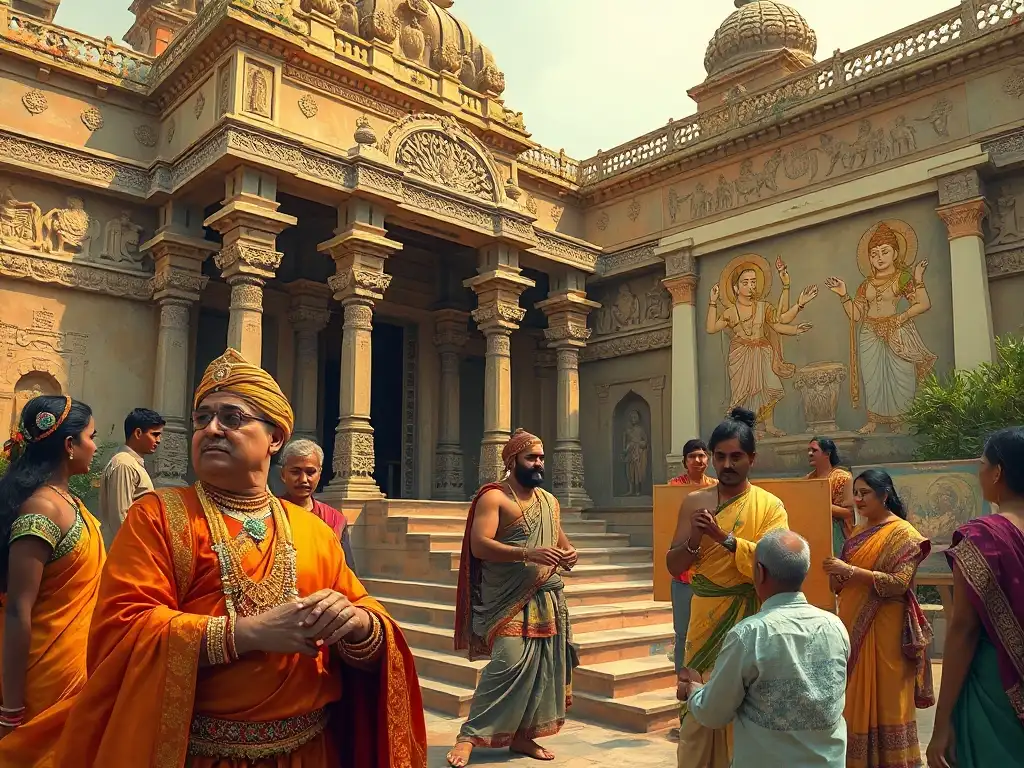
Throughout ancient India, numerous instances of artistic syncretism can be attributed to the influence of patrons. These examples highlight the blending of various cultural elements and styles, creating a rich tapestry of artistic expression.
- Sculptural Styles: The merging of Hellenistic and indigenous Indian styles during the Maurya period, particularly in the sculptures of the Sanchi Stupa, illustrates how royal patronage facilitated the absorption of foreign artistic influences.
- Architectural Innovations: The construction of rock-cut caves, such as those at Ajanta and Ellora, showcases a synthesis of Buddhist, Jain, and Hindu architectural styles, reflecting the collaborative efforts of various patrons.
- Miniature Paintings: The Mughal Empire's patronage led to the development of miniature painting, which combined Persian artistic techniques with Indian themes and subjects, resulting in a distinctive art form that celebrated both cultures.
Case Study: The Gupta Empire and Its Artistic Flourishments
The Gupta Empire (c. 320-550 CE) is often regarded as a high point in the history of Indian art, characterized by a remarkable flourishing of artistic production supported by strong patronage. The Gupta rulers, known for their commitment to arts and culture, commissioned numerous temples, sculptures, and frescoes that exemplified the ideals of beauty and harmony.
One significant example is the iconic sculptures found at the Sarnath site, where the integration of intricate detailing and graceful forms reflected not only religious themes but also a high level of technical skill. The patrons' focus on promoting Buddhism during this period led to a synthesis of indigenous artistic styles with influences from other regions, such as Greco-Buddhist elements seen in the proliferation of Buddha images.
Moreover, the Gupta era is noted for its advancements in craftsmanship, which included fine metalwork and textiles. The artistic legacy of the Gupta period profoundly influenced subsequent generations, laying the groundwork for further artistic developments in medieval India.
Regional Variations in Artistic Patronage
Artistic patronage in ancient India exhibited significant regional variations, influenced by local cultures, resources, and historical contexts. Each region developed its unique artistic styles and forms of patronage, contributing to the overall diversity of Indian art.
- North India: The influence of powerful dynasties, such as the Mauryas and Guptas, led to monumental architecture and sculpture, often focused on religious themes. The patronage from these empires resulted in the creation of grand stupas and temples adorned with intricate carvings.
- South India: Dravidian architecture flourished under the patronage of the Chola and Pandya dynasties, characterized by towering gopurams (gateway towers) and intricate bronze sculptures that reflected local traditions and deities.
- Eastern India: In regions like Bengal, the blending of indigenous practices with Buddhist influences led to unique terracotta art and temple designs, often supported by local merchants and communities.
- Western India: The fusion of Jain, Hindu, and Islamic influences is evident in the architecture of Gujarat and Rajasthan, where patrons sought to create spaces that showcased their religious beliefs and cultural identity.
Through these regional variations, ancient India illustrates how artistic patronage was not a monolithic phenomenon but rather a complex interplay of local and broader cultural influences, resulting in a rich and diverse artistic heritage.
The Role of Religion in Artistic Patronage
Religion played a pivotal role in shaping artistic patronage in ancient India, acting as both a motivator and a framework for the creation of art. The diverse religious landscape—comprising Hinduism, Buddhism, Jainism, and later, Islam—offered rich thematic material that artists explored through various mediums. This religious influence not only provided the subject matter for artistic endeavors but also dictated the aesthetic choices and styles that emerged in different periods.
Religious institutions and figures, including kings, queens, and wealthy merchants, often acted as patrons, commissioning works that reflected their beliefs and values. This patronage fostered a vibrant artistic environment where spirituality and creativity intertwined, leading to the production of significant cultural artifacts that conveyed both religious devotion and artistic innovation.
Interplay Between Religion and Art
The interplay between religion and art in ancient India was deeply rooted in the belief systems and practices of the various communities. Temples, stupas, and monasteries became essential centers for artistic expression, where the divine was depicted through sculptures, paintings, and architectural designs.
For instance, Hindu temples often showcased intricate carvings of deities, narratives from epics, and symbolic motifs that conveyed profound philosophical ideas. Similarly, Buddhist art, with its focus on the life of the Buddha and the principles of Dharma, manifested in elaborate frescoes and stone sculptures that adorned stupas and viharas.
This interaction also facilitated syncretism, where elements from different faiths blended together, leading to unique artistic styles. For example, the coexistence of Hindu and Buddhist themes in the art of the Gupta period illustrates how religious patronage could create a rich tapestry of cultural expression that transcended individual belief systems.
Patronage of Religious Art and Architecture
Patrons of religious art and architecture in ancient India were often motivated by a desire to gain spiritual merit, demonstrate wealth, or assert political power. Kings such as Ashoka the Great, who embraced Buddhism, commissioned numerous stupas and edicts that not only propagated Buddhist teachings but also showcased the artistry of their time.
Wealthy merchant classes and guilds also contributed significantly to religious patronage. They funded the construction of temples and monasteries, often commissioning local artists to create sculptures and murals that depicted religious narratives and local customs. This patronage created a symbiotic relationship between artists and patrons, where the latter provided the resources necessary for artistic production while artists fulfilled the spiritual and aesthetic needs of their communities.
Moreover, the rise of regional dynasties often led to distinctive styles emerging in religious art, reflecting local traditions alongside broader pan-Indian influences. This dynamic not only enriched the cultural landscape but also facilitated a continuous evolution of artistic forms, which were deeply intertwined with the prevailing religious sentiments.
The Legacy of Artistic Patronage in Ancient India
The legacy of artistic patronage in ancient India is evident in the vast array of artistic and architectural achievements that continue to inspire and influence contemporary culture. The monumental structures and intricate artworks left behind serve as testaments to the rich history of artistic expression fostered by religious and secular patrons alike.
This legacy is not merely historical; it remains a living part of India's cultural identity, influencing modern artists and architects who draw on ancient techniques, motifs, and themes in their work.
Lasting Impact on Modern Indian Art
The impact of ancient artistic patronage is profoundly felt in modern Indian art, where traditional forms and motifs are often reinterpreted in contemporary contexts. Many artists today explore themes rooted in ancient texts and practices, incorporating techniques that have been passed down through generations.
For instance, the revival of traditional crafts—such as Madhubani painting and Pattachitra—reflects a continued engagement with the artistic lineage established during ancient times. Artists not only pay homage to their heritage but also adapt these forms to address contemporary issues, bridging the gap between past and present.
Additionally, the architectural styles influenced by ancient patronage can be seen in modern temples and cultural institutions, where ancient designs are melded with contemporary aesthetics, creating spaces that resonate with historical significance while serving current spiritual and community needs.
Contemporary Reflections of Ancient Patronage
Contemporary reflections of ancient patronage can also be observed in various cultural festivals and exhibitions that celebrate India's rich artistic heritage. Events showcasing traditional art forms and collaborative projects between modern artists and craftsmen often highlight the enduring relevance of ancient patronage systems.
Furthermore, the practice of commissioning art for public spaces, akin to ancient patronage, remains prevalent. Government bodies and private organizations frequently sponsor public artworks, sculptures, and installations that echo the spirit of artistic patronage seen in ancient India. These initiatives not only support artists but also serve to educate the public about India's artistic history and cultural diversity.
The legacy of artistic patronage in ancient India continues to resonate in contemporary society, enriching the cultural fabric and inspiring new generations of artists. The interplay of religion, art, and patronage has forged a lasting heritage that remains integral to understanding India’s artistic journey.
Conclusion: The Enduring Influence of Patrons on Artistic Syncretism
The influence of patrons on artistic syncretism in ancient India marks a significant chapter in the history of cultural development. Patrons, ranging from royal dynasties to affluent merchants and religious institutions, played a vital role in promoting and facilitating artistic endeavors that blended diverse cultural influences. This patronage not only provided financial support but also established a platform for artists to experiment with and integrate various styles, techniques, and themes.
As we reflect on the contributions of these patrons, it becomes evident that their support was pivotal in the evolution of art forms, such as sculpture, painting, and architecture, which often incorporated elements from different cultural traditions, including those from neighboring regions and religions. This rich tapestry of artistic expression contributed to a unique identity that resonated throughout ancient Indian society and continues to influence contemporary art.
Summary of Key Points
- Diverse Patronage: Various patrons, including kings, wealthy merchants, and spiritual leaders, significantly contributed to the flourishing of the arts in ancient India.
- Artistic Innovation: The support from patrons enabled artists to explore new techniques and styles, leading to innovative art forms that combined multiple cultural influences.
- Cultural Exchange: Artistic patronage facilitated interactions among different cultural groups, fostering an environment ripe for syncretism, where ideas and aesthetics were shared and transformed.
- Long-lasting Legacy: The artistic achievements facilitated by patrons have left a lasting impact on Indian cultural heritage, influencing not only subsequent generations of artists but also the broader cultural landscape of the region.
Final Thoughts on the Role of Patrons in Shaping Artistic Heritage in Ancient India
Patrons were not merely financial backers; they were key players in the cultural landscape of ancient India. Their influence extended beyond mere aesthetics, as they shaped the narratives and values conveyed through art. By supporting diverse art forms, patrons helped cultivate a sense of identity that embraced both local and foreign elements, making ancient Indian art a true reflection of its time.
The legacy of artistic patronage in ancient India is an enduring testament to the power of collaboration between artists and their supporters. As we study this rich history, it becomes apparent that the interplay between patronage and artistic expression is a fundamental aspect of understanding the complexities of cultural syncretism in ancient India. This exploration not only enriches our appreciation of the past but also inspires contemporary dialogues about artistic identity and cultural exchange.
- Introduction to Artistic Patronage in Ancient India
- Historical Context of Artistic Syncretism in Ancient India
- The Influence of Patrons on Artistic Development
- Types of Patrons in Ancient India
- Key Examples of Artistic Syncretism Fostered by Patrons
- The Role of Religion in Artistic Patronage
- The Legacy of Artistic Patronage in Ancient India
- Conclusion: The Enduring Influence of Patrons on Artistic Syncretism
- What was the significance of artistic patronage in ancient India?
- How did different civilizations in ancient India contribute to artistic syncretism?
- Who were the primary patrons of the arts in ancient India?
- What types of art forms were promoted through patronage in ancient India?
- How did religion influence artistic patronage in ancient India?
Frequently Asked Questions
What was the significance of artistic patronage in ancient India?
Artistic patronage played a crucial role in fostering creativity and cultural exchange. Patrons, including kings and wealthy merchants, influenced the development of diverse art forms and supported artists in their endeavors.
How did different civilizations in ancient India contribute to artistic syncretism?
Various civilizations, such as the Indus Valley and the Gupta Empire, integrated elements from different cultures, leading to a rich tapestry of artistic expression. This blending of styles resulted in unique art that reflected both local and foreign influences.
Who were the primary patrons of the arts in ancient India?
Primary patrons included royal families, religious institutions, and affluent merchants. Their support was vital for artists, enabling the creation of remarkable works that often had cultural and spiritual significance.
What types of art forms were promoted through patronage in ancient India?
Patrons supported a wide range of art forms, including sculpture, painting, architecture, and textiles. Each of these forms showcased the rich cultural heritage and artistic innovation of ancient Indian civilizations.
How did religion influence artistic patronage in ancient India?
Religion greatly influenced artistic patronage, as many patrons commissioned works for temples and religious sites. This resulted in art that not only served aesthetic purposes but also enhanced spiritual practices and community identity.
Final Reflection: The Enduring Legacy of Artistic Patronage in Ancient India
Artistic patronage in ancient India has not only shaped the cultural landscape of its time but continues to resonate in today's world. The intricate interplay between patrons and artists fostered a unique environment where diverse artistic expressions flourished, creating a rich tapestry of cultural heritage that we still admire and study. This historical phenomenon reminds us that the support and encouragement of the arts are essential for innovation and creativity to thrive in any society.
The influence of artistic patronage in ancient India is a testament to the power of collaboration between those who create and those who support the arts. This relationship has paved the way for a vibrant cultural dialogue that transcends time and geography. As we reflect on this legacy, we can see how it has inspired modern patrons and institutions to invest in the arts, ensuring that creativity continues to flourish. Art is not what you see, but what you make others see.
– Edgar Degas. This quote encapsulates the essence of artistic patronage, highlighting the transformative power of art in shaping perceptions and experiences.
As we contemplate the lessons from the past, let us recognize the importance of our role in supporting the arts today. I invite you to reflect on how you can contribute to the artistic community, whether through patronage, advocacy, or simply by engaging with and appreciating the arts around you. By fostering a culture of support and collaboration, we can ensure that the spirit of artistic syncretism continues to thrive, enriching our lives and the lives of future generations.
Embrace the Legacy of Artistic Syncretism!
Thank you for diving deep into the fascinating world of patrons and their influence on artistic syncretism in Ancient India. Your interest in this rich tapestry of culture opens doors to endless exploration. Now, it’s time to take these insights and incorporate them into your own artistic journey!
Here are some actionable steps you can take to continue exploring this vibrant history:
- Delve into local museums: Visit a museum or art gallery that features Indian history or art. Engage with exhibits showcasing syncretic art forms and discover the various influences that shaped these works.
- Share your thoughts: Discuss what you've learned! Whether through a blog post or social media, share your insights about the connection between patrons and art in Ancient India. Use a relevant hashtag to reach a wider audience.
- Join an art history community: Connect with like-minded individuals who appreciate the intersection of culture and artistry. Participate in online forums or local discussion groups to deepen your understanding and appreciation of artistic syncretism.
As you explore this vibrant legacy, consider this: How do you think modern patrons can influence the future of artistic expression in today's society? Let's spark a conversation in the comments below!