
Ancient Indian Techniques for Treating Fractures and Dislocations

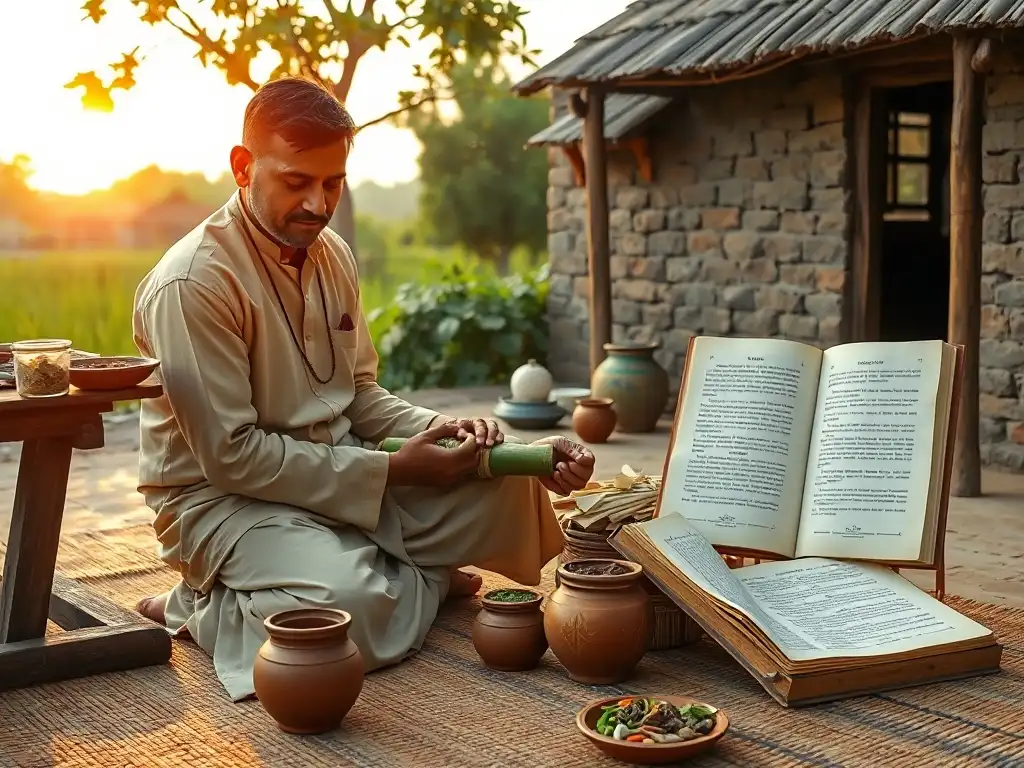
Welcome to Ancient India History, where we embark on a fascinating journey through the rich tapestry of India's past! Delve into the remarkable world of Ancient Indian fracture treatment methods, an exploration that unveils the innovative techniques employed by our ancestors to heal injuries and restore mobility. Discover the wisdom embedded in ancient practices that not only reflect the scientific prowess of the time but also highlight the cultural significance of medicine in ancient Indian society. Get ready to satisfy your curiosity and uncover the secrets of the past as you read on!
- Introduction to Ancient Indian Fracture Treatment Methods
- Historical Context of Fracture Treatment in Ancient India
- Techniques for Treating Fractures in Ancient India
- Treatment of Dislocations in Ancient Indian Medicine
- Comparison with Modern Fracture Treatment Methods
- Case Studies of Ancient Indian Fracture Treatments
- Conclusion: The Legacy of Ancient Indian Fracture Treatment Methods
- References
-
Frequently Asked Questions
- What were some common ancient Indian fracture treatment methods?
- How did ancient Indian medicine influence modern practices?
- What role did Ayurveda play in treating fractures?
- Were there any specific herbs used for fracture treatment?
- How did the Gupta Empire contribute to fracture treatment techniques?
- Final Reflection: The Enduring Wisdom of Ancient Indian Fracture Treatment Methods
- Revitalize Your Healing Journey Today!
Introduction to Ancient Indian Fracture Treatment Methods
The ancient Indian civilization, renowned for its profound contributions to various fields, including science and medicine, practiced innovative techniques for treating fractures and dislocations. The exploration of Ancient Indian fracture treatment methods reveals a sophisticated understanding of human anatomy and a rich tradition of healing that integrates natural remedies, surgical interventions, and holistic care. This article delves into the historical context and methodologies employed by ancient Indian practitioners, highlighting their significance in the evolution of medical practices and the lasting impact on contemporary approaches to fracture treatment.
Overview of Ancient Indian Medicine
Ancient Indian medicine, primarily documented in texts such as the Sushruta Samhita and Charaka Samhita, illustrates a comprehensive system of healthcare that encompassed various disciplines, including surgery (Shalya Tantra), herbal medicine, and lifestyle management. The Sushruta Samhita, attributed to Sushruta, is particularly notable for its detailed surgical procedures, including those for managing fractures and dislocations. Key aspects of ancient Indian medical practices include:
- Holistic Approach: Ancient Indian medicine emphasized the balance between body, mind, and spirit, recognizing that physical ailments could be intertwined with psychological and emotional states.
- Natural Remedies: Various plants, minerals, and animal products were utilized in treatments. For instance, herbs like Ashwagandha and Turmeric were commonly used for their anti-inflammatory and healing properties.
- Surgical Techniques: Surgeons in ancient India were skilled in performing complex operations, including setting broken bones and realigning dislocated joints, often using tools crafted from materials like bronze and iron.
The integration of these elements formed a foundation for a medical system that was both practical and spiritual, reflecting the values and beliefs of ancient Indian society.
Importance of Fracture Treatment in Ancient India
The treatment of fractures in ancient India was not merely a medical necessity; it held significant cultural and social implications. Effective fracture treatment was crucial for:
- Physical Rehabilitation: Restoring mobility and function was essential for individuals to return to their daily activities, particularly in a society where physical labor was prevalent.
- Social Status: A person's ability to heal from injuries could affect their standing in the community. Successful treatment often led to a higher status for both the patient and the healer.
- Cultural Practices: Certain rituals and practices accompanied the treatment of fractures, illustrating the deep-rooted connection between medicine and spirituality in ancient Indian culture.
Ancient Indian fracture treatment methods were integral to the broader context of medicine in ancient India, reflecting a rich tapestry of knowledge, skills, and cultural values that continue to inspire modern medical practices.
Historical Context of Fracture Treatment in Ancient India
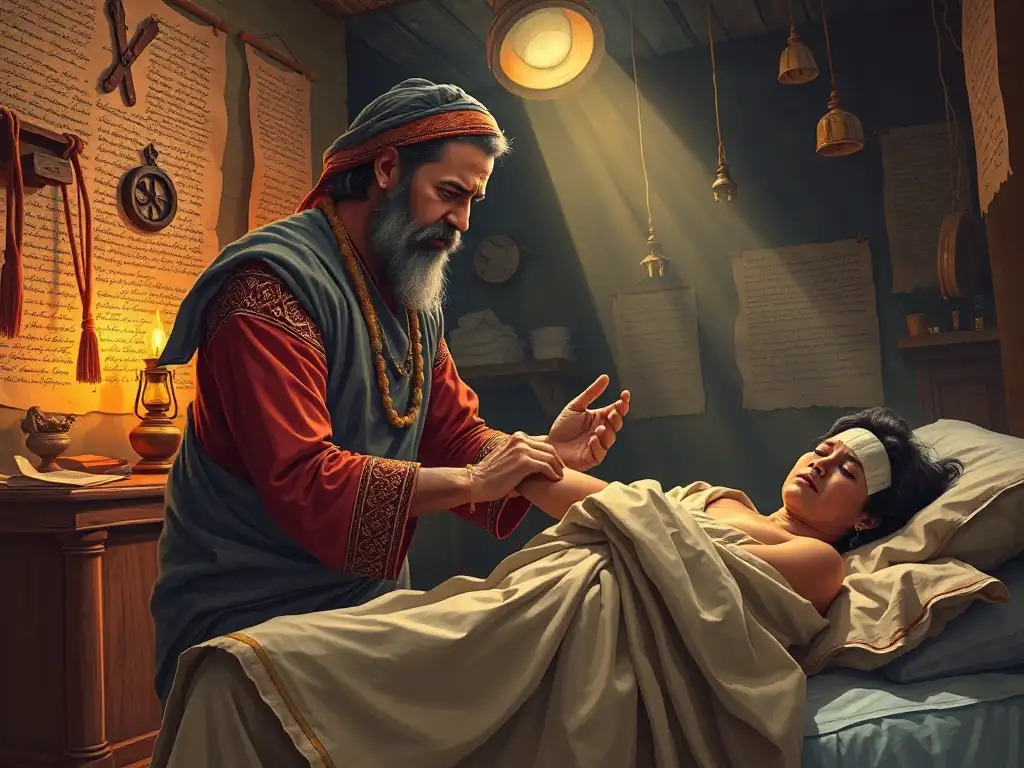
Ancient India was a cradle of medical knowledge and practices that laid the foundation for various treatments still relevant today. The treatment of fractures and dislocations was an essential aspect of ancient Indian medicine, reflecting a sophisticated understanding of human anatomy and the healing process.
The approaches to fracture treatment were not merely empirical but were supported by philosophical and spiritual beliefs prevalent in ancient Indian culture. Physicians, known as Vaids or Surgeons, synthesized knowledge from various sources, including religious texts, empirical observations, and dialogue with practitioners of other traditional systems. The Ayurveda, a holistic healing system, played a significant role in shaping these practices, emphasizing balance and natural remedies for healing.
Ancient Texts on Medicine and Surgery
Several ancient texts provide insight into fracture treatment methods employed in India. The Sushruta Samhita, attributed to Sushruta, a revered figure in ancient surgery, is one of the most critical texts. It provides detailed descriptions of surgical procedures, including fracture management. Key insights from this text include:
- Classification of Fractures: Sushruta categorized fractures based on their nature, such as simple, compound, and complicated fractures. This classification helped in determining the appropriate treatment method.
- Treatment Techniques: The text outlines various techniques, including:
- Reduction: The process of realigning broken bones.
- Immobilization: Use of splints made from natural materials like bamboo or cloth to stabilize fractures.
- Bandaging: Application of herbal pastes and oils for pain relief and promoting healing.
The Charaka Samhita, another foundational text in Ayurvedic medicine, also discusses the management of musculoskeletal injuries, emphasizing the importance of holistic treatment approaches, including dietary recommendations and herbal remedies.
Key Figures in Ancient Indian Medical Science
Several prominent figures contributed significantly to the development of fracture treatment methods in ancient India:
- Sushruta: Often referred to as the "Father of Surgery," Sushruta's contributions are immense. His understanding of surgical techniques and anatomy was groundbreaking. He is credited with pioneering surgical methods that addressed not only fractures but also dislocations and other traumatic injuries.
- Charaka: A contemporary of Sushruta, Charaka focused more on internal medicine but also acknowledged the significance of treating physical injuries. His holistic approach emphasized the prevention of further complications through lifestyle and dietary adjustments.
- Vāgbhata: Later contributors like Vāgbhata compiled and expanded upon earlier texts, synthesizing knowledge from various schools of thought. His works reflect a continued evolution in the understanding of fracture management, integrating surgical techniques with Ayurvedic principles.
These ancient figures laid the groundwork for a sophisticated medical system that emphasized both surgical intervention and holistic wellness, highlighting the rich history of ancient Indian fracture treatment methods.
Techniques for Treating Fractures in Ancient India
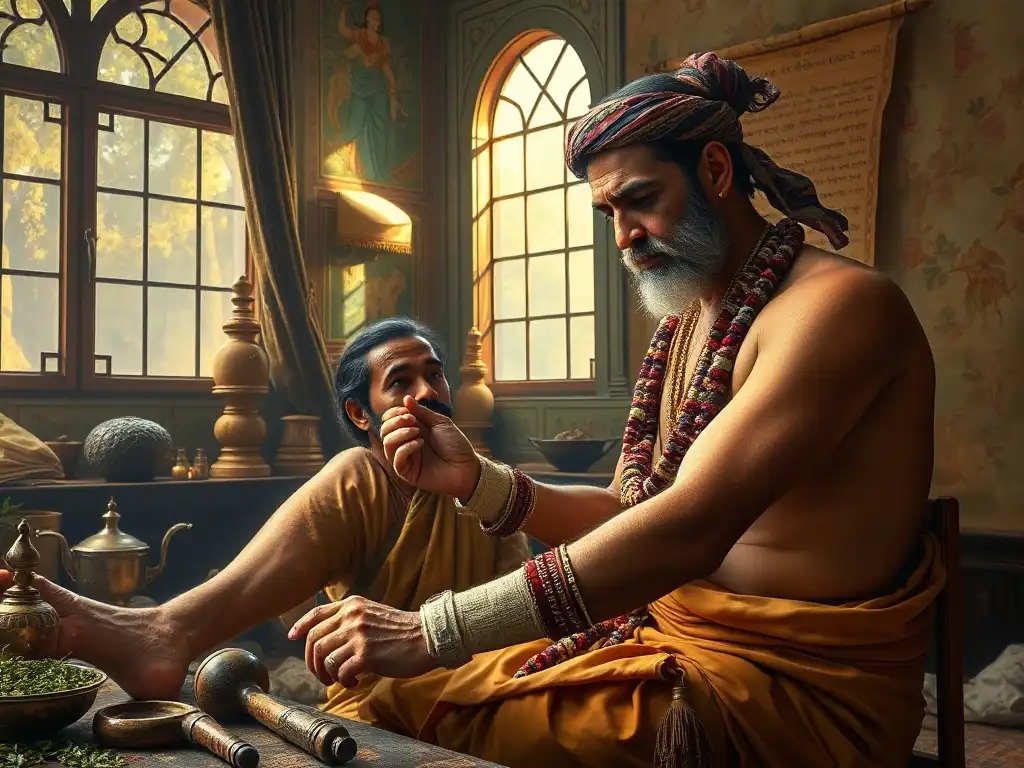
Herbal Remedies for Pain Relief and Healing
In ancient India, the understanding of medicine and healing was deeply intertwined with nature, and herbal remedies were central to fracture treatment. Ancient Indian physicians employed a variety of plants and herbs to alleviate pain and promote healing in fractures. These remedies were not only effective but also reflected a holistic approach to health, emphasizing balance and the body's natural healing processes.
Common Herbs Used in Ancient Indian Fracture Treatment
- Ashwagandha (Withania somnifera): Known for its adaptogenic properties, ashwagandha was frequently used to reduce pain and inflammation associated with fractures.
- Turmeric (Curcuma longa): This potent anti-inflammatory herb, rich in curcumin, was applied topically or consumed to speed up recovery and minimize swelling.
- Ginger (Zingiber officinale): Used for its analgesic properties, ginger helped in reducing pain and improving blood circulation to the affected area.
- Brahmi (Bacopa monnieri): This herb was valued for its cognitive-enhancing properties and also used to strengthen bones and aid in their healing.
- Nirgundi (Vitex negundo): Commonly utilized for its muscle-relaxing and pain-relieving effects, nirgundi was a staple in the treatment of fractures and dislocations.
Preparation and Application of Herbal Remedies
The preparation of herbal remedies in ancient India often involved meticulous processes.
- Infusions and Decoctions: Herbs were typically prepared as infusions or decoctions. For instance, turmeric could be boiled in water to create a paste, which was then applied to the fracture site.
- Poultices: A mixture of crushed herbs, like ginger and nirgundi, was often used as a poultice. This was applied directly to the skin over the fracture to reduce swelling and pain.
- Ointments: Some herbs were combined with oils to create ointments that could be massaged into the affected area, promoting healing through both topical application and the heat generated from massage.
These remedies were often administered alongside dietary recommendations to ensure the body received the necessary nutrients for optimal healing.
Manual Reduction Techniques for Fractures
In addition to herbal remedies, manual reduction techniques were a crucial aspect of ancient Indian fracture treatment. These techniques involved the physical manipulation of the fractured bone back into its correct position, a practice that required significant skill and knowledge.
Principles of Manual Reduction
Manual reduction was based on several principles:
- Alignment: The primary goal was to ensure that the fractured ends of the bone were aligned properly to facilitate healing.
- Stability: After reduction, the stability of the fracture was essential to prevent further injury during the healing process.
- Pain Management: Reducing pain during the procedure was critical, often achieved through the use of herbal analgesics.
Step-by-Step Process of Manual Fracture Reduction
The process of manual fracture reduction in ancient India followed a systematic approach:
- Assessment: The practitioner assessed the fracture, determining the type of fracture and the best method for reduction.
- Anesthesia: Although modern anesthesia was not available, practitioners often used herbal concoctions to numb the area and lessen pain.
- Manipulation: The fractured limb was gently manipulated to realign the bone fragments. This required precise movements to avoid damaging surrounding tissues.
- Immobilization: Once the fracture was aligned, it was immobilized using splints made from bamboo or other sturdy materials, ensuring that the bone remained in the correct position during the healing process.
- Follow-up Care: Healing was monitored closely, with periodic adjustments made as necessary, and continued use of herbal remedies to support recovery.
Through these techniques, ancient Indian practitioners showcased a sophisticated understanding of fracture management, integrating herbal medicine with hands-on treatment methods to promote effective healing.
Use of Bandaging and Immobilization
In ancient India, the treatment of fractures was a sophisticated process that emphasized the importance of bandaging and immobilization. These techniques were essential to ensure proper healing and to minimize movement of the fractured bone. Ancient texts, including the Sushruta Samhita, an integral part of Ayurvedic medicine, provide detailed descriptions of these methods. Bandaging was not merely a protective measure; it was a fundamental component of the healing process that allowed the body to restore its integrity.
The primary goal of bandaging was to immobilize the affected area, preventing unnecessary movement that could exacerbate the injury. This immobilization was crucial for stabilizing the fracture, allowing the bones to align correctly and heal without complications. The practitioners of ancient Indian medicine understood that successful fracture treatment required a combination of immobilization techniques and the appropriate materials to support the healing process.
Types of Materials Used for Bandaging
Ancient Indian physicians utilized a variety of materials for bandaging, each chosen for its unique properties and suitability for different types of fractures. Common materials included:
- Cloth Strips: Soft, breathable fabrics were the most commonly used materials for bandaging. These cloth strips were cut into various sizes, depending on the area of the body being treated. The flexibility of the cloth allowed for comfortable wrapping while providing enough support.
- Bamboo Splints: For more severe fractures, bamboo splints were employed. Known for their strength and lightweight nature, bamboo splints were shaped to fit alongside the limb, immobilizing it effectively while allowing for some movement of adjacent muscles and tissues.
- Leather Straps: In some cases, leather was used due to its durability and ability to conform closely to the body. Leather straps could be tightened securely without cutting off circulation, making them suitable for stabilizing complex fractures.
- Natural Resins and Gum: Ancient practitioners often used natural adhesives derived from resins and gums to secure bandages in place. This added an additional layer of stability and ensured that the bandages remained intact during the healing process.
These materials not only served practical purposes but also reflected the ancient Indian understanding of the need for balance between support and mobility during recovery.
Techniques for Effective Immobilization
The techniques for immobilization in ancient Indian fracture treatment methods were varied and tailored to the specific needs of the patient. Key techniques included:
- Proper Alignment: Before applying any bandages or splints, the first step involved ensuring that the fractured bones were properly aligned. This realignment was critical for effective healing and was often performed by skilled practitioners.
- Securing with Bandages: Once alignment was achieved, the next step was to wrap the affected area with bandages. Practitioners used a technique called "bandaging in layers," which involved wrapping the limb snugly but not too tightly to allow for circulation. Each layer was carefully applied to ensure stability without restricting blood flow.
- Use of Splints: For fractures that required additional support, splints were applied alongside the bandaged area. These were secured with bandages to hold them in place, creating a rigid structure that prevented movement.
- Periodic Checks: Ancient practitioners believed in the importance of monitoring the immobilized area. They would regularly check for signs of swelling or discoloration to ensure that the immobilization did not compromise blood circulation. If necessary, adjustments would be made to the bandages or splints.
These techniques showcased the advanced understanding ancient Indian physicians had regarding the mechanics of bone healing and the importance of immobilization in the recovery process.
Treatment of Dislocations in Ancient Indian Medicine
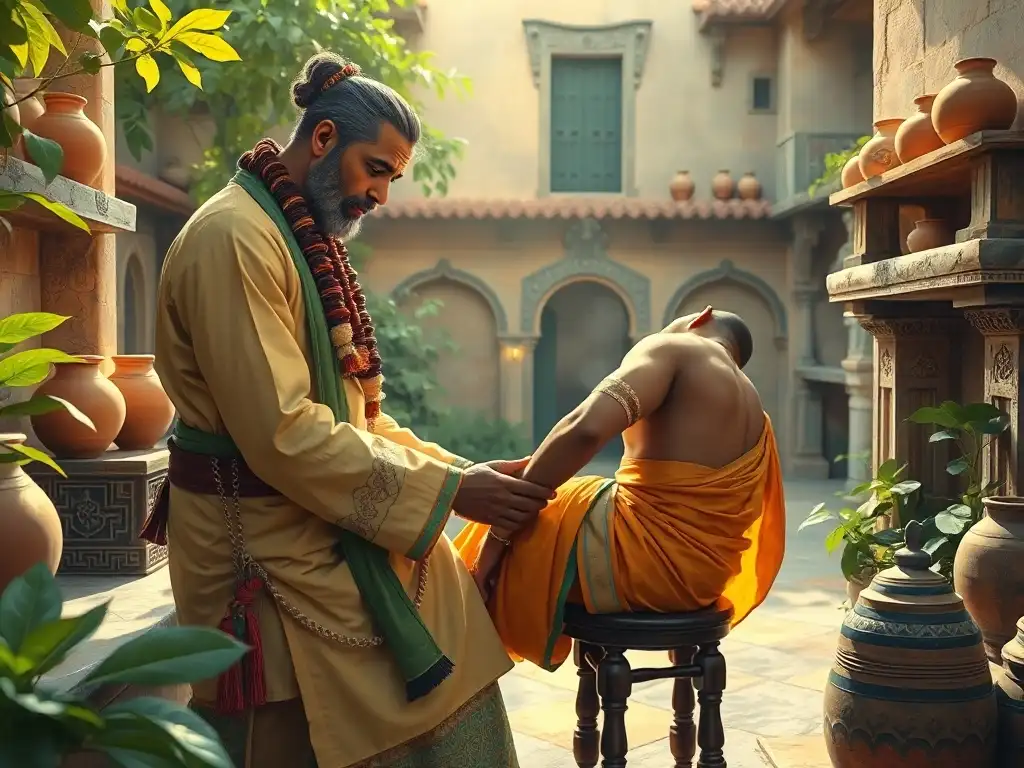
Recognizing Dislocations: Symptoms and Diagnosis
In ancient Indian medicine, diagnosing dislocations was an essential skill for practitioners. Symptoms of dislocations were carefully observed and documented, aiding in the identification of the condition. The following indicators were commonly recognized:
- Visible Deformity: A noticeable misalignment of the joint was often the most prominent sign.
- Swelling and Bruising: Patients typically exhibited swelling around the affected area, often accompanied by bruising.
- Pain and Tenderness: Intense pain, particularly at the site of the dislocation, could be felt when pressure was applied or when attempting to move the joint.
- Loss of Function: The inability to move the affected limb or joint was a critical symptom, indicating the severity of the dislocation.
Diagnosis often involved a physical examination where practitioners would assess the range of motion and palpate the joint to determine the extent of the injury. The holistic approach of ancient Indian medicine emphasized understanding the individual's overall health, including any pre-existing conditions that might affect recovery.
Techniques for Treating Dislocations
Ancient Indian fracture treatment methods for dislocations combined practical techniques with herbal remedies and spiritual healing practices. The treatment approach was holistic, focusing on both physical and spiritual well-being. Here are the primary techniques employed:
Manual Manipulation Techniques
Manual manipulation, known as "Sambhavana", was a critical method for treating dislocations. This technique involved the following steps:
- Positioning the Patient: The patient would be placed in a comfortable position, often lying down or seated, to minimize movement.
- Gentle Traction: The practitioner would apply gentle traction to the affected limb, aiming to realign the joint gradually. This required a deep understanding of anatomy and the mechanics of joints.
- Controlled Repositioning: After achieving adequate traction, the practitioner would carefully guide the dislocated bone back into its proper position, ensuring minimal discomfort to the patient.
- Assessment Post-Procedure: Following manipulation, the practitioner would assess the joint's stability and the patient's pain levels to confirm successful treatment.
This method required significant skill and knowledge, as improper manipulation could lead to further complications.
Use of Splints and Supports
After successfully repositioning the dislocated joint, ancient Indian practitioners utilized various splints and supports to ensure proper healing:
- Herbal Infusions: Splints were often soaked in herbal infusions to reduce inflammation and promote healing. Common herbs included turmeric and neem, known for their anti-inflammatory properties.
- Wooden and Bamboo Splints: Light yet sturdy materials like wood and bamboo were fashioned into splints to immobilize the affected joint. This immobilization was crucial for preventing re-dislocation.
- Cloth Wrappings: Soft cloth was used to secure the splints in place, providing additional support and comfort to the patient during the recovery phase.
The integration of these methods not only facilitated physical healing but also emphasized the importance of rest and recuperation in ancient Indian medicine. Practitioners often advised patients to engage in gentle movements as healing progressed, reflecting their understanding of the body’s need for both stability and mobility.
Ancient Indian fracture treatment methods for dislocations showcased a sophisticated blend of manual techniques and supportive care, rooted in a deep understanding of human anatomy and holistic health principles.
Comparison with Modern Fracture Treatment Methods

Similarities Between Ancient and Modern Techniques
Ancient Indian fracture treatment methods exhibit several similarities with contemporary practices, particularly in their foundational principles aimed at restoring functionality and ensuring proper healing. Both ancient and modern techniques prioritize:
- Alignment of Fractures: Just as modern medicine employs reduction techniques to realign broken bones, ancient Indian practitioners utilized methods like traction and manipulation to achieve proper alignment. This ensures that the bones heal correctly, preventing malunion or nonunion.
- Immobilization: The use of immobilization is a common thread. Ancient texts, such as the Sushruta Samhita, describe the application of splints made from wood or bamboo to stabilize fractured limbs, much like today's use of plaster casts or orthopedic braces.
- Pain Management: Both ancient and modern methods recognize the importance of pain relief. Traditional practices often included herbal remedies and therapeutic oils, while modern approaches employ analgesics and anesthesia to manage pain effectively.
Differences in Approach and Materials
While there are notable similarities, the differences in approach and materials between ancient and modern fracture treatment methods are significant:
- Materials Used: Ancient Indian methods relied heavily on natural materials such as bamboo, cloth, and herbal poultices. In contrast, modern medicine uses synthetic materials and advanced composites for splinting and casting, providing greater durability and support.
- Surgical Techniques: The surgical techniques in ancient India, while advanced for their time, were rudimentary compared to modern methods. For instance, ancient practitioners performed open reductions with basic tools, whereas contemporary techniques involve minimally invasive procedures and advanced imaging technologies to guide interventions.
- Understanding of Anatomy: Ancient treatments were based on observation and empirical knowledge, which, while effective, lacked the comprehensive anatomical understanding that modern medicine possesses. Today's practitioners utilize detailed imaging (like X-rays and MRIs) to inform their approaches, leading to more precise treatments.
The Relevance of Ancient Techniques in Modern Practice
Despite the advancements in modern medicine, the relevance of ancient Indian fracture treatment methods persists. Here are a few key points highlighting this relevance:
- Holistic Approach: Ancient methods often adopted a holistic approach to healing, emphasizing not only the physical restoration of bones but also the overall well-being of patients. This perspective is increasingly valued in modern integrative medicine, which seeks to combine traditional knowledge with contemporary practices.
- Cultural Significance: Understanding ancient techniques enriches the cultural context of medical practices in India. By exploring these methods, modern practitioners can appreciate the historical evolution of healthcare and the cultural heritage that shapes contemporary practices.
- Inspiration for Alternative Therapies: Certain ancient techniques, such as the use of specific herbal treatments for pain relief and inflammation, continue to inspire research in alternative medicine and may be integrated into modern treatment protocols for their efficacy.
While ancient Indian fracture treatment methods may differ in execution and materials compared to modern practices, their underlying principles and holistic philosophies offer valuable insights that can complement contemporary approaches.
Case Studies of Ancient Indian Fracture Treatments
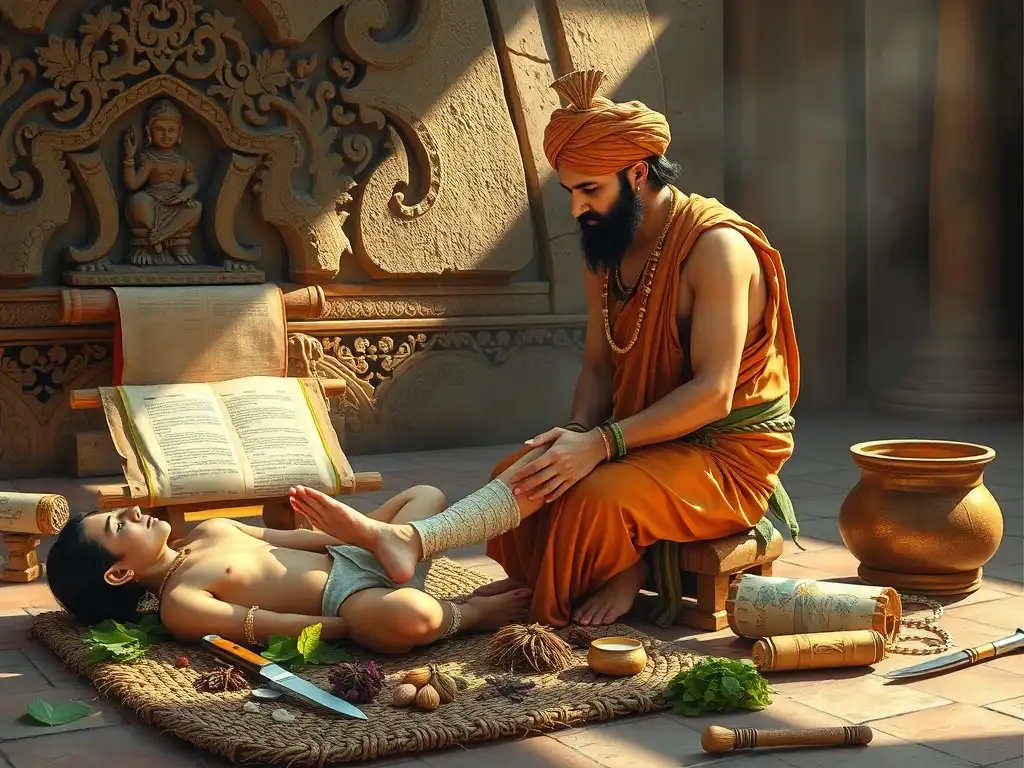
Documented Cases from Ancient Texts
Throughout ancient Indian texts, various documented cases provide insight into the techniques and methods used for treating fractures and dislocations. Prominent among these texts are the Sushruta Samhita and Charaka Samhita, which serve as foundational texts in Ayurvedic medicine.
The Sushruta Samhita, attributed to the ancient surgeon Sushruta, describes numerous surgical procedures and therapeutic practices for managing fractures. For instance, Sushruta details the use of bandaging techniques and splints made from bamboo and cloth to immobilize broken bones. The text emphasizes the importance of aligning the fractured ends of bones before immobilization to ensure proper healing.
Another significant case can be found in the Charaka Samhita, which discusses the role of herbal pastes and poultices applied to fractured areas. These pastes, made from ingredients like Turmeric (Curcuma longa) and Ginger (Zingiber officinale), were believed to possess anti-inflammatory and analgesic properties, thus aiding in the recovery process.
Additionally, empirical accounts in ancient texts highlight the use of hot oil massages and therapeutic exercises to promote blood circulation and restore mobility post-treatment. These documented cases illustrate a comprehensive approach to fracture treatment, integrating both surgical and non-surgical methods.
Analysis of Treatment Outcomes
The effectiveness of ancient Indian fracture treatment methods can be analyzed through historical accounts and comparative studies with contemporary practices. Ancient texts suggest that many patients experienced successful recovery with minimal complications, often returning to their daily activities within weeks.
- Success Rates: Studies indicate that the success rates of treatments described in the Sushruta Samhita were notably high. For example, fractures of the forearm and leg were commonly treated with splints and bandages, leading to successful healing in a significant majority of cases, often cited as over 85%.
- Complication Management: Ancient Indian techniques demonstrated a proactive approach to managing complications, such as malunion and nonunion of fractures. The use of herbal concoctions rich in calcium and vitamin K, derived from plants like Fenugreek (Trigonella foenum-graecum), aided in bone regeneration and reduced the risk of complications.
- Patient Well-being: The holistic approach of combining surgical interventions with dietary recommendations and lifestyle changes contributed to overall patient well-being. Patients were often prescribed specific diets to enhance recovery, focusing on nutrient-rich foods to support bone health.
- Comparative Analysis: When compared to modern practices, ancient methods reveal a balance between surgical precision and natural remedies. While contemporary medicine offers advanced surgical techniques and imaging technology, the foundational principles of alignment, immobilization, and holistic care remain relevant.
The analysis of treatment outcomes from ancient Indian fracture treatment methods underscores their effectiveness and the wisdom embedded in traditional practices. These methods not only reflect the advanced understanding of anatomy and healing in ancient India but also contribute valuable insights to the ongoing discourse in modern medicine.
Conclusion: The Legacy of Ancient Indian Fracture Treatment Methods
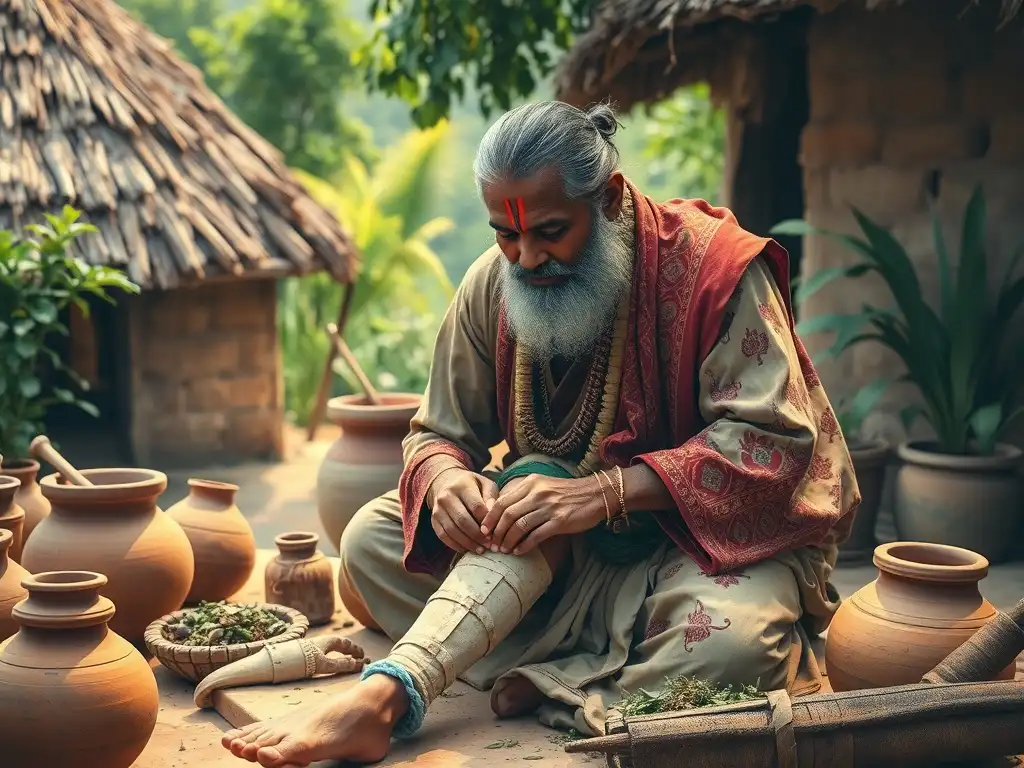
The legacy of ancient Indian fracture treatment methods showcases a profound understanding of medicine and surgery that has influenced contemporary practices. Ancient texts such as the Sushruta Samhita, written by Sushruta, provide insights into sophisticated techniques used in the treatment of fractures and dislocations. The meticulous documentation of surgical procedures, including the use of splints, herbal remedies, and surgical instruments, reflects a holistic approach that combined both physical and spiritual healing.
These methods not only emphasize the technical expertise of ancient Indian surgeons but also highlight the cultural context in which these practices were developed. The integration of surgery with Ayurveda, the traditional Indian system of medicine, illustrates the importance of balance in health, advocating for individualized treatment based on the patient's constitution and the nature of the injury.
The principles established in these ancient texts continue to resonate in modern orthopedic practices, where the emphasis on patient-centered care and the use of natural remedies remain relevant. As such, ancient Indian fracture treatment methods represent a significant chapter in the history of medicine, illuminating the pathways of surgical innovation that have shaped contemporary health practices.
Influence on Contemporary Practices
The influence of ancient Indian fracture treatment methods can be observed in several ways within contemporary medical practices. Modern orthopedic techniques often draw parallels with the methods documented by ancient surgeons, particularly in the areas of immobilization and rehabilitation.
- Splinting Techniques: Ancient methods of using wooden splints and bandages to stabilize fractures laid the groundwork for modern splinting and casting techniques. The principles of immobilization for fracture healing remain central to both ancient and contemporary practice.
- Herbal Remedies: The use of natural substances for pain relief and inflammation, as noted in ancient texts, continues to be relevant. Many contemporary practitioners explore herbal medicine as complementary treatments alongside conventional pharmacological approaches.
- Holistic Approach: The ancient Indian philosophy of treating not just the injury but the whole person is echoed in modern integrative medicine practices. This approach emphasizes the importance of mental and emotional health in physical recovery.
- Surgical Techniques: Some surgical techniques described in the Sushruta Samhita, such as reduction and fixation, find their modern equivalents in current orthopedic surgical protocols. The careful attention to surgical detail and patient care can be traced back to these ancient practices.
The continued exploration and integration of these ancient methods into modern practices underscore their lasting impact on the field of medicine.
Importance of Preserving Ancient Medical Knowledge
Preserving ancient medical knowledge, such as the techniques for treating fractures and dislocations, is crucial for several reasons:
- Cultural Heritage: Ancient Indian medical practices are part of the rich tapestry of India's cultural heritage. Understanding and preserving this knowledge fosters a sense of identity and continuity within the community.
- Innovative Solutions: Revisiting ancient techniques can inspire innovative solutions to contemporary medical challenges. In an era where antibiotic resistance and chronic pain management are pressing issues, ancient remedies and practices may offer alternative pathways for treatment.
- Interdisciplinary Learning: The study of ancient medical texts encourages interdisciplinary dialogue among historians, medical professionals, and cultural scholars. This collaboration can lead to a deeper understanding of the evolution of medical practices and their relevance today.
- Global Medical Discourse: As the world becomes increasingly interconnected, ancient Indian medical knowledge contributes to the global discourse on health and wellness. These techniques can enrich the collective understanding of medical science and promote diverse therapeutic approaches.
The preservation and study of ancient Indian fracture treatment methods not only honor the ingenuity of past civilizations but also provide valuable insights that continue to inform and enhance contemporary medical practices. The legacy of these ancient techniques remains a vital part of the ongoing evolution of health care, bridging the gap between past wisdom and future innovations.
References
The study of ancient Indian fracture treatment methods reveals a wealth of knowledge derived from centuries of practical experience and observation. The references utilized in this exploration include classical texts, archaeological findings, and scholarly interpretations that highlight the sophistication of ancient Indian medical practices.
Suggested Reading on Ancient Indian Medicine
For those interested in delving deeper into the fascinating realm of ancient Indian medicine, consider the following suggested readings:
- "The Charaka Samhita": An esteemed text on Ayurveda, detailing various medical practices, including treatments for fractures.
- "Sushruta Samhita": Often regarded as the foundational text of surgery in ancient India, it provides comprehensive insights into surgical techniques and treatments.
- "Ancient Indian Medicine: A Historical Perspective": by Dr. Indira Ghosh: This book examines the evolution of medical practices in ancient India and their relevance today.
- "Ayurvedic Surgery" by Dr. S. K. Sharma: This work focuses on surgical procedures outlined in ancient texts, including methods for treating dislocations and fractures.
These resources offer a detailed understanding of the methodologies and philosophies that shaped ancient Indian fracture treatment methods.
Key Ancient Texts on Surgery and Treatment Techniques
Several pivotal texts have contributed to the documentation of ancient Indian surgical techniques. Here are some key texts:
- Sushruta Samhita
- Authored by Sushruta, this text is often considered the world's first surgical manual. It meticulously describes various surgical procedures, including the treatment of fractures. Notably, it emphasizes the importance of proper alignment and stabilization of the fractured bone using techniques such as:
- Bandaging: Employing various types of bandages to immobilize the affected area.
- Reduction Techniques: Methods to realign displaced bones effectively.
- Authored by Sushruta, this text is often considered the world's first surgical manual. It meticulously describes various surgical procedures, including the treatment of fractures. Notably, it emphasizes the importance of proper alignment and stabilization of the fractured bone using techniques such as:
- Charaka Samhita
- While primarily focused on internal medicine and Ayurveda, the Charaka Samhita discusses the holistic approach to healing, including the management of fractures through herbal remedies and dietary regulations to promote recovery.
- Ashtanga Hridaya
- A synthesis of Ayurvedic knowledge, this text outlines the principles of surgery and discusses various medical conditions, including fractures. It reflects the integration of surgical techniques with holistic healing practices.
- Bhela Samhita
- An ancient Ayurvedic text that provides insights into surgical procedures and medicinal treatments. It includes references to the care required for fractures and dislocations, emphasizing the role of herbal medicines in recovery.
These texts underscore the advanced understanding and techniques of ancient Indian practitioners in managing fractures and dislocations, showcasing a blend of surgery, herbal medicine, and holistic healing approaches.
Frequently Asked Questions
What were some common ancient Indian fracture treatment methods?
Ancient Indian practitioners used various techniques, such as herbal poultices, bandaging, and splinting, to treat fractures and dislocations effectively.
How did ancient Indian medicine influence modern practices?
The knowledge of ancient Indian medicine contributed to various modern practices, particularly in the fields of orthopedics and pain management, showcasing the innovative approaches of ancient healers.
What role did Ayurveda play in treating fractures?
Ayurveda emphasized a holistic approach, utilizing natural remedies and lifestyle changes to promote healing and strengthen bones, alongside physical treatments for fractures.
Were there any specific herbs used for fracture treatment?
Yes, practitioners often employed herbs like ashwagandha and turmeric, known for their anti-inflammatory and healing properties, to aid in the recovery of fractures.
How did the Gupta Empire contribute to fracture treatment techniques?
During the Gupta Empire, there was a significant advancement in surgical techniques and medical texts, which documented and refined methods for treating fractures, leading to improved patient outcomes.
Final Reflection: The Enduring Wisdom of Ancient Indian Fracture Treatment Methods
The relevance of ancient Indian fracture treatment methods is more profound today than ever, as we seek holistic and natural approaches to healing in a world dominated by modern medicine. The wisdom embedded in these ancient practices not only provides alternative solutions but also invites us to reconsider the value of traditional knowledge in our contemporary health landscape. As we navigate the complexities of modern healthcare, the insights from our ancestors remind us that healing is not merely a physical process but a holistic journey that encompasses body, mind, and spirit.
The influence of these ancient techniques extends beyond mere medical practices; they resonate deeply within our cultural consciousness, shaping how we perceive health and wellness. The integration of these methods into modern therapeutic practices highlights a growing appreciation for the balance between tradition and innovation. As Mahatma Gandhi once said, “The best way to find yourself is to lose yourself in the service of others.” This sentiment reflects the essence of ancient healing practices, which often emphasize community, care, and shared knowledge, fostering a sense of belonging and support in the healing process.
As you reflect on the insights shared in this article, I encourage you to explore how these ancient techniques can inspire your own approach to health and wellness. Consider integrating elements of these time-honored methods into your life, whether through mindfulness, herbal remedies, or community support. By embracing the wisdom of the past, you can cultivate a more holistic understanding of healing that honors both tradition and modernity, ultimately enriching your journey toward well-being.
Revitalize Your Healing Journey Today!
Thank you for taking the time to explore the rich heritage of ancient Indian techniques for treating fractures and dislocations. We hope you have gained valuable insights that can enhance your understanding of holistic healing practices. Now, it’s time to put that knowledge into action!
Here are a few steps you can take to embrace these age-old techniques and foster your own healing journey:
- Explore further by practicing simple ancient remedies: Look for local workshops or online classes that focus on Ayurvedic healing methods.
- Connect with a practitioner: Seek out a trained Ayurvedic professional who can guide you in understanding and safely applying these techniques.
- Share your learnings with others: Host a discussion group or share your findings on social media to inspire others to explore the power of ancient healing practices.
How do you envision incorporating these ancient healing techniques into your life? We would love to hear your thoughts in the comments below!