
Discovering the Forgotten Surgical Techniques of Ancient India

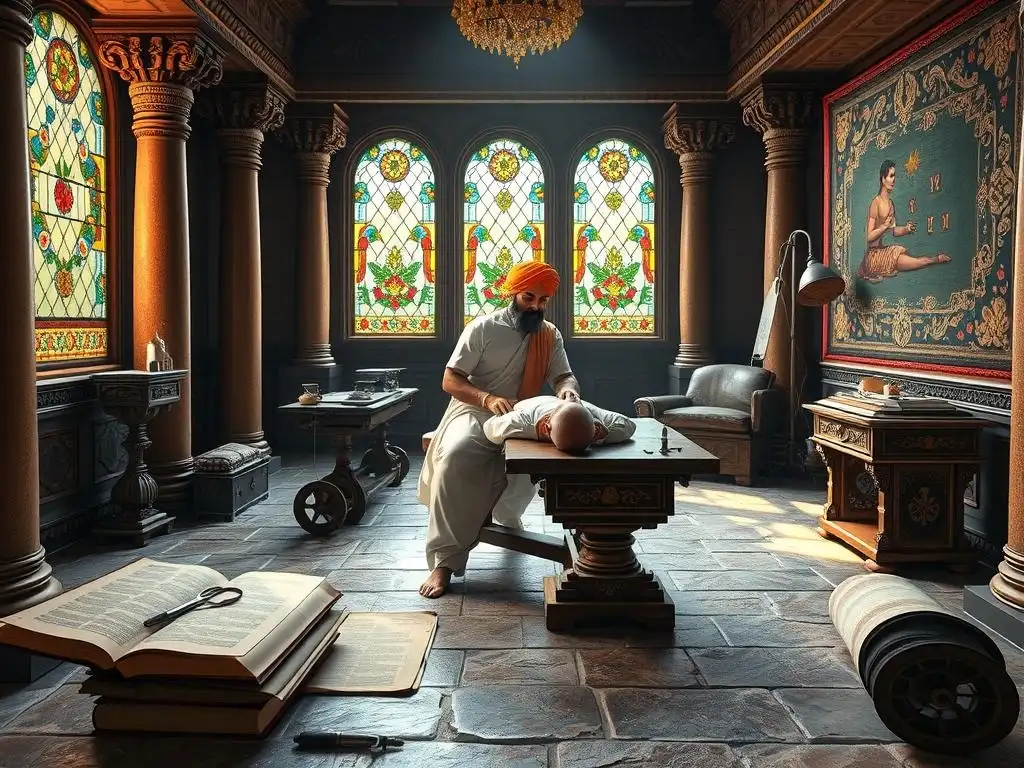
Welcome to Ancient India History, where we delve deep into the rich tapestry of India's past, celebrating its remarkable civilizations and their groundbreaking contributions to human knowledge. Today, we're uncovering the forgotten surgical techniques of ancient India—a fascinating glimpse into the advanced medical practices that thrived long before modern medicine took shape. What secrets lie within the ancient texts and practices? Join us on this enlightening journey as we explore the intricate world of ancient Indian surgical techniques, and discover how these age-old methods continue to resonate in today's medical landscape. Your adventure into history starts here!
Introduction to Ancient Indian Surgical Techniques
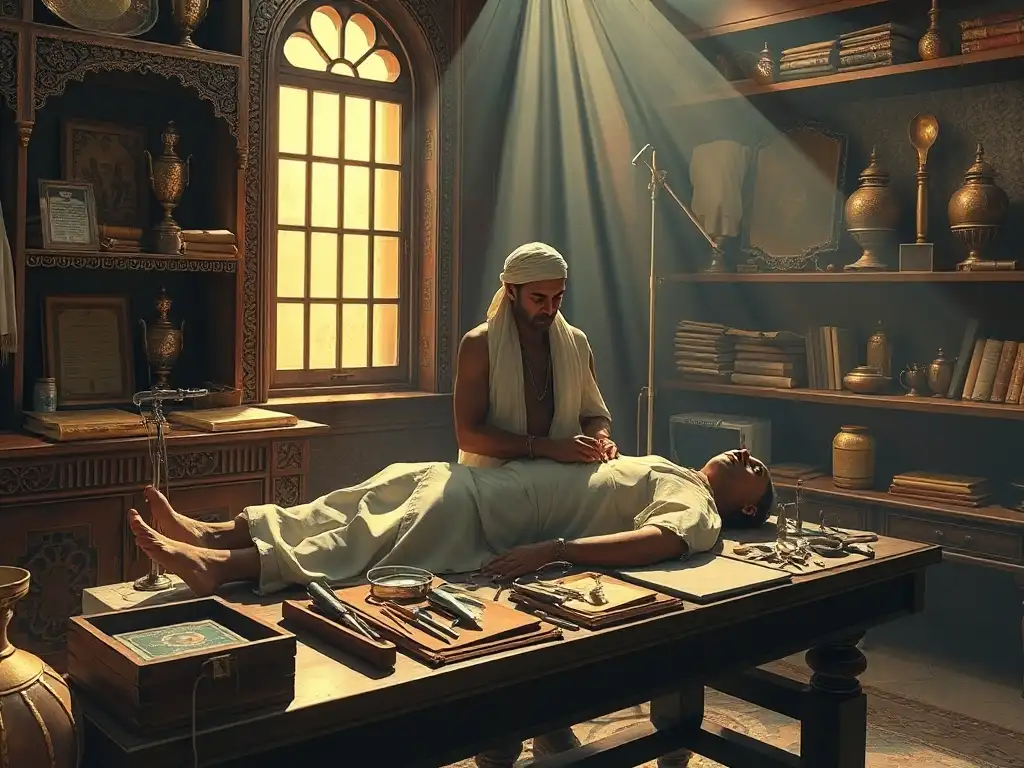
The rich tapestry of ancient Indian history is woven with remarkable achievements across various fields, especially in the realms of science and medicine. Among these, the domain of surgery stands out, showcasing techniques and practices that were both advanced and sophisticated for their time. Ancient Indian surgical techniques not only reflect a deep understanding of human anatomy but also highlight the cultural and philosophical beliefs that influenced medical practices.
From the Indus Valley Civilization, which laid the foundation for early medical practices, to the sophisticated methods developed during the Gupta Empire, ancient Indian surgeons employed techniques that were innovative and often centuries ahead of their time. Texts like the Sushruta Samhita, attributed to the revered physician Sushruta, provide invaluable insights into these techniques, detailing procedures ranging from simple wound care to complex surgeries like rhinoplasty and cataract operations. This article delves into the forgotten art of ancient Indian surgical techniques, exploring their historical significance, methodologies, and the legacy they left behind.
The Historical Context of Surgery in Ancient India
The practice of surgery in ancient India can be traced back to over 2,500 years ago, with significant contributions coming from various regions and cultures within the subcontinent. The Sushruta Samhita, written in the 6th century BCE, is one of the earliest texts on surgery and medicine in the world. It serves as a cornerstone for understanding the surgical practices of ancient India, outlining over 300 surgical procedures and more than 120 surgical instruments.
Key Contributions:
- Sushruta's Techniques: Sushruta is often hailed as the "father of surgery." His methodologies included not just surgical procedures but also the principles of diagnosis and treatment. His work emphasized the importance of asepsis, the use of anesthesia, and the need for skilled practitioners.
- Medical Texts and Knowledge: The ancient Indians compiled extensive texts documenting their medical knowledge. The Charaka Samhita, focusing on internal medicine, complements Sushruta's surgical insights, providing a holistic view of healthcare during that era.
- Cultural Significance: Surgery was intertwined with the cultural practices of the time. The development of surgical techniques was not solely driven by medical necessity but also by spiritual beliefs, where the body was seen as a temple deserving of care and respect.
The historical context reveals that ancient Indian surgical techniques were not mere practices but a reflection of a civilization that valued knowledge, innovation, and the well-being of its people. Understanding these techniques offers a glimpse into a sophisticated medical system that laid the groundwork for future advancements in surgery not just in India, but around the world.
Key Ancient Indian Surgical Texts
Ancient India is renowned for its advanced medical practices, particularly in the field of surgery. At the heart of this knowledge lie key texts that have not only shaped the medical landscape of the time but also influenced surgical practices in various cultures across the globe. These texts, notably the Sushruta Samhita and Charaka Samhita, provide invaluable insights into the surgical techniques, instruments, and medical philosophies of ancient Indian civilization. They serve as the foundation for understanding how ancient Indian surgeons approached complex medical conditions, and their knowledge continues to be relevant today.
Sushruta Samhita: The Foundation of Surgical Knowledge
The Sushruta Samhita is one of the most significant texts in the history of surgery and is often referred to as the "surgical bible" of ancient India. Attributed to the sage Sushruta, this text dates back to around 600 BCE and is part of the larger body of work known as the Ayurveda. The Sushruta Samhita meticulously details various surgical techniques, including methods for performing surgeries such as cataract removal, rhinoplasty (reconstruction of the nose), and the treatment of wounds.
The text is structured into several sections, covering topics like anatomy, surgical instruments, various types of surgical procedures, and post-operative care. Sushruta emphasizes the importance of a thorough understanding of human anatomy, which he acquired through extensive dissection and observation. His pioneering work in surgical techniques laid the groundwork for future generations of surgeons, highlighting the significance of precision, hygiene, and patient care.
Charaka Samhita: Integrating Surgery with Medicine
While the Sushruta Samhita focuses predominantly on surgical practices, the Charaka Samhita, another seminal text of ancient Indian medicine, emphasizes the broader scope of healthcare. Compiled around the same period, the Charaka Samhita is primarily concerned with internal medicine, but it also incorporates surgical knowledge, thereby integrating various aspects of treatment.
Charaka's work underscores the importance of a holistic approach to health, considering not only the physical ailments but also the psychological and environmental factors affecting a patient's wellbeing. The text discusses surgical interventions in the context of overall health management, providing insights into how ancient Indian physicians would choose surgical methods based on individual patient needs. This integration of surgery with broader medical practices illustrates the advanced understanding of medicine in ancient India.
Types of Ancient Indian Surgical Techniques
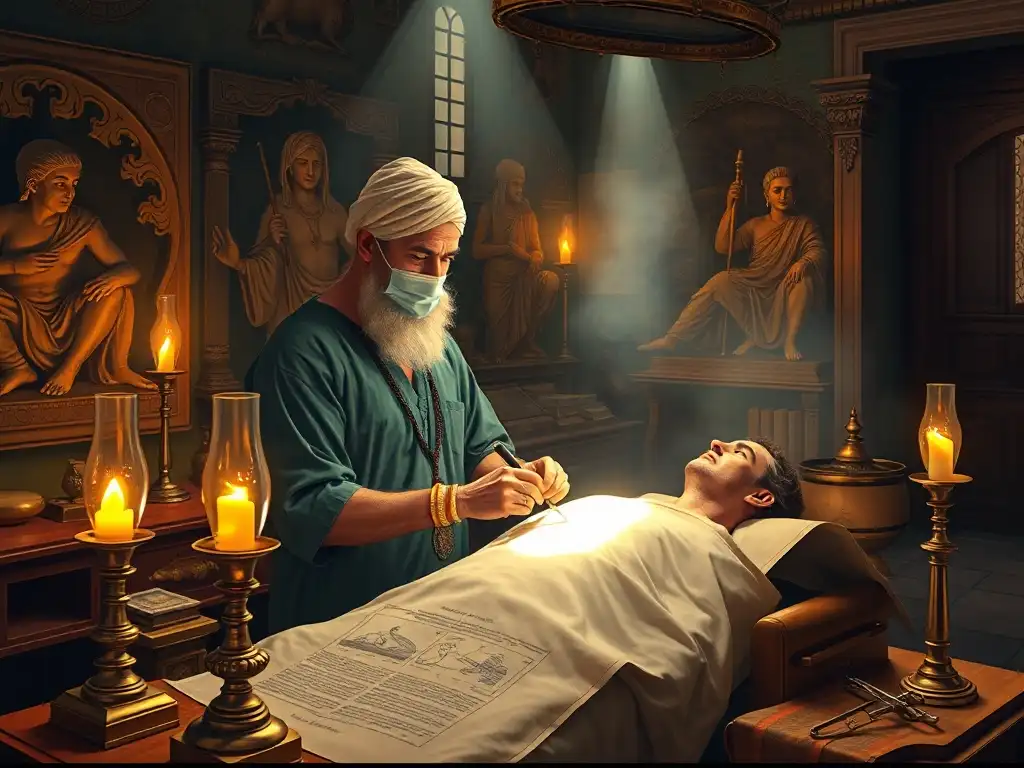
The surgical techniques developed in ancient India were diverse and sophisticated, driven by a deep understanding of human anatomy and a commitment to patient care. These methods not only addressed common ailments but also tackled complex conditions that required innovative solutions.
Surgical Procedures and Techniques in Ancient India
Ancient Indian surgeons employed a variety of surgical procedures that were ahead of their time. Key techniques included:
- Rhinoplasty: Known as nasal reconstruction, this procedure was performed to restore the nose, often after injury or disfigurement. The meticulous process involved harvesting skin from the forehead to reconstruct the nasal structure.
- Cataract Surgery: The technique of couching was employed to treat cataracts, where the cloudy lens was manually dislodged to restore vision.
- Abscess Drainage: Surgeons developed methods to drain abscesses, utilizing precise incisions to alleviate pain and prevent complications.
- Suturing Techniques: Various suturing techniques were documented, ensuring proper wound closure to promote healing and minimize scarring.
These procedures reflect a remarkable level of sophistication, with a strong emphasis on sanitation and the use of herbal anesthetics.
Unique Surgical Instruments Used in Ancient India
The surgical instruments described in the Sushruta Samhita highlight the ingenuity of ancient Indian surgeons. Notable instruments included:
- Scalpels: Crafted from steel, these were used for making incisions with precision.
- Forceps: Designed for grasping and manipulating tissues, these tools were essential in various surgical procedures.
- Needles: Specialized needles were developed for suturing wounds, showcasing the importance of wound management in surgery.
- Cupping Instruments: Used for suction and drainage, these instruments played a role in treating various conditions.
The design and functionality of these instruments underscore the advanced technological knowledge of ancient Indian medicine, which not only prioritized surgical efficacy but also patient safety.
The Philosophy Behind Ancient Indian Surgery
The philosophy underlying ancient Indian surgery is deeply rooted in the holistic understanding of health and the human body. Ancient Indian texts, particularly the Sushruta Samhita, emphasize the interconnectedness of physical, mental, and spiritual health. This comprehensive view guided surgeons in their practice, as they believed that effective treatment required addressing the whole person, not just the ailment.
Key Concepts in Ancient Indian Surgical Philosophy:
- Balance of Doshas: The ancient Indian medical system, known as Ayurveda, operates on the principle of balancing the three doshas—Vata, Pitta, and Kapha. Surgical interventions were often seen as necessary to restore this balance.
- Ethics and Patient Care: Ancient Indian surgeons adhered to a code of ethics that emphasized compassion and responsibility towards patients. The focus was not solely on the procedure but also on the patient's overall well-being.
- Spiritual Aspects: Surgery was often accompanied by rituals and prayers, reflecting the belief that spiritual factors could influence healing. This integration of spirituality in medicine is a distinctive feature of ancient Indian surgical practices.
The Influence of Ancient Indian Surgical Techniques on Modern Medicine
Ancient Indian surgical techniques have significantly impacted modern medicine, particularly in the fields of surgery and anatomy. Scholars and practitioners have recognized the advanced knowledge and methodologies developed in ancient India, which laid the groundwork for many contemporary practices.
Notable Contributions:
- Innovative Surgical Procedures: Techniques such as plastic surgery and cataract surgery were detailed in ancient texts. Sushruta's methods for reconstructing noses and treating eye ailments are considered pioneering work that resonates in today’s surgical practices.
- Anatomical Knowledge: The meticulous observations of human anatomy recorded by ancient Indian surgeons contributed to a deeper understanding of the body, influencing both Eastern and Western medical education. The systematic dissection and study of cadavers helped in creating a foundational knowledge of anatomy.
- Surgical Instruments: The design and use of surgical instruments described in the Sushruta Samhita showcase a sophisticated understanding of surgical tools. Many of these instruments have evolved but are still in use today, illustrating the practical legacy of ancient Indian surgical innovation.
Rediscovery of Forgotten Surgical Techniques
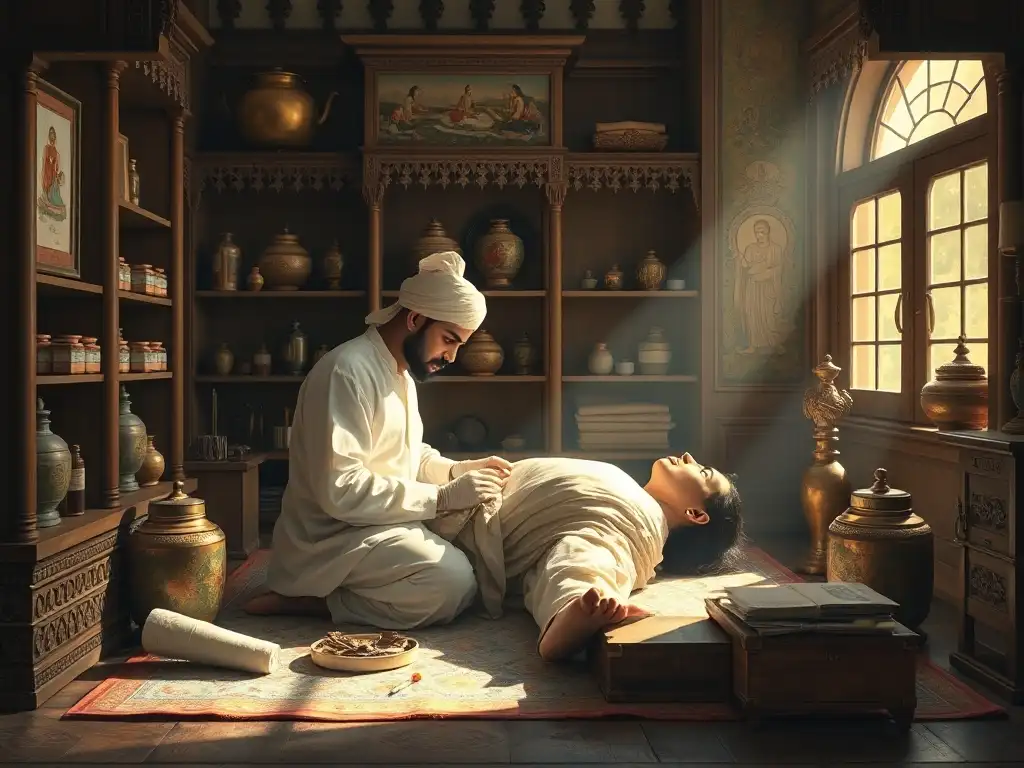
In recent years, there has been a resurgence of interest in the surgical techniques of ancient India, prompting scholars and medical professionals to explore and rediscover these long-forgotten practices. This revival is supported by both archaeological findings and the translation of ancient texts, which shed light on the ingenuity and sophistication of ancient Indian surgeons.
Efforts in Rediscovery:
- Translation Projects: Initiatives aimed at translating key texts, such as the Sushruta Samhita and the Charaka Samhita, have made ancient medical knowledge accessible to a modern audience, allowing for the revival of these techniques.
- Academic Research: Various universities and research institutions are actively studying ancient Indian surgical practices, conducting comparative analyses with contemporary methods to understand their relevance and applications in modern medicine.
- Integration into Ayurveda: The integration of surgical techniques into Ayurveda is gaining traction, with practitioners acknowledging the importance of these ancient methods in holistic healing approaches today.
The rediscovery of these techniques not only honors ancient Indian contributions to medicine but also provides valuable insights that can enrich current surgical practices. As the world moves towards a more integrative approach to health, ancient Indian surgical techniques may play a pivotal role in shaping future medical paradigms.
Conclusion: The Legacy of Ancient Indian Surgical Techniques
The ancient Indian surgical techniques represent a remarkable fusion of medical knowledge, philosophy, and practice that has significantly influenced the development of surgery worldwide. Notably, the contributions of pioneers such as Sushruta, often referred to as the "Father of Surgery," laid the groundwork for surgical practices that are still relevant today. His text, the Sushruta Samhita, not only described various surgical procedures but also emphasized the importance of anatomical knowledge, patient care, and the ethical responsibilities of a surgeon.
The legacy of these techniques extends beyond mere surgical procedures; it showcases a holistic approach to medicine that integrated spirituality, ethics, and science. Ancient Indian surgeons employed innovative techniques such as rhinoplasty, cataract surgery, and even orthopedic procedures, demonstrating a profound understanding of human anatomy and surgical intervention. These practices were often performed with a level of sophistication that rivaled contemporary methods.
Moreover, the dissemination of this knowledge through trade and cultural exchanges facilitated the spread of these techniques across Asia and beyond, influencing various medical systems, including those in Persia, Greece, and later the Islamic world. As modern medicine continues to evolve, revisiting and acknowledging these ancient practices can provide valuable insights into surgical techniques and the philosophy of healing, reminding us of the rich heritage that has shaped contemporary medicine.
References and Further Reading
- Sushruta Samhita: This foundational text of ancient Indian surgery provides insights into surgical techniques and the ethical considerations of practicing medicine.
- Vaidya, A. S. (2014). History of Indian Medicine: From the Vedic Era to the Present. New Delhi: J.P. Publications. A comprehensive overview of the evolution of medical practices in India, highlighting the significance of ancient surgical techniques.
- Kumar, R. (2012). Surgery in Ancient India: An Overview. Indian Journal of History of Science, 47(3), 337-350. This article discusses the advancements and methodologies used in ancient Indian surgery.
- Khan, A. A. (2016). Medical Knowledge in Ancient India: The Sushruta Samhita and Beyond. Journal of Ancient Indian Science, 5(1), 25-40. An analysis of the medical knowledge contained in ancient texts and its relevance today.
- Chaudhary, S. (2018). The Surgical Techniques of Sushruta: A Modern Perspective. International Journal of Medical Sciences, 15(2), 151-158. This paper examines ancient surgical techniques and their applications in modern medicine.
- Rao, P. M. (2010). Ancient Indian Medicine: A Historical Perspective. Indian Medical Gazette, 144(9), 345-350. A review of the history and contributions of ancient Indian medicine and surgery.
- Introduction to Ancient Indian Surgical Techniques
- The Historical Context of Surgery in Ancient India
- Key Ancient Indian Surgical Texts
- Types of Ancient Indian Surgical Techniques
- The Philosophy Behind Ancient Indian Surgery
- The Influence of Ancient Indian Surgical Techniques on Modern Medicine
- Rediscovery of Forgotten Surgical Techniques
- Conclusion: The Legacy of Ancient Indian Surgical Techniques
- References and Further Reading
Frequently Asked Questions
What are ancient Indian surgical techniques?
Ancient Indian surgical techniques refer to complex medical procedures developed in India, particularly during the Indus Valley Civilization and later in texts like the Sushruta Samhita.
Who was Sushruta and why is he significant?
Sushruta is known as the "father of surgery" in ancient India. He authored the Sushruta Samhita, which details various surgical techniques and medical practices that laid the foundation for modern surgery.
What types of surgeries were performed in ancient India?
Ancient Indian surgeons performed a variety of surgeries, including plastic surgery, cataract surgery, and cesarean sections, showcasing their advanced understanding of anatomy and medical knowledge.
How did ancient Indian surgical techniques influence modern medicine?
The techniques outlined in ancient texts have significantly influenced medical practices worldwide, contributing to fields such as plastic surgery and ophthalmology, and highlighting the sophistication of ancient Indian medicine.
Are there any surviving texts on ancient Indian surgical techniques?
Yes, the Sushruta Samhita and Charaka Samhita are key texts that provide extensive insight into ancient Indian surgical techniques and medical practices, preserving invaluable knowledge for future generations.
Final Reflection: Rediscovering the Wisdom of Ancient Indian Surgical Techniques
The exploration of ancient Indian surgical techniques reveals a profound connection between history and modern medicine. As we navigate the complexities of contemporary healthcare, the insights gleaned from these forgotten practices offer invaluable lessons that resonate with today's challenges. The ingenuity and precision of ancient surgeons remind us that the quest for healing is timeless, urging us to appreciate the depth of knowledge that has shaped our medical landscape.
Cultural heritage is a living testament to our collective journey, and the surgical techniques of ancient India exemplify this truth. These methods, often overshadowed by modern advancements, continue to influence contemporary practices and inspire a renewed interest in holistic approaches to health. As we reflect on this rich legacy, we are reminded of the words of Hippocrates: Wherever the art of medicine is loved, there is also a love of humanity.
This sentiment underscores the enduring relevance of ancient wisdom in fostering compassion and understanding in our healing practices.
As we stand at the crossroads of tradition and innovation, I invite you to reflect on the significance of these ancient techniques in your own life and practice. Consider how the principles of patience, precision, and holistic care can enhance your approach to health and well-being. Let us honor the past by integrating its wisdom into our future, ensuring that the lessons of ancient Indian surgical techniques continue to inspire and guide us in our pursuit of healing for generations to come.
Unleash the Wisdom of Ancient Healing!
Thank you for diving into the fascinating world of ancient surgical techniques! Your interest in these forgotten practices not only highlights the brilliance of historical medicine but also encourages a deeper understanding of humanity's journey in healing. Now it's time to take action and continue this exploration!
- Explore modern interpretations of ancient techniques by examining contemporary practices that draw inspiration from historical methods.
- Share your newfound knowledge with friends and family—discuss what you’ve learned to inspire others to appreciate the value of ancient healing practices.
- Join a community of enthusiasts! Seek out online forums or social media groups dedicated to ancient medicine and history to exchange insights and ask questions.
Which ancient surgical technique fascinates you the most, and how do you believe it can influence modern medicine today? Your insights could spark enlightening discussions!