
Exploring the Spiritual Dimensions of Yoga in Ancient Indian Traditions

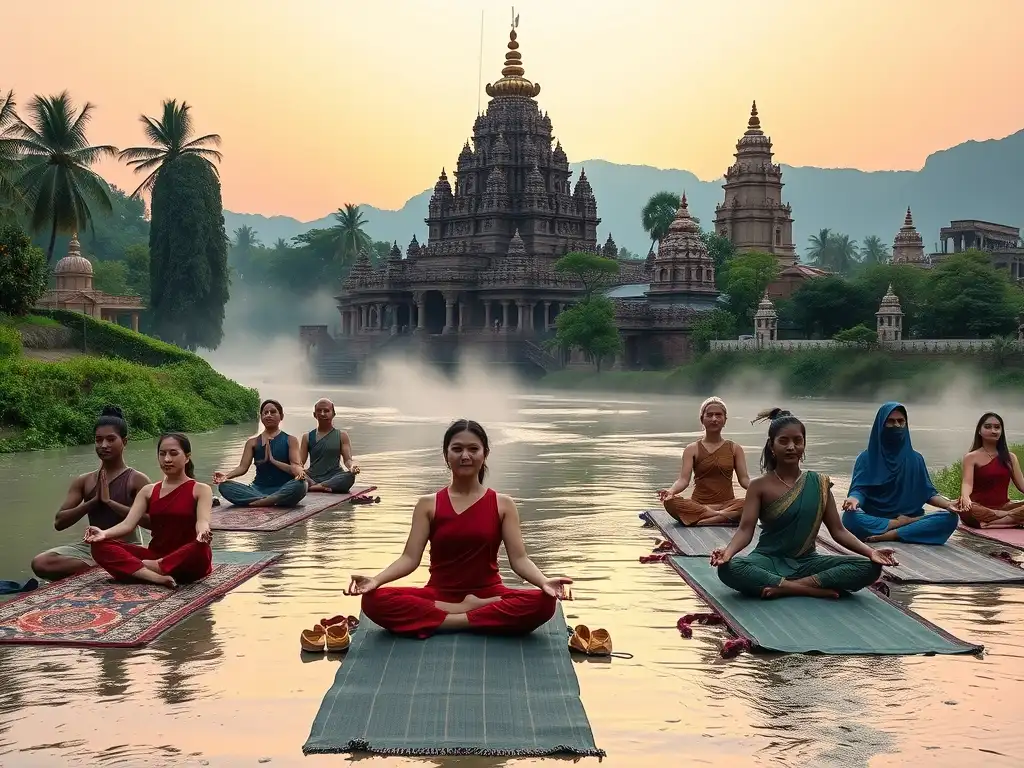
Welcome to Ancient India History, where we embark on a fascinating journey through the intricate tapestry of India’s past. Today, we delve into the spiritual aspects of ancient yoga, uncovering the profound connections between the practice and the spiritual philosophies of ancient Indian civilizations. What secrets lie within the ancient texts, and how did these teachings shape the lives of countless practitioners? Join us as we explore the mystical dimensions of yoga that transcended mere physicality, inviting you to deepen your understanding and appreciation of this timeless tradition. Your exploration begins now!
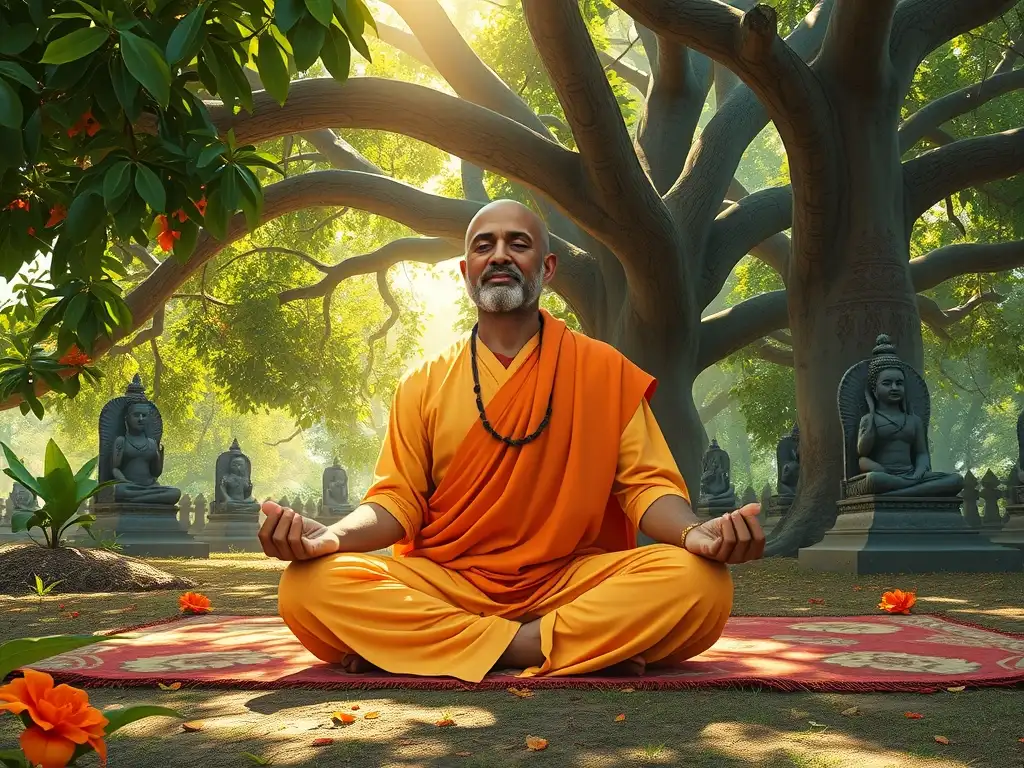
Introduction to the Spiritual Aspects of Ancient Yoga
The spiritual aspects of ancient yoga are deeply woven into the fabric of Indian civilization, reflecting a profound connection between the mind, body, and spirit. Originating thousands of years ago, yoga has evolved significantly, but its core spiritual principles remain influential in contemporary practices. This article aims to explore the rich spiritual dimensions of yoga as depicted in ancient Indian traditions, emphasizing how these practices were not merely physical exercises but holistic approaches to achieving higher consciousness and self-realization.
Understanding the spiritual aspects of ancient yoga requires delving into its historical roots, which are intricately linked to the cultural and philosophical developments of the time. The practices and philosophies that emerged during the Indus Valley Civilization and the Vedic period laid the groundwork for what would become a comprehensive spiritual system. Through the examination of ancient texts and archaeological evidence, we can gain insights into how early yogic practices aimed at transcending the mundane and connecting with the divine.
The Historical Context of Yoga in Ancient Indian Traditions
To fully appreciate the spiritual dimensions of ancient yoga, it is essential to understand its historical context. Yoga, as a practice, is believed to have originated in the prehistoric period, evolving through various stages and influences. The following sections will discuss two critical periods that shaped the spiritual landscape of yoga: the Indus Valley Civilization and the Vedic texts.
The Indus Valley Civilization and Early Yoga Practices
The Indus Valley Civilization (circa 3300–1300 BCE) is one of the earliest known urban cultures, flourishing in what is now Pakistan and northwest India. Archaeological findings suggest that the inhabitants engaged in practices that may have had spiritual significance, potentially laying the groundwork for yoga.
- Seal Depictions: Artifacts such as seals have been uncovered, depicting figures in seated postures reminiscent of modern yoga asanas. These images imply a possible early form of meditation or spiritual practice.
- Ritualistic Practices: The civilization also exhibited ritualistic elements, particularly in relation to water and fire, which are central themes in yoga philosophy. This suggests a spiritual awareness and a quest for transcendence among its people.
The spiritual dimensions of yoga during this period are not explicitly documented but can be inferred from the archaeological evidence, hinting at the nascent forms of meditation and self-discipline that would later flourish in subsequent eras.
Vedic Texts and the Emergence of Spiritual Yoga
With the advent of the Vedic period (circa 1500–500 BCE), yoga began to take on more defined spiritual characteristics. The Vedic texts, including the Rigveda and Upanishads, serve as foundational scriptures that articulate various philosophical concepts, many of which are integral to the practice of yoga.
- Philosophical Foundations: The Upanishads introduce key ideas such as Brahman (the ultimate reality) and Atman (the individual soul), emphasizing the interconnectedness of all existence. These concepts form the philosophical basis for many yogic practices aimed at realizing the unity of the self with the universe.
- Yoga as a Spiritual Path: The term "yoga" itself is derived from the Sanskrit root "yuj," meaning to unite or join. In the Vedic context, yoga is presented as a spiritual discipline that facilitates communion with the divine, encouraging practitioners to transcend their ego and connect with a higher consciousness.
The spiritual aspects of ancient yoga are deeply rooted in the historical and cultural contexts of early Indian civilizations. By examining the practices from the Indus Valley and the philosophical teachings of the Vedic texts, we can appreciate the rich spiritual heritage that continues to influence modern yoga practices today.
Philosophical Foundations of Spiritual Yoga
The spiritual dimensions of ancient yoga are deeply rooted in the philosophical frameworks established by various Indian traditions. Central to these frameworks are concepts derived from texts like the Vedas, Upanishads, and the Bhagavad Gita, which articulate the relationship between the self (Atman) and the universe (Brahman). These texts emphasize the importance of self-realization and the pursuit of truth, portraying yoga not merely as a physical discipline but as a comprehensive spiritual journey aimed at achieving enlightenment and liberation (Moksha).
Furthermore, the philosophical schools or Darshanas, such as Samkhya, Yoga, and Vedanta, provide profound insights into the nature of reality, consciousness, and the human experience. They explore the mind-body connection and the pathways to transcendental awareness, serving as the backbone of spiritual yoga practices. Through the lens of these philosophies, practitioners are encouraged to cultivate virtues like non-attachment, compassion, and self-discipline, which are essential for spiritual growth.
The Role of Darshanas in Ancient Yoga
The Darshanas, or philosophical systems, play a crucial role in shaping the understanding and practice of yoga in ancient India. Among these, the Yoga Sutras of Patanjali is particularly significant, as it lays the foundation for the classical approach to yoga through its eight limbs (Ashtanga). Each limb, from ethical precepts (Yama) to meditative absorption (Samadhi), emphasizes a holistic approach to spiritual development.
Samkhya philosophy, which underlies the Yoga Sutras, presents a dualistic view of reality, distinguishing between Purusha (consciousness) and Prakriti (matter). This distinction is vital for yogic practitioners, as it highlights the need to transcend the fluctuations of the mind and the physical body to connect with the deeper layers of existence. The interplay of various Darshanas fosters a rich tapestry of thought, encouraging practitioners to explore different paths towards spiritual enlightenment.
Moreover, the integration of these philosophical teachings with practical techniques provides a comprehensive guide for individuals seeking spiritual awakening. Each Darshana offers unique insights and methods, illustrating the diverse approaches to understanding the self and the universe, ultimately enriching the spiritual dimensions of yoga.
The Concept of Dharma and Its Spiritual Implications
Dharma, a multifaceted concept in ancient Indian philosophy, embodies the principles of righteousness, moral duty, and ethical conduct. In the context of yoga, understanding one's Dharma is essential for spiritual growth. It relates to the individual's role in society and the universe, guiding them to act in harmony with cosmic laws and societal responsibilities.
The pursuit of Dharma encourages practitioners to align their actions with moral and ethical standards, promoting a sense of integrity and purpose. This alignment not only fosters personal development but also contributes to the collective well-being of the community. By fulfilling one's Dharma, individuals engage in a spiritual practice that transcends mere self-interest, cultivating compassion and empathy for others.
In yoga, the emphasis on Dharma also extends to the concept of Svadharma, or one's personal duty. This notion highlights the importance of self-awareness and authenticity in spiritual practice, urging practitioners to embrace their unique path. By recognizing and adhering to their Dharma, individuals can attain a deeper understanding of themselves and their place within the larger tapestry of existence, ultimately leading to spiritual liberation.
Spiritual Techniques in Ancient Yoga Practices
The spiritual techniques employed in ancient yoga practices are designed to facilitate the journey toward self-realization and enlightenment. These techniques, deeply embedded in the philosophical frameworks of yoga, aim to cultivate inner peace, harmony, and a profound connection with the universe. Among these techniques, meditation (Dhyana) and physical postures (Asanas) stand out as essential components in the pursuit of spiritual growth.
Meditation (Dhyana) and Its Spiritual Benefits
Meditation, or Dhyana, is a cornerstone of ancient yoga practices, revered for its transformative spiritual benefits. This technique involves focused concentration and mindfulness, allowing practitioners to quiet the mind and delve into deeper states of consciousness. By practicing meditation, individuals can cultivate awareness of their thoughts, emotions, and physical sensations, fostering a sense of inner calm and clarity.
The spiritual benefits of meditation are manifold. It serves to enhance self-awareness, enabling practitioners to better understand their true nature beyond the distractions of the ego. This introspective journey promotes the realization of the interconnectedness of all beings, leading to a greater sense of compassion and empathy. Additionally, meditation is known to alleviate stress, anxiety, and other mental afflictions, paving the way for a more harmonious existence.
Furthermore, advanced meditation practices can lead to profound experiences of transcendence, where practitioners may encounter states of bliss or oneness with the universe. These experiences are often described as pivotal moments in one's spiritual journey, reinforcing the importance of Dhyana in the quest for enlightenment.
Asanas and Their Connection to Spiritual Growth
Asanas, the physical postures of yoga, are often viewed primarily as a means of enhancing physical health and flexibility. However, their spiritual significance is equally profound. In ancient yoga traditions, Asanas are designed to prepare the body and mind for meditation, creating a conducive environment for spiritual practice.
When practiced with intention and mindfulness, Asanas help to harmonize the body’s energy centers (Chakras) and promote the free flow of Prana (life force). This alignment of physical and energetic aspects can lead to heightened awareness and greater receptivity to spiritual experiences. Each posture carries symbolic meanings and benefits, encouraging practitioners to connect with the underlying principles of balance, strength, and fluidity.
Moreover, the discipline required to master Asanas fosters qualities such as patience, perseverance, and self-discipline. These virtues are essential for spiritual advancement, as they cultivate a deeper connection with oneself and the universe. As practitioners journey through the various Asanas, they not only enhance their physical capabilities but also embark on a path of self-discovery and spiritual growth, making them indispensable in the holistic practice of yoga.
The Influence of Ancient Gurus on Spiritual Yoga
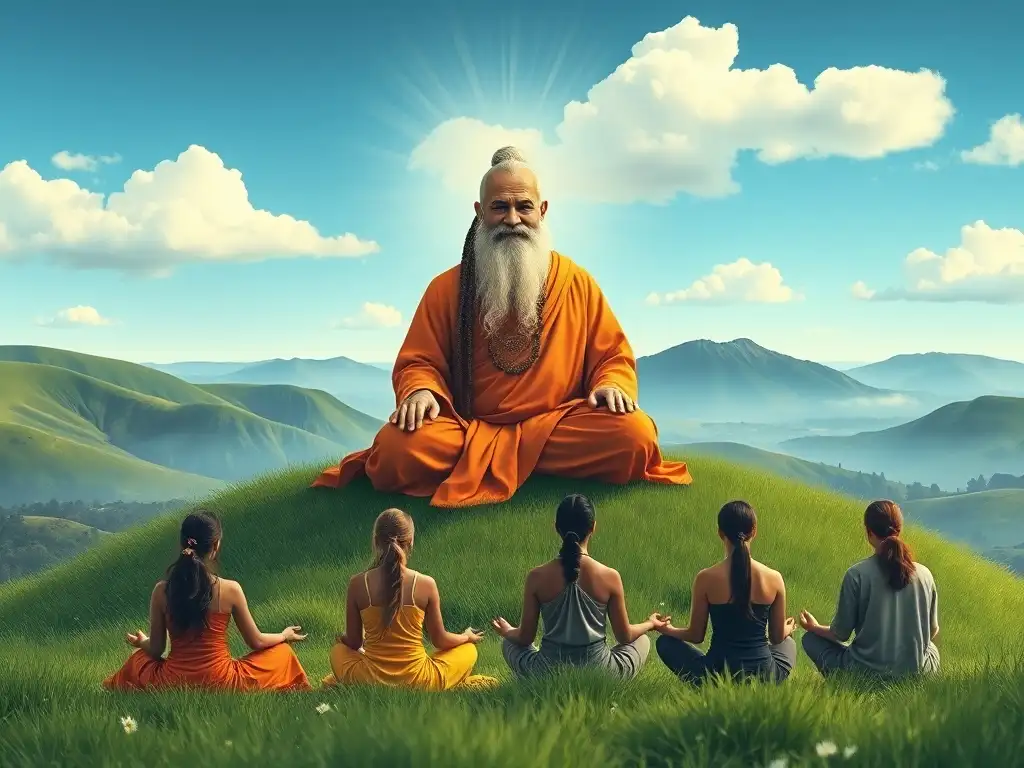
The evolution of yoga in ancient India was profoundly shaped by the teachings and practices of various gurus, who served as spiritual guides and mentors. These gurus were instrumental in disseminating the principles of yoga and its spiritual dimensions, emphasizing the connection between physical practices and higher states of consciousness. Their influence not only established the framework for yoga as a discipline but also integrated it deeply into the spiritual fabric of Indian culture.
Ancient gurus often embodied the ideals of self-realization and enlightenment. They imparted wisdom through direct experience and personal transformation, encouraging their disciples to seek a direct connection with the divine. This personal touch allowed for the spiritual aspects of yoga to flourish, as students engaged in practices that led them towards inner peace, mindfulness, and self-awareness.
Notable Yogic Figures in Ancient India
Several notable figures stand out in the annals of ancient Indian history for their contributions to yoga and spirituality. Among them is Patanjali, often revered as the 'father of yoga,' who compiled the Yoga Sutras, a foundational text that outlines the philosophy and practice of yoga. His work emphasizes the importance of meditation and inner stillness, providing a comprehensive guide on achieving spiritual liberation, or moksha.
Another significant figure is Swami Vivekananda, who played a crucial role in introducing yoga and Vedanta to the Western world in the late 19th century. His interpretations of ancient texts highlighted the spiritual dimensions of yoga, emphasizing universal truths and the importance of personal experience in spiritual practice.
Adi Shankaracharya is also a pivotal figure. He is credited with consolidating the teachings of Advaita Vedanta, a non-dualistic philosophy that aligns closely with yogic principles. His emphasis on self-inquiry and the realization of the self as one with Brahman (the ultimate reality) underscores the spiritual journey inherent in yoga.
The Guru-Disciple Relationship in Ancient Yoga Traditions
The guru-disciple relationship is a cornerstone of the spiritual practice of yoga in ancient traditions. This relationship is built on trust, respect, and a shared commitment to spiritual growth. The guru, as the enlightened teacher, guides the disciple through personalized instruction, helping them navigate the complexities of spiritual practice.
In ancient India, this relationship was often formalized through initiation rituals, where the disciple would commit themselves to the teachings of the guru. This commitment was crucial, as it signified the disciple's readiness to delve deep into the spiritual aspects of yoga. The guru, in turn, was responsible for nurturing the disciple's growth, providing not only guidance on yogic techniques but also imparting wisdom that transcended mere practice.
The deep bond between guru and disciple is often depicted in ancient texts and stories, illustrating the transformative power of this relationship. It is through the guidance of a realized teacher that many students have experienced profound spiritual awakenings, making the guru-disciple dynamic an essential aspect of ancient yoga traditions.
The Intersection of Yoga and Spirituality in Ancient Texts
The spiritual dimensions of yoga are intricately woven into many ancient Indian texts, which serve as both philosophical treatises and practical guides for aspiring yogis. These texts articulate the relationship between the physical practice of yoga and the pursuit of spiritual enlightenment, highlighting the transformative power of yogic techniques in achieving higher states of consciousness.
Insights from the Bhagavad Gita on Spiritual Yoga
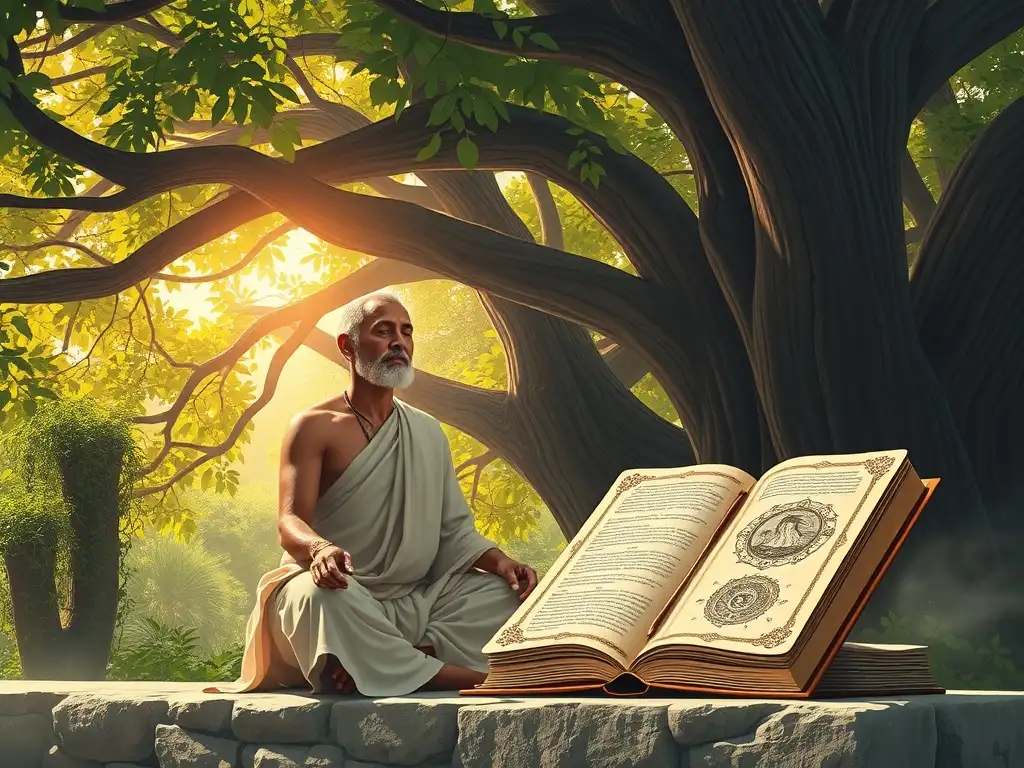
The Bhagavad Gita, a revered scripture in Hindu philosophy, presents profound insights into the spiritual aspects of yoga. In this dialogue between Prince Arjuna and Lord Krishna, the text elucidates the concept of Karma Yoga, which emphasizes selfless action as a pathway to spiritual realization. Krishna teaches Arjuna that performing one's duty without attachment to results leads to liberation, highlighting the integration of action and spirituality.
Furthermore, the Gita introduces the idea of Bhakti Yoga, or the path of devotion, where surrendering to a higher power fosters a deep spiritual connection. This dual emphasis on action and devotion illustrates that yoga is not merely a physical practice but a holistic approach to achieving union with the divine.
The Role of the Upanishads in Defining Spiritual Yoga
The Upanishads, ancient philosophical texts that form the concluding part of the Vedas, play a critical role in shaping the understanding of spiritual yoga. They explore the nature of reality, the self, and the ultimate purpose of human existence, providing a framework for spiritual inquiry that underpins yogic philosophy.
Key concepts from the Upanishads, such as Brahman (the ultimate reality) and Atman (the individual self), highlight the goal of yoga as the realization of the unity between the two. Through meditation and introspection, practitioners are encouraged to explore these profound truths, facilitating a journey towards self-realization and spiritual enlightenment. The Upanishads thus serve as a philosophical foundation for many yogic practices, reinforcing the spiritual dimensions that have become synonymous with yoga throughout the ages.
Contemporary Reflections on Ancient Yoga's Spiritual Dimensions
The spiritual dimensions of ancient yoga continue to resonate profoundly in contemporary society, serving as a bridge between traditional practices and modern spiritual quests. Ancient texts such as the Yoga Sutras of Patanjali and the Bhagavad Gita provide guidelines that not only inform yogic postures and techniques but also encompass a holistic approach to life and spiritual development. These texts emphasize the importance of self-realization, meditation, and ethical living, highlighting that yoga is not merely a physical practice but a pathway to spiritual enlightenment.
Today, many practitioners are rediscovering these ancient teachings, often integrating them into their daily lives. The return to mindfulness, meditation, and ethical living in modern yoga practices echoes the ancient emphasis on inner peace and self-control. This contemporary reflection on ancient yoga invites individuals to explore their spiritual depths, fostering a community that values not just physical prowess but also spiritual growth and consciousness.
How Ancient Yoga Influences Modern Spiritual Practices
Ancient yoga has significantly influenced various modern spiritual practices, transcending cultural and geographical boundaries. For instance, the principles of yoga—such as ahimsa (non-violence), satya (truthfulness), and aparigraha (non-possessiveness)—are foundational in many contemporary spiritual movements, including mindfulness and holistic wellness. These principles encourage individuals to cultivate compassion, authenticity, and gratitude in their lives, aligning closely with the core tenets of yoga.
Moreover, the meditative aspects of yoga have been embraced by a variety of spiritual traditions worldwide. Techniques like pranayama (breath control) and dhyana (meditation) are now staples in practices such as mindfulness meditation and even psychotherapy. Modern practitioners often seek to combine physical postures with meditation and breathing exercises, creating a comprehensive framework that mirrors ancient yogic philosophies. This fusion reflects a growing understanding that the spiritual aspects of ancient yoga are timeless and relevant, offering profound insights into achieving mental clarity and emotional balance.
Reviving Ancient Practices in Today’s World
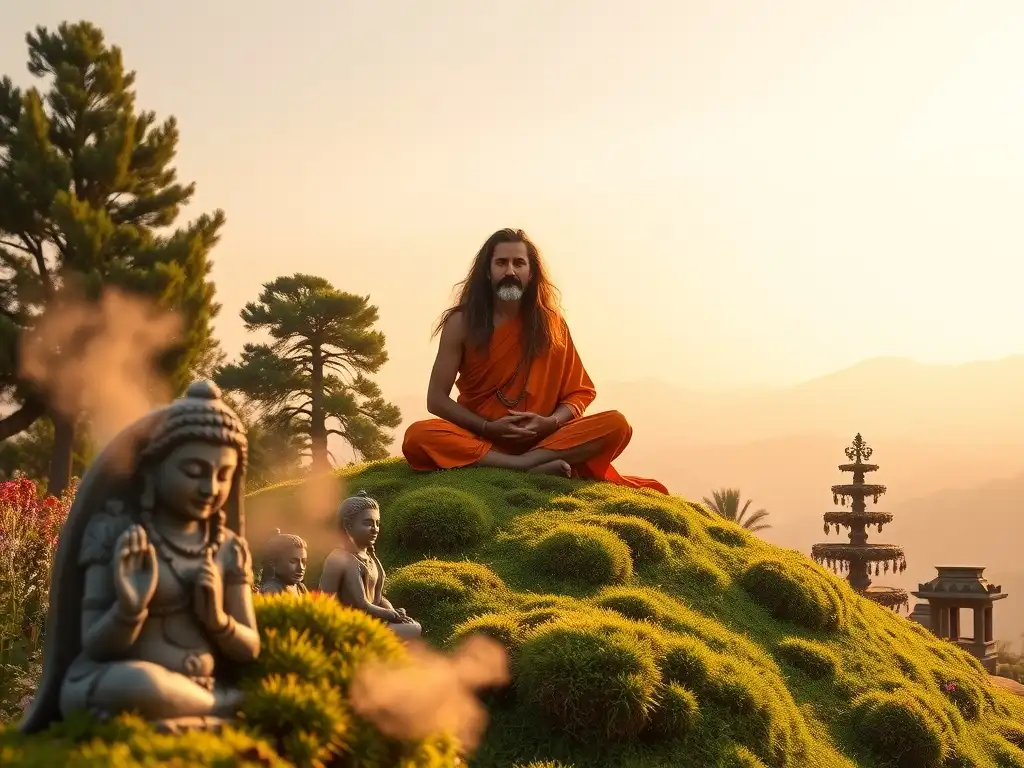
In recent years, there has been a resurgence of interest in reviving ancient yoga practices, with a focus on authenticity and spiritual depth. Many yoga schools and practitioners advocate for a return to traditional teachings, emphasizing the importance of studying ancient texts and the historical context of yoga. Workshops, retreats, and online courses dedicated to the study of ancient texts are becoming increasingly popular, allowing practitioners to engage with the spiritual dimensions of yoga more deeply.
Additionally, there is a movement toward integrating traditional practices into modern wellness routines. This includes not only the physical postures but also rituals, chanting, and philosophical discussions that were integral to ancient yogic traditions. By incorporating these elements, practitioners can experience a more holistic approach to wellness that honors the historical roots of yoga while addressing contemporary spiritual needs. This revival fosters a deeper appreciation for the spiritual legacy of yoga, encouraging practitioners to explore their own spiritual journeys through the lens of ancient wisdom.
Conclusion: The Enduring Spiritual Legacy of Ancient Yoga
The spiritual legacy of ancient yoga endures as a testament to its profound impact on individual and collective well-being. As contemporary society grapples with issues of stress, disconnection, and existential searching, the teachings of ancient yoga offer a sanctuary for the soul. The integration of ancient practices into modern life not only preserves these traditions but also enriches the spiritual landscape of today.
By emphasizing the interconnectedness of body, mind, and spirit, ancient yoga invites individuals to embark on a journey of self-discovery and spiritual awakening. The enduring relevance of its teachings serves as a reminder of the timeless quest for inner peace and enlightenment. As we continue to explore the spiritual dimensions of yoga, we foster a deeper understanding of ourselves and our place in the universe, ensuring that the legacy of ancient yoga remains vibrant and transformative for generations to come.
Additional Resources on Ancient Yoga and Spirituality
To gain a deeper understanding of the spiritual aspects of ancient yoga within Indian traditions, there are numerous resources available that can enhance both theoretical knowledge and practical application. These resources include online courses, workshops, and an extensive reading list that delves into the philosophical underpinnings and historical context of yoga. Below are some recommendations for those interested in further exploration.
Recommended Online Courses and Workshops
- The Philosophy of Yoga: Offered by various universities, this course typically covers the foundational texts of yoga, such as the Yoga Sutras of Patanjali and the Bhagavad Gita. It explores the spiritual dimensions of yoga philosophy, meditation practices, and ethical considerations in ancient traditions.
- Ancient Indian Spiritual Practices: Many platforms provide workshops that focus on the integrative practices of yoga, meditation, and Ayurveda. Participants can learn about rituals, mantras, and how these practices contribute to spiritual growth and well-being.
- Hatha Yoga Teacher Training: This type of training often includes a comprehensive study of the historical and spiritual significance of Hatha Yoga. It typically covers asanas (postures), pranayama (breath control), and the alignment of body and mind in the pursuit of spiritual awakening.
- Meditation and Mindfulness Retreats: Various retreat centers in India and online offer immersive experiences in meditation that emphasize the spiritual aspects of yoga. These retreats often include guided sessions that delve into ancient texts and teachings, fostering a deeper connection to the spiritual dimensions of yoga.
- Webinars and Lectures by Spiritual Leaders: Many spiritual leaders and yoga practitioners host online seminars that explore the teachings of ancient yoga. These sessions can provide insights into the spiritual practices and philosophies that have shaped yoga over centuries.
Suggested Reading List for Further Exploration
A well-curated reading list can provide a rich understanding of the spiritual dimensions of ancient yoga. Here are some essential texts:
- "The Yoga Sutras of Patanjali" by Patanjali: This foundational text outlines the philosophy and practices of yoga, emphasizing the spiritual journey toward self-realization.
- "The Bhagavad Gita": A critical scripture in Hindu philosophy, it discusses the moral and spiritual dilemmas faced by individuals and the path to spiritual enlightenment through yoga.
- "The Upanishads": These ancient texts delve into the nature of reality and the self, providing philosophical insights that inform many yogic practices.
- "The Heart of Yoga: Developing a Personal Practice": by T.K.V. Desikachar: This book bridges traditional yogic philosophy with practical application, focusing on the spiritual and therapeutic aspects of yoga.
- "Light on Yoga" by B.K.S. Iyengar: A comprehensive guide that explores yoga as a holistic practice, including the deeper spiritual aspects intertwined with physical postures.
- "Hatha Yoga Pradipika" by Swatmarama: This classic text on Hatha Yoga discusses the significance of asanas, pranayama, and meditation in achieving spiritual goals.
- "Yoga and the Quest for the True Self" by Stephen Cope: This book offers insights into the transformative power of yoga and its role in the spiritual journey of self-discovery.
Engaging with these resources can provide invaluable insights into the spiritual aspects of ancient yoga, enriching one's understanding and practice. As you explore these dimensions, remember that the journey of yoga is both personal and profound, inviting practitioners to discover their unique path to spiritual awakening.
- Introduction to the Spiritual Aspects of Ancient Yoga
- The Historical Context of Yoga in Ancient Indian Traditions
- Philosophical Foundations of Spiritual Yoga
- Spiritual Techniques in Ancient Yoga Practices
- The Influence of Ancient Gurus on Spiritual Yoga
- Notable Yogic Figures in Ancient India
- The Guru-Disciple Relationship in Ancient Yoga Traditions
- The Intersection of Yoga and Spirituality in Ancient Texts
- Insights from the Bhagavad Gita on Spiritual Yoga
- The Role of the Upanishads in Defining Spiritual Yoga
- Contemporary Reflections on Ancient Yoga's Spiritual Dimensions
- How Ancient Yoga Influences Modern Spiritual Practices
- Reviving Ancient Practices in Today’s World
- Conclusion: The Enduring Spiritual Legacy of Ancient Yoga
- Additional Resources on Ancient Yoga and Spirituality
- What are the spiritual aspects of ancient yoga?
- How did ancient Indian civilizations contribute to the development of yoga?
- What role did meditation play in ancient yoga practices?
- How did the Gupta Empire influence the evolution of yoga?
- Are there specific texts that outline the spiritual dimensions of yoga?
Frequently Asked Questions
What are the spiritual aspects of ancient yoga?
The spiritual aspects of ancient yoga emphasize the connection between mind, body, and spirit, promoting self-awareness and inner peace through practices like meditation and breath control.
How did ancient Indian civilizations contribute to the development of yoga?
Ancient Indian civilizations, particularly during the Indus Valley and Vedic periods, laid the foundational philosophies and practices of yoga, integrating it into their spiritual and cultural frameworks.
What role did meditation play in ancient yoga practices?
Meditation was a central practice in ancient yoga, believed to enhance spiritual growth, foster consciousness, and facilitate a deeper connection to the divine.
How did the Gupta Empire influence the evolution of yoga?
The Gupta Empire saw a significant flourishing of arts and sciences, including yoga, where philosophical texts were written that further refined yoga practices and its spiritual dimensions.
Are there specific texts that outline the spiritual dimensions of yoga?
Yes, texts such as the Yoga Sutras of Patanjali and the Bhagavad Gita provide profound insights into the spiritual dimensions of yoga, detailing its purpose and practices for self-realization.
Final Reflection: Embracing the Spiritual Aspects of Ancient Yoga
The exploration of the spiritual aspects of ancient yoga remains profoundly relevant in today's fast-paced world. As we navigate the complexities of modern life, the timeless teachings of ancient Indian traditions offer a sanctuary for the soul, reminding us that true well-being encompasses not just the physical but also the spiritual dimensions of our existence. In a society often dominated by material pursuits, the call to reconnect with our inner selves through yoga is more urgent than ever.
Cultural and social landscapes are continually shaped by the enduring influence of yoga, particularly its spiritual dimensions. The practices and philosophies rooted in ancient traditions invite us to cultivate mindfulness, compassion, and a deeper understanding of our place in the universe. As we engage with these teachings, we find that they resonate across cultures and generations, fostering a sense of unity and interconnectedness. Yoga is the journey of the self, through the self, to the self.
– The Bhagavad Gita. This profound insight encapsulates the essence of yoga as a spiritual practice that transcends mere physical exercise.
As you reflect on the insights shared in this article, I invite you to consider how the spiritual aspects of ancient yoga can enrich your own life. Take a moment to breathe, to connect with your inner self, and to explore the depths of your own spirituality. Whether through meditation, asana practice, or the study of ancient texts, allow these teachings to guide you on a journey of self-discovery and transformation. Embrace the wisdom of the past as you forge your path toward a more meaningful and spiritually fulfilling future.
Embrace Your Journey: Dive Deeper into Yoga's Spiritual Essence!
Thank you for exploring the profound spiritual dimensions of yoga with us! By delving into ancient traditions, you've uncovered valuable insights that can enhance your practice and enrich your life. Now, it’s time to put that knowledge into action.
Here are a few ways to deepen your connection to yoga and its spiritual roots:
- Join a local yoga retreat that emphasizes traditional practices and philosophies; immerse yourself in the essence of yoga within a supportive community.
- Reflect on your daily practice: Dedicate time each week to journal about your experiences and insights gained through yoga.
- Share this article with friends and fellow practitioners to inspire them to explore the spiritual dimensions of yoga as well!
What aspects of yoga resonate with your spiritual journey, and how can you incorporate them into your daily life? We’d love to hear your thoughts!