
From Indus Seals to Mughal Miniatures: A Timeline of Artistic Syncretism

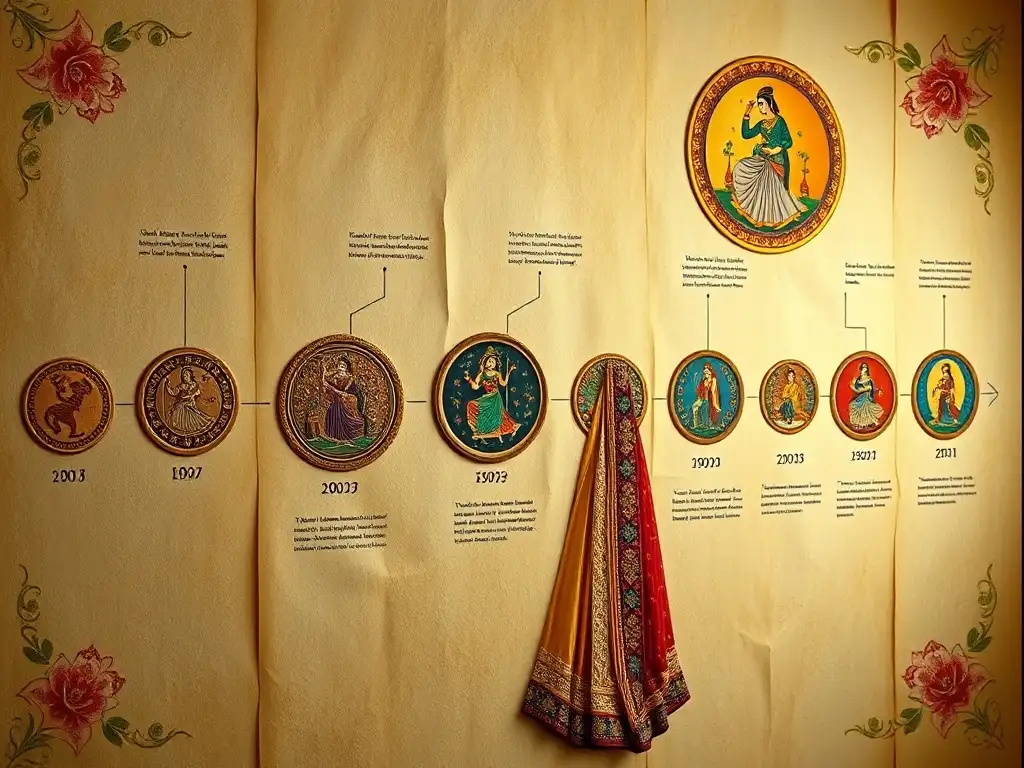
Welcome to Ancient India History, where we embark on an exhilarating journey through the rich tapestry of India's past! Here, you'll uncover the fascinating Indian art history timeline, revealing how artistic expressions evolved from the intricate seals of the Indus Valley to the vibrant Mughal miniatures. This exploration not only showcases the stunning creativity of ancient civilizations but also highlights the profound cultural exchanges and influences that shaped their art. Dive deeper into this captivating narrative and discover how each era contributed to the enduring legacy of Indian art. Your adventure through time begins now!
The artistic heritage of ancient India is a profound testament to the intricate tapestry of cultural exchanges and influences that shaped the region over millennia. Spanning from the sophisticated motifs of the Indus Valley Civilization to the exquisite miniatures of the Mughal Empire, this timeline of artistic syncretism illustrates how diverse traditions merged and evolved, reflecting the socio-political and religious dynamics of their times. As we delve into this rich narrative, we will explore key periods in Indian art history, highlighting significant contributions, styles, and the cultural dialogues that fostered creativity and innovation.
Understanding the Indian art history timeline is crucial not only for appreciating the aesthetic values of each era but also for recognizing how these artistic expressions served as a medium for social commentary, religious devotion, and cultural identity. This exploration sheds light on how ancient Indian civilizations, through their artistic endeavors, navigated and assimilated various influences, creating a legacy that continues to inspire and resonate in contemporary society.
The Indus Valley Civilization: Early Expressions of Art
The journey begins with the Indus Valley Civilization (c. 3300–1300 BCE), renowned for its advanced urban planning and sophisticated craftsmanship.
- Seals and Terracotta Figurines:
- The seals, often made from steatite, feature intricate carvings of animals, deities, and script, suggesting a complex belief system and trade networks.
- Terracotta figurines, with their detailed craftsmanship, provide insights into the daily life, attire, and rituals of the time.
This era laid the groundwork for artistic traditions in India, emphasizing the importance of symbolism and functionality in art.
Maurya and Post-Maurya Period: The Emergence of Sculpture
Following the Indus Valley, the Maurya Empire (c. 322–185 BCE) marked a significant evolution in Indian art, particularly in sculpture.
- Ashoka's Edicts:
- The stone pillars inscribed with Ashoka's edicts not only served as political proclamations but also as artistic masterpieces adorned with animal motifs and intricate carvings.
- Buddhist Art:
- The emergence of Buddhism during this period fostered the development of stupas and relief sculptures that depicted Jataka tales, further enriching the artistic landscape.
This period showcases the intersection of art and religion, as these sculptures became vital in conveying spiritual narratives.
Gupta Period: The Golden Age of Indian Art
The Gupta Empire (c. 240–550 CE) is often heralded as the golden age of Indian art, marked by a flourishing of creativity across various mediums.
- Classical Sculpture and Painting:
- The ornate sculptures of deities, often found in temples, exemplify the stylistic finesse of the era, characterized by graceful poses (samabhanga) and intricate detailing.
- Cave paintings, particularly those in Ajanta, demonstrate advanced techniques and vivid storytelling, illustrating the life of Buddha and various Buddhist themes.
During this time, the synthesis of indigenous styles with influences from trade routes contributed to a distinct artistic identity, reflecting a harmonious blend of spirituality and aesthetics.
Mughal Era: A Fusion of Cultures
The arrival of the Mughals (16th to 18th centuries) introduced new artistic paradigms that combined Persian and indigenous styles, resulting in a unique syncretism.
- Miniature Paintings:
- Mughal miniatures are celebrated for their intricate detail, vibrant colors, and the depiction of court life, flora, and fauna. They serve as historical documents that encapsulate the cultural milieu of the time.
- Architectural Marvels:
- The construction of grand structures like the Taj Mahal showcases the synthesis of Persian and Indian architectural styles, blending intricate inlay work with majestic domes and minarets.
The Mughal period stands as a pinnacle of artistic achievement, illustrating the profound impact of cross-cultural interactions on Indian art.
Conclusion: The Legacy of Artistic Syncretism
From the seals of the Indus Valley to the miniatures of the Mughal Empire, the Indian art history timeline reveals a rich narrative of syncretism that highlights the dynamic interplay of various cultures. This artistic journey not only reflects the aesthetics of different eras but also serves as a mirror to the evolving identities and ideologies of ancient Indian civilizations. As we continue to explore this legacy, we gain valuable insights into the enduring power of art as a vehicle for cultural exchange and expression.
- The Indus Valley Civilization: Early Expressions of Art
- Maurya and Post-Maurya Period: The Emergence of Sculpture
- Gupta Period: The Golden Age of Indian Art
- Mughal Era: A Fusion of Cultures
- Conclusion: The Legacy of Artistic Syncretism
- What is the significance of the Indus Valley Civilization in Indian art history?
- How did the Maurya Empire influence Indian art?
- What role did the Gupta Empire play in the development of Indian art?
- How did Mughal Miniatures represent artistic syncretism?
- What can we learn from the Indian art history timeline?
Introduction to Indian Art History Timeline
The Indian art history timeline is a captivating journey that traces the evolution of artistic expressions from ancient civilizations to the vibrant cultures that followed. This timeline not only highlights significant artistic movements but also illustrates the interplay of various cultural influences that shaped the artistic landscape of India. Understanding this timeline is crucial for appreciating the depth and complexity of Indian art, which reflects the richness of its historical narratives, religious beliefs, and social dynamics.
The significance of this timeline lies in its ability to showcase how different civilizations, such as the Indus Valley, Maurya, and Gupta empires, contributed to a collective artistic heritage that resonates even today. Each period marked distinct styles, techniques, and themes, influenced by both indigenous traditions and external interactions through trade, conquest, and cultural exchange.
Importance of Artistic Syncretism in Ancient India
Artistic syncretism in ancient India is vital for understanding how diverse influences merged to create unique forms of expression. The blending of indigenous styles with foreign elements led to innovative artistic techniques and motifs that enriched the cultural tapestry of the region.
- Cultural Interactions:
- The Indus Valley Civilization laid the groundwork for early artistic expressions through its seals and pottery, which exhibited a harmonious blend of functional and decorative art.
- The arrival of the Aryans introduced new themes and motifs, merging with existing traditions to form a distinct narrative style.
- Religious Influence:
- The spread of Buddhism and Jainism during the Mauryan Empire catalyzed artistic syncretism, as seen in the intricate carvings of stupas and cave temples. These artworks often incorporated elements from both indigenous and foreign artistic traditions.
- Later, the Gupta period witnessed a further synthesis of styles, where Hindu deities were depicted in ways that reflected local customs while integrating influences from Greco-Roman art.
- Trade and Conquest:
- The Silk Route facilitated the exchange of not just goods but also artistic ideas and techniques. This interaction is evident in the Gandhara art style, which combined Indian and Hellenistic influences.
- The Mughal Empire epitomized artistic syncretism through the fusion of Persian and Indian artistic traditions, resulting in masterpieces like the Taj Mahal that showcase intricate carvings and harmonious design.
Artistic syncretism is thus a testament to India's rich heritage of adaptability and innovation, fostering a culture where art is not merely a reflection of local identity but a tapestry woven from diverse influences.
Overview of the Timeline of Indian Art
The timeline of Indian art is structured around key periods, each marked by distinctive styles and significant contributions. Below is an overview that encapsulates these milestones:
| Period | Key Features | Notable Artistic Contributions |
|---|---|---|
| Indus Valley | Seals, pottery, and terracotta figurines | The "Dancing Girl" statue; intricate seal motifs |
| Mauryan | Pillar edicts, stupas, and cave architecture | Ashoka's pillars; Sanchi Stupa |
| Gupta | Temples, sculptures, and frescoes | Ajanta Caves; intricate stone carvings of deities |
| Chola | Bronze sculptures and temple architecture | Nataraja (dancing Shiva); Brihadeeswarar Temple |
| Mughal | Miniatures, gardens, and monumental architecture | Taj Mahal; intricate Mughal miniatures |
Throughout these periods, the evolution of styles reflects the sociopolitical changes and cultural exchanges that shaped the Indian subcontinent. From the utilitarian art of the Indus Valley to the opulent expressions of the Mughal era, each phase contributes to the rich narrative of Indian art history.
Understanding this timeline not only honors the legacy of ancient Indian civilizations but also provides insight into how cultural interactions have historically enriched artistic practices, creating a dynamic and diverse art scene that continues to inspire contemporary artists.
The Indus Valley Civilization: Foundations of Indian Art
The Indus Valley Civilization, flourishing around 2500 BCE in what is now Pakistan and northwest India, laid the groundwork for the rich tapestry of Indian art history. This civilization is renowned for its advanced urban planning, sophisticated drainage systems, and distinctive artistic expressions, which offer a glimpse into the aesthetic and cultural values of its time. The artifacts from this era, particularly the seals and pottery, are crucial for understanding the evolution of Indian art.
Characteristics of Indus Seals
Indus seals are small, carved pieces of steatite that were often used for trade and administrative purposes. These seals typically feature intricate designs, including:
- Animal Motifs: Common depictions include unicorns, elephants, and tigers, often rendered in a stylized manner.
- Human Figures: Some seals showcase human figures in ritualistic poses, hinting at the importance of religion and social roles.
- Script: Many seals bear inscriptions in a script that remains undeciphered, indicating a sophisticated system of communication.
The craftsmanship of these seals reflects high levels of skill, with some showcasing detailed engravings that demonstrate an understanding of symmetry and proportion. The use of naturalistic and abstract forms indicates a blend of artistic techniques that would influence future Indian art forms.
Symbolism and Function of Indus Art
The art of the Indus Valley Civilization served multiple purposes, from the practical to the ritualistic. Various elements can be highlighted:
- Trade and Economy: Seals were likely used to mark goods and facilitate trade, symbolizing the economic sophistication of the civilization.
- Religious Significance: Many motifs are believed to have spiritual meanings, possibly related to fertility or animal worship, reflecting the civilization's religious beliefs and practices.
- Social Status: The quality and complexity of art pieces might have indicated the status of their owners, with more elaborately designed items reserved for the elite.
The art of this period symbolizes a complex interplay between daily life, trade, and spirituality, providing insight into the values and priorities of the civilization.
Influence of Geography on Artistic Expression
The geographical context of the Indus Valley Civilization significantly shaped its artistic expression. Key factors include:
- Natural Resources: The availability of materials such as clay, shell, and semi-precious stones influenced the types of art produced. The region’s rich deposits allowed artisans to experiment with various mediums.
- Trade Routes: Proximity to trade routes facilitated cultural exchanges with neighboring civilizations, such as Mesopotamia. This interaction likely introduced new artistic techniques and motifs, fostering a syncretic artistic environment.
- Environmental Factors: The unique landscape, including rivers and fertile plains, inspired artistic representations of nature, reflected in the motifs of seals and pottery.
The Indus Valley Civilization's art is a testament to the interplay of local resources, trade, and cultural exchanges. This foundational period set the stage for the flourishing of Indian art in subsequent eras, showcasing an early example of artistic syncretism that would continue to evolve throughout Indian history.
The Mauryan Era: Transition in Artistic Styles
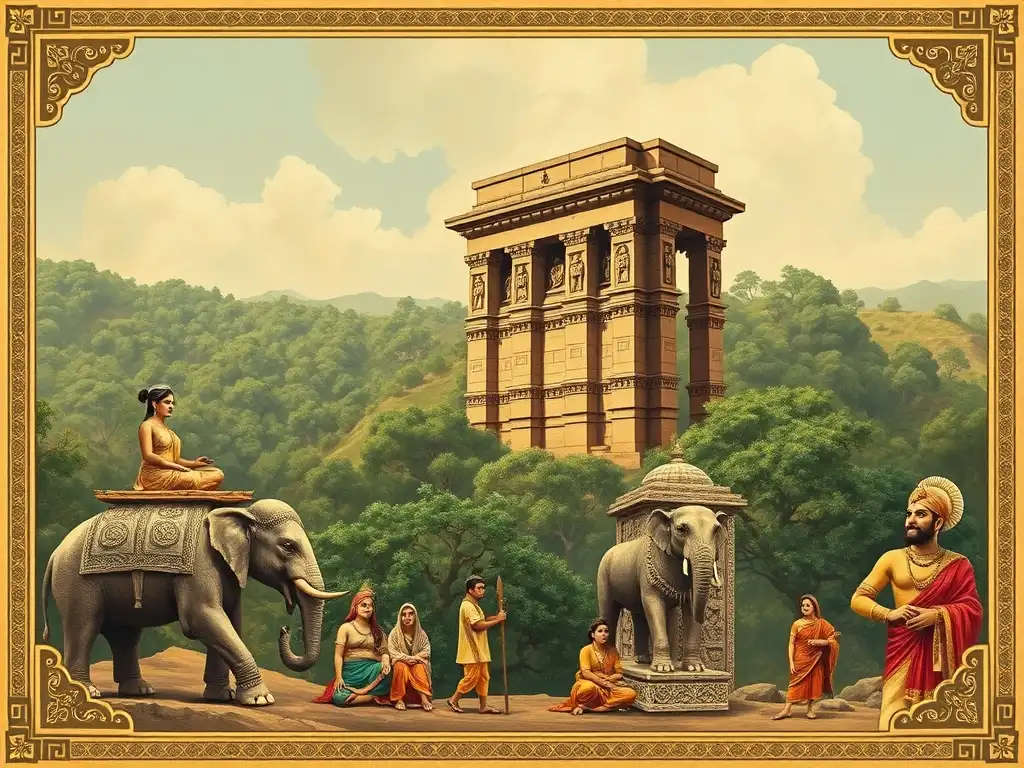
The Mauryan Era, which spanned from approximately 322 to 185 BCE, represents a pivotal transition in Indian art history, marking a shift from the more localized styles prevalent during the Indus Valley civilization and the subsequent post-Vedic period. The political unification under the Mauryan Empire facilitated not only the consolidation of power but also the exchange of ideas, cultures, and artistic expressions across vast territories. This period is characterized by its monumental architecture and advancements in sculpture, particularly reflecting the empire's profound commitment to promoting Buddhism.
The Ashokan Pillars and Their Artistic Significance
One of the most significant contributions to Indian art during the Mauryan Era is the Ashokan Pillars. Commissioned by Emperor Ashoka, these pillars are notable for their exquisite craftsmanship and ideological depth.
- Structure and Design:
- The pillars are made from a single block of polished sandstone, typically standing between 40 to 50 feet tall.
- Each pillar is adorned with intricate carvings, including animal figures such as lions, elephants, and bulls, symbolizing various aspects of Indian culture and spirituality.
- Inscriptions and Messages:
- The pillars feature inscriptions written in Brahmi script, encompassing edicts that promote moral values and the principles of Buddhism.
- Ashoka's messages emphasize non-violence, compassion, and tolerance, reflecting a significant ideological shift in governance and art.
The artistic significance of the Ashokan Pillars lies not only in their physical grandeur but also in their role as vehicles for spreading Buddhist philosophy, which would influence subsequent artistic developments across Asia.
Introduction of Buddhist Art and Iconography
The Mauryan Era laid the groundwork for the emergence of Buddhist art, which became a dominant artistic expression in subsequent periods. The transition towards Buddhist iconography was marked by several key developments:
- Stupas and Viharas:
- The construction of stupas, dome-shaped structures housing relics, became a central feature of Buddhist architecture.
- Early stupas like the Sanchi Stupa are adorned with intricate carvings that depict scenes from the life of the Buddha, emphasizing the narrative quality of Buddhist art.
- Iconography:
- Initially, Buddhist art avoided depicting the Buddha in human form, opting instead for symbols such as the lotus, wheel, and footprints.
- By the 1st century CE, anthropomorphic representations of the Buddha began to emerge, influenced by Hellenistic styles, showcasing a blend of ideological and artistic syncretism.
The introduction of Buddhist art during the Mauryan Era not only transformed Indian artistic practices but also contributed to the spread of Buddhism as it interacted with various cultural traditions throughout Asia.
Cultural Exchanges with Hellenistic Influence
The Mauryan Empire's strategic location along trade routes facilitated significant cultural exchanges with Hellenistic civilizations following Alexander the Great's incursion into India. This interaction led to a remarkable influence on Indian artistic styles and techniques:
- Artistic Techniques:
- Hellenistic techniques, such as realistic human representation and elaborate drapery, began to influence Indian sculptors, particularly in the depiction of Buddha and other figures.
- The use of chiaroscuro, a technique that creates a sense of depth and volume, was adopted, enriching the visual complexity of Indian sculptures.
- Syncretic Art Forms:
- The fusion of Indian and Hellenistic elements resulted in unique artistic forms, such as the Gandhara style, characterized by Greco-Roman influences in sculpture and architecture.
- This blending is evident in the depiction of mythological stories and figures, which combined local narratives with Hellenistic aesthetics.
These cultural exchanges during the Mauryan Era not only enriched Indian art history but also set a precedent for future interactions that would continue to shape the artistic landscape of the subcontinent.
The Gupta Period: Golden Age of Indian Art
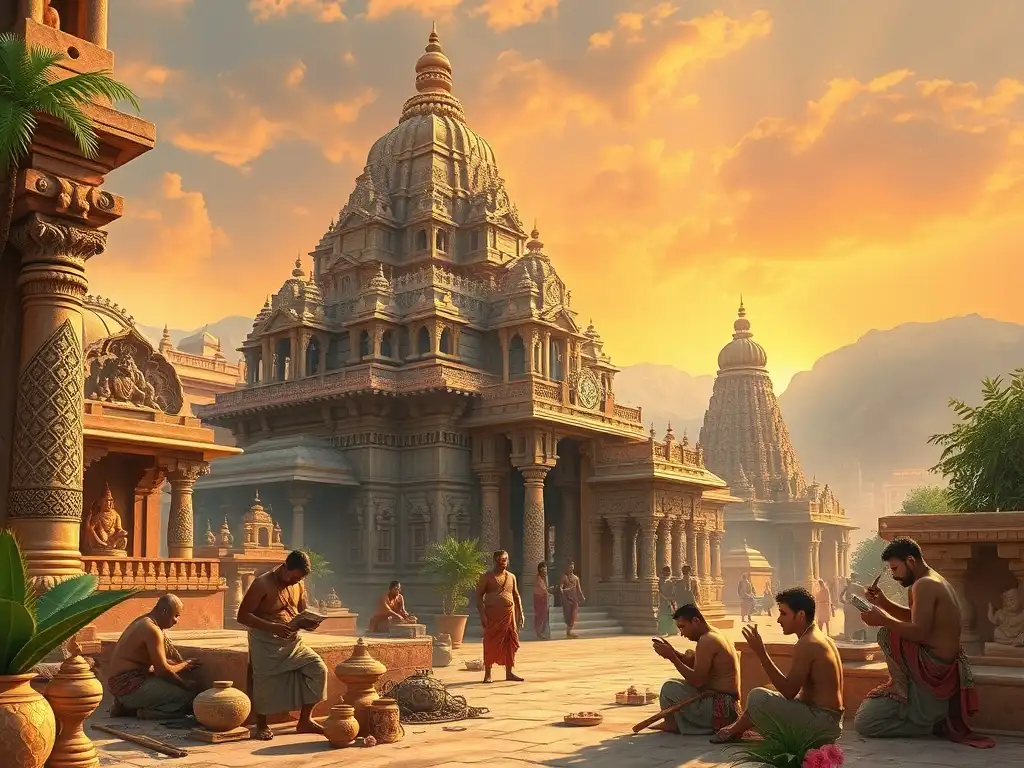
The Gupta Period, spanning from approximately 320 to 550 CE, is often referred to as the Golden Age of Indian art. This era witnessed a remarkable flourishing of cultural, intellectual, and artistic achievements, establishing a foundation for the subsequent development of Indian art history. The Gupta dynasty's patronage of the arts and religion led to an unprecedented synthesis of styles and techniques, resulting in artworks that continue to be celebrated for their beauty and complexity.
During this period, the influence of earlier traditions, especially the Mauryan and post-Mauryan styles, blended with new ideas, leading to innovative expressions in sculpture and architecture. The Gupta artists excelled in creating lifelike sculptures that depicted not only divine figures but also ordinary people, emphasizing emotional expression and intricate detailing. This artistic evolution is a reflection of the broader philosophical and cultural shifts occurring in society, with an increasing emphasis on personal devotion and the human experience.
Evolution of Sculpture and Architecture
The evolution of sculpture during the Gupta period can be characterized by the transition from the monumental and static forms of earlier periods to more dynamic and naturalistic representations. Artists began to focus on proportion, posture, and facial expressions, giving life to their subjects.
- Material Usage: Sculptors predominantly used sandstone, schist, and later, bronze, allowing for detailed carvings and intricate ornamentation. The stone sculptures, particularly from sites like Sarnath and Mathura, exemplify this shift.
- Iconography: The period saw the emergence of new iconographic themes, particularly in Buddhist and Hindu art. Deities were depicted with more human-like qualities, often adorned with elaborate jewelry and clothing, enhancing their accessibility to devotees.
- Architectural Innovation: Gupta architecture is marked by the construction of temples that served both as places of worship and artistic expression. The use of shikhara (tower) and mandapa (pillared hall) became prominent, with intricate carvings adorning the facades. Notable examples include the Vishnu Temple at Deogarh and the Dasavatara Temple at Khajuraho.
The Role of Temples in Artistic Expression
Temples during the Gupta period were not merely religious structures; they were dynamic centers of artistic expression and cultural life. They served as a canvas for showcasing the artistic achievements of the time and played a crucial role in community gatherings and rituals.
- Architectural Design: Temples were designed to reflect cosmic principles, with layouts often symbolizing the universe. The sanctum sanctorum housed the deity's image, drawing worshippers into a spiritually enriching space.
- Sculptural Reliefs: The walls of temples were adorned with intricate relief sculptures depicting scenes from mythology, daily life, and nature. These carvings not only conveyed religious narratives but also provided insights into the society and culture of the time.
- Cultural Exchange: Temples became sites of cultural syncretism, where local traditions merged with influences from regions beyond India. This interaction enriched the artistic lexicon, seen in the diverse styles of the sculptures and the incorporation of motifs from various cultures.
Gupta Miniatures and Their Cultural Significance
The Gupta period also saw the emergence of miniature paintings, which were created to illustrate manuscripts and religious texts. These miniatures marked a significant development in Indian art history, showcasing the refinement and precision of Gupta artists.
- Techniques and Materials: Artists utilized natural pigments derived from minerals and plants, applying them on palm leaves or paper using fine brushes. The intricate details and vibrant colors of these miniatures highlight the exceptional skill of Gupta painters.
- Themes: The themes of Gupta miniatures often revolved around religious narratives, court scenes, and depictions of nature. This thematic diversity reflects the cultural milieu of the time, illustrating the interconnectedness of art, religion, and daily life.
- Cultural Legacy: The miniatures created during this period laid the groundwork for subsequent styles in Indian painting, influencing later dynasties and contributing to the rich tapestry of Indian art history. Their preservation and study provide invaluable insights into the socio-cultural dynamics of ancient India.
The Gupta period stands as a pinnacle in the Indian art history timeline, characterized by significant advancements in sculpture, architecture, and miniature painting. The artistic endeavors of this era not only enriched the cultural landscape of ancient India but also established enduring legacies that continue to inspire contemporary art and scholarship.
Medieval India: A Fusion of Styles
Medieval India marked a significant period of artistic and cultural syncretism, characterized by the blending of indigenous traditions with foreign influences, particularly during the rise of the Rajput and Mughal empires. This era witnessed a remarkable synthesis of styles that enriched Indian art, leading to the development of unique forms that reflected the complexities of the society and its cultural exchanges.
The Rise of Rajput and Mughal Art
The Rajput and Mughal dynasties played pivotal roles in shaping the artistic landscape of medieval India. Rajput art, known for its vibrant colors and romantic themes, often drew inspiration from local traditions and folklore. The Rajputs were patrons of art, fostering an environment where artists could experiment and innovate.
In contrast, Mughal art, which emerged during the 16th century under the reign of Akbar, was heavily influenced by Persian aesthetics. Mughal artists blended Persian techniques with Indian motifs, creating a distinctive style that emphasized naturalism and detail. This fusion resulted in exquisite miniature paintings that depicted court life, battles, and landscapes, showcasing intricate patterns and vibrant colors.
The coexistence of Rajput and Mughal art led to a dynamic artistic dialogue, where techniques and themes were exchanged. This cross-pollination can be seen in the works of artists like Manohar, who seamlessly integrated Mughal elements into Rajput painting, highlighting the collaborative nature of this artistic period.
Architectural Innovations: Forts and Palaces
The architectural achievements of medieval India are a testament to the syncretism of styles during this period. Forts and palaces constructed by the Rajputs and Mughals reflect a fusion of indigenous architectural traditions and Persian influences.
- Rajput Forts: The forts built by Rajput rulers, such as Mehrangarh and Chittorgarh, are characterized by their massive walls, intricate carvings, and use of local materials. These structures often feature a blend of Hindu and Islamic architectural elements, showcasing the adaptability of Rajput architects.
- Mughal Palaces: Mughal architecture, epitomized by the Taj Mahal and Fatehpur Sikri, introduced the use of large domes, intricate inlay work, and expansive gardens. The incorporation of Persian charbagh (four-part) garden layouts exemplifies the Mughal fascination with symmetry and nature, further enhancing the aesthetic experience of these structures.
This architectural syncretism not only served functional purposes but also symbolized the political and cultural power of the empires, with each structure narrating the story of its time through its design and ornamentation.
The Influence of Persian Techniques on Indian Miniatures
The influence of Persian techniques on Indian miniatures during the medieval period is particularly noteworthy. Persian miniatures, characterized by their detailed portrayal of figures, landscapes, and intricate patterns, profoundly impacted Indian artists who sought to incorporate these elements into their own works.
- Color and Composition: Indian artists adopted the Persian palette of vivid colors and sophisticated layouts, enhancing the visual appeal of their miniatures. The use of gold and silver leaf became prevalent, adding a richness that captivated viewers.
- Themes and Subjects: While Persian miniatures often depicted courtly life and mythology, Indian artists began to explore local themes, folklore, and historical events, creating a unique narrative style. This shift is evident in the works produced during the Mughal era, where stories of bravery and romance were illustrated with Persian finesse.
- Techniques: The meticulous brushwork and layering techniques borrowed from Persian artists allowed Indian miniaturists to achieve unprecedented levels of detail. This melding of styles resulted in masterpieces that celebrated both cultural heritages.
Through these influences, Indian miniatures evolved into a distinctive art form that encapsulated the essence of medieval Indian society, reflecting its complexities and the rich tapestry of its artistic heritage.
The medieval period of Indian art history is marked by a rich tapestry of influences and styles that emerged from the fusion of Rajput and Mughal traditions, architectural innovations, and the adoption of Persian techniques in miniature painting. This era laid the groundwork for future artistic developments and remains a significant chapter in the broader narrative of Indian art history.
Mughal Era: The Pinnacle of Artistic Syncretism
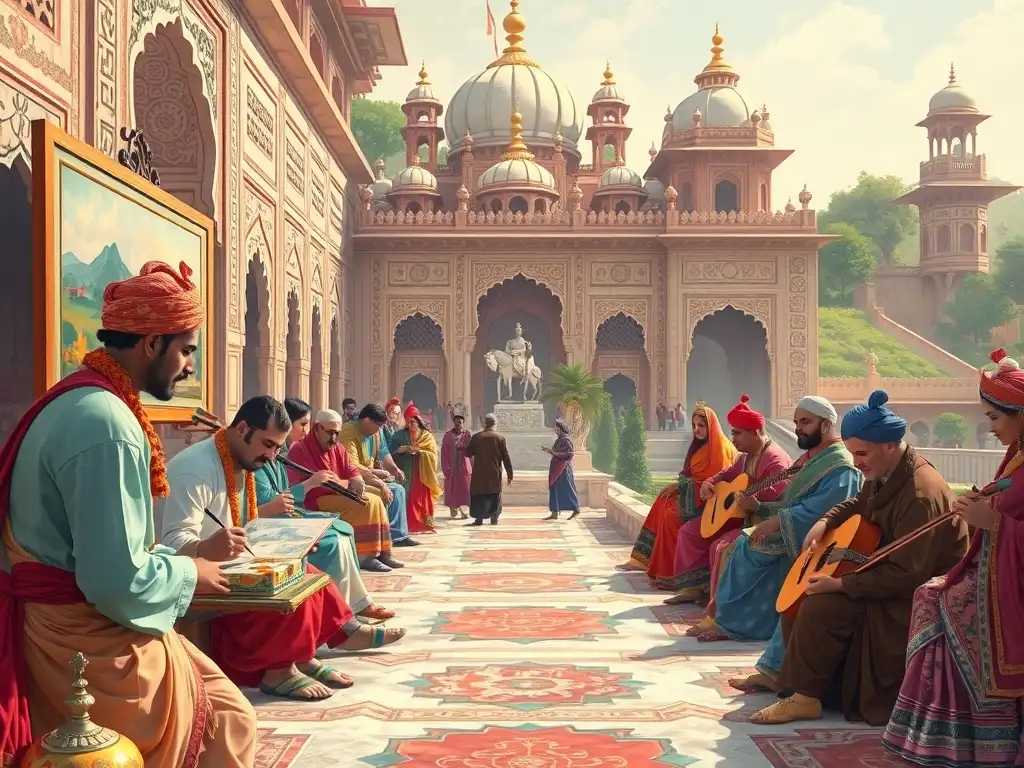
The Mughal Era, which flourished from the early 16th century to the 18th century, is widely regarded as the pinnacle of artistic syncretism in Indian art history. This period was marked by the confluence of various cultural influences, including Persian, Central Asian, and indigenous Indian elements. The Mughals, known for their patronage of the arts, created a unique artistic language that reflected the diverse traditions and beliefs of their empire. This syncretism not only enriched the artistic landscape of India but also laid the groundwork for future artistic developments.
During the Mughal Era, art was used as a tool for political propaganda, cultural integration, and religious expression. The emperors, particularly Akbar, Jahangir, and Shah Jahan, commissioned numerous artworks that celebrated their reigns and conveyed their ideals. The resulting artworks ranged from grand architectural projects, like the Taj Mahal, to intricate miniatures that depicted court life, hunting scenes, and religious narratives. These pieces often blended styles and techniques from various cultures, showcasing the Mughal commitment to artistic innovation.
Mughal Miniatures: Techniques and Themes
Mughal miniatures are one of the most celebrated forms of art from this era, characterized by their exquisite detail and vibrant colors. These small-scale paintings were typically executed on paper and served various purposes, including illustration of manuscripts, portraits, and standalone artworks. The techniques employed in Mughal miniatures were sophisticated, using natural pigments derived from minerals, plants, and insects, which were meticulously applied with fine brushes to create intricate designs.
Key Techniques:
- Layering: Artists would use multiple layers of paint to achieve depth and luminosity.
- Gold Leaf Application: Gold was often used to enhance the richness of the compositions, adding a luminous quality to the miniatures.
- Use of Perspective: While traditional Indian art often employed a flat perspective, Mughal miniatures embraced a more sophisticated spatial representation, influenced by European techniques.
Themes:
Mughal miniatures often depicted a variety of themes, including:
- Royal Portraits: Capturing the likenesses of emperors and nobles, often adorned with elaborate garments and jewelry.
- Hunting Scenes: Illustrating the Mughal passion for hunting, these artworks depicted both the thrill of the chase and the beauty of nature.
- Mythological and Religious Narratives: Many miniatures illustrated stories from Hindu mythology and Islamic texts, reflecting the syncretic nature of Mughal culture.
Cross-Cultural Influences in Mughal Art
The Mughal Empire was a melting pot of cultures, and this diversity greatly influenced its art. The interactions between Indian, Persian, and European artistic traditions led to innovative styles and motifs.
Persian Influence:
Persian art had a profound impact on Mughal painting, particularly in the use of color, intricate patterns, and calligraphy. The Persian tradition emphasized lush landscapes and romantic themes, which were incorporated into Mughal miniatures.
Central Asian Elements:
The Mughals, originally of Central Asian descent, brought with them a rich heritage of textile and metalwork. This influence is evident in the intricate fabric patterns and decorative elements found in Mughal artworks.
European Techniques:
With increased contact with European traders and travelers, Mughal artists began to adopt certain Western techniques, such as chiaroscuro (the use of strong contrasts between light and dark) and linear perspective. This blending of styles resulted in a unique artistic language that defined Mughal art.
Notable Artists and Their Contributions to Indian Art History
Several artists emerged during the Mughal Era who played pivotal roles in shaping Indian art history. Their innovative approaches and mastery of techniques left a lasting legacy.
- Bichitr (circa 17th century):
- A prominent court painter known for his portraits and historical scenes.
- His work "Jahangir Preferring a Sufi to Kings" is a hallmark of Mughal miniature painting, showcasing his skill in capturing complex narratives and characters.
- Basawan (late 16th century):
- An influential artist known for his vibrant colors and intricate detail.
- He contributed significantly to the "Akbarnama," a historical text that chronicles the reign of Akbar through stunning illustrations.
- Ustad Mansur (circa 1620-1660):
- Renowned for his naturalistic depiction of flora and fauna.
- His mastery is evident in works such as "The Emperor Jahangir Holding a Picture of Saint John the Baptist," which exemplifies the blending of Mughal and European styles.
- Abdul Samad (late 16th century):
- A notable artist and teacher who played a crucial role in developing the Mughal painting style.
- His contributions to the "Hamzanama," an epic narrative, reflect the grandeur and complexity of Mughal art.
The Mughal Era stands as a testament to the power of artistic syncretism, where diverse cultural influences combined to create a rich tapestry of art that continues to inspire and influence artists today. The techniques, themes, and notable artists from this period are integral to understanding the evolution of Indian art history and its ongoing legacy.
Conclusion: The Legacy of Artistic Syncretism in Indian Art
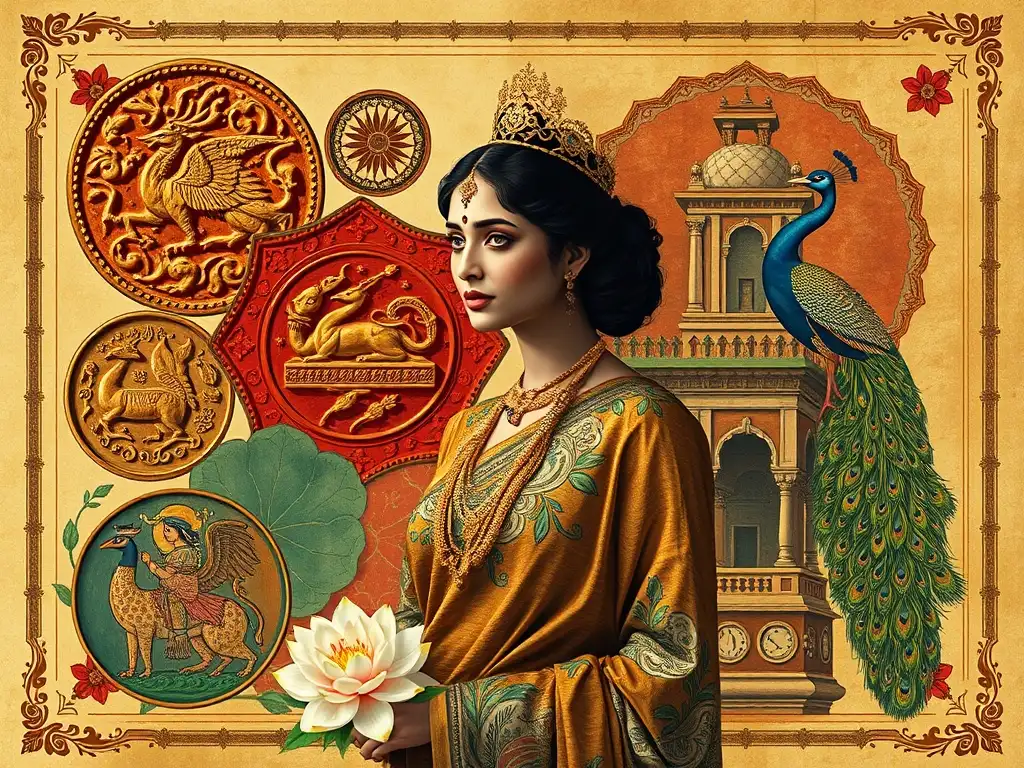
Artistic syncretism has played a pivotal role in shaping the diverse and rich heritage of Indian art. From the intricate seals of the Indus Valley Civilization to the exquisite Mughal miniatures, this fusion of styles and cultural influences illustrates how Indian art has continuously evolved while retaining its unique identity. The legacy of artistic syncretism is not merely a historical phenomenon but a living testament to the dynamic interplay between various cultures, philosophies, and artistic traditions that have converged in the Indian subcontinent.
Reflection on the Evolution of Indian Art History
The timeline of Indian art history is marked by significant periods, each characterized by unique artistic expressions influenced by various cultural exchanges. The Indus Valley Civilization (circa 3300–1300 BCE) laid the foundation for artistic pursuits with its terracotta figurines, seals, and urban planning that reflect an advanced understanding of aesthetics and functionality. As we move through the ages, we witness the emergence of Buddhist art around the 3rd century BCE, which introduced narrative storytelling through sculpture and architecture.
The Gupta Period (circa 320–550 CE) is often regarded as the Golden Age of Indian art, where intricate temple carvings and classical dance forms flourished. Here, syncretism is evident in the merging of local traditions with influences from Hellenistic cultures due to trade routes. The arrival of Islamic influences during the medieval period further enriched Indian art, leading to the development of Indo-Islamic architecture and the Mughal painting style, which blended Persian techniques with indigenous themes.
This historical evolution showcases not only the artistic techniques but also the philosophical and spiritual ideas that have shaped Indian society. Each period contributes layers to the Indian art history timeline, encapsulating the essence of cultural dialogues that transcend boundaries.
The Importance of Preserving Artistic Heritage
Preserving the artistic heritage of India is crucial for future generations. This heritage, steeped in syncretism, provides insights into the sociopolitical and cultural dynamics of ancient civilizations. To ensure that this wealth of knowledge and creativity is not lost, several measures need to be taken:
- Documentation and Research: Comprehensive documentation of artistic works, styles, and techniques is essential. This includes both physical artifacts and intangible cultural practices.
- Conservation Efforts: Active conservation of historical sites, artifacts, and traditional art forms must be prioritized. This involves not only protecting these artifacts but also promoting awareness about their significance.
- Education and Outreach: Engaging younger generations through educational programs that highlight the importance of artistic syncretism in Indian art history can foster a deeper appreciation and understanding of cultural heritage.
- Collaboration with Artists: Encouraging contemporary artists to draw inspiration from ancient techniques and themes can create a living tradition that honors the past while innovating for the future.
The legacy of artistic syncretism in Indian art is a treasure trove of cultural heritage that deserves to be preserved and celebrated. By understanding and appreciating this complex history, we can foster a greater sense of identity and continuity within the rich tapestry of Indian culture.
Further Reading and Resources
Recommended Books on Indian Art History
When delving into the intricate tapestry of Indian art history, a wealth of literature is available to enrich your understanding. Here are some highly recommended books that explore various facets of Indian art, culture, and the syncretic influences that have shaped its evolution:
- "The Art of India: 3000 Years of Paintings and Sculpture" by John Guy
- This comprehensive work covers a vast timeline, from the ancient Indus Valley Civilization to contemporary Indian art. Guy provides insightful analysis and context for major artistic movements and their cultural implications.
- "Indian Art" by Vidya Dehejia
- Dehejia's book presents a thorough overview of Indian art, examining its evolution through different historical phases. The author emphasizes the connection between art and cultural identity, making it a valuable resource for understanding artistic syncretism.
- "The Power of Art: The Indian Context" by Ratan Parimoo
- This book discusses the socio-political influences on Indian art throughout history. Parimoo highlights how various cultural exchanges have impacted artistic expressions, thus providing a critical lens on artistic syncretism.
- "Art of India: A Historical Survey" by Pratapaditya Pal
- Pal offers an extensive survey of Indian art, covering sculptures, paintings, and architecture. This work is particularly useful for those interested in the historical context of artistic developments across different regions of India.
- "Indian Art and Architecture" by Thomas Donaldson
- This book provides an in-depth look at the architectural achievements of Indian civilizations, linking them to the broader narrative of art history. Donaldson discusses how various cultural influences have shaped the built environment in India.
Online Resources for Exploring Artistic Syncretism in India
In addition to books, numerous online resources can greatly enhance your exploration of Indian art history and its syncretic nature. Here are some valuable platforms and websites to consider:
- Google Arts & Culture
- An excellent resource featuring virtual exhibitions, high-resolution images of artworks, and insightful articles about Indian art. This platform collaborates with museums and cultural institutions to present a diverse array of artistic expressions.
- Khan Academy: Art History
- Khan Academy offers free online courses that include sections on Indian art history. The lessons cover major artistic movements, styles, and cultural influences, making it a user-friendly resource for learners of all levels.
- The Met’s Heilbrunn Timeline of Art History
- This resource provides a chronological timeline of art history, including significant works and artists from India. It connects artworks to broader historical events, helping to contextualize artistic syncretism.
- Museum Websites
- Renowned museums such as the National Museum in New Delhi and the Victoria and Albert Museum in London often host online exhibitions and articles that delve into the rich heritage of Indian art. Browsing their collections can provide visual insights into the evolution of artistic styles.
- YouTube Channels
- Channels like "The Art of India" offer documentaries and lectures that explore various aspects of Indian art history. These video resources can provide a dynamic understanding of the subject, showcasing artworks and their cultural significance.
By utilizing these recommended books and online resources, you can gain a deeper appreciation of the Indian art history timeline and the artistic syncretism that has defined India's cultural landscape throughout the ages.
Frequently Asked Questions
What is the significance of the Indus Valley Civilization in Indian art history?
The Indus Valley Civilization is notable for its intricate seals and sculptures, showcasing early forms of artistic expression and craftsmanship that laid the foundation for later Indian art forms.
How did the Maurya Empire influence Indian art?
The Maurya Empire introduced large-scale stone sculptures and architectural advancements, including the famous Ashoka Pillars, which marked a significant transition in Indian art history.
What role did the Gupta Empire play in the development of Indian art?
The Gupta Empire is often referred to as the Golden Age of Indian art, where intricate carvings, frescoes, and temple architecture flourished, significantly enhancing the cultural landscape of India.
How did Mughal Miniatures represent artistic syncretism?
Mughal Miniatures blended Persian and Indian styles, showcasing a unique fusion of techniques and themes that reflected the rich cultural exchange during the Mughal period.
What can we learn from the Indian art history timeline?
The Indian art history timeline reveals the evolution of styles, cultural influences, and the significance of artistic movements that have shaped the rich tapestry of India's artistic heritage over centuries.
Final Reflection: Embracing the Tapestry of Indian Art History
The journey through the intricate layers of Indian art history, from the ancient Indus seals to the exquisite Mughal miniatures, reveals a profound truth: art is a living dialogue that transcends time and culture. In today's globalized world, where boundaries are increasingly blurred, understanding this artistic syncretism is more relevant than ever. It serves as a reminder that creativity thrives on the exchange of ideas, and that our shared heritage can foster unity amidst diversity.
The exploration of Indian art history not only enriches our understanding of the past but also shapes our cultural identity today. The influences and interconnections between various artistic traditions highlight the importance of collaboration and mutual respect in the creative process. As the renowned artist Anish Kapoor once said, Art is a language that speaks to the soul, transcending barriers and connecting us all.
This sentiment resonates deeply as we navigate through the complexities of modern society, where art continues to reflect and challenge our collective experiences.
As we reflect on the lessons embedded in the timeline of Indian art, I invite you to consider how you can embrace this spirit of syncretism in your own life. Seek inspiration from diverse cultures, engage with different artistic expressions, and allow your creativity to flourish through collaboration. In doing so, you not only honor the rich legacy of Indian art history but also contribute to a vibrant future where art continues to unite and inspire us all.
Unveil the Rich Tapestry of Indian Art: Take Action Today!
Thank you for taking the time to explore the fascinating journey of artistic syncretism in India! You’ve gained insight into how diverse cultures have intertwined to create a vibrant artistic legacy. Now, it’s time to engage further and bring this rich history to life!
- Dive deeper into the world of Indian art by visiting local museums or galleries to experience the beauty of these art forms firsthand.
- Share your newfound knowledge by discussing it with friends or on social media—let's spread awareness about the significance of cultural influences!
- Join an online community
Which piece of Indian art resonates with you the most, and in what ways do you believe it reflects the culture of its time?