
How to Style Indian Silk for Any Occasion: Fashion Tips and Tricks

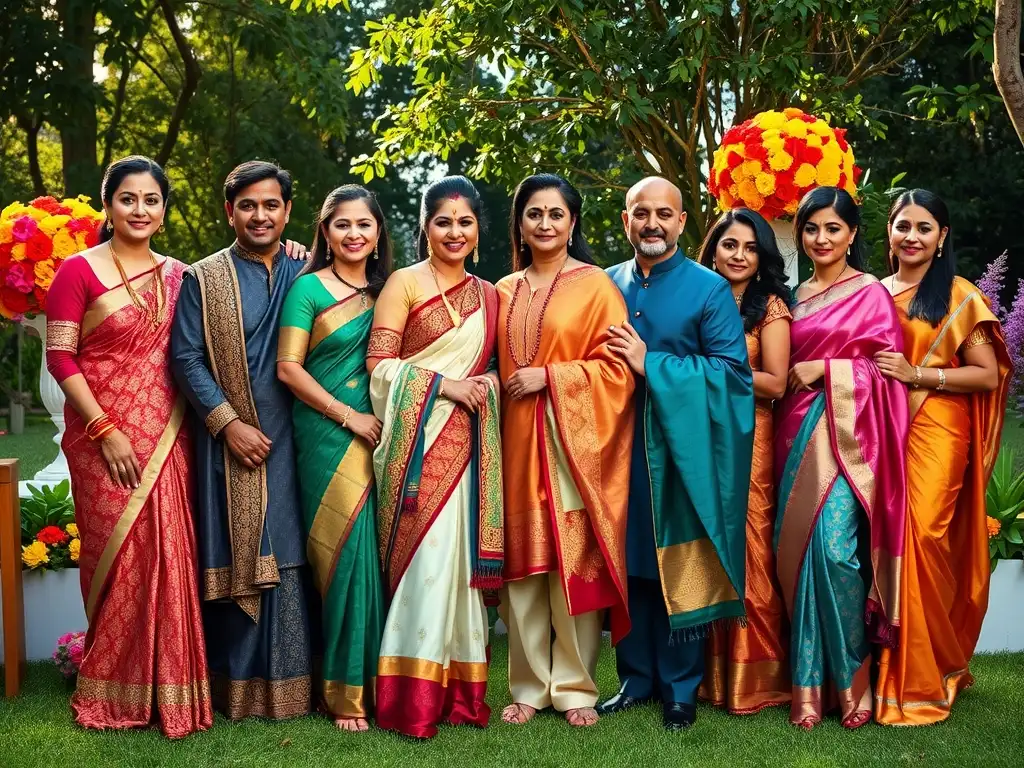
Welcome to Ancient India History, where we embark on a fascinating journey through time to uncover the rich tapestry of India’s ancient civilizations. In this vibrant exploration, we delve into the artistry and craftsmanship that has shaped the subcontinent's cultural heritage, particularly in fashion. Our featured article, "How to Style Indian Silk for Any Occasion: Fashion Tips and Tricks," invites you to discover the elegance and versatility of Indian silk outfits. Get ready to unlock the secrets of styling these exquisite garments, and let your curiosity guide you deeper into the captivating world of ancient Indian textiles!
- Introduction to Styling Indian Silk Outfits
- Understanding Different Types of Indian Silk
- Fashion Tips for Styling Indian Silk Outfits
- Occasion-Based Styling of Indian Silk
- Accessories to Enhance Indian Silk Outfits
- Maintenance and Care for Indian Silk
- Where to Buy Authentic Indian Silk Outfits
- Conclusion: Embracing the Elegance of Indian Silk
- Frequently Asked Questions
- Final Reflection: Embracing the Elegance of Indian Silk
- Unveil Your Style Potential with Indian Silk!
Introduction to Styling Indian Silk Outfits
Styling Indian silk outfits is not just about wearing a fabric; it is an art that reflects the rich heritage and intricate craftsmanship of ancient Indian civilizations. From the exquisite weaving techniques of the Indus Valley to the elaborate designs of the Gupta Empire, Indian silk embodies a legacy that transcends time. This guide aims to equip you with practical fashion tips and tricks to help you style Indian silk outfits for any occasion, ensuring you not only look elegant but also appreciate the cultural significance behind the fabric.
As we delve deeper into the world of Indian silk, we will explore its importance in fashion and why it deserves a special place in your wardrobe. Whether you're preparing for a festive celebration, a formal event, or a casual outing, understanding how to style this luxurious fabric can elevate your ensemble and make a lasting impression.
The Significance of Indian Silk in Fashion
Indian silk has been a cornerstone of fashion for centuries, cherished for its luxurious texture and vibrant colors. The significance of this fabric is deeply rooted in India's history, where it has been associated with royalty and nobility. Here are some key points to consider:
- Cultural Heritage: Silk weaving in India dates back to ancient times, with regions like Varanasi, Kanchipuram, and Mysore producing some of the finest silks. Each region has its unique patterns and weaving techniques, making Indian silk a tapestry of diverse cultural stories.
- Symbol of Status: Historically, silk was a symbol of wealth and status. It was often worn by emperors and dignitaries, and continues to be a preferred choice for weddings and ceremonial occasions.
- Versatility: Indian silk is incredibly versatile, suitable for various styles and occasions. From traditional sarees and lehengas to contemporary dresses and kurtas, there are endless ways to incorporate silk into your wardrobe.
Why Choose Indian Silk for Your Wardrobe?
Choosing Indian silk for your wardrobe goes beyond aesthetics; it is an investment in quality, craftsmanship, and cultural appreciation. Here are compelling reasons to opt for this exquisite fabric:
- Durability: High-quality silk is known for its strength and durability. When cared for properly, silk garments can last for decades, making them a worthwhile addition to your fashion collection.
- Breathability: Silk is a natural fiber that offers excellent breathability, making it comfortable to wear in various climates. Its moisture-wicking properties help regulate body temperature, keeping you cool in summer and warm in winter.
- Timeless Elegance: The elegance and sophistication of Indian silk outfits never go out of style. Whether you prefer traditional or modern designs, silk garments are always a statement piece that enhances your overall look.
Incorporating Indian silk into your wardrobe not only elevates your fashion game but also connects you to a rich cultural heritage that has shaped the textile industry for centuries. As we continue this exploration, you'll discover practical styling tips to make the most of your Indian silk outfits for any occasion.
Understanding Different Types of Indian Silk
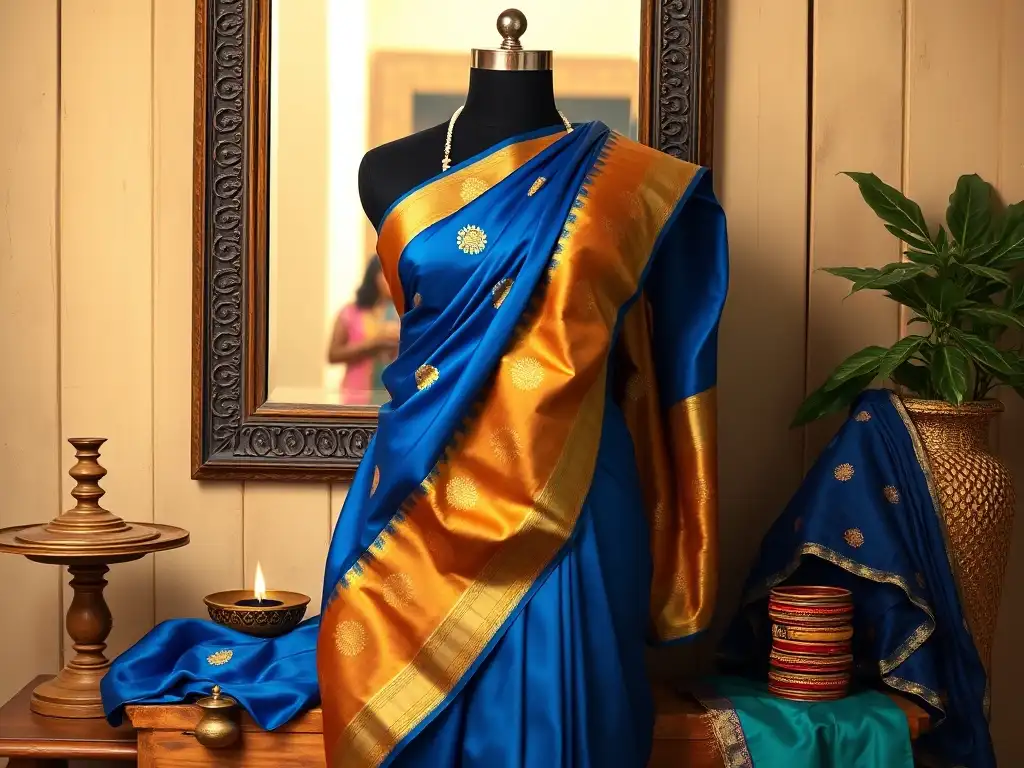
Varieties of Indian Silk: From Banarasi to Kanchivaram
India is renowned for its exquisite silk, with each region producing distinct varieties that reflect local traditions and craftsmanship. Here are some of the most notable types of Indian silk:
- Banarasi Silk:
- Originating from Varanasi, this silk is famous for its luxurious feel and intricate designs. It often features gold and silver brocade, making it a popular choice for wedding attire.
- Kanchivaram Silk:
- Hailing from Tamil Nadu, Kanchivaram silk is known for its vibrant colors and durability. It is characterized by its heavy body and contrasting borders, often used for traditional sarees.
- Mysore Silk:
- This type is produced in Karnataka and is recognized for its smooth texture and rich colors. Mysore silk sarees are celebrated for their simplicity and elegance, making them suitable for both formal and casual occasions.
- Patola Silk:
- A double-ikat weave from Gujarat, Patola silk is known for its vibrant patterns and colors. It is often worn during festivals and special occasions due to its unique design.
- Tussar Silk:
- This wild silk, primarily produced in Jharkhand and West Bengal, has a rich golden hue and a textured surface. Tussar silk garments are loved for their organic feel and are often worn in summer.
Exploring these varieties helps in understanding how to style Indian silk outfits for different events, ensuring that one can select the perfect silk based on the occasion.
Characteristics of Authentic Indian Silk Fabric
When it comes to styling Indian silk outfits, knowing the characteristics of authentic silk can greatly enhance your fashion choices. Here are the key features to look for:
- Luster:
- Authentic silk typically has a natural sheen that reflects light beautifully. This luster is a hallmark of high-quality silk.
- Softness:
- Genuine silk feels soft and smooth against the skin. When you run your fingers over it, it should glide effortlessly, without any roughness.
- Weight:
- Indian silk fabric is often heavier than synthetic alternatives. The weight contributes to its drape and flow, making it ideal for elegant outfits.
- Burn Test:
- A simple test to identify authentic silk is to burn a small thread. Genuine silk will burn slowly, producing a fine ash with a smell similar to burnt hair, whereas synthetic fibers will melt and smell like plastic.
- Absorbency:
- Authentic silk has good moisture-wicking properties, which makes it comfortable to wear in humid conditions. It should feel cool to the touch.
Being aware of these characteristics not only helps in selecting the right fabric but also enhances the overall styling of Indian silk outfits.
How to Identify Genuine Indian Silk
Identifying genuine Indian silk is crucial when investing in silk garments. Here are some practical tips to ensure you are purchasing authentic silk:
- Check the Label:
- Always look for labels that specify "pure silk" or "100% silk." This is a good indication of authenticity.
- Feel the Fabric:
- Authentic silk has a luxurious feel. It should be smooth and soft, without any synthetic texture. If it feels rough or too shiny, it may not be genuine.
- Inspect the Weave:
- Examine the fabric closely. Genuine silk has a consistent weave pattern with subtle variations that indicate handmade craftsmanship. Look for uneven threads, which are often a sign of authenticity.
- Price Point:
- Be cautious of deals that seem too good to be true. Authentic Indian silk is generally priced higher due to its labor-intensive production process.
- Buy from Reputable Sources:
- Purchase silk from established retailers or artisans known for their silk products. This reduces the chances of acquiring counterfeit silk.
By following these tips, you can confidently choose genuine Indian silk outfits that not only enhance your wardrobe but also celebrate the rich textile heritage of India.
Fashion Tips for Styling Indian Silk Outfits
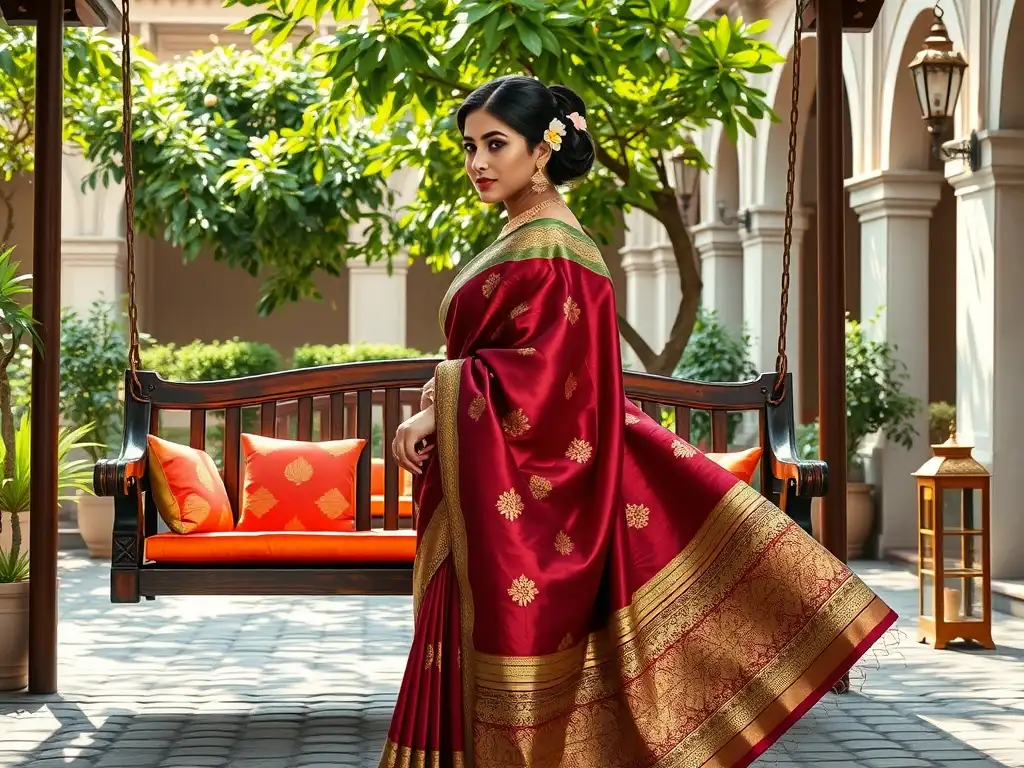
Styling Indian silk outfits can be an exciting endeavor, allowing individuals to showcase the fabric's luxurious texture and vibrant colors. With the right approach, Indian silk can be transformed for various occasions, from casual outings to formal events. Below are some essential tips that will guide you in styling Indian silk outfits effortlessly.
Casual Styling: Perfect for Day Outfits
Casual styling with Indian silk allows you to enjoy the elegance of the fabric while remaining comfortable and stylish. Here are some ways to achieve the perfect casual look:
Pairing Indian Silk with Western Wear
- Mix and Match: Combine a silk blouse or top with denim jeans or shorts. The contrasting styles create a balanced look that is both chic and casual.
- Layering: Consider layering a silk kurta over a simple t-shirt and leggings. This adds depth to your outfit while keeping it relaxed.
- Footwear Choices: Pair your silk outfit with comfortable footwear like sandals or stylish sneakers to maintain a laid-back vibe.
For example, a lightweight silk tunic can be paired with white jeans and chunky sandals for a trendy day out.
Accessorizing Casual Indian Silk Outfits
To enhance your casual Indian silk outfits, thoughtful accessorizing is key:
- Jewelry: Opt for minimalistic jewelry such as stud earrings or a delicate pendant. Avoid heavy pieces that might overpower the silk's elegance.
- Bags: Choose a crossbody bag or a stylish tote to keep your look functional yet fashionable.
- Scarves: A silk scarf can be a great addition. Tie it around your neck or use it as a headband for a playful touch.
Consider incorporating a brightly colored handbag to add a pop of color to your outfit while keeping the look sophisticated.
Formal Styling: Dressing Up for Events
When it comes to formal events, Indian silk outfits can truly shine. Here are some styling tips to make a statement:
Choosing the Right Indian Silk Saree for Weddings
- Fabric Choice: Select sarees made from heavier silk like Banarasi or Kanchipuram for weddings. These fabrics have intricate designs that elevate your look.
- Color Palette: Opt for rich, vibrant colors such as royal blue, deep red, or emerald green, which are traditionally favored for wedding attire.
- Draping Style: Experiment with different draping styles, like the Nivi drape or Maharashtrian style, to find one that complements your body shape and showcases the saree beautifully.
For instance, a Banarasi silk saree paired with a contrast blouse can create a stunning ensemble for a wedding celebration.
Styling Tips for Indian Silk Suits and Anarkalis
- Fit and Tailoring: Ensure your silk suit or Anarkali is well-fitted. Tailoring adds structure and enhances your silhouette.
- Embellishments: Choose pieces with embroidery or embellishments that resonate with the occasion. Heavy embellishments are great for formal events, while lighter ones work well for semi-formal settings.
- Footwear: Pair your silk attire with elegant heels or embellished juttis to add a touch of sophistication.
A floor-length Anarkali with intricate gold embroidery paired with strappy heels can make an impressive statement at formal gatherings.
With these fashion tips, styling Indian silk outfits becomes a fun and creative process, allowing you to express your unique sense of style for any occasion.
Festive Styling: Embracing Tradition
Festivals in India are vibrant occasions filled with color, culture, and tradition. Indian silk outfits, known for their luxurious texture and intricate designs, play a significant role in these celebrations. When styling silk for festivals, it is essential to embrace traditional elements while incorporating personal flair. Here are some tips to achieve a stunning festive look.
Silk sarees are a classic choice, often adorned with elaborate motifs and patterns that reflect the rich heritage of Indian craftsmanship. Pairing a silk saree with traditional jewelry, such as gold jhumkas or a statement necklace, can enhance the overall aesthetic. Additionally, consider opting for bright, festive colors like deep red, royal blue, or vibrant green, which symbolize prosperity and joy.
Traditional Indian Silk Attire for Festivals
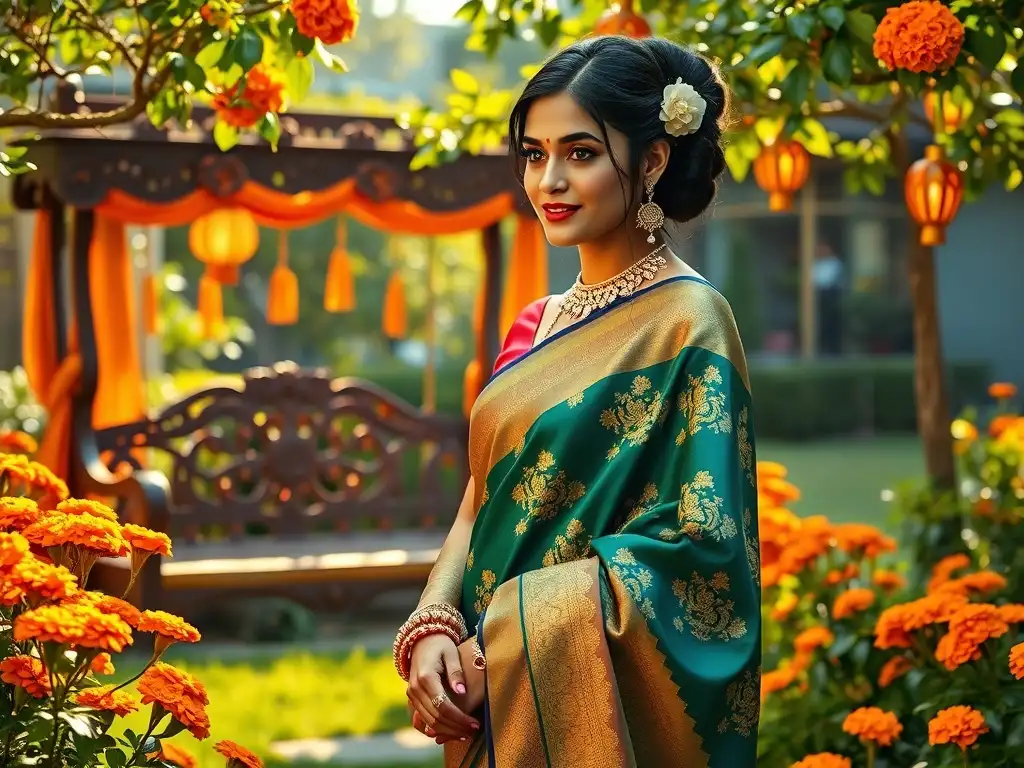
When it comes to traditional Indian silk attire for festivals, the options are both diverse and stunning. Here are some popular choices:
- Sarees: The quintessential Indian attire, silk sarees come in various styles, such as Banarasi, Kanjivaram, and Mysore silk. Each has its unique charm and can be draped in different ways to suit the occasion.
- Lehengas: A silk lehenga, often embellished with intricate embroidery or mirror work, creates a grand look that is perfect for festive celebrations. Pair it with a matching choli and dupatta for a complete ensemble.
- Salwar Kameez: A silk salwar kameez offers comfort without compromising on style. Choose designs with rich embellishments and vibrant colors to stand out during festivities.
- Anarkali Suits: These flowy, floor-length suits made from silk are ideal for a regal appearance. They can be styled with a statement belt or intricate jewelry to elevate the look.
Each of these options allows for individual expression while honoring the traditional roots of Indian fashion.
Mixing and Matching with Accessories
Accessories play a crucial role in elevating an Indian silk outfit for festive occasions. Here are some tips for mixing and matching accessories to achieve a cohesive look:
- Jewelry: Opt for traditional pieces like gold or silver jewelry that complements the silk fabric. Kundan, polki, or temple jewelry can add a touch of elegance. Don’t shy away from layering necklaces for a more dramatic effect.
- Footwear: Choose footwear that balances comfort and style. Juttis or mojaris in complementary colors can enhance the festive vibe while keeping you comfortable throughout the celebrations.
- Bags: Select a clutch or potli bag that matches your outfit. Look for options adorned with embroidery or embellishments that echo the details of your silk attire.
- Dupattas: A silk dupatta can add an additional layer of sophistication. Drape it in various styles to create different looks—try a traditional drape or a modern twist over one shoulder.
By thoughtfully curating accessories, you can create a harmonious and festive ensemble that showcases the beauty of Indian silk outfits while reflecting your personal style.
Occasion-Based Styling of Indian Silk
When it comes to styling Indian silk outfits, the versatility of this fabric allows for a range of looks suitable for various occasions. From traditional celebrations to modern-day workplaces, the elegance of silk can be adapted to fit every scenario. Here, we explore some key styling tips tailored for specific events to help you make the most of your Indian silk garments.
Styling Indian Silk for Weddings and Celebrations
Weddings and festive celebrations are the perfect opportunities to flaunt luxurious Indian silk. The rich colors, intricate patterns, and sumptuous textures of silk create an elegant statement that is hard to miss.
Best Indian Silk Outfits for Brides and Guests
- For Brides:
- Lehenga Choli: A classic choice featuring heavy embroidery and vibrant colors. Opt for fabrics like Banarasi or Kanjeevaram silk for an opulent look.
- Silk Saree: Timeless and regal, a silk saree with intricate borders can be draped in various styles, such as the traditional Nivi or the modern butterfly style.
- Anarkali Suits: Floor-length, flared silhouettes made from silk can provide an elegant and comfortable option for brides.
- For Guests:
- Silk Sarees: Choose lighter shades or pastel colors with subtle embellishments for an understated yet classy appearance.
- Silk Kurtas: Pair a silk kurta with churidar or palazzo pants. Adding a contrasting dupatta can enhance the ensemble.
- Dressy Silk Gowns: For a contemporary twist, opt for a silk gown with traditional motifs, perfect for cocktail receptions.
Office Wear: Incorporating Indian Silk into Professional Attire
Integrating Indian silk into your work wardrobe can elevate your professional appearance while maintaining a sophisticated vibe. The key is to keep the look polished and appropriate for the corporate environment.
How to Wear Indian Silk in a Corporate Setting
- Silk Blouses: Pair a tailored silk blouse with structured trousers or a pencil skirt. This combination is both professional and fashionable.
- Silk Tunics: A knee-length silk tunic worn over slim-fit pants can create a chic yet comfortable look. Opt for muted colors and minimal embellishments for a more formal appearance.
- Sarees: A silk saree can be styled in a corporate setting by choosing subtle prints or solid colors. Drape it in a way that maintains a neat silhouette, and pair it with a fitted blouse.
- Accessories: Keep accessories minimal. A statement watch or stud earrings can add elegance without overwhelming the outfit.
Incorporating Indian silk into your wardrobe allows for a unique blend of tradition and modernity, making it suitable for any occasion. Whether you're celebrating a grand event or navigating a busy workweek, the luxurious feel of silk will ensure you look your best.
Travel Outfits: Comfortable Yet Stylish Indian Silk
When it comes to travel, balancing comfort with style is essential, and Indian silk offers a perfect solution. The luxurious texture and breathable fabric make it an ideal choice for long journeys, whether you're flying across the country or embarking on a scenic road trip. With its lightweight properties, Indian silk can easily be styled into various outfits that ensure you look chic while feeling at ease.
Opting for travel outfits in Indian silk allows for versatility. A silk kurta paired with comfortable leggings or palazzo pants strikes the perfect balance between sophistication and relaxation. Additionally, a silk scarf can add a touch of elegance and can be used as a wrap or shawl when temperatures drop. Choosing vibrant patterns can also bring a cheerful vibe to your travel wardrobe, ensuring that you stand out wherever you go.
Lightweight Indian Silk for Travel-Friendly Fashion
Lightweight Indian silk is specifically designed to be travel-friendly, making it a preferred choice for many fashion-conscious travelers. Here are some key features that make it an excellent option:
- Breathability: Indian silk is naturally breathable, allowing air to circulate, which keeps you cool during hot weather.
- Packability: Lightweight silk can be easily folded and packed without taking up much space, making it perfect for luggage or carry-ons.
- Quick-Drying: If you find yourself in a situation where you need to wash your outfit on the go, lightweight silk dries relatively quickly, ensuring you are always ready for your next adventure.
- Wrinkle Resistance: Many lightweight silk fabrics are less prone to wrinkling, which means you can arrive at your destination looking fresh and polished.
To achieve a stylish yet functional travel outfit with lightweight Indian silk, consider the following tips:
- Layering: Utilize silk jackets or kimonos over simple tank tops or tees. This not only adds style but also provides warmth during chilly flights or evenings.
- Mix and Match: Pair a silk top with different bottoms, such as jeans, skirts, or shorts, to create multiple outfits from a few pieces.
- Accessorizing: Silk accessories, like scarves and headbands, can elevate your travel look while also serving practical purposes, such as keeping hair in place or adding an element of warmth.
Lightweight Indian silk is an exceptional choice for travel outfits. Its combination of comfort, style, and practicality ensures that you can enjoy your travels without compromising on fashion.
Accessories to Enhance Indian Silk Outfits
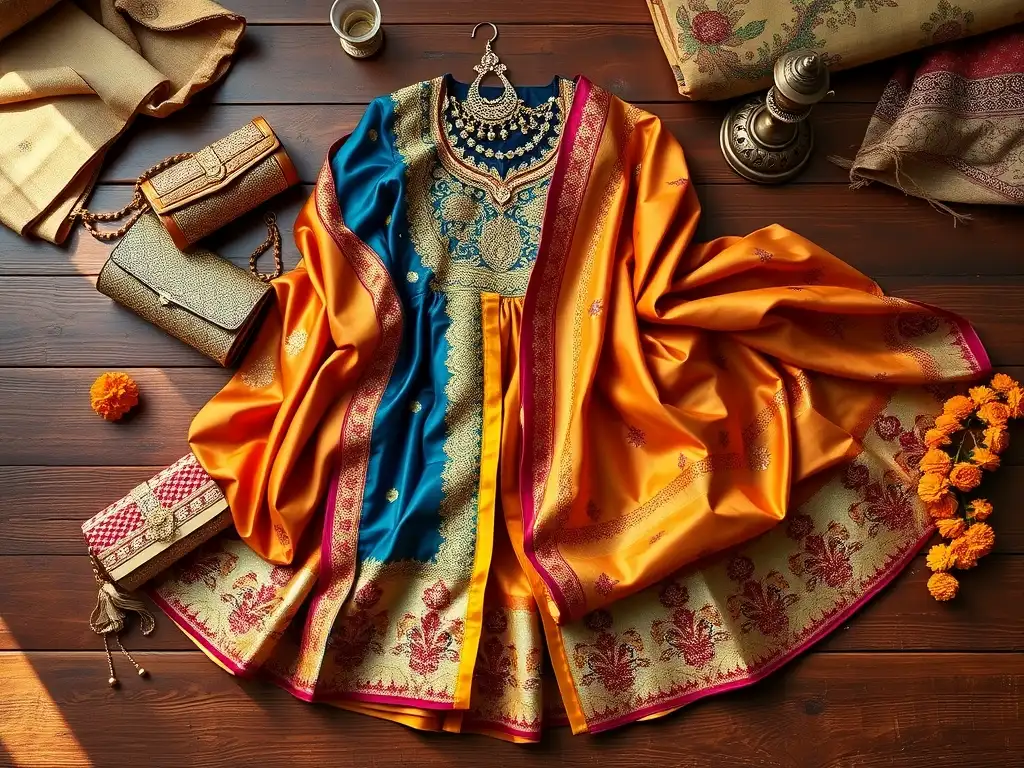
When it comes to styling Indian silk outfits, accessories play a crucial role in elevating the overall look. From jewelry to footwear, the right accessories can complement the luxurious texture and intricate designs of silk, making your ensemble truly standout. Here, we explore various options to enhance your Indian silk attire.
Jewelry Choices to Complement Indian Silk
Jewelry is an integral part of Indian fashion, especially when it comes to silk outfits. The right pieces can add elegance and charm, transforming a simple look into something extraordinary.
Traditional vs. Contemporary Jewelry Styles
- Traditional Jewelry:
- Kundan: This ancient form of Indian gemstone jewelry is perfect for adding a regal touch to silk garments. Kundan pieces often feature intricate designs and can be worn for weddings or festive occasions.
- Jhumkas: These traditional bell-shaped earrings beautifully frame the face and work well with sarees and lehengas. They are available in various sizes and designs, making them versatile for any occasion.
- Bangles: Stacking bangles, particularly in gold or with stone embellishments, can enhance the elegance of your silk outfit significantly. Opt for matching colors or contrasting shades for a vibrant look.
- Contemporary Jewelry:
- Minimalist Necklaces: Simple gold or silver chains with delicate pendants can add a modern twist to your silk ensemble without overwhelming it. These pieces are ideal for daytime events or casual outings.
- Statement Earrings: Bold, oversized earrings made from modern materials can create a striking contrast against the soft texture of silk outfits. These work well for parties or evening events where you want to make a statement.
- Layered Rings: Wearing multiple rings can add a trendy edge to your look. Choose rings with unique designs that catch the eye but do not distract from your silk attire.
Footwear Pairing for Indian Silk Attire
Footwear is another vital aspect of styling Indian silk outfits. The right shoes not only provide comfort but also enhance the overall aesthetic.
Best Footwear Options for Different Occasions
- Weddings and Formal Events:
- Traditional Mojaris: These handcrafted shoes, often adorned with embroidery or embellishments, pair beautifully with silk sarees and lehengas. They are comfortable yet stylish, making them a perfect choice for long events.
- Heeled Sandals: Elegant heeled sandals can add height and sophistication to your outfit. Opt for metallic colors that complement the hues of your silk attire.
- Casual Outings:
- Ballet Flats: Comfortable yet chic, ballet flats made from silk or embellished materials can be a great choice for casual events. They provide ease of movement while maintaining a stylish appearance.
- Kolhapuris: These traditional Indian sandals are not only comfortable but also versatile. They can be paired with silk kurtas or long skirts for a laid-back yet fashionable look.
- Festivals and Celebrations:
- Juttis: Decorative juttis are perfect for festive occasions. Their intricate designs and vibrant colors can enhance the beauty of silk outfits, making them ideal for celebrations.
- Block Heels: For those looking for comfort and style, block heels can offer stability while adding a touch of elegance to your ensemble, suitable for dancing and socializing at festivities.
By thoughtfully selecting accessories such as jewelry and footwear, you can effortlessly enhance your Indian silk outfits, making them suitable for any occasion.
Maintenance and Care for Indian Silk
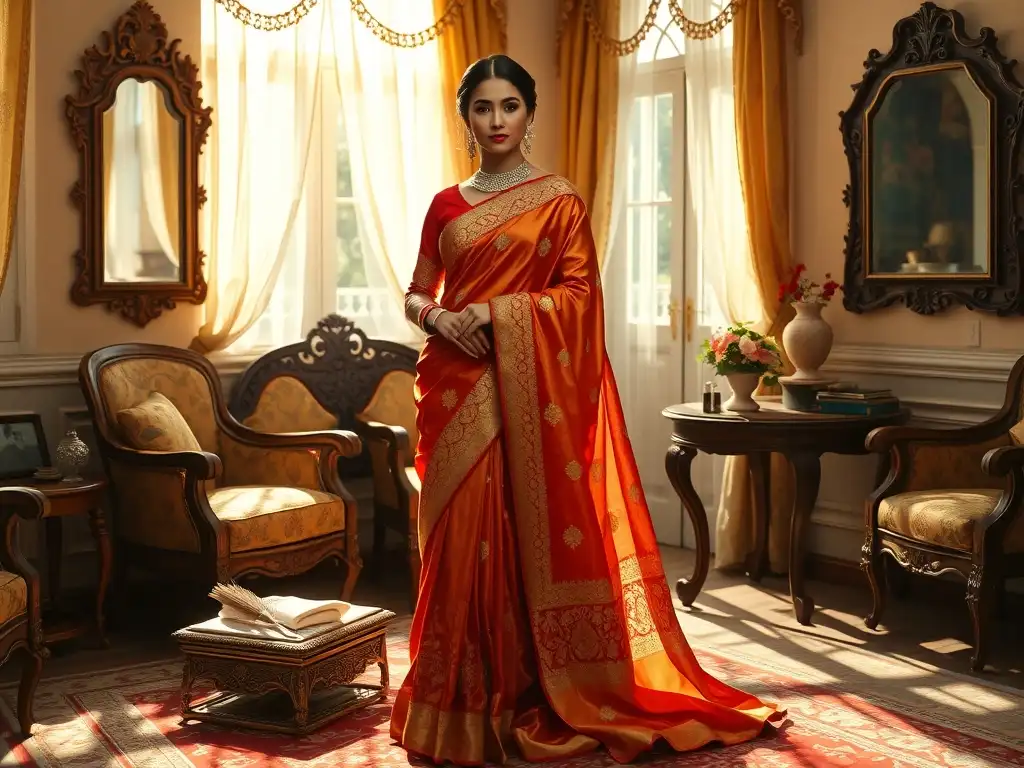
Silk is a luxurious fabric that requires special attention to maintain its beauty and longevity. Proper maintenance and care are essential to ensure that your Indian silk outfits remain vibrant and in excellent condition. Here are some key practices to help you preserve the elegance of your silk garments.
Tips for Washing and Storing Indian Silk Outfits
When it comes to washing Indian silk, caution is paramount. Here are some essential tips:
- Hand Wash Only:
- Always opt for hand washing silk garments to avoid damage from machine agitation. Use lukewarm water and a gentle detergent formulated for delicate fabrics.
- Avoid Harsh Chemicals:
- Steer clear of bleach or any strong cleaning agents. These can strip the fabric of its natural sheen and color.
- Soak and Rinse:
- Soak your silk for about 5-10 minutes, gently agitating the water. Rinse thoroughly with cool water until the detergent is completely removed.
- Drying Techniques:
- Never wring or twist silk to remove water. Instead, lay the garment flat on a clean towel and roll it up to absorb excess moisture. Then, hang it in a shaded area to dry, avoiding direct sunlight which can fade colors.
- Storage Solutions:
- Store silk outfits in a cool, dry place. Use breathable cotton garment bags to protect from dust and insects. Avoid plastic covers, as they can trap moisture and lead to mildew.
How to Preserve the Quality of Indian Silk
To maintain the luxurious quality of Indian silk over time, follow these preservation techniques:
- Regular Inspection: Periodically check your silk outfits for any signs of wear or damage, such as fraying seams or discoloration. Addressing issues early can prevent further deterioration.
- Avoid Friction: When wearing silk, be mindful of accessories that may snag or rub against the fabric. Opt for smooth, non-abrasive jewelry and bags.
- Use Silk-Safe Products: When applying perfumes or lotions, allow them to dry before putting on your silk outfit. This helps prevent stains and discoloration.
- Professional Cleaning: For heavily soiled or intricate silk garments, consider professional dry cleaning services that specialize in silk care. Always inform the cleaner about the fabric type to ensure the correct cleaning method is used.
- Iron with Care: If necessary, iron silk on the lowest heat setting. Use a thin cloth between the iron and the fabric to prevent direct contact, which can scorch the silk.
By following these maintenance and care guidelines, your Indian silk outfits will not only remain stylish but also retain their inherent beauty for many years to come. Embracing these practices ensures that you can enjoy the luxurious feel and elegance of silk in any occasion.
Where to Buy Authentic Indian Silk Outfits
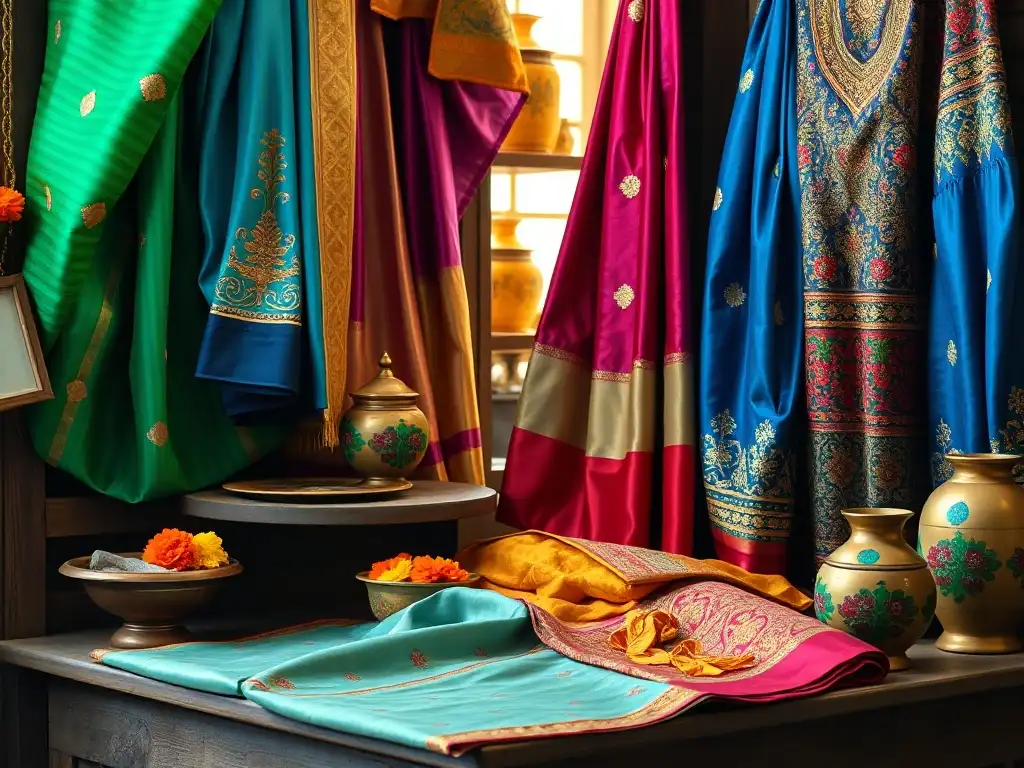
Recommended Online Stores for Indian Silk
In today's digital age, shopping for authentic Indian silk outfits has become more accessible than ever. Several online stores specialize in Indian textiles, offering a wide array of silk garments that cater to various tastes and occasions. Here are some highly recommended platforms:
- Amazon India
- A vast selection of silk sarees, lehengas, and kurtas.
- Customer reviews and ratings help gauge quality.
- Prime membership offers quick shipping options.
- Jaypore
- Focuses on handcrafted and artisanal silk garments.
- Features items from local artisans, providing a unique touch.
- Regularly updates collections with seasonal trends.
- Fabindia
- Known for its sustainable and organic fabrics.
- Offers a range of silk clothing, including ethnic wear and fusion styles.
- Emphasizes traditional craftsmanship.
- Utsav Fashion
- Specializes in Indian ethnic wear, particularly silk outfits.
- Provides a diverse choice of sarees, lehengas, and sherwanis.
- Offers international shipping for a global audience.
- Craftsvilla
- Highlights products from Indian artisans and weavers.
- A dedicated section for silk garments, promoting traditional weaving techniques.
- Supports local craftsmanship while ensuring authenticity.
Popular Brands and Their Collections
When looking for high-quality Indian silk outfits, certain brands stand out for their craftsmanship and design. Here’s a brief overview of some popular brands:
-
Sabyasachi
Renowned for luxurious silk sarees and bridal collections, Sabyasachi blends tradition with modern aesthetics.
-
Raw Mango
This brand celebrates the simplicity of silk, offering contemporary designs rooted in heritage. Their use of natural dyes and handcrafting techniques showcases the beauty of Indian textiles.
-
Anita Dongre
Known for eco-friendly practices, Anita Dongre’s collections often feature intricate silk outfits that reflect Indian culture and craftsmanship.
-
Bunaai
A rising brand that focuses on affordable yet stylish silk clothing, Bunaai offers a mix of traditional and contemporary designs suitable for casual and formal events.
Local Markets and Boutiques for Unique Finds
For those who prefer a hands-on shopping experience, local markets and boutiques offer a treasure trove of authentic Indian silk outfits. Exploring these areas not only provides a chance to find unique pieces but also allows for interaction with local artisans.
Tips for Shopping in Traditional Indian Markets
When shopping in traditional markets, consider these tips to enhance your experience:
- Bargaining: Don’t hesitate to negotiate prices, as bargaining is a common practice in many Indian markets.
- Examine Quality: Always check the fabric quality, ensuring it feels luxurious and has a good sheen characteristic of genuine silk.
- Ask About Weaving Techniques: Understanding the craftsmanship involved can provide insights into the outfit’s authenticity and uniqueness.
- Explore Different Styles: Traditional markets often carry regional styles. Take your time to explore various designs and patterns that may not be available online.
- Check for Certifications: For peace of mind, inquire about any certifications or tags that authenticate the silk as genuine.
By utilizing both online platforms and local markets, you can curate a stunning collection of Indian silk outfits that reflect the rich heritage and artistry of ancient Indian civilizations.
Conclusion: Embracing the Elegance of Indian Silk
The allure of Indian silk lies not only in its luxurious texture and vibrant colors but also in its deep cultural significance. As you embrace styling Indian silk outfits, you unlock a world of versatility and elegance that can enhance any occasion. Whether it’s a festive celebration, a formal gathering, or a casual outing, the right styling techniques can elevate your look and reflect the rich heritage of Indian craftsmanship.
Summary of Styling Tips for Indian Silk
To summarize, here are key styling tips for making the most of your Indian silk outfits:
- Choose the Right Silhouette: Understanding body shapes can help you select silhouettes that flatter your figure. Consider opting for flowy anarkalis or fitted lehengas based on your comfort and style preferences.
- Accessorize Thoughtfully: Pair your silk outfit with statement jewelry or minimalist accessories depending on the occasion. Remember, balance is key—if your outfit is heavily embroidered, opt for simpler accessories.
- Mix and Match: Experiment with layering silk pieces, such as pairing a silk dupatta with a cotton kurta, to create a unique look that combines comfort and style.
- Play with Colors and Patterns: Indian silk comes in a myriad of colors and patterns. Don’t shy away from bold prints or contrasting colors that reflect your personality.
- Footwear Matters: Your choice of footwear can make or break your outfit. Traditional juttis or modern heels can be chosen based on the formality of the event.
- Care and Maintenance: Always ensure proper care for your silk garments. Gentle washing and appropriate storage can keep your outfits looking pristine.
Encouragement to Explore and Experiment with Indian Silk
As you delve into the world of styling Indian silk outfits, remember that fashion is an expression of individuality. Don’t hesitate to explore various combinations, styles, and accessories that resonate with your personal aesthetic.
- Challenge Yourself: Try mixing traditional and contemporary styles; for example, wearing a silk sari with a modern belt can create an outstanding statement look.
- Attend Workshops and Fashion Shows: Engaging in fashion workshops or attending local Indian textile exhibitions can provide insights into the latest trends and give you inspiration on how to style your pieces effectively.
- Document Your Journey: Keep a fashion diary or a lookbook to track which combinations worked best. This can serve as a valuable resource for future outfit planning.
In conclusion, Indian silk is not just a fabric; it’s a timeless piece of art that can be styled in countless ways. Embrace its elegance and let your creativity shine through as you discover the beauty of Indian silk in your wardrobe.
Frequently Asked Questions
What are the key features of Indian silk outfits?
Indian silk outfits are known for their luxurious texture, vibrant colors, and intricate designs. The fabric drapes beautifully, making it perfect for both formal and casual wear.
How can I style Indian silk for a wedding?
For weddings, consider pairing silk sarees or lehenga cholis with statement jewelry and elegant footwear. Opt for bold colors and elaborate embroidery to make a stunning impression.
Are there any tips for wearing silk in everyday settings?
Yes! For casual occasions, you can style silk tops with jeans or trousers. Mixing silk with cotton or linen can create a comfortable yet chic look suitable for daily wear.
What accessories complement Indian silk outfits?
Accessories like jhumka earrings, clutch bags, and traditional bangles enhance the elegance of silk outfits. Choose pieces that match the outfit's colors for a cohesive look.
How do I care for my Indian silk garments?
To maintain their luster and quality, hand wash silk garments in cold water with mild detergent. Avoid direct sunlight and store them in a cool, dry place to prevent damage.
Final Reflection: Embracing the Elegance of Indian Silk
The timeless allure of Indian silk transcends mere fabric; it embodies a rich cultural heritage that resonates with contemporary fashion. As we navigate through an increasingly globalized world, the ability to style Indian silk outfits for any occasion allows us to celebrate our roots while embracing modern aesthetics. The versatility of silk not only enhances our wardrobe but also serves as a reminder of the craftsmanship and traditions that have stood the test of time.
The influence of Indian silk on the fashion landscape is profound, bridging the gap between tradition and modernity. From festive celebrations to casual outings, silk outfits have become a staple that reflects individuality and elegance. As we adorn ourselves in these exquisite garments, we participate in a narrative that honors artisans and their dedication. Fashion is the armor to survive the reality of everyday life.
– Bill Cunningham. This quote encapsulates the essence of how styling Indian silk can empower us, allowing us to express our identity and creativity.
As you consider your own wardrobe choices, I invite you to reflect on the stories woven into each silk piece you wear. How can you incorporate the elegance of Indian silk into your daily life? Whether you choose to experiment with bold colors or intricate patterns, remember that every outfit is an opportunity to celebrate your unique style and heritage. Let the beauty of Indian silk inspire you to embrace your individuality and share it with the world.
Unveil Your Style Potential with Indian Silk!
Thank you for exploring our fashion tips on styling Indian silk! We hope you've discovered delightful ways to elevate your wardrobe with this exquisite fabric. Now, it’s time to take your newfound knowledge and put it into action.
Here are a few specific steps you can take right now to embrace the beauty of Indian silk:
- Experiment with Combinations: Mix and match different silk pieces with your existing wardrobe. Consider pairing a silk dupatta with a classic t-shirt or draping a sari in a contemporary style for a fresh look.
- Share Your Creativity: Show off your unique styles on social media! Tag us @AncientIndiaHistory and inspire others to explore the elegance of Indian silk.
- Join Our Community: Connect with fellow silk enthusiasts! Participate in our upcoming online discussion about styling techniques and share your experiences.
What’s your favorite way to incorporate silk into your outfits? We would love to hear your thoughts in the comments below!