
The Role of Women in the Crafting of Traditional Indian Textiles

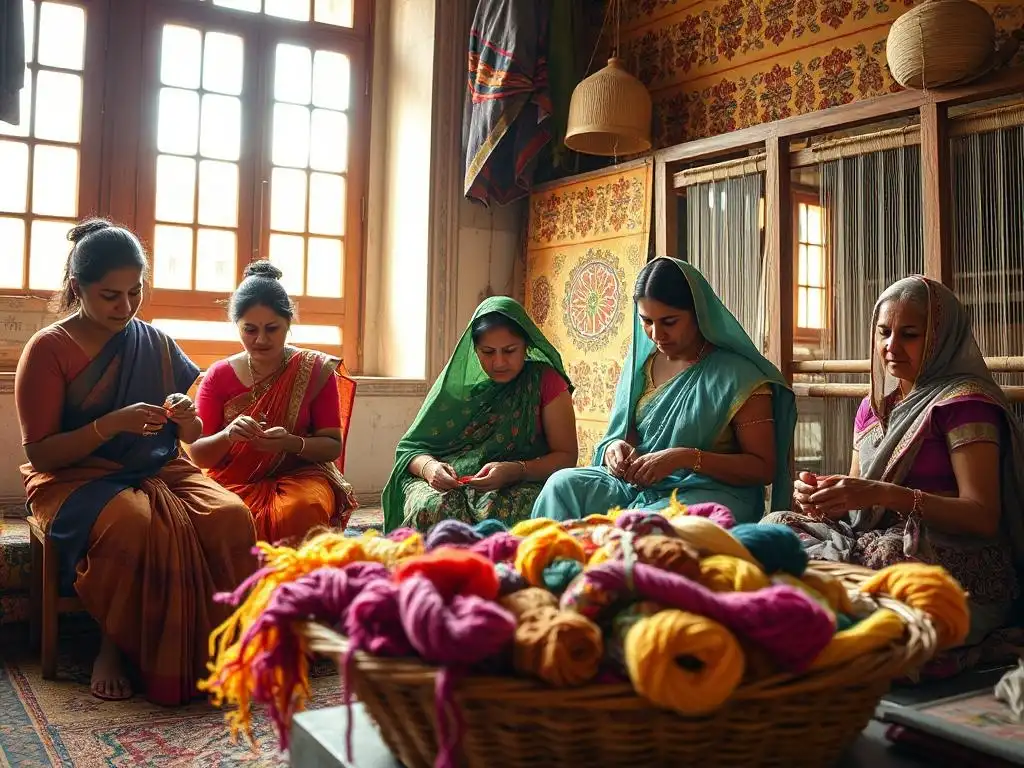
Welcome to Ancient India History, where we embark on a captivating journey through the rich tapestry of India’s past. In this exploration, we delve into the fascinating article, “The Role of Women in the Crafting of Traditional Indian Textiles.” Discover how the skilled hands of women shaped the vibrant patterns and intricate designs that not only reflect the cultural heritage of ancient civilizations but also tell stories of resilience and creativity.
As we unravel the significant contributions of these remarkable artisans, prepare to be inspired by the legacy they left behind. Join us on this enlightening path and uncover the profound impact of women in the world of traditional Indian textiles!
Introduction to Women in Traditional Indian Textiles
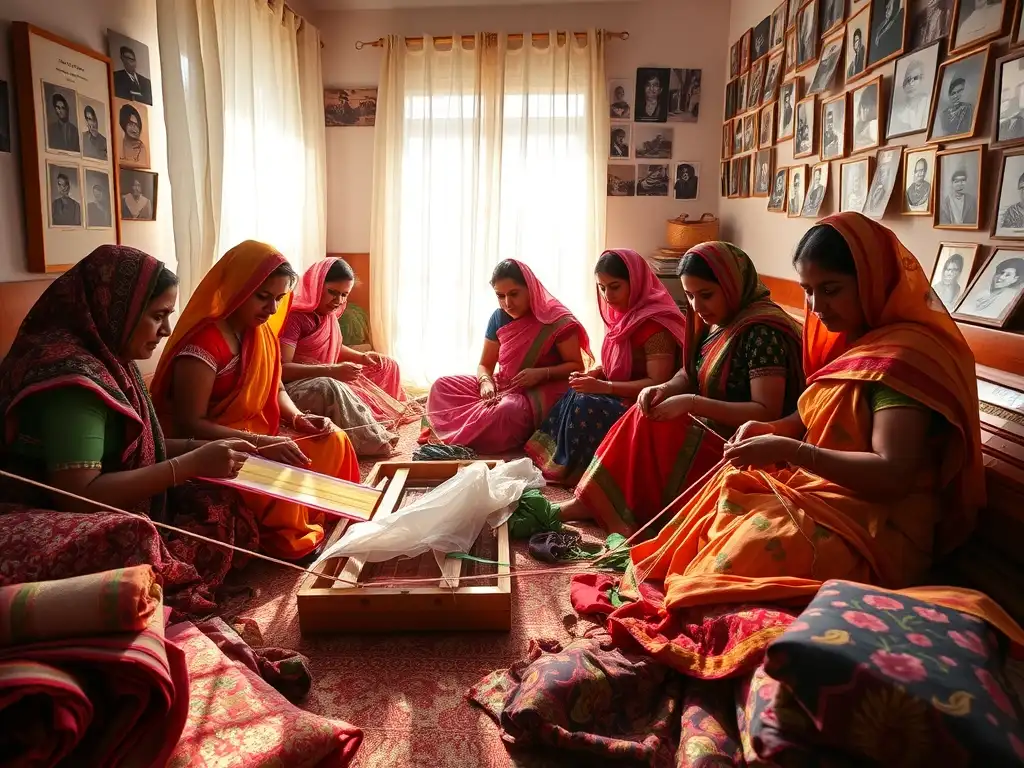
The narrative of women in traditional Indian textiles is a poignant reflection of both the cultural richness and the socio-economic dynamics of ancient India. From the intricate weaves of the Indus Valley Civilization to the delicate embroidery of the Mughal era, women have played a vital role in the crafting, preserving, and innovating textile techniques that define Indian heritage.
Historically, textile production was not merely a craft; it was an embodiment of identity, tradition, and artistic expression, heavily influenced by the skills and creativity of women. Their contributions extend beyond mere production; they have been custodians of knowledge, passing down techniques through generations, thus ensuring the survival of age-old traditions.
As we explore the multifaceted roles women have played in the realm of textiles, it becomes clear that their involvement has been both essential and transformative. This article delves into the historical context of women's contributions to textile production in India, tracing their impact from ancient civilizations through various socio-political changes over time.
Historical Context of Women in Indian Textile Production
Understanding the role of women in traditional Indian textiles requires a look into the historical context that shaped their involvement in this craft. The textile industry has deep roots in India, with evidence of textile production dating back thousands of years. Women have been integral to this industry, engaging in diverse roles that have evolved through different epochs of Indian history.
Ancient Civilizations and Textile Crafting
In ancient India, particularly during the Indus Valley Civilization (c. 3300–1300 BCE), women were pivotal in textile production. Archaeological findings suggest that cotton was cultivated and spun into thread, with evidence of early looms used for weaving. Women not only contributed to the physical labor of weaving but also played a crucial role in the cultural symbolism attached to textiles, which were often used in rituals and ceremonies.
As we move into the subsequent eras, such as the Vedic period, textiles became increasingly intertwined with social status and identity. Women, often seen as the primary caregivers and keepers of household traditions, were responsible for producing textiles that reflected their family’s status, skills, and cultural heritage. This practice set the groundwork for the establishment of textile techniques unique to various regions, showcasing local motifs and styles that were often passed down through matrilineal lines.
Evolution of Women’s Roles through Time
The evolution of women's roles in textile production continued to change with the rise of empires and shifts in social structures. During the Mughal era, for example, women’s contributions became more formalized, with royal patronage encouraging intricate embroidery and luxurious fabric production. Women were employed in royal courts and workshops, contributing to the aesthetic and economic prosperity of the textile industry.
However, the colonial period brought significant challenges. While many women lost their roles in traditional textile crafts due to the introduction of machine-made fabrics, others adapted and found new opportunities within the changing landscape. The resilience of women in preserving traditional techniques amidst industrialization speaks volumes about their commitment to their craft.
In modern times, the revival of interest in traditional textiles has allowed many women to reclaim their roles, not only as artisans but also as entrepreneurs, using their skills to sustain their communities and promote cultural heritage. Today, the narrative of women in traditional Indian textiles is not just one of labor; it is a testament to empowerment, resilience, and the enduring legacy of female creativity in shaping India’s rich textile history.
Techniques and Skills of Women in Traditional Indian Textiles
Women have played a pivotal role in the crafting of traditional Indian textiles, utilizing a rich array of techniques and skills passed down through generations. Their knowledge and expertise encompass various methods, including weaving, dyeing, and embroidery, each contributing to the vibrant cultural fabric of India. These artisanal skills not only reflect the creativity and craftsmanship of women but also their critical involvement in preserving and promoting traditional textile arts.
Within this diverse landscape, women have mastered intricate techniques that vary from region to region, each characterized by unique patterns and motifs. Their contributions are not merely functional; they imbue textiles with deep cultural significance, embodying stories, traditions, and identities. The commitment of women to their craft has ensured the continuity of these ancient practices, making them indispensable to the textile industry.
Weaving Techniques Used by Women
Weaving is one of the most significant textile crafts traditionally practiced by women in India. Various regions have developed distinct weaving techniques, often employing local materials and styles that reflect their cultural heritage.
- Handloom Weaving:
- Women artisans often work on handlooms, creating fabrics that are renowned for their quality and artistry. This method allows for intricate designs and patterns that machine-made textiles cannot replicate.
- States like West Bengal, Tamil Nadu, and Gujarat are known for their specific handloom products, such as Baluchari and Kanjeevaram sarees, which showcase elaborate motifs and vibrant colors.
- Regional Variations:
- Each region's weaving style tells a story, with techniques such as Ikats from Odisha and Andhra Pradesh, Brooks from Kashmir, and Sambalpuri weaves, each featuring unique patterns and color combinations.
- Women often utilize traditional looms, like the pit loom or frame loom, which allow for a range of weaving styles from simple to complex.
- Collaborative Practices:
- Many women work in cooperative groups, sharing resources and skills to enhance their weaving techniques. This collaborative spirit fosters community ties and strengthens the textile-making tradition within families.
Dyeing and Embroidery Skills
In addition to weaving, women have honed their skills in dyeing and embroidery, which are crucial in enhancing the aesthetic appeal of textiles.
- Natural Dyeing Techniques:
- Women often use natural dyes derived from plants, minerals, and insects, which not only produce beautiful colors but also reflect a sustainable approach to textile production. Techniques like tie-dye (bandhani) and block printing are prevalent, particularly in regions like Rajasthan and Gujarat.
- The knowledge of creating and applying these dyes is often passed down through generations, ensuring that traditional methods are preserved.
- Embroidery Styles:
- Various embroidery techniques, such as Zardozi, Kantha, and Chikan, are integral to traditional Indian textiles. Each style has its roots in specific cultural contexts, with women artists employing needlework to create stunning embellishments on garments and household textiles.
- The skillful use of embroidery not only enhances the beauty of the fabric but also serves as a means of storytelling, where each stitch conveys personal and communal narratives.
- Cultural Significance:
- The practices of dyeing and embroidery are not only artistic expressions but also hold cultural significance. Many designs and colors are symbolic, often used in ceremonial textiles or specific festivals, reflecting the rich tapestry of Indian culture.
Economic Impact of Women in Traditional Indian Textiles
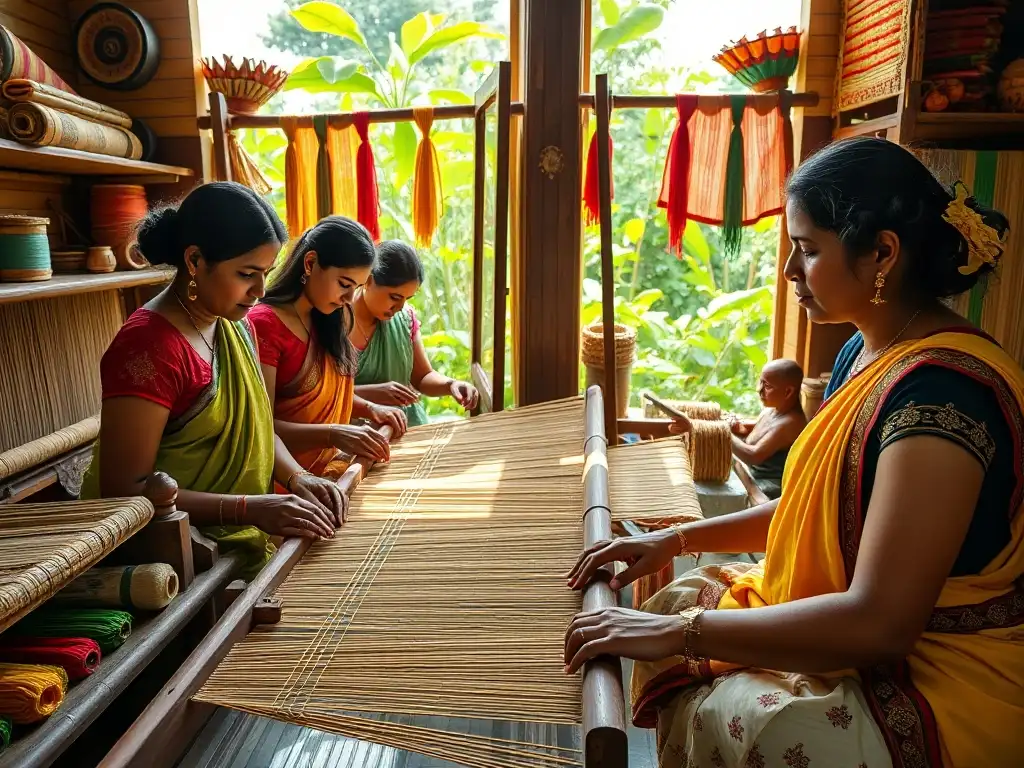
The involvement of women in traditional Indian textiles has far-reaching economic implications, influencing not only their own livelihoods but also the broader textile industry.
Women as Artisans and Entrepreneurs
As artisans, women contribute significantly to the textile economy, often acting as the backbone of the craft sector in various regions.
- Artisanal Production: Women often manage the production of textiles at home, which allows them to balance family responsibilities while contributing economically. Their work in creating high-quality textiles enhances market demand.
- Entrepreneurial Ventures: Many women transition from traditional roles to become entrepreneurs, establishing cooperatives or small businesses that promote their textile products. This shift empowers them economically, allowing for greater financial independence and community development.
- Market Participation: Women artisans frequently participate in local and national fairs, exhibitions, and online marketplaces, showcasing their skills and products. This visibility helps them access wider markets and gain recognition for their craftsmanship.
Empowerment through Textile Crafting
The crafting of traditional textiles is not just a source of income for women; it is also a means of empowerment and self-expression.
- Skill Development: Engaging in textile crafts allows women to develop valuable skills, fostering confidence and self-esteem. Learning techniques such as weaving and embroidery contributes to their personal growth and creativity.
- Cultural Identity: Through their work, women preserve their cultural heritage and pass it on to future generations. The act of crafting textiles reinforces their identity and connection to their community, serving as a medium for cultural expression.
- Community Support: Women involved in textile crafting often form support networks, offering each other guidance and assistance. This sense of community fosters solidarity and collective progress, empowering women to advocate for their rights and interests.
The role of women in traditional Indian textiles is multifaceted, encompassing artistic skills, economic contributions, and social empowerment. Their dedication to preserving and innovating textile traditions continues to shape the rich tapestry of India's cultural heritage.
Cultural Significance of Women in Traditional Indian Textiles
Women have played a pivotal role in the crafting of traditional Indian textiles, weaving not just fabric, but also the very fabric of cultural identity. The production of textiles in India has historically been a female-dominated field, where women have been both the artisans and the bearers of tradition. Their contributions extend beyond mere craftsmanship; they embody the cultural narratives, rituals, and heritage that textiles represent.
In many communities, textiles are a vital part of festivals, weddings, and daily life, often symbolizing social status, regional identity, and familial lineage. The intricate designs and patterns found in traditional textiles often tell stories of feminist strength, community bonding, and cultural history, highlighting the essential role women have played in shaping these narratives.
The vibrant colors and motifs seen in textiles often reflect local flora, fauna, and mythology, which are passed down through generations of women. This practice not only preserves these cultural stories but also reinforces the identity of the community, making women central figures in the continuation of cultural heritage.
Preservation of Heritage and Traditions
The craftsmanship of textiles is a living tradition, with women serving as custodians of their communities' heritage. Through their skills, they ensure that techniques such as weaving, dyeing, and embroidery are preserved and passed down to future generations. Many women learn these skills from their mothers and grandmothers, fostering a sense of continuity and belonging within their communities.
Groups of women often come together in cooperative societies to share their skills and knowledge, creating a supportive environment that nurtures both personal and communal growth. These cooperatives not only empower women economically but also serve as vital hubs for the preservation of traditional techniques that might otherwise be lost to modern industrialization.
Moreover, the motifs and patterns used in textiles often have deep cultural significance, representing the unique stories and identities of various communities. By maintaining these practices, women play a crucial role in keeping their heritage alive, allowing future generations to connect with their past.
Representation of Women in Textiles
The representation of women in traditional Indian textiles extends beyond the creators of the fabric; it is also reflected in the motifs and designs themselves. Many textiles feature images and symbols that celebrate feminine ideals, such as fertility, motherhood, and strength. These motifs serve to honor women's roles within their families and communities.
Additionally, textiles often depict historical and mythological women, serving as reminders of female power and influence in society. This representation not only empowers current generations of women but also helps to instill pride in their heritage and identity.
Despite these positive representations, it is essential to recognize that the role of women in textiles has often been marginalized in historical narratives. However, as interest in traditional crafts grows, there is an opportunity to highlight their contributions more prominently and ensure that women's voices are heard in discussions about textile production and design.
Contemporary Challenges Faced by Women in Textile Crafting
The landscape of traditional textile crafting is changing rapidly, presenting both challenges and opportunities for women artisans. As modernization and globalization take hold, traditional practices face threats that can undermine the very foundations of this important cultural craft.
Modernization and Globalization
The expansion of the global market has led to an increased demand for textiles, but it has also introduced challenges for traditional artisans. Mass production and fast fashion often overshadow handcrafted textiles, leading to a decline in the value placed on traditional skills. Women, who primarily engage in these crafts, find themselves competing against cheaper, machine-made alternatives that have flooded the market.
Furthermore, the pressure to keep up with global trends can result in the loss of traditional techniques and designs. Many artisans are forced to adapt their work to fit the demands of consumers, which can dilute the cultural significance of their craft. As a result, the authentic narratives and heritage embodied in traditional textiles are at risk of being overshadowed by commercial interests.
Efforts to Sustain Traditional Practices
In response to these challenges, various initiatives have emerged to support women artisans and sustain traditional textile practices. Non-governmental organizations (NGOs), government programs, and cooperative societies are working diligently to provide training, resources, and platforms for women to showcase their work.
These efforts often emphasize fair trade practices, ensuring that artisans receive fair compensation for their labor and that their crafts are marketed appropriately. By connecting women artisans with global markets while maintaining the integrity of their craft, these initiatives aim to empower women economically and socially.
Moreover, there is a growing movement to raise awareness about the value of traditional textiles, encouraging consumers to appreciate and support handmade products. By fostering a renewed interest in traditional crafts, these efforts not only help sustain the livelihoods of women artisans but also ensure that the rich cultural heritage of India continues to thrive.
Conclusion: The Future of Women in Traditional Indian Textiles
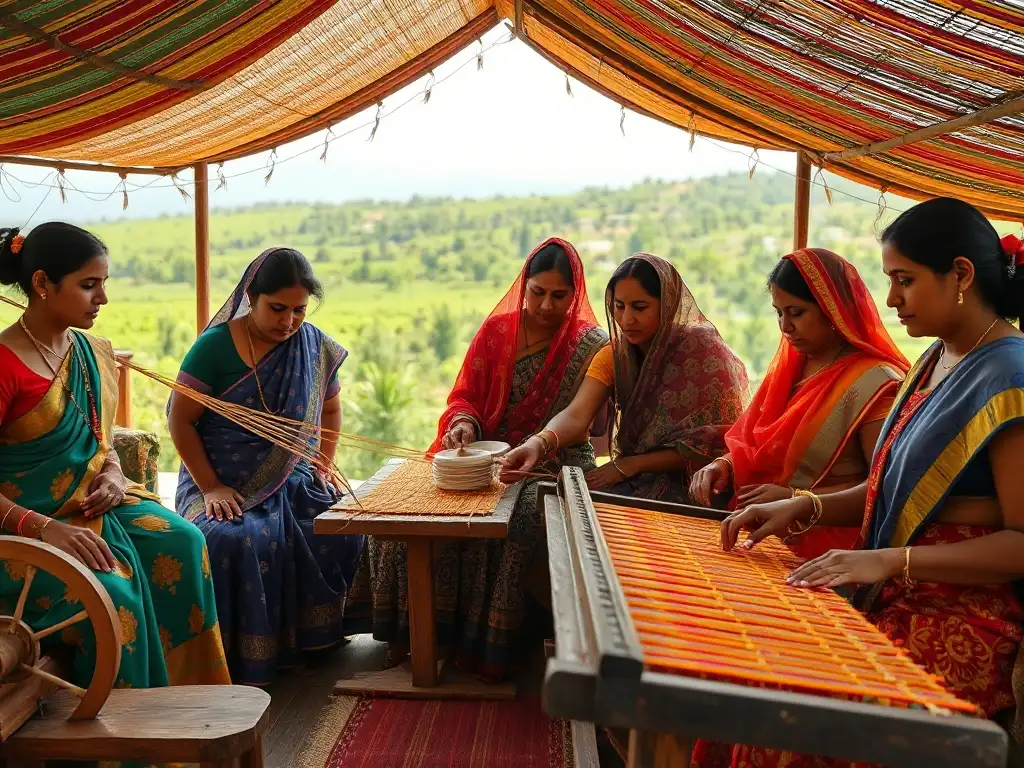
The role of women in the crafting of traditional Indian textiles has been pivotal throughout history, shaping not only the textile industry but also the cultural identity of various regions in India. As we look to the future, it is essential to recognize the importance of preserving these age-old traditions while also advocating for women's rights and empowerment in the textile sector.
In recent years, there has been a surge in initiatives aimed at promoting sustainable practices and fair trade within the textile industry. Women artisans, who have been the backbone of these crafts, are increasingly being recognized for their contributions. Programs that focus on skill development, economic independence, and access to markets are crucial for uplifting women in this field. By harnessing modern technology, such as e-commerce platforms, women artisans can reach a broader audience, allowing their crafts to flourish beyond local markets.
Moreover, the collaboration between traditional craftsmanship and contemporary design is paving the way for a renaissance in Indian textiles. Designers are increasingly integrating traditional techniques and materials into their modern collections, thus offering women artisans new avenues for creativity and income. This fusion not only preserves heritage but also showcases the versatility and relevance of traditional textiles in today's fashion landscape.
Ultimately, the future of women in traditional Indian textiles lies in a balanced approach that honors the past while embracing innovation and change. By supporting these artisans, valuing their work, and promoting gender equality, we can ensure that the legacy of women in traditional Indian textiles continues to thrive for generations to come.
References
- Bhattacharya, A. (2021). Women and Textile Craft in India: A Historical Perspective. Journal of Indian Culture, 34(2), 145-160.
- Kumar, R. (2020). Empowering Women through Weaving: The Role of Women Artisans in Indian Handloom. Textile Research Journal, 90(8), 1024-1035.
- Gupta, S. (2019). The Revival of Traditional Textiles: A Study of Contemporary Indian Designers. Fashion Theory, 23(4), 493-511.
- Bhatia, P. (2018). Sustainability in Textile Production: A Focus on Women Artisans. Indian Journal of Sustainability, 2(1), 66-75.
Additional Resources
- Books:
- Threads of Life: Silk in India by Rta Kapur Chishti
- Weaving Women’s Stories: The Power of Traditional Textiles in India by Ranjana Jha
- Documentaries:
- The Artisans of India - A documentary showcasing the lives and crafts of women artisans across India.
- Fabric of India - Explore the rich textile tradition of India and the women who keep it alive.
- Organizations:
- SEWA (Self-Employed Women’s Association): A trade union for women workers in the informal sector, promoting their rights and livelihoods.
- Dastkar: An organization dedicated to preserving traditional crafts and empowering artisans, including women in textile production.
These resources provide further insights into the critical role women play in the traditional Indian textile industry, their struggles, and their triumphs, and can serve as valuable tools for anyone interested in this fascinating aspect of Indian heritage.
- Introduction to Women in Traditional Indian Textiles
- Historical Context of Women in Indian Textile Production
- Techniques and Skills of Women in Traditional Indian Textiles
- Economic Impact of Women in Traditional Indian Textiles
- Cultural Significance of Women in Traditional Indian Textiles
- Contemporary Challenges Faced by Women in Textile Crafting
- Conclusion: The Future of Women in Traditional Indian Textiles
- References
- Additional Resources
- What is the significance of women in traditional Indian textiles?
- How did cultural practices influence women's roles in textiles?
- What are some traditional textiles associated with women's craftsmanship?
- How did the economic role of women in textiles evolve over time?
- What challenges do women artisans face in the textile industry today?
Frequently Asked Questions
What is the significance of women in traditional Indian textiles?
Women have played a crucial role in the crafting of traditional Indian textiles, often being the primary artisans and weavers, passing down skills through generations.
How did cultural practices influence women's roles in textiles?
Cultural practices deeply influenced women's roles, as they were often expected to create textiles for rituals, ceremonies, and daily use, embedding their work in societal traditions.
What are some traditional textiles associated with women's craftsmanship?
Traditional textiles such as saris, dupattas, and embroidered fabrics are often crafted by women, showcasing their skills in weaving and embroidery.
How did the economic role of women in textiles evolve over time?
Historically, women contributed to local economies through textile production, and their roles have evolved from household artisans to entrepreneurs in the modern market.
What challenges do women artisans face in the textile industry today?
Women artisans face challenges such as limited access to resources, market opportunities, and gender biases, impacting their ability to thrive in the textile industry.
Final Reflection: The Enduring Legacy of Women in Traditional Indian Textiles
The role of women in traditional Indian textiles is not just a historical footnote; it is a vibrant thread woven into the very fabric of our cultural identity. Today, as we witness a resurgence of interest in sustainable and artisanal practices, the contributions of women in this field are more relevant than ever. Their artistry and craftsmanship are not only preserving age-old traditions but also redefining them for contemporary audiences. This intersection of heritage and modernity highlights the profound impact women have had—and continue to have—on the textile industry.
Clearly, the influence of women in traditional Indian textiles extends beyond mere craftsmanship; it shapes social narratives and empowers communities. The stories of these women are often intertwined with the very essence of Indian culture, reflecting resilience and creativity. As we celebrate their contributions, we must also recognize the ongoing challenges they face in a rapidly changing world. Women are the backbone of our textile heritage, and their stories deserve to be told and celebrated.
This acknowledgment is crucial in fostering a deeper appreciation for their work and ensuring that future generations continue to honor their legacy.
As you reflect on the insights shared in this article, consider how you can support and uplift the women behind traditional Indian textiles in your own life. Whether through conscious consumer choices, advocacy for fair trade practices, or simply sharing their stories, you have the power to contribute to a more equitable future. Let us all take a moment to appreciate the artistry and dedication of these women, and commit to championing their role in preserving and evolving this rich cultural heritage.
Celebrate and Empower Women in Textile Traditions!
Thank you for joining us on this journey through the incredible role of women in the crafting of traditional Indian textiles! Your interest not only deepens your understanding but also supports the recognition of these remarkable artisans. Now it's time to take action and keep this legacy alive!
Here’s how you can make a difference:
- Support Local Artisans: Purchase handmade textiles or accessories from local markets or reputable online platforms that prioritize fair trade practices.
- Share the Story: Spread awareness by sharing this article with your friends and family on social media. Let's amplify the voices of these talented women together!
- Explore Further: Attend workshops or exhibitions focused on traditional textile arts to learn more and connect directly with the craftspeople.
What unique way will you celebrate and support the women behind India's rich textile heritage? ❤️