
The Influence of Geography on Traditional Indian Textile Patterns

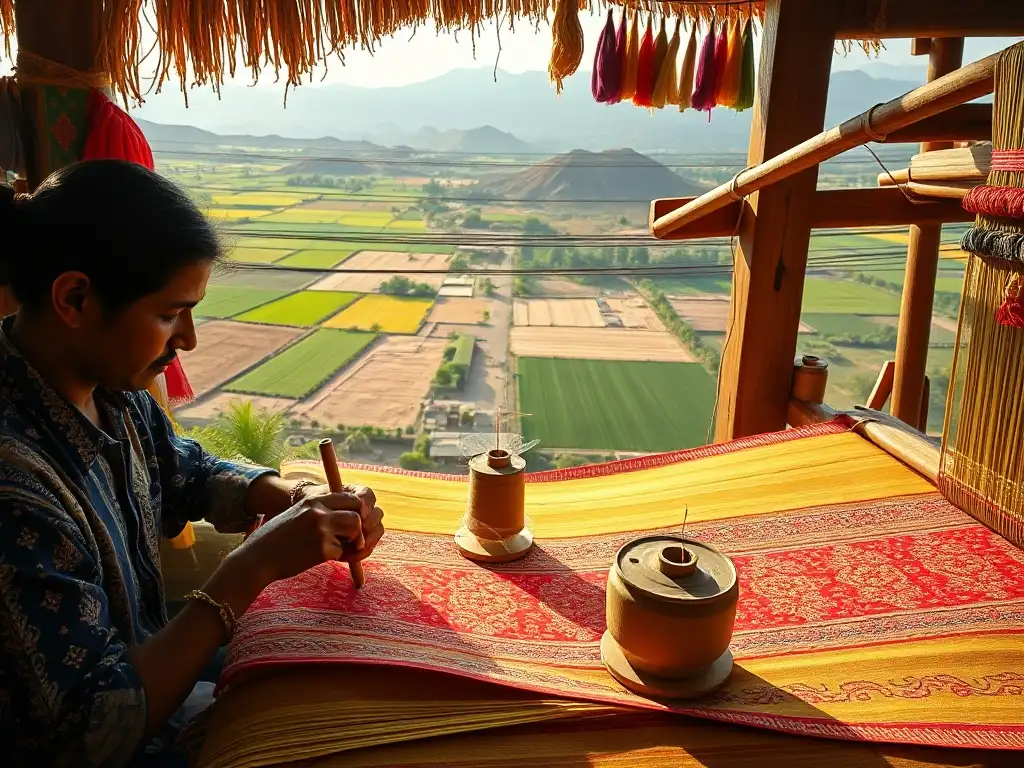
Welcome to Ancient India History, where we embark on a fascinating journey through the rich tapestry of India’s past. In this exploration, we invite you to uncover the intricate relationship between geography and traditional Indian textile patterns. How did the diverse landscapes of ancient India shape the vibrant fabrics and designs that have adorned its people for centuries? Join us as we delve into this captivating intersection of culture, art, and environment, revealing stories that are woven into the very fabric of Indian history. Your adventure into this colorful world of textiles begins now—read on to discover more!
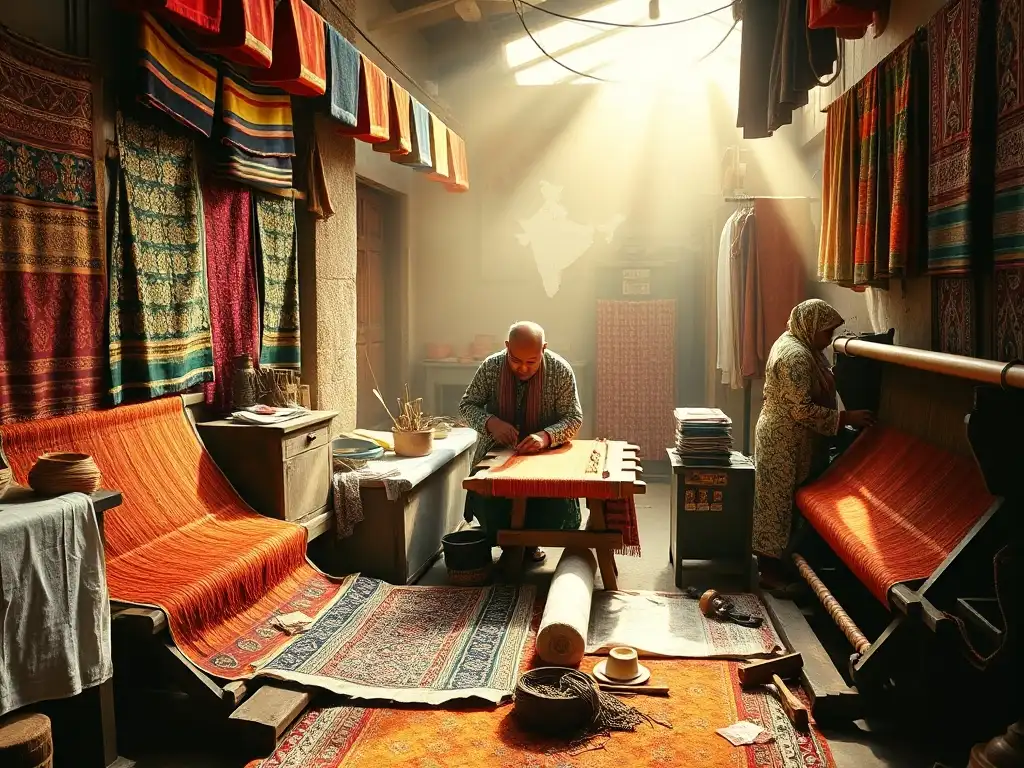
Introduction to Geography's Impact on Indian Textiles
The intricate world of Indian textiles is a vibrant tapestry woven from the threads of history, culture, and geography. Geography's impact on Indian textiles is profound, shaping not only the materials used but also the patterns, techniques, and colors that define each region's unique textile heritage. From the lush valleys of the Himalayas to the arid deserts of Rajasthan, the diverse landscapes of India have played a crucial role in determining the types of fibers cultivated, the motifs inspired by local flora and fauna, and the craftsmanship passed down through generations.
Each geographical region has contributed its distinctive style to the rich textile tradition, reflecting the local resources, climatic conditions, and cultural influences. For instance, the coastal regions are known for their vibrant cotton prints, while mountainous areas may favor woolen textiles.
Understanding this geographical influence provides a deeper appreciation for the intricate designs and techniques employed by artisans, as well as the stories embedded within each fabric. As we delve further into the historical context of Indian textiles, we will uncover how geography not only shaped the materials used but also influenced the societal and economic structures surrounding textile production.
Historical Context of Indian Textiles
The history of Indian textiles dates back thousands of years, with evidence of textile production found in archaeological excavations from the Indus Valley Civilization (c. 3300 – 1300 BCE). This early civilization showcased advanced techniques in weaving and dyeing, utilizing local resources such as cotton, which thrived in the region's climate. The discovery of terracotta spindles and woven fabric remnants indicates a sophisticated understanding of textile craftsmanship.
As time progressed, various dynasties and empires, including the Maurya and Gupta empires, influenced the evolution of textile art. The introduction of silk during the Silk Road trade not only diversified the materials available for textile production but also led to the fusion of styles as artisans experimented with new techniques. For example, the exquisite silk sarees of Varanasi and the intricate brocades of Gujarat emerged during this period, showcasing the influence of both geography and trade routes.
In addition to the materials and techniques, the patterns and motifs found in traditional textiles often reflect the cultural narratives of the regions. Local legends, religious beliefs, and natural surroundings inspired designs, making textiles a medium for storytelling. The Madhubani paintings of Bihar and the Warli art of Maharashtra, for instance, reveal how geography and culture intertwine to create distinctive textile expressions.
Through this exploration of the historical context of Indian textiles, we can appreciate how geography has shaped not only the materials and techniques but also the rich cultural narratives that continue to thrive in India's textile traditions today.
Major Geographical Regions and Their Textile Patterns
The diverse geographical landscape of India has played a critical role in shaping its traditional textile patterns. Each region, influenced by its climate, resources, and cultural heritage, has developed unique styles and techniques that are representative of their environment. Understanding these regional characteristics provides insight into the rich tapestry of Indian textiles and the cultural narratives they encapsulate.
The Himalayan Region
The Himalayan region, known for its rugged terrain and extreme weather conditions, has produced textiles that are not only functional but also deeply symbolic. The use of wool is predominant here, with local communities weaving warm shawls and blankets, often adorned with intricate patterns that reflect the natural surroundings.
- Materials: The primary material used is sheep wool, sourced locally, which is well-suited to the cold climate.
- Techniques: Techniques such as weaving and felting are common, with artisans employing traditional handlooms.
- Patterns: The designs often incorporate motifs inspired by the flora and fauna of the Himalayas, as well as geometric shapes that are significant in local folklore.
The Indo-Gangetic Plain
The Indo-Gangetic Plain, characterized by its fertile land and rich agricultural practices, has been a hub for textile production since ancient times. This region’s textiles are known for their vibrant colors and intricate embroidery.
- Materials: Cotton is the dominant fiber, benefiting from the region's agricultural abundance.
- Techniques: The use of block printing and embroidery techniques, such as Chikan and Zardozi, is prevalent, showcasing skilled craftsmanship.
- Patterns: Floral motifs, paisleys, and elaborate borders are common, often reflecting the region's lush landscapes and cultural influences from Mughal art.
The Western Desert of Rajasthan
The arid landscape of Rajasthan presents a unique set of challenges and inspirations for its textile artisans. The textiles produced here are known for their bold colors and mirror work, reflecting the vibrant culture of the desert.
- Materials: The region primarily utilizes cotton and silk, with local dyes derived from natural sources.
- Techniques: Tie-dyeing (Bandhani) and block printing are signature techniques, creating striking patterns that stand out against the desert backdrop.
- Patterns: Designs often feature geometric shapes and motifs representing local traditions, including images of camels and peacocks, embodying the spirit of the land.
The Coastal Regions of India
India’s coastal regions are rich in resources and have developed their textile traditions influenced by maritime trade and cultural exchanges. These textiles often showcase bright colors and intricate weaving techniques.
- Materials: Fabrics such as silk and cotton are commonly used, with coastal areas also producing distinctive types of fishnet textiles.
- Techniques: Weaving techniques include Kanchipuram silk weaving and the use of handlooms, with an emphasis on intricate patterns.
- Patterns: The motifs often draw inspiration from marine life, local flora, and the cultural heritage of coastal communities, highlighting the region's connection to the sea.
Key Elements of Traditional Indian Textile Patterns
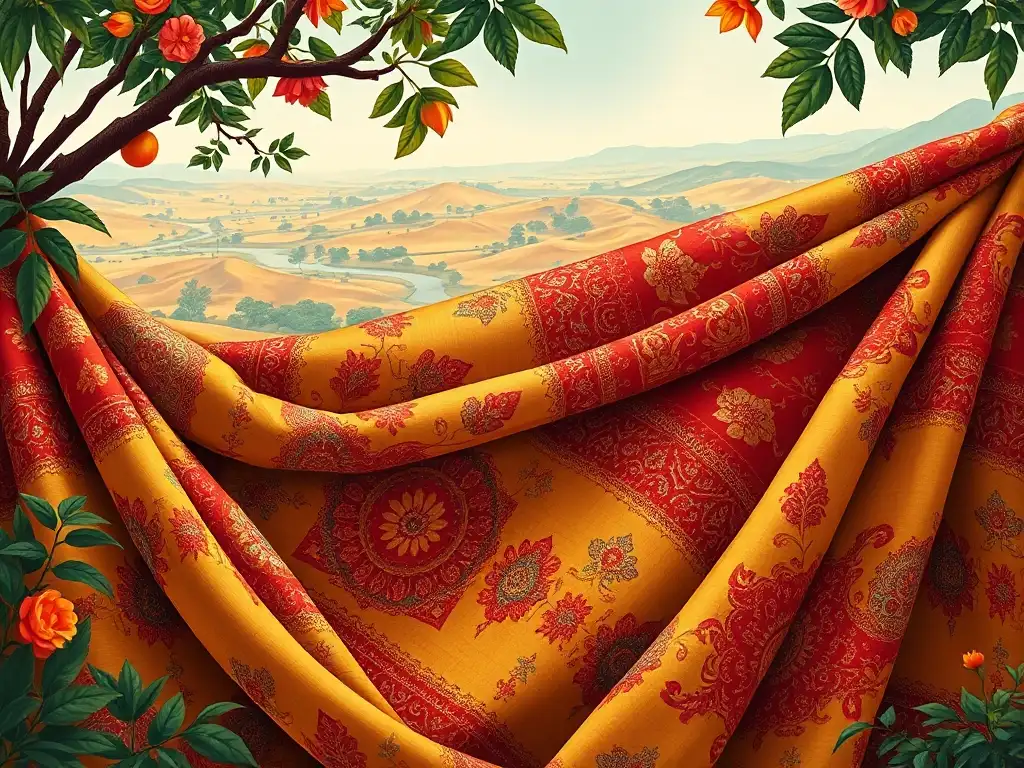
The patterns found in traditional Indian textiles are not mere decorative elements; they carry deep meanings and cultural significance. The motifs, symbols, and techniques used reflect the historical and geographical context of the regions they originate from.
Motifs and Symbols
Motifs and symbols in Indian textiles are rich with meaning, often rooted in religious and cultural narratives. Each design tells a story or represents a belief, serving as a medium for communication and expression.
- Floral Patterns: Common in many regions, these motifs symbolize beauty and nature, reflecting the abundance of flora in Indian landscapes.
- Geometric Shapes: Often found in textiles from the Himalayan and desert regions, these shapes can represent harmony and balance.
- Cultural Symbols: Many textiles incorporate symbols associated with local folklore, deities, and rituals, adding layers of significance to the patterns.
Dyeing Techniques
Dyeing techniques are crucial in defining the colors and vibrancy of Indian textiles. The methods vary significantly by region, often influenced by the local environment and available resources.
- Natural Dyes: Many traditional textiles utilize natural dyes extracted from plants, minerals, and insects, which not only provide rich colors but also align with sustainable practices.
- Tie-Dyeing: A popular technique in Rajasthan and Gujarat, tie-dyeing (Bandhani) involves knotting fabric before dyeing to create intricate patterns.
- Block Printing: This method, prevalent in the Indo-Gangetic Plain, involves stamping designs onto fabric using carved wooden blocks, allowing for elaborate patterns and vibrant colors.
Through the lens of geography, the influence on traditional Indian textile patterns becomes evident, showcasing the harmonious relationship between the environment, culture, and craftsmanship.
The Role of Geography in Craftsmanship and Weaving Techniques
Geography plays a crucial role in shaping the craftsmanship and weaving techniques of traditional Indian textiles. The diverse landscapes of India, ranging from the mountainous regions of the Himalayas to the coastal plains of the south, influence not only the materials available but also the methods employed by artisans. For instance, the availability of cotton in the plains of Gujarat has led to the region being recognized for its fine cotton textiles, such as the famous Bandhani and Patola saris.
Furthermore, regional climates dictate the choice of dyes and fibers; the arid climate of Rajasthan encourages the use of natural dyes derived from local flora, while the humid conditions of Kerala facilitate the growth of specific types of silk. These geographical factors contribute to a wide array of textile patterns and techniques, making each region's textiles a unique reflection of its environment and culture.
Artisans often incorporate local motifs and symbols into their work, which may represent the geography itself, such as flora and fauna native to the area. This reflects not only the natural beauty of the regions but also the cultural heritage, as stories and traditions are woven into the very fabric of the textiles.
Regional Weaving Techniques
India's vast geography has led to the development of distinct regional weaving techniques that highlight local aesthetics and resources. Each region boasts its own specialty, influenced by cultural practices and available materials.
- Northeast India: The tribes of the Northeast, such as the Nagas and Manipuris, are known for their vibrant handloom fabrics, which often feature geometric patterns and motifs reflecting their rich cultural heritage. Techniques like ikat are prevalent here, where dyeing is done before weaving to create intricate designs.
- Punjab: The traditional phulkari embroidery of Punjab is characterized by its floral designs, often created using vibrant silk threads. The region's agricultural backdrop and community festivals heavily influence the motifs used in these textiles.
- Gujarat: The kutch region is famous for its mirror work and embroidery techniques, such as Rabari and Sindhi, which are often incorporated into textiles like quilts and shawls. The geographical isolation of the Kutch region has preserved its unique textile practices.
- Tamil Nadu: Known for its Kanchipuram silk sarees, the region utilizes techniques passed down through generations, with intricate designs and high-quality silk that reflects the area's rich cultural and religious traditions.
The interplay between geography, local resources, and cultural practices ensures that the craftsmanship of Indian textiles remains diverse and rich, allowing artisans to adapt their techniques to suit their environment.
Impact of Geography on Textile Accessibility
The accessibility of textile materials is profoundly impacted by geography, shaping the evolution of traditional textile practices across India. Different regions have their unique resources, influencing the types of fibers and materials used in textile production.
- Cotton and Jute: The fertile river basins of Gujarat and Maharashtra provide ample cotton, making these regions hubs for cotton textiles. Similarly, jute is predominantly harvested in West Bengal, which has led to the prevalence of jute-based products in the local textile industry.
- Silk Production: The mulberry trees necessary for silk farming thrive in the southern states of Karnataka and Tamil Nadu, fostering a rich tradition of silk weaving. The availability of local silk material has allowed for the flourishing of complex weaving techniques and designs unique to these areas.
- Natural Dyes: The availability of natural dye sources is closely tied to the geography of the region. For example, indigo dye is derived from plants that grow in specific climatic conditions, making it more accessible in certain areas, such as Gujarat and Rajasthan.
The geographical distribution of these resources not only shapes the local textile industry but also influences trade routes and patterns. Regions rich in textile resources often become trade centers, enhancing their economic significance and cultural exchange.
Modern Implications of Geography on Indian Textiles
In the contemporary landscape, the influence of geography on Indian textiles continues to evolve, adapting to modern trends and global demands. The interplay between traditional practices and contemporary innovation is reshaping the textile industry.
Contemporary Trends in Textile Design
Modern Indian textile design often reflects a fusion of traditional techniques with contemporary aesthetics, influenced by both local and global trends. Designers are increasingly drawing inspiration from regional craftsmanship while integrating modern sensibilities to appeal to a broader audience.
- Sustainable Practices: With a rising awareness of sustainability, many designers are turning to locally sourced materials and eco-friendly dyes, often inspired by traditional practices that have long utilized natural resources. This trend not only honors the heritage of Indian textiles but also promotes environmental consciousness.
- Global Influence: The globalization of fashion has led to the incorporation of international styles and patterns into Indian textiles. Designers are experimenting with cross-cultural motifs, creating unique pieces that cater to a diverse market while still paying homage to their roots.
- Technological Innovations: Advancements in technology allow for more efficient production methods while preserving traditional craftsmanship. Digital printing, for example, enables the replication of intricate designs, broadening the scope of what can be achieved in textile design.
The Global Market and Indian Textiles
The global market has increasingly recognized the value of Indian textiles, driven by their rich heritage and craftsmanship. The geographical diversity of India allows for a wide range of products that cater to different tastes and preferences.
- Export Opportunities: Indian textiles are in high demand worldwide, particularly in markets that value artisanal and handmade products. Exports of textiles, such as sarees, shawls, and handloom fabrics, contribute significantly to the Indian economy.
- Cultural Exchange: The global interest in Indian textiles promotes cultural exchange, as artisans and designers collaborate with international brands, leading to innovative designs that blend traditional methods with contemporary styles.
- Challenges and Adaptations: While the global market presents opportunities, it also poses challenges, such as competition from mass-produced textiles. To thrive, Indian artisans must adapt by emphasizing quality, uniqueness, and the storytelling aspect of their products, ensuring that the cultural significance of their textiles is not lost.
Geography's impact on Indian textiles is profound, shaping everything from craftsmanship and techniques to modern trends and global market dynamics. As the industry continues to evolve, it remains rooted in the rich tapestry of India's diverse landscapes and cultural heritage.
Conclusion
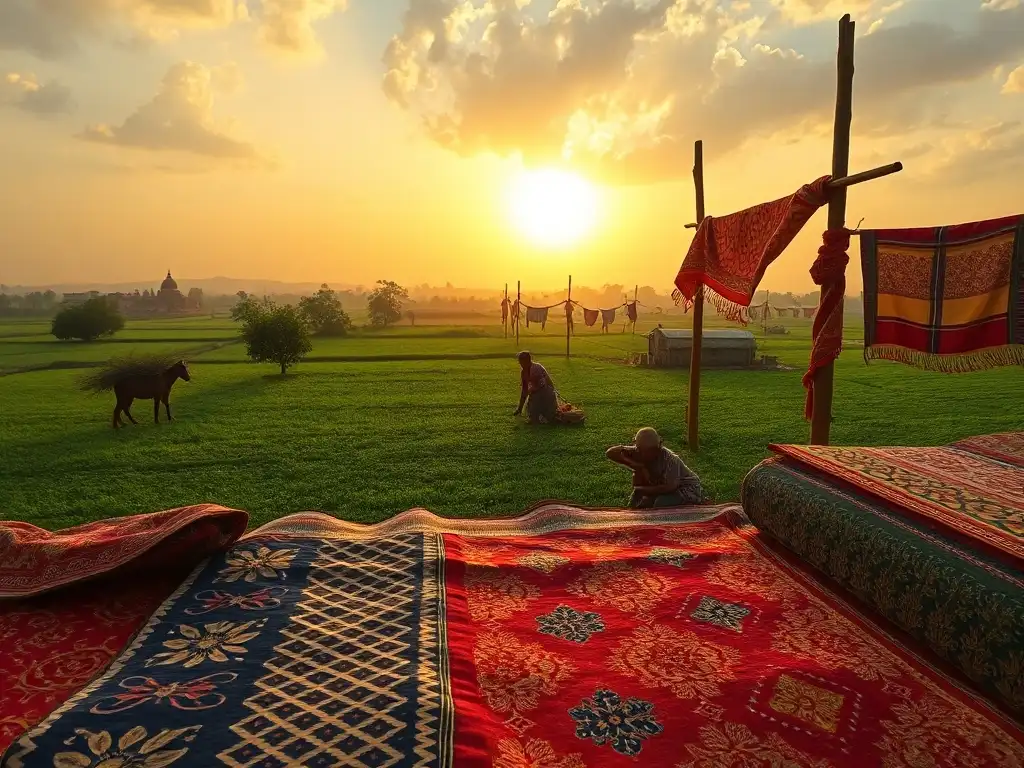
The intricate relationship between geography and traditional Indian textile patterns is a testament to the adaptive nature of Indian craftsmanship. From the vibrant colors inspired by the arid landscapes of Rajasthan to the intricate motifs reflecting the lush greenery of the southern states, geography plays an undeniable role in shaping the aesthetics and techniques of textile production. Each region contributes its unique identity to the fabric of Indian textiles, showcasing a blend of culture, environment, and artistry.
Understanding this connection not only enriches our appreciation for these textiles but also highlights the importance of preserving these traditional practices in the face of modern challenges. As we explore the vast tapestry of Indian textiles, it becomes clear that geography is not merely a backdrop but a vital component of the story that each piece of fabric tells.
References for Further Reading
-
Bhatia, R. (2010). Textiles of India: The Fabric of Our Culture. New Delhi: Art Books International.
An in-depth exploration of the diverse textile traditions across India, highlighting the influence of regional geography.
-
Choudhury, A. (2018). Weaving Stories: The Cultural Significance of Indian Textiles. Kolkata: Heritage Publishers.
This book discusses the narratives woven into Indian textiles, connecting them with their geographical roots.
-
Kumar, S. (2015). The Art of Indian Textiles: A Historical Perspective. Mumbai: Indian Heritage Press.
A comprehensive overview of the historical evolution of Indian textiles, emphasizing geographical influences.
-
Nair, P. (2012). Patterns of the Land: Geographical Influences on Indian Handlooms. Chennai: South Asian Studies.
This work focuses specifically on how different landscapes have shaped textile patterns and techniques in various Indian regions.
Call to Action
Are you fascinated by the intricate relationship between geography and traditional Indian textiles? Explore our curated collection of articles and resources that delve deeper into this vibrant subject. Whether you're a textile enthusiast, a student of history, or simply curious about the rich heritage of India, there’s something here for everyone.
Join our newsletter for the latest insights into traditional Indian textiles and their cultural significance. Share your thoughts and experiences with us on our social media platforms, and let's celebrate the beauty and diversity of Indian craftsmanship together! 🌍🧵
- Introduction to Geography's Impact on Indian Textiles
- Historical Context of Indian Textiles
- Major Geographical Regions and Their Textile Patterns
- Key Elements of Traditional Indian Textile Patterns
- The Role of Geography in Craftsmanship and Weaving Techniques
- Modern Implications of Geography on Indian Textiles
- Conclusion
- References for Further Reading
- Call to Action
- What role did geography play in the development of traditional Indian textiles?
- How did the Indus Valley Civilization contribute to textile history?
- What are some examples of regional textile patterns influenced by geography?
- How did the Himalayan geography affect textile production?
- What was the impact of trade routes on Indian textiles?
Frequently Asked Questions
What role did geography play in the development of traditional Indian textiles?
Geography significantly influenced the types of natural resources available, shaping the materials and designs used in textile production across different regions.
How did the Indus Valley Civilization contribute to textile history?
The Indus Valley Civilization is known for its advanced techniques in cotton weaving and dyeing, which laid the foundation for later textile traditions in ancient India.
What are some examples of regional textile patterns influenced by geography?
Regions like Kutch and Gujarat are famous for their bandhani and block printing, reflecting the local environment and resources available, such as vegetable dyes.
How did the Himalayan geography affect textile production?
The Himalayan geography facilitated the use of wool from local sheep, leading to unique textile patterns and techniques, such as pashmina weaving, which are distinct to that region.
What was the impact of trade routes on Indian textiles?
Trade routes allowed for the exchange of textile techniques and materials, enhancing the diversity of patterns and styles, as seen in the fusion between local and foreign influences.
Final Reflection: The Tapestry of Geography and Tradition
The intricate relationship between geography and traditional Indian textile patterns is not just a historical curiosity; it is a living testament to how our environment shapes culture and identity. As we navigate a world increasingly disconnected from its roots, understanding this connection becomes vital. The vibrant hues and intricate designs of Indian textiles serve as a reminder of the landscapes that inspired them, urging us to appreciate the profound impact of our surroundings on artistic expression.
The influence of geography on Indian textiles is a reflection of the diverse cultural tapestry that defines the subcontinent. From the arid deserts of Rajasthan to the lush valleys of Kashmir, each region's unique characteristics have birthed distinct textile traditions that resonate with the local identity. This ongoing dialogue between place and pattern continues to inspire contemporary artisans and designers, bridging the gap between tradition and modernity.
As Mahatma Gandhi once said, "> The best way to find yourself is to lose yourself in the service of others." This sentiment echoes in the way these textiles serve not only as art but as a means of livelihood and cultural preservation for many communities.
As we reflect on the lessons embedded in the patterns and weaves of Indian textiles, let us consider how we can honor and integrate these insights into our own lives. Take a moment to explore the stories behind the fabrics you encounter, and recognize the geographical narratives that shape them. By doing so, you not only enrich your understanding of the world but also contribute to a greater appreciation for the artistry that surrounds us. Embrace the call to connect with your environment, and let it inspire your own creative journey.
Unveil the Rich Tapestry of Indian Textile Patterns!
Thank you for diving into the vibrant world of traditional Indian textile patterns and their geographical influences! We hope you enjoyed uncovering the intricate stories woven into each design. Now it’s time to take what you've learned and embrace the beauty of these textiles in your life.
Here are some exciting ways to connect with this rich heritage:
- Explore local artisans: Visit artisan markets or galleries in your area to discover handwoven textiles and support talented craftspeople.
- Share the knowledge: Discuss your newfound insights about Indian textiles with friends and family, or share this article on social media to spread awareness.
- Create your own design: Use inspiration from traditional patterns to craft your own fabric or art piece, bringing a touch of Indian history into your home.
How do you envision incorporating traditional Indian textile patterns into your everyday life?