
The Role of Scouts and Reconnaissance in Ancient Indian Military Operations

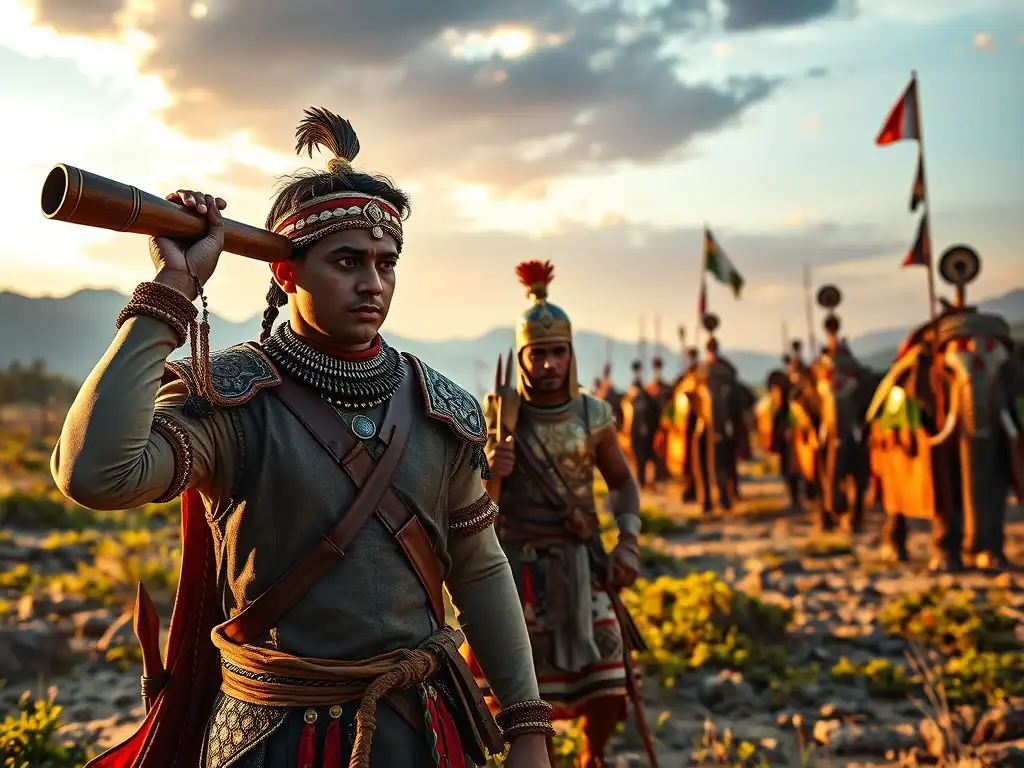
Welcome to Ancient India History, where we embark on an enthralling journey through time, unveiling the rich tapestry of cultures, innovations, and remarkable contributions of ancient Indian civilizations. Have you ever wondered how ancient Indian military strategies shaped the course of history? In our featured article, "The Role of Scouts and Reconnaissance in Ancient Indian Military Operations," we delve into the fascinating world of tactical ingenuity, exploring how these early warriors utilized intelligence and foresight to secure their victories. Get ready to uncover the secrets of the past that still resonate today—your adventure into ancient military history begins now!
Introduction to Ancient Indian Military Strategies
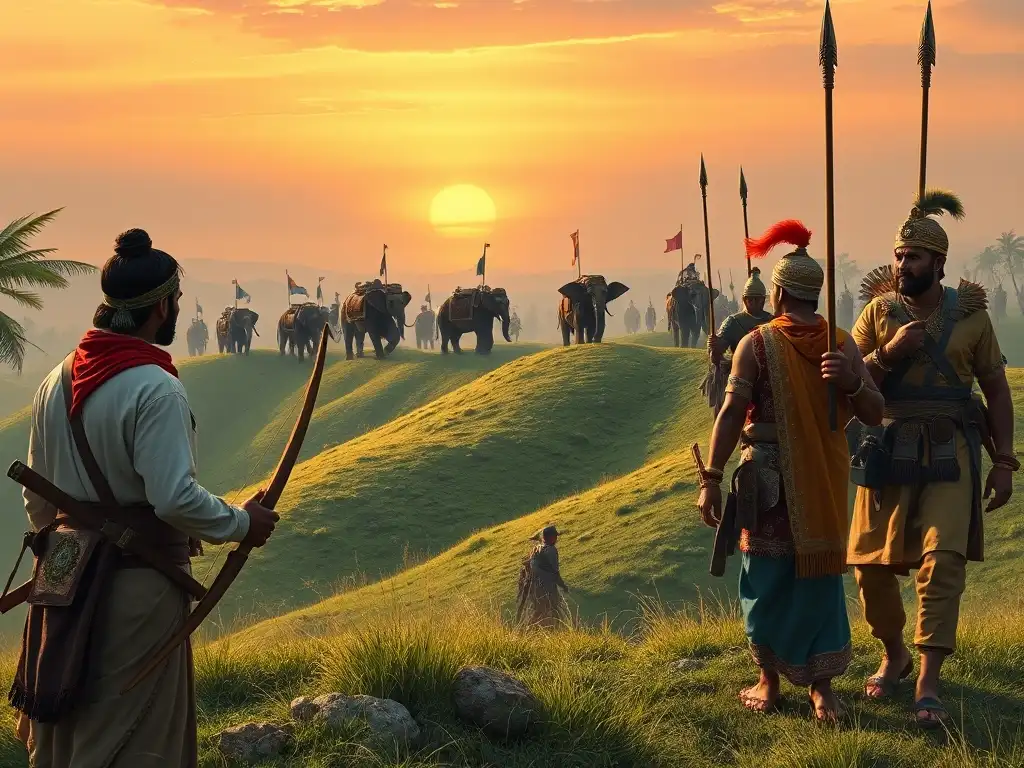
Ancient Indian military strategies were characterized by a remarkable blend of tactics, ingenuity, and adaptability, reflecting the diverse landscapes and cultures of the subcontinent. From the sophisticated urban planning of the Indus Valley Civilization to the expansive empires of the Mauryas and Guptas, military operations played a crucial role in shaping the political landscape of ancient India.
Among the various elements of these strategies, the roles of scouts and reconnaissance stand out as pivotal components that ensured effective communication and intelligence gathering. This article delves into how these practices were integrated into military operations, examining their significance in the broader context of ancient Indian warfare.
Overview of Military Operations in Ancient India
Military operations in ancient India were marked by complex formations and strategic maneuvers. Different kingdoms and empires employed various strategies tailored to their unique circumstances. Key aspects included:
- Formation of Armies: Various types of troops, including infantry, cavalry, and war elephants, were organized for both offensive and defensive operations.
- Logistics and Supply Chains: Efficient supply lines were established to ensure that troops had the necessary resources, showcasing advanced logistical planning.
- Use of Terrain: Commanders utilized the geographical features of the Indian subcontinent, such as mountains and rivers, to their advantage during battles.
These operations were often documented in ancient texts, providing insights into the strategies employed by different rulers.
Importance of Scouts in Military Strategy
Scouts held a critical role in military strategy during ancient Indian warfare. Their functions included:
- Intelligence Gathering: Scouts were responsible for collecting information about enemy movements and terrain, which was vital for planning attacks or defenses.
- Communication: They acted as messengers, relaying important orders and updates across the battlefield, ensuring coordination among troops.
- Surveillance: By monitoring enemy positions, scouts helped commanders make informed decisions, enhancing the likelihood of victory.
The effectiveness of military campaigns often hinged on how well commanders utilized their scouts and the intelligence they provided.
Historical Context of Scouts in Ancient India
The historical context of scouts in ancient India reveals a rich tradition of military innovation and adaptability. This section explores the evolution of military tactics and the key texts that documented these strategies.
Evolution of Military Tactics in Ancient Indian Warfare
Over centuries, military tactics in ancient India evolved significantly. Key developments included:
- Incorporation of New Technologies: The use of chariots and later, cavalry, transformed battlefield dynamics.
- Strategic Alliances: Forming alliances with local tribes and other kingdoms became a common tactic to bolster military strength.
- Adaptation to Warfare Styles: Indian armies adapted their tactics based on encounters with foreign invaders, learning from their strategies and techniques.
This evolution was often influenced by the changing political landscape and the emergence of new powers.
Key Texts and Records on Military Strategies
Several ancient texts provide invaluable insights into military strategies employed in ancient India. Notable among them are:
- Arthashastra: Written by Kautilya (Chanakya), this treatise covers various aspects of warfare, including the use of spies and scouts.
- Mahabharata: This epic not only narrates the Kurukshetra War but also discusses various military strategies and the role of intelligence in warfare.
These texts serve as primary sources for understanding the complexities of ancient Indian military strategies and the significant role that scouts played in them.
Types of Scouts in Ancient Indian Armies
In ancient Indian military operations, scouts played a pivotal role in gathering information and assessing enemy positions. Various types of scouts were utilized, each serving distinct purposes tailored to the needs of the army at that time. The most common types included:
- Cavalry Scouts: These scouts were typically skilled horsemen who could traverse vast terrains quickly. Their primary responsibility was to gather intelligence on enemy movements and report back swiftly.
- Foot Scouts: Often composed of infantry soldiers, foot scouts were tasked with infiltrating enemy territory. They relied on stealth and local knowledge to navigate through challenging landscapes.
- Specialized Scouts: Certain scouts specialized in specific tasks, such as navigating through forests or mountainous regions. Their expertise allowed them to gather detailed information regarding the geography and potential ambush sites.
- Mercenary Scouts: In some cases, armies employed local mercenaries who possessed intimate knowledge of the terrain. These scouts were invaluable for their insights into local customs and strategies that could be exploited.
By employing a diverse array of scouts, ancient Indian armies could enhance their military strategies, ensuring a more informed approach to warfare.
Different Roles of Scouts in Military Operations
The roles of scouts in ancient Indian military operations were multifaceted and critical to the success of campaigns. They were not merely messengers; their contributions were essential in various aspects of military strategy:
- Intelligence Gathering: Scouts were primarily responsible for collecting information on enemy strength, formations, and movements. This intelligence was vital for planning attacks or defensive strategies.
- Terrain Analysis: Understanding the battlefield was crucial, and scouts assessed the terrain to identify advantageous positions for their own troops or potential ambush points against the enemy.
- Psychological Warfare: By creating confusion and fear among enemy ranks, scouts could play a psychological role. Their presence alone could lead to paranoia, making the enemy more susceptible to surprise attacks.
- Communication: Scouts acted as important links between different units within an army. They conveyed messages and orders, ensuring coordination during operations, which was essential for effective military maneuvers.
- Surveillance: Continuous monitoring of enemy activities was a key role for scouts. Their ability to observe and report in real-time allowed commanders to adapt strategies dynamically.
Through these diverse roles, scouts significantly influenced the outcomes of battles and the overall effectiveness of ancient Indian military strategies.
Specialized Reconnaissance Units in Ancient Warfare
Ancient Indian military structures often included specialized reconnaissance units designed to enhance operational efficiency. These units were composed of highly trained individuals who focused on specific reconnaissance tasks:
- Spy Networks: Some armies utilized spy networks composed of individuals tasked with gathering intelligence within enemy territories. These spies would often disguise themselves as traders or travelers to avoid detection.
- Forest Scouts: Given the dense forests in parts of India, specialized scouts trained in jungle warfare were essential. They were adept at moving silently and blending into their surroundings, making them effective in gathering intelligence without being seen.
- Cavalry Reconnaissance Units: These units were specifically trained for rapid movement and reconnaissance missions. They could quickly scout vast areas and relay critical information back to commanders.
- Waterway Scouts: In regions with significant waterways, scouts specialized in naval reconnaissance played a vital role. They gathered intelligence on enemy naval movements and potential landing sites.
The integration of these specialized units allowed ancient Indian armies to adapt to diverse terrains and tactics, enhancing their overall military effectiveness.
Techniques and Methods of Reconnaissance
The effectiveness of reconnaissance in ancient Indian military strategies was heavily reliant on various techniques and methods that scouts employed. These practices ensured that armies could stay a step ahead of their adversaries.
Gathering Intelligence: Strategies Used by Ancient Indian Scouts
Ancient Indian scouts employed several strategies for gathering intelligence that informed military operations:
- Observation Posts: Scouts would establish vantage points from which they could observe enemy movements without being detected. This strategic placement allowed them to gather real-time intelligence.
- Local Informants: Scouts often relied on local inhabitants for information about enemy activities. Establishing rapport with locals provided crucial insights and enhanced the intelligence-gathering process.
- Decoys and Diversions: In some cases, scouts would use decoys to mislead enemy forces, drawing attention away from their true movements. This tactic helped to protect the main body of troops.
- Night Reconnaissance: Conducting operations under the cover of darkness was common. Scouts utilized the night to infiltrate enemy lines or gather information without risking detection.
These strategies exemplified the ingenuity of ancient Indian scouts, allowing them to operate effectively amidst the complexities of warfare.
Communication Methods Among Scouts and Commanders
Effective communication was vital for the success of reconnaissance operations in ancient India. Scouts developed several methods to relay information back to their commanders:
- Signal Fires: Scouts would use signal fires to communicate messages over long distances. Different smoke patterns or colors indicated specific information, such as enemy movements or the need for reinforcements.
- Drumming and Horn Signals: Sound was another crucial method. Drummers or horn players could relay messages across the battlefield, signaling various commands or alerts regarding enemy presence.
- Written Messages: In more organized armies, written messages were used to convey detailed intelligence. These messages were often carried by trusted scouts who could navigate back to the command center.
- Visual Signals: Hand signals and flags were also employed to communicate silently between scouts and commanders, especially during combat situations where noise could compromise their positions.
Through these communication methods, ancient Indian scouts ensured that vital information was relayed promptly and accurately, significantly contributing to the effectiveness of military strategies.
Case Studies of Successful Reconnaissance Missions

Throughout ancient Indian history, reconnaissance played a pivotal role in shaping military outcomes. Various case studies illustrate how scouts and reconnaissance missions significantly influenced battle strategies and decisions. One notable example is the Battle of Kalinga (circa 261 BCE), where Emperor Ashoka deployed scouts to gather intelligence on the enemy's strength and formations. The scouts provided crucial data about the Kalinga warriors' tactics, allowing Ashoka to devise a strategy that ultimately led to a decisive victory, albeit at a significant human cost.
Another significant case study is the Chola dynasty's campaigns in Southeast Asia. The Chola rulers employed skilled scouts who navigated the dense jungles and unfamiliar terrains of modern-day Indonesia and Malaysia. These scouts not only mapped the geography but also reported on local alliances and enemy troop movements. This intelligence allowed the Cholas to execute surprise attacks, leading to successful conquests and the expansion of their empire.
Notable Battles and the Role of Scouts
Several notable battles throughout ancient Indian history underscore the importance of scouts. In the Mahabharata, the Kauravas and Pandavas relied heavily on reconnaissance to outmaneuver each other. The Battle of Kurukshetra showcased how strategically placed scouts provided insights into enemy positions and troop strengths, enabling both sides to adapt their battle plans dynamically.
In the historical context of the Gupta Empire, scouts played a crucial role during the reign of Chandragupta II. He leveraged reconnaissance to assess the military capabilities of rival kingdoms, which informed his decisions during campaigns against the Shaka rulers. The scouts not only reported on the enemy's troop sizes but also gathered intelligence on their fortifications, which was essential for planning successful sieges.
Lessons Learned from Ancient Reconnaissance Efforts
The experiences from ancient Indian military operations highlight several key lessons regarding reconnaissance. Firstly, the importance of trained scouts cannot be overstated. Effective reconnaissance requires individuals who are not only skilled in navigation but also possess the ability to analyze and report findings accurately.
Secondly, adaptability in strategy is essential. Ancient commanders learned that the fluidity of battle necessitated real-time intelligence updates. As enemy movements shifted, so too did the need for scouts to adjust their focus and report new findings promptly.
Finally, the integration of reconnaissance into broader military planning proved vital. Ancient Indian leaders recognized that intelligence gathering was not merely a preliminary step but a continuous process that influenced tactical decisions throughout military campaigns.
Impact of Scout Intelligence on Military Strategies
The intelligence gathered by scouts fundamentally altered military strategies in ancient India. It allowed commanders to make informed decisions, avoiding ambushes and ensuring that they could capitalize on enemy weaknesses. For instance, the Mauryan Empire utilized scout intelligence to anticipate the movements of rival states, allowing them to secure advantageous positions before engaging in battle.
Moreover, the use of scouts facilitated deception tactics. By spreading misinformation or creating feints based on accurate intelligence, commanders could mislead their adversaries, causing them to misallocate troops or resources. This psychological aspect of warfare was crucial in battles where terrain and troop morale played significant roles.
How Reconnaissance Influenced Battle Outcomes
Reconnaissance directly influenced the outcomes of numerous battles by providing critical intelligence. During the Battle of the Hydaspes (326 BCE), Alexander the Great's scouts provided information on King Porus's forces and the river's conditions. This intelligence enabled Alexander to devise a crossing strategy that ultimately led to his victory, despite facing a formidable opponent.
Similarly, in the Siege of Pataliputra, reconnaissance helped the Gupta Empire assess the fortifications and supply routes of the enemy. This intelligence allowed them to cut off supplies and mount an effective siege, leading to a successful outcome.
The Strategic Value of Accurate Intelligence in Warfare
Accurate intelligence gathered through reconnaissance was strategically invaluable in ancient Indian warfare. It not only informed tactical decisions but also shaped broader military strategies. Commanders who had access to reliable information were better equipped to anticipate enemy moves and adjust their plans accordingly.
Furthermore, the strategic value of intelligence extended beyond immediate battle scenarios. It influenced diplomatic relations, as knowledge of rival states' strengths and weaknesses could lead to advantageous alliances or deter potential conflicts. Leaders who understood their adversaries were often able to leverage this knowledge for greater political stability and territorial expansion, securing their empires against external threats.
The role of scouts and reconnaissance in ancient Indian military operations was instrumental in shaping strategies and determining the outcomes of battles. The lessons learned and the case studies from this era continue to highlight the enduring importance of intelligence in warfare.
Comparison of Ancient Indian Scout Practices with Other Civilizations
Scouting and reconnaissance have been vital components of military operations across various civilizations, and ancient India was no exception. Indian scouts were often deployed to gather intelligence, assess enemy positions, and monitor troop movements. When comparing these practices with those of other civilizations, it’s evident that while techniques and technologies varied, the fundamental purpose remained consistent: to provide critical information that would shape military strategies.
For instance, the use of spies and scouts in ancient China, particularly during the Warring States period, parallels Indian practices. The Chinese military texts, such as Sun Tzu’s "The Art of War," emphasize the importance of reconnaissance for strategic advantage, much like the ancient Indian texts, including the Arthashastra by Kautilya, which also discusses the deployment of spies. Similarly, in the Roman Empire, scouts played an essential role in gathering intelligence on enemy forces, showcasing a universal understanding of the necessity of reconnaissance in warfare.
Similarities Between Ancient Indian and Other Military Strategies
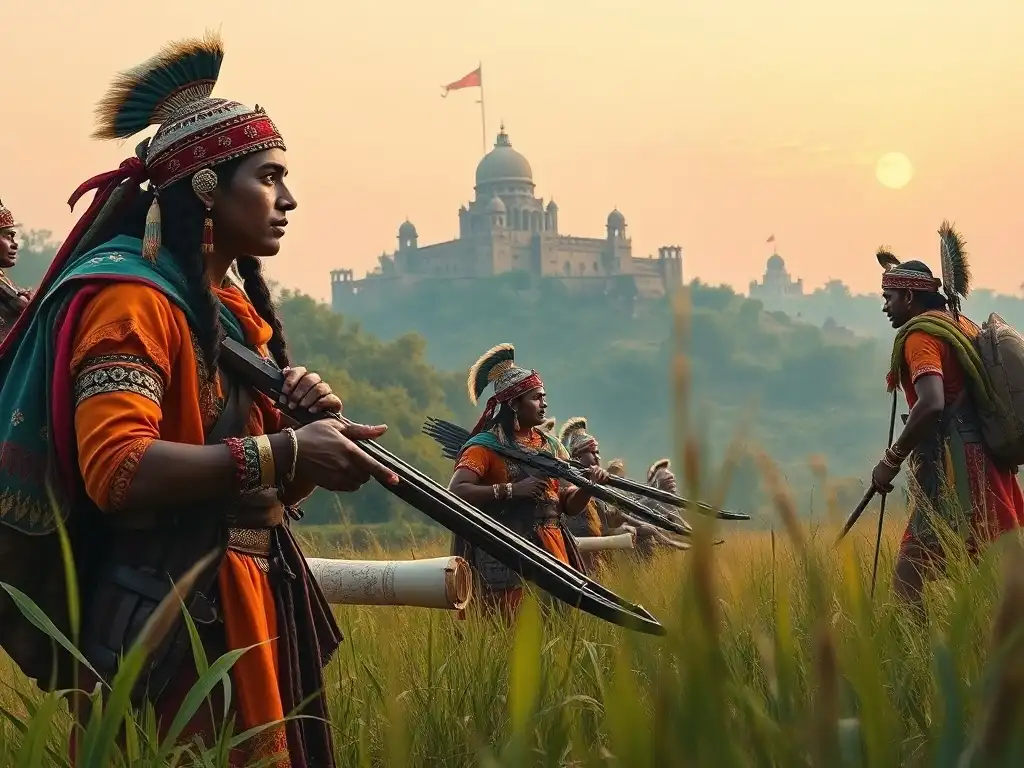
Ancient Indian military strategies shared several similarities with those of other ancient civilizations. The emphasis on intelligence gathering was a common thread, as understanding the enemy's capabilities and movements was crucial for successful military campaigns. Both Indian and Chinese armies utilized scouts not only for reconnaissance but also to spread misinformation and create psychological advantages over their opponents.
Moreover, the strategic use of terrain is another similarity. Just as the Greeks leveraged their knowledge of local geography to gain upper hands in battles, Indian generals employed scouts to identify advantageous positions and navigate difficult landscapes. This shared approach highlights a broader understanding of warfare across cultures, where intelligence and environmental awareness played pivotal roles in executing effective military strategies.
Unique Features of Indian Reconnaissance Tactics
While many civilizations employed scouts, ancient Indian reconnaissance tactics exhibited unique features that reflected the cultural and geographic context of the subcontinent. One distinctive element was the integration of local populations in scouting missions. Community scouts, often familiar with the terrain and local dynamics, provided invaluable insights that professional soldiers might lack. This grassroots approach not only enhanced the effectiveness of reconnaissance but also fostered relationships between military forces and local communities.
Additionally, Indian scouts were known for their adaptability and use of stealth. Employing methods such as disguising themselves as merchants or travelers allowed them to gather intelligence without raising suspicion. This tactical ingenuity is evident in various historical accounts where scouts managed to infiltrate enemy lines undetected, securing critical information that could turn the tide of battle.
Conclusion on the Significance of Scouts in Ancient Indian Military History
The role of scouts in ancient Indian military operations was integral to the effectiveness of military strategies. Their contributions extended beyond mere intelligence gathering; they played a crucial role in shaping the overall strategy and execution of military campaigns. By analyzing the terrain, gauging enemy strength, and providing timely information, scouts enabled commanders to make informed decisions, ultimately leading to successful outcomes in battles.
Summary of Key Points on Military Strategies
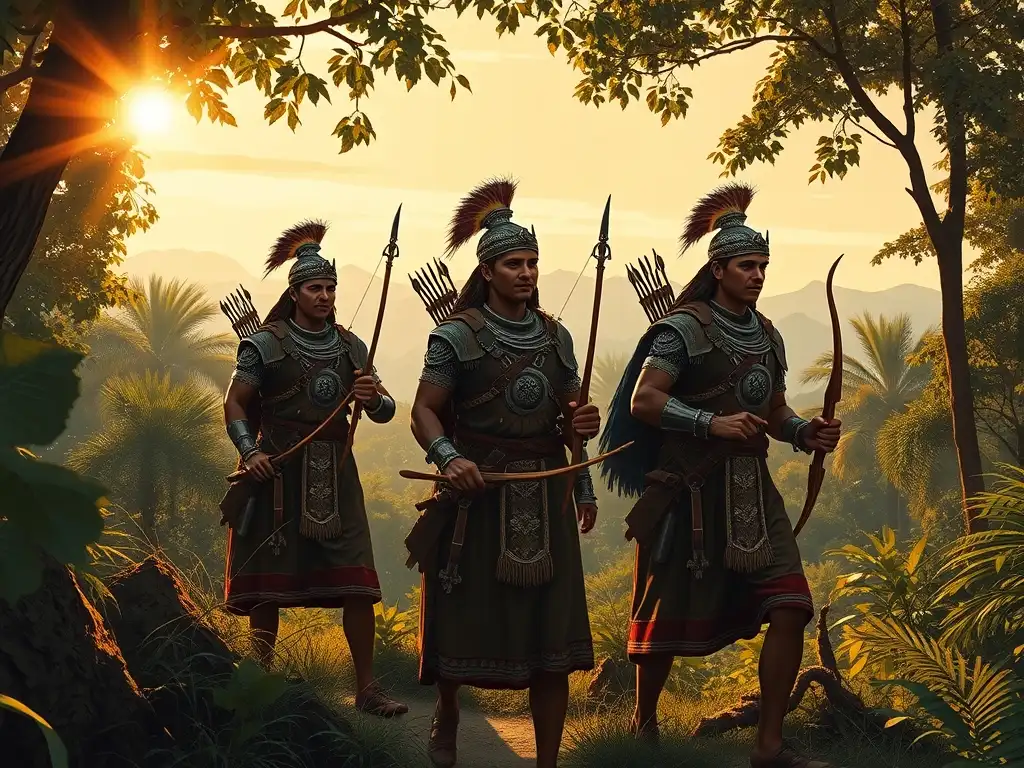
- Scouts were essential for gathering intelligence on enemy movements and positions.
- Ancient Indian scouting practices shared similarities with those of other civilizations, emphasizing the universal importance of reconnaissance.
- Unique features of Indian tactics included the involvement of local populations and stealthy approaches to intelligence gathering.
- The effectiveness of military strategies was heavily reliant on the information provided by scouts.
The Legacy of Scouts in Modern Military Tactics
The legacy of scouts from ancient Indian military practices is evident in modern military tactics. Today, reconnaissance units continue to play a vital role in military operations worldwide, employing advanced technology and methods to gather intelligence. The principles of stealth, adaptability, and local knowledge that characterized ancient Indian scouts are still relevant, demonstrating that the lessons learned from history continue to influence contemporary military strategies. The emphasis on reconnaissance remains a cornerstone of effective military planning, underscoring the timeless significance of scouts in warfare.
References and Further Reading on Ancient Indian Military Strategies
Understanding the role of scouts and reconnaissance in ancient Indian military operations not only sheds light on the strategic prowess of these civilizations but also enhances our comprehension of their broader military strategies. For those interested in delving deeper into this subject, a variety of sources provide extensive insights and analyses.
Recommended Sources for In-Depth Study
-
"The Art of War in Ancient India" by Major General Shankar Prasad
This book offers a comprehensive overview of ancient Indian military strategies, emphasizing the unique tactics employed in various historical contexts, including the critical role of reconnaissance.
-
"Warfare in Ancient India" by R. C. Majumdar
Majumdar's work details the various forms of warfare practiced during ancient times, with careful attention to the scouting techniques that were instrumental in shaping battle outcomes.
-
"Military History of Ancient India" by S. R. Sharma
This source provides a broader context of military developments in ancient India, illustrating how reconnaissance evolved and influenced military operations across different empires.
-
"The Kautilya Arthashastra" by Kautilya (Chanakya)
Often regarded as a foundational text on statecraft and military strategy, the Arthashastra discusses various aspects of warfare, including intelligence gathering and the importance of scouts in military planning.
-
Journal of Ancient Indian History
This academic journal regularly publishes articles focusing on various aspects of ancient Indian history, including military strategies and operations.
Suggested Books and Articles on Ancient Warfare
-
"The Mahabharata: A Modern Rendering" by Ramesh Menon
This retelling of the epic not only captures its narrative but also highlights the strategic military maneuvers and reconnaissance efforts depicted throughout the text.
-
"The Ramayana: A Historical Perspective" by N. Chandrasekaran
This book examines the military strategies portrayed in the Ramayana, particularly the use of scouts and espionage in warfare.
-
"Ancient Indian Warfare: A Study of the Military Contributions of Ancient India to World History" by A. B. Prakash
Prakash’s work systematically explores the evolution of military tactics and strategies, emphasizing the integral role of reconnaissance and intelligence in ancient Indian warfare.
-
"Battles and Battlescapes: Military History of Ancient India" by V. K. Jain
This publication provides a detailed analysis of specific battles, incorporating discussions on the reconnaissance strategies employed by various commanders.
-
"The Use of Intelligence in Warfare" - Article in the Indian Military Review
This article discusses the historical significance of intelligence operations, including scouting, in shaping the outcomes of key military campaigns in ancient India.
These resources will enhance your understanding of ancient Indian military strategies, particularly the pivotal role of scouts and reconnaissance in shaping successful operations throughout the subcontinent's rich history.
- Introduction to Ancient Indian Military Strategies
- Historical Context of Scouts in Ancient India
- Types of Scouts in Ancient Indian Armies
- Techniques and Methods of Reconnaissance
- Case Studies of Successful Reconnaissance Missions
- Impact of Scout Intelligence on Military Strategies
- Comparison of Ancient Indian Scout Practices with Other Civilizations
- Similarities Between Ancient Indian and Other Military Strategies
- Unique Features of Indian Reconnaissance Tactics
- Conclusion on the Significance of Scouts in Ancient Indian Military History
- Summary of Key Points on Military Strategies
- The Legacy of Scouts in Modern Military Tactics
- References and Further Reading on Ancient Indian Military Strategies
- What was the significance of scouts in ancient Indian military operations?
- How did reconnaissance impact military strategies in ancient India?
- What were some common techniques used by scouts in ancient India?
- Which ancient Indian civilizations are known for their advanced military strategies?
- How did the use of scouts influence the outcome of battles in ancient India?
Frequently Asked Questions
What was the significance of scouts in ancient Indian military operations?
Scouts played a crucial role in gathering intelligence about enemy positions and movements, enabling armies to plan their strategies effectively.
How did reconnaissance impact military strategies in ancient India?
Reconnaissance allowed commanders to make informed decisions based on accurate information, which was essential for successful military engagements.
What were some common techniques used by scouts in ancient India?
Scouts utilized techniques such as stealthy movement, local knowledge, and signaling to communicate vital information back to their commanders.
Which ancient Indian civilizations are known for their advanced military strategies?
Civilizations like the Maurya and Gupta Empires are renowned for their sophisticated military strategies, including the use of scouts and reconnaissance for effective warfare.
How did the use of scouts influence the outcome of battles in ancient India?
The effective use of scouts often led to tactical advantages, allowing armies to launch surprise attacks or avoid ambushes, significantly influencing the outcomes of battles.
Final Reflection: The Enduring Legacy of Ancient Indian Military Strategies
The significance of scouts and reconnaissance in ancient Indian military operations cannot be overstated; these strategies were pivotal in shaping the outcomes of battles and the course of history. In a world where information was often scarce and the element of surprise could determine victory or defeat, the ability to gather intelligence and assess enemy movements was crucial. Today, as we navigate complex geopolitical landscapes and modern warfare, the lessons from these ancient practices remain profoundly relevant. The importance of strategic foresight and the value of information in military operations echo through time, reminding us that knowledge is power.
The influence of these ancient military strategies extends beyond the battlefield and into the very fabric of our cultural and social identity. The principles of reconnaissance and intelligence gathering have permeated various aspects of life, from politics to business, emphasizing the need for awareness and adaptability. As we reflect on the wisdom of our ancestors, we are reminded of the words of Chanakya: There is some self-interest behind every friendship. There is no friendship without self-interests. This is a bitter truth.
This quote encapsulates the essence of strategic thinking, urging us to recognize the underlying motivations in our interactions and decisions.
As we conclude, I invite you to reflect on the lessons of ancient Indian military strategies and consider how they can be applied in your own life. Embrace the spirit of inquiry and vigilance, whether in your personal endeavors or professional pursuits. Let the wisdom of the past guide you in making informed decisions, fostering relationships, and navigating the complexities of modern life. By doing so, we honor the legacy of those who came before us and ensure that their insights continue to illuminate our paths forward.
Unveil the Secrets of Ancient Military Strategy!
Thank you for diving deep into the fascinating world of ancient Indian military operations! You’ve explored how scouts and reconnaissance shaped strategies and outcomes throughout history. Now it’s time to take the next steps and put that knowledge into action.
- Immerse yourself in the past: Research a specific battle where reconnaissance played a crucial role. Share your findings on our community forum!
- Engage your curiosity: Visit our resource section for interactive maps and timelines detailing ancient military strategies.
- Spread the knowledge: Discuss this article with friends or share it on social media to spark interest in ancient history!
How do you think the principles of scouting and reconnaissance can be applied in modern strategic planning? We would love to hear your thoughts!