
Sushruta Samhita: The Ancient Text That Revolutionized Surgery

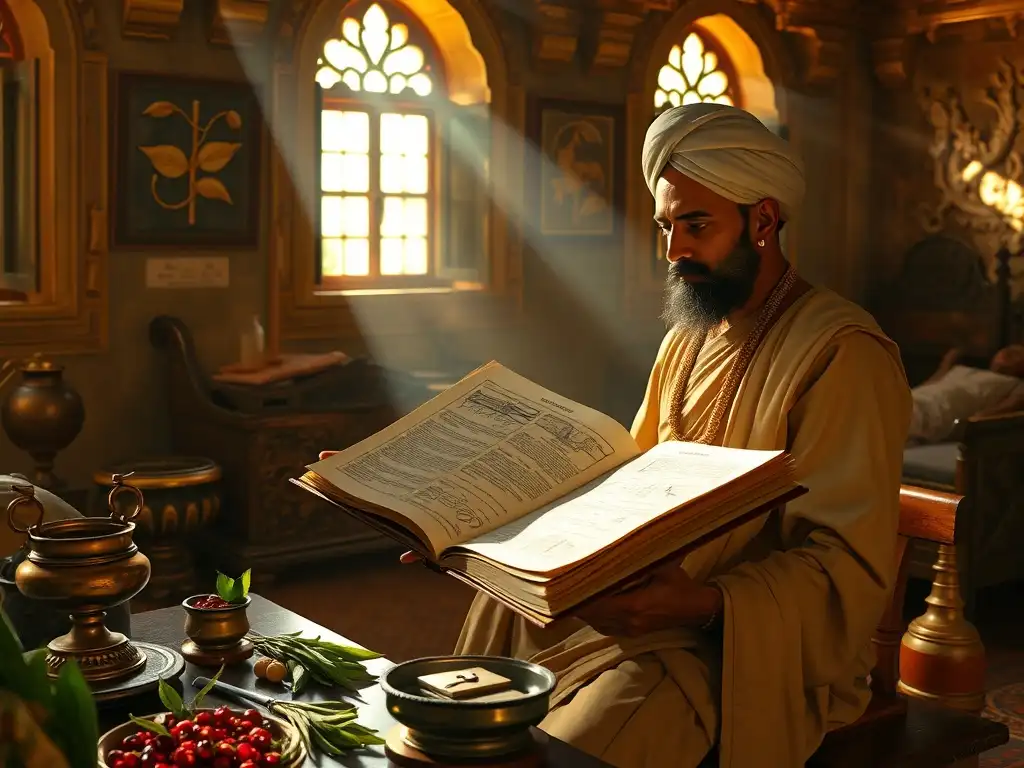
Welcome to Ancient India History, where we embark on a fascinating journey through time to uncover the remarkable achievements of ancient Indian civilizations. In this exploration, we invite you to dive into the world of the Sushruta Samhita, an extraordinary ancient text that revolutionized surgery and laid the foundations for modern medical practices.
Discover how this groundbreaking work not only showcases the advanced surgical techniques of its time but also reflects the rich cultural tapestry of ancient India. Join us as we unravel the mysteries of this pivotal contribution to science and medicine, and prepare to be inspired by the ingenuity of our ancestors!
- Introduction to Sushruta Samhita and Ancient Surgery
- Historical Context of Sushruta Samhita
- Key Concepts in Sushruta Samhita
- Sushruta Samhita: A Detailed Examination
- Influence of Sushruta Samhita on Modern Surgery
- Myths and Realities of Sushruta Samhita
- Legacy of Sushruta Samhita in Ancient Indian Medicine
- Conclusion: The Relevance of Sushruta Samhita Today
- Frequently Asked Questions
- Final Reflection: The Enduring Legacy of Sushruta Samhita in Modern Surgery
- Unveil the Secrets of Ancient Surgery Today!
Introduction to Sushruta Samhita and Ancient Surgery
The Sushruta Samhita, an ancient Indian text attributed to the legendary physician Sushruta, stands as a cornerstone in the field of surgery. Dating back to around 600 BCE, this remarkable work not only chronicles surgical techniques but also encapsulates the medical knowledge of its time, reflecting the sophistication of ancient Indian medicine. It is widely regarded as one of the earliest comprehensive treatises on surgery, detailing procedures that were revolutionary for their time and laying the groundwork for future medical practices.
Exploring the Sushruta Samhita offers insights into how ancient civilizations approached health, illness, and the intricacies of surgical intervention. By examining this text, we can appreciate the significant contributions of ancient Indian surgeons, their methodologies, and the cultural context in which they operated. This article delves into the Sushruta Samhita, examining its contents and its profound influence on the evolution of surgical techniques, ultimately highlighting the significance of ancient surgery in the broader spectrum of Indian medicine.
Overview of Sushruta Samhita
The Sushruta Samhita is divided into several sections, each addressing different aspects of surgery and medicine. It comprises 1,120 verses and is organized into five main books:
- Sutra Sthana: This book outlines the fundamental principles of surgery and medical practice.
- Sthana Sthana: Focused on anatomical descriptions and the identification of various surgical instruments.
- Chikitsa Sthana: Dedicated to therapeutic measures and surgical procedures.
- Kalpa Sthana: Discusses the preparation of medicines and surgical tools.
- Uttara Sthana: Covers topics such as obstetrics and gynecology, as well as the ethics of surgery.
One of the most notable contributions of the Sushruta Samhita is its detailed description of surgical procedures, including rhinoplasty (reconstruction of the nose), cataract surgery, and the treatment of wounds. The text emphasizes the importance of cleanliness, anesthesia, and surgical instruments, showcasing a level of understanding that was advanced for its time.
Sushruta's teachings were revolutionary, advocating for a systematic approach to surgery and laying the groundwork for the practice of medicine in India and beyond. His emphasis on the need for training and skill acquisition in surgical techniques underscores the text's enduring relevance in the history of medicine.
Significance of Ancient Surgery in Indian Medicine
Ancient surgery in India, as illustrated by the Sushruta Samhita, played a pivotal role in shaping medical practices not only in India but across the globe. The techniques and philosophies espoused in this ancient text reflect a profound understanding of human anatomy and pathology, which were crucial for surgical success.
Key points highlighting the significance of ancient surgery include:
- Innovative Techniques: The Sushruta Samhita introduced techniques that were groundbreaking, such as the use of surgical sutures and bandaging methods that are still relevant today.
- Holistic Approach: The text emphasizes a holistic approach to health, integrating surgery with other therapeutic modalities like herbal medicine and dietary regulations.
- Ethical Considerations: Sushruta also addressed ethical issues in surgery, promoting the need for informed consent and the importance of a surgeon's moral integrity.
The impact of these ancient practices can be seen in modern surgical techniques and medical ethics, demonstrating the enduring legacy of the Sushruta Samhita in the field of medicine. As we explore the intricacies of ancient surgical methods, it becomes clear that the advancements made during this era were not only innovative but also foundational to the evolution of healthcare practices in subsequent civilizations.
Historical Context of Sushruta Samhita
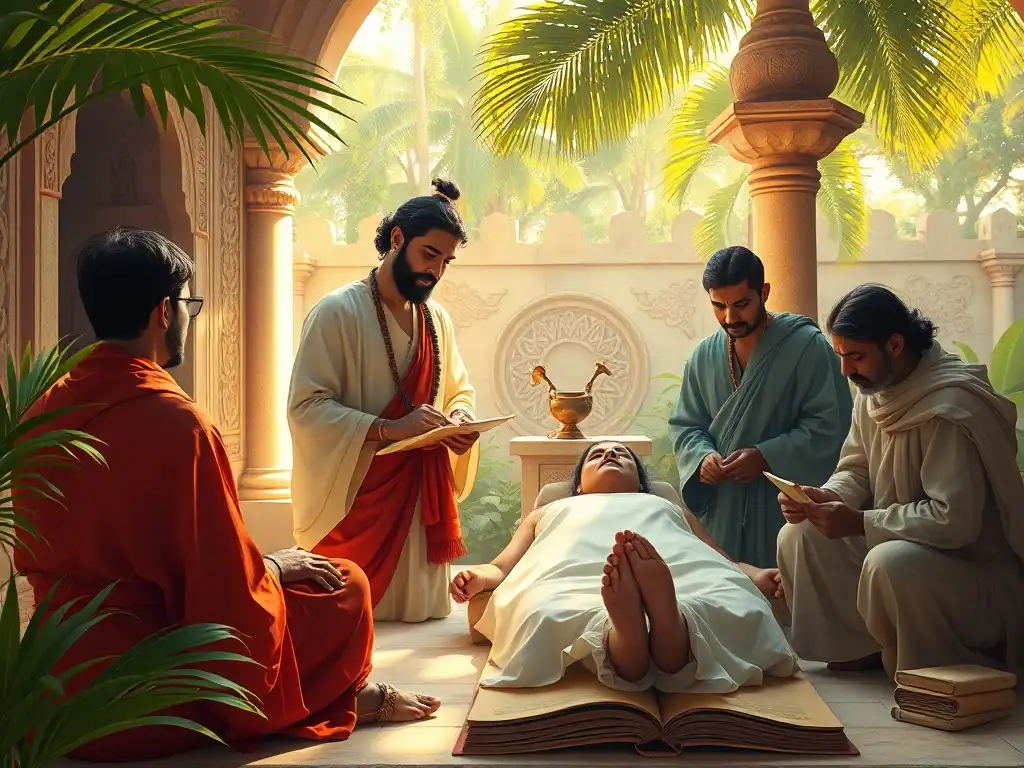
The Sushruta Samhita is a pivotal text in the history of medicine, particularly within the field of surgery. Written by the ancient Indian physician Sushruta, this treatise is believed to have been composed around the 6th century BCE. It offers a comprehensive overview of surgical techniques, medical practices, and the underlying philosophies of health and wellness prevalent in ancient India.
The Sushruta Samhita is not only significant for its surgical content but also for its holistic approach to medicine. It reflects a time when medicine was deeply interwoven with spirituality and philosophy, highlighting the belief that a physician must possess knowledge of the body, the mind, and the soul. This era marked a transition from mystical healing practices to a more systematic approach that laid the groundwork for various medical disciplines.
The Era of Ancient Indian Medicine
During the time of Sushruta, ancient Indian medicine was characterized by a blend of empirical observation and spiritual understanding. The Ayurvedic system, which forms the foundation of Indian medicine, was in its formative stages. This system emphasized balance among the body’s three doshas (vata, pitta, and kapha) and the importance of a harmonious lifestyle.
Key aspects of this era include:
- Development of Medical Schools: Centers of learning emerged, where students were trained in various fields of medicine, including surgery, pharmacology, and therapeutics.
- Influence of Philosophical Texts: Texts like the Vedas and Upanishads influenced medical practices, intertwining them with concepts of dharma (duty) and karma (action).
- Surgical Practices: Sushruta is credited with pioneering surgical techniques that included procedures like cataract surgery and rhinoplasty, setting a precedent for future medical advancements.
The societal context of ancient India also played a crucial role in the evolution of medicine. The caste system determined the accessibility of medical knowledge, with certain groups specializing in specific medical practices. Despite these constraints, the innovations during this period laid the groundwork for advances in both surgery and overall healthcare.
Contributions of Sushruta in Medical History
Sushruta's contributions to medical history are monumental, particularly in the field of surgery. The Sushruta Samhita is often referred to as the world's first surgical text, detailing over 300 surgical procedures and more than 120 surgical instruments. His methodologies were revolutionary for their time and included:
- Detailed Surgical Techniques: Sushruta described methods for performing complex procedures such as:
- Rhinoplasty: Reconstruction of the nose, a procedure that involved intricate techniques using local flaps of skin.
- Cataract Surgery: Techniques for removing cataracts, showcasing a profound understanding of human anatomy and eye care.
- Anesthesia and Pain Management: The text describes the use of various herbal concoctions and techniques to minimize pain during surgery, indicating an early understanding of anesthesia.
- Emphasis on Hygiene and Patient Care: Sushruta advocated for cleanliness and sterilization, recognizing their importance in preventing infections and promoting healing. This foresight was crucial for the survival of patients undergoing surgical procedures.
- Innovative Surgical Instruments: The Sushruta Samhita cataloged various surgical instruments, such as scalpels, forceps, and suction devices. This detailed documentation is one of the earliest known classifications of surgical tools.
- Holistic Approach to Health: Sushruta emphasized the importance of diet, lifestyle, and mental well-being in patient recovery, showcasing an understanding that transcended mere surgical intervention.
The Sushruta Samhita stands as a testament to the advanced state of medical knowledge in ancient India, particularly in the realm of ancient surgery. Its teachings continue to resonate in modern medical practices, illustrating the profound legacy of Sushruta and his contributions to the field.
Key Concepts in Sushruta Samhita
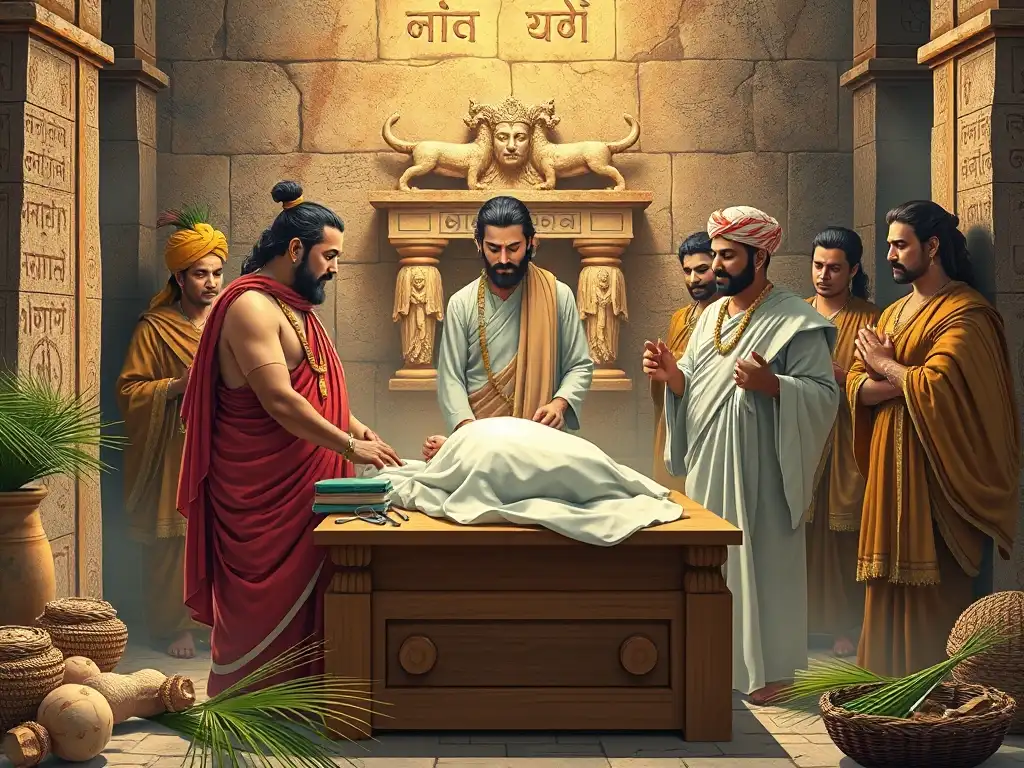
Definition and Scope of Ancient Surgery
The Sushruta Samhita, attributed to the ancient Indian physician Sushruta, serves as one of the foundational texts in the field of surgery, providing a comprehensive overview of surgical practices in ancient India. This text dates back to approximately 600 BCE and is considered a cornerstone of Ayurvedic medicine. It defines surgery (Shalya Tantra) not merely as a procedure but as an art that requires skill, knowledge of anatomy, and an understanding of the human body.
The scope of ancient surgery as described in the Sushruta Samhita encompasses various domains, including:
- Preventive Surgery: Techniques aimed at preventing disease or complications.
- Curative Surgery: Interventions designed to treat existing conditions.
- Reconstructive Surgery: Procedures focused on restoring form and function, particularly after injuries.
The text emphasizes the importance of both theoretical knowledge and practical skills, outlining the need for a surgeon to be well-versed in various medical sciences, including anatomy, physiology, and pharmacology. Moreover, the Sushruta Samhita categorizes surgery into various specialties, reflecting a nuanced understanding of medical practices in ancient times.
Instruments and Techniques Described in Sushruta Samhita
The Sushruta Samhita is notable for its detailed descriptions of surgical instruments and techniques, many of which were groundbreaking for their time. Sushruta detailed over 125 surgical instruments, categorizing them into various groups based on their specific functions. Some of the notable instruments include:
- Surgical Knives (Shalaka): Used for incisions and excisions.
- Scissors (Prashta): Employed for cutting tissues and sutures.
- Forceps (Pinditaka): Utilized for grasping and manipulating tissues.
- Cautery Instruments (Dahana Yantra): Used for cauterization of wounds to prevent bleeding.
Sushruta also introduced various surgical techniques, such as:
- Suturing Techniques: Detailed methods for closing wounds, emphasizing the importance of maintaining tissue integrity.
- Anesthesia: Early methods of anesthesia using herbs to manage pain during surgical procedures.
- Wound Management: Protocols for disinfecting and treating wounds to prevent infection.
The meticulous nature of these descriptions showcases the advanced understanding of surgical principles and practices in ancient India, positioning the Sushruta Samhita as a pioneering text in the field of ancient surgery.
Types of Surgical Procedures Mentioned
The Sushruta Samhita details an impressive array of surgical procedures, reflecting the breadth of surgical knowledge in ancient India. Some of the major types of procedures include:
- Cataract Surgery (Couching): Techniques for treating cataracts, demonstrating advanced understanding of ocular anatomy.
- Plastic Surgery: Procedures for reconstructing facial features, particularly rhinoplasty (reconstruction of the nose).
- Amputation: Guidelines for performing amputations, including indications and post-operative care.
- Fistula Surgery: Detailed methods for treating anal fistulas, showcasing the text's emphasis on complex surgical challenges.
Each procedure is accompanied by specific indications, contraindications, and post-operative care instructions, emphasizing a holistic approach to surgical practice.
The Sushruta Samhita not only revolutionized surgery in ancient times but also laid the groundwork for modern surgical techniques, making it an invaluable resource for understanding the evolution of medical practices throughout history.
Sushruta Samhita: A Detailed Examination
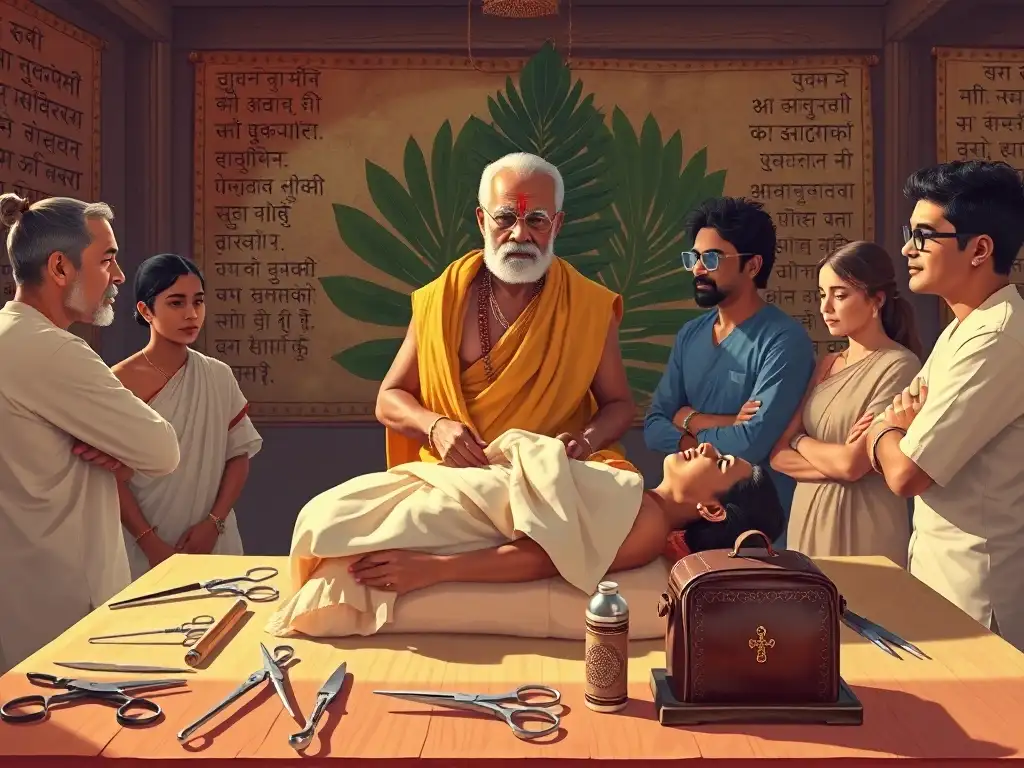
The Sushruta Samhita is a foundational text in the history of surgery and medicine, attributed to the ancient Indian physician Sushruta, often referred to as the "Father of Surgery." Composed in Sanskrit, this text not only outlines surgical procedures but also delves into anatomy, physiology, and various medical practices of ancient India. Dating back to around the 6th century BCE, the Sushruta Samhita is considered one of the oldest surgical texts in the world.
The significance of the Sushruta Samhita lies in its systematic approach to surgery, providing detailed methodologies for various surgical procedures, including plastic surgery, orthopedics, and gynecology. This comprehensive work is divided into several sections, each focusing on different aspects of surgery and medicine, making it an invaluable resource for scholars, historians, and medical practitioners alike.
The Structure of Sushruta Samhita
The structure of the Sushruta Samhita is well-organized, comprising five major sections that collectively address multiple facets of surgical practice. These sections are:
- Sutrasthana (Section of Sutras):
- This foundational section presents the basic principles of surgery and medical ethics. It emphasizes the importance of patient care and the surgeon's responsibilities.
- Nidansthana (Section of Diagnosis):
- Here, Sushruta discusses the methods of diagnosis based on symptoms. He categorizes diseases and outlines their causes, which is crucial for effective surgical intervention.
- Chikitsasthana (Section of Treatment):
- This section deals with various treatment modalities, including pharmacology and surgical procedures. It provides detailed descriptions of surgical techniques and post-operative care.
- Kalpasthana (Section of Formulations):
- Focused on herbal remedies and preparations, this part highlights the role of medicinal plants in enhancing surgical outcomes and healing processes.
- Uttarasthana (Section of Special Topics):
- The final section covers advanced surgical techniques and specialized topics like plastic surgery, emphasizing Sushruta's innovative approaches.
The meticulous organization of the Sushruta Samhita ensures that practitioners can easily locate relevant information, making it a practical guide for ancient surgeries.
Within the Sushruta Samhita, several key sections are dedicated specifically to surgical techniques and procedures. Some of the major areas include:
-
Surgical Instruments:
Sushruta meticulously describes over 120 surgical instruments, detailing their uses and construction. These instruments range from scalpels to forceps, showcasing the advanced understanding of surgical tools in ancient India.
-
Surgical Procedures:
The text delineates various surgical procedures, including:
- Rhinoplasty: Reconstruction of the nose, which is one of the earliest documented surgeries for cosmetic purposes.
- Cataract Surgery: Procedures for treating vision impairment, illustrating an advanced understanding of ophthalmology.
-
Anesthesia Techniques:
Sushruta discusses methods for inducing anesthesia, using herbal formulations to alleviate pain during surgical procedures, demonstrating an early grasp of pain management.
-
Post-Operative Care:
Emphasizing the importance of recovery, the text outlines care protocols to minimize complications and promote healing after surgery.
These sections collectively highlight the sophistication of ancient Indian surgical practices, establishing the Sushruta Samhita as a cornerstone in the evolution of surgery.
Unique Surgical Techniques Highlighted
The Sushruta Samhita is renowned for introducing several unique surgical techniques that were revolutionary for its time. Among these, the following stand out:
-
Flap Surgery:
One of Sushruta's notable contributions is the advancement of flap surgery, particularly in reconstructing body parts. The technique involves transferring tissue from one area of the body to another, a method still utilized in modern reconstructive surgery.
-
Surgical Suturing:
The text provides detailed instructions on suturing techniques, emphasizing the importance of proper closure for wound healing. Sushruta's methods laid the groundwork for modern suturing practices.
-
Excising Tumors:
Sushruta describes techniques for the excision of tumors, showcasing an early understanding of oncology. He emphasizes the importance of complete removal to prevent recurrence.
-
Laparoscopy:
Although primitive compared to today's standards, the Sushruta Samhita alludes to techniques resembling laparoscopy for internal examinations, indicating an early exploration of minimally invasive surgery.
These unique surgical techniques not only reflect the advanced medical knowledge of ancient India but also underscore the lasting influence of the Sushruta Samhita on contemporary surgical practices.
The Sushruta Samhita stands as a monumental text in the field of ancient surgery, laying the foundation for many practices still in use today. Its comprehensive exploration of surgical techniques, instruments, and patient care illustrates the sophistication of ancient Indian medicine, ensuring its place in the annals of medical history.
Influence of Sushruta Samhita on Modern Surgery
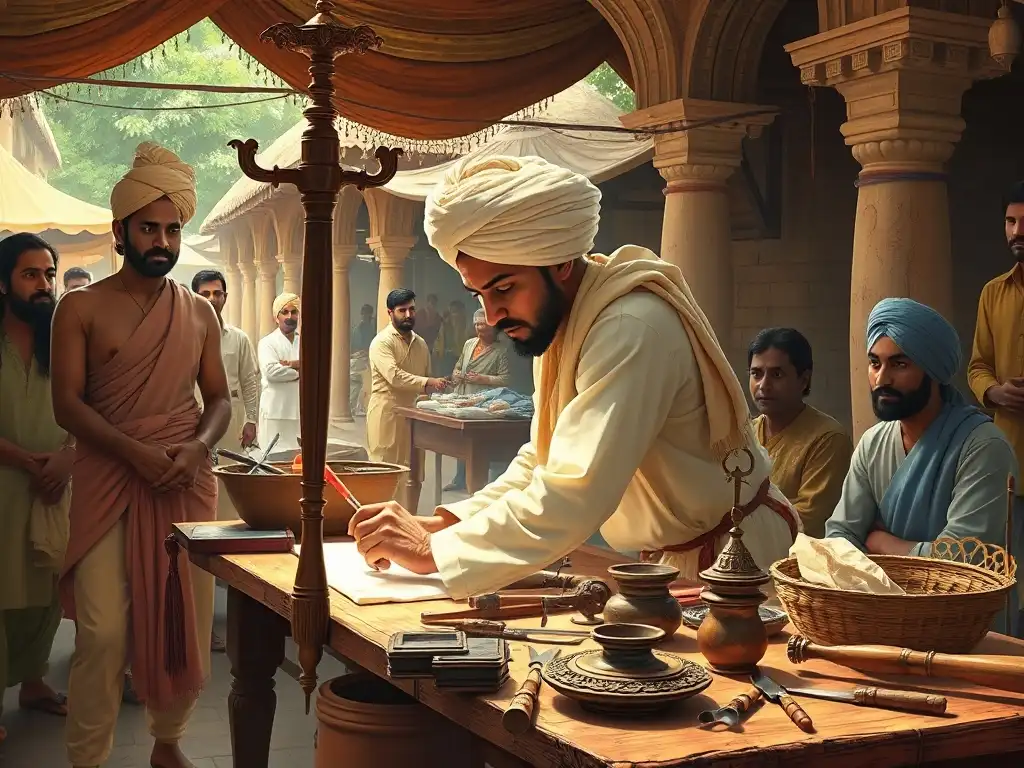
The Sushruta Samhita is a seminal text in the history of medicine and surgery, composed by the ancient Indian physician Sushruta around the 6th century BCE. This text not only laid the foundations for surgical practices in ancient India but has also influenced modern surgical techniques. By detailing a variety of surgical procedures, instruments, and methodologies, the Sushruta Samhita serves as a vital reference point for understanding the evolution of surgery.
Comparison of Ancient and Modern Surgical Techniques
The surgical techniques outlined in the Sushruta Samhita reflect a profound understanding of human anatomy and surgical principles, many of which resonate with contemporary practices. Here are some key comparisons:
- Instruments and Tools
- Ancient Tools: Sushruta described over 120 surgical instruments, including scalpels, forceps, and probes. These tools were crafted from materials like metal and wood, showcasing the craftsmanship of the time.
- Modern Tools: Today’s surgical instruments have evolved with advanced materials such as stainless steel and titanium, designed for precision and sterility. However, the fundamental shapes and functions of some tools can be traced back to Sushruta's designs.
- Surgical Procedures
- Rhinoplasty: The Sushruta Samhita is famous for detailing the first known techniques for rhinoplasty, or nose reconstruction, which utilized local flaps of skin.
- Modern Rhinoplasty: Current techniques still employ the concept of grafting tissue from one area to another, demonstrating a direct lineage from ancient practices.
- Anesthesia and Pain Management
- Historical Practices: Sushruta advocated the use of herbal concoctions and local anesthesia techniques to minimize pain during surgeries.
- Contemporary Practices: While modern medicine has developed sophisticated anesthetic agents, the underlying principle of pain management remains crucial in surgical procedures today.
- Postoperative Care
- Ancient Wisdom: The Sushruta Samhita emphasized the importance of postoperative care, including the use of herbal medicines for wound healing and infection prevention.
- Current Standards: Modern surgical protocols continue to prioritize postoperative care, utilizing both pharmacological and non-pharmacological interventions to promote healing.
Lasting Impact on Surgical Practices
The contributions of the Sushruta Samhita extend far beyond its time, influencing both Eastern and Western medical practices. Its detailed descriptions of surgical techniques and patient care have been recognized as pioneering efforts in the field of surgery. The text's impact can be summarized in several key areas:
- Foundation for Medical Education: The Sushruta Samhita established a curriculum for surgical education, emphasizing the importance of hands-on practice and observation, principles that are still integral to medical training today.
- Global Influence: Translations of the Sushruta Samhita introduced its concepts to various cultures, impacting surgical practices in different parts of the world, including the Middle East and Europe during the Renaissance.
- Recognition of Surgical Specialties: Sushruta's classification of surgical procedures into various specialties, such as ophthalmology and obstetrics, reflects an advanced understanding of the need for specialized knowledge in medicine, a concept embraced in modern healthcare.
- Integration of Holistic Approaches: The Sushruta Samhita’s inclusion of diet, lifestyle, and holistic health in the context of surgical recovery highlights the interconnectedness of body systems, a perspective that is gaining traction in contemporary medicine.
The Sushruta Samhita remains a cornerstone of ancient surgery, offering insights and methodologies that continue to resonate within modern surgical practices. Its legacy is a testament to the advanced understanding of medicine and surgery in ancient India, emphasizing the continuity of knowledge that shapes today's healthcare landscape.
Myths and Realities of Sushruta Samhita
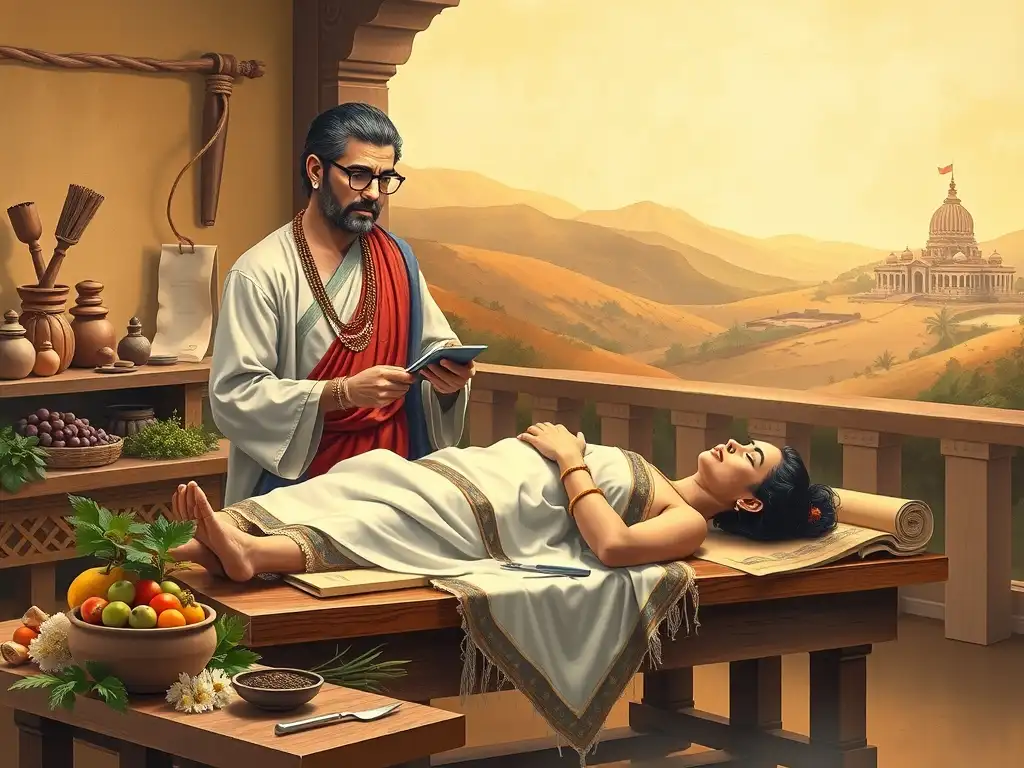
The Sushruta Samhita is often regarded as one of the foundational texts of surgery and medicine in ancient India. However, its significance is sometimes overshadowed by myths and misconceptions. Understanding the realities of this ancient surgical text is crucial for appreciating its contributions to the field of medicine.
Common Misconceptions About Ancient Surgery
One prevalent misconception about ancient surgery, particularly as described in the Sushruta Samhita, is that surgical practices were rudimentary and lacked sophistication. In reality, the text reveals a highly developed understanding of various surgical procedures, including:
- Surgical Techniques: The Sushruta Samhita outlines over 300 surgical procedures, with detailed descriptions of operations such as amputations, cataract surgeries, and the treatment of wounds.
- Instruments Used: The text lists around 120 surgical instruments, many of which have similarities to modern surgical tools. This reflects a sophisticated approach to surgery that involved precision and skill.
- Anesthesia and Pain Management: Contrary to the belief that ancient surgeons worked without any form of anesthesia, Sushruta documented the use of herbal preparations and techniques for pain relief, indicating a nuanced understanding of patient care.
Moreover, the notion that ancient Indian surgeons were merely practitioners of trial and error is misleading. The Sushruta Samhita was based on empirical observations and included systematic methods for surgical education, emphasizing the importance of training and mentorship.
Clarifying the Achievements of Sushruta
The achievements of Sushruta, often regarded as the "father of surgery," are monumental in the realm of medicine. His contributions are not limited to surgical procedures but extend to various aspects of healthcare and medical ethics:
- Holistic Approach: Sushruta emphasized the importance of hygiene, diet, and lifestyle in the overall health of a patient. His holistic approach laid the groundwork for integrative medicine, which is now gaining popularity in contemporary practice.
- Ethical Considerations: The Sushruta Samhita also addresses the ethical considerations of surgery. It discusses the responsibilities of a surgeon, including the necessity for informed consent, which is a fundamental principle in modern medical ethics.
- Textual Legacy: The influence of the Sushruta Samhita extended beyond India, impacting surgical practices in various cultures. Translations and adaptations of the text have contributed to the global understanding of surgery, showcasing its timeless relevance.
The Sushruta Samhita is a remarkable document that revolutionized ancient surgery, providing insights and techniques that remain relevant today. By dispelling myths and clarifying the true achievements of Sushruta, we can appreciate the depth and sophistication of ancient Indian medicine.
Legacy of Sushruta Samhita in Ancient Indian Medicine
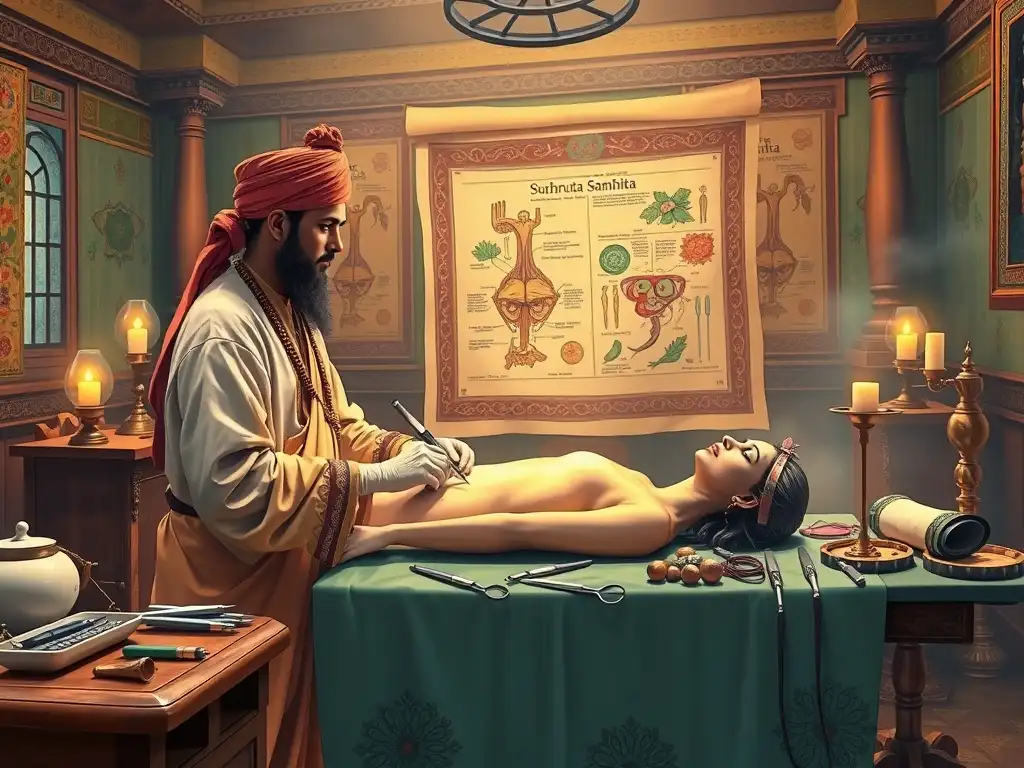
The Sushruta Samhita stands as a monumental text in the legacy of ancient Indian medicine, particularly in the field of surgery. Compiled by the physician Sushruta in the 6th century BCE, this foundational manuscript not only details surgical techniques but also encapsulates the broader medical knowledge of its time. It serves as a testament to the sophistication of ancient Indian medical practices, contributing significantly to the understanding of surgical methods and patient care.
Sushruta's Role in Advancing Medical Knowledge
Sushruta is often referred to as the "Father of Surgery" due to his pioneering contributions to the field. His methodology was revolutionary for several reasons:
- Comprehensive Surgical Techniques: The Sushruta Samhita outlines over 300 surgical procedures and describes more than 120 surgical instruments, encompassing a wide range of operations from general surgery to specialized techniques such as plastic surgery and ophthalmic surgery.
- Holistic Approach: Sushruta emphasized the importance of a holistic approach to medicine, integrating anatomy, physiology, and pathology. His detailed descriptions of human anatomy were derived from extensive dissections, which were rare for the time and showcased a commitment to empirical evidence.
- Patient-Centric Care: The text stresses the significance of patient preparation and post-operative care, highlighting Sushruta's understanding of the importance of a patient’s overall well-being in achieving successful surgical outcomes.
In addition to surgical procedures, the Sushruta Samhita also discusses concepts such as diagnosis, prognosis, and treatment plans, showcasing Sushruta's role as a pioneer in establishing a systematic approach to medical practice.
The Text's Enduring Influence on Surgical Education
The enduring influence of the Sushruta Samhita on surgical education is evident in several ways:
- Manual for Future Generations: For centuries, this ancient text served as a primary reference for medical practitioners across India and beyond. It laid the groundwork for surgical training, establishing a curriculum that included both theoretical knowledge and practical skills.
- Integration into Medical Systems: The principles outlined in the Sushruta Samhita have been integrated into various medical systems, including Ayurveda. Its teachings continue to inform contemporary practices in traditional Indian medicine, ensuring that Sushruta’s legacy persists.
- Global Academic Influence: The Sushruta Samhita also gained recognition beyond Indian borders, influencing medical texts in the Middle East and Europe. Scholars translated the text into various languages, allowing for the dissemination of Sushruta’s surgical techniques and philosophies worldwide.
The relevance of Sushruta Samhita in modern surgical education cannot be overstated. It serves not only as a historical document but as a living testament to the evolution of surgical practices, inspiring current and future generations of medical professionals to appreciate the rich heritage of ancient surgical techniques.
The legacy of the Sushruta Samhita is a remarkable example of how ancient Indian medicine laid the foundation for advancements in surgery and medical science, continuing to impact the field even today.
Conclusion: The Relevance of Sushruta Samhita Today
The legacy of the Sushruta Samhita continues to resonate deeply in the fields of medicine and surgery, underpinning many modern practices while offering insights into ancient techniques that have shaped healthcare.
Reflections on Ancient Surgery and Modern Practices
The Sushruta Samhita, composed around 600 BCE, stands as a cornerstone in the evolution of surgical practices. It provides a comprehensive guide that not only outlines surgical techniques but also emphasizes the importance of patient care, ethics, and the holistic approach to healing. The text details over 300 surgical procedures and 120 surgical instruments, showcasing a sophisticated understanding of anatomy that was far ahead of its time.
- Surgical Procedures: The text describes various operations, including plastic surgery, cataract surgery, and even techniques for treating fractures. The meticulous descriptions of these procedures highlight the advanced skills of ancient Indian surgeons.
- Ethical Considerations: Sushruta emphasized the importance of ethics in medicine, insisting that surgeons must possess not only technical skills but also compassion and understanding towards their patients. This ethical framework is increasingly relevant in today's medical practices, where patient-centered care is paramount.
- Influence on Modern Surgery: Elements of the procedures documented in the Sushruta Samhita can be seen reflected in contemporary surgical techniques. For instance, the principles of asepsis and anesthesia discussed in ancient texts are foundational to modern surgical practices.
The Sushruta Samhita serves not only as a historical document but also as a vital source of knowledge that informs current medical practices. The blend of surgical skill and ethical responsibility illustrated in the text continues to inspire today's healthcare professionals.
The Importance of Preserving Ancient Medical Texts
Preserving ancient medical texts like the Sushruta Samhita is crucial for several reasons:
- Cultural Heritage: These texts are a testament to the rich intellectual traditions of ancient civilizations. They reflect the cultural context in which they were created and provide insights into the values and practices of the time.
- Historical Knowledge: Understanding the evolution of medical practices over centuries allows modern practitioners to appreciate the foundations upon which current medical knowledge is built. The Sushruta Samhita not only informs us about surgical techniques but also about the progression of medical understanding and human anatomy.
- Innovative Insights: Ancient texts often contain forgotten techniques and insights that can inspire modern innovations. As contemporary medicine grapples with challenges such as antibiotic resistance and chronic diseases, revisiting ancient methodologies might yield valuable solutions.
- Interdisciplinary Learning: The study of ancient medical texts encourages collaboration between historians, archaeologists, and medical professionals. This interdisciplinary approach can lead to new discoveries and a deeper understanding of medicine's evolution.
The Sushruta Samhita is not merely an ancient manuscript; it is a vital resource that continues to shape the world of surgery and medicine today. Preserving and studying such texts ensures that the wisdom of our ancestors is not lost, but instead continues to inform and enhance modern practices.
Frequently Asked Questions
What is the Sushruta Samhita?
The Sushruta Samhita is an ancient Indian medical text attributed to Sushruta, often regarded as the father of surgery. It outlines various surgical techniques and medical practices from ancient India.
How did the Sushruta Samhita influence modern surgery?
The Sushruta Samhita introduced pioneering surgical techniques and instruments, many of which are still relevant today. It laid the groundwork for surgical practices and anatomical knowledge in modern medicine.
What are some key contributions of the Sushruta Samhita?
The text covers topics such as anatomy, surgical procedures, and post-operative care. It includes descriptions of over 300 surgical procedures and more than 120 surgical instruments.
Who was Sushruta and why is he significant?
Sushruta was a renowned ancient Indian physician and surgeon, credited with the creation of the Sushruta Samhita. His contributions significantly advanced the field of surgery in ancient India and are still recognized today.
In what era was the Sushruta Samhita written?
The Sushruta Samhita dates back to around the 6th century BCE during the Vedic period of India. It reflects the sophisticated understanding of medicine and surgery that existed in ancient Indian civilizations.
Final Reflection: The Enduring Legacy of Sushruta Samhita in Modern Surgery
The Sushruta Samhita stands as a monumental testament to the ingenuity of ancient medical practices, illustrating how the foundations of surgery were laid centuries ago. Today, as we navigate the complexities of modern medicine, the principles outlined in this ancient text resonate more than ever, reminding us of the profound wisdom that can emerge from historical practices. The relevance of Sushruta's teachings in contemporary surgical techniques underscores the timeless nature of knowledge and the importance of honoring our medical heritage.
The influence of the Sushruta Samhita extends beyond the operating room; it has shaped the very fabric of medical ethics and patient care. As we continue to explore the intersections of ancient wisdom and modern science, we find that the core values of compassion, precision, and holistic treatment remain central to the practice of surgery. The greatest medicine of all is to teach people how not to need it.
This quote encapsulates the essence of Sushruta's approach, emphasizing prevention and education as pivotal components of healthcare.
As we reflect on the lessons from the Sushruta Samhita, let us challenge ourselves to integrate these ancient insights into our own lives and practices. Consider how you can apply the principles of careful observation, meticulous practice, and a commitment to the well-being of others in your daily interactions. By doing so, we not only honor the legacy of Sushruta but also contribute to a future where the wisdom of the past informs the innovations of tomorrow.
Unveil the Secrets of Ancient Surgery Today!
Thank you for diving into the fascinating world of the Sushruta Samhita! You've explored how this ancient text laid the groundwork for surgical practices that continue to impact modern medicine. Now, it's time to take that knowledge and apply it in your own journey of discovery and engagement.
Here are some steps you can take to deepen your understanding and share the legacy of Sushruta:
- Dive Deeper: Explore other ancient medical texts and resources that build upon Sushruta’s principles. **Knowledge expands every time we seek more! **
- Engage with Community: Join online forums or social media groups focused on ancient medicine to discuss insights and share thoughts with like-minded enthusiasts.
- Spread the Word: Share this article with friends or in your social circles to inspire others about the remarkable contributions of ancient Indian medicine.
What discoveries about ancient surgical practices inspire you the most, and how could they influence modern healthcare? **We would love to hear your thoughts! **