
The Importance of Hygiene in Ancient Indian Surgical Practices


Welcome to Ancient India History, where we embark on a fascinating journey through the rich tapestry of ancient Indian civilizations. In this exploration, we delve into a remarkable aspect of their advanced medical knowledge: Ancient Indian surgical hygiene practices. Discover how these practices not only reflect the brilliance of early medical science but also paved the way for modern surgical standards. Join us as we uncover the intricate details and cultural significance of these practices, igniting your curiosity about the profound contributions of ancient India to the world of science and medicine. Prepare to be captivated!

Introduction to Ancient Indian Surgical Hygiene Practices
The importance of hygiene in ancient Indian surgical practices cannot be overstated, as it played a vital role in the effectiveness and safety of surgical procedures. Ancient Indian civilizations, particularly during the Vedic and post-Vedic periods, laid the groundwork for advanced medical practices that integrated a profound understanding of the human body with meticulous attention to cleanliness. This article explores the rich tapestry of surgical hygiene practices in ancient India, highlighting their significance in the context of medical advancements and public health.
Overview of Ancient Indian Medicine
Ancient Indian medicine, known as Ayurveda, encompasses a holistic approach to health that emphasizes the balance between body, mind, and spirit. This system not only addressed physical ailments but also incorporated practices aimed at promoting overall well-being. Surgical techniques were part of this vast medical knowledge, and they were often detailed in ancient texts.
- Key Aspects of Ancient Indian Medicine:
- Holistic Health: Ayurveda focuses on prevention and wellness.
- Surgical Techniques: Included procedures such as excision, suturing, and even complex surgeries.
- Herbal Remedies: Utilized alongside surgical interventions to enhance recovery.
The integration of hygiene in these practices demonstrated an advanced understanding of preventing infection and promoting healing, which was crucial for successful surgical outcomes.
Significance of Hygiene in Surgical Procedures
Hygiene in ancient Indian surgical practices was paramount. Surgeons, known as Shalyatantra practitioners, recognized that maintaining a sterile environment could significantly reduce the risk of infections, which were often detrimental to patient recovery.
- Hygiene Practices Included:
- Clean Instruments: Surgical tools were meticulously cleaned and sterilized.
- Personal Cleanliness: Surgeons and assistants adhered to strict hygiene standards before procedures.
- Environmental Considerations: The surgical environment was kept clean to prevent contamination.
By prioritizing hygiene, ancient Indian surgeons not only improved surgical outcomes but also set a precedent for future medical practices worldwide.
Historical Context of Surgical Practices in Ancient India
The historical context of surgical practices in ancient India reveals a rich heritage of medical knowledge and practice that flourished long before the advent of modern medicine. Various dynasties contributed to the evolution of these practices, with significant advancements made during the Gupta Empire, often referred to as the "Golden Age" of India.
Notable Ancient Indian Surgeons
Several renowned surgeons emerged during ancient times, whose contributions to surgical practices are still acknowledged today:
- Sushruta: Often hailed as the 'Father of Surgery,' Sushruta authored the Sushruta Samhita, a comprehensive text on surgery that outlined various procedures, including rhinoplasty and cataract surgery.
- Charaka: While primarily known for his contributions to internal medicine, Charaka’s work emphasized the importance of hygiene in all medical practices.
These figures not only advanced surgical techniques but also underscored the importance of hygiene in their teachings, which greatly influenced subsequent generations.
Influential Texts on Surgery (e.g., Sushruta Samhita)
The Sushruta Samhita remains one of the most influential texts in the history of surgery. It encompasses detailed descriptions of surgical techniques, instruments, and the principles of hygiene necessary for successful operations.
- Key Features of the Sushruta Samhita:
- Surgical Procedures: Detailed accounts of various surgeries and their methodologies.
- Instruments: Descriptions of surgical tools and their maintenance.
- Hygiene Guidelines: Specific instructions on maintaining cleanliness before, during, and after surgical procedures.
By establishing a framework for surgical hygiene, texts such as the Sushruta Samhita laid the foundation for modern surgical practices, emphasizing the timeless relevance of hygiene in medicine.
Core Principles of Ancient Indian Surgical Hygiene
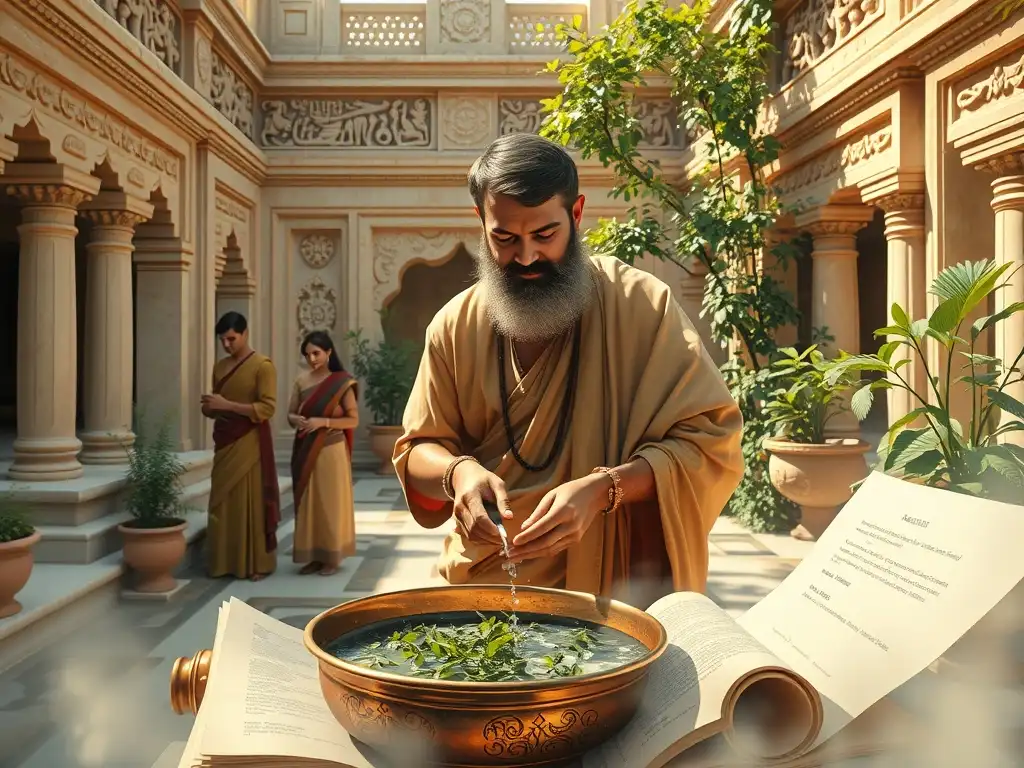
Ancient Indian surgical hygiene practices were rooted in a blend of empirical knowledge and philosophical beliefs. The core principles emphasized cleanliness, purity, and the prevention of infections during surgical procedures. These principles were influenced by the broader cultural context that revered the body as sacred and believed that maintaining hygiene was essential not only for physical health but also for spiritual well-being. The ancient texts, particularly the Sushruta Samhita, serve as vital sources outlining these practices, detailing methods to ensure a sterile environment before, during, and after surgical interventions.
The emphasis on cleanliness extended beyond the surgical site to include the preparation of the surgeon and assistants, the cleanliness of the environment, and the quality of the instruments used. These practices were not merely practical but were seen as integral to the successful outcome of surgical procedures.
Importance of Sterility in Surgical Techniques
Sterility played a crucial role in ancient Indian surgical techniques. The understanding that infections could arise from unclean conditions led to meticulous practices designed to minimize the risk of contamination. Surgeons were trained to wash their hands and instruments thoroughly before performing any procedure. This practice was not only about physical cleanliness but also involved spiritual purification rituals, which were believed to enhance the effectiveness of the surgical intervention.
In the ancient Indian context, the concept of sterility was linked to the notion of shuddhi (purification). The surgical environment was prepared with great care, often involving the use of clean cloths, water, and other materials that were considered pure. The importance of using sterilized instruments was recognized, and the application of these principles laid the groundwork for modern surgical hygiene.
Use of Herbal Antiseptics and Natural Remedies
Ancient Indian surgeons utilized a variety of herbal antiseptics and natural remedies to prevent infections and promote healing. Plants such as neem, turmeric, and garlic were commonly employed for their antiseptic properties. For instance, neem leaves were often used to wash wounds due to their known antibacterial effects. Similarly, turmeric's anti-inflammatory and antimicrobial properties made it a popular choice for both external applications and internal health.
These natural remedies were not only effective but also aligned with the holistic approach of ancient Indian medicine, which viewed the body as a whole and emphasized the balance between physical and spiritual health. The integration of herbal treatments in surgical hygiene practices showcases the advanced understanding that ancient practitioners had regarding the healing properties of nature.
Rituals and Practices to Ensure Cleanliness
Rituals to ensure cleanliness were deeply ingrained in ancient Indian surgical practices. Before any surgical procedure, it was customary for surgeons and their assistants to engage in purification rituals, which often included bathing and wearing clean, white garments. These rituals were believed to cleanse not only the body but also the mind, preparing the surgeon for the task ahead.
Furthermore, specific prayers and mantras were often recited to invoke blessings for a successful surgery. The environment in which the surgery was performed was also important; it was typically a designated clean area, often decorated with auspicious symbols and offerings to deities for protection and success in the surgical endeavor. Such rituals underscored the intertwining of spirituality and medicine in ancient Indian surgical practices.
Surgical Instruments and Their Hygiene
Surgical instruments in ancient India were crafted with precision and care, reflecting the skill of artisans and the importance of hygiene in surgical practices. The tools were designed for various procedures, ranging from simple cuts to complex surgeries, and maintaining their cleanliness was paramount to prevent infections.
Types of Surgical Instruments Used in Ancient India
The variety of surgical instruments used in ancient India was impressive and included scalpels, forceps, needles, and probes, among others. Each instrument served a specific purpose, and their design often reflected a deep understanding of human anatomy and surgical techniques.
For example, scalpels were made from sharpened metal, while forceps were designed for grasping tissue. The Sushruta Samhita details more than 120 different surgical instruments, showcasing the advanced level of surgical practice in ancient India. The careful selection of materials for these instruments also played a role in ensuring they could be effectively cleaned and sterilized.
Maintenance and Sterilization of Surgical Tools
The maintenance and sterilization of surgical tools were critical components of ancient Indian surgical hygiene. Instruments were meticulously cleaned using herbal solutions and boiled in water to ensure they were devoid of any contaminants before surgery. This practice not only ensured the physical cleanliness of the instruments but also aligned with the philosophical belief in maintaining purity.
Additionally, specific rituals were often performed during the maintenance of these tools, such as chanting mantras to invoke purity and protection. This holistic approach to hygiene and maintenance of surgical instruments highlights the sophisticated understanding of infection control in ancient Indian medicine, which laid essential foundations for modern surgical practices.
Case Studies: Successful Surgeries in Ancient India
Ancient India is renowned for its advanced surgical techniques, many of which were conducted with a strong emphasis on hygiene. This focus on cleanliness can be traced back to texts like the Sushruta Samhita, attributed to the surgeon Sushruta, which outlines various procedures and the importance of maintaining a sterile environment. Several case studies illustrate the successful outcomes of surgeries that adhered to high hygiene standards.
One notable case is that of cataract surgery performed using the couching technique. In this procedure, the surgeon would carefully displace the cloudy lens of the eye. Historical records indicate that patients who underwent this surgery reported improved vision, attributed not only to the skill of the surgeon but also to the sterile conditions maintained during the operation. Surgeons ensured that their instruments were clean and that the surgical site was free of contaminants, significantly increasing the success rates of such delicate procedures.
Another remarkable example involves the surgical removal of tumors. Surgeons utilized specific tools, meticulously crafted from metals like bronze and steel, which were cleaned and sometimes even boiled before use. This attention to detail in preparation helped minimize infection risks, leading to successful recoveries in many patients.
Examples of Surgical Procedures with High Hygiene Standards
The ancient Indian surgical landscape is filled with various procedures that exemplified high hygiene standards. One of the most significant practices was the preparation of herbs and medicinal plants used in surgeries. The Sushruta Samhita emphasizes the importance of using freshly prepared pastes and ointments, which were made in clean environments to ensure their efficacy.
- Cataract Surgery: As mentioned earlier, this procedure was performed with great care to ensure that the instruments and environment were sterile. The surgeon employed a methodical approach, often washing hands and instruments in herbal solutions known for their antiseptic properties.
- Plastic Surgery: Ancient Indian surgeons also practiced reconstructive surgery, famously known as rhinoplasty. This delicate procedure required a sterile environment due to the risk of infection. Surgeons often employed techniques to cover the surgical site with clean cloths and used ointments derived from natural antiseptics to promote healing.
- Trepanation: This ancient practice involved drilling holes into the skull to treat various ailments, including head injuries. The careful cleaning of instruments and the site was paramount to prevent infection, and many ancient texts suggest using specific rituals to purify the tools used in this procedure.
Analysis of Outcomes and Patient Care
The outcomes of surgical procedures in ancient India were often remarkable, particularly due to the emphasis on hygiene. Patients who underwent surgeries in a clean environment typically experienced fewer complications and faster recoveries. Historical texts reveal that surgeons not only focused on the technical aspects of surgery but also on patient care, ensuring that post-operative hygiene was maintained.
- Post-Operative Care: Surgeons provided instructions for maintaining cleanliness after surgery, such as bathing with specific herbal infusions and avoiding contact with unclean surfaces. Patients were advised on how to keep their wounds clean and were often given herbal remedies to promote healing.
- Survivability Rates: Evidence suggests that the survivability rates for surgeries performed under hygienic conditions were significantly higher than those conducted without such measures. This reflects the profound understanding ancient Indian surgeons had about the link between cleanliness and successful medical outcomes.
Comparative Analysis of Ancient Indian and Other Civilizations' Surgical Hygiene Practices
Ancient Indian surgical hygiene practices can be compared with those of other civilizations, particularly Ancient Greece and Egypt, to understand the evolution of medical practices across cultures.
Hygiene Practices in Ancient Greek Surgery
The Ancient Greeks also recognized the importance of hygiene in surgical practices, although their methods differed from those in India. Hippocrates, known as the Father of Medicine, advocated for cleanliness and the use of clean instruments. Greek surgeons typically employed various methods to sterilize their tools, including boiling them in water or using vinegar.
- Surgical Environments: Operating rooms in ancient Greece were often kept clean, and surgeons wore clean garments during procedures. However, there was less emphasis on antiseptic techniques compared to those found in ancient Indian practices.
- Patient Management: Post-operative care was also observed, with Greek physicians stressing the importance of keeping wounds clean and monitoring for signs of infection. However, their understanding of germs and infection was not as advanced as that seen in ancient Indian texts.
Contrasts with Ancient Egyptian Surgical Techniques
Ancient Egyptian surgical practices provide a stark contrast to those in ancient India. While the Egyptians had advanced medical knowledge, their focus on hygiene was less prominent.
- Use of Materials: Egyptian surgeons often used a variety of materials for surgery, including cloth and linen, but did not place as much emphasis on sterilization. Their surgical instruments were often not cleaned adequately before procedures, which could lead to higher infection rates.
- Beliefs and Rituals: The Egyptians integrated a range of magical and religious beliefs into their medical practices, which sometimes overshadowed the importance of hygiene. Surgeries were often accompanied by rituals that did not prioritize cleanliness in the way that ancient Indian practices did.
While both Ancient Indian and other civilizations recognized the significance of hygiene in surgical practices, the methods and emphasis on cleanliness varied significantly, with ancient Indian practices standing out for their advanced understanding and implementation of surgical hygiene.
The Legacy of Ancient Indian Surgical Hygiene Practices
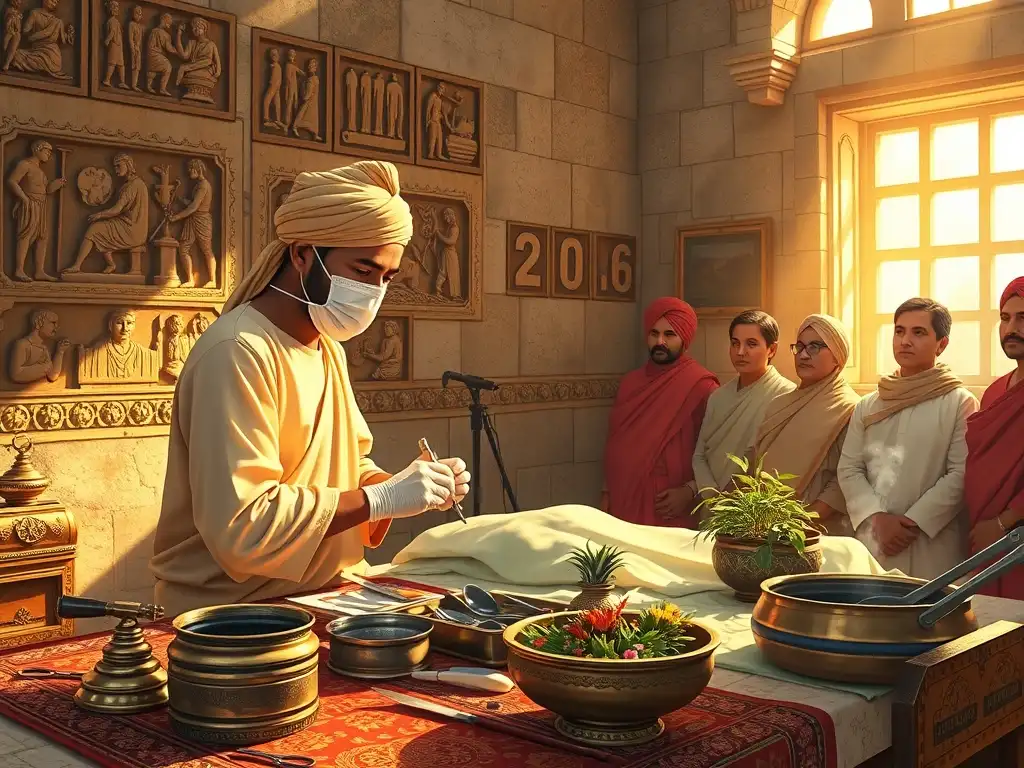
Ancient Indian surgical hygiene practices have left an indelible mark on the field of medicine. Rooted in texts such as the Sushruta Samhita, which dates back to around 600 BCE, these practices emphasized cleanliness, sterilization, and the use of natural remedies to prevent infections during surgical procedures. The ancient practitioners understood that maintaining a sterile environment was crucial for successful surgeries, leading to the development of various techniques that promoted hygiene.
Indian surgeons of antiquity were remarkably advanced in their understanding of the human body and the importance of cleanliness. They used methods such as washing instruments with herbal solutions and boiling water to sterilize surgical tools. They also recognized the significance of a clean surgical environment, ensuring that the operating area was free from contaminants. This legacy of hygiene not only contributed to the success rates of surgeries but also laid the groundwork for future advancements in surgical practices worldwide.
Influence on Modern Surgical Techniques
The principles established by ancient Indian surgeons continue to resonate in modern medical practices. Many contemporary surgical techniques are rooted in the foundational ideas of sterilization and hygiene that were emphasized in ancient texts. For instance, the practice of autoclaving surgical instruments to ensure they are free from pathogens is a direct descendant of methods used in ancient India.
Moreover, the holistic approach to patient care that included cleanliness as a vital component has influenced modern surgical protocols. Surgeons today routinely implement strict hygiene measures, not only during the operation but also in pre-operative and post-operative care. Techniques such as hand washing, the use of sterile gloves, and maintaining an aseptic environment during surgeries can all trace their origins back to the meticulous practices of ancient Indian surgery.
Recognition in Contemporary Medical Studies
Recent studies have begun to explore the significance of ancient Indian surgical hygiene practices within the broader context of medical history. Researchers have highlighted the empirical knowledge that ancient Indian surgeons possessed, particularly in relation to infection control. The methodologies documented in texts like the Sushruta Samhita are being revisited, providing insights into how ancient practices can inform current medical education and surgical training.
Moreover, the emphasis on hygiene and the prevention of infection in ancient Indian surgical practices is gaining recognition as a critical aspect of surgical theory. Medical historians and practitioners are increasingly acknowledging how these practices contributed to lower infection rates and improved patient outcomes in ancient times, thereby enhancing our understanding of the evolution of surgical techniques.
Conclusion: The Lasting Impact of Hygiene in Ancient Indian Surgery
The hygiene practices established by ancient Indian surgeons have not only influenced the medical field in their time but also continue to shape modern surgical practices. The commitment to cleanliness and sterilization is a testament to the advanced understanding of medicine that existed in ancient India.
Summary of Key Points
- Ancient Indian surgical practices emphasized hygiene, cleanliness, and the use of natural remedies.
- Techniques such as sterilization of instruments and maintaining a sterile environment were foundational.
- These practices have directly influenced modern surgical protocols, including autoclaving and aseptic techniques.
- Contemporary studies recognize the importance of these ancient practices in informing current medical practices and education.
Final Thoughts on Ancient Indian Surgical Hygiene Practices
The importance of hygiene in ancient Indian surgical practices cannot be overstated. It has paved the way for advancements in modern medicine and continues to be relevant in contemporary surgical techniques. As we delve deeper into the rich history of ancient Indian medicine, it becomes clear that the legacy of surgical hygiene practices serves as a crucial reminder of the profound understanding of health and cleanliness that existed thousands of years ago. Recognizing and honoring this legacy is essential for appreciating the evolution of surgical practices and their impact on medical science today.
References
The study of ancient Indian surgical hygiene practices reveals a profound understanding of health and sanitation that was ahead of its time. Various ancient texts and modern academic studies provide insights into the surgical methods and hygiene protocols that were established during different periods of ancient Indian history. Below are some key readings and academic sources that can enhance your understanding of this vital aspect of ancient Indian medicine.
Suggested Readings on Ancient Indian Medicine and Surgery
-
"Sushruta Samhita"
This foundational text attributed to Sushruta is a crucial resource for understanding ancient Indian surgical practices. It outlines various surgical techniques, including the importance of cleanliness and hygiene in surgical procedures.
-
"Charaka Samhita"
Focused on internal medicine, this text also emphasizes the significance of hygiene in preventing infections. It serves as an important guide to the holistic approach of ancient Indian medicine.
-
"Medical History of India" by K. S. S. Rao
This book provides an extensive overview of medical practices in ancient India, discussing the evolution of surgical techniques and the integral role of hygiene.
-
"Ayurveda: The Science of Self-Healing" by Vasant Lad
A contemporary interpretation of ancient Ayurvedic principles, this book covers the relevance of hygiene and cleanliness in Ayurvedic surgical practices.
-
"Ancient Indian Medicine" by K. A. K. Gokhale
This reading delves into the medical systems of ancient India, offering insights into surgical practices, including hygiene measures that were adopted.
Academic Sources and Historical Texts on Surgical Hygiene Practices
-
"The Role of Hygiene in Ancient Indian Surgery" - Journal of Medical History
This academic article examines the surgical practices documented in ancient Indian texts, emphasizing the hygiene measures that were integral to successful surgical outcomes.
-
"Infection Control in Ancient India: A Historical Perspective" - Indian Journal of Medical Sciences
This source analyzes historical accounts of infection control methods used by ancient Indian surgeons, highlighting their sophisticated understanding of hygiene.
-
"Surgical Instruments and Practices in Ancient India" - International Journal of Surgery
This paper discusses the various surgical instruments used in ancient India, including how hygiene was maintained in their use and maintenance.
-
"The Ayurveda and Surgery Connection: A Historical Overview" - Journal of Alternative and Complementary Medicine
This research provides a comprehensive look at the intersection of Ayurveda and surgical practices, focusing on the hygiene protocols prescribed in ancient texts.
-
"The Development of Surgical Techniques in Ancient India" - The History of Science and Medicine
This book explores the evolution of surgical techniques in ancient India, with a dedicated section on the hygiene practices that were developed alongside surgical innovations.
Through these readings and academic sources, one can gain a deeper understanding of the importance of hygiene in ancient Indian surgical practices, showcasing the advanced medical knowledge that ancient Indian civilizations possessed.
- Introduction to Ancient Indian Surgical Hygiene Practices
- Overview of Ancient Indian Medicine
- Significance of Hygiene in Surgical Procedures
- Historical Context of Surgical Practices in Ancient India
- Core Principles of Ancient Indian Surgical Hygiene
- Surgical Instruments and Their Hygiene
- Case Studies: Successful Surgeries in Ancient India
- Comparative Analysis of Ancient Indian and Other Civilizations' Surgical Hygiene Practices
- The Legacy of Ancient Indian Surgical Hygiene Practices
- Conclusion: The Lasting Impact of Hygiene in Ancient Indian Surgery
- References
- What were the key surgical hygiene practices in ancient India?
- How did ancient Indian hygiene practices compare to other civilizations?
- What role did Ayurveda play in promoting surgical hygiene?
- Were there specific rituals associated with surgical hygiene in ancient India?
- How have ancient Indian surgical hygiene practices influenced modern medicine?
Frequently Asked Questions
What were the key surgical hygiene practices in ancient India?
Ancient Indian surgeons emphasized cleanliness through practices like hand washing, using sterilized instruments, and maintaining a clean environment during surgeries.
How did ancient Indian hygiene practices compare to other civilizations?
Ancient Indian surgical hygiene was notably advanced, with a strong focus on aseptic techniques that paralleled practices in ancient Greece and Egypt, showcasing the sophistication of Indian medical knowledge.
What role did Ayurveda play in promoting surgical hygiene?
Ayurveda, the ancient Indian system of medicine, advocated for purity and sanitation in surgical procedures, highlighting the importance of hygiene in preventing infections and ensuring successful outcomes.
Were there specific rituals associated with surgical hygiene in ancient India?
Yes, many rituals were performed to ensure spiritual and physical cleanliness, which included purification rites and offerings to deities, reflecting the deep intertwining of spirituality and medicine.
How have ancient Indian surgical hygiene practices influenced modern medicine?
The principles of hygiene and aseptic techniques established by ancient Indian surgeons have had a lasting impact on modern surgical practices, emphasizing the importance of cleanliness and infection control in today's medical field.
Final Reflection: The Enduring Legacy of Ancient Indian Surgical Hygiene Practices
The significance of hygiene in ancient Indian surgical practices cannot be overstated; it serves as a testament to the advanced understanding of health and wellness that existed centuries ago. Today, as we navigate a world increasingly aware of the importance of cleanliness and sanitation, the principles established by ancient practitioners resonate more than ever. The meticulous attention to hygiene in surgical settings not only paved the way for modern medical practices but also highlighted the profound connection between health and environment that we must continue to honor.
The influence of these ancient practices extends beyond historical curiosity; they have shaped contemporary surgical protocols and public health policies. The reverence for cleanliness and the systematic approach to surgery in ancient India remind us that the foundations of modern medicine are deeply rooted in cultural traditions. As Mahatma Gandhi once said, "It is health that is real wealth and not pieces of gold and silver." This quote encapsulates the essence of our discussion, emphasizing that true wealth lies in our health, which is inextricably linked to our hygiene practices.
As we reflect on the lessons from ancient Indian surgical hygiene practices, let us take a moment to consider how we can integrate these timeless principles into our daily lives. I invite you to examine your own routines and practices, recognizing that the commitment to cleanliness is not just a personal responsibility but a communal one. By embracing the wisdom of the past, we can foster a healthier future for ourselves and generations to come, ensuring that the legacy of hygiene in surgical practices continues to thrive in our modern world.
Unveil the Secrets of Ancient Surgical Hygiene!
Thank you for diving into the rich world of ancient Indian surgical practices with us! We hope you enjoyed discovering the pivotal role of hygiene in these remarkable techniques. Now it’s time to take that knowledge further and engage with this fascinating aspect of history in practical ways.
Here are some inspiring actions you can take right now:
- Explore more resources on ancient medicine by visiting a local library or museum to deepen your understanding.
- Share this article with friends or on social media to spark interest in the topic and raise awareness about the importance of historical medical practices.
- Join or start a discussion group focused on ancient healing methods—who knows what insights you might uncover together!
What new perspectives on hygiene and medicine from the past do you think could influence modern practices today?