
The Influence of Ancient Indian Architecture on Modern Design Principles

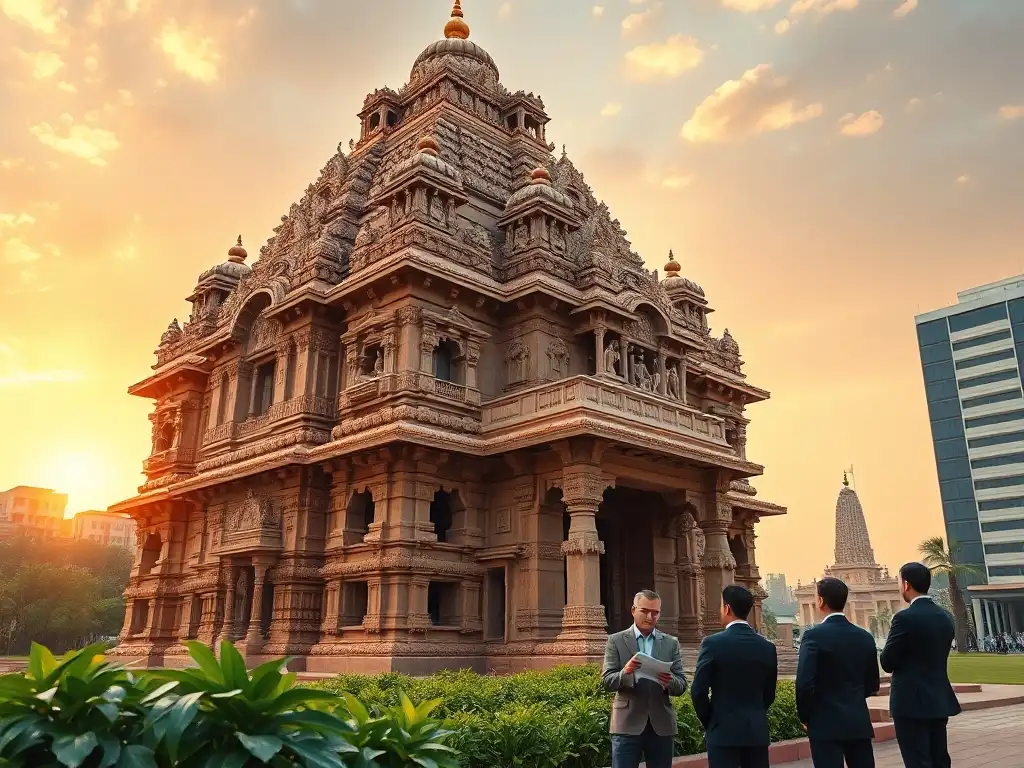
Welcome to Ancient India History, where we embark on a mesmerizing journey through time to uncover the rich tapestry of ancient Indian civilizations. Delve into the influence of ancient Indian architecture on modern design principles, a captivating topic that reveals how the ingenuity of past architects continues to resonate in today's structures. As you explore the intricate connections between ancient artistry and contemporary aesthetics, you'll discover how these historical marvels have shaped our world. Prepare to be inspired, and let the echoes of the past guide your curiosity as you navigate through our collection of stories and insights!

Introduction to Ancient Indian Architecture Influence
Ancient Indian architecture stands as a testament to the rich cultural tapestry woven through centuries of history, innovation, and artistry. Spanning from the majestic edifices of the Indus Valley Civilization to the intricate temples of the Gupta Empire, this architectural heritage has left an indelible mark not only on the Indian subcontinent but also across the globe.
The influence of ancient Indian architecture on modern design principles is profound, showcasing how traditional concepts continue to inspire contemporary architects and designers. This article delves into the various dimensions of this influence, exploring the key elements that characterize ancient Indian architecture and their relevance in today’s design philosophies.
Overview of Ancient Indian Architecture
The evolution of ancient Indian architecture is marked by a variety of styles, each reflecting the socio-political dynamics and cultural values of its time. The Indus Valley Civilization, recognized for its urban planning and sophisticated drainage systems, set the groundwork for later architectural developments. Following this, the Mauryan and Gupta periods introduced monumental stupas and intricately carved temples, showcasing a blend of functionality and spirituality.
Key architectural features include:
- Stupas: Dome-shaped structures that served as reliquaries.
- Temples: Often dedicated to various deities, characterized by elaborate carvings and intricate sculptures.
- Fortifications: Defensive structures that underline the importance of security in ancient cities.
These architectural forms not only served practical purposes but also acted as cultural symbols, embodying the philosophical and spiritual beliefs of the time.
Importance of Architectural Heritage in Cultural Exchanges
The architectural heritage of ancient India is significant in understanding cultural exchanges that have shaped the subcontinent and beyond. As trade routes flourished, ideas and techniques from different cultures intermingled, leading to a synthesis of styles and practices. This cross-pollination can be observed in various aspects, such as:
- Adaptation of Styles: Elements from Persian and Greek architecture influenced Indian designs, particularly during the Mauryan and Kushan empires.
- Religious Syncretism: Temples often integrated motifs and architectural styles from diverse religious practices, highlighting the pluralistic nature of ancient Indian society.
The preservation and study of this heritage are crucial, as they provide insight into the historical dialogues that have informed modern architectural practices.
Key Elements of Ancient Indian Architecture
The enduring influence of ancient Indian architecture on modern design can be traced through several key elements:
Use of Space and Geometry in Ancient Indian Structures
Ancient Indian architects exhibited a profound understanding of space and geometry. Structures were meticulously planned to achieve harmony with their surroundings, reflecting principles of vastu shastra—the traditional Indian system of architecture and design. Key aspects include:
- Symmetry and Proportions: Buildings were designed with a keen sense of balance, often following specific proportions that resonate with natural forms.
- Integration with Nature: Many structures were oriented to maximize natural light and ventilation, fostering a connection between the built environment and the natural world.
These principles continue to resonate in modern sustainable design, where the emphasis on environmental harmony is paramount.
Iconography and Symbolism in Design
The rich iconography found in ancient Indian architecture conveys deep philosophical meanings and cultural narratives. Symbols such as lotus flowers, animals, and divine figures adorned temple walls, serving both aesthetic and spiritual purposes. Modern architecture often draws on the idea of symbolism, incorporating cultural references to convey identity and meaning.
Materials and Techniques of Construction
Ancient Indian architecture utilized a variety of materials, from locally sourced stone to fired bricks, showcasing innovative construction techniques. The use of jalis (perforated stone screens) for ventilation and light control remains a source of inspiration for contemporary architects seeking to enhance energy efficiency. Notable materials and techniques include:
- Stone Carving: Intricate carvings not only added beauty but also conveyed narratives and religious significance.
- Mud and Brick Construction: Techniques that emphasized sustainability and local availability are increasingly relevant in today's eco-conscious design approaches.
The influence of ancient Indian architecture on modern design principles is both profound and multifaceted. By exploring its key elements, we can appreciate the timelessness of these architectural traditions and their capacity to inform and inspire contemporary practices.
Historical Context of Ancient Indian Architectural Styles
The evolution of ancient Indian architecture is deeply rooted in the diverse cultural, religious, and social contexts of its time. From the meticulous planning of the Indus Valley Civilization to the grandeur of the Gupta Empire, each period introduced unique architectural elements and styles that reflect the values and beliefs of the society. This historical context not only showcases the ingenuity of ancient builders but also highlights how these architectural practices laid the groundwork for modern design principles. Understanding the chronological development of these styles is crucial to appreciating their enduring influence in contemporary architecture.
Indus Valley Civilization: The Foundations of Design
The Indus Valley Civilization (circa 3300–1300 BCE) is often credited with establishing foundational principles of urban planning and architecture. Cities like Harappa and Mohenjo-Daro exhibited advanced planning, featuring grid layouts, drainage systems, and standardized bricks. The use of mud and baked bricks allowed for durable structures, while the innovative drainage system showcased a deep understanding of hygiene and urban infrastructure.
These early architectural designs emphasized functionality and symmetry, elements that resonate in modern architecture. The emphasis on public spaces, such as the Great Bath of Mohenjo-Daro, reflects a communal ethos that informs contemporary designs that prioritize community interaction and environmental consciousness.
Mauryan Empire: Innovations and Influences
The Mauryan Empire (circa 322–185 BCE) marked a significant advancement in Indian architecture through the introduction of grand structures and intricate carvings. Under the reign of Emperor Ashoka, the construction of stupas, like the Sanchi Stupa, showcased not just religious significance but also architectural innovation. The use of stone, elaborate gateways (toranas), and the development of rock-cut architecture exemplified a shift towards permanence and artistry.
Mauryan architecture influenced subsequent generations by integrating various decorative motifs and structural techniques. The principles of symmetry, proportion, and the use of light and shadow can be observed in modern architectural designs that draw inspiration from ancient forms, emphasizing both aesthetic appeal and structural integrity.
Gupta Empire: A Golden Age of Architecture
The Gupta Empire (circa 320–550 CE) is often regarded as a golden age of Indian art and architecture. During this period, temples became the focal point of architectural innovation, culminating in the construction of remarkable structures like the Dashavatara Temple at Deogarh. The Gupta period is characterized by intricate stone carvings, the development of the shikhara (temple tower), and the incorporation of iconography that reflects the rich religious and cultural tapestry of the time.
This era's architectural achievements laid the groundwork for later styles and regional variations, influencing the design principles of subsequent dynasties. The emphasis on verticality and ornate detailing in Gupta architecture can be seen mirrored in modern designs that seek to evoke a sense of spirituality and connection to the divine.
Influence on Modern Design Principles
Ancient Indian architecture continues to profoundly impact modern design principles, as contemporary architects and designers draw inspiration from historical styles to create buildings that resonate with cultural heritage while meeting modern needs.
Integration of Ancient Techniques in Contemporary Architecture
Modern architects have increasingly recognized the value of ancient Indian building techniques, such as the use of courtyards, passive cooling methods, and local materials. These techniques promote sustainability and energy efficiency, aligning with contemporary goals for environmentally responsible design.
For instance, the courtyard system, prevalent in ancient Indian homes, enhances ventilation and light, addressing modern concerns about energy use and indoor climate control. By integrating these ancient techniques, architects can create spaces that are not only aesthetically pleasing but also functional and sustainable.
Sustainable Practices Derived from Ancient Indian Building Methods
Sustainability is a vital consideration in modern architecture, and ancient Indian building practices offer valuable lessons. The use of locally sourced materials, such as clay, stone, and timber, reduced the carbon footprint of construction. Additionally, methods such as mud plastering and thatching provided natural insulation, promoting energy efficiency in a time before mechanical heating and cooling.
Modern architects are revisiting these practices, adapting them to contemporary contexts. For example, the revival of earthen architecture and the use of natural materials in modern construction reflect a growing trend towards sustainability that echoes ancient practices.
The Role of Natural Elements in Modern Design Inspired by Ancient India
Ancient Indian architecture often harmonized with the surrounding natural environment, incorporating elements such as water bodies, gardens, and natural light. This connection to nature is increasingly vital in modern design, as architects strive to create spaces that foster well-being and ecological balance.
The integration of water features, green roofs, and abundant natural light in contemporary architecture draws directly from ancient principles that emphasized a symbiotic relationship with nature. By creating designs that encourage interaction with the natural world, modern architects continue to honor the legacy of ancient Indian architecture, promoting a holistic approach to building that nurtures both people and the planet.
Case Studies of Modern Architecture Influenced by Ancient Indian Designs
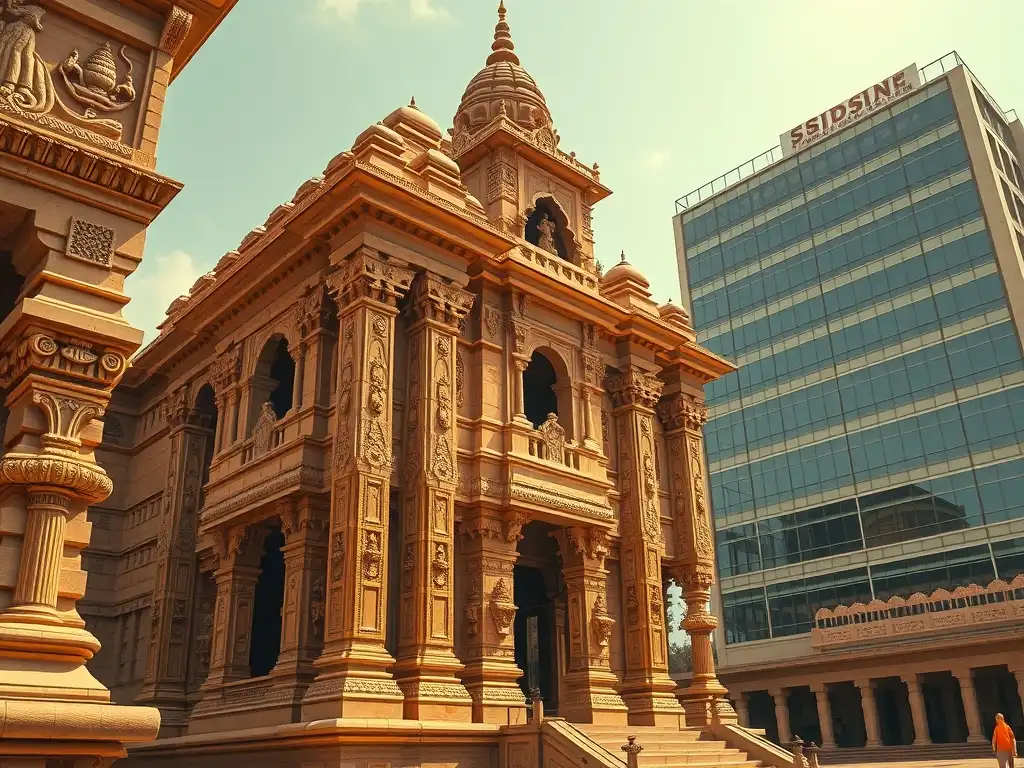
The influence of ancient Indian architecture on modern design principles is vividly illustrated through various contemporary structures that draw inspiration from historical styles, motifs, and philosophies. These case studies highlight how architects have successfully integrated ancient concepts into modern frameworks, creating harmonious blends of the old and the new.
Case Study 1: The Lotus Temple, Delhi
The Lotus Temple, completed in 1986, is a striking example of modern architecture inspired by ancient Indian design principles. Its flower-like structure symbolizes purity and peace, resonating with the spiritual essence found in many ancient Indian temples. The temple's design, characterized by 27 free-standing marble-clad petals, is reminiscent of the traditional lotus motif prevalent in Indian art and architecture, often associated with divinity and enlightenment.
The use of geometric forms in the Lotus Temple draws parallels to the intricate designs of ancient Indian architecture, where symmetry and proportion were fundamental. The central hall, which can accommodate over 2,500 people, is designed to promote natural acoustics, a technique seen in ancient constructions that prioritized both functionality and aesthetic appeal. The temple's surroundings, including serene gardens and water features, further echo the principles of ancient Indian landscape design, creating a tranquil environment for visitors.
Case Study 2: The Auroville Matrimandir, Tamil Nadu
Located in the spiritual township of Auroville, the Matrimandir is another exemplary case of modern architecture influenced by ancient Indian designs. Completed in 2008, this structure serves as a center for meditation and spiritual practice. Its spherical form, surrounded by twelve petals, represents the unity of all human beings, a concept deeply rooted in Indian philosophy.
The Matrimandir's design incorporates elements of ancient Indian architecture, such as the use of light and space to create a meditative atmosphere. The central chamber, which is illuminated by a skylight, reflects the ancient practice of using natural light in sacred spaces, enhancing the spiritual experience within. The materials used, including locally sourced clay and stone, also pay homage to traditional building methods, aligning with sustainable practices that have roots in ancient Indian construction techniques.
Challenges in Preserving Ancient Indian Architectural Influence
Despite the profound influence of ancient Indian architecture on modern design, several challenges hinder the preservation of its architectural heritage. These challenges stem from both external pressures and internal dilemmas faced by contemporary society.
Threats to Heritage Sites and Their Architectural Styles
Heritage sites in India are often under threat from urbanization, pollution, and neglect. Rapid development projects frequently encroach upon historical sites, leading to the deterioration of ancient architectural styles. For instance, many temples and forts are at risk of being overshadowed by modern constructions that disregard traditional aesthetics and cultural significance.
Moreover, environmental factors such as climate change pose additional risks to the structural integrity of ancient buildings. The unique materials and techniques employed in their construction may not withstand the pressures of modern urban environments, leading to a loss of both physical structures and cultural heritage.
Balancing Modernization with Preservation of Ancient Techniques
Striking a balance between modernization and the preservation of ancient architectural techniques is a significant challenge for contemporary architects and planners. While modern designs often prioritize efficiency and functionality, they can overlook the rich symbolic and cultural narratives embedded in ancient Indian architecture.
Architects are increasingly tasked with integrating modern needs with traditional aesthetics, requiring innovative approaches that respect historical contexts while accommodating contemporary functionality. This involves not only using traditional materials and techniques but also understanding the cultural significance of designs to create spaces that resonate with both history and modernity.
Navigating these challenges is essential for ensuring that the influence of ancient Indian architecture continues to inspire future generations, fostering a deeper appreciation for cultural heritage in the realm of modern design.
Conclusion: The Lasting Impact of Ancient Indian Architecture on Modern Design
Ancient Indian architecture has left an indelible mark on modern design principles, merging aesthetic beauty with functionality. The intricate designs, use of natural materials, and incorporation of local climate considerations found in ancient structures serve as a guiding framework for contemporary architects. This architectural legacy emphasizes the importance of sustainability, cultural relevance, and harmony with the environment, influencing how modern buildings are conceived and constructed. The principles derived from ancient Indian architecture resonate in today’s architectural dialogues, highlighting a continuous thread of cultural and artistic exchange that shapes global design narratives.
Summary of Key Influences
- Sustainable Practices: Ancient Indian architecture was rooted in sustainability, often employing local materials and climate-responsive techniques. This practice is echoed in modern architecture that prioritizes environmental sustainability and energy efficiency.
- Spatial Organization: The concept of space in ancient Indian architecture—where structures were designed to create a sense of community and continuity—continues to influence urban planning and architectural layouts today.
- Symbolism and Spirituality: The intricate symbolism embedded in ancient structures, such as temples and palaces, informs modern architects seeking to instill meaning and cultural context in their designs. This practice fosters a deeper connection between the building and its users.
- Aesthetic Elements: Decorative motifs, intricate carvings, and the use of vibrant colors characteristic of ancient Indian architecture inspire contemporary design aesthetics, promoting a fusion of traditional and modern styles.
Future Perspectives on Architectural Syncretism
The future of architectural design will likely see a continued exploration of syncretism, where ancient traditions and modern technologies converge. As globalization progresses, architects are increasingly looking towards historical influences to create spaces that reflect both cultural heritage and modern functionality.
- Integration of Technology: The incorporation of smart technologies in building design can enhance the sustainability practices rooted in ancient architecture, leading to innovative solutions that honor traditional methods while embracing modern advancements.
- Cultural Revitalization: As societies search for identity in an increasingly homogenized world, there may be a resurgence in the use of local architectural styles and traditional techniques, inspired by ancient Indian practices.
- Interdisciplinary Approaches: Future architectural practices will benefit from interdisciplinary collaboration, merging insights from history, environmental science, and technology to create buildings that are not only functional but also culturally resonant.
References and Further Reading
Key Texts on Ancient Indian Architecture
-
"The Architecture of Ancient India: From the Indus to the 20th Century" by Kamala T. S.
This comprehensive text provides an in-depth analysis of the evolution of ancient Indian architecture, exploring various regional styles and their cultural significance.
-
"Indian Temple Architecture: Form and Transformation" by Adam Hardy
Hardy’s work delves into the intricacies of temple architecture, detailing the symbolic and functional aspects that have influenced modern design.
-
"The Hindu Temple: An Introduction to Its Meaning and Forms" by George Michell
This book offers insights into the architectural features and spiritual significance of Hindu temples, revealing their lasting impact on contemporary architectural practices.
Suggested Articles on Modern Architectural Practices
-
"Sustainable Architecture: Lessons from Ancient Indian Design"
An article that discusses how ancient Indian building techniques can inform sustainable practices in modern architecture.
-
"Cultural Heritage in Modern Urban Design"
This piece explores how modern architects can draw inspiration from historical influences, including ancient Indian architecture, to create culturally relevant urban spaces.
-
"Merging Tradition with Innovation: The Future of Architecture"
An exploration of how contemporary architects are blending traditional design principles with modern technology to create innovative architectural solutions.
- Introduction to Ancient Indian Architecture Influence
- Key Elements of Ancient Indian Architecture
- Historical Context of Ancient Indian Architectural Styles
- Influence on Modern Design Principles
- Case Studies of Modern Architecture Influenced by Ancient Indian Designs
- Challenges in Preserving Ancient Indian Architectural Influence
- Conclusion: The Lasting Impact of Ancient Indian Architecture on Modern Design
- References and Further Reading
- What is the primary focus of the article on ancient Indian architecture?
- How did ancient Indian architecture impact modern design?
- What are some key features of ancient Indian architecture?
- Which ancient Indian architectural styles are most influential today?
- How can one explore ancient Indian architecture further?
Frequently Asked Questions
What is the primary focus of the article on ancient Indian architecture?
The article focuses on the influence of ancient Indian architecture on modern design principles, exploring how historical styles and techniques continue to shape contemporary architecture.
How did ancient Indian architecture impact modern design?
Ancient Indian architecture introduced significant concepts such as symmetry, geometric patterns, and environmental harmony, which are now integral to modern architectural practices.
What are some key features of ancient Indian architecture?
Key features include intricate carvings, stupas, temples, and the use of vast courtyards, all of which showcase the artistic and cultural richness of ancient Indian civilizations.
Which ancient Indian architectural styles are most influential today?
Styles such as Vastu Shastra, temple architecture, and the Indo-Islamic style have left a lasting mark, influencing both residential and public buildings in various regions.
How can one explore ancient Indian architecture further?
To explore further, readers can study historical texts, visit archaeological sites, and engage with scholarly articles that delve deeper into the cultural significance and design principles of ancient Indian architecture.
Final Reflection: The Enduring Legacy of Ancient Indian Architecture
The influence of ancient Indian architecture on modern design principles is not just a historical curiosity; it is a vital thread that weaves through the fabric of contemporary aesthetics and functionality. Today, as we navigate an increasingly globalized world, the principles of harmony, sustainability, and cultural storytelling found in ancient Indian architecture resonate more than ever. This timeless wisdom serves as a reminder that our built environments can and should reflect the values and narratives of the cultures they emerge from.
Cultural landscapes are continuously shaped by the legacies of the past, and ancient Indian architecture stands as a testament to this enduring influence. The intricate designs, sustainable practices, and community-centric approaches of ancient structures have left an indelible mark on modern architecture, inspiring architects and designers to integrate these principles into their work. Architecture is the thoughtful making of space,
said Louis Kahn, and the spaces crafted through ancient Indian wisdom continue to inspire thoughtful design that honors both nature and heritage.
As you reflect on the insights shared in this article, consider how you can incorporate the lessons of ancient Indian architecture into your own life and surroundings. Whether through embracing sustainable practices, valuing cultural narratives, or fostering community connections, each of us has the power to carry forward this legacy. Let the principles of ancient design inspire you to create spaces that not only serve a functional purpose but also tell a story and connect us to our roots.
Unveil the Timeless Secrets of Architectural Innovation!
Thank you for exploring the fascinating connections between ancient Indian architecture and modern design principles! You've uncovered valuable insights that can inspire your own architectural journey. Now, let’s take that inspiration and turn it into action!
- Embrace the Influence: Start incorporating ancient design elements into your projects. Choose a distinctive feature—like intricate carvings or harmonious proportions—and experiment with it in your next design.
- Dive Deeper: Join an online forum or community focused on architectural history. Engage with fellow enthusiasts who appreciate the beauty of ancient influences and share your thoughts.
- Spread the Wisdom: Share this article with friends or colleagues who might find inspiration in ancient architecture. Utilize social media or personal conversations to spark meaningful discussions.
What ancient architectural principle do you find most inspiring, and how might you apply it to your own designs? We’d love to hear your insights!