
Exploring the Advanced Metallurgy of Ancient Indian Civilizations

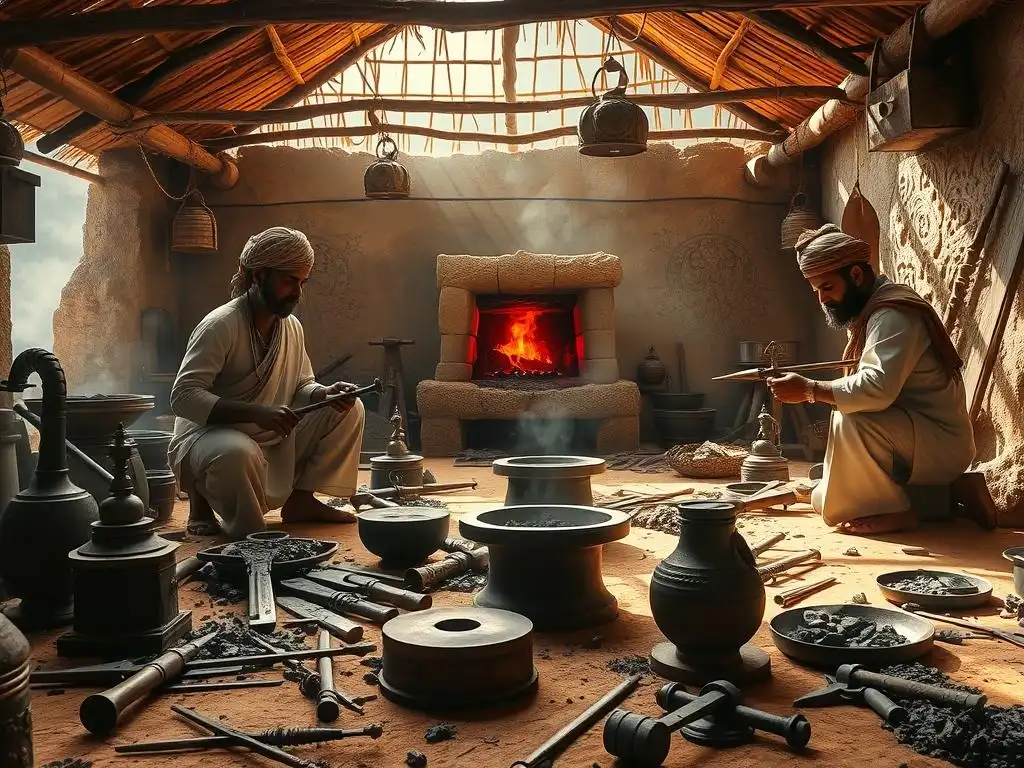
Welcome to Ancient India History, where we embark on a fascinating journey through the rich tapestry of one of the world's oldest civilizations. In our latest article, "Exploring the Advanced Metallurgy of Ancient Indian Civilizations," we delve into the remarkable metallurgy techniques that shaped the technological landscape of ancient India.
From the ingenious methods used by Indus Valley artisans to the sophisticated advancements during the Gupta Empire, this exploration promises to unveil the brilliance behind these age-old practices. Join us as we uncover the secrets of ancient craftsmanship that still resonate in today's innovations, and prepare to be captivated by the legacy of a civilization that thrived on ingenuity and creativity.
- Introduction to Ancient Indian Metallurgy Techniques
- Historical Context of Ancient Indian Metallurgy
- Key Metallurgical Techniques Used in Ancient India
- Tools and Equipment in Ancient Indian Metallurgy
- Applications of Ancient Indian Metallurgy
- The Influence of Ancient Indian Metallurgy on Other Civilizations
- Conclusion: The Legacy of Ancient Indian Metallurgy Techniques
- References and Further Reading on Ancient Indian Metallurgy Techniques
-
Frequently Asked Questions
- What were some notable metallurgy techniques used in ancient India?
- How did ancient Indian metallurgy influence global practices?
- What materials were primarily used in ancient Indian metallurgy?
- What role did the Indus Valley Civilization play in metallurgy?
- How did the Gupta Empire contribute to metallurgy?
- Final Reflection: The Enduring Legacy of Ancient Indian Metallurgy Techniques
- Unveil the Secrets of Ancient Metallurgy Today!
Introduction to Ancient Indian Metallurgy Techniques
The advanced metallurgy of ancient Indian civilizations stands as a testament to their ingenuity and technological prowess. From the sophisticated techniques employed in the Indus Valley Civilization to the refined craftsmanship observed in the Gupta Empire, metallurgy played a pivotal role in shaping the economic and cultural landscapes of ancient India.
This article delves into the various ancient Indian metallurgy techniques, exploring their development, significance, and the lasting impact they had on both local societies and the broader world. By examining the innovations and contributions of Indian metallurgists, we can appreciate how these techniques laid the foundation for future advancements in engineering and construction.
Overview of Metallurgy in Ancient India
Metallurgy in ancient India can be traced back to the Indus Valley Civilization (c. 3300–1300 BCE), where evidence of copper, bronze, and lead artifacts has been discovered. The mastery of metallurgy continued to evolve through the Vedic period and into the Maurya and Gupta empires, showcasing a remarkable understanding of materials and processes.
Some key aspects of ancient Indian metallurgy include:
- Materials Used: Ancient Indian metallurgists primarily worked with copper, bronze, gold, silver, and iron. Each material had specific applications, from tools and weapons to ornaments and rituals.
- Techniques Employed:
- Smelting: The process of extracting metals from ores was refined over time, with ancient texts describing various methods.
- Alloying: The creation of alloys like bronze involved combining copper with tin or arsenic, enhancing durability and strength.
- Casting and Forging: Techniques such as lost-wax casting and hammering allowed artisans to create intricate designs and functional objects.
Through these advancements, the metallurgical knowledge of ancient India not only influenced domestic practices but also contributed to trade networks that spanned across Asia and beyond.
Importance of Metallurgy in Indian Civilizations
The significance of metallurgy in ancient Indian civilizations cannot be overstated. This craft was instrumental in various aspects of life, including:
- Economic Development: The production of metal goods facilitated trade, both locally and internationally, boosting the economy and enriching urban centers.
- Military Advancements: The ability to produce high-quality weapons and armor provided strategic advantages in warfare, impacting the power dynamics of the region.
- Cultural Contributions: Metallurgy also played a vital role in religious and artistic expressions, with numerous artifacts highlighting the intricate designs and spiritual symbolism of metalwork.
- Technological Innovations: The techniques developed in ancient India laid the groundwork for future metallurgical practices, influencing subsequent civilizations and contributing to global technological progress.
The advanced metallurgy of ancient Indian civilizations represents a vital chapter in the history of technology and innovation, showcasing the remarkable achievements and contributions of these cultures to the world.
Historical Context of Ancient Indian Metallurgy
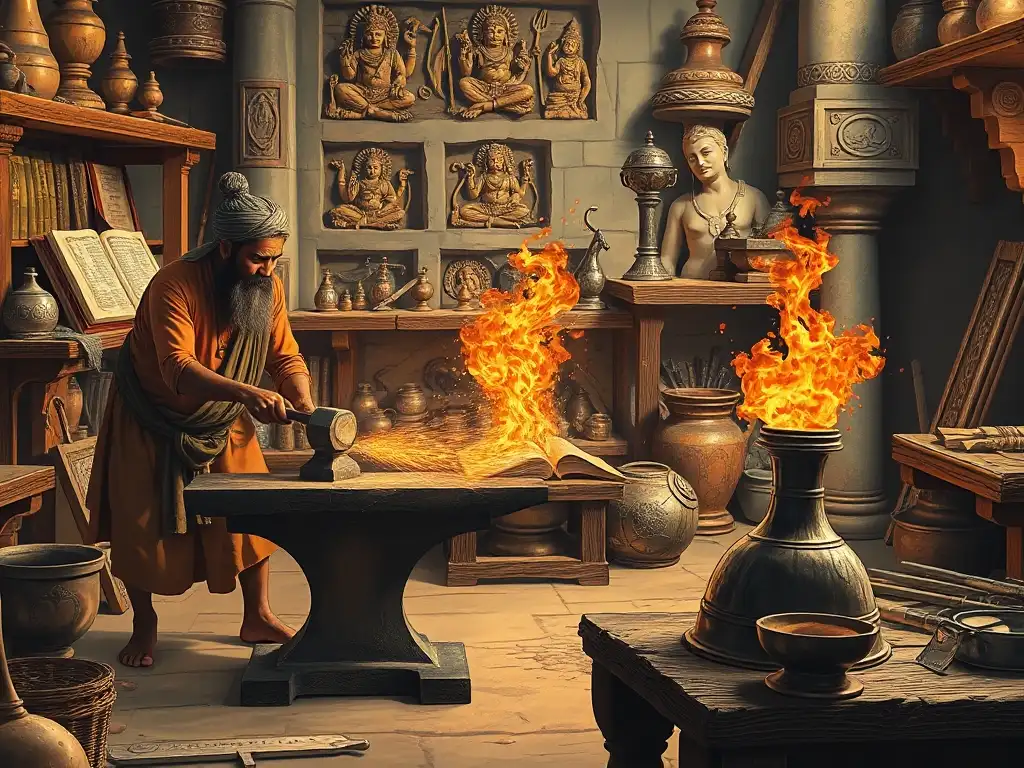
Ancient Indian metallurgy played a pivotal role in shaping the technological landscape of the subcontinent. This expertise was not only instrumental in crafting tools and weapons but also influenced various aspects of daily life and trade. The metallurgical advancements were deeply rooted in the socio-economic conditions of the time, reflecting a rich tapestry of cultural and technological evolution.
The history of metallurgy in India can be traced back to the early civilization periods, where metalworking practices began to emerge. The use of metals such as copper, bronze, and iron marked significant milestones in the development of tools and artifacts, which were vital for agriculture, warfare, and craftsmanship. By examining the historical context, we can appreciate how ancient Indian metallurgy techniques were not only advanced but also integral to the civilization's identity.
Timeline of Metallurgical Advancements in Ancient India
The timeline of metallurgical advancements in ancient India showcases a progressive journey from primitive techniques to sophisticated methods of metalworking. Below is a concise overview of key developments:
- 3500-1500 BCE: The Indus Valley Civilization saw the first known usage of copper and bronze, with evidence of metal tools, ornaments, and seals.
- 6th Century BCE: The emergence of iron metallurgy marked a revolution in tool-making, primarily in the northern regions of India.
- 3rd Century BCE: The Maurya Empire's expansion facilitated the spread of advanced metallurgical techniques, particularly in the creation of coins and weaponry.
- 4th-6th Century CE: The Gupta Empire is often referred to as the "Golden Age" of India, during which metallurgy reached unprecedented heights with the production of high-quality iron and intricate metalwork.
This timeline encapsulates the evolution of ancient Indian metallurgy techniques, highlighting key periods of innovation and cultural significance.
Major Civilizations Contributing to Metallurgy
Ancient Indian metallurgy was significantly shaped by several key civilizations, each contributing unique techniques and knowledge that advanced the field.
The Indus Valley Civilization
The Indus Valley Civilization, flourishing around 2500-1900 BCE, is often credited with some of the earliest metallurgical practices in India. Archaeological findings from sites such as Mohenjo-Daro and Harappa reveal a sophisticated understanding of metallurgy, including:
- Copper and Bronze Tools: The people of the Indus Valley utilized copper for tools and weapons, transitioning to bronze through alloying copper with tin, leading to the creation of more durable artifacts.
- Casting Techniques: Evidence suggests advanced casting methods, such as lost-wax casting, which allowed for intricate designs in jewelry and figurines.
- Trade Networks: The metallurgical products were not only for local use but also traded extensively, indicating a well-established economy based on metallurgy.
The Maurya Empire
The Maurya Empire (322-185 BCE) marked a significant period in the advancement of ancient Indian metallurgy. Under the reign of Chandragupta Maurya and Ashoka, several notable developments occurred:
- Iron Production: The Mauryan period saw an increase in the production of iron tools, which enhanced agricultural practices and military capabilities.
- Standardization of Coinage: The use of metal coins became widespread, necessitating advanced minting techniques and the production of high-quality metals such as silver and gold.
- Military Innovations: The Mauryan army utilized advanced metallurgy for weaponry, contributing to their conquests and the expansion of the empire.
The Gupta Empire
The Gupta Empire (c. 320-550 CE) is often regarded as the pinnacle of ancient Indian metallurgy, with significant advancements that influenced various fields, including:
- Wootz Steel: The production of wootz steel, known for its high quality and durability, became famous worldwide, laying the foundation for the development of Damascus steel.
- Artistic Metalwork: The Gupta period witnessed a flourishing of artistic expression through metalwork, including intricate sculptures and decorative items, showcasing advanced techniques and creativity.
- Scientific Understanding: This era also saw advancements in the understanding of metal properties and alloying techniques, contributing to the overall sophistication of ancient Indian metallurgy techniques.
The contributions of these civilizations illustrate the rich tapestry of ancient Indian metallurgy, reflecting not only technological prowess but also the cultural and economic dynamics of the time.
Key Metallurgical Techniques Used in Ancient India
Extraction and Processing of Metals
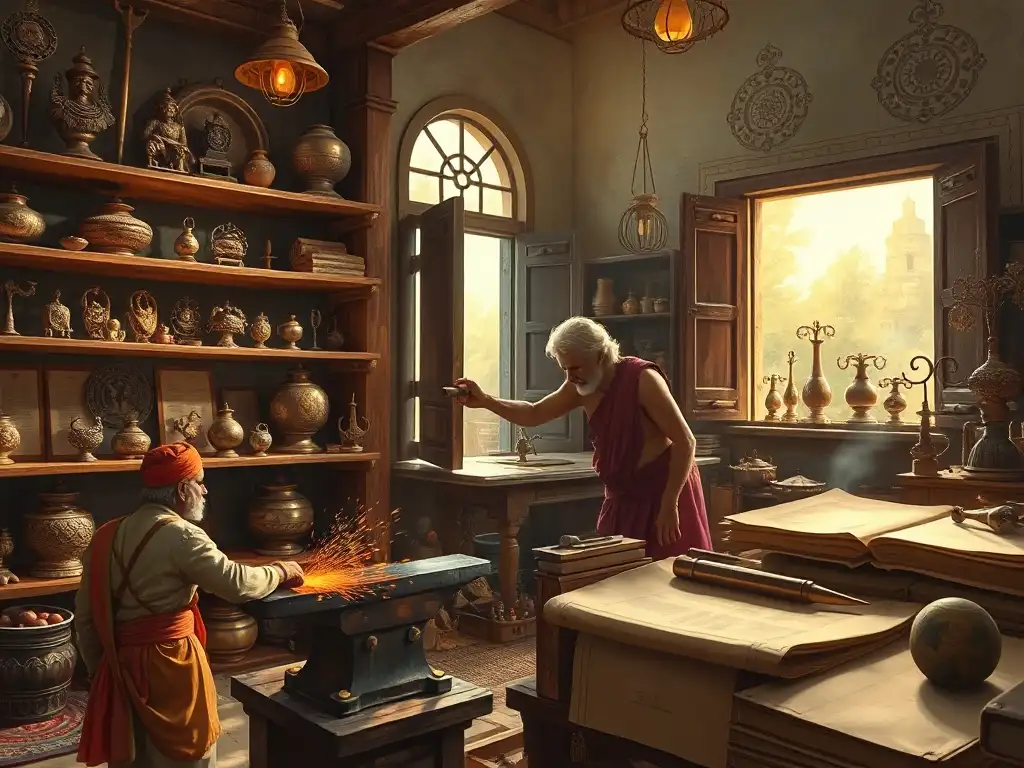
Ancient Indian metallurgy showcased remarkable expertise in the extraction and processing of metals, particularly copper, bronze, and iron. The extraction processes were primarily based on the surrounding natural resources and the availability of ore deposits. The ancient metallurgists employed several techniques to obtain metals from their ores, which involved both pyrometallurgical and hydrometallurgical methods.
- Copper Extraction:
- Roasting: Copper ores were often roasted to remove sulfur before smelting. This process enhanced the quality of the metal by converting sulfides into oxides, which were easier to reduce.
- Smelting: The roasted ores were then subjected to high-temperature smelting in clay furnaces, where carbon sources like charcoal were used to reduce copper oxides to metallic copper.
- Iron Extraction:
- Bloomery Process: This ancient method involved heating iron ore with charcoal at temperatures just below melting point, producing a mass of iron (bloom) that contained slag. The iron was then hammered to remove impurities and consolidate the metal.
- Direct Reduction: Evidence suggests that direct reduction techniques were also employed, allowing for the extraction of metallic iron directly from iron ores using carbon-rich materials.
Techniques in Copper Production
Copper played a pivotal role in ancient Indian societies, serving both functional and decorative purposes. The production of copper involved a series of well-defined techniques:
- Casting: Ancient Indian craftsmen developed sophisticated casting techniques, including lost-wax casting, which allowed for intricate designs in copper artifacts.
- Alloying: Copper was often alloyed with tin to produce bronze, enhancing its properties. This process required precise control over the proportions of the metals used.
- Cold Working: The manipulation of copper at room temperature enabled artisans to create complex shapes and tools without the need for high-temperature processes.
Iron Smelting Processes
The iron smelting processes in ancient India were advanced for their time, reflecting a deep understanding of material properties and chemical reactions:
- Furnace Design: The use of shaft furnaces facilitated higher temperatures necessary for efficient iron smelting. These furnaces were often built with clay and stone, showcasing architectural ingenuity.
- Carbon Control: Metallurgists learned to control the carbon content in iron, allowing them to produce various grades of iron suitable for different applications, including weapons and agricultural tools.
Alloying Techniques in Ancient Indian Metallurgy
Alloying was a hallmark of ancient Indian metallurgy, leading to the development of notable metal types such as bronze and Wootz steel.
Bronze Production Techniques
Bronze, an alloy of copper and tin, was widely used in ancient India, particularly during the Indus Valley Civilization:
- Tin Sourcing: Ancient metallurgists traveled to distant lands to source tin, indicating trade networks that extended beyond the subcontinent.
- Alloying Process: The controlled mixing of copper and tin in specific ratios led to the production of bronze, which was harder and more durable than copper alone.
Wootz Steel and its Significance
Wootz steel, known for its exceptional quality and unique patterns, represents one of the crowning achievements of ancient Indian metallurgy:
- Manufacturing Process: Wootz steel was produced using a specific method involving the cementation process, where iron was fused with carbon-rich materials in a sealed environment. This process resulted in the formation of high-carbon steel.
- Cultural Impact: The reputation of Wootz steel spread across the globe, influencing sword-making in various cultures, including those in the Middle East. Its unique properties made it highly sought after, establishing ancient India as a significant player in the global metallurgy landscape.
The advanced metallurgy techniques of ancient Indian civilizations not only highlight the ingenuity of their metallurgists but also reflect the intricate connections between technology, culture, and trade in ancient times.
Tools and Equipment in Ancient Indian Metallurgy
Traditional Tools Used by Ancient Metallurgists
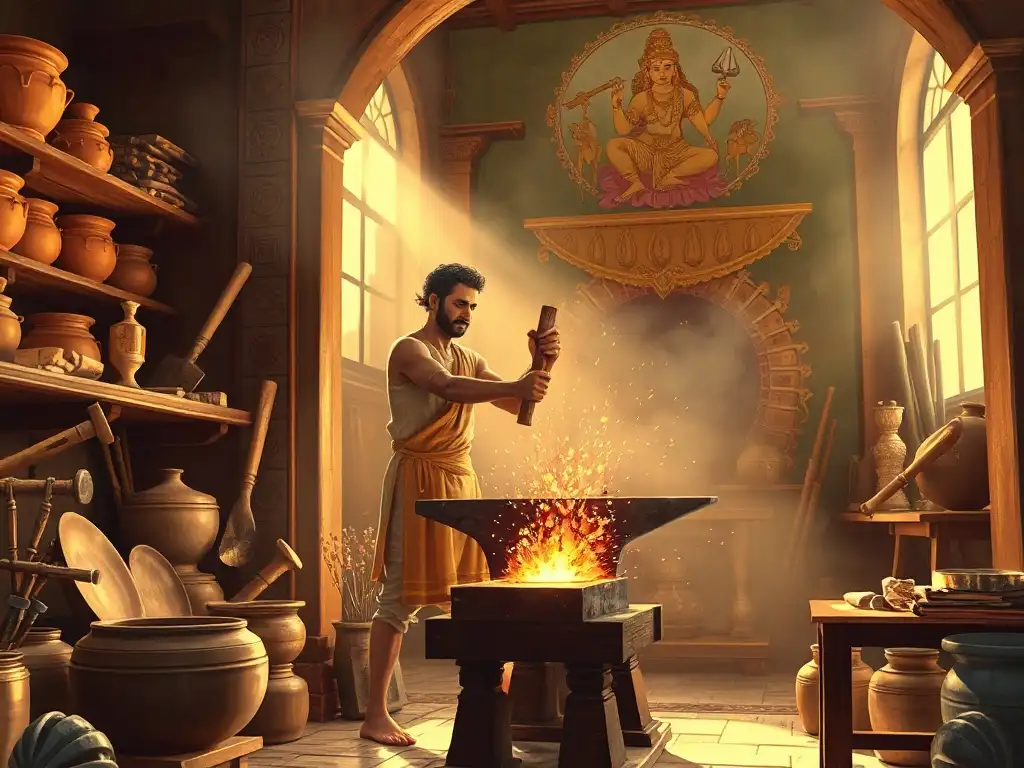
Ancient Indian metallurgy was characterized by an array of traditional tools that facilitated the extraction and processing of metals. Metallurgists employed a variety of hand tools, which were crafted to meet the demands of different metallurgical processes. Below are some of the key tools utilized:
- Furnaces: Ancient metallurgists built furnaces using clay and stones, designed to withstand high temperatures necessary for smelting metals like copper, bronze, and iron. These furnaces often featured an opening for air supply, enhancing combustion efficiency.
- Bellows: To increase airflow into the furnace, bellows made from animal skins were commonly used. This device allowed for better control of the temperature and was crucial for achieving the high heat required for metalworking.
- Crucibles: Crucibles, often made of clay or stone, were employed for melting metals. The shapes and sizes varied according to the volume needed and the specific metal being processed.
- Hammers and Anvils: After extraction, metals were shaped using hammers made of stone or metal and anvils that provided a solid surface for forging. The craftsmanship involved in creating tools like hammers ensured the efficient working of materials.
- Chisels and Molds: Chisels were used for detailed work, while molds made of clay or metal allowed for casting items into specific shapes, an essential aspect of metallurgy for creating tools, ornaments, and weapons.
These traditional tools highlight the ingenuity of ancient Indian metallurgists and their ability to work with available resources effectively.
Innovations in Metallurgical Equipment
The advancement of metallurgy in ancient India was significantly influenced by innovations in equipment that enhanced production efficiency and quality. Notable innovations included:
- High-Temperature Furnaces: The development of high-temperature furnaces, such as the pit furnace, allowed metallurgists to achieve unprecedented heat levels, facilitating the smelting of iron and the production of steel, notably Wootz steel, renowned for its quality.
- Advanced Bellows Systems: Innovations in bellows design improved air supply to furnaces. Some systems included multiple bellows operated in tandem, which not only increased airflow but also allowed for a more controlled burning process.
- Complex Casting Techniques: The introduction of lost-wax casting techniques enabled intricate designs in metalwork. This process involved creating a wax model, encasing it in clay, and then melting the wax away to fill the mold with molten metal. It revolutionized the production of detailed artifacts.
- Alloying Methods: Ancient metallurgists mastered various alloying techniques, combining different metals to enhance properties such as strength, durability, and corrosion resistance. For instance, the use of tin with copper resulted in bronze, a significant advancement in tool and weapon making.
- Refining and Purification Techniques: Techniques like cupellation—a refining process that separates noble metals from base metals—were developed, showcasing a sophisticated understanding of metallurgy that went beyond mere extraction.
These innovations in metallurgical equipment underscore the advanced knowledge and skills of ancient Indian metallurgists, allowing them to contribute significantly to the field of metallurgy, influencing both local and global practices in metalworking.
Applications of Ancient Indian Metallurgy
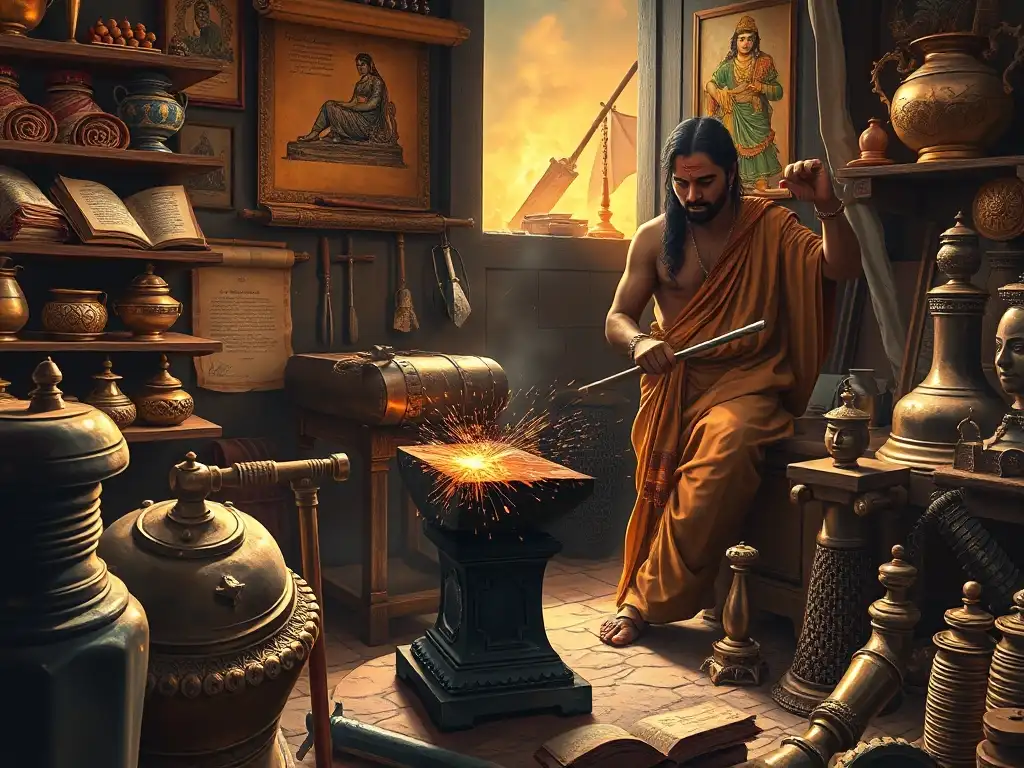
Metallurgy in Construction and Engineering
Ancient Indian metallurgy techniques played a pivotal role in construction and engineering, significantly influencing the architectural landscape of the time. One of the most prominent examples is the use of iron in the construction of structures. The introduction of iron tools and techniques enabled builders to create more durable and complex designs, compared to the traditional use of stone and wood.
- Iron Pillar of Delhi: This 7-meter tall pillar, made of high-purity wrought iron, is a testament to the advanced metallurgical skills of ancient Indians. It has stood for over 1,600 years without significant corrosion, showcasing not only the quality of the material but also the skill involved in its production.
- Water Management Systems: Ancient Indian civilizations, particularly the Indus Valley Civilization, utilized advanced metallurgy techniques to create sophisticated drainage systems and water reservoirs. The use of bronze and copper allowed for the production of effective tools for excavation and construction.
The techniques of casting and forging metals were crucial in the creation of tools used for building. The development of alloying techniques led to the creation of stronger materials, which enhanced the longevity and stability of structures.
Military Applications of Metallurgical Techniques
The military applications of ancient Indian metallurgy techniques were significant and varied. The advancement of metalworking allowed for the production of superior weapons and armor, giving ancient Indian armies a notable advantage in warfare.
- Swords and Spears: The crafting of high-quality steel swords, such as those made from Wootz steel, provided warriors with weapons that were not only sharp but also durable. The unique crucible steel production methods developed in India were renowned across the world.
- Armor: The use of metal in the creation of effective armor, including helmets and shields, was crucial for the protection of soldiers in battle. The combination of iron and other materials allowed for lightweight yet strong armor designs.
Moreover, the metallurgical techniques were not just limited to weapons and armor; they extended to the creation of siege equipment and tools used in fortifications. The ability to cast large metal components facilitated the development of catapults and other war machines, enhancing military capabilities.
Artistic and Decorative Uses of Metalwork
In addition to practical applications, ancient Indian metallurgy techniques were instrumental in the realm of art and decoration. The aesthetic aspects of metalwork were highly developed, reflecting the rich cultural heritage and artistic sensibilities of ancient civilizations.
- Statues and Idols: The crafting of bronze and copper statues, often depicting deities and important figures, showcases the artistry of ancient metallurgists. These idols were intricately designed and often used in religious ceremonies.
- Jewelry: The production of gold and silver jewelry was another significant aspect of ancient Indian metallurgy. Techniques such as granulation and filigree work allowed artisans to create intricate designs that were not only beautiful but also symbolized status and wealth.
The use of metal in decorative arts extended to household items, weapon embellishments, and ceremonial objects. The ability to combine metals with other materials, such as gemstones and wood, further enhanced the aesthetic appeal of these creations.
Ancient Indian metallurgy techniques were not only functional but also served to enrich the cultural and artistic landscape of the time. The legacy of these techniques continues to influence modern practices, underscoring the importance of ancient innovations in metallurgy.
The Influence of Ancient Indian Metallurgy on Other Civilizations
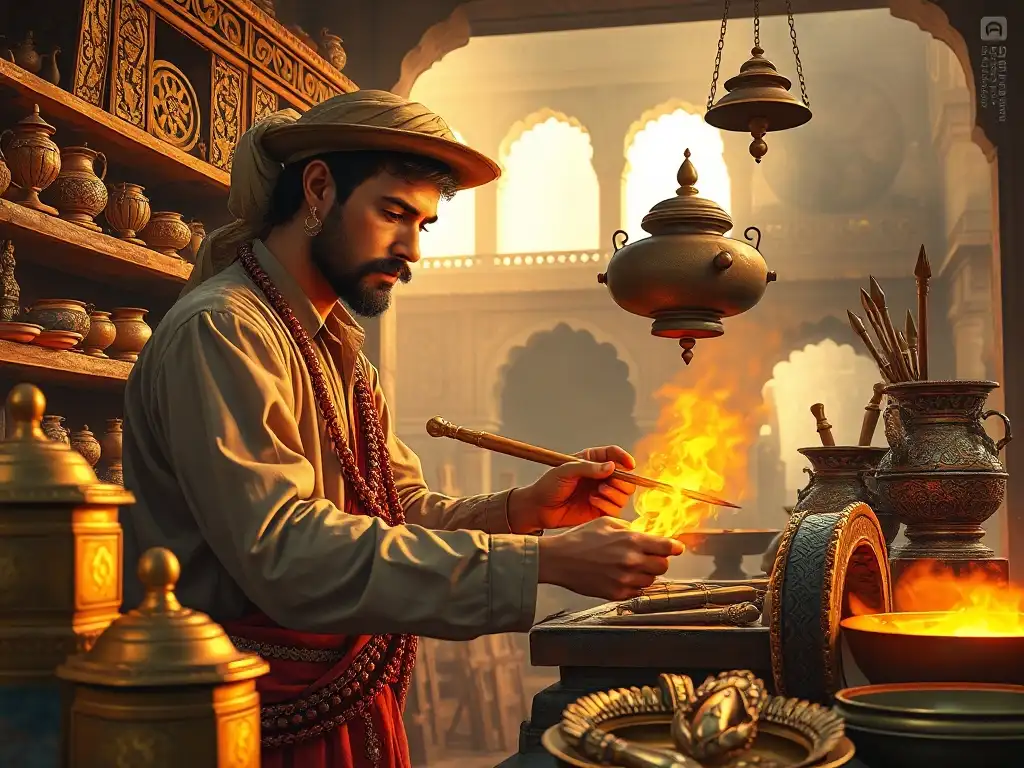
Ancient Indian metallurgy was not only a reflection of advanced engineering and technical knowledge but also played a crucial role in shaping the metallurgical practices of neighboring and distant civilizations. The rich history of metallurgy in ancient India, particularly during the Indus Valley Civilization and later periods, laid the groundwork for significant exchanges of metallurgical knowledge and techniques.
Trade and Exchange of Metallurgical Knowledge
The trade routes established during ancient times facilitated the exchange of various goods, including metals and metallurgical knowledge.
- Indus Valley Civilization: The early metallurgical advancements in the Indus Valley, such as the production of copper and bronze, became a hallmark of the civilization. Artifacts like tools, ornaments, and weapons exhibit sophisticated techniques that were later adopted by surrounding regions.
- Silk Road: The extensive trade networks, particularly the Silk Road, allowed for the dissemination of metallurgical techniques across Asia. Indian traders shared their knowledge of metal smelting and alloying, influencing regions such as Persia and Central Asia.
- Cultural Exchanges: The interaction between cultures through trade led to a blending of metallurgical practices. For instance, the use of high-quality steel, known as "Wootz steel," became famous beyond Indian borders, leading to its adoption in the production of swords and tools in the Middle East and Europe.
The exchange of metallurgical knowledge was not merely transactional; it was a significant cultural interaction that enriched the civilizations involved.
The Spread of Indian Metallurgy Techniques to Other Regions
As ancient Indian metallurgy techniques evolved, they began to influence various regions, leading to major advancements in local metallurgical practices.
- Southeast Asia: Indian metallurgical practices were introduced to Southeast Asia through maritime trade. The techniques of casting and forging were adopted by local artisans, resulting in the production of intricate metal artifacts that reflected Indian influence.
- Middle East: The famed Indian Wootz steel, characterized by its high carbon content and durability, gained prominence in the Middle East. The techniques of producing this steel were studied and replicated, leading to the creation of high-quality swords that became highly sought after in medieval warfare.
- Europe: By the time of the Crusades, European metallurgists were aware of Indian techniques, particularly in steel production. The knowledge transferred through trade and warfare catalyzed advancements in European metallurgy, particularly in the development of high-quality weapons and tools.
| Region | Key Metallurgical Influence |
|---|---|
| Southeast Asia | Adoption of casting and forging techniques |
| Middle East | Replication of Wootz steel production |
| Europe | Introduction of advanced steel production methods |
The legacy of ancient Indian metallurgy persists through the foundational techniques that have been preserved and adapted over centuries, showcasing the profound impact of these early innovations on global metallurgical practices. The intricate relationship between trade, cultural exchange, and technological advancement is a testament to the significant role ancient Indian metallurgy played in shaping the metallurgical landscape of various civilizations.
Conclusion: The Legacy of Ancient Indian Metallurgy Techniques
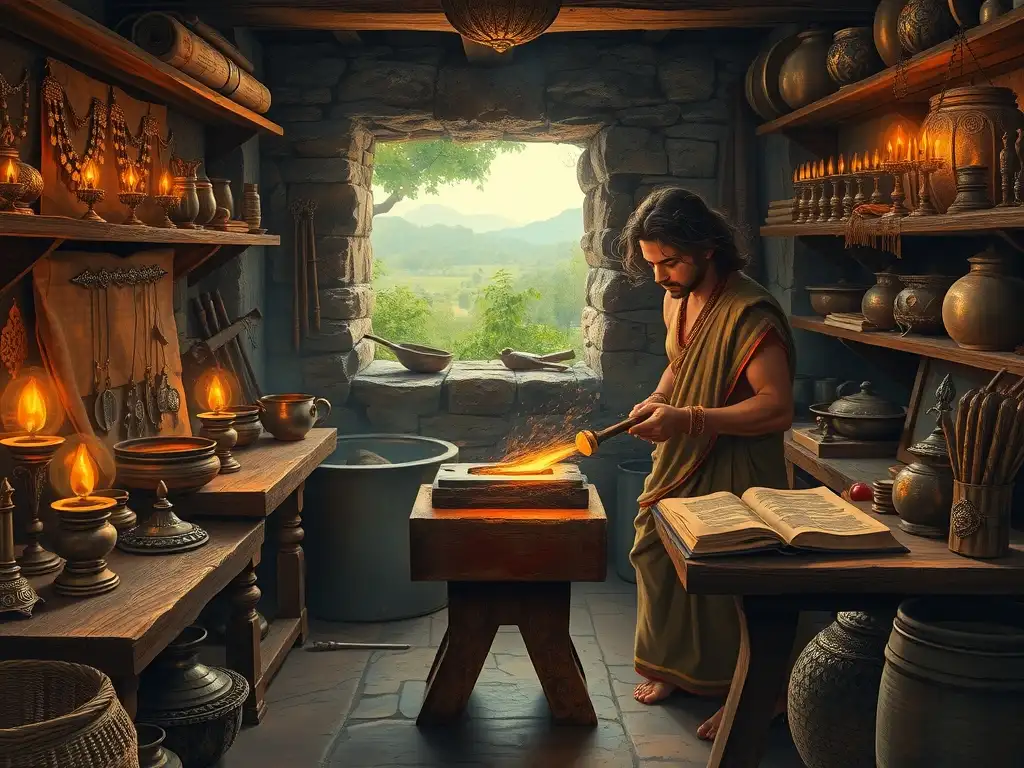
The legacy of ancient Indian metallurgy techniques is a testament to the ingenuity and craftsmanship of early Indian civilizations. Their advancements in metallurgy not only showcase their technical skills but also reflect a deep understanding of materials and processes that have influenced subsequent generations. As we conclude our exploration, it is vital to recognize how these ancient practices have shaped both historical and modern metallurgical techniques.
Lasting Impact on Modern Metallurgy
The innovations in ancient Indian metallurgy, particularly during periods like the Indus Valley Civilization and the Gupta Empire, have left a profound impact on modern metallurgy. For instance, the techniques used to produce high-quality steel, such as Wootz steel, were highly sought after globally. This steel was known for its exceptional strength and ability to be honed to a sharp edge, making it a favorite among swordsmiths and weapons manufacturers.
Moreover, ancient Indian metallurgists developed sophisticated methods for smelting metals such as copper, bronze, and gold. The lost-wax casting technique, prominent in ancient India, is still utilized today in various industries, including jewelry making and art casting. The knowledge of alloying different metals to enhance their properties, such as creating brass from copper and zinc, continues to be relevant in modern applications.
| Ancient Technique | Modern Application |
|---|---|
| Wootz Steel Production | High-performance tool manufacturing |
| Lost-wax Casting | Jewelry and art casting |
| Alloying Metals | Development of advanced materials |
The impact of these techniques extends beyond just metallurgy; they also influenced the fields of chemistry and materials science. The methods and principles established by ancient Indian metallurgists can be observed in modern research and development, highlighting the enduring relevance of their contributions.
Lessons from Ancient Practices for Contemporary Applications
Ancient Indian metallurgy offers numerous lessons that can be applied to contemporary practices. One significant takeaway is the emphasis on sustainability and resourcefulness. Ancient metallurgists skillfully utilized local resources and minimized waste, a practice that modern industries are increasingly striving to adopt in the face of environmental challenges.
- Sustainable Resource Use: By studying how ancient civilizations optimized the use of available materials, modern metallurgists can develop eco-friendly processes that reduce reliance on non-renewable resources.
- Innovative Problem Solving: The adaptability and ingenuity displayed by ancient metallurgists in overcoming challenges can inspire contemporary engineers and scientists to think creatively when faced with modern metallurgical challenges.
- Cultural Integration: The integration of cultural practices with metallurgy, such as the religious and artistic significance of metalwork in ancient India, can encourage modern industries to consider the cultural implications of their practices, fostering a more holistic approach to technology.
The ancient Indian metallurgy techniques not only contributed to the technological advancements of their time but also provide a rich foundation for modern metallurgical practices. By embracing the lessons learned from these ancient techniques, contemporary society can innovate and improve upon existing practices, ensuring that the legacy of ancient Indian metallurgists continues to thrive in the modern world.
References and Further Reading on Ancient Indian Metallurgy Techniques
Recommended Books and Articles
-
"The Archaeometallurgy of the Indian Subcontinent" by R. S. Bhatia
This comprehensive work delves into the technological advancements and archaeological findings related to metallurgy in ancient India. It covers a range of topics, including techniques used for extracting metals, alloying processes, and the socio-economic implications of these practices.
-
"Metallurgy in Ancient India: A Historical Perspective" by S. K. Gupta
Gupta's book provides an in-depth analysis of the evolution of metallurgy in ancient Indian civilizations. It discusses various ancient Indian metallurgy techniques, focusing on the cultural and historical contexts that shaped these practices.
-
"Iron and Steel Technology in Ancient India" by A. P. Sharma
This article explores the historical significance of iron and steel production in India. It examines the methods employed, including smelting and forging, and how these techniques contributed to the development of ancient Indian societies.
-
"Wootz Steel: The Magic of Ancient Indian Metallurgy" by V. S. Reddy
Reddy focuses on the legendary Wootz steel, known for its superior quality and unique properties. The book discusses its production methods, trade routes, and the legacy it left in both Indian and global contexts.
-
"Metallurgical Advances in Ancient India" (Journal of Historical Metallurgy)
A collection of peer-reviewed articles that cover various aspects of ancient Indian metallurgy, including techniques, materials, and archaeological evidence. This journal is an essential resource for those interested in the scientific analysis of ancient metallurgical practices.
Online Resources for Further Exploration
-
Digital Library of India
A vast repository of historical texts and documents, this digital library provides access to numerous resources on ancient Indian metallurgy. Researchers can find original manuscripts and translations that discuss metallurgical practices.
-
Indus Valley Civilization Resources
An online platform dedicated to the study of the Indus Valley Civilization, this resource includes articles, images, and research papers focusing on metallurgy, trade, and technology during this era.
-
The Archaeological Survey of India (ASI)
The ASI's official website offers valuable insights into ongoing research and archaeological findings related to metallurgy in ancient India. It provides access to reports, excavation details, and publications that highlight significant discoveries.
-
Academia.edu
A platform where scholars share research papers, including many focused on ancient Indian metallurgy techniques. Users can find a variety of studies that analyze specific aspects of metallurgy and its impact on ancient civilizations.
-
YouTube Educational Channels
Channels such as "Ancient Technologies" and "History of India" feature documentaries and videos that cover ancient Indian metallurgy techniques. These visual resources can provide an engaging way to learn about the topic.
By exploring these references and resources, readers can gain a deeper understanding of ancient Indian metallurgy techniques and their significance in the development of ancient civilizations.
Frequently Asked Questions
What were some notable metallurgy techniques used in ancient India?
Ancient India showcased advanced metallurgy techniques such as lost-wax casting, smelting, and alloy production, which were essential for crafting tools, weapons, and ornaments.
How did ancient Indian metallurgy influence global practices?
The techniques developed in ancient India, particularly in iron and bronze production, significantly influenced global metallurgy, spreading knowledge across trade routes to regions like East Asia and the Middle East.
What materials were primarily used in ancient Indian metallurgy?
Metals such as copper, bronze, and iron were predominantly used in ancient Indian metallurgy, enabling the creation of sophisticated tools and art pieces that showcased craftsmanship.
What role did the Indus Valley Civilization play in metallurgy?
The Indus Valley Civilization is credited with early metallurgy practices, particularly in copper and bronze, laying the groundwork for more advanced techniques in subsequent civilizations.
How did the Gupta Empire contribute to metallurgy?
During the Gupta Empire, there was a significant advancement in metallurgy, including the famous Iron Pillar of Delhi, which exemplifies the high-quality ironwork and corrosion resistance achieved during this period.
Final Reflection: The Enduring Legacy of Ancient Indian Metallurgy Techniques
The exploration of ancient Indian metallurgy techniques reveals not only the remarkable innovations of past civilizations but also their profound relevance in today's technological landscape. As we navigate an era increasingly defined by advancements in materials science and engineering, the ingenuity of ancient metallurgists serves as a reminder of the timeless quest for knowledge and mastery over materials. Their techniques laid the groundwork for modern practices, demonstrating that the pursuit of excellence in metallurgy is a journey that transcends time.
The influence of ancient Indian metallurgy extends far beyond historical significance; it shapes our cultural identity and technological progress. The intricate methods developed by these civilizations reflect a deep understanding of materials and their properties, inspiring contemporary artisans and scientists alike. As noted by historian R. Balasubramaniam, "> The metallurgical achievements of ancient India are not merely relics of the past; they are a testament to human creativity and resilience." This ongoing legacy encourages us to appreciate the craftsmanship and scientific acumen that have shaped our world.
As we reflect on the lessons from ancient Indian metallurgy, let us embrace the spirit of innovation and curiosity that characterized these civilizations. I invite you to explore how the principles of craftsmanship, sustainability, and ingenuity can be applied in your own life. Whether you are an artist, engineer, or simply a curious mind, consider how the wisdom of the past can inspire your future endeavors. Together, we can honor the legacy of ancient metallurgists by fostering a culture of exploration and creativity in our own pursuits.
Unveil the Secrets of Ancient Metallurgy Today!
Thank you for diving into the fascinating world of ancient Indian metallurgy! Your interest in this rich history reveals the profound ingenuity and skills of our ancestors. Now that you have explored the advanced techniques and innovations of the past, it's time to take action and further your journey of discovery!
Here’s how you can continue to engage with this captivating topic:
- Join a local history group or workshop focused on ancient technologies to share insights and learn from fellow enthusiasts.
- Deepen your understanding by reading more articles or books on metallurgy, and consider exploring related subjects like ancient crafts or trade routes.
- Share your newfound knowledge! Discuss what you’ve learned with others or on social media to inspire curiosity about ancient practices.
What aspect of ancient Indian metallurgy intrigues you the most, and how do you believe it has influenced modern technology?