
The Discovery of Lost Art: Excavating Indus Valley Treasures

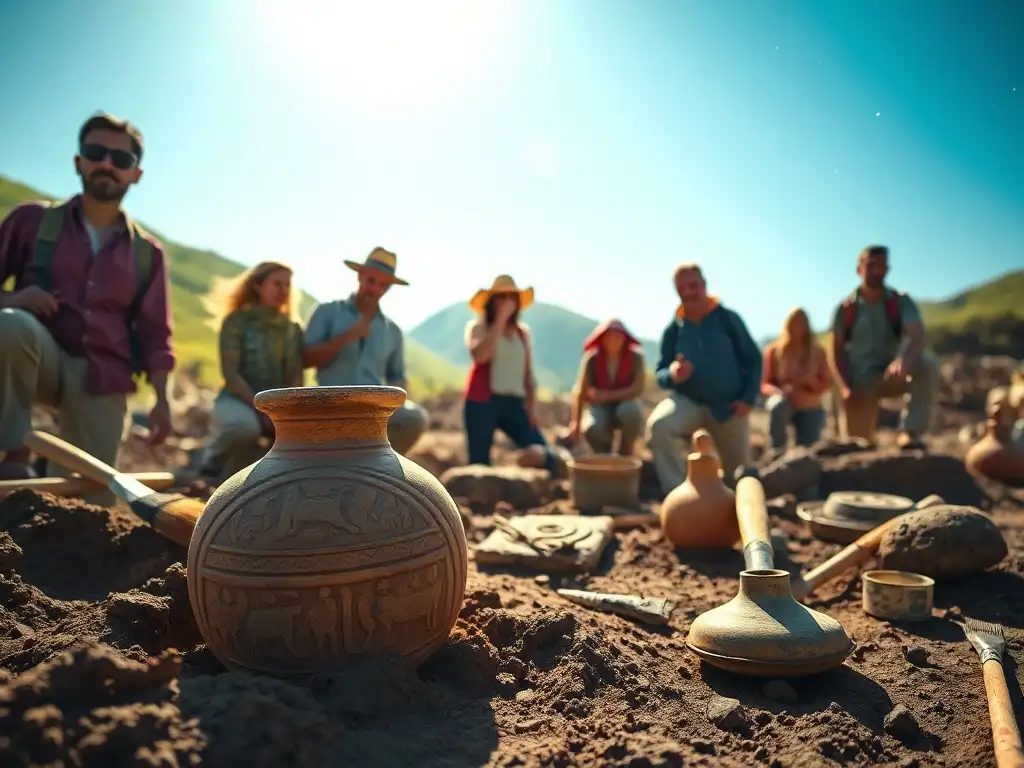
Welcome to Ancient India History, where we invite you to journey through the rich tapestry of India's past. Discover the remarkable artifacts of the Indus Valley civilization, a treasure trove that unveils the ingenuity and artistry of one of the world's earliest urban cultures. In our featured article, "The Discovery of Lost Art: Excavating Indus Valley Treasures," we delve deep into the fascinating finds that have shaped our understanding of this enigmatic civilization.
Prepare to be intrigued as you uncover the stories behind these ancient relics and their significance in the grand narrative of India's history. Join us as we explore the wonders of ancient Indian civilizations and spark your curiosity to learn more!
Introduction to Indus Valley Civilization Artifacts
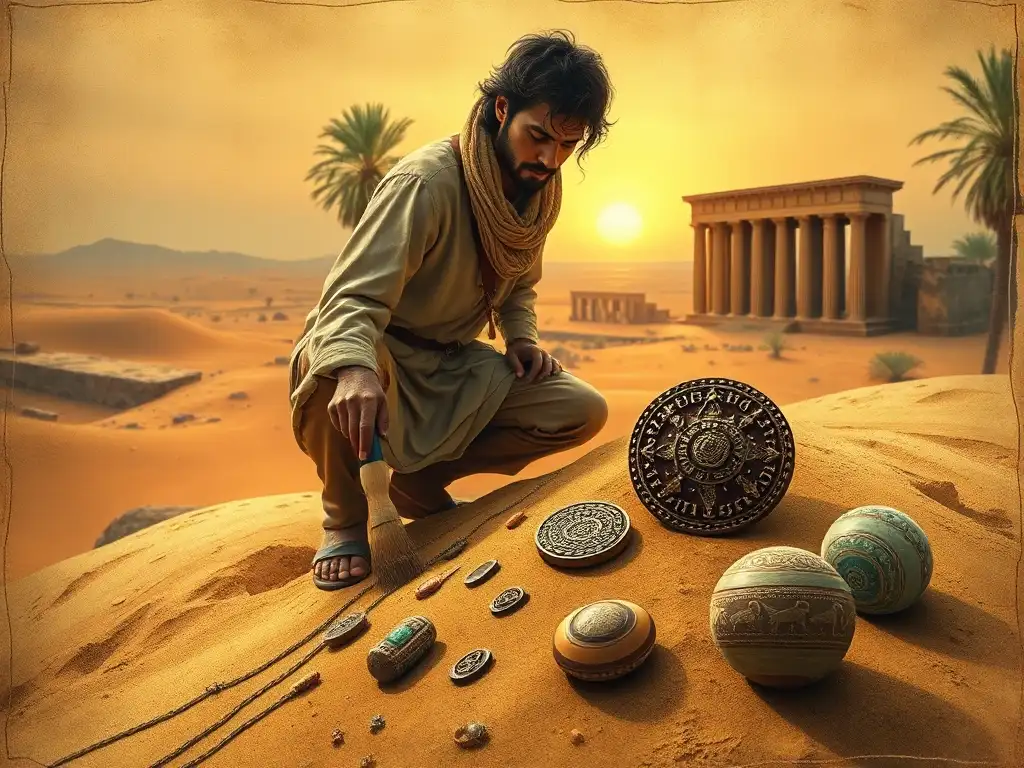
The Indus Valley Civilization (IVC) stands as one of the most remarkable and enigmatic ancient cultures, thriving along the fertile banks of the Indus River around 2500 BCE to 1900 BCE. This civilization is celebrated for its advanced urban planning, sophisticated drainage systems, and rich artistic expression.
The artifacts unearthed from this ancient society not only provide a glimpse into the daily lives of its inhabitants but also highlight their cultural, economic, and technological achievements. In this article, we embark on a journey to explore the significance of these artifacts, the processes of their discovery, and the insights they offer into one of the world's earliest urban cultures.
Overview of the Indus Valley Civilization
The Indus Valley Civilization, often referred to as the Harappan Civilization, was one of the world's earliest urban civilizations, contemporaneous with ancient Egypt and Mesopotamia. It flourished in the northwestern regions of South Asia, encompassing parts of modern-day Pakistan, India, and Afghanistan. Characterized by its well-planned cities such as Harappa and Mohenjo-Daro, the civilization demonstrated remarkable advancements in architecture, craft production, and trade.
- Key Features:
- Urban Planning: Cities were laid out in a grid pattern with sophisticated drainage systems.
- Craftsmanship: Artisans produced intricate jewelry, pottery, and terracotta figurines.
- Trade Networks: The IVC engaged in extensive trade with neighboring regions, including Mesopotamia.
These features underscore the civilization's complexity and its contributions to the cultural heritage of South Asia.
Importance of Artifacts in Understanding Ancient Cultures
Artifacts serve as vital links to understanding ancient civilizations, providing tangible evidence of their practices, beliefs, and daily lives. The artifacts discovered from the Indus Valley Civilization, such as seals, pottery, and tools, are crucial for several reasons:
- Cultural Insight: They reveal the artistic styles, religious practices, and social structures of the civilization.
- Economic Understanding: Trade goods and tools illustrate the economic systems and resource utilization.
- Technological Advances: Items like weights and measures highlight the sophistication of trade and commerce.
Through the study of these artifacts, historians and archaeologists can reconstruct the social and economic fabric of the IVC, shedding light on its enduring legacy in human history.
Historical Context of Indus Valley Civilization Artifacts
Timeframe and Geography of the Indus Valley
The Indus Valley Civilization thrived during the Bronze Age, approximately from 3300 BCE to 1300 BCE. Its geographical expanse covered around 1,260,000 square kilometers, making it one of the largest ancient civilizations.
- Key Phases:
- Early Harappan Phase (c. 3300–2600 BCE): Marked by the emergence of agriculture and small settlements.
- Mature Harappan Phase (c. 2600–1900 BCE): Characterized by urbanization, trade, and advanced craftsmanship.
- Late Harappan Phase (c. 1900–1300 BCE): A period of decline, leading to the eventual disappearance of urban centers.
This historical context is vital for understanding the development and eventual decline of the civilization.
Key Archaeological Sites: Harappa and Mohenjo-Daro
Two of the most significant archaeological sites of the Indus Valley Civilization are Harappa and Mohenjo-Daro, both of which have yielded a wealth of artifacts that enhance our understanding of this ancient culture.
- Harappa:
- Located in present-day Punjab, Pakistan, Harappa was a major urban center known for its advanced drainage systems and granaries.
- Artifacts discovered here include seals inscribed with script, pottery, and figurines.
- Mohenjo-Daro:
- Situated near the Indus River, Mohenjo-Daro is famous for its impressive architectural layout and the Great Bath, indicating advanced civic amenities.
- Notable artifacts include intricate jewelry, weights, and various tools, showcasing the craftsmanship of the era.
The findings from these sites not only enrich our knowledge of the Indus Valley Civilization but also contribute significantly to the broader narrative of ancient human civilization.
Types of Indus Valley Civilization Artifacts
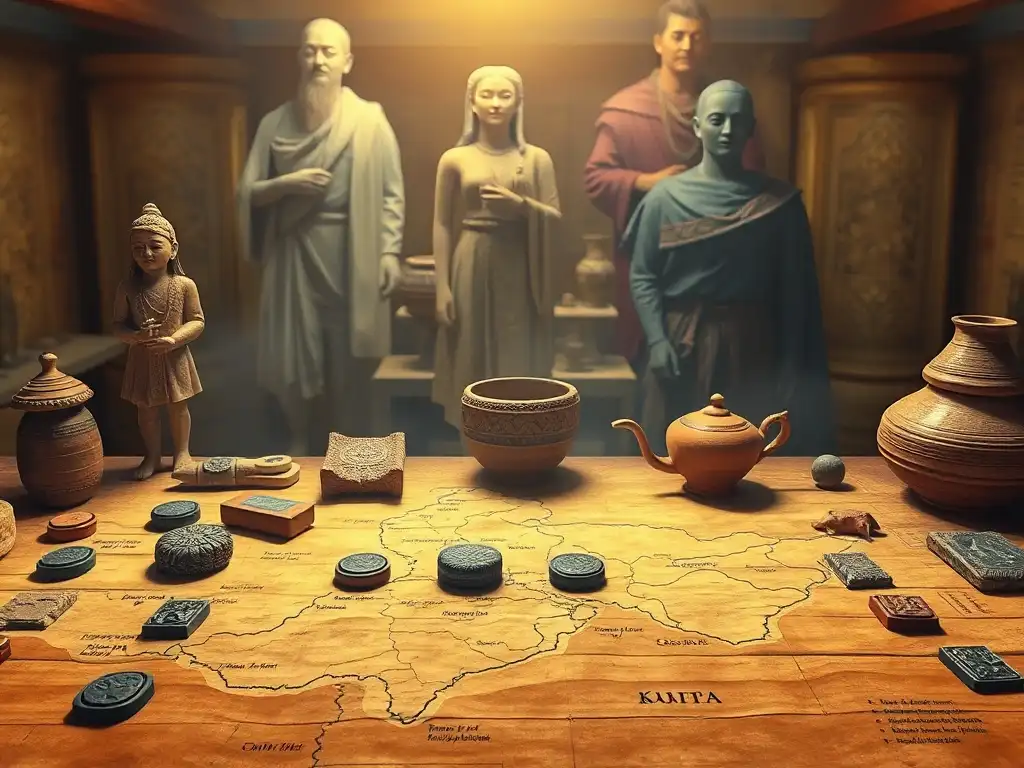
The Indus Valley Civilization, one of the world's earliest urban cultures, produced a remarkable array of artifacts that provide insight into their daily life, beliefs, and artistic achievements. These artifacts can be categorized into several types, including pottery, seals, sculptures, jewelry, and tools. Each category offers unique perspectives on the technological advancements and cultural practices of the civilization.
Pottery: Styles, Techniques, and Significance
Pottery from the Indus Valley Civilization is characterized by its intricate designs and diverse forms. The pottery styles range from plain to highly decorated pieces featuring geometric patterns, animal motifs, and scenes of daily life. Techniques such as wheel-thrown pottery demonstrate advanced craftsmanship, while the use of kiln-firing methods allowed for more durable and varied wares.
The significance of pottery extends beyond its functional use; it often served as a reflection of societal values and practices. For instance, the presence of painted pottery in burial sites suggests a connection to ritualistic practices, while the discovery of cooking vessels indicates culinary traditions. Overall, pottery artifacts illuminate the aesthetic sensibilities and technological innovations of the Indus Valley people.
Seals and Inscriptions: Understanding the Script
Seals from the Indus Valley Civilization are small, often square objects made from steatite, featuring intricate carvings of animals, deities, and symbols. These seals were likely used for trade, ownership, and possibly as amulets. The inscriptions on the seals are particularly intriguing as they represent one of the earliest forms of writing in the region, though the script remains undeciphered.
Understanding these seals is crucial for interpreting the socio-economic structures of the civilization. The motifs and symbols used may indicate trade relationships, religious beliefs, or administrative practices. As such, seals are essential artifacts for scholars seeking to understand the complexities of Indus Valley society.
Sculpture: Materials and Artistic Expression
Sculpture in the Indus Valley Civilization showcases a range of materials, including clay, stone, and bronze. Notable examples include the famous "Dancing Girl" bronze figurine, which exemplifies sophisticated metalworking techniques and artistic expression. The use of naturalistic forms in sculptures indicates a high level of artistic skill, with attention to detail and proportion.
Sculptural artifacts often served a dual purpose, both as decorative objects and as representations of cultural or religious significance. The themes depicted in sculptures, such as fertility and ritual practices, provide valuable insights into the spiritual life of the Indus Valley people. Through these artistic expressions, we gain a deeper understanding of their values and beliefs.
Jewelry: Craftsmanship and Cultural Significance
Jewelry from the Indus Valley Civilization is a testament to their advanced craftsmanship and aesthetic sensibilities. Artisans created intricate pieces using materials such as gold, silver, semi-precious stones, and terracotta. Common items include necklaces, bangles, earrings, and rings, often adorned with detailed carvings and inlays.
The cultural significance of jewelry goes beyond adornment; it played a vital role in social status and identity. For instance, certain styles and materials may have indicated wealth or social rank. Additionally, jewelry often had symbolic meanings, possibly linked to fertility, protection, or status within the community. These artifacts reveal the complex interplay of art and society in ancient India.
Tools and Implements: Daily Life Reflected in Artifacts
The tools and implements excavated from Indus Valley sites provide essential insights into the daily life and economic activities of its inhabitants. Artifacts include agricultural tools such as plows, sickles, and grinding stones, indicating a flourishing agrarian economy. The presence of fishing implements and hunting tools suggests a diverse diet and resource utilization.
These functional artifacts reflect the technological advancements and practical skills of the Indus Valley people. Moreover, they hint at the community's organization and labor division, revealing how they adapted to their environment and supported themselves. The study of these tools allows researchers to reconstruct the daily routines and survival strategies of this ancient civilization.
Techniques Used in Excavation of Indus Valley Treasures
The excavation of Indus Valley treasures has employed a range of archaeological techniques, enabling researchers to uncover the rich history of this ancient civilization. These methods have evolved over time, incorporating innovations that enhance the accuracy and efficiency of excavations.
Archaeological Methods and Innovations
Modern archaeological practices involve a systematic approach to excavations, employing techniques such as stratigraphy, which analyzes soil layers to understand the chronology of human activity. Remote sensing technologies, including ground-penetrating radar and aerial surveys, have revolutionized the identification of potential excavation sites.
Additionally, the use of digital tools for mapping and documenting artifacts has increased the precision of archaeological records. These innovations not only facilitate more effective excavations but also enable researchers to share findings with a wider audience, promoting a greater understanding of the Indus Valley Civilization.
Notable Excavation Projects and Their Findings
Several notable excavation projects have significantly contributed to our knowledge of the Indus Valley Civilization. The excavation of Mohenjo-Daro, one of the largest cities of the civilization, revealed a sophisticated urban layout, advanced drainage systems, and numerous artifacts that illustrate the complexity of its society.
Another significant site, Harappa, yielded insights into industrial processes, including bead-making and metallurgy. Each excavation project has uncovered unique artifacts and structures, allowing historians and archaeologists to piece together a more comprehensive narrative of the civilization’s development, culture, and eventual decline.
Challenges Faced During Excavation
Excavating Indus Valley artifacts presents numerous challenges, including environmental factors, site preservation, and the political landscape of the region. Many archaeological sites are threatened by urban development, agriculture, and natural erosion, which can compromise the integrity of the findings.
Moreover, excavators often face logistical difficulties, such as limited access to remote sites and the need for careful excavation techniques to avoid damaging fragile artifacts. Despite these challenges, ongoing efforts by archaeologists and conservationists aim to protect and study these invaluable pieces of human history, ensuring that the legacy of the Indus Valley Civilization endures for future generations.
The Cultural Significance of Indus Valley Artifacts
The artifacts unearthed from the Indus Valley Civilization (IVC) offer a fascinating glimpse into the cultural tapestry of one of the world's earliest urban societies. These artifacts, which include pottery, seals, jewelry, and various tools, are not merely remnants of daily life; they embody the artistic sensibilities, social structures, and technological advancements of the time. The intricate designs and craftsmanship of these items reflect a high degree of skill and creativity, showcasing the aesthetic values that were prevalent in ancient Indian society.
Moreover, the artifacts serve as critical evidence of the social stratification within the IVC. Different types of pottery and seal designs suggest a complex social hierarchy, where artisans and craftsmen specialized in different forms of production. This specialization indicates a thriving economy and a community that valued trade and craftsmanship. As such, the cultural significance of these artifacts transcends their physical form, as they encapsulate the identity and heritage of a civilization that laid the groundwork for future Indian cultures.
Insights into Social Structure and Daily Life
Artifacts from the Indus Valley Civilization provide invaluable insights into the daily lives of its inhabitants. For instance, the discovery of various pottery styles indicates the existence of distinct social classes and possibly even specialized roles within the community. The presence of large storage jars suggests the importance of agriculture, while smaller cooking vessels highlight the culinary practices of the time.
Additionally, the variety of tools, including weights and measures, points to a well-organized economy. The uniformity in weights implies a regulated trade system, suggesting that the Indus Valley people engaged in extensive commerce, both internally and with neighboring regions. This evidence provides a window into the day-to-day activities of the IVC, revealing a society that was not only advanced in terms of urban planning but also rich in cultural practices and social interactions.
Religious and Spiritual Aspects Revealed by Artifacts
The religious beliefs and spiritual practices of the Indus Valley Civilization are also illuminated through the artifacts discovered at various excavation sites. Seals bearing intricate carvings of animals, deities, and symbolic motifs suggest a complex belief system that may have involved animism, nature worship, or even early forms of Hinduism. Some seals depict figures seated in yogic postures, hinting at a spiritual tradition that values meditation and self-discipline.
Additionally, the presence of terracotta figurines, often interpreted as fertility symbols or goddess representations, provides further evidence of the spiritual life of the IVC people. These artifacts reveal a society deeply connected to its environment, with spiritual practices likely intertwined with agricultural cycles and natural phenomena. Consequently, the spiritual significance of these artifacts contributes to a broader understanding of how the ancient inhabitants of the Indus Valley viewed their world and their place within it.
Trade and Economy: What the Artifacts Tell Us
The artifacts from the Indus Valley Civilization reveal a sophisticated network of trade and commerce that was fundamental to its economy. The presence of standardized weights and measures indicates that trade was regulated, facilitating exchanges both within the civilization and with external regions. Archaeological findings show that the IVC engaged in trade with distant cultures, including Mesopotamia, as evidenced by the discovery of items such as lapis lazuli and carnelian beads, which were often imported from far-off lands.
Furthermore, the variety of craft goods, including pottery, textiles, and metalwork, reflects a thriving artisan community that catered to both local and regional markets. The craftsmanship of these artifacts not only demonstrates technical skill but also the aesthetic preferences of the time, which were shaped by trade interactions. Thus, the economic aspects highlighted by these artifacts contribute significantly to our understanding of the Indus Valley Civilization as a dynamic and interconnected society.
Preservation and Display of Indus Valley Civilization Artifacts
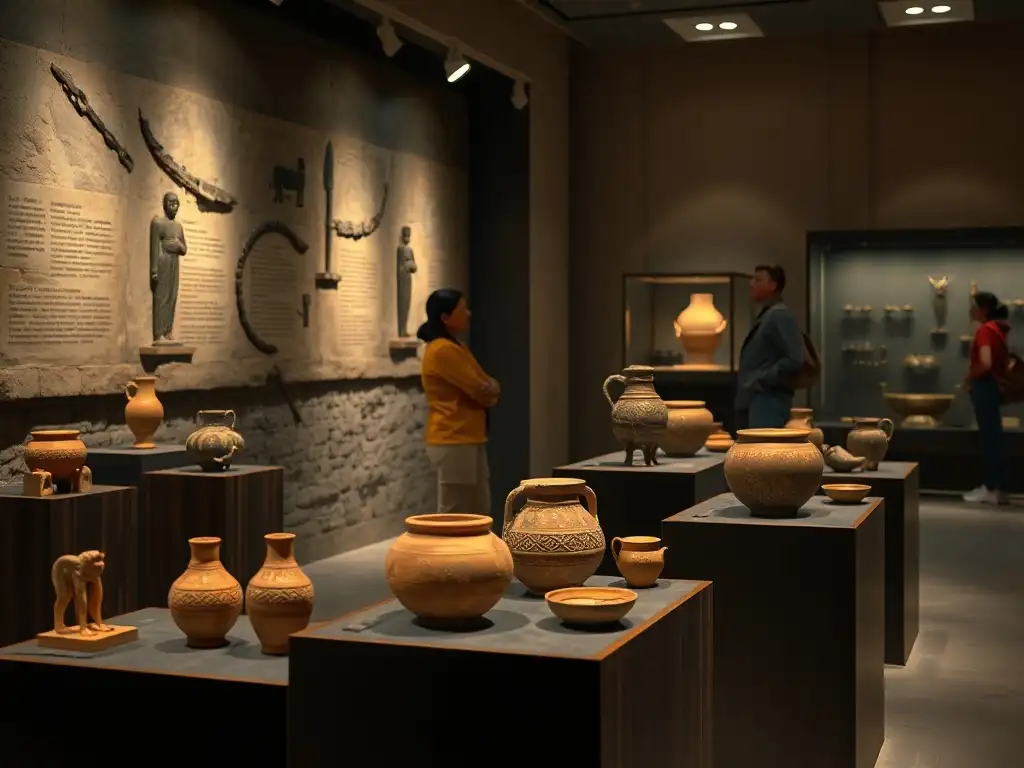
The preservation and display of Indus Valley Civilization artifacts are crucial for both educational purposes and cultural heritage. As these artifacts are irreplaceable links to our shared human history, their conservation becomes a priority for museums and archaeological institutions. The careful curation of these items allows for a deeper appreciation of the IVC's contributions to art, culture, and society as a whole.
Conservation Challenges and Solutions
Preserving artifacts from the Indus Valley Civilization presents numerous challenges, primarily due to their age and the materials from which they are made. Many artifacts, especially those composed of clay or organic materials, are susceptible to deterioration. Environmental factors such as humidity, temperature fluctuations, and pollution can further exacerbate these issues.
To combat these challenges, conservators employ a variety of techniques, including climate control systems to maintain stable environments, specialized cleaning methods to remove harmful deposits, and the use of inert materials for storage. Additionally, training local communities in conservation practices ensures that knowledge is passed down and that preservation efforts are sustainable. These solutions are vital for maintaining the integrity of Indus Valley artifacts for future generations.
Museums and Exhibits Featuring Indus Valley Artifacts
Numerous museums worldwide showcase the artifacts of the Indus Valley Civilization, allowing visitors to engage with this ancient culture. Institutions such as the National Museum in New Delhi and the British Museum in London host extensive collections that highlight the artistic and technological achievements of the IVC. Exhibits often include detailed explanations of the artifacts' historical context, their significance, and the methodologies used in their excavation and preservation.
These museums play a crucial role in disseminating knowledge about the Indus Valley Civilization, fostering a sense of appreciation and respect for this ancient society. Special exhibitions, educational programs, and interactive displays help to bring the stories behind these artifacts to life, ensuring that the legacy of the IVC remains relevant in contemporary discourse.
The Role of Technology in Preserving Ancient Art
Advancements in technology have revolutionized the preservation of ancient artifacts, including those from the Indus Valley Civilization. Techniques such as 3D scanning and imaging allow conservators to create accurate digital replicas of artifacts, which can be used for research, education, and public display without risking damage to the original pieces.
Moreover, innovations in materials science have led to the development of new conservation materials that are less invasive and more effective in protecting artifacts from deterioration. These technologies not only enhance preservation efforts but also provide new avenues for studying the artifacts, revealing details that were previously unobservable. As a result, technology continues to play a pivotal role in the stewardship of ancient art, ensuring that the treasures of the Indus Valley Civilization are safeguarded for future exploration and appreciation.
Conclusion: The Legacy of Indus Valley Civilization Artifacts
The artifacts unearthed from the Indus Valley Civilization (IVC) serve as a testament to the ingenuity, creativity, and sophistication of one of the world's earliest urban cultures. These discoveries have not only illuminated aspects of daily life, trade, and spiritual practices of the IVC but have also contributed significantly to our understanding of ancient Indian history as a whole. From intricately designed pottery and seals to advanced urban planning evident in the layout of cities like Mohenjo-Daro and Harappa, these treasures highlight the civilization’s remarkable achievements.
The legacy of IVC artifacts extends beyond historical interest; they challenge modern perceptions of ancient societies, demonstrating that sophistication and complexity were not solely the domain of later cultures. As researchers continue to study these artifacts, they provide insights into the social structures, economic systems, and cultural practices of the time, enriching the narrative of human history and emphasizing the interconnectedness of ancient civilizations.
Impact on Modern Understanding of Ancient Indian History
The Indus Valley civilization artifacts have profoundly impacted modern scholarship and public understanding of ancient Indian history. They have shifted the narrative from a Eurocentric view of civilization development to a more inclusive perspective that recognizes the contributions of non-Western cultures. The advanced metallurgy, standardization of weights, and the use of writing systems found in IVC artifacts suggest a high level of social organization and economic complexity that was previously underappreciated.
Additionally, these artifacts have prompted reevaluation of cultural continuity in the Indian subcontinent. The motifs and designs found on seals and pottery often echo in later Indian art forms, suggesting a legacy that has persisted through millennia. By studying these artifacts, historians and archaeologists can better trace cultural and technological advancements, creating a more nuanced understanding of the evolution of Indian civilization.
Future Directions in Research and Excavation
As interest in the Indus Valley Civilization continues to grow, future research and excavation efforts are likely to expand significantly. Scholars are increasingly utilizing advanced technologies such as remote sensing, ground-penetrating radar, and 3D modeling to uncover hidden sites and artifacts that traditional excavation methods might miss. This technological integration aims to provide a more comprehensive understanding of urban planning and resource management in the IVC.
Moreover, interdisciplinary approaches involving anthropology, environmental science, and even art history are becoming essential in piecing together the complex narrative of the IVC. Future excavations may focus on less explored regions, potentially uncovering new sites that can shed light on the civilization’s extent and interactions with neighboring cultures.
In addition, the study of artifacts will increasingly include analyses of trade networks and cultural exchanges with other ancient societies, enriching the discourse around the global significance of the Indus Valley Civilization.
References and Further Reading on Indus Valley Civilization Artifacts
Suggested Books and Articles
- "The Indus Civilization" by Jonathan Mark Kenoyer - This comprehensive work provides an in-depth exploration of the Indus Valley Civilization, focusing on its art, architecture, and social organization.
- "Mohenjo-Daro: The Indus Valley Civilization" by R.S. Sharma: - A detailed examination of one of the most significant archaeological sites of the IVC, offering insights into the urban life of its inhabitants.
- "The Archaeology of the Indus Valley Civilization" by Bridget and John W. R. A. Fagan - This book discusses the archaeological methods used to uncover artifacts and the historical context of the discoveries.
Online Resources for Continued Exploration
- Indus Valley Civilization: Archaeology and History: - A dedicated website featuring research articles, excavation reports, and interactive maps of IVC sites.
- The Archaeological Survey of India (ASI) - Offers access to official reports, publications, and ongoing research projects related to the Indus Valley artifacts.
- The British Museum's Collection of Indus Valley Artifacts - An online catalog showcasing the artifacts from the IVC held in their collection, including high-resolution images and detailed descriptions.
By engaging with these resources, enthusiasts and scholars alike can deepen their understanding of the rich tapestry of the Indus Valley Civilization and its enduring legacy in the annals of ancient Indian history.
- Introduction to Indus Valley Civilization Artifacts
- Overview of the Indus Valley Civilization
- Importance of Artifacts in Understanding Ancient Cultures
- Historical Context of Indus Valley Civilization Artifacts
- Types of Indus Valley Civilization Artifacts
- Techniques Used in Excavation of Indus Valley Treasures
- The Cultural Significance of Indus Valley Artifacts
- Preservation and Display of Indus Valley Civilization Artifacts
- Conclusion: The Legacy of Indus Valley Civilization Artifacts
- References and Further Reading on Indus Valley Civilization Artifacts
Frequently Asked Questions
What are Indus Valley civilization artifacts?
Indus Valley civilization artifacts refer to various objects and tools discovered from the archaeological sites of the ancient Indus Valley civilization, showcasing their advanced craftsmanship and daily life.
Why are Indus Valley civilization artifacts important?
These artifacts are crucial because they provide insights into the social structure, trade, and cultural practices of a sophisticated civilization that flourished over 4,000 years ago.
Where have the Indus Valley civilization artifacts been found?
Artifacts have primarily been unearthed in sites like Harappa and Mohenjo-Daro, where extensive excavations have revealed a wealth of tools, pottery, and inscriptions.
How did the Indus Valley civilization contribute to history?
The civilization is known for its advanced urban planning, drainage systems, and trade networks, influencing later cultures and laying foundations for future Indian civilizations.
What can we learn from excavating Indus Valley treasures?
Excavating these treasures helps historians and archaeologists understand the technological advancements, artistic expression, and economic activities of a complex society that thrived in ancient India.
Final Reflection: Unearthing the Legacy of Indus Valley Civilization Artifacts
The discovery of lost art from the Indus Valley civilization is not just an archaeological endeavor; it is a profound reminder of our shared human heritage. As we delve into the treasures of this ancient society, we uncover not only their artistic brilliance but also the intricate tapestry of cultural connections that continue to resonate in our modern world. The significance of these artifacts transcends time, urging us to recognize the value of preserving our history and understanding our roots.
Cultural artifacts from the Indus Valley civilization serve as a bridge between the past and present, influencing contemporary art, design, and societal values. The intricate craftsmanship and innovative urban planning of this civilization inspire a sense of awe and curiosity, prompting us to reflect on our own societal progress.
As noted by historian Dr. John Marshall, “The art of the Indus Valley is a testament to the creativity and ingenuity of a civilization that thrived long before our own.” This ongoing influence reminds us that the lessons of the past can guide our future endeavors in art, architecture, and community building.
As you reflect on the treasures of the Indus Valley civilization, I invite you to consider how these ancient artifacts can inspire your own journey. What stories do you carry from your heritage, and how can they shape your identity today? Let the legacy of the Indus Valley civilization encourage you to explore your roots, appreciate the artistry in your surroundings, and contribute to the rich tapestry of human culture. Embrace the call to action: seek out the lost art within your own life and community, and help preserve the narratives that define us all.
Unveil the Secrets of the Indus Valley!
Thank you for diving into the fascinating world of the Indus Valley treasures! We hope you feel inspired by the intriguing discoveries and the rich history surrounding these lost artifacts. Now is the time to take action and deepen your connection with this remarkable past.
- Explore further: Visit a local museum or exhibition showcasing artifacts from the Indus Valley to experience these treasures firsthand.
- Share your passion: Connect with fellow history enthusiasts by discussing these findings on social media or in community groups dedicated to historical exploration.
- Get involved: Look into volunteer opportunities at archaeological sites or with organizations focused on preserving our ancient heritage to make a meaningful contribution.
What aspect of the Indus Valley's rich history resonates with you the most, and how do you plan to explore it further?