
Savory and Sweet: A StepbyStep Guide to Cooking Classic Indian Desserts

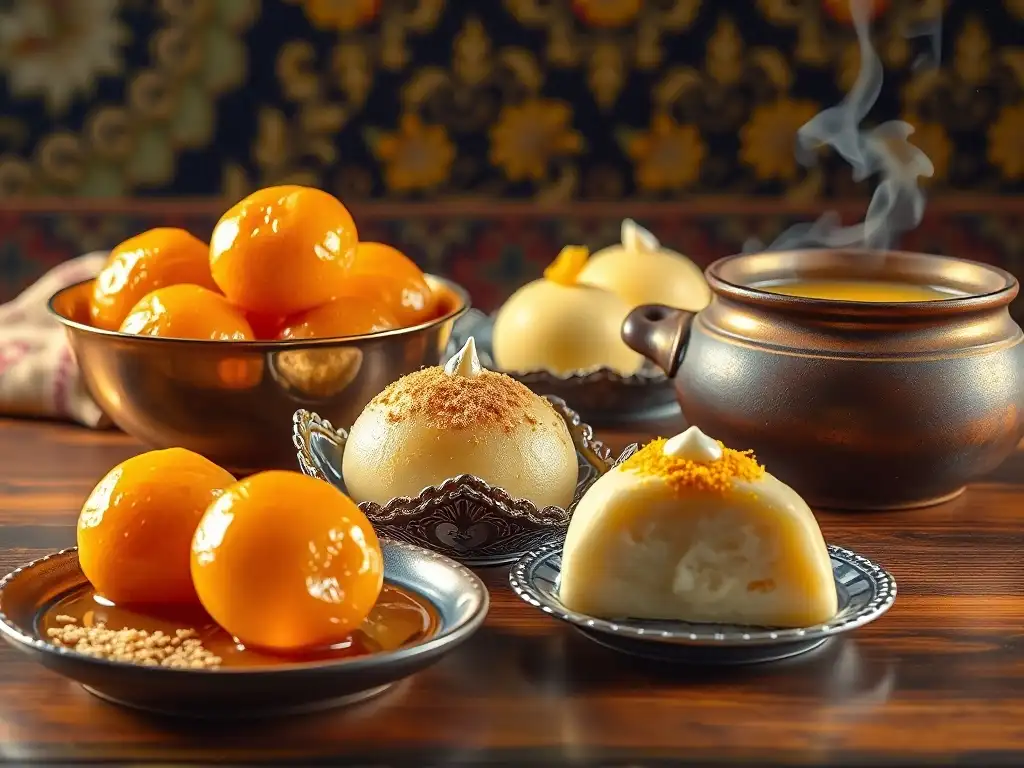
Welcome to Ancient India History, where we embark on a journey through time to uncover the rich tapestry of ancient Indian civilizations! From the majestic Indus Valley to the illustrious Gupta Empire, we explore the profound influences that shaped India’s cultural heritage. In this edition, we delve into the delectable world of traditional Indian dessert recipes. Prepare to tantalize your taste buds as we guide you through the art of crafting classic Indian desserts, blending history with culinary tourism. Join us as we sweeten your knowledge and inspire your kitchen adventures!
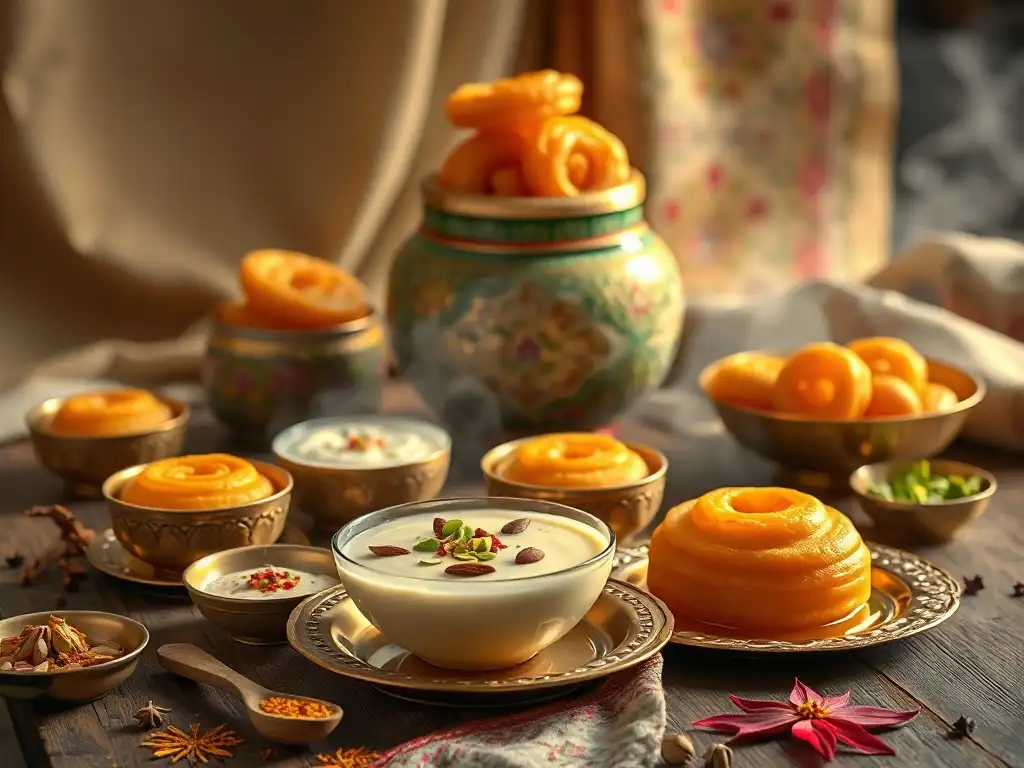
Indian cuisine is renowned for its vibrant flavors and diverse culinary traditions, with desserts holding a special place in its heart. From the rich, syrupy delights of Gulab Jamun to the creamy goodness of Rasgulla, traditional Indian desserts are not just treats but a celebration of culture, festivity, and heritage. This guide aims to unravel the world of traditional Indian dessert recipes, offering a step-by-step approach to crafting these delectable sweets that have delighted generations.
Exploring the realm of Indian desserts means diving into an extensive array of flavors, textures, and techniques. Each dessert carries its own story, often linked to regional traditions and festivals. This article will provide you with the foundational knowledge and essential ingredients to embark on your sweet culinary journey, ensuring that you can recreate these classic delights in your own kitchen.
Introduction to Traditional Indian Desserts
Traditional Indian desserts, known as “Mithai,” encompass a wide variety of sweets made from diverse ingredients, each with unique preparation methods. They are often enjoyed during festivals, weddings, and special occasions, reflecting the rich tapestry of Indian culture.
In this section, we will explore some of the most popular traditional Indian desserts that are staples in households across the subcontinent. From milk-based sweets like Kheer and Barfi to flour-based treats like Jalebi and Ladoo, each recipe tells a tale of creativity and culinary prowess.
Essential Ingredients for Traditional Indian Desserts
To successfully recreate traditional Indian desserts, it’s vital to understand the key ingredients that form the backbone of these recipes. The following sections will break down the common and specialty ingredients that are essential to achieving authentic flavors and textures.
Common Ingredients in Indian Sweets
- Milk and Dairy Products: Milk, condensed milk, and paneer (Indian cottage cheese) are foundational in many Indian desserts. They provide creaminess and richness.
- Sugar: This is a primary sweetener in Indian desserts, often used in various forms such as granulated sugar, jaggery, or khoya (dried milk).
- Flour: Different types of flour, including all-purpose flour and chickpea flour, are commonly used to create batters and doughs for desserts.
- Rice: Rice is frequently utilized in desserts like Kheer, enhancing both texture and flavor.
Specialty Ingredients for Unique Flavors
- Saffron: Known for its distinct aroma and color, saffron elevates the flavor profile of desserts like Kheer and Gulab Jamun.
- Cardamom: This spice is a staple in Indian sweets, providing a warm and aromatic essence that complements many flavors.
- Nuts and Dried Fruits: Almonds, cashews, and raisins are often used as toppings or mixed into sweets, adding crunch and richness.
- Rose Water: A splash of rose water can impart a floral note to desserts, making it a popular addition in recipes like Rasgulla and Barfi.
By understanding these essential ingredients, you will be well-equipped to start your journey into the delightful world of traditional Indian dessert recipes, crafting sweets that not only taste divine but also carry the essence of India's rich culinary heritage.
Popular Traditional Indian Dessert Recipes
Indian cuisine is renowned for its rich diversity, and traditional desserts are no exception. From the creamy textures of rice pudding to the syrup-soaked delights of fried sweets, each dessert tells a story of the region it comes from and the cultural influences that shaped it. Here are some of the most popular traditional Indian dessert recipes that you can easily recreate at home.
1. Gulab Jamun: The Classic Sweet Delight
Gulab Jamun is a quintessential Indian dessert made from khoya (reduced milk) and flour, shaped into small balls, and deep-fried until golden brown. These delectable treats are then soaked in a fragrant sugar syrup flavored with rose water and cardamom. The result is a soft, melt-in-your-mouth dessert that is often served warm or at room temperature.
Ingredients:
- 1 cup khoya
- ¼ cup all-purpose flour
- 1 tsp baking powder
- Ghee or oil for frying
- 1 ½ cups sugar
- 1 ½ cups water
- 2 tsp rose water
- 2-3 cardamom pods, crushed
Preparation Steps:
- In a mixing bowl, combine khoya, flour, and baking powder to form a smooth dough.
- Divide the dough into small balls.
- Heat ghee or oil in a pan and fry the balls until golden brown.
- In another pan, prepare the sugar syrup by boiling sugar and water together, adding rose water and cardamom.
- Soak the fried balls in the syrup for at least 30 minutes before serving.
2. Jalebi: The Crispy and Sweet Spiral
Jalebi is a popular sweet that is characterized by its spiral shape and bright orange color. Made from fermented batter, it is deep-fried and then dipped in sugar syrup. The result is a crispy exterior with a chewy interior that is both sweet and slightly tangy.
Ingredients:
- 1 cup all-purpose flour
- 1 tbsp yogurt
- 1 cup sugar
- 1 cup water
- A pinch of saffron (optional)
- A few drops of yellow food color (optional)
- Ghee or oil for frying
Preparation Steps:
- Mix flour and yogurt with enough water to form a smooth batter. Let it ferment for a few hours.
- Heat ghee or oil in a pan.
- Pour the batter into a piping bag and squeeze out spiral shapes into the hot oil.
- Fry until golden brown and then dip into sugar syrup infused with saffron and food color.
3. Kheer: The Creamy Rice Pudding
Kheer is a comforting rice pudding made by simmering rice in milk and sweetening it with sugar. Enhanced with cardamom, nuts, and sometimes raisins, it is a popular festive dessert served throughout India.
Ingredients:
- 1 cup basmati rice
- 4 cups full-fat milk
- ½ cup sugar
- 5-6 cardamom pods
- ¼ cup mixed nuts (almonds, pistachios)
- 2 tbsp raisins (optional)
Preparation Steps:
- Rinse the rice and soak it in water for 30 minutes.
- Boil the milk in a heavy-bottomed pan and add the soaked rice.
- Cook on low heat, stirring occasionally until the rice is tender and the mixture thickens.
- Add sugar, cardamom, and nuts, and cook for an additional 5 minutes.
- Serve warm or chilled.
4. Barfi: The Nutty Confection
Barfi, also known as burfi, is a dense, milk-based sweet that can be flavored with various ingredients such as nuts, fruits, or chocolate. The most common varieties include coconut barfi, pistachio barfi, and khoya barfi.
Ingredients:
- 1 cup khoya
- 1 cup sugar
- ½ cup mixed nuts (finely chopped)
- 2 tbsp ghee
- 1 tsp cardamom powder
Preparation Steps:
- Heat ghee in a pan and add khoya, cooking until it melts.
- Stir in sugar and cook until it dissolves completely.
- Add cardamom and nuts, mixing well.
- Pour the mixture onto a greased plate and spread evenly.
- Allow it to cool, then cut into squares or diamond shapes.
Tools and Equipment for Cooking Indian Desserts
To successfully prepare traditional Indian desserts, having the right tools and equipment can make a significant difference. Here are some essential and optional items that can enhance your cooking experience.
Essential Equipment for Making Indian Sweets
- Heavy-Bottomed Pan: Ideal for cooking milk-based sweets to prevent burning.
- Whisk: Useful for mixing ingredients smoothly.
- Measuring Cups and Spoons: For accurate measurements of ingredients.
- Piping Bag: Essential for shaping desserts like jalebi.
- Thermometer: To monitor sugar syrup temperatures for perfect consistency.
Optional Tools for Enhanced Cooking Experience
- Silicone Molds: Perfect for shaping barfi or other sweets into decorative forms.
- Mortar and Pestle: Great for crushing spices and nuts for flavor enhancement.
- Food Processor: Speeds up the process of grinding nuts and making a smooth batter.
- Sifter: Helps in aerating flour for lighter textures in sweets.
By equipping yourself with these tools and mastering the popular traditional Indian dessert recipes, you can bring a taste of India into your kitchen and impress your family and friends with your culinary skills!
Cooking Techniques for Traditional Indian Desserts
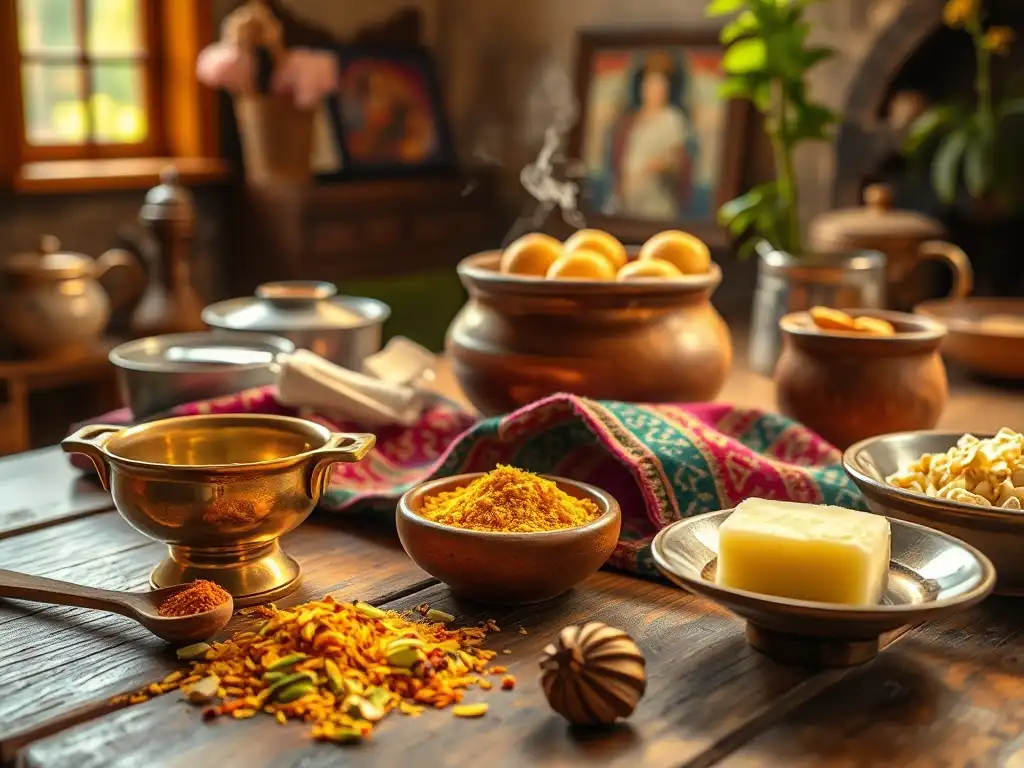
Cooking traditional Indian desserts requires a blend of age-old techniques, precise timing, and an understanding of the ingredients involved. Mastering these techniques not only allows for the creation of authentic flavors but also enhances the overall experience of preparing and enjoying these delectable sweets. Below, we will explore some key cooking techniques and tips that can elevate your dessert-making skills to new heights.
Key Cooking Techniques in Indian Sweets Preparation
- Slow Cooking (Dum Cooking): This technique involves cooking over low heat for an extended period, allowing flavors to meld beautifully. It is commonly used for desserts like kheer (rice pudding) and halwa, which benefit from gradual cooking to achieve the desired texture and richness.
- Reduction: Reducing ingredients, particularly milk, is crucial in many Indian desserts. By simmering milk to evaporate excess water, you concentrate the flavors and create a creamier consistency. This technique is essential in dishes like gulab jamun and rabri.
- Tempering (Tadka): Often used to enhance the flavors of spices and nuts, tempering involves heating ghee or oil and adding ingredients like cardamom, saffron, or cashews. This technique is vital for desserts such as barfi and peda, as it infuses the sweets with aromatic flavors.
- Frying: Many traditional Indian sweets are deep-fried to achieve a crispy texture. For example, jalebi and samosa (sweet versions) require frying to create their characteristic crunch. Choosing the right oil and maintaining the correct frying temperature are crucial for success.
- Layering: In desserts like trifle or mithai, layering ingredients not only adds visual appeal but also allows for a delightful combination of flavors and textures. Each layer must be carefully prepared and assembled to create a harmonious dessert experience.
Tips for Mastering Indian Dessert Techniques
- Use Fresh Ingredients: The quality of ingredients directly impacts the final product. Always use fresh dairy, nuts, and spices for the best results.
- Measure Accurately: Precision is key in dessert-making. Use a kitchen scale for dry ingredients and measuring cups for liquids to ensure consistency in your recipes.
- Practice Patience: Many Indian desserts require time and attention. Avoid rushing through the cooking process, as patience often results in richer flavors and better textures.
- Taste as You Go: Regularly tasting the mixture while cooking allows you to adjust sweetness or spice levels according to your preference.
- Experiment and Adapt: Don't hesitate to try variations of traditional recipes. Personalizing dishes with unique twists can lead to delightful discoveries.
Serving and Presenting Traditional Indian Desserts
The presentation of desserts is an integral part of Indian culture, reflecting the artistry and thoughtfulness that go into preparing these sweets. Serving them correctly enhances the dining experience, making it more festive and enjoyable.
Traditional Serving Styles in Indian Culture
- Thali Presentation: In traditional Indian meals, desserts are often served on a thali (a circular metal plate). This method allows for a variety of sweets to be presented together, showcasing the diversity of flavors and textures.
- Banana Leaf: In some regions, especially during festivals, desserts are served on banana leaves. This eco-friendly method not only adds an aesthetic appeal but also infuses a subtle flavor into the sweets.
- Decorative Bowls: Using ornate bowls or traditional earthenware adds an elegant touch to the presentation. Desserts like rasgulla or kheer are often served in such containers, highlighting their beauty.
- Garnishing: Finishing touches such as chopped nuts, saffron strands, or edible silver leaf ( varak) are common in Indian desserts. These garnishes not only enhance visual appeal but also add texture and flavor.
Creative Presentation Ideas for Indian Sweets
- Dessert Platters: Create an assorted dessert platter featuring small portions of various Indian sweets. This allows guests to sample different flavors and makes for an attractive centerpiece.
- Glass Jars: Layering desserts like trifle in clear glass jars offers a modern twist while showcasing the vibrant colors and textures of the sweets.
- Miniature Servings: Serve smaller portions of sweets in individual cups or bowls, making them easy to enjoy at gatherings and encouraging guests to try multiple varieties.
- Theme-Based Decor: For festive occasions, consider decorating the dessert table with flowers, lights, and traditional items that resonate with the celebration, creating a visually appealing and immersive experience.
By mastering these cooking techniques and presentation styles, you will not only create authentic traditional Indian desserts but also serve them in a way that honors the rich culinary heritage of India. Enjoy the journey of exploring these delightful sweets!
Conclusion: Embracing the Richness of Indian Dessert Recipes
Traditional Indian dessert recipes are a delightful exploration of flavors, textures, and cultural heritage. Each dessert tells a story, often passed down through generations, reflecting the rich tapestry of Indian traditions. From the creamy richness of Gulab Jamun to the nutty flavors of Kheer, these desserts not only satisfy the sweet tooth but also bring a sense of nostalgia and togetherness during festive occasions and family gatherings.
By embracing the techniques and ingredients unique to Indian cuisine, you can create these classic sweets in your own kitchen. The joy of cooking traditional Indian desserts lies not only in their preparation but also in the shared experience of enjoying them with loved ones. Whether you're a seasoned cook or a beginner, the process can be both rewarding and fun. So, gather your ingredients, roll up your sleeves, and embark on this culinary journey that celebrates the richness of Indian culture through its desserts.
Additional Resources for Cooking Indian Desserts
To further enhance your cooking journey in mastering traditional Indian dessert recipes, there are numerous resources available that provide valuable insights, recipes, and techniques. From cookbooks to online platforms, these resources will help you deepen your understanding of Indian desserts and refine your culinary skills.
Recommended Cookbooks and Online Resources
- Cookbooks:
- "Indian Sweets and Snacks" by Asha Shivakumar: This book offers a comprehensive guide to making a variety of traditional Indian sweets and snacks, complete with step-by-step instructions and tips for perfecting each recipe.
- "The Complete Indian Cookbook" by Julie Sahni: A classic in the realm of Indian cooking, this cookbook includes a dedicated section on desserts, showcasing recipes from across various regions of India.
- "Sweet India: Simple Recipes for Delicious Indian Desserts" by Anjali Pathak: This book focuses specifically on desserts, presenting easy-to-follow recipes that cater to beginners and experienced cooks alike.
- Online Resources:
- YouTube Channels: Channels like "Nisha Madhulika" and "Sanjeev Kapoor Khazana" offer visual guides to making Indian desserts, allowing you to follow along with the cooking process.
- Food Blogs: Websites such as "Veg Recipes of India" and "Manjula's Kitchen" feature detailed recipes, cooking tips, and personal anecdotes that enrich the cooking experience.
- Cooking Apps: Apps like "Tasty" and "Yummly" provide a variety of Indian dessert recipes with instructional videos, making it easier to learn and experiment with new dishes.
By utilizing these resources, you can expand your repertoire of traditional Indian dessert recipes and bring the authentic flavors of India into your home. Happy cooking!
- Introduction to Traditional Indian Desserts
- Essential Ingredients for Traditional Indian Desserts
- Popular Traditional Indian Dessert Recipes
- Tools and Equipment for Cooking Indian Desserts
- Cooking Techniques for Traditional Indian Desserts
- Serving and Presenting Traditional Indian Desserts
- Conclusion: Embracing the Richness of Indian Dessert Recipes
- Additional Resources for Cooking Indian Desserts
- What are some popular traditional Indian dessert recipes?
- How are Indian desserts typically prepared?
- What makes Indian desserts different from desserts in other cultures?
- Are there any healthier variations of traditional Indian desserts?
- Where can I find step-by-step guides for cooking Indian desserts?
Frequently Asked Questions
What are some popular traditional Indian dessert recipes?
Some popular traditional Indian dessert recipes include Gulab Jamun, Jalebi, Kheer, Ladoo, and Rasgulla. Each dessert has its unique ingredients and methods of preparation, reflecting the diverse culinary heritage of India.
How are Indian desserts typically prepared?
Indian desserts are typically prepared using ingredients such as milk, sugar, flour, and ghee. Many recipes involve deep-frying, boiling, or baking to achieve the desired texture and flavor.
What makes Indian desserts different from desserts in other cultures?
Indian desserts often incorporate spices like cardamom and saffron, and they frequently use dairy products such as paneer and condensed milk, which adds to their unique flavor profiles and richness compared to desserts from other cultures.
Are there any healthier variations of traditional Indian desserts?
Yes, there are healthier variations of traditional Indian desserts that use natural sweeteners, whole grains, and reduced fat. Ingredients like jaggery and oats can be substituted to create more nutritious options without compromising on taste.
Where can I find step-by-step guides for cooking Indian desserts?
You can find step-by-step guides for cooking Indian desserts on various cooking websites, blogs, and YouTube channels dedicated to Indian cuisine. These resources often include detailed instructions and tips to help you replicate the flavors of traditional recipes at home.
Final Reflection: Embracing Tradition Through Sweetness
In a world that often prioritizes speed and convenience over authenticity, the art of crafting traditional Indian dessert recipes remains a vital connection to our cultural heritage. These recipes are not merely instructions for cooking; they are stories passed down through generations, encapsulating the essence of family gatherings, festivals, and celebrations. As we navigate our busy lives, it is essential to remember that taking the time to prepare these desserts is a way to honor our roots and share our culture with others.
The influence of traditional Indian desserts extends far beyond the kitchen, shaping our cultural and social landscapes. Each bite of a classic dessert like Gulab Jamun or Kheer evokes memories of childhood, family, and community. The act of cooking these recipes fosters connections, bringing people together in a shared experience of joy and nostalgia. As the renowned chef Sanjeev Kapoor once said, Food is not just about feeding the body; it’s about feeding the soul.
This sentiment resonates deeply as we explore the rich tapestry of flavors and traditions that these desserts represent.
As you reflect on the significance of these traditional Indian dessert recipes, I invite you to take action. Consider incorporating these timeless recipes into your own life, not just as a means to satisfy your sweet tooth, but as a way to create lasting memories with loved ones. Whether you are sharing a meal with family or introducing friends to the delights of Indian sweets, remember that each recipe is a celebration of culture, love, and togetherness. Embrace the sweetness of tradition and let it inspire you to create your own culinary legacy.
Unleash Your Inner Chef: Savor the Sweetness of Indian Desserts!
Thank you for diving into the delightful world of classic Indian desserts with us! We hope you’ve gathered inspiration and practical tips to elevate your culinary skills. Now, let's take the next step together and bring these sweet treats to life in your own kitchen!
Here are a few actions you can take right now:
- Choose a dessert recipe from our selection that excites you the most, and gather your ingredients to whip it up today!
- Share your culinary creations by posting photos of your dessert or sharing your cooking experience on social media—don’t forget to tag us!
- Join a cooking community online or locally where you can exchange tips, ideas, and variations on these beloved recipes.
What dessert are you most eager to create, and who will you share it with? We’d love to hear your thoughts in the comments!