
Urban Planning and Its Impact on Indus Valley Daily Life

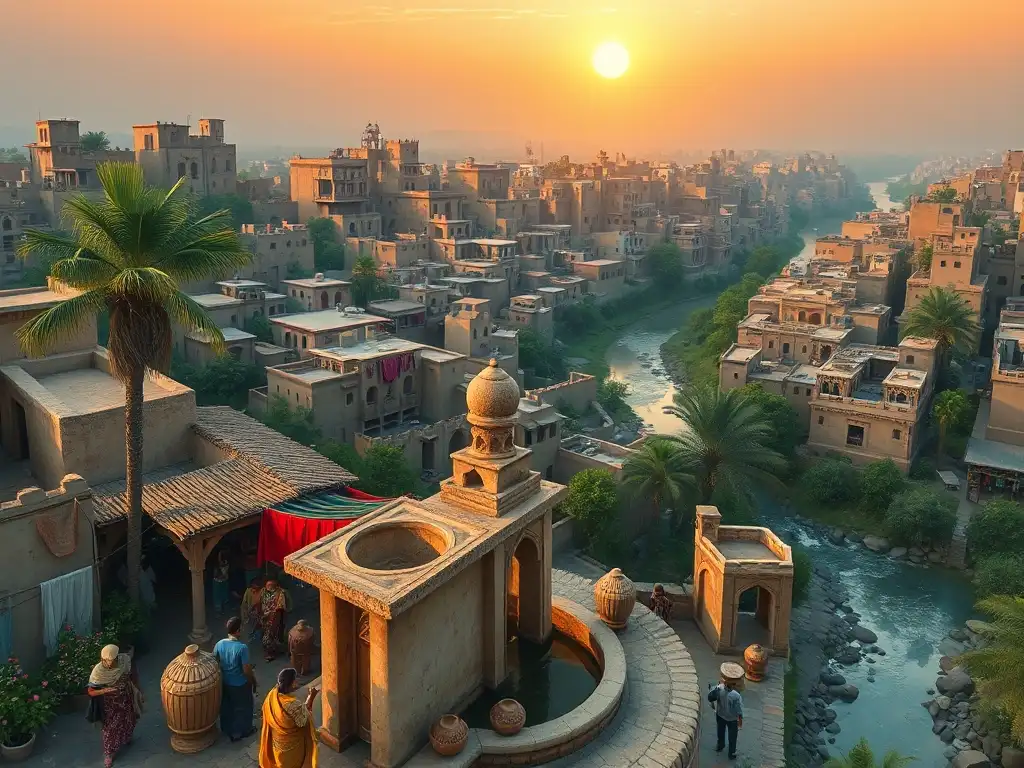
Welcome to Ancient India History, where we embark on an enthralling journey through time to uncover the intricate tapestry of ancient Indian civilizations. In this article, we delve into the Indus Valley urban planning impact, revealing how the innovative designs and structures of this remarkable society shaped daily life and set the foundation for future urban development. Prepare to be captivated by the ingenuity of the Indus Valley people and discover how their legacy continues to influence us today. Join us as we explore the nuances of ancient urban life and the cultural richness that defined an era!
- Urban Planning in the Indus Valley Civilization
- The Concept of Urban Planning in Ancient Times
- Indus Valley Urban Planning Impact on Daily Life
- Economic Activities Influenced by Urban Planning
- Social Structure and Urban Planning
- Cultural and Religious Aspects of Urban Life
- Comparison with Other Ancient Civilizations
- Conclusion
-
Frequently Asked Questions
- What characterized the urban planning of the Indus Valley civilization?
- How did urban planning influence daily life in the Indus Valley?
- What were some key cities in the Indus Valley civilization known for their urban planning?
- In what ways did the Indus Valley's urban planning differ from contemporary civilizations?
- What lasting impacts did Indus Valley urban planning have on future civilizations?
- Final Reflection: The Enduring Legacy of Indus Valley Urban Planning
- Explore the Influence of Urban Planning on Daily Life!
Urban Planning in the Indus Valley Civilization
The Indus Valley Civilization, one of the world's earliest urban societies, flourished around 2500 BCE in what is now modern-day Pakistan and northwest India. Renowned for its sophisticated urban planning, this civilization provides a fascinating glimpse into how organized city structures influenced daily life, trade, and social interactions.
The meticulous layout of cities like Mohenjo-Daro and Harappa not only reflects advanced architectural techniques but also reveals the profound impact that urban planning had on the societal framework, economic activities, and cultural practices of its inhabitants. In this article, we will explore the various facets of Indus Valley urban planning impact, examining how it shaped the daily lives of its people, the historical context of the civilization, and the key features that defined their society.
Overview of the Indus Valley Civilization
The Indus Valley Civilization, also known as the Harappan Civilization, represents one of the three ancient cradles of civilization alongside Mesopotamia and Ancient Egypt. Spanning an area of over 1,250,000 square kilometers, it is characterized by a network of well-planned cities featuring advanced drainage systems, standardized fired-brick buildings, and a uniform layout that suggests a high degree of social organization. The civilization reached its peak between 2600 and 1900 BCE and laid the groundwork for future urban development in the Indian subcontinent.
Historical Context of the Indus Valley
The emergence of the Indus Valley Civilization is believed to be closely linked to the geographical and climatic conditions of the region. The fertile plains of the Indus River provided a conducive environment for agriculture, which formed the backbone of the economy. The civilization's prosperity was marked by trade with neighboring cultures, indicating a complex socio-economic structure. Archaeological findings suggest that the people of the Indus Valley engaged in various crafts, including pottery, bead-making, and metallurgy, showcasing their innovative spirit.
Moreover, historical records and archaeological evidence point towards a level of political organization that allowed for collective decision-making and infrastructural development. The establishment of urban centers would have facilitated the management of resources, trade activities, and population density, ultimately influencing the day-to-day lives of the inhabitants.
Key Features of Indus Valley Society
The society of the Indus Valley Civilization was characterized by a combination of urban sophistication and cultural richness. Key features include:
- Urban Planning: Cities were constructed with a grid-like layout, featuring streets that ran at right angles. This organized approach facilitated movement and trade within the urban space.
- Sanitation Systems: Advanced drainage systems and public baths indicated a strong emphasis on hygiene and public health, reflecting an understanding of sanitation that was ahead of its time.
- Architecture: Buildings were made from uniformly sized bricks, and residential areas were often separated from industrial and public spaces, showcasing a clear division of functions within the urban environment.
- Trade Networks: The civilization engaged in extensive trade with other cultures, which contributed to its economic vitality. The use of standardized weights and measures indicates a sophisticated approach to commerce.
Overall, the urban planning of the Indus Valley Civilization significantly impacted daily life, shaping social structures, economic activities, and cultural practices in ways that resonate through history. As we delve deeper into the specific aspects of urban planning and its effects on society, we will uncover the intricate connections that defined this remarkable civilization.
The Concept of Urban Planning in Ancient Times
Definition of Urban Planning
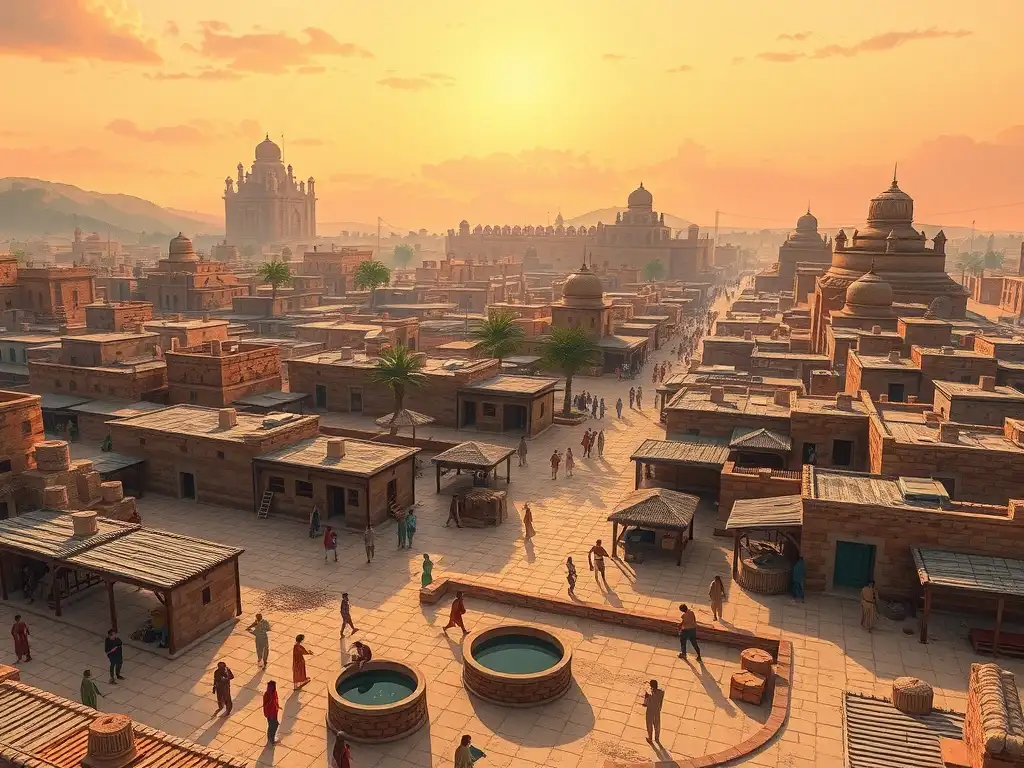
Urban planning in ancient times refers to the organized and strategic design of cities and settlements, taking into account various factors such as geography, resources, population, and social structure. In the context of the Indus Valley Civilization (IVC), urban planning was characterized by a remarkable level of sophistication that is evident in the layout of cities such as Harappa and Mohenjo-Daro.
Key elements of urban planning in the IVC include:
- Grid Layout: Streets were arranged in a grid pattern, facilitating efficient movement and organization.
- Drainage Systems: Advanced drainage systems were implemented, including covered drains and soak pits that improved sanitation.
- Zoning: Areas were designated for specific purposes, such as residential, commercial, and industrial zones, enhancing functionality and accessibility.
The meticulous planning evident in these cities reflects a comprehensive understanding of urban needs and a commitment to creating a sustainable environment for its inhabitants.
Importance of Urban Planning in Ancient Civilizations
Urban planning played a crucial role in the development and sustainability of ancient civilizations, particularly in the Indus Valley. The following points highlight its significance:
- Enhancement of Daily Life:
- The organized layout of cities ensured that resources such as water and food were easily accessible. For instance, the proximity of granaries to residential areas allowed for efficient distribution.
- Public baths and drainage systems contributed to hygiene, promoting better health among the population.
- Economic Growth:
- Well-planned marketplaces facilitated trade and commerce, enabling economic prosperity. The location of these markets within the urban framework encouraged interaction among traders and consumers.
- The presence of specialized crafts and industries, such as bead-making and metallurgy, was strategically integrated into urban planning, fostering economic diversification.
- Social Structure and Governance:
- Urban planning reflected the social hierarchy and governance structures in place. Public buildings, such as assembly halls and warehouses, indicated an organized administrative system.
- The design of cities facilitated community engagement and interaction, strengthening social ties among residents.
- Environmental Management:
- Effective urban planning incorporated natural landscapes and resources, ensuring the sustainable use of the environment. The Indus Valley's proximity to rivers supported irrigation, which was vital for agriculture.
- The drainage systems not only addressed sanitation issues but also managed rainwater runoff, minimizing flooding risks.
The impact of Indus Valley urban planning on daily life was profound, influencing various aspects of society, economy, and governance. The sophisticated planning practices of the IVC set a precedent for future civilizations and continue to be a subject of study for understanding the complexities of ancient urban life.
Indus Valley Urban Planning Impact on Daily Life
City Layout and Infrastructure
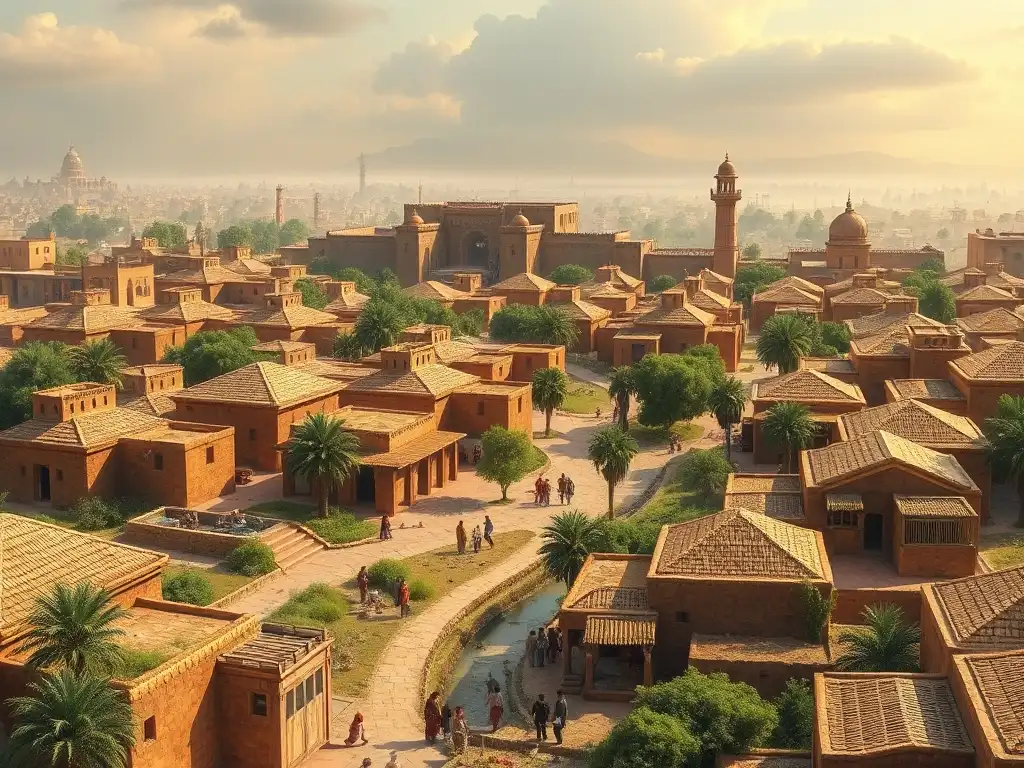
The Indus Valley Civilization is renowned for its sophisticated urban planning, which significantly influenced daily life and societal organization. The cities of Mohenjo-Daro and Harappa showcase a remarkable level of planning that underscores the impact of urban design on their inhabitants' lives.
Grid Pattern of Streets
One of the most striking features of Indus Valley urban planning is the grid pattern of streets. Cities were meticulously laid out with streets running at right angles, creating a systematic organization that facilitated navigation and trade. The width of the streets varied, accommodating both pedestrian traffic and larger vehicles, which suggests a well-thought-out approach to urban mobility.
- Benefits of the Grid Pattern:
- Enhanced accessibility for residents and traders.
- Efficient movement of goods and people, promoting economic activities.
- Simplified implementation of public services such as sanitation and drainage.
The grid layout not only optimized land use but also contributed to a sense of order within the urban environment, fostering community interaction and cohesion.
Drainage Systems and Sanitation
Another hallmark of Indus Valley urban planning is the advanced drainage systems and sanitation facilities. The cities boasted covered drains that ran along the streets, connecting to individual house drains. This level of infrastructure was unprecedented for the time and showcased the civilization's commitment to public health.
- Key Features of the Drainage System:
- Sealed Drains: Prevented contamination of the water supply.
- Regular Maintenance: Indicated a social responsibility towards communal health.
- Waste Management: Allowed for efficient disposal of waste, reducing the risk of disease.
The effective drainage systems had a profound impact on daily life, ensuring that the cities remained clean and livable, which in turn promoted a higher quality of life for the residents.
Residential Areas and their Design
The design of residential areas within the Indus Valley cities reflects the civilization's values, social organization, and adaptability to their environment. Homes were constructed with a focus on functionality and communal living.
Housing Structures and Materials
Indus Valley homes were typically built from baked bricks, a testament to the advanced construction techniques of the time. The use of standardized brick sizes across cities indicates a high level of societal organization and trade practices.
- Characteristics of Housing:
- Single and Multi-Storey Buildings: Accommodated families and extended kin.
- Ventilation and Natural Lighting: Design included windows and vents for airflow, demonstrating an understanding of climate control.
- Courtyards: Many homes featured internal courtyards that promoted community interaction.
The choice of materials and architectural designs not only influenced everyday living conditions but also reinforced social structures and family dynamics.
Community Spaces and Public Buildings
Community spaces and public buildings played a vital role in the social fabric of the Indus Valley cities. Structures such as granaries, baths, and assembly halls served various functions that enhanced community life.
- Significant Community Features:
- Public Baths: Central to social interaction and ritual practices, reflecting the civilization's emphasis on cleanliness and social cohesion.
- Granaries: Indicative of agricultural surplus and centralized food storage, crucial for trade and sustenance.
- Marketplace Areas: Facilitated trade and commerce, allowing for the exchange of goods and cultural practices.
These public spaces fostered a sense of community and collective identity, emphasizing the importance of social networks in the daily lives of Indus Valley inhabitants.
The Indus Valley urban planning impact was profound, shaping not only the physical landscape of its cities but also influencing the social structures, health standards, and daily activities of its people. The meticulous design of cities, from the grid patterns to the advanced sanitation systems, reflects a civilization that prioritized functionality, community, and sustainability.
Economic Activities Influenced by Urban Planning
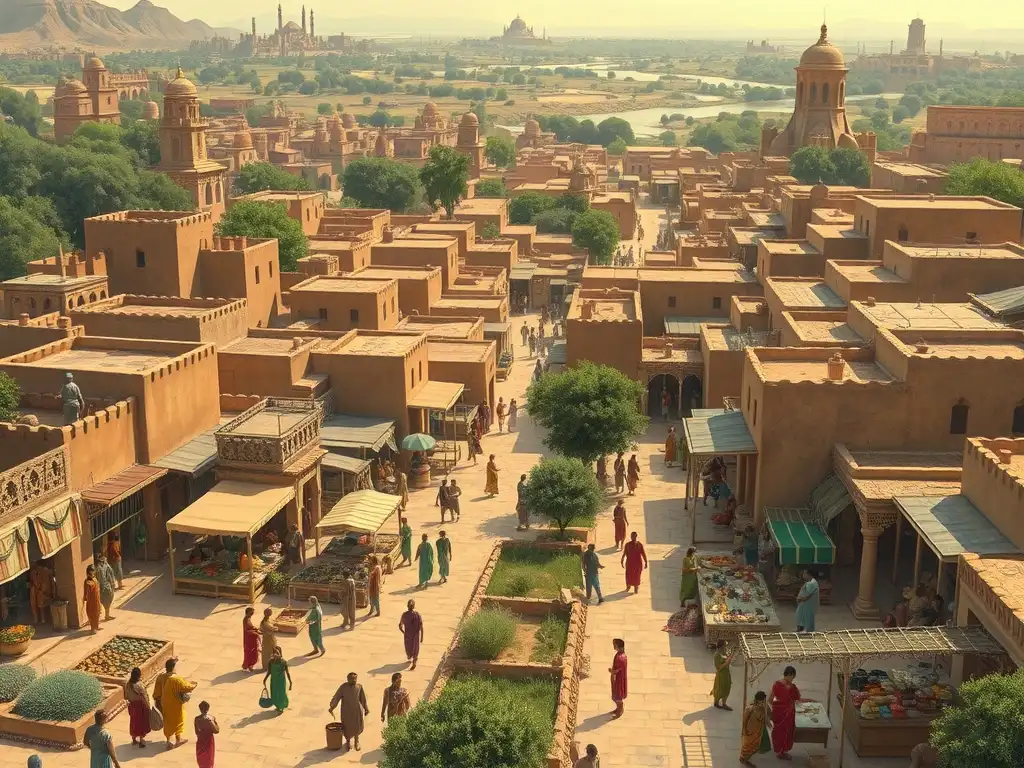
The intricate design and organization of Indus Valley urban planning significantly influenced various economic activities, shaping the daily life of its inhabitants. The strategic layout of cities like Harappa and Mohenjo-Daro facilitated trade, commerce, and specialized craft production, leading to a thriving economy.
Trade and Commerce in Urban Centers
Trade and commerce were pivotal components of the Indus Valley economy, and urban planning played a vital role in their development. The well-structured streets and grid-like patterns of the cities enabled efficient movement of goods and people. Key features that enhanced trade included:
- Centralized Marketplaces: Urban centers contained designated areas for trade, allowing merchants to gather and conduct business. These marketplaces facilitated the exchange of goods, such as textiles, pottery, and metals.
- Standardized Weights and Measures: The use of uniform weights and measures, discovered in the ruins of Indus Valley cities, indicates a sophisticated approach to trade, ensuring fair transactions and promoting trust among merchants.
- Access to Natural Resources: The strategic location of urban centers near rivers and trade routes allowed for easy access to essential resources, such as clay for pottery and metals for tools. This accessibility further enhanced trade dynamics.
The impact of urban planning on trade is evident in the archaeological findings of seals and inscriptions, suggesting that goods were not only exchanged locally but also traded with distant civilizations, including Mesopotamia. The design of transport routes and warehouses further illustrates the advanced planning that supported commerce in the Indus Valley.
Craft Production and Specialization
Urban planning in the Indus Valley also fostered an environment conducive to craft production and specialization. The layout of cities allowed for the establishment of distinct areas dedicated to various crafts, promoting skilled labor and innovation. Key aspects include:
- Zoned Craft Areas: Different artisans, from potters to bead makers, were likely organized in specific zones, enabling collaboration and the sharing of techniques. This zoning contributed to a high level of specialization in craft production.
- Technological Advancements: The urban centers exhibited advanced techniques in metallurgy, ceramics, and textiles. The centralized production facilities and workshops reflected the efficient use of resources and labor, which was essential for meeting the demands of both local and trade markets.
- Quality Control and Standardization: Artisans maintained quality control through established practices, ensuring that products met the expectations of consumers. This emphasis on quality likely enhanced the reputation of Indus Valley crafts in trade networks.
The specialization in craft production not only improved the quality of goods but also contributed to a sense of community among artisans, fostering innovation and cultural exchange. As a result, urban planning directly impacted the economic vitality of the Indus Valley, shaping its role as a significant player in ancient trade networks.
The thoughtful urban planning of the Indus Valley civilization laid the groundwork for robust economic activities, including trade and specialized craft production, which were integral to the daily life and societal structure of its people.
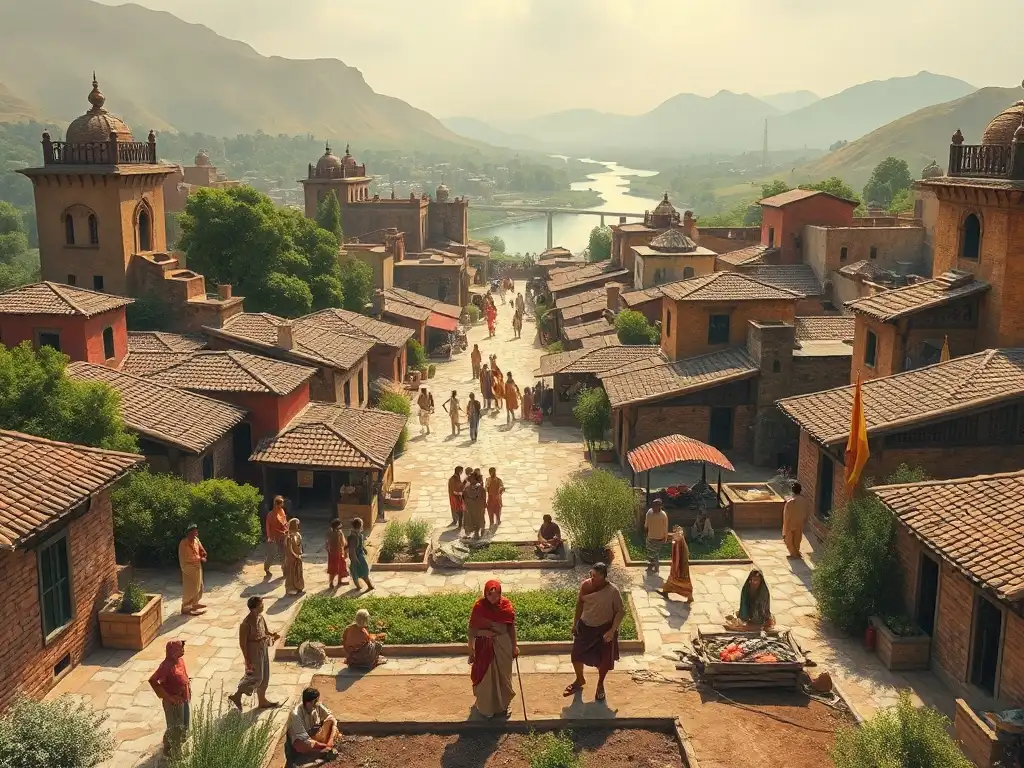
The intricate relationship between social structure and urban planning in the Indus Valley Civilization played a critical role in shaping daily life and community interactions. The urban planning of this ancient civilization was not just a means of organizing space, but a reflection of its social dynamics, cultural values, and economic activities.
Population Density and Community Interaction
The cities of the Indus Valley, such as Harappa and Mohenjo-Daro, were characterized by a high population density, which significantly influenced community interactions. The well-planned streets and residential areas facilitated movement and engagement among the residents.
- Grid Pattern Layout: The cities were laid out in a grid pattern, with wide streets intersecting at right angles. This design not only improved accessibility but also encouraged social gatherings and market activities.
- Public Spaces: Centralized public spaces, including large granaries and communal baths, served as hubs for social interaction. These facilities promoted community bonding, trade, and cultural exchanges, which were essential aspects of daily life.
- Residential Neighborhoods: Homes were often built close together, fostering a sense of community. This proximity allowed for stronger social ties among families and facilitated cooperative activities, such as festivals and communal labor.
The urban density and the thoughtful design of city layouts fostered an environment where trade, cultural practices, and social interactions thrived, contributing to the overall stability and cohesion of the society.
Urban centers in the Indus Valley Civilization were not merely geographic locations; they were significant nodes that reflected and reinforced the social hierarchy of the time.
- Economic Power: Cities like Harappa and Mohenjo-Daro were vital economic centers. The presence of artisans, merchants, and trade networks contributed to a stratified society where wealth was concentrated among certain groups.
- Administration and Governance: The organization of urban spaces indicates a level of administrative oversight. The layout of cities suggests that certain areas were designated for administrative purposes, which could imply the existence of a governing body that maintained order and facilitated trade.
- Religious and Cultural Significance: The presence of large public buildings and storage facilities indicates that urban centers also served religious or cultural functions. Access to these spaces was likely governed by social status, thereby reinforcing the hierarchy within the society.
- Differentiation of Living Spaces: Archaeological findings suggest that there were variations in housing quality, with wealthier individuals residing in larger, more elaborate homes compared to the simpler dwellings of lower-status individuals. This physical distinction mirrored the social stratification of the civilization.
The urban planning of the Indus Valley Civilization thus played a pivotal role in shaping the social framework and daily life of its inhabitants, creating a complex interplay between spatial organization and societal structure. This dynamic ensured that the cities remained vibrant centers of culture, economy, and governance, contributing significantly to the civilization's legacy.
Cultural and Religious Aspects of Urban Life
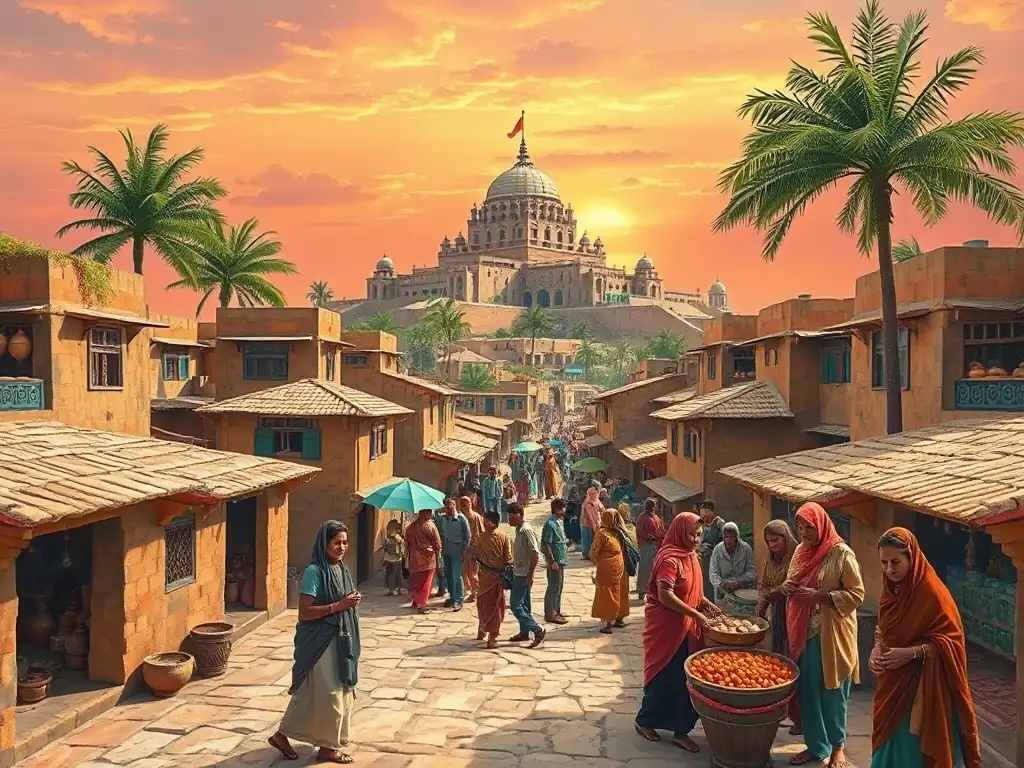
The urban planning of the Indus Valley Civilization (IVC) significantly influenced the cultural and religious aspects of daily life. The meticulous layout of cities like Harappa and Mohenjo-Daro was not merely functional; it also reflected the civilization's values, beliefs, and social structures. The organized streets and public spaces facilitated community interactions, fostering a sense of belonging and shared identity among the inhabitants.
Temples and Religious Centers
Religious life in the Indus Valley was intricately woven into the fabric of urban planning. Archaeological findings suggest the presence of temples and religious centers, although no large-scale temples have been definitively identified. However, some structures, such as the Great Bath in Mohenjo-Daro, are believed to have had religious significance, potentially serving ritualistic purposes. The Great Bath's design—along with its intricate drainage system—indicates that water purification rituals may have played a vital role in the spiritual practices of the community.
The layout of residential areas in proximity to these centers also highlights the importance of religious life. Residential clusters were often organized around these religious sites, suggesting a communal approach to worship and daily rituals. This arrangement allowed for easy access to religious activities, reinforcing the idea that spiritual and daily life were intertwined.
| Site | Structure Type | Possible Function |
|---|---|---|
| Mohenjo-Daro | Great Bath | Ritual purification |
| Harappa | Possible Temple Ruins | Community worship and gatherings |
| Dholavira | Water Reservoirs | Ritualistic water management |
Influence of Urban Planning on Cultural Practices
Indus Valley urban planning had a profound impact on cultural practices, shaping everything from trade to social interactions. The grid-like street patterns and well-planned drainage systems not only enhanced sanitation but also influenced the daily routines of the inhabitants. For instance, the presence of wide streets allowed for markets to flourish, facilitating trade and cultural exchange, which enriched the community's cultural fabric.
Moreover, the centralized layout of cities may have contributed to a sense of order and stability, fostering the development of social norms and cultural traditions. The integration of residential, commercial, and public spaces encouraged diverse interactions among various social groups, leading to the exchange of ideas and practices. This interaction was crucial for the evolution of local customs, arts, and crafts, which were often reflective of the community's collective identity.
The impact of Indus Valley urban planning on daily life extended beyond mere functionality; it shaped the cultural and religious landscape of the civilization. The careful integration of urban design with spiritual and social practices resulted in a vibrant community where daily life was harmoniously connected to cultural beliefs and traditions.
Comparison with Other Ancient Civilizations
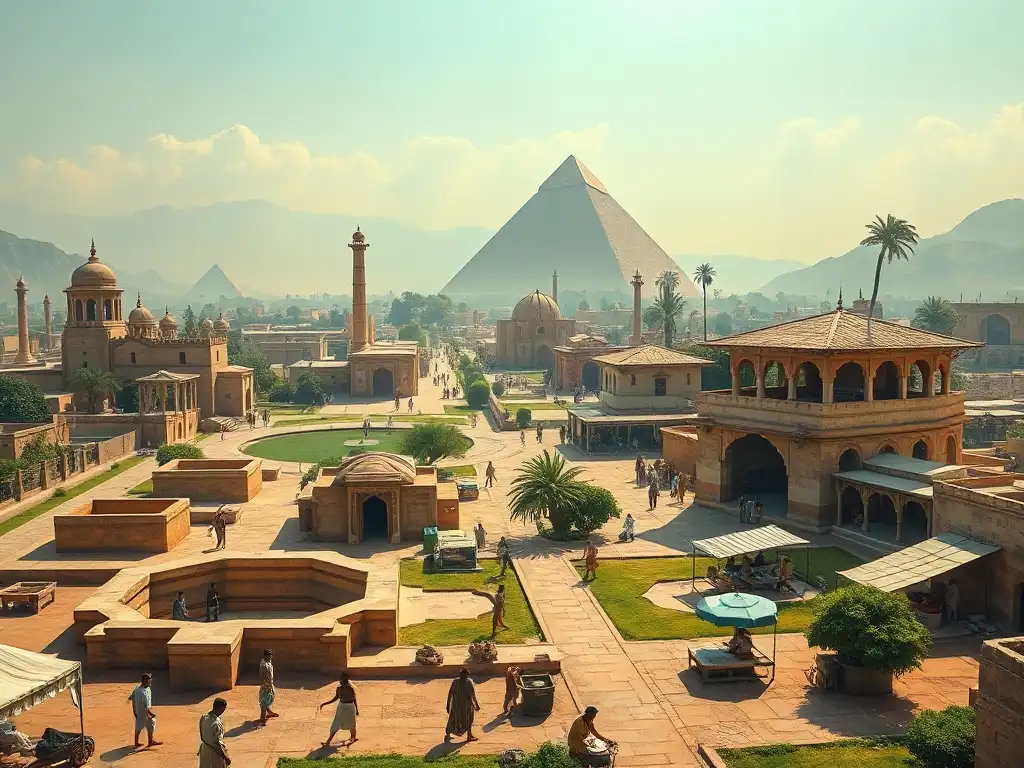
The urban planning of the Indus Valley Civilization (IVC) stands out as one of the most sophisticated in the ancient world. By comparing it with other contemporary civilizations, such as Mesopotamia and Egypt, we can gain insights into its unique features and impacts on daily life.
Indus Valley vs. Mesopotamian Urban Planning
The urban planning of the Indus Valley differs significantly from that of Mesopotamia. While both civilizations developed impressive cities, their approaches to urban design and infrastructure reflect distinct cultural values and environmental adaptations.
- Grid Layout vs. Organic Growth:
- The Indus Valley cities, such as Mohenjo-Daro and Harappa, were characterized by a planned grid layout, indicating a high level of administrative control and foresight. Streets were laid out in a grid pattern, intersecting at right angles, which facilitated efficient movement and trade.
- In contrast, Mesopotamian cities like Ur and Babylon developed more organically, with winding streets and less uniformity. This organic growth often led to chaotic urban environments that were difficult to navigate.
- Water Management Systems:
- The IVC is renowned for its advanced drainage systems and access to water. Each house typically had its own bathing area and toilets connected to a sophisticated drainage network, showcasing an emphasis on hygiene and public health.
- Conversely, while Mesopotamian civilizations also developed irrigation systems, their urban centers did not prioritize sanitation to the same extent. The reliance on the Tigris and Euphrates rivers for irrigation often led to flooding, which posed challenges for urban sustainability.
- Building Materials and Techniques:
- The IVC utilized standardized baked bricks, which provided durability and consistency in construction. This uniformity contributed to the longevity of their structures and is reflected in the remains of their cities.
- Mesopotamian architecture primarily relied on mud bricks, which, while effective, were more susceptible to erosion and decay over time.
The Indus Valley urban planning impact resulted in cities that were not only aesthetically pleasing but also practical, highlighting the civilization’s commitment to health, organization, and urban resilience.
Indus Valley vs. Egyptian Urban Development
While both the Indus Valley and Ancient Egypt developed impressive urban centers, their urban planning reflects different priorities and environmental influences.
- Centralization vs. Decentralization:
- In the Indus Valley, cities were more decentralized, with multiple urban centers like Mohenjo-Daro and Harappa functioning independently. This indicates a form of governance that allowed for local autonomy and community involvement in urban management.
- Egyptian urban development, centered around the Nile, was more hierarchical and centralized. Cities like Thebes and Memphis were closely associated with the pharaohs, reflecting a top-down approach to urban planning that prioritized monumental architecture and state control.
- Focus on Religion vs. Daily Life:
- The Indus Valley urban planning emphasized practical aspects of daily life. Public baths and granaries illustrate a focus on communal welfare and economic stability.
- In contrast, Egyptian urban planning heavily featured religious structures, such as temples and pyramids, which dominated the landscape and were integral to their society’s spiritual life. This focus often came at the expense of the general populace's daily urban experience.
- Transportation and Trade:
- The Indus Valley's location near rivers facilitated trade and transportation, with cities designed to enhance commercial activities. The presence of wide streets allowed for the movement of goods and people, fostering economic prosperity.
- Egyptian cities, while also benefiting from the Nile, placed more emphasis on riverine transport for trade and less on the internal structure of cities. This reliance on the river for transport influenced the layout and accessibility of urban spaces.
The Indus Valley urban planning impact reflects a unique blend of practicality and foresight, differing markedly from both Mesopotamian and Egyptian urban development. This distinctive approach contributed significantly to the daily life and societal organization in the Indus Valley Civilization.
Conclusion
Summary of Indus Valley Urban Planning Impact
The Indus Valley Civilization (IVC), flourishing around 2500 BCE, is renowned for its sophisticated urban planning, which profoundly influenced daily life and societal organization. The meticulous design of cities such as Harappa and Mohenjo-Daro highlights the advanced understanding of urban infrastructure. Key features include:
- Grid Layouts: Streets were laid out in a grid pattern, facilitating efficient movement and organization.
- Drainage Systems: The sophisticated drainage systems ensured sanitation, significantly impacting public health.
- Public Buildings: Structures such as granaries and assembly halls promoted communal activities and governance.
The impact of this urban planning extended beyond practical applications; it fostered social cohesion and economic stability. The strategic placement of residential and commercial areas enhanced trade, while communal spaces encouraged civic engagement.
Lasting Legacy of Indus Valley Urban Planning on Future Civilizations
The urban planning principles established by the Indus Valley Civilization laid the groundwork for future urban developments in the Indian subcontinent and beyond. Some notable legacies include:
- Influence on Subsequent Civilizations:
- The techniques employed by the IVC were adopted and adapted by later cultures, including the Vedic civilization and the Maurya Empire. The emphasis on city planning and sanitation persisted, influencing settlement patterns for centuries.
- Architectural Innovations:
- The use of baked bricks and standardized weights and measures in construction can be traced back to IVC practices, affecting architectural styles and urban layouts in subsequent cultures.
- Cultural Continuity:
- The principles of planned urbanization continued to resonate in later Indian urban centers, demonstrating a continuity of thought regarding city life, trade, and governance.
- Global Influence:
- The IVC's urban planning concepts have been studied and appreciated worldwide, serving as a reference point for modern urban planners seeking sustainable and efficient city designs.
The Indus Valley urban planning impact is not only a testament to the ingenuity of ancient Indian civilizations but also a foundation upon which future societies built their own urban frameworks. The legacy of this ancient civilization continues to inspire and inform contemporary approaches to urban development.
Frequently Asked Questions
What characterized the urban planning of the Indus Valley civilization?
The Indus Valley civilization is known for its advanced urban planning, featuring grid layouts, drainage systems, and standardized brick sizes, which facilitated efficient city organization.
How did urban planning influence daily life in the Indus Valley?
The meticulous urban planning contributed to a high standard of sanitation, trade, and social organization, directly impacting the health and lifestyle of its inhabitants.
What were some key cities in the Indus Valley civilization known for their urban planning?
Cities like Mohenjo-Daro and Harappa exemplified exceptional urban planning, showcasing sophisticated infrastructure, including streets, buildings, and public baths.
In what ways did the Indus Valley's urban planning differ from contemporary civilizations?
Unlike many contemporary societies, the Indus Valley civilization emphasized uniform city layouts and sewage systems, which were more advanced compared to many of their contemporaries, focusing on public health and safety.
What lasting impacts did Indus Valley urban planning have on future civilizations?
The urban planning principles established by the Indus Valley influenced later civilizations by introducing concepts like grid layouts and drainage systems, which were adopted and adapted in various cultures throughout history.
Final Reflection: The Enduring Legacy of Indus Valley Urban Planning
The intricate urban planning of the Indus Valley Civilization continues to resonate in today's world, illustrating the profound impact of thoughtful design on daily life. As we navigate the complexities of modern urban environments, the principles established by the Indus Valley—such as efficient drainage systems, grid layouts, and communal spaces—serve as a reminder of the importance of planning in fostering sustainable and livable cities. The legacy of this ancient civilization is not merely historical; it is a blueprint for contemporary urban development.
The influence of Indus Valley urban planning extends beyond its historical context, shaping our understanding of community and infrastructure. The meticulous organization of cities like Mohenjo-Daro and Harappa reflects a deep awareness of social needs and environmental considerations that remains relevant today. The city is not merely a collection of buildings; it is a living organism that reflects the values and aspirations of its inhabitants.
This quote encapsulates the ongoing dialogue about how urban spaces can enhance quality of life, emphasizing that the lessons from the Indus Valley are not confined to the past but are vital to our future.
As we reflect on the insights gained from the Indus Valley's urban planning, I invite you to consider how these principles can be applied in your own life and community. What aspects of your environment can be improved through thoughtful planning?
Whether it’s advocating for better public spaces, supporting sustainable practices, or simply being more aware of how urban design affects your daily experiences, each of us has a role to play in shaping the future of our cities. Embrace the lessons of the past, and let them inspire you to create a more harmonious and functional urban landscape for generations to come.
Explore the Influence of Urban Planning on Daily Life!
Thank you for diving into the fascinating world of urban planning in the Indus Valley! Your interest in how these ancient cities shaped daily living opens the door to understanding the profound connections between environment and society. Now, let's take the next steps to deepen your exploration.
- Discover how contemporary urban planning draws inspiration from ancient practices by researching examples in modern cities.
- Engage with your local community by sharing insights from the Indus Valley with friends or online groups to spark discussions about current urban design.
- Join a local archaeology or history club to connect with fellow enthusiasts who share your passion for ancient civilizations.
Which aspects of urban planning do you believe have the most significant impact on our daily lives today?