
The Influence of Ancient Indian Warfare on Southeast Asian Military Traditions

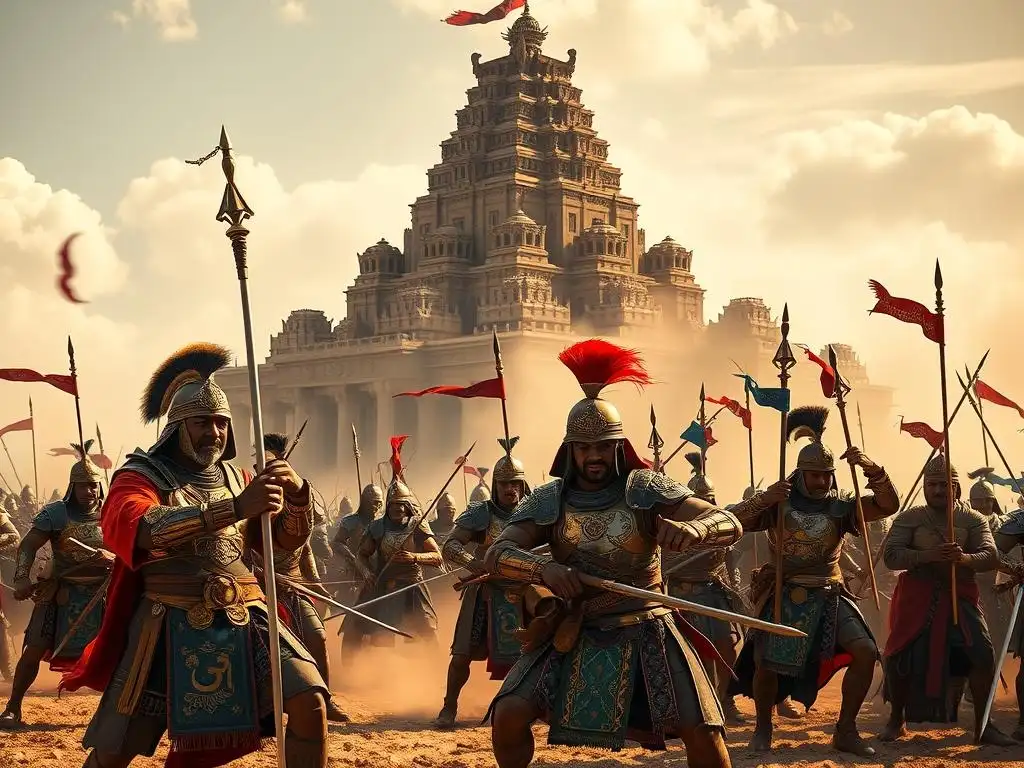
Welcome to Ancient India History, where we embark on a fascinating journey through the rich tapestry of ancient Indian civilizations. From the enigmatic Indus Valley to the grandeur of the Gupta Empire, our exploration reveals the profound influence these cultures have had across the globe. In this article, we delve into the compelling topic of “Ancient Indian warfare impact Southeast Asia,” uncovering how military strategies and philosophies from the Indian subcontinent shaped the military traditions of Southeast Asia.
Prepare to be intrigued as we unveil historical connections that transformed regions and forged new legacies. Join us as we explore the echoes of ancient battles that resonate through time!
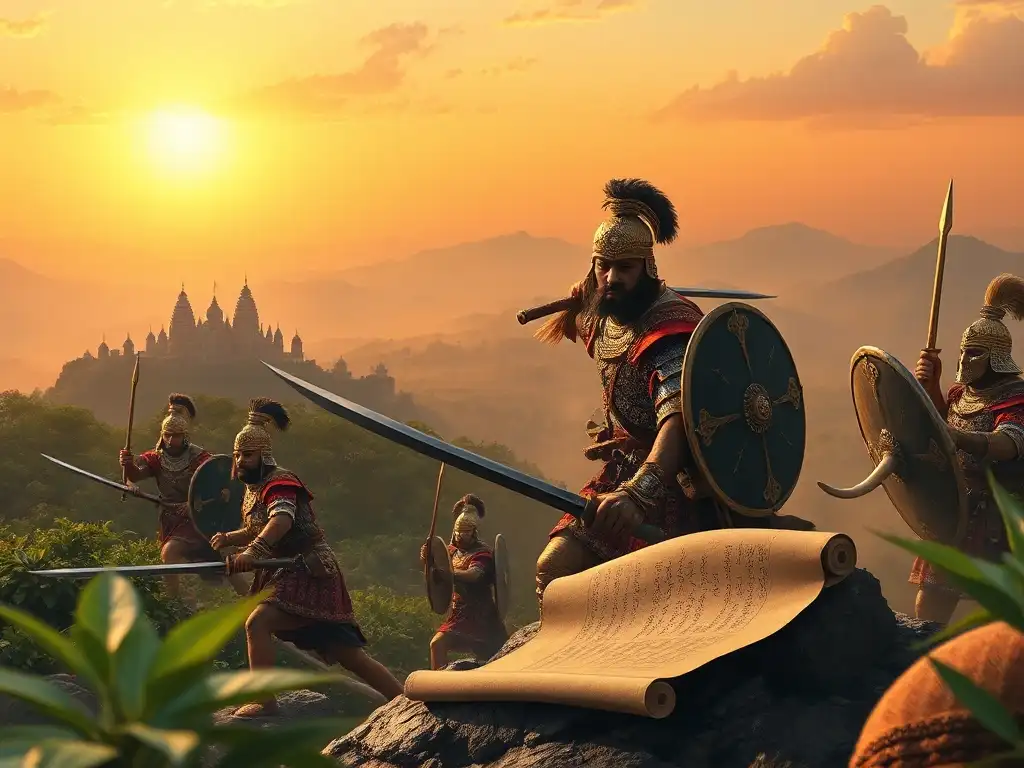
Exploring the intricate tapestry of ancient Indian warfare reveals not only the unique military strategies and technologies developed on the Indian subcontinent but also their profound influence on Southeast Asian military traditions. This article delves into how ancient Indian warfare, characterized by its innovative approaches and significant historical milestones, shaped the military practices of neighboring regions.
By examining the core elements of ancient Indian military systems, we can better understand their lasting impact on Southeast Asia, where the exchange of ideas, techniques, and cultural practices flourished. As we embark on this exploration, we will uncover the key aspects of ancient Indian warfare and its dynamic role in shaping the martial traditions of Southeast Asia.
Introduction to Ancient Indian Warfare
Ancient Indian warfare was characterized by a combination of strategic genius, diverse weaponry, and a rich tradition of military literature. The principles and practices developed during various periods laid the groundwork for not only regional conflicts but also shaped the military ethos of neighboring territories. From the meticulous accounts found in texts like the Arthashastra by Kautilya to the battlefield tactics employed by legendary kings, ancient Indian warfare offers a fascinating glimpse into the complexities of conflict and strategy.
Overview of Ancient Indian Military Strategies
- Guerrilla Warfare: The use of unconventional tactics to outmaneuver larger, more traditional forces.
- Siege Warfare: Advanced techniques for besieging fortified cities, showcasing an understanding of engineering and logistics.
- Cavalry and Infantry Coordination: The integration of various military units to create a versatile fighting force.
- Naval Power: The significance of maritime strength in controlling trade routes and projecting power across the seas.
Key Features of Warfare in Ancient India
- Diverse Armaments: The use of bows, swords, elephants, and chariots, each serving distinct roles on the battlefield.
- Military Treatises: The Arthashastra and other texts provided foundational knowledge on strategy, espionage, and statecraft.
- Religious and Cultural Aspects: Warfare intertwined with religious beliefs, where battles were often seen as dharmic duties.
- Training and Recruitment: The emphasis on rigorous training and the inclusion of various social classes in military service.
Historical Context of Ancient Indian Warfare
Understanding the historical context of ancient Indian warfare is crucial to appreciating its influence on Southeast Asia. This period is marked by significant conflicts and the rise of powerful dynasties that implemented innovative military strategies.
Timeline of Major Conflicts and Battles
- Indus Valley Civilization (c. 3300–1300 BCE): Early evidence of organized warfare and fortified settlements.
- Mahajanapadas (c. 600 BCE): The rise of regional kingdoms and increased military engagements.
- Maurya Empire (322–185 BCE): Expansion campaigns under Chandragupta Maurya and Ashoka, showcasing advanced military strategies.
- Gupta Empire (c. 320–550 CE): Flourishing of military innovations and cultural exchanges that influenced Southeast Asia.
Influential Dynasties and Their Military Innovations
- Maurya Dynasty: Pioneers in large-scale warfare and administrative control, setting standards for future empires.
- Gupta Dynasty: Known for sophisticated military tactics and the use of war elephants, which became a hallmark in Southeast Asian armies.
- Chola Dynasty: Their naval prowess facilitated trade and military expeditions across the Indian Ocean, impacting Southeast Asian maritime strategies.
As we continue to explore the profound impact of ancient Indian warfare on Southeast Asia, we will analyze specific examples and case studies that illustrate this historical interconnection.
Mechanisms of Influence on Southeast Asia
The influence of ancient Indian warfare on Southeast Asia can be traced through various mechanisms that facilitated the transfer of military knowledge, technologies, and practices. Two of the most significant mechanisms include trade routes and cultural exchanges, as well as migration patterns. These channels not only allowed for the spread of goods but also enabled the interchange of ideas, tactics, and military innovations that would shape the military landscape of Southeast Asia.
Trade Routes and Cultural Exchange
Trade routes were vital conduits for the dissemination of ancient Indian warfare practices into Southeast Asia. The maritime trade networks, particularly during the early centuries CE, connected the Indian subcontinent with various Southeast Asian kingdoms. Through these routes, merchants and travelers brought not only commodities but also cultural and military knowledge.
For instance, the Silk Road and the Maritime Spice Route facilitated interactions between Indian traders and Southeast Asian societies. As Indian traders settled in port cities, they established cultural enclaves where local populations were exposed to Indian warfare techniques, weaponry, and military organization. The Chola and Srivijaya empires, known for their maritime prowess, adopted naval tactics influenced by Indian practices, which were essential for their expansion and control over trade routes.
Migration Patterns and Their Role in Military Influence
Migration patterns also played a crucial role in the transfer of military knowledge from India to Southeast Asia. Indian diasporas, including soldiers, mercenaries, and settlers, moved across the seas and settled in various regions of Southeast Asia, such as Sumatra, Java, and the Philippines.
These migrants often brought with them their military traditions, which were integrated into local practices. For example, the arrival of Indian warriors contributed to the establishment of Hindu and Buddhist kingdoms in Southeast Asia, where they influenced local military structures and strategies. The blending of Indian military doctrine with local traditions led to the creation of unique military systems that were well-suited to the geography and political climates of Southeast Asia.
Key Elements of Ancient Indian Warfare Adopted in Southeast Asia
The assimilation of ancient Indian warfare practices in Southeast Asia is evident in several key elements, including weapons and armaments, as well as military tactics and strategies. These elements highlight the adaptive nature of Southeast Asian societies as they integrated foreign influences into their own military frameworks.
Weapons and Armaments: Cross-Cultural Adaptations
Southeast Asian kingdoms adopted a variety of weapons and armaments influenced by ancient Indian designs. Notably, the khanda and katar, both traditional Indian weapons, found their way into Southeast Asian armories. The khanda, a double-edged sword, became a symbol of power in several Southeast Asian cultures, while the katar, a type of dagger with a distinctive hilt, was embraced for its effectiveness in close combat.
Additionally, the use of bows and arrows in warfare was significantly enhanced by Indian techniques, leading to the development of composite bows that were more effective in the tropical forests of Southeast Asia. The introduction of these weapons not only improved military effectiveness but also influenced the ceremonial and cultural aspects of warfare, where such weapons became integral to royal symbolism and rituals.
Military Tactics and Strategies: A Comparative Analysis
The military tactics and strategies employed by ancient Indian armies also made a profound impact on Southeast Asian military traditions. Indian warfare emphasized the use of cavalry, infantry, and war elephants, which were adopted by Southeast Asian kingdoms to enhance their military capabilities.
A comparative analysis reveals that while Southeast Asian strategies retained local adaptations, many principles, such as flanking maneuvers and siege tactics, were directly influenced by Indian military thought. The organized approach to warfare, including the establishment of military hierarchies and the integration of naval power for coastal defense and expansion, can be traced back to Indian practices.
Overall, the melding of ancient Indian warfare with Southeast Asian military traditions resulted in a sophisticated and dynamic military landscape that propelled the growth and resilience of numerous Southeast Asian empires.
Case Studies of Influence in Specific Southeast Asian Regions
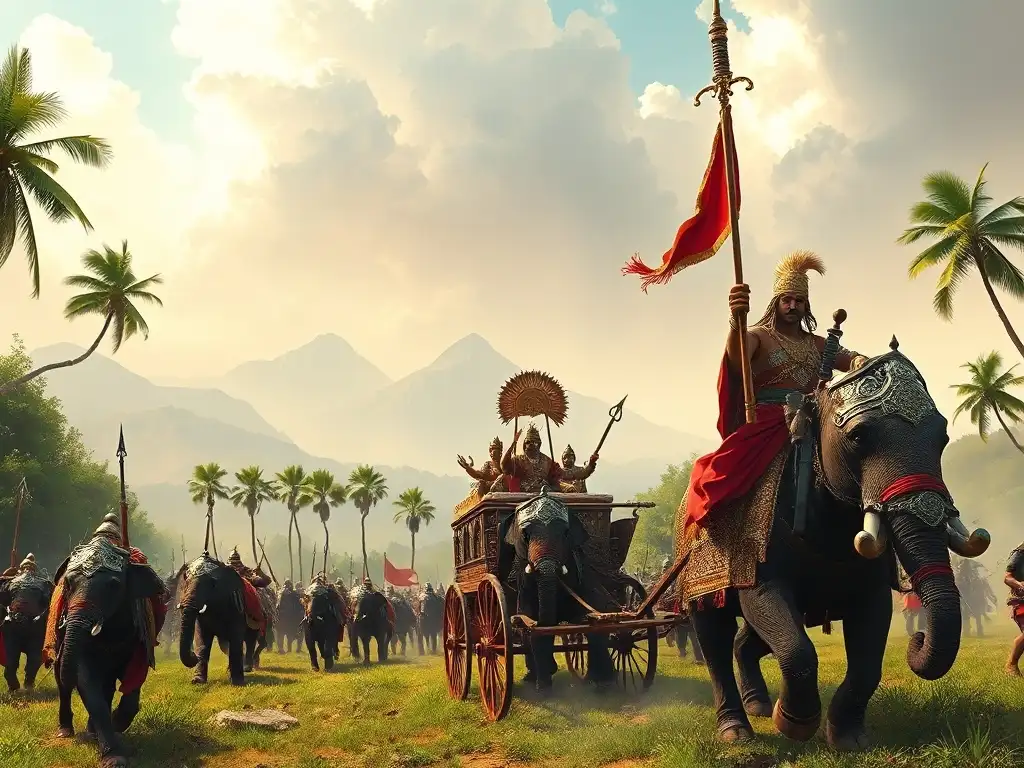
The influence of ancient Indian warfare on Southeast Asian military traditions can be observed through various case studies that highlight the adoption and adaptation of military practices, technologies, and strategies. These influences are particularly evident in the military structures and tactics of prominent Southeast Asian empires, such as the Khmer Empire and Srivijaya. By examining these case studies, we can gain insights into how ancient Indian warfare shaped the martial landscape of Southeast Asia.
Influence on the Khmer Empire's Military Practices
The Khmer Empire, flourishing from the 9th to the 15th centuries, demonstrates a significant adaptation of ancient Indian military techniques. The Khmer adopted elements of Indian warfare, including the use of war elephants, which were crucial for their military campaigns. These elephants were often adorned with armor and used to charge enemy lines, instilling fear and breaking formations.
In addition to war elephants, the Khmer military also integrated infantry tactics influenced by Indian strategies. The use of archers and infantry formations, often organized under a hierarchical command structure reminiscent of Indian military organization, became standard practice. Furthermore, the construction of fortified cities, such as Angkor, showcased advanced military engineering techniques that reflected Indian architectural influences.
The Khmer Empire's military practices were also intertwined with their religious beliefs, where Hindu deities were invoked for victory in war. This reflects a broader trend of Indian cultural integration, where military prowess was seen as a divine blessing.
The Impact on Srivijaya’s Naval Warfare Techniques
Srivijaya, a maritime empire that thrived from the 7th to the 13th centuries, presents a fascinating case of ancient Indian influence on naval warfare. The empire's strategic location along the Strait of Malacca allowed it to control vital trade routes, necessitating the development of advanced naval capabilities.
Influenced by Indian maritime traditions, Srivijaya adopted techniques for shipbuilding and navigation that enhanced its naval strength. Indian texts and practices provided insights into the construction of larger ships capable of carrying heavier loads, which facilitated trade and military expeditions. The use of oared galleys, inspired by Indian naval designs, became prevalent in their fleets.
Moreover, Srivijaya's military campaigns often involved naval engagements, where tactics such as ambush and surprise attacks were employed, reflecting Indian military doctrines. The empire's ability to project power across maritime routes was a direct result of these adaptations, allowing it to establish dominance in the region.
The Role of Religion and Philosophy in Military Traditions
The intersection of religion and philosophy with military traditions in Southeast Asia is profound, particularly in how ancient Indian beliefs and texts shaped the ethical and strategic dimensions of warfare. Hindu and Buddhist ideologies influenced not only the motivations for war but also the conduct of armies in battle.
Hindu and Buddhist Concepts in Warfare
Incorporating Hindu and Buddhist concepts into military practices significantly impacted Southeast Asian warfare. Hindu texts, such as the Mahabharata, provided narratives that emphasized the righteousness of war when fought for just causes. Leaders in Southeast Asia often invoked these texts to justify their military campaigns, framing them as dharmic duties.
Buddhism also contributed to the military ethos, particularly in the context of just war principles. The idea of compassion and non-violence coexisted with the necessity of defending one's realm. This duality influenced military leaders to adopt strategies that minimized civilian casualties while still ensuring victory.
The integration of these religious concepts fostered a unique perspective on warfare in Southeast Asia, where battles were not merely seen as conflicts but as part of a cosmic order, reflecting the moral and ethical responsibilities of rulers and warriors.
The Influence of Texts like the Arthashastra on Southeast Asian Military Doctrine
One of the most significant texts influencing Southeast Asian military doctrine is Kautilya’s Arthashastra. This ancient Indian treatise on statecraft and military strategy provided comprehensive guidelines on warfare, diplomacy, and governance, which were adopted by various Southeast Asian kingdoms.
The Arthashastra emphasized the importance of intelligence, espionage, and strategic planning, shaping the military doctrines of Southeast Asian states. Leaders studied its principles to enhance their tactical approaches, including the deployment of troops and the use of deception in warfare.
Additionally, the emphasis on logistics and resource management outlined in the Arthashastra allowed Southeast Asian kingdoms to maintain and supply their armies effectively, contributing to their military successes. The legacy of this text is evident in the sophisticated military strategies employed by empires like the Khmer and Srivijaya, showcasing the lasting impact of ancient Indian warfare on Southeast Asian military traditions.
Legacy of Ancient Indian Military Influence on Southeast Asia
The legacy of ancient Indian military influence on Southeast Asia is profound and multifaceted, permeating various aspects of warfare, strategy, and military organization across the region. This influence can be traced back to the early centuries of the Common Era when Indian merchants, scholars, and warriors traveled to Southeast Asia, bringing with them not only trade goods but also military knowledge and techniques. Indian epics, such as the Mahabharata and Ramayana, played a crucial role in shaping the martial ethos of several Southeast Asian cultures, promoting ideals of bravery, honor, and strategic acumen.
Furthermore, the establishment of Indianized kingdoms such as the Khmer Empire, Srivijaya, and Majapahit showcased the direct adoption of Indian military practices. These kingdoms often employed Indian military advisors and adopted their organizational structures, including the use of war elephants, chariots, and sophisticated infantry formations. The adaptation of these elements into local contexts not only enhanced the military capabilities of these states but also helped them assert dominance over rival factions, thereby altering the political landscape of Southeast Asia.
Lasting Effects on Modern Southeast Asian Armed Forces
The lasting effects of ancient Indian warfare can still be observed in the modern armed forces of Southeast Asia. Many countries in the region have retained aspects of military tradition that can be traced back to Indian methodologies. For instance, the use of elephants in warfare, once prevalent in ancient times, has evolved into ceremonial roles in many Southeast Asian nations, symbolizing power and prestige within military parades and state functions.
Additionally, modern military strategies in certain Southeast Asian nations reflect ancient Indian principles of warfare, such as the importance of strategic alliances and the integration of various combat units. The emphasis on guerrilla tactics and unconventional warfare, which were prevalent in ancient Indian texts, can also be seen in contemporary military doctrines in regions like Vietnam and Indonesia, where adaptive strategies are essential in navigating complex terrains and political landscapes.
Cultural Representations of Indian Warfare in Southeast Asian Art and Literature
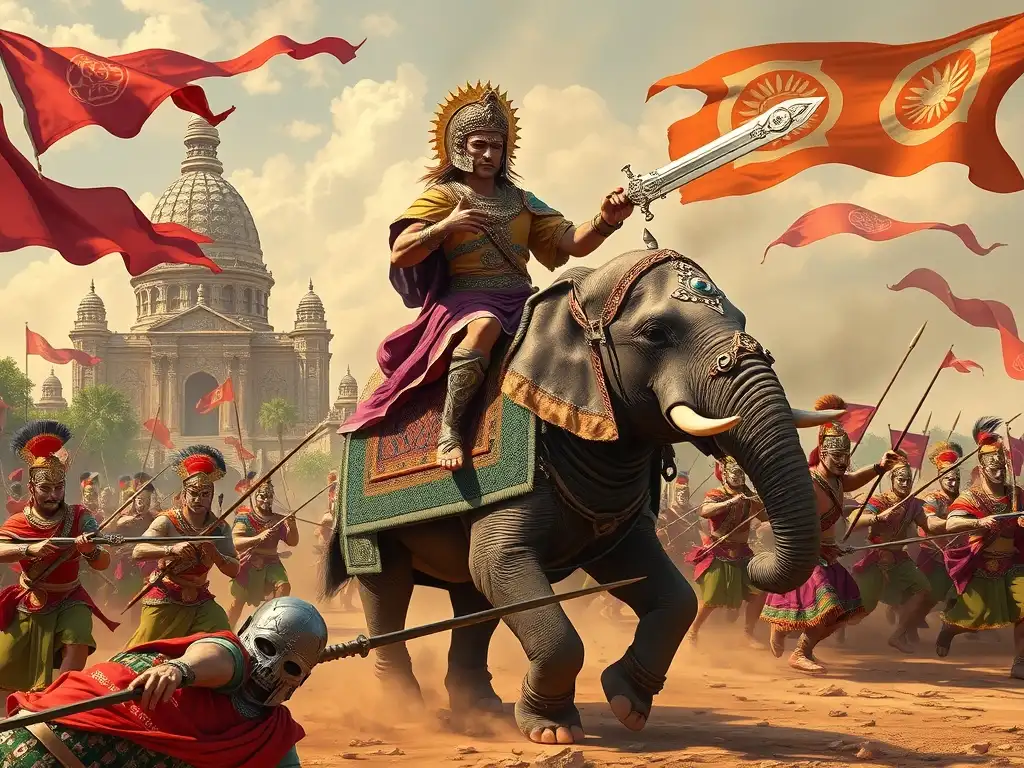
Cultural representations of Indian warfare have significantly influenced Southeast Asian art and literature, serving as a testament to the deep-rooted connections between these regions. The narratives from Indian epics, especially those surrounding legendary battles and heroic figures, have inspired countless artistic expressions across Southeast Asia. Temples and monuments, such as Angkor Wat in Cambodia and the Prambanan in Indonesia, are adorned with intricate bas-reliefs depicting scenes from these epics, showcasing the valor and strategic prowess of its characters.
Moreover, traditional performing arts, such as wayang kulit (shadow puppetry) in Indonesia and khon (masked dance) in Thailand, often incorporate themes of Indian warfare. These art forms not only entertain but also educate audiences about historical battles, moral lessons, and the strategic wisdom derived from Indian military philosophy. Such cultural representations highlight the enduring legacy of Indian warfare and its integration into the social fabric of Southeast Asian societies.
Conclusion
Summary of Ancient Indian Warfare's Impact on Southeast Asia
The impact of ancient Indian warfare on Southeast Asia is a significant chapter in the region's military history. The exchange of military knowledge and technology, the establishment of Indianized kingdoms, and the artistic representations of Indian martial traditions have collectively shaped the military landscape of Southeast Asia. This influence is not merely historical; it continues to resonate in the modern military practices and cultural expressions of Southeast Asian nations.
Future Research Directions in Military History
Future research directions in the field of military history should focus on a more nuanced understanding of the dynamics between ancient Indian warfare and Southeast Asian military traditions. Scholars could explore specific case studies of military campaigns that exemplify Indian influence, analyze archaeological findings related to ancient warfare, and delve into the socio-political implications of this exchange.
Additionally, interdisciplinary approaches that incorporate anthropology, art history, and cultural studies can provide deeper insights into how ancient military practices have been woven into the identities of modern Southeast Asian nations. By broadening the scope of research, we can further appreciate the complex tapestry of interactions that shaped the military history of this vibrant region.
References
Academic Sources and Further Reading on Ancient Indian Warfare and Southeast Asian Military Traditions
-
"War and Society in Ancient India" by Upinder Singh
This comprehensive text explores the evolution of warfare in ancient India, detailing military strategies, technologies, and their implications on society. Singh delves into various periods, offering insights into how these practices influenced neighboring regions, including Southeast Asia.
-
"The Indianization of Southeast Asia" by J. J. Fox
Fox examines how Indian culture, including military techniques and practices, permeated Southeast Asia. This book provides a detailed analysis of the cultural exchanges that facilitated the transfer of Indian military traditions to various Southeast Asian kingdoms.
-
"Military History of India" by Brigadier (Retd) D. K. Sinha
This work traces the military history of India, emphasizing significant battles, strategies, and innovations. Sinha's discussion on the diffusion of military practices into Southeast Asia offers a crucial perspective on the interconnectedness of these ancient civilizations.
-
"Hinduism and the Military" by Michael A. Smith
Smith explores the intersection of religion and warfare in ancient India, highlighting the role of Hindu philosophies in shaping military ethics and strategies. This book also discusses how these elements influenced the martial traditions in Southeast Asian cultures.
-
"The Spread of Indian Culture in Southeast Asia" by A. L. Basham
Basham provides a detailed overview of how Indian culture, including its military aspects, spread throughout Southeast Asia. The text discusses the legacy of Indian military traditions in the region and their lasting impact on local practices.
-
"Warfare in Ancient India: A Historical Perspective" by Rajendra Prasad
This scholarly work offers a thorough examination of ancient Indian warfare, focusing on its technological advancements and strategies. Prasad highlights the influence of these elements on Southeast Asian military developments.
-
Journal Articles and Papers
- "The Influence of Indian Warfare on Southeast Asian States" - This article discusses the direct impacts of Indian military strategies on the formation of Southeast Asian kingdoms.
- "Cultural Exchanges and Military Adaptations: The Case of Southeast Asia" - This paper explores how military adaptations in Southeast Asia were influenced by Indian practices.
-
Theses and Dissertations
- Various doctoral theses focusing on the military history of ancient India and its global influences can provide in-depth research and insights into specific aspects of the topic.
By consulting these academic sources and further readings, readers can gain a deeper understanding of the complex interplay between ancient Indian warfare and Southeast Asian military traditions, enriching their knowledge of this significant historical dynamic.
- Introduction to Ancient Indian Warfare
- Historical Context of Ancient Indian Warfare
- Mechanisms of Influence on Southeast Asia
- Key Elements of Ancient Indian Warfare Adopted in Southeast Asia
- Case Studies of Influence in Specific Southeast Asian Regions
- The Role of Religion and Philosophy in Military Traditions
- Legacy of Ancient Indian Military Influence on Southeast Asia
- Lasting Effects on Modern Southeast Asian Armed Forces
- Cultural Representations of Indian Warfare in Southeast Asian Art and Literature
- Conclusion
- References
- What was the significance of ancient Indian warfare in Southeast Asia?
- How did trade routes impact the spread of Indian military practices?
- Which Southeast Asian kingdoms were most influenced by Indian warfare?
- Did ancient Indian warfare influence naval tactics in Southeast Asia?
- What role did cultural exchanges play in the adoption of Indian military practices?
Frequently Asked Questions
What was the significance of ancient Indian warfare in Southeast Asia?
The influence of ancient Indian warfare extended to military strategies, frameworks, and practices adopted by Southeast Asian kingdoms, shaping their own military traditions.
How did trade routes impact the spread of Indian military practices?
Trade routes facilitated cultural exchanges, allowing Indian military strategies and technologies to be shared with Southeast Asian societies, enhancing their warfare capabilities.
Which Southeast Asian kingdoms were most influenced by Indian warfare?
Notable kingdoms such as Srivijaya and Majapahit were significantly influenced by Indian military techniques, which they integrated into their own military systems.
Yes, ancient Indian warfare introduced various naval tactics that were adopted by Southeast Asian navies, improving their maritime capabilities and trade defenses.
What role did cultural exchanges play in the adoption of Indian military practices?
Cultural exchanges through trade and diplomacy allowed Southeast Asian societies to adopt and adapt Indian military innovations, blending them with local traditions for enhanced effectiveness.
Final Reflection: The Enduring Legacy of Ancient Indian Warfare in Southeast Asia
The exploration of Ancient Indian warfare's impact on Southeast Asia reveals a profound connection that transcends time and geography. As we delve into the historical intricacies of military strategies, weaponry, and cultural exchanges, it becomes evident that these ancient practices not only shaped the battlefield but also laid the groundwork for the region's socio-political dynamics. This legacy is not merely a relic of the past; it continues to resonate in contemporary military doctrines and cultural identities across Southeast Asia.
The influence of ancient Indian warfare is woven into the very fabric of Southeast Asian societies, shaping their military traditions and cultural narratives. This historical interplay has fostered a rich tapestry of shared knowledge and practices that persist today. The echoes of ancient strategies can be seen in modern military training and regional defense collaborations. As noted by historian Michael Aung-Thwin, The past is not just a series of events; it is a living force that informs our present and shapes our future.
This sentiment underscores the importance of recognizing and appreciating the historical foundations that continue to inform contemporary practices in the region.
As we reflect on the lessons drawn from the ancient military traditions of India and their impact on Southeast Asia, I invite you to consider your own connection to history. How can the understanding of these ancient influences inspire you to engage with your own cultural heritage or the military traditions of your nation? Embrace the opportunity to learn from the past, allowing it to guide your actions and decisions in the present. By acknowledging the interconnectedness of our histories, we can foster a deeper appreciation for the diverse narratives that shape our world today.
Unveil the Secrets of Ancient Warfare Today!
Thank you for exploring the captivating world of ancient Indian warfare and its enduring influence on Southeast Asian military traditions! Your engagement not only enhances your understanding but also plays a crucial role in preserving this essential part of history. Now, let's take the next step to deepen your connection to this rich heritage.
- Join a local history group to discuss and explore ancient warfare strategies with fellow enthusiasts.
- Enhance your knowledge by reading a book focused on Southeast Asian military history—there's so much more to discover beyond this article!
- Consider sharing your insights on social media or in a history forum to spark conversations and engage others in this intriguing topic.
What aspect of ancient military strategies fascinates you the most, and how do you believe they can still shape modern tactics today?